TABLE contributor Sara Ghedina was born in Italy and moved to San Francisco after university. She’s now living just outside of Venice. Her thoughts on food are a wonderful combination of the place of her birth and the place she chose to live for many years. Read her article on easing up on our meat consumption — along with a recipe for vegan Mushroom Soup. It’s just as delicious as this recipe for vegan Lentil Bolognese.
What Are the Nutritional Benefits of Lentils?
Lentils are nutritional powerhouses! Packed with plant-based protein, they provide a satisfying alternative to meat. Lentils are high in fiber, which promotes healthy digestion, helps regulate blood sugar levels. Because high-fiber foods help us feel full for longer amounts of time, they are ideal for weight management. Rich in essential minerals such as iron, magnesium, and potassium, lentils support energy production, heart health, and balanced blood pressure. Their folate content is especially important for pregnant women, aiding in fetal development and preventing birth defects. Naturally low-fat and cholesterol-free, lentils are a heart-friendly food that can reduce the risk of cardiovascular disease.
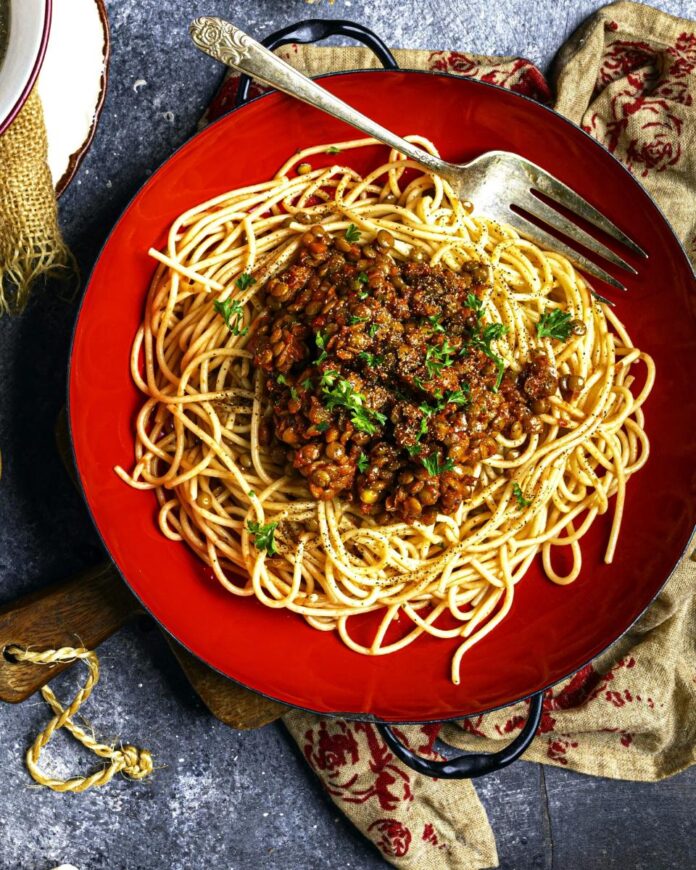
A hearty vegan pasta sauce made the traditional Italian way, using protein-packed lentils instead of ground meat. Filling and delicious, it uses common pantry ingredients that surprise with a lot of flavor. These lentils are good as pasta sauce but also on their own, with some veggies on the side.
Ingredients
Scale
28 oz (1 large can) whole peeled tomatoes
5 tbsp extra-virgin olive oil
1 onion, finely chopped
3 garlic cloves, minced
1 carrot, diced
2 celery stalks, diced
Salt and pepper, to taste
3/4 lb green lentils, rinsed and drained
3/4 cup red wine
1 tbsp tomato paste
2 bay leaves
3 to 4 fresh thyme sprigs, leaves only
2 cloves
Instructions
Puree tomatoes using a food mill, reserving all their juice, and set aside.
Heat a large pan over medium heat. Once hot, add oil, onion, and garlic. Sauté for 2 to 3 minutes, stirring frequently, until slightly soft and fragrant.
Add carrots and celery and season with a pinch of salt and black pepper to taste. Cook for 3 to 4 minutes more, add lentils and wine, and stir until the liquid is evaporated. Add tomato puree, tomato paste, herbs and spices and more salt and pepper if needed.
Bring the sauce to simmer, then reduce heat to low-medium and continue cooking until lentils are tender, stirring occasionally. It will take about 30 to 40 minutes, depending on the lentils. Add a bit more water or vegetable stock if the mixture gets too thick. Use the sauce with spaghetti or your favorite type of pasta, or eat these lentils on their own with a side of veggies.
Notes
If you miss the taste of the real deal, try using one of the plant-based meat alternatives that are now available in lieu of the lentils, and you won’t be able to tell the difference with the classic Italian “ragù.”
Story, Recipe, Styling and Photography by Sara Ghedina
Born and raised in Italy, Sara Ghedina came to California years ago. “It was like a dream,” she says of her first glimpse of the Bay Area. The beauty of water, wind and hills made an impression. “But I loved how adventuresome Californian cooks are.
Additionally, they mix cultures and ingredients in combinations you wouldn’t think of at first. If I had to choose a favorite cuisine, I’d pick what they call California Fusion, where the state’s fruits and vegetables come together beautifully.”
California Fusion Recipes
Curried Lentil Salad
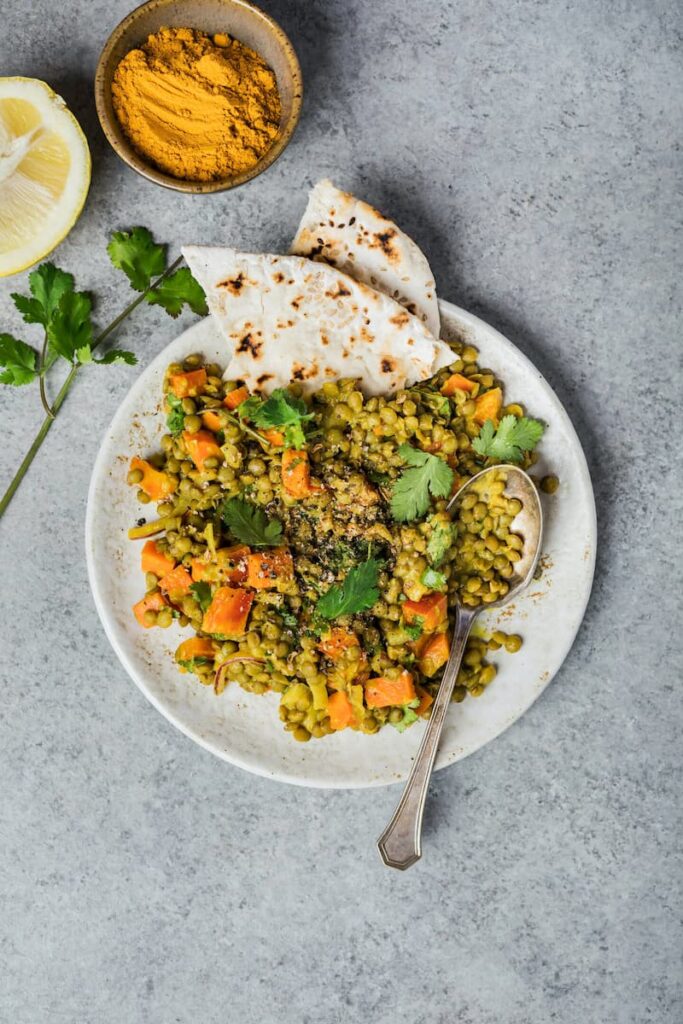
Greens, a landmark vegetarian restaurant in San Francisco with views of the bay and Golden Gate Bridge, inspired this salad recipe. Spices provide a lovely punch, and the secret is to let the salad rest for about half hour to allow the flavors to mix. It tastes even better the next day. Make sure to use a plain yogurt with neutral flavor, avoiding any made from coconut milk. You can substitute plain whole milk yogurt for a vegetarian version.
Panzanella Mango Salad
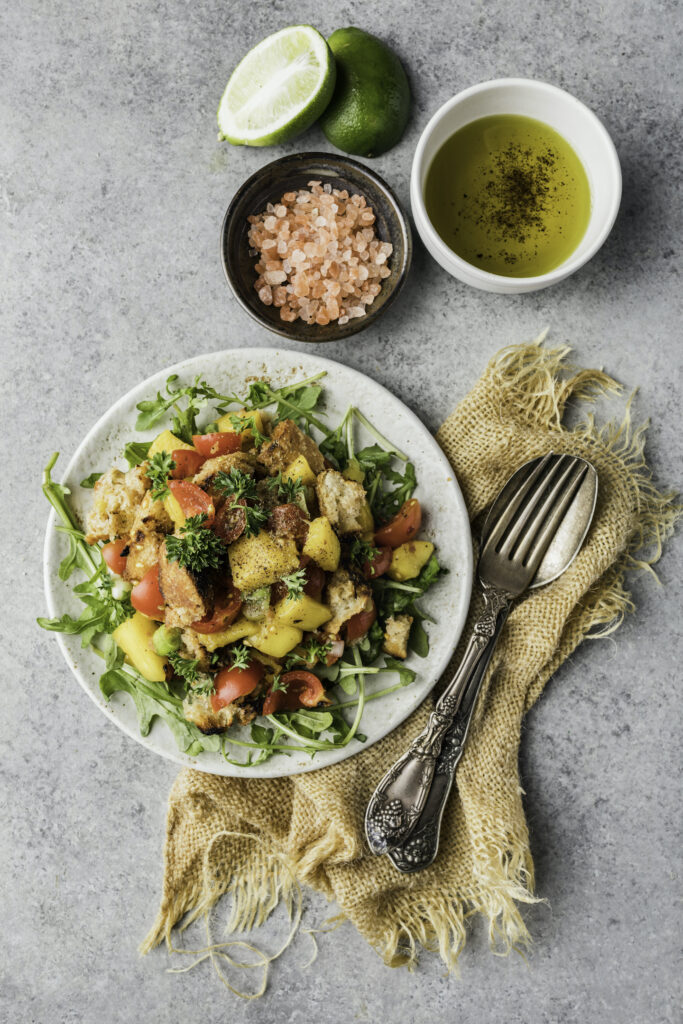
Panzanella is a traditional Tuscan salad, very popular in the summer. Onions, tomatoes, and chopped stale bread soak up the dressing and tomato juice to become rehydrated. Sometimes, it includes fragrant basil when available.
Italian traditionalists might throw you in jail for this wildly non-traditional version—but in California, anything goes. The recipe draws inspiration from the sweetness of mango salsa, a South American staple found all over San Francisco, often paired with grilled chicken, fish, or used as a creative taco topping. Use sourdough bread for even more multicultural cultural fusion.
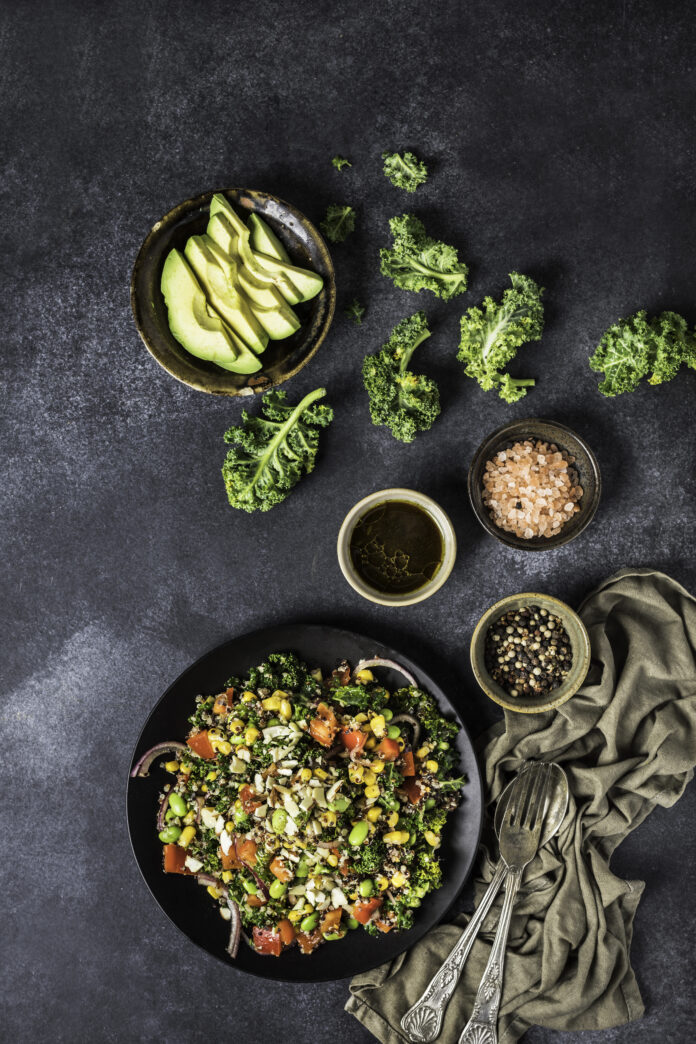
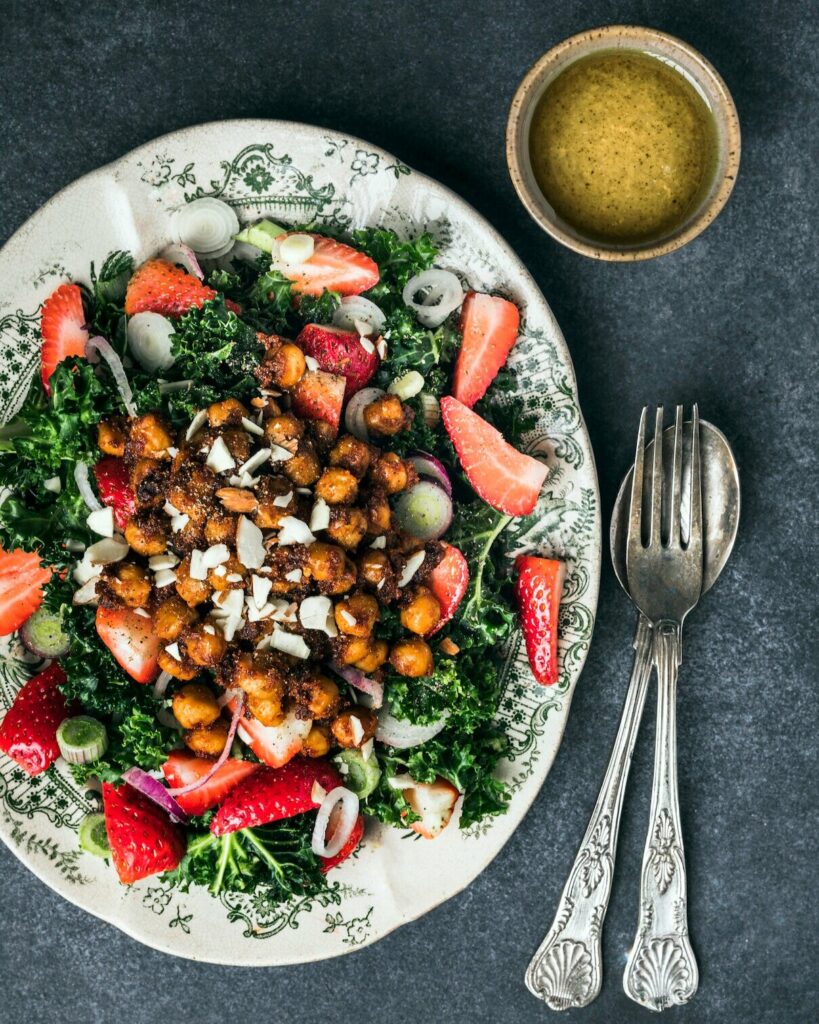
Kale is everywhere these days since it’s valued for its dense nutritional values and its flavor. You can vary this recipe for Strawberry Kale Salad with the seasons by swapping in roasted squash, mandarin oranges and roasted beets, walnuts and figs, summer peaches, and corn. In the version below, the sweet strawberries are enhanced by the homemade, vinegary dressing. Massaging the kale with the dressing, and the warmth of the chickpeas, make the kale tender and delicious!
Can I Substitute Chickpeas For a Different Protein in This Strawberry Kale Salad? Absolutely! For our vegetarian and vegan friends we suggest using chickpeas for their dense nutrient content as well as their ability to soak up flavors. Though we do understand that chickpeas are not for everyone. So, instead, you can replace with a protein of your choice such as chicken, steak, or even turkey. In case you are vegan or vegetarian though, other meatless proteins you can use include tofu, edamame, or even lentils. Maybe you’ll even choose to leave this element out altogether and instead let the strawberries, kale, avocado, almonds, and homemade dressing relieve your cravings.
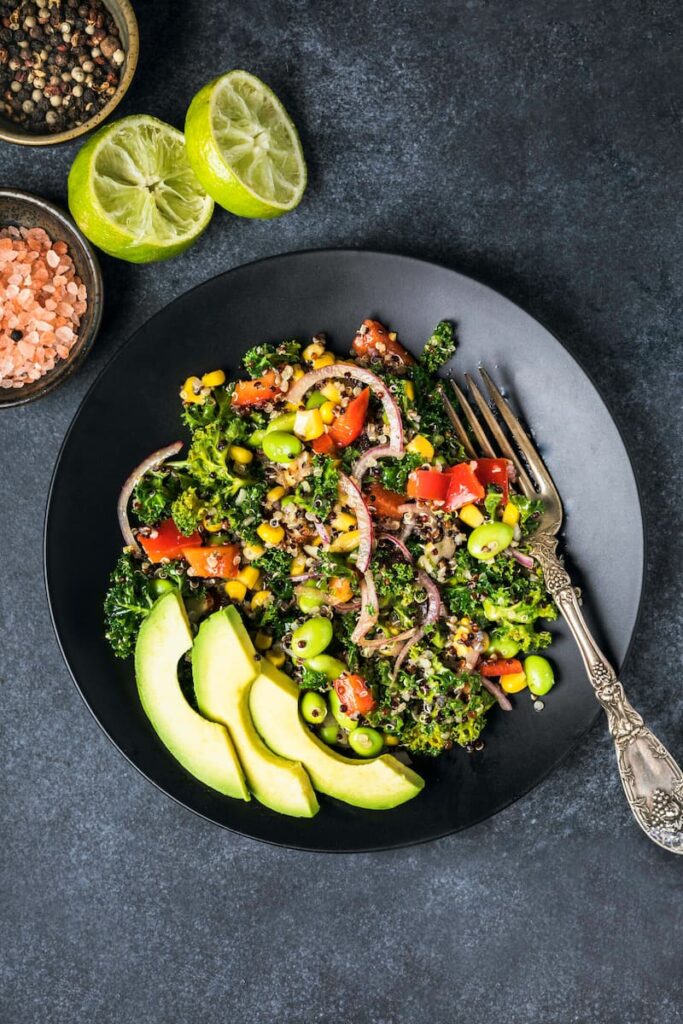
Quinoa is a nutrient-dense superfood. Quinoa contains all nine essential amino acids, making it an excellent protein source for vegetarians and vegans. It’s rich in fiber, which aids digestion, promotes satiety, and helps maintain healthy blood sugar levels. And, naturally gluten-free, quinoa is a great option for those with gluten sensitivities or celiac disease. It makes a hearty base for a salad because it pairs well with vegetables.
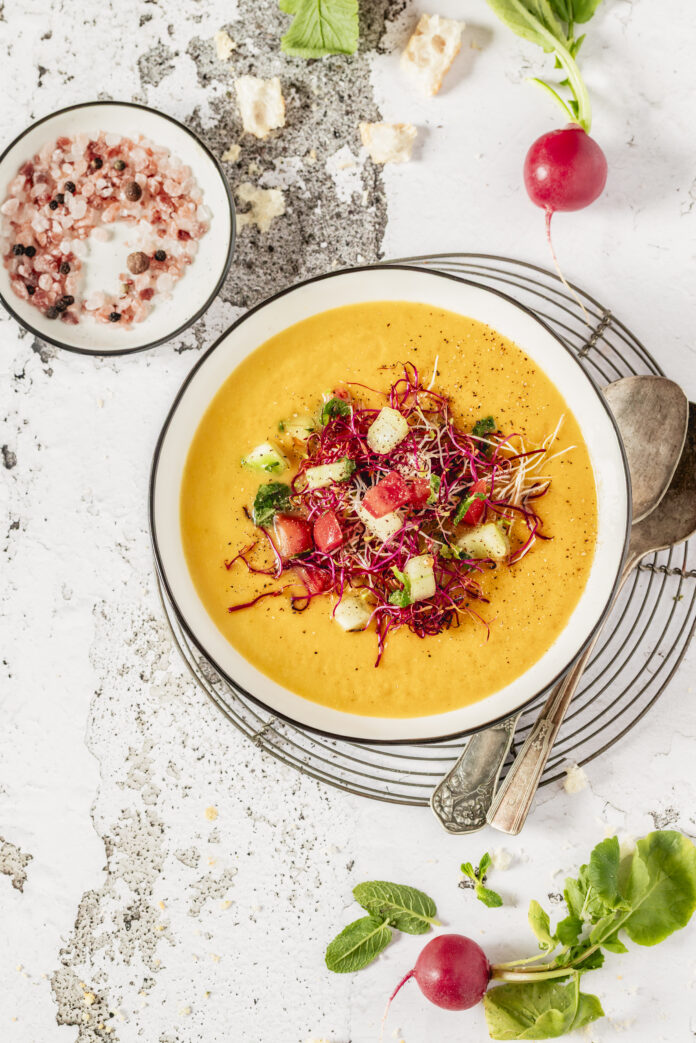
Sara Ghedina’s Cantaloupe Peach Gazpacho, her take on the Andalusian soup, will surprise you. The sweetness of cantaloupe and peaches is balanced by the tartness of lemon juice, while garlic, shallots, olive oil and chili pepper provide savory counterpoint. She tops each chilled bowl with cucumber and tomato slices and a few colorful sprouts. You could, however, gently fry some prosciutto slices until crispy and add them just before serving. Add a couple of mint leaves and some freshly ground black pepper to this Cantaloupe Peach Gazpacho recipe and…You’ll be in heaven.
What is Gazpacho?
Think of it as the perfect edible air conditioner. Gazpacho is a cold Spanish soup made primarily from raw, blended vegetables. It’s especially popular in the hot summer months, particularly in the southern region of Andalusia. Everything is blended together and chilled before serving. The result is refreshing, tangy, and packed with fresh veggie flavor, or, like in this Cantaloupe Peach Gazpacho recipe, balanced by the sweetness of fruit. It’s usually served as an appetizer and sometimes garnished with chopped vegetables, herbs, or croutons.
Peel peaches and cut them in chunks along with cantaloupe and cucumber. Place them in a blender, add garlic clove and shallot, lemon juice, balsamic vinegar, olive oil, chili flakes, mint leaves, salt and pepper. Blend until smooth.
Pour gazpacho in a large bowl, cover with plastic wrap and let it sit in the fridge for at least one hour to allow flavors to blend.
Pour the soup in individual bowls, and garnish with cucumber and tomato slices, sprouts, and a drizzle of extra-virgin olive oil, or else with some crumbled prosciutto, mint leaves and freshly ground black pepper, as explained above.
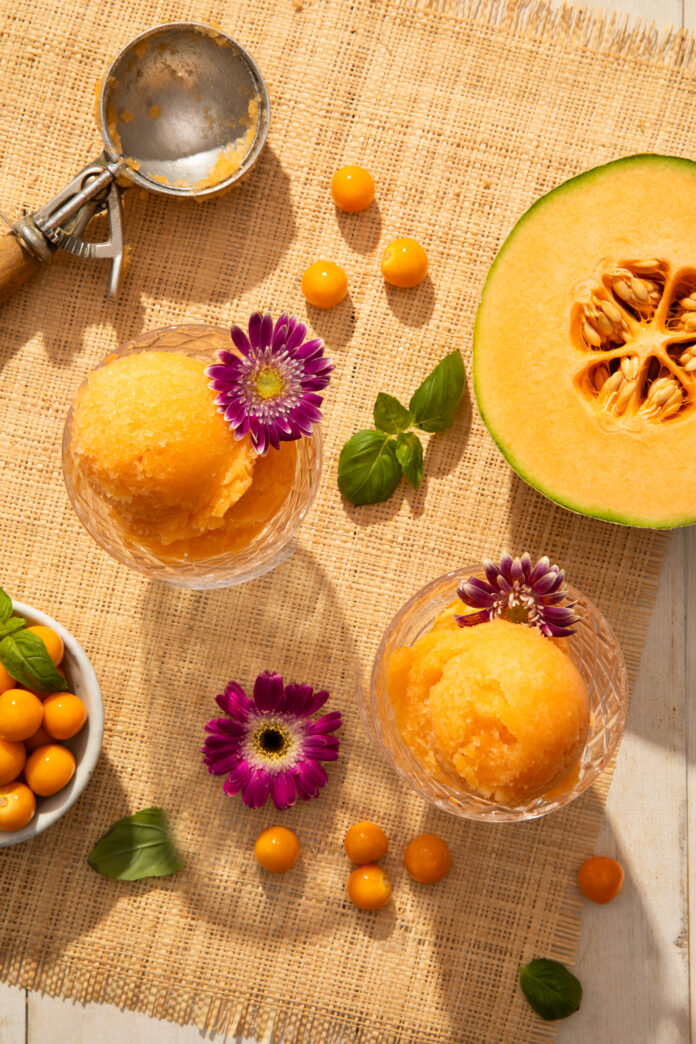
A refreshing twist on late-summer sweetness, this Husk Cherry and Melon Sorbet recipe is sunshine in scoopable form. Juicy cantaloupe (or honeydew) meets the tropical, tomato-like tang of husk cherries for a flavor that’s both unexpected and irresistible. With just a handful of ingredients and minimal effort, this recipe transforms ripe fruit into a smooth, spoonable treat perfect for hot days and easy entertaining.
Sorbet vs. Ice Cream: What’s the Difference?
Unlike ice cream, which is made with a base of cream, milk, and often eggs, sorbet contains no dairy or eggs. It’s made of just fruit, sugar, and water. This gives sorbet its signature light and icy texture, along with a more intense, undiluted fruit flavor. Because it’s free of fat and air (both of which are whipped into ice cream), sorbet is naturally vegan and often lower in calories. It’s also a great option for people who are lactose intolerant or avoiding dairy. Sans custard and cream, sorbet, especially this Melon Sorbet, is surprisingly easy to make at home.
2 1/2 pounds cantaloupe or honeydew melon—peeled, seeded, and cut into 1-inch pieces
2 cups husk cherries, husk removed
Instructions
In a small saucepan, combine the sugar, corn syrup, and water and bring to a boil. Cook over moderate heat until the sugar dissolves, about 2 minutes.
Remove from the heat. Let stand until cool, 30 minutes.
In a blender, puree the cantaloupe and husk cherries until smooth. You should have 3 cups of puree.
Stir in the sugar syrup. Pour the mixture into an ice cream maker and freeze according to the manufacturer’s instructions.
Pack the melon sorbet into an airtight plastic container. Press a sheet of plastic wrap directly onto the surface of the sorbet, cover, and freeze until firm, about 4 hours. Scoop into bowls and serve.
**If you do not have an ice cream machine, you can add the sorbet mixture to a large ziplock freezer bag and freeze for 8 hours, shaking the bag every hour or so.
If ‘regenerative travel’ sounds like an oxymoron, then it’s time for a visit to Playa Viva on the west coast of Mexico. It’s a resort where luxury and a serious commitment to the environment sit together comfortably. Julia Platt Leonard takes us on a tour.
A Trip to Playa Viva on the West Coast of Mexico
You could go to Playa Viva and spend your days lazing on a sun lounger under a palm tree, gazing at crystal white sands and an azure Pacific Ocean. To sustain energy for leafing through the stack of books you brought with you, you’d join other guests for farm-to-table meals, held communally three times a day.
An afternoon foray to the bar for their signature basil margarita wouldn’t be a bad idea, so you could toast another glorious sunset. If you can muster the energy, a short amble down the beach would reward you with a deep tissue massage in a beachside bungalow, as you’re serenaded by the lapping waves of the ocean.
But if that’s all you did,you’d miss out on what makes Playa Viva, well, Playa Viva. While some other beach resorts hermetically seal guests away from surrounding villages and life – Playa Viva not only welcomes that life in, but invites you to journey out to experience it. That could mean a dawn visit to the turtle sanctuary to watch as staff and volunteers release hours-old turtles back into the ocean. Or an ATV ride up the mountain to visit with the Gutierrez family who grow cacao and coffee. The air is cool and the hospitality warm as they prepare you an early lunch of the best black beans you’ve ever tasted, along with tortillas cooked before your eyes.
Baby turtles from the turtle sanctuary at Playa Viva take their first strokes after being released into the water.
Explore the Coast While Leaving Time for Yourself
Other excursions provide a glimpse not only into coastal life but also the work Playa Viva is doing to protect it, like safeguarding the vitality of the watershed which flows from the Sierra Madre mountains down to the ocean. Hop on the farm truck for a tour with Permaculture Manager Amanda Harris. She’s responsible for the 200 acres of land that comprise Playa Viva and helps ensure it’s a healthy ecosystem. She’s smart, passionate, and funny. And if you keep your eyes peeled, you’ll probably spot the lettuce growing that you’ll eat later that day.
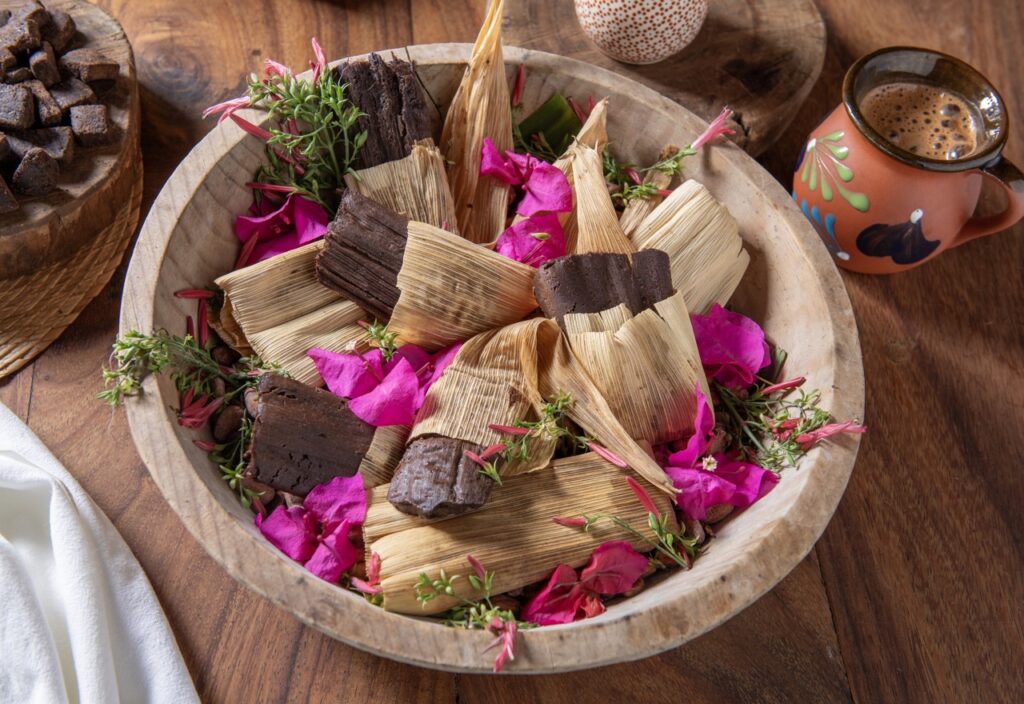
Chocolate tamales using 70% pure cacao chocolate from the Gutierrez farm in the Sierras.
But whether you’re hoping for a day fishing or touring a Pacific wetland, don’t schedule anything until you arrive. Why wait? Playa Viva co-founder David Leventhal says it’s to allow time for what he calls the “Playa Valium” to kick in. “I think our lives are over-scheduled as it is, and there’s something about arriving and letting go and feeling like you can do nothing and that’s okay,” he told me.
An Emphasis on Rest
And he’s right. I arrived dressed for cold climes in black and wool, squinting to see so much sun in winter. A host welcomed me, offered a cool drink, and took me and fellow guests on a tour. I shed the black quickly but it took longer to stash my cell phone and computer. Eventually, my breathing grew slower and deeper.
Morning yoga to waken your senses and limber your body.
Morning yoga classes in an oceanside shala (the Sanskrit word for “home”) helped limber up my body and calm my chattering mind. Staff and guests sit together for meals (perfect for the solo traveller) so soon you’re on a first name basis and sharing life stories. It’s luxury but on a decidedly human scale and as they like to say, without the guilt.
Making coconut candies by hand at the nearby village of Juluchuca.
Rest and Rejuvenate at Playa Viva at a Real Vacation
It’s all part of Playa Viva’s reputation as a regenerative travel destination and if that sounds too good to be true (and trust me, it did to me, too), it’s not. Leventhal gets as excited taking guests on an impromptu tour to show how grey water is used to irrigate the gardens and a peek at their solar powered electrical room (they’re 100% off-grid), as he does showing off the latest bamboo-constructed treehouse with lofty ceilings and jaw-dropping ocean views.
The sound of crashing waves lulls you to sleep at a Playa Viva treehouse.
And that’s the thing about Playa Viva – it proves that luxury travel doesn’t have to take a toll on the planet. “You can have so much richness and still be immersed in nature,” Leventhal says. It’s all about small choices like cooking with seasonal ingredients grown on their own farm or by neighboring farmers, to beds made up with organic sheets that invite you to rest after a long day. It’s staying at a place that cares as much about its community as it does about its guests. And a place that leaves you feeling good rather than guilty when you check out.
Leventhal likes to share what a guest once said to him: “You check all my boxes … even boxes I didn’t know I had.”
Story by Julia Platt Leonard Photography Courtesy of Playa Viva
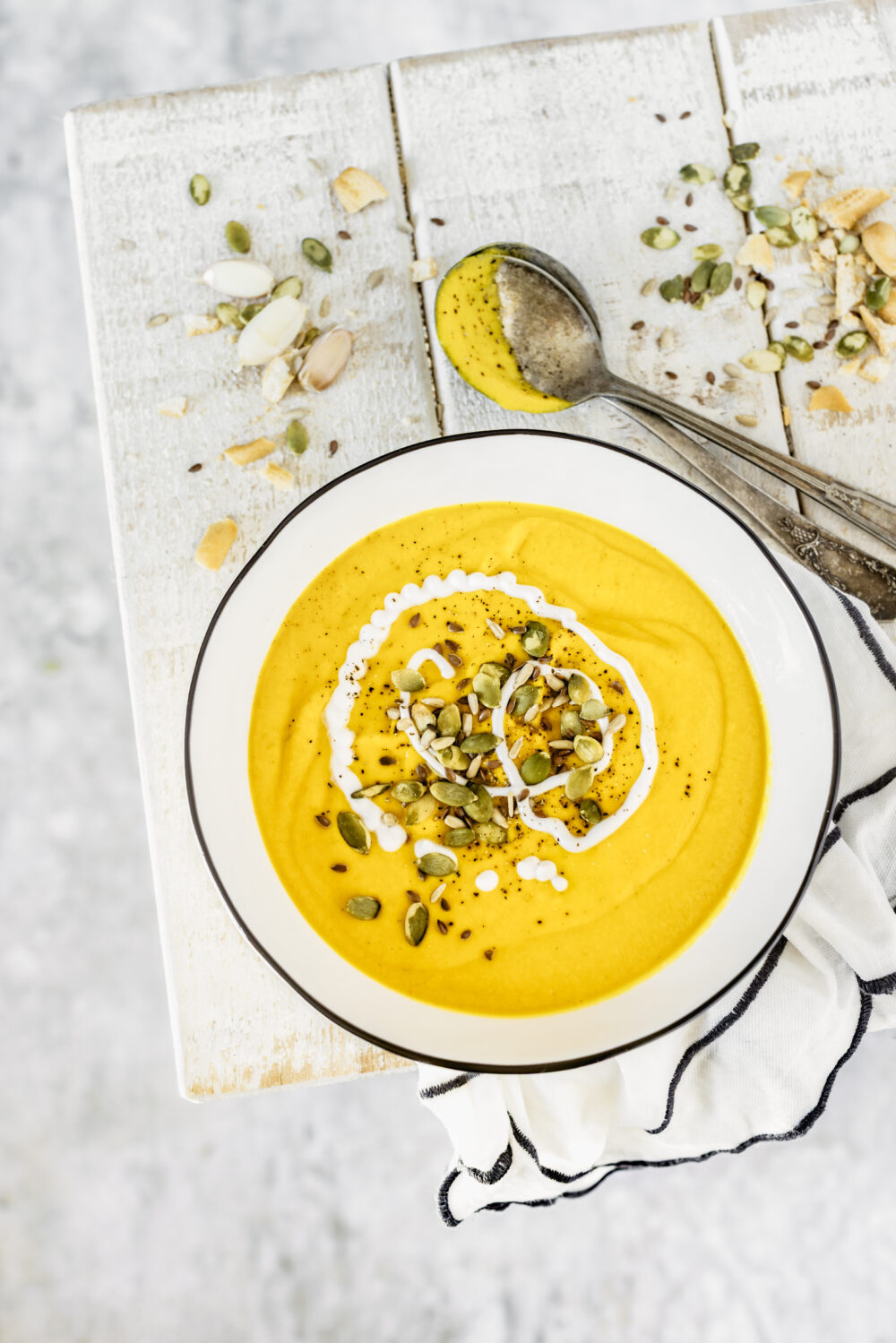
Creamy and refreshing, this Carrot, Bell Pepper and Coconut Milk Soup is reminiscent of Thai cuisine and comes with a very intense aroma that is sure to win you over. The sweetness of carrots and bell peppers is balanced by the tanginess of lime juice and apple cider vinegar, while ginger provides the right amount of spiciness. It is meant to be served cold, but it works just as well when it’s warmed up.
Why Use Coconut Milk in Soup?
The use of Coconut milk allows for a rich and silky soup without a drop of cream. Its natural sweetness creates flavor harmony, perfectly balancing chili, lime, garlic, and ginger for that crave-worthy sweet-salty-spicy-sour combo.
Additionally, the healthy fats provide a nutrient boost, making soups more satisfying and energizing. It’s perfect for those following a vegan diet.
Creamy and refreshing, this soup is reminiscent of Thai cuisine.
Ingredients
Scale
1 lb. carrots, peeled and ends removed
1 yellow bell pepper
1 thick slice day-old country bread, cut in bite-size pieces (about 1 cup)
1/2 red onion
2 garlic cloves
2 tbsp coconut oil
2 tbsp apple cider vinegar
Juice of 1 lime
1 tsp turmeric
1 tbsp grated ginger
3/4 cup coconut milk
1 to 3 cups of water
Salt and pepper to taste
Instructions
Clean the bell pepper, discard the seeds and the white parts, and cut it in chunks. Slice the carrots and set them aside.
In a small bowl, soak the bread with the apple cider vinegar to soften it.
Heat the coconut oil in a large pan, slice the onion and the garlic cloves, and sauté them for a few minutes until golden. Add carrots and cook for 5 minutes, then add the bell pepper, season with salt and pepper and cook for another 12-15 minutes until all vegetables are tender. Add some water if necessary to avoid burning. Remove from heat and let it cool off.
The hot honey trend that has swept the internet has everyone going out to buy a bottle of Mike’s Hot Honey. Most drizzle this bottle of goodness on sandwiches and pizza, but we’re here to prove there’s so much more you can do with hot honey. Enter, the Hot Honey Old Fashioned, a classy yet flavorful upgrade to this traditional cocktail. Just four ingredients (one of which is a garnish) stir into a cocktail that carries the bold depth of bourbon along with the sweet and spicy taste of hot honey as well as a few dashes of orange bitters.
What are Bitters, Anyways?
No matter the Old Fashioned recipe, you’ll add a few dashes of bitters to your glass. By the name, we know this extraction has a bit of a bitter nature, but what exactly are bitters? Bitters are simply a concentrated infusion of botanicals, roots, herbs, spices, and fruits. They come in various flavors but for this recipe we used orange bitters. Orange bitters have a little sweetness from the citrus but still offer up hints of cardamon, anise, caraway seed, and coriander.
Aioli is the best for slathering on top of burgers and sandwiches or for dipping your favorite appetizers. But what if you could make creamy aioli even more delectable? Ground harissa and hot honey infuse your garlicky aioli with a helping of heat. The coolness of the mayo along with the sweetness of honey temper the spice down to the perfect level. It still packs a bit of a kick but it does not overwhelm the senses. Who knows how you’ll use this Hot Honey Aioli with Harissa, but when you find a great combination, then keep us in the loop!
What is Harissa in This Hot Honey Aioli?
This finely ground, North African red powder is our little secret to enhancing the flavors of the Hot Honey Aioli. Harissa powder blends smoked chilis with various spices like cumin, coriander, paprika, and caraway seeds. You can also get harissa in paste and sauce form, as well as dried and ground. In our case, we use it to replace chili paste with a rich flavor. You can make your own harissa at home but we wouldn’t blame you for taking the easy way and picking up a jar at the store.
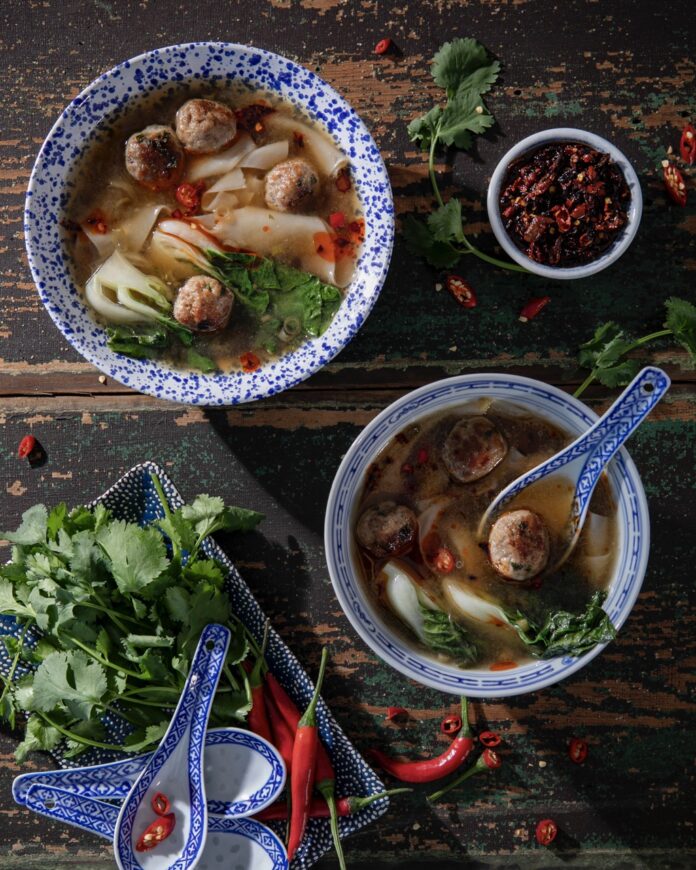
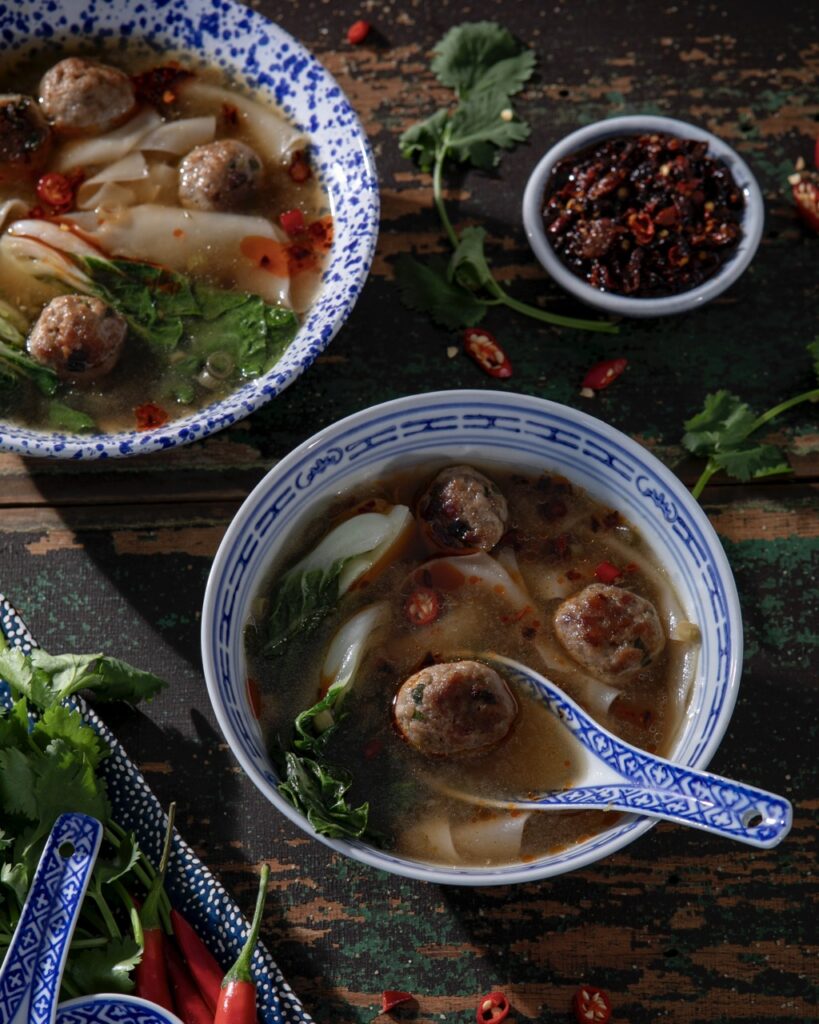
Don’t you wish you could have Pork Wonton Soup at the ready instead of having to go to your local Chinese restaurant? Our Quick and Easy Pork Wonton Soup makes this comforting dish a breeze, taking advantage of pre-made chicken stock as well as simple, store-bought wonton wrappers. Other than the pork filling which takes some mixing, this recipe is effortless, allowing you to create a rich, umami-infused soup in around 30 minutes.
Can You Exchange the Pork Filling in This Wonton Soup for Something Else?
Yes, you can absolutely switch up the pork filling to suit your dietary needs and preferences. Try using ground turkey, ground beef, ground lamb, tofu, or even beans as a vegan option. You just want to make sure your ball is dense and sticky enough to stay together as it gets cooked in the savory broth. If you’d prefer, you can leave out the pork balls altogether and focus on adding in other fresh vegetables of your choosing. Ingredients from your local farmers market like carrots, bean sprouts, and mushrooms all make great additions to this wonton soup recipe.
Wonton soup doesn’t have to be a big ordeal. Make this easy recipe for a quick and fulfilling dinner.
Ingredients
Scale
2 qt chicken stock
1 bunch green onions, thinly sliced
1 garlic clove, thinly sliced
2 tsp ground ginger
2 tbsp soy sauce
1 1/2 tsp rice vinegar
1 tbsp brown sugar
1 tsp kosher salt
1 lb ground pork
2 tsp toasted sesame oil
2 tsp cornstarch
3 heads baby bok choy, roughly chopped
20 wonton wrappers, cut into quarters
Chili crunch for garnish
Instructions
Place chicken stock in a large saucepan over medium-high heat. Cut white parts of green onions into 1-inch pieces and add to broth. Add garlic clove and 1 teaspoon ginger. Add 1 tablespoon soy sauce, vinegar, brown sugar and 1/2 teaspoon salt. Bring mixture to a boil, stirring occasionally.
Place pork in a bowl. Finely slice remaining green parts of green onions and add to the bowl. Add remaining soy sauce, ginger, salt, sesame oil, and cornstarch to the bowl and mix until well combined.
Form the pork mixture into 1-inch balls and add to broth. Reduce heat to a simmer; cook 5 minutes or until the pork is fully cooked. Add wonton wrapper and bok choy and simmer for 8 minutes, stirring occasionally. You want the boy chop to be tender and for the wontons to be fully cooked.
Garnish with green onion and chili crunch.
Recipe and Styling by Anna Franklin Photography by Laura Petrilla
Direct flights to London make a trip to the British capital an easy choice for your next holiday. While some still bemoan British food, Julia Platt Leonard says that reputation is undeserved. She shares some of her favorite restaurants to help get your travel planning started.
When I broke the news to family and friends in the late ‘90s that my husband and I were moving to London, the first words out of their mouths weren’t “We’ll miss you” but “What about the food?” Yes, the city was dripping in art, awash in culture, and mainland Europe just a civilized Eurostar train ride away. But the food? People shook their heads in disbelief, wondering what a woman who thinks about dinner while washing up the breakfast dishes would do.
London’s Cuisine
The truth? The food was good and kept getting better over the quarter of a century we lived there. Stalwarts like The River Café (opened in 1987) went from strength to strength while a raft of new restaurants blossomed, garnering kudos and Michelin stars with equal abandon. In fact, in 2024, London garnered more Michelin stars than New York, claiming the Top Five spot worldwide. Take that Big Apple.
And yes, you could take out a second (or third) mortgage and dine in three-star-style with Alain Ducasse at The Dorchester or with Hélène Darroze at The Connaught, but the beauty of Britain is that you don’t need to. Some of my favorite spots – ones that hold a place in both my heart and my stomach – are secret gems just waiting for you.
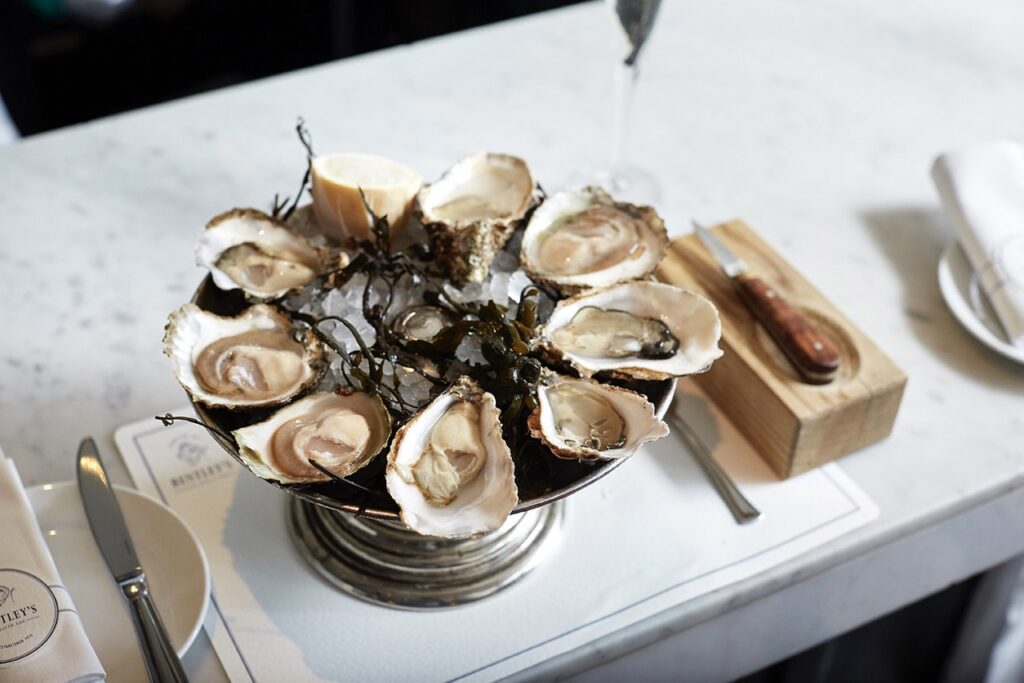
My last meal? A seat at the Oyster Bar at Bentley’s. My imminent demise would be softened by the thrill of watching the white jacket-clad staff shucking oysters while carrying on witty banter and filling your champagne glass at the same time. Lobster bisque, tuna tartare, a platter of fruit de mar, and superlative thick cut chips (fries to you and me). It’s simply joyous.
Chef and restauranteur Asma Khan is known and respected as much for her commitment to social justice as for the food she lovingly serves at Darjeeling Express. Her all-female kitchen brigade turns out show-stopping Indian dishes, with recipes that draw on Khan’s heritage and her early days as a supper club host. There is an à la carte menu for lunch but the real fun is the evening Royal Thali – a multi-course feast served up with sides like Aloo Bonde (spiced potato balls infused with turmeric and curry leaves and fried in chickpea batter) and a slow cooked and tangy tamarind dal.
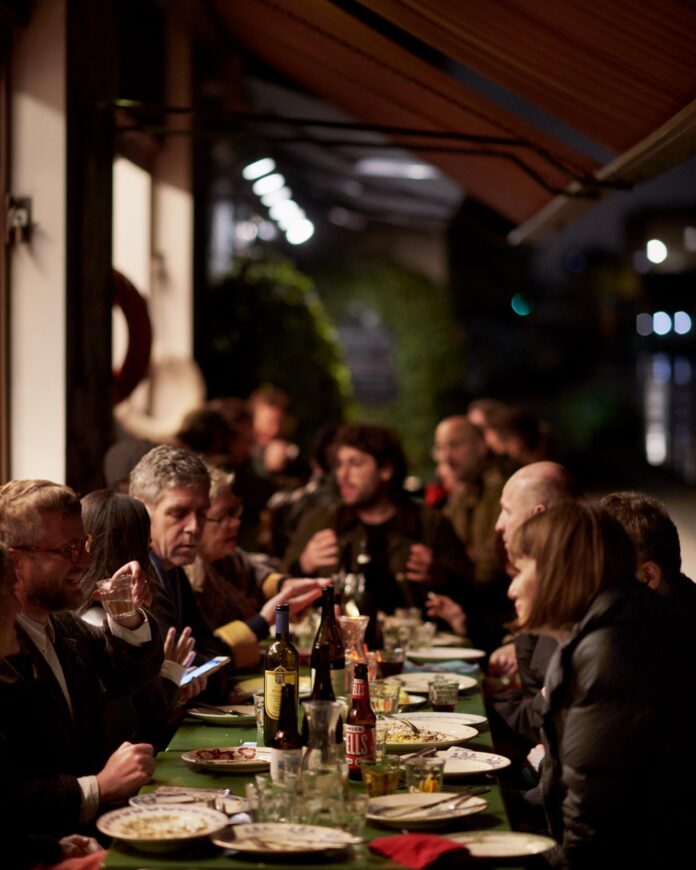
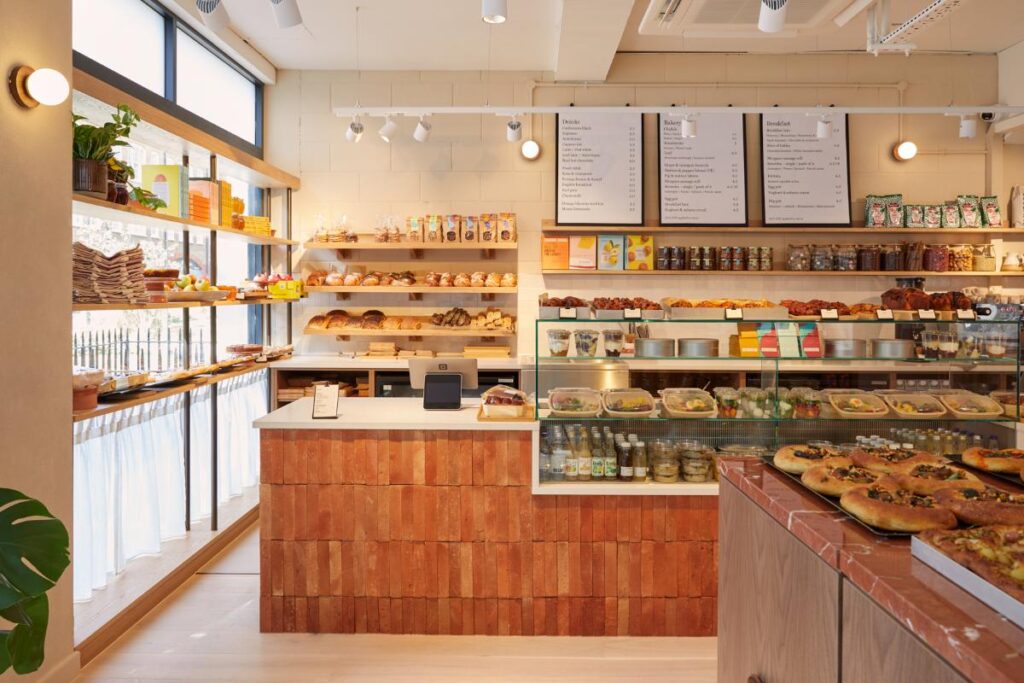
I’m convinced that the happiest food is created by happy people – food that makes you smile, that invites sharing, and encourages lingering conversations around the table. That’s the magic that Itamar Srulovich and Sarit Packer – the dynamo husband and wife team behind Honey & Co. – conjure up. The menu is Middle Eastern-inspired with dishes like Yemeni falafel with lemony cabbage salad and tahini or their consummate creamy hummus with marinated chile garlic chickpeas, that begs to be shared. My favorite location (there are four plus a new event space) is Honey & Co. Daily, which combines a bakery-cum-deli in front with a sit-down restaurant in back.
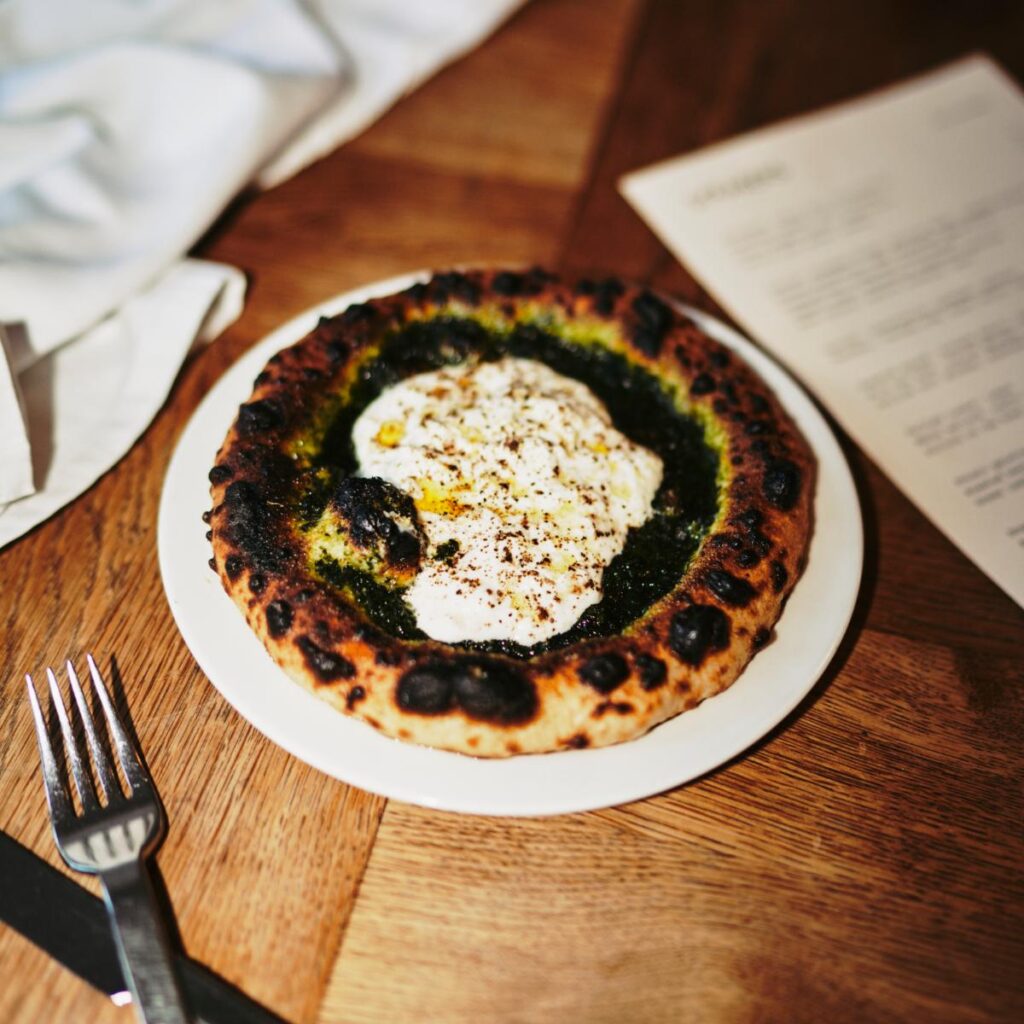
The cooking is straightforward at Straker’s – nothing tricky or clever – but done with such skill and an eye to letting the seasonal ingredients take center stage. No wonder Chef Thomas Straker chose Food You Want to Eat as the title for his cookbook which is out this year. The flatbread with mussels and chile is ridiculously good but there’s honestly not a weak dish on the menu. Come with friends who are as greedy as you are and be ready to share and over-order. You’ll eat it all, I promise.
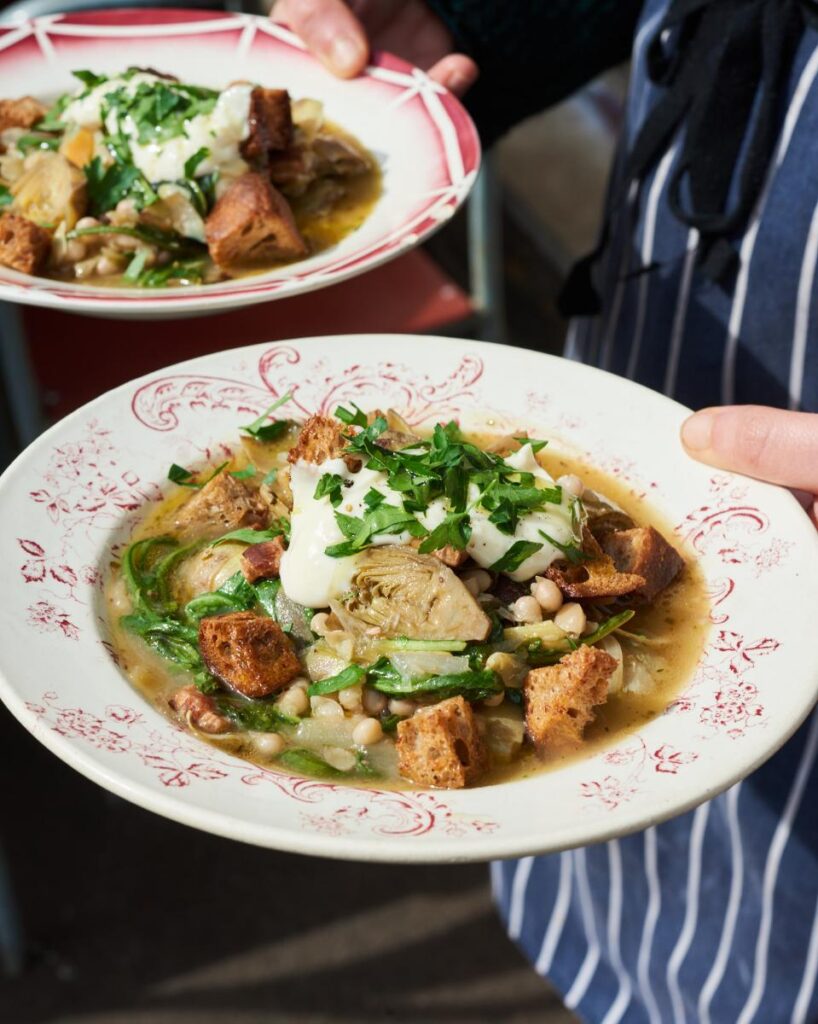
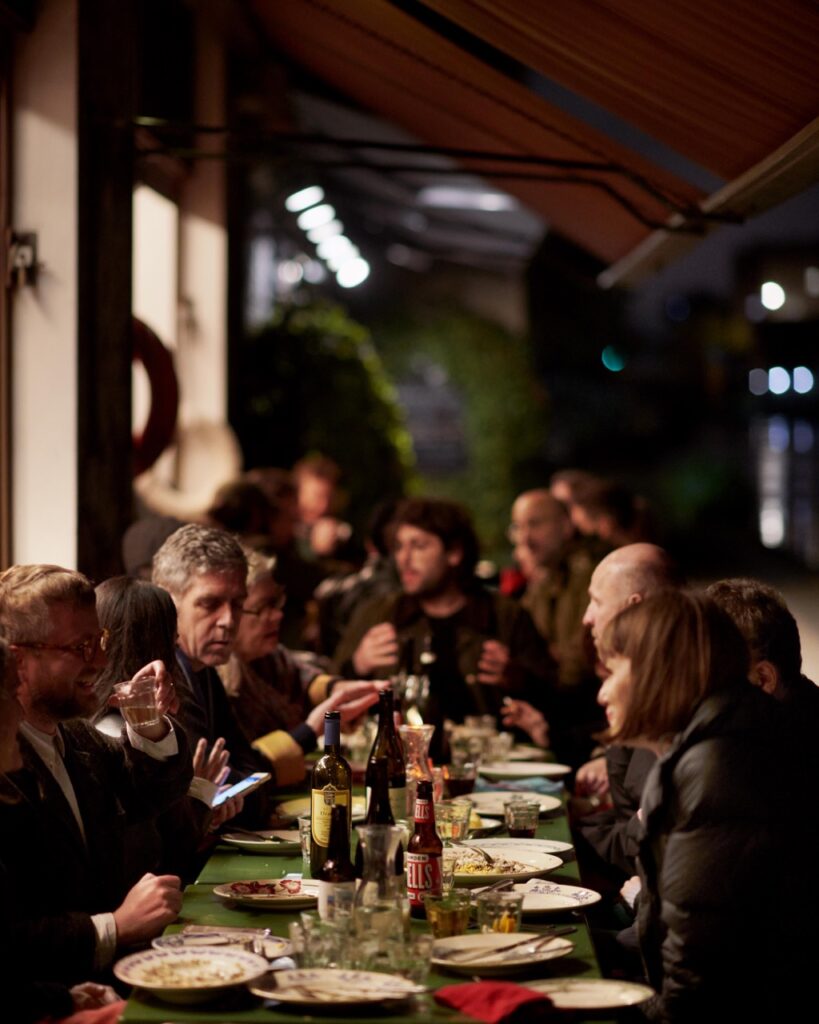
Dining at Towpath, located on Regent’s Canal in Hackney East London, is like receiving an invitation to dine at someone’s home, if that someone just happens to be a phenomenal chef. It’s quirky and unpretentious, with a changing menu that looks to the seasons for inspiration like a crimson-hued plate of beetroot, rainbow chard, braised lentils, anchovy and soft-boiled egg. There are no reservations, so just show up and plan on lingering.
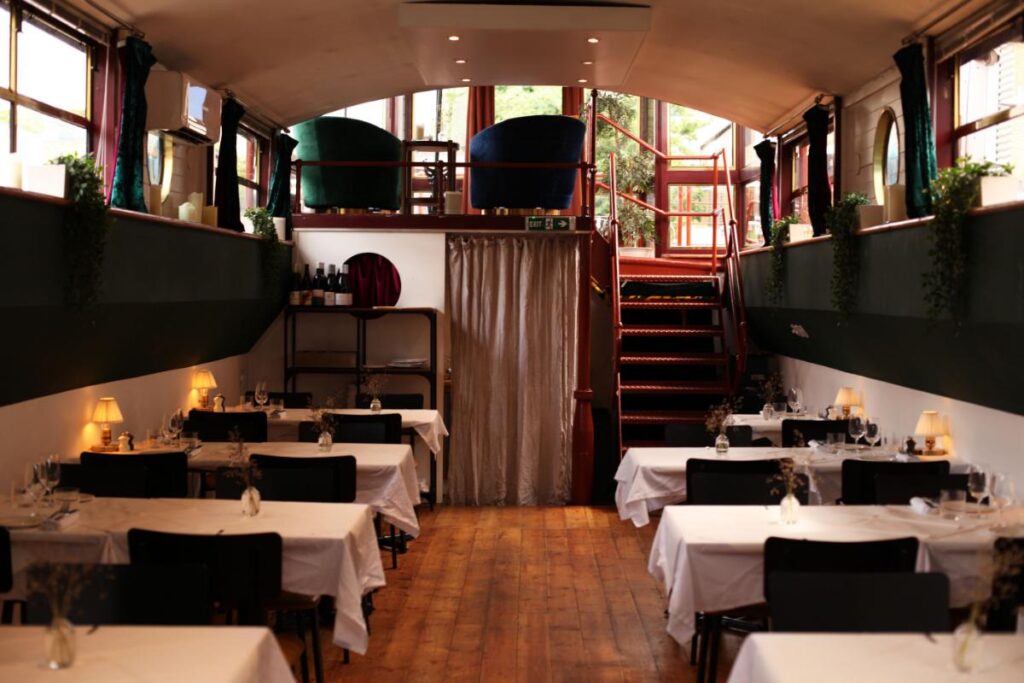
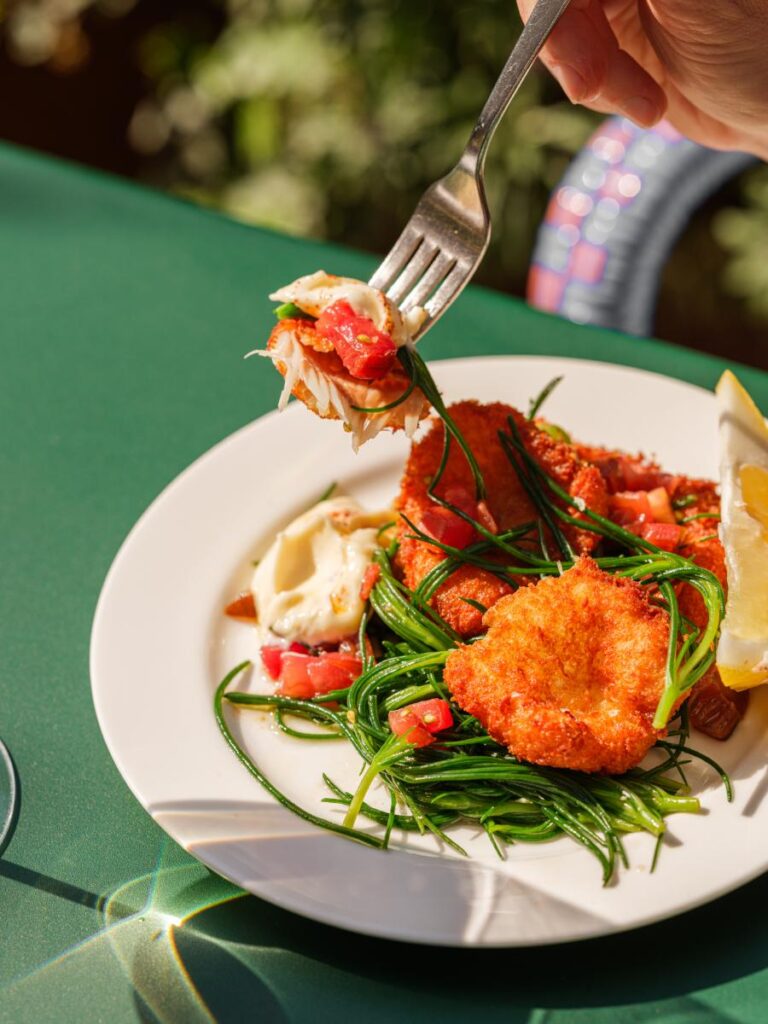
Another reminder that London is belongs with water, whether it’s the River Thames or the canals that criss-cross the city, is Caravel, housed in a Dutch barge in Islington. The floating restaurant and cocktail bar is the inspiration of brothers Lorcan and Fin Spiteri. Sip an Earl Grey Martini while you peruse the menu. The sesame prawn toast with chile jam is a must and the pastas are sublime. But really you won’t go wrong with any dish on this perfectly crafted and executed menu.
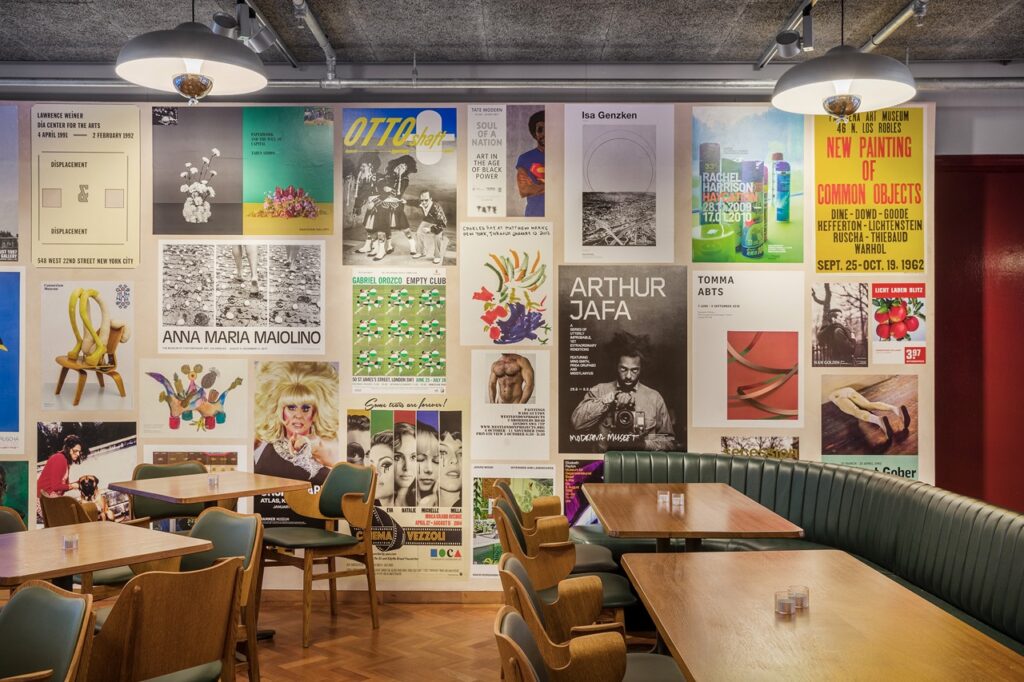
Situated between the Strand and the Thames, Toklas serves up Mediterranean fare where vegetables are the stars and meat and fish shine in best supporting roles. This is casual dining with an open kitchen, poster-lined walls, and Scandi furniture. Go for dishes like the fried feta with honey and chile or slow grilled carrots with labneh, pistachio and sumac. It’s also the perfect spot for pre-theater dining.
Cloth is a new breed of British restaurants that is firmly rooted in the past. Tucked into a slip of a street under the shadow of St. Bartholomew the Great Church, Cloth serves up the very best of British produce, meat, and fish in simple preparations that let the ingredients sing. It’s truly rooted in the seasons – imagine fried courgette flower, filled with a mix of Dorset crab, and ‘Nduja or grilled monkfish with curried leeks, Monk’s Beard (also known as agrete or barba di frate) and cider. Sharing? Get the Hereford ribeye with confit garlic and anchovy and call it a day.
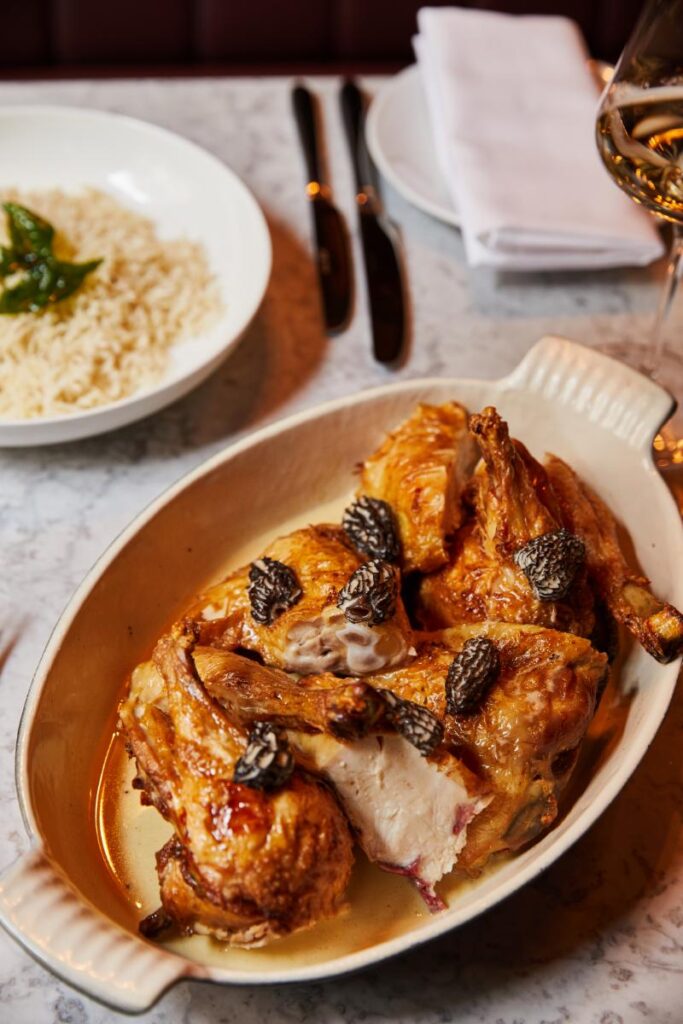
There are three Noble Rot restaurants, and you won’t go wrong with any of them. All under the helm of Executive Chef Stephen Harris (of The Sportsman in Whitstable fame), the food is what Noble Rot calls ‘Franglais’ with a wink and a nod. Each restaurant has a different menu and while I love all three, the Soho location – housed in the former Gay Hussar restaurant on Greek Street – has a special place in my heart. Go with a friend or two and share the roast chicken with morels and Vin Jaune sauce. Feel free to give your plate an extra wipe with a piece of bread. And for value you can’t beat their two or three course set lunch menu.
French Food in London
Recently, the best French food I’ve had hasn’t been in Paris, but in London … unpretentious bistro fare served by waitstaff who nod approvingly when you order the tete de veau or pig’s head terrine. There are places that feel both timeless and timely, feeding our need for something both comforting and classic.
Located upstairs from the Three Compasses Pub in Farrington, Bouchon Racine serves food so en pointe that I could weep with joy. It’s the size of a postage stamp but that’s all to the better as it allows you to ogle what’s on your fellow diners’ plates. A changing menu is handwritten on a blackboard and brought to your table by enthusiastic waitstaff, along with bread and proper French butter. Rarely a dessert person, I succumb with glee to Chef Henry Harris’ crème caramel. It is rhapsodic.
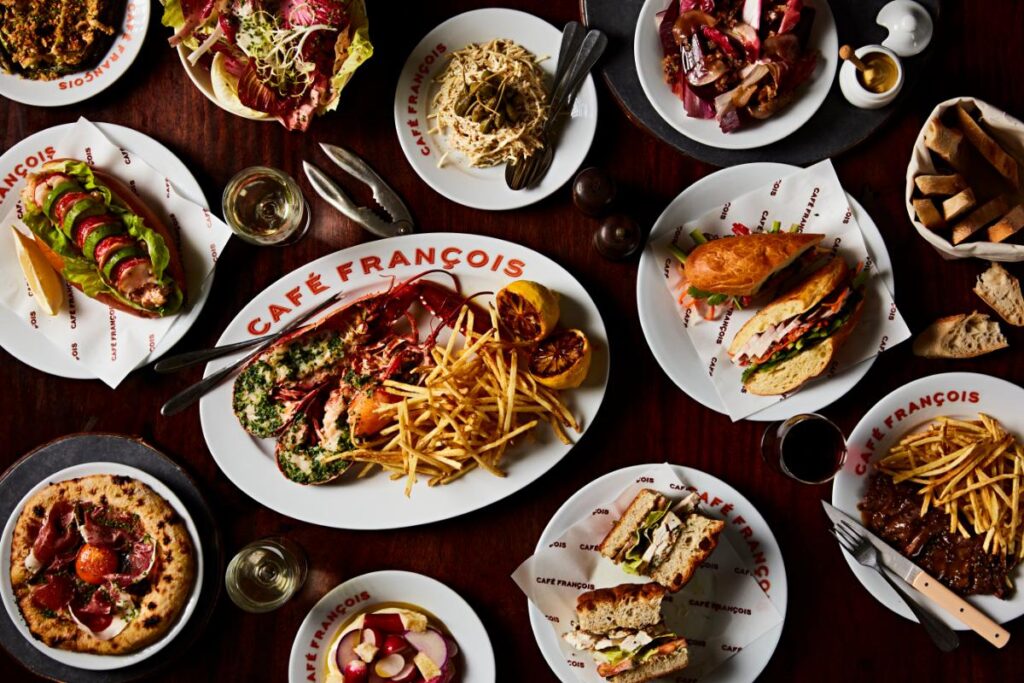
Café Francois is at home in London’s historic Borough Market. While the vibe is young and trendy, the menu is rooted in stalwart French bistro fare favorites, like soft pillowy puffs of Comte gougeres; thick slices of brioche, spread with Café de Paris butter and then topped with salty anchovies (sublime); or Jamon de Bayonne which comes with or without celeriac remolade (silly question). Their steak frites will restore your faith in humanity.