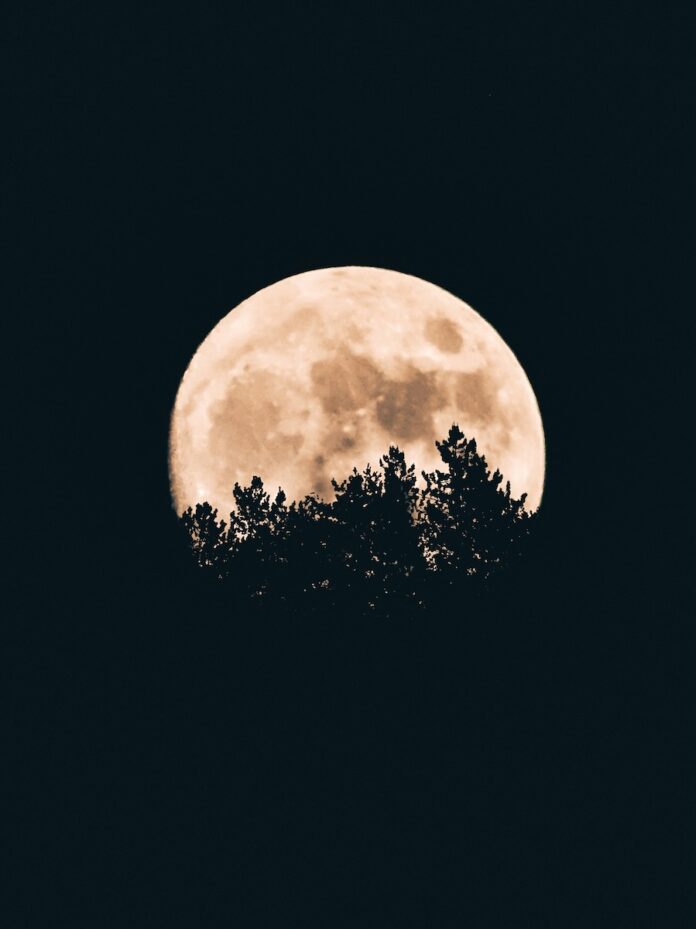
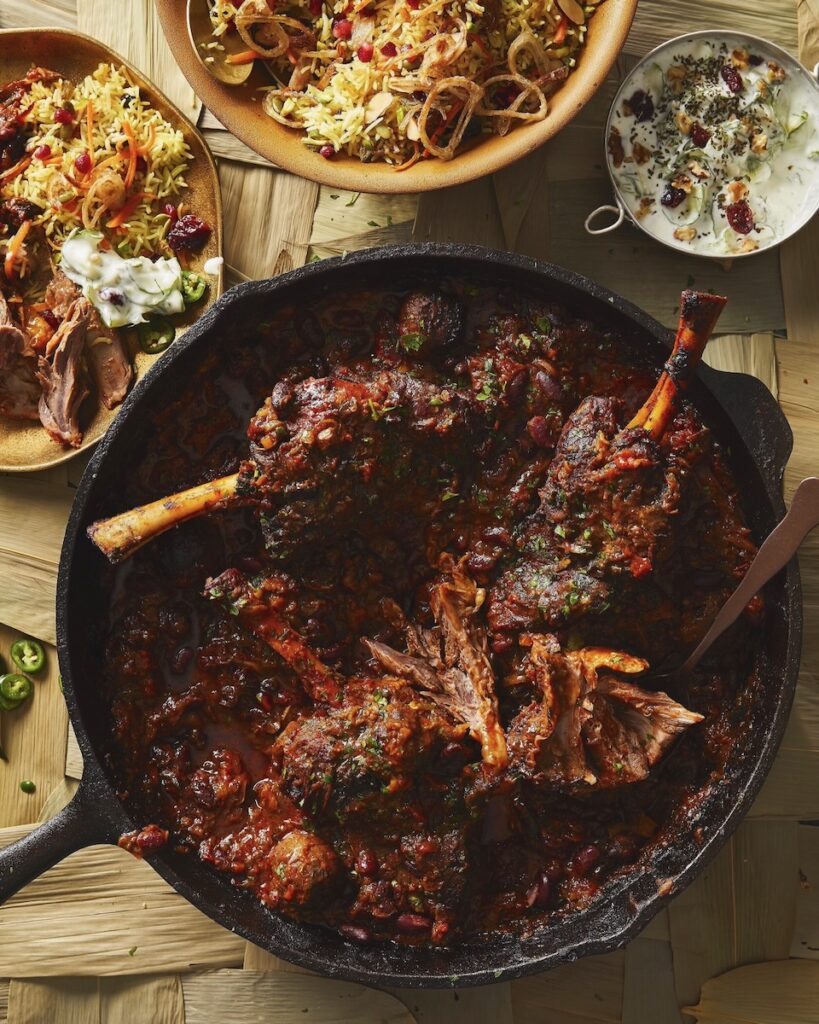
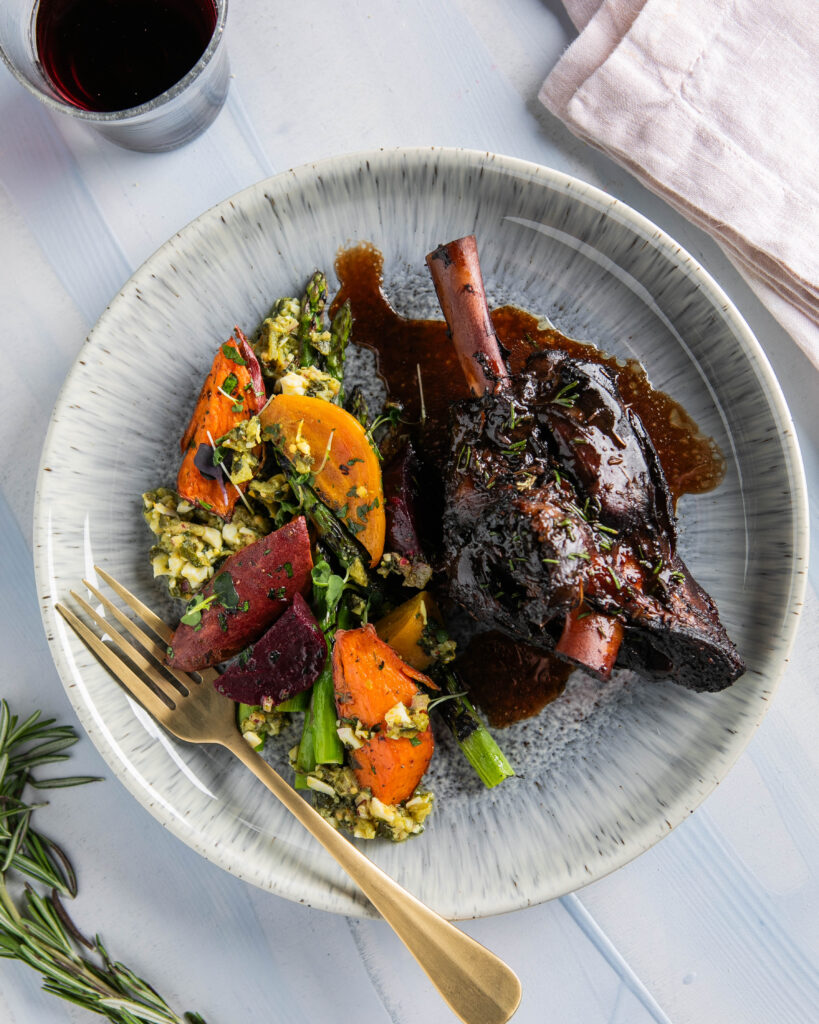
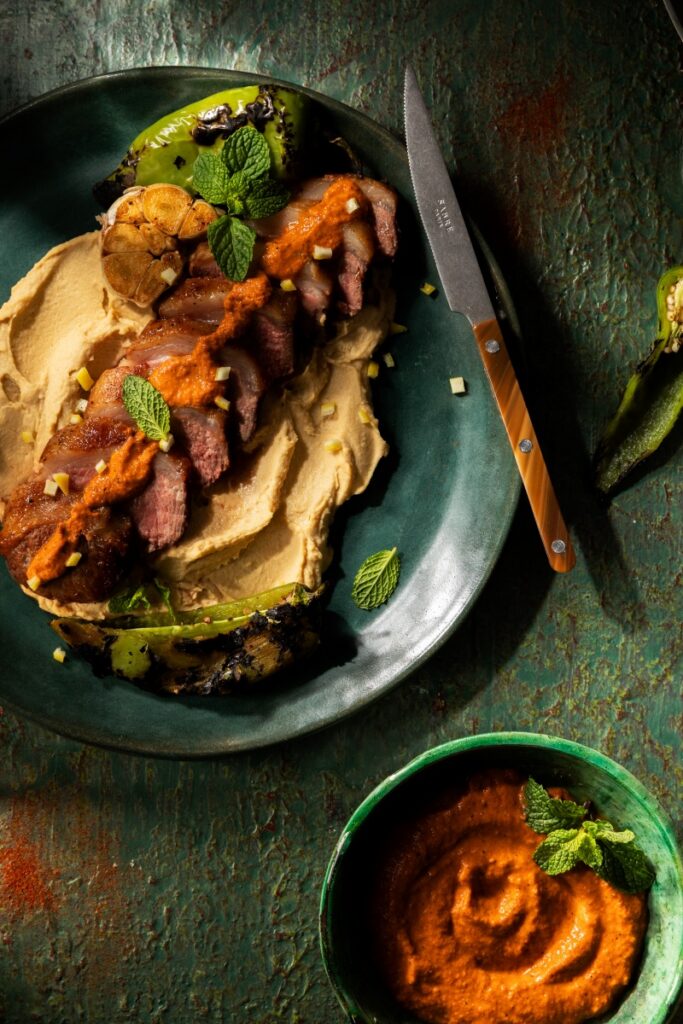
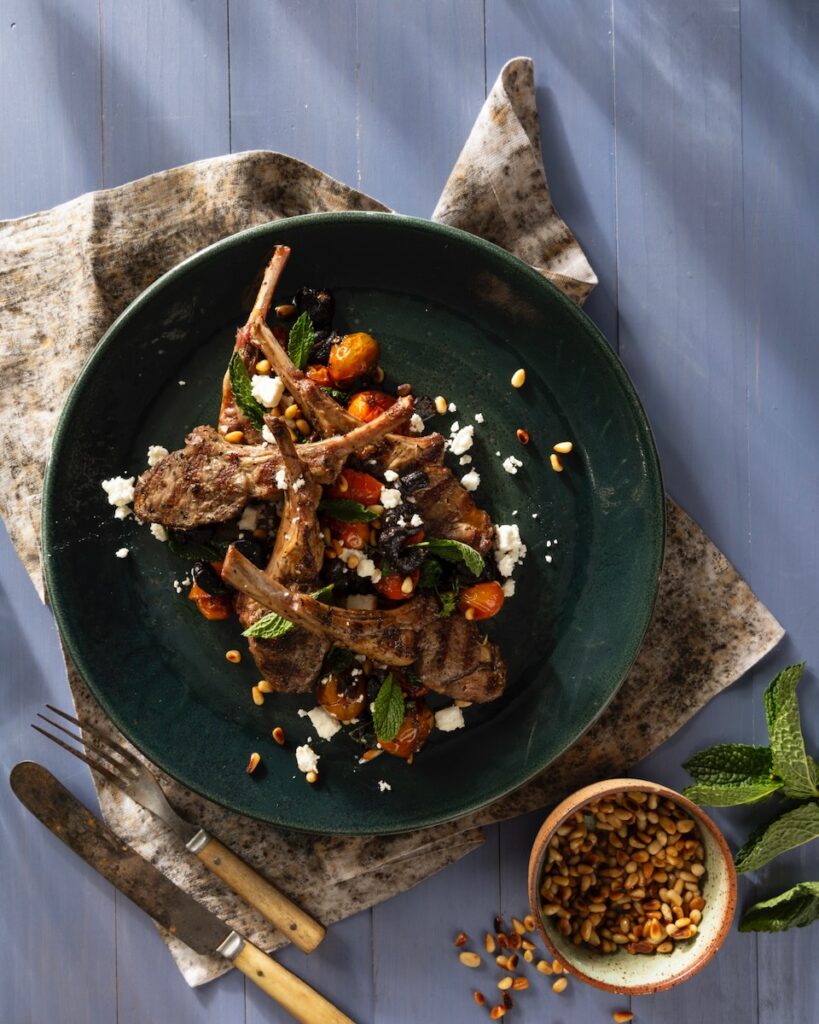
The Full Moon of October 26 falls in Taurus, the sign of the Bull. Taurus is the part of the zodiac given to cultivation and upkeep, the slow and steady work of keeping what you have in good order. Traditional sources place it in stables and storehouses, cellars and low rooms, places close to the ground and built to keep provisions safe.
What Does a Taurus Full Moon Represent?
But in our day to day lives, Taurus tends to describe reserves of every kind, from savings and daily routines to a household that runs well and friendships you’ve kept up for years. Taurus favors continuity over expansion, and it measures success by whether the supply lasts through the lean months.
The sign belongs to Venus, and the Moon is exalted there, which makes a Full Moon in Taurus one of the more comfortable lunations of the year (all things considered). It favors stability and good food, a full larder and few surprises. But the rest of the sky this month is less obliging. Mercury squares Mars, and Mercury and Venus are both retrograde, so the month pushes and unsettles while this Moon digs in.
The Bull’s patience is its strength, and stubbornness is the price. Under pressure Taurus hardens, hoarding resources and defending habits past their usefulness. The useful version of this Full Moon keeps tending what you already have while the noise passes, and saves the big moves for after it does.
Deborah Houlding’s Taurus overview at Skyscript goes back to the Taurean Age, when domesticating the ox gave settled farming the plough, and follows the bull through the temple cults of Egypt and Crete. It also carries the best practical advice on the sign: you can’t push a bull, you can only lead it from the front. Worth reading if someone stubborn is testing you this month, or if the stubborn one is you.
Mercury Square Mars: Force Against Cleverness
Mercury is retrograde in Scorpio, a sign associated with information we keep close and secrets we tend to hold back. Mars is in Leo, where its heat goes into pride and display and the need to be seen winning. As Mercury moves to the square of Mars, those two conditions grind against each other. Thinking turns guarded and second-guessing while the pressure to act gets louder.
Astrologers have long read contacts between these two planets as a contest between force and cleverness, and in a square neither side wins cleanly. The aspect produces impatience and arguments, conclusions reached before the facts are in, and opinions defended harder the less certain they are. Because Mercury is retrograde, the facts themselves are under revision, which makes settling matters by pressure more costly than usual. A decision forced through in late October may need unwinding by mid-November.
You will probably recognize this aspect from the inside first. It shows up when you send a heated reply before rereading it, or when a meeting turns into a debate nobody scheduled. It also shows up when you agree to something only to end an uncomfortable conversation.
The square also supplies energy for a hard problem, provided it goes into investigation instead of argument. Scorpio is a sign suited to research and digging, and the restlessness of this aspect can be spent there. When a dispute comes up this month, argue only from what you can check. Give important messages an hour before you send them.
Mercury and Venus Retrograde: Two Personal Planets in Review
Mercury is retrograde in Scorpio and Venus is retrograde at the end of Libra, its own sign. With both moving backward at once, the personal side of life runs less smoothly than it did in September. Conversations, plans, relationships and money all feel disordered, and some of the confusion comes from the past.
Mercury retrograde is the more familiar of the two. Messages go astray and devices fail; travel runs late. Plans made in a hurry come back for revision. Double-check details and back up what you can’t afford to lose. Read any contract twice before you sign it. Mercury turns direct on November 13, and by early December its effects have cleared.
Venus retrograde lasts around forty days, a span that turns up across wisdom traditions, religious ones included, as a stretch of withdrawal, doubt and temptation before a return. During a Venus retrograde, desire comes to the surface and old attachments come back. An ex may get in touch, or a spending habit you thought you’d outgrown may return. Feelings are in flux, which makes this a weak window for starting a relationship or making a large purchase, and a good one for asking what you’ve been accommodating that no longer suits you. Venus turns direct on November 14, though it won’t move into new territory until mid-December, so this theme will carry into next month’s column.
The two stations fall a day apart. If a decision about love, money or an important message can wait until after the middle of November, give it the extra weeks.
Venus Sextile Jupiter: Help From Familiar Places
The better news this month comes from Venus at the end of Libra, its own sign, applying to a sextile with Jupiter in Leo. Venus in Libra is strong even while retrograde, and Jupiter in Leo is expansive and generous, inclined toward large gestures and public warmth. The sextile brings the two benefics into good relation.
A sextile works by cooperation. The openings it creates need someone to meet them halfway, by accepting an invitation or returning a call. Met that way, this aspect is good for affection and goodwill, for gifts and money that come through other people, and for creative work that needed encouragement to continue.
Because Venus is retrograde, the good news is likely to come from people and projects you already know. A friendship that lapsed may reopen on better terms. An old collaborator may come back with an idea. A relationship going through a hard review may find generosity on both sides. This is the counterweight to the confusion of the retrograde: the same retrograde Venus that unsettles personal matters also brings the means to repair them.
Jupiter favors expansion with moderation, so the benefits of this aspect last best when they’re earned and kept in proportion. In Leo, the appetite for display can inflate a good gesture into an extravagant one.
The practical use of this sextile is simple. Get in touch with someone you’ve lost contact with, and make the first move a generous one.
The Moon Conjunct Sheratan, One of the Twin Stars in the Ram’s Horn
The Full Moon joins Sheratan, the star in the left horn of the Ram. Its Arabic name, al-Sharatain, means “the two signs”: Sheratan and its neighbor Mesarthim marked the opening of the year when they stood at the spring equinox in the time of Hipparchus. The Persians called them the Protecting Pair. The astrological tradition gives the star the nature of Mars and Saturn, and the German astrologer Elsbeth Ebertin linked it to daredevils, warning of danger when people act on impulse.
The Moon signifies the people and the public mood, and this Full Moon places that mood on a daredevil’s star a week before the midterm elections on November 3. Expect bold moves and provocations in the final stretch of the campaigns, and short public patience. The volatility is likely to continue after the results, as close counts and contested outcomes meet a restless electorate.
Constellations of Words collects the full lore on Sheratan, including the first Arabic lunar mansion it anchors, which old texts say “causes discords and journeys,” and the myth of the golden-fleeced Ram. Worth a visit if the star sits on a sensitive point in your own chart.
Mid-Autumn Seasonal Guidance for Your Zodiac Sign
By mid-autumn, the season is fully established: cool and dry, with days noticeably shorter. Constitutions respond very differently to this combination – for some it’s among the better stretches of the year, for others the most demanding. Digestion tends to run well for most in autumn, and exercise is broadly manageable. The drying quality is worth attending to as the weeks pass; it shows up differently depending on what your constitution already carries.
These suggestions are drawn from an ancient tradition of thinking about how the body’s constitution responds to seasonal change. They’re offered for consideration, not as rules to follow to the letter – take what applies to your circumstances and leave the rest. To learn more about the theory behind this guidance, see “Medieval Temperaments,” an article by astrologer Ryhan Butler at medievalastrologyguide.com/medieval-temperaments.
Fire Signs – Aries, Leo, Sagittarius
Cool, dry autumn suits your constitution – digestion runs strong, sleep is generally good, and overheating isn’t the concern it is in warmer months. Exercise can be vigorous and regular; this is a good time to establish physical habits that’ll carry through winter. Eat heartily. The dryness is worth attending to: if skin, joints, or mood start to reflect it, olive oil, fatty fish, soups and stews are the remedy. Patience and consistency come more naturally around this time.
Earth Signs – Capricorn, Taurus, Virgo
Mid-autumn is the most demanding time of year for your constitution. Cool, dry air amplifies rather than corrects your native qualities. Diet should be warming and moistening throughout: olive oil, fatty fish, bone broth, soups, stews. Avoid cold, raw, or drying foods. Exercise consistently – stiffness and sluggish digestion both worsen with inactivity. Anxiety, rumination, and low mood tend to be at their annual peak around this time; regular sleep, movement, and social contact are the most useful counters, and worth treating as non-negotiable.
Air Signs – Libra, Aquarius, Gemini
The body tends to feel settled and capable through the full stretch of autumn – cool and dry air balances your constitution, and the restlessness that complicates spring is largely absent. Digestion is strong, sleep generally reliable. Eat heartily and with variety; keep to a regular exercise routine. Watch for the drying effect on the airways – you can be prone to dry coughs and irritated airways when the air is cool and dry; warm drinks, broths, and keeping the chest warm help.
Water Signs – Cancer, Scorpio, Pisces
Full autumn is a mixed season for your constitution. The cool air amplifies your native coldness, though the dryness provides some corrective for the wetness. Eat warming and substantial food: soups, stews, roasted meats, root vegetables, butter and animal fats. Don’t let activity lapse; the pull toward inactivity is strong and counterproductive. Moderate alcohol – warming, but excess compounds the sluggishness the cool promotes. The tendency toward withdrawal and low mood builds in autumn; regular social contact helps considerably.Sabian Symbol for 2° Taurus: natural steps up to a lawn blooming with clover.
The Sabian Symbol for 2° Taurus: Natural Steps Up to a Lawn Blooming With Clover
Picture a slope where the ground has settled into steps on its own, worn by weather and feet, rising to a lawn thick with clover. Nobody but earth and time built these stairs.
English has an idiom for the scene at the top. To be “in clover” is to live in comfort, and the phrase comes from cattle turned into a clover field, where the grazing is rich and they eat well without effort. For a Full Moon in the sign of the bull, the image fits smoothly, since the abundance is close at hand and a few easy steps reach it.
The symbol points to fulfillment that’s near, with a small effort still owed. The steps are natural, so the effort is modest and the route needs no inventing. Its shadow is the person who waits at the bottom for the lawn to come to them, or who expects the way to be paved before they’ll move. A clover lawn left untended goes to weeds.
The practical question for the weeks after October 26: which good outcome in your life is only a few steps away, and what’s the first one? Take that step before the month is out.
Linda Hill has spent decades working with the Sabian Symbols. Her reading of 2° Taurus goes further into small efforts and large returns, and into the line between ease and complacency that this degree draws. Worth a look if this degree falls on a sensitive point in your chart.
What Does October’s Full Moon in Taurus Mean for Your Sign’s Horoscope?
The themes of this Full Moon will play out differently depending on where 2° Taurus falls in your chart. What follows offers sign-by-sign guidance for working with the weeks ahead. For a more detailed picture of how this lunation engages your own chart, a consultation with a professional astrologer can help clarify what is personal and what is simply passing through.
Want to see a professional astrologer? I offer birth chart consultations that explore dominant life themes through your present circumstances – whether you’re looking to align your actions with what’s ahead, get a sense of near- and mid-term timing, or simply understand your chart more deeply. Get a sense of what we can accomplish together here on my website.
Aries Horoscope
Spend on what you love this month, but watch how fast the money moves. Mars is firing up your appetite for romance and creative work, along with a willingness to gamble on pleasure. At the same time the Full Moon falls in your house of money and possessions, where feelings drive purchases and comfort spending creeps in. Together they make an expensive month. Point the drive at something creative that can pay you back, and give any big purchase a night’s sleep before you commit.
Discover your perfect menu, cocktail, and compatibility information for the zodiac sign Taurus to find out more about your sign.
Taurus Horoscope
The Full Moon is in your sign, so your own moods and needs take center stage, and you’ll notice how you look and come across more than usual. Partnership is the other story. Venus, retrograde in your house of relationships, puts a close bond under review and may bring someone from the past back into view. Old agreements come up for renegotiation. Before you sit down to talk terms with anyone, settle what you want for yourself, while the Full Moon makes your own feelings easy to read.
Discover your perfect menu and cocktail for the zodiac sign Taurus to find out more about your sign.
Gemini Horoscope
Your working days are in revision. Mercury and Venus are both retrograde in your house of daily work and health, so tasks come back to be redone, an old issue with a colleague resurfaces, and a health routine you dropped comes due for repair. The people at work are easier to deal with than the paperwork, and pleasant company softens the slog. Put off new job commitments until mid-November, and spend the weeks between fixing the systems you already use, from your calendar to your sleep.
Discover your perfect menu and cocktail for the zodiac sign Gemini to find out more about your sign.
Cancer Horoscope
Friends and the groups you belong to stir up strong feeling under this Full Moon, and a gathering could bring you closer to people or show you where you’ve drifted apart. Mars in your house of income puts pressure on earning and on defending what’s yours, sharpening your drive to earn and your instinct to protect your share. Watch where those two meet. Money inside a friendship or a group is the likeliest flashpoint, especially who owes what and who paid last. Plain terms settle it faster than hints.
Discover your perfect bar cart, menu, cocktail, year-ahead outlook, compatibility, and birthday gift guide for the zodiac sign Cancer to find out more about your sign.
Leo Horoscope
If you feel ready to take on anyone this month, that’s Mars in your sign, bringing energy and nerve and a strong urge to prove yourself. The Sun, meanwhile, draws your attention home, to family and to the place you live, to old roots and the comfort they offer. The two can collide when restlessness meets a household that wants quiet. Bring the energy home as effort on a domestic project such as a repair or a rearrangement. Keep it out of arguments with the people who share your space.
Discover your perfect bar cart, menu, cocktail, year-ahead outlook, and birthday gift guide for the zodiac sign Leo to find out more about your sign.
Virgo Horoscope
Distant places and bigger ideas pull hard under this Full Moon, which falls in your house of travel, study and belief. A trip or a course looks more appealing than it did a month ago. Closer to home, Mercury retrograde tangles the short-range business of life. Messages cross and errands need doing twice. A talk with a sibling or neighbor can go sideways. The retrograde favors return over novelty, so an unfinished course or an old plan to travel is the better bet. Whatever you book, confirm it twice.
Discover your perfect bar cart, menu, and cocktail for the zodiac sign Virgo to find out more about your sign.
Libra Horoscope
If a recent purchase is nagging at you, pay attention to the doubt. Venus and Mercury are both retrograde in your house of money and possessions, bringing second thoughts and returns along with the reappearance of old debts or agreements. Your eye for value is sharp under these conditions, but your sense of what you want keeps shifting, which makes this a better month for review than for spending. Go through the accounts and renegotiate what you can. Save the large purchase for after mid-November.
Discover your perfect bar cart, menu, and cocktail for the zodiac sign Libra to find out more about your sign.
Scorpio Horoscope
With Mars in your house of career, ambition runs hard, bringing a push for recognition and a readiness to take on anyone who blocks your way. The trouble is that Mercury is retrograde in your sign, so the way you present yourself is in revision and your words may come out sharper or vaguer than you meant. With people above you, that combination can turn a pitch into a clash. Draft the proposal and wait a day. Rewrite it before it reaches anyone with the power to say no.
Discover your perfect bar cart, menu, and cocktail for the zodiac sign Scorpio to find out more about your sign.
Sagittarius Horoscope
Your appetite for horizons is enormous this month. Mars and Jupiter are both in your house of travel, study and belief, which fires up the urge to go somewhere, learn something big or publish what you think, and gives that urge room to grow. The same combination makes you a formidable debater and at times a self-righteous one. Arguments about belief can run hot and long. Put the energy into a journey or a course of study, where it builds something. Keep it away from the comments section.
Discover your perfect menu and cocktail for the zodiac sign Sagittarius to find out more about your sign.
Capricorn Horoscope
Friends keep you busy this month, with the Sun lighting up group plans, networks and community commitments. The Full Moon adds warmth and play, falling in your house of romance, pleasure and creativity, which makes this one of the better months of the year for enjoying yourself without guilt. The two can overlap. Someone you know from a group setting may start to look like more than a friend, and a shared hobby could turn into a serious creative project. Say yes to the invitations.
Discover your perfect menu and cocktail for the zodiac sign Capricorn to find out more about your sign.
Aquarius Horoscope
Work is where you’re most visible this month. The Sun puts your career and public standing on display, and Venus, retrograde in the same part of life, brings charm with people in charge along with a return from the past, such as a former boss or a project you shelved. Goodwill with authority comes easily, though your feelings about the job may shift week to week. Reach out to an old professional contact, because the most useful opening this month is likely one you’ve seen before.
Discover your perfect menu and cocktail for the zodiac sign Aquarius to find out more about your sign.
Pisces Horoscope
Pace yourself at work, because the load is growing. Mars and Jupiter both sit in your house of daily work and health, bringing more responsibility or a larger role, along with the energy to take it on. The danger is overexertion, which shows up as long hours and friction with colleagues, or as accidents when you rush to finish. Jupiter’s generosity extends to appetite too, so diet and rest need some attention. The opportunity is solid, and burnout is the surest way to waste it before it pays off.
Discover your perfect menu and cocktail for the zodiac sign Pisces to find out more about your sign.
About the Author
Wade Caves is a Brooklyn-based astrological consultant, educator, and published author who has practiced astrology professionally since 2014. He was certified with honors from the Mayo School of Astrology in London and the School of Traditional Astrology (STA), where he now serves as faculty and as principal of the Astronomy and Mundane Astrology programs.
Wade wrote the quarterly World Reflections column for The Mountain Astrologer and currently serves as editor of In Mundo, Skyscript’s world astrology journal. He is the editor and annotator of the 300th anniversary edition of William Lilly’s History of his Life and Times (Rubedo Press, 2015) and hosts the World Astrology Summit, a conference dedicated to advancing astrological technique for diverse audiences.
A sought-after speaker, Wade has presented at the United Astrology Conference (UAC), the Northwest Astrological Conference (NORWAC), the Astrological Association, and the International Society for Astrological Research (ISAR), among others. He has taught intensive courses across the US, Europe, Australia, and Canada.
Before practicing astrology full-time, Wade held an executive advisory role with a data consulting firm specializing in large-scale infrastructure, bringing an analytical and research-driven approach to his astrological work. He specializes in horary, electional, and classical technique with an emphasis on cross-era literacy – connecting ancient methods to modern practice.
At TABLE Magazine, Wade writes monthly horoscopes, seasonal forecasts, and original lifestyle content that connects astrology to food, cocktails, and entertaining – a unique editorial approach that bridges astrology and the culinary world.
Website: wadecaves.com • skyscript.co.uk/inmundo Email: hello@wadecaves.com
Photo by Vadim Sadovski
Subscribe to TABLE Magazine’s print edition.