Science has discovered yet another benefit stemming from the goddess Athena’s gift to Greece, the olive tree. The eponymous fruit has nourished humans for many thousands of years — and is now part of the conversation on weight loss. Why? Olive oil is a natural source of polyphenols, which encourage our bodies to increase GLP-1 secretion, no injection needed. More and more people today are catching on to the health benefits of olive oil!
How Extra Virgin Olive Oil and GLP-1 Can Benefit Your Health
“GLP-1 is a naturally occurring hormone that activates in response to the food that we eat,” says Nasser Abufarha, founder and director of Canaan Palestine, a mission-based business and olive oil producer headquartered in Jenin, Palestine. “With more GLP-1 in your system you’ll feel full for longer, have improved glucose tolerance, have an increase in cardiovascular health, and your digestive process will slow so your body can absorb more of the vitamins and nutrients you ingest.”
Where to Source High-Quality Extra Virgin Olive Oil
Adding a few tablespoons of extra-virgin olive oil a day can enhance overall wellness, the key is to source high-quality varieties — and we’ve done the groundwork for you:
Frankies 457 Extra Virgin Olive Oil
Frankies 457 Extra Virgin Olive Oil is fruity, nutty, deep, and bright. and made with olives grown and harvested on Frankie’s Farm in Sicily, which is owned and run by Brooklyn-born chefs Frank Falcinelli and Frank Castronovo. Look for 457 EVOO at frankies457.com, Whole Foods, or at F&F Pizzeria in Mt. Lebanon, where the two Franks celebrate all that’s Italia.
Liokareas
Named for the forefather who in 1850 acquired an olive orchard in Kalamata, Greece, Liokareas takes their polyphenols — specifically oleocanthal — seriously, offering their RX High Phenolic Extra Virigin Olive Oil. With just one tablespoon of the RX oil per day, reports the Pittsburgh-based purveyor, the strong presence of oleocanthal, a powerful anti-inflammatory, will “combat disease and promote longevity.” Indeed, it was cited as the World’s Healthiest Olive Oil five years in a row at the Oleocanthal International Society’s “World’s Best Healthy EVOO Contest.”
Mediterra Bakehouse
Mediterra Bakehouse, the artisan bread bakery that opened in 2002, operates three cafes in Sewickley, Mt. Lebanon, and Lawrenceville. The lively spots offer a broad menu of breakfasts, baked goods, sandwiches, specialty boards and bowls, as well as a curated mercantile stocked with vinegars, cheeses, pastas — and olive oils. While the oil offerings lean heavily into Greek sources, which is fitting with the Ambeliotis’s family heritage, they also feature polyphenol-heavy Italian oils pressed from Crudo (with notes of almonds and artichokes) and Nocellarra (nutty, fruity, and rich) olives. These early-harvest oils, pressed from the first culling of olives, are rich in natural polyphenols.
Canaan Palestine
The roster of seven Canaan Palestine oils are born from olive trees that are more than 1,000 years old. Nasser Abufarha, who earned his doctorate at the University of Wisconsin, wove regenerative agriculture techniques and high-quality production to “ensure each bottle is bursting with flavor and beneficial compounds that naturally support GLP-1 production.” Their Rumi Olive Oil from Surri olive trees — a tree indigenous to Palestine — is their most complex offering with a fruit-forward taste that turns tangy and bitter before finishing on a spicy, peppery note.
The History of Olives
Olives, of course, have a deep history, playing a major role in the culture of some of the earliest civilizations, including Greece, Egypt, Phoenicia, and Rome. Resilient and able to flourish in a multitude of challenging conditions, the olive tree lent its fruit to these ancient cultures for food, religious rituals, lamp fuel, and use in cosmetics.
Early on, olive oil was also embraced for its health-promoting virtues, with the first mention of its medicinal qualities in the Ebers Papryus, an Egyptian medical text from 1550 B.C. Hippocrates, the Grecian father of medicine, called olive oil “the great healer.”
Cultivation of the olive tree expanded dramatically along with the Roman Empire, and again much later when a network of maritime commerce gradually encompassed the globe starting in the late 15th century. The earliest record of the olive arriving to the U.S. with the Franciscan missionaries in the late 1700s, San Diego, where they planted olive groves. Commercial olive oil production was running in California by the late 19th century.
But olive oil didn’t significantly expand its reach into American supermarkets until the early 1980s. Prior to that, it was available mainly at specialty and ethnic grocers. While not a huge hit with many consumers, perhaps due to extra virgin olive oil’s robust flavor notes, it went over well at restaurants.

How is Olive Oil Healthy?
In 1981 The New York Times published an article highlighting research purporting the health benefits of monounsaturated fat. This was a big deal for the olive oil industry, which had suffered when, in the 1960’s, many U.S. doctors and the food industry demonized fats as artery-clogging and weight gain-inducing. Americans were encouraged to replace fatty foods with low-fat alternatives. Not surprisingly, rates of obesity began to rise when a diet with moderate fat consumption was replaced with one focused on simple carbohydrates and sugar. (Other factors contributed, such as the rise of processed foods and more sedentary lifestyles.)
Subsequent studies differentiated between saturated fats and unsaturated fats, pointing out that monounsaturated fats are very beneficial to human health, citing populations who rely heavily on extra virgin olive oil as part of their diet as having far less cardiovascular disease. (Here’s looking at you, Mediterranean cultures.)
The Problem
But the food industry was — and still is — a marketing powerhouse with a history of encouraging the consumption of processed simple carbohydrates and sugary convenience foods. These tempting options proved to hard habits to break, and many Americans did not embrace the health benefits of a diet of whole foods and unsaturated fats.
As a result, we are in an epidemic of chronic disease. Over-consumption of the Standard American Diet (SAD) is a significant player in the cycle of obesity, lack of mobility, and destruction of a healthy gut biome.
As the U.S. tries to dig out of a constant state of poor health, there is growing awareness — and availability — of health-supportive foods, such as olive oil.
And while curing an epidemic, or revolutionizing one’s entire way of eating, might seem overwhelming, small changes can make a significant difference, such as adding 2-3 tablespoons of high-quality extra virgin olive oil to our plates per day.
The Solution
For those ready for a bigger step, High Phenolic Extra Virgin Olive Oil is now available. The standard for EVOO is 250 mg of polyphenols per kilogram of oil, but HP-EVOO can include as much as 1,000 mg per kilogram.
How does consuming fat help reduce obesity? Eating fat does not make one fat, and poly and monounsaturated fats provide substantial nutritional benefits.
Extra virgin olive oil is a monounsaturated, health-supportive fat. Consuming this type of fat — along with a high-fiber meal — actually slows the passage of food through the GI tract. This slow down gives hormones a chance to get cracking and tell the brain that the body has taken in food. Plus, mindfully eating, at a slower pace, allows one’s brain to catch up to the stomach, and feelings of satisfaction set in before over-consuming energy (calories).
Slower digestion, when also coupled with the elenolic acid found in olives, helps lower and control spikes in blood sugar. When insulin release and blood sugar level are less erratic, the effect is less drastic signals of hunger.
Consuming moderate amounts of fat, which help a body feel full, can help one consume less calories overall. Satiety, the feeling of fullness, also comes from the psychological feeling of satisfaction. The mouth feel of fat, and the richness of foods that contain fat are recognized by the brain as signs of nutritional density. A high-quality olive oil, for example, will provide a deep flavor and textural experience.
The Magic of GLP-1 and Olive Oil
The robust flavor of a quality EVOO can also indicate high levels of polyphenols, which increase the presence of GLP-1 in the small intestine. Once used only to regulate blood sugar in diabetics, synthetic versions of GLP-1 revolutionized the weight-loss industry.
But when we ingest olive oil, it also activates GLP-1, one of the hormones that regulates movement through the gastrointestinal tract, communicates with the brain’s reward system, and controls blood sugar.
What is GLP-1?
The injectable GLP-1s are super-charged versions of the hormone our body already makes, and something of a quick fix for moderate weight loss. The prescription version stays in the blood stream longer, giving it more time to affect the brain, and having a greater impact on the pancreas and stomach. This is why these medications result in such rapid weight loss, but also some tough side effects. The injectable GLP-1 slows down the emptying of the stomach so much that it can cause stagnation and possible weakening of the muscles responsible for peristalsis. It can also cause a complete disinterest in food because it works so well on the brain’s reward receptors. This can result in undereating, which can then cause muscle atrophy, and hair loss.
Moderate consumption of extra virgin olive oil, especially HP-EVOO, can promote a healthy environment where GLP-1 hormones are produced and able to work naturally.
Connecting the Gut to GLP-1
In addition to slowing digestion, and increasing psychological satiety, EVOO can improve the health of our gut microbiome. The term gut is vague — sometimes it’s used to describe every organ involved in digestion, but typically, it refers to the stomach and intestines. Biome is used to describe the living environment that exists in the intestines. A lot happens in the gut; it even has its own direct line to the brain: vagus nerve. Often the gut is referred to as the second brain, because it has its own special nervous system — the enteric nervous system. As previously discussed, the gut releases hormones, making its health of great importance to the endocrine system. The gastrointestinal tract is the body’s largest endocrine organ. The endocrine cells within the GI are collectively called the enteric endocrine.
Because GLP-1 is a hormone released in the small intestine, its efficacy is greatly affected by the health of the gut biome.
Powering Your Immune System, Too
We can’t leave out the immune system either, as the gut houses up to 80% of the body’s immune cells, making it the largest site of immune activity in the body. This is why protecting the gut is pivotal in combating chronic disease.
Chronic inflammation is linked to chronic disease, and good gut health can help to regulate inflammation. The lining of the intestines needs to stay intact to allow for the absorption of nutrients and to prevent the leaking of bad bacteria and food particles. The intestines are full of tiny organisms that comprise the gut biome. Having a robust colony of helpful microorganisms is what keeps the intestines working at their prime. That Standard America Diet, ruins this too. Bad bacteria loves refined sugar, additives, and preservatives. When this is consumed, the bacteria becomes fueled and can out number the good bacteria. This imbalance can cause leaky gut which can be a contributing factor in skin problems, cholesterol imbalance, mood disorders, food allergies, and other immune dysfunctions.

So, How Can You Use Extra Virgin Olive Oil to Benefit Your Health?
How can you care for your gut? Extra virgin olive oil, in addition to a diverse, plant-fiber rich diet is a simple and natural, first step. EVOO is one of the best whole food sources of polyphenols, which are antioxidant compounds in plants. There are around 8,000 of them in nature and good gut organisms love them. When you consume polyphenols the gut bacteria eat them up and produce short-chain fatty acids that keep the lining of the intestines healthy. A high-quality EVOO has a peppery flavor, slight bitterness, and might cause a burning sensation at the back of one’s throat: These are all signs of the presence of lots of polyphenols. Red cabbage is another source of high levels of polyphenols.
Polyphenols are mighty but fragile. Production, and improper storage, of EVOO can jeopardize the presence and amount or polyphenols available.
Key Components
For the greatest health benefits look for: cold-pressed oil sold in a dark glass bottle; a date of harvest, press, or expiration; and the words “high phenolic” in an evoo.
Heat and chemicals are a polythenol’s worst enemy. With that in mind, consumption of EVOO like adding it to a smoothie, juice, salad dressing, or drizzling on top of a dish is ideal. But, you can also use it for cooking at low-to-moderate temperatures. It is possible to use olive oil at higher temps, such as frying, but with the increase in temperature, there is some decline in nutritional potency. Even at higher temperatures, EVOO is a better choice than many vegetable and seed oils.
The might sounds like a stretch, but a healthy gut can also improve mobility. Stability of the skeleton, muscle strength, flexibility, and cushioning and lubrication in the joints, improve with proper nutrition. As we age, we lose bone and muscle mass, and cartilage in the joints can become craggy and painful. Poor nutrient absorption, the presence of free-radicals, and chronic inflammation can begin this process prematurely.
A Splash of… Vitamins?
It’s not just EVOO’s antioxidant polyphenols that help here, but also fat-soluble vitamins, which as the name implies; require dietary fat to be absorbed by the body. Vitamins A, D, E, and K play major roles in skeletal and joint health. On its own, olive oil is high in vitamins E and K, and it also improves the absorption of A and D. The combination of EVOO’s polyphenols and these fat-soluble vitamins can prolong the life of the body. It’s like changing the oil in a car. If you put bad oil in a car, the engine will not survive as long as it could if there was good, clean oil to keep it humming. Same for the body — without proper care, cells and the structures built with them can oxidize and become brittle and rough.
It’s fascinating how the mechanisms of the body work together and have bidirectional relationships. The body is like any environment in which all the systems must work in sync to achieve optimal health. If the gut biome starts to get out of whack, there may be an increase in inflammation. Inflammation may cause joint pain, and joint pain may lead to less movement. Less movement can lead to weight gain. Then weight gain strains the heart and we see the beginning of chronic heart disease. This chain of events can start in several different places within these bidirectional relationships, and present in many different ways. That’s what is so great about EVOO — it hits all three of these major factors important for overall health and wellness.
Blessed Extra Virgin Olive Oil
Thank the Greek gods for extra virgin olive oil. Ancient civilizations knew how beneficial extra virgin oil is, an oil which is not easy to produce. I don’t think they would go to the trouble of making the Trapetum, Mola Olearia, or the Rolling Stone Crusher — all olive crushing devices — if there were not significant benefits. That’s why, still today, the price point for a quality bottle of extra virgin olive oil may seem high. Always do research when spending a significant amount on a bottle of oil because all EVOO is not the same in quality — and a high price does not always imply a quality product.
Rest assured — the health benefits that come from regularly consuming a quality olive oil you enjoy, will last a lifetime. We’d say, “Just ask Caesar,” but we all know what happened to him. Which was absolutely not the fault of olive oil!
Recipes to Increase Your Extra Virgin Olive Oil Consumption
Are you interested in increasing the amount of olive oil you eat? Try these wonderful recipes from TABLE Magazine:
Herb-Infused Olive Oil
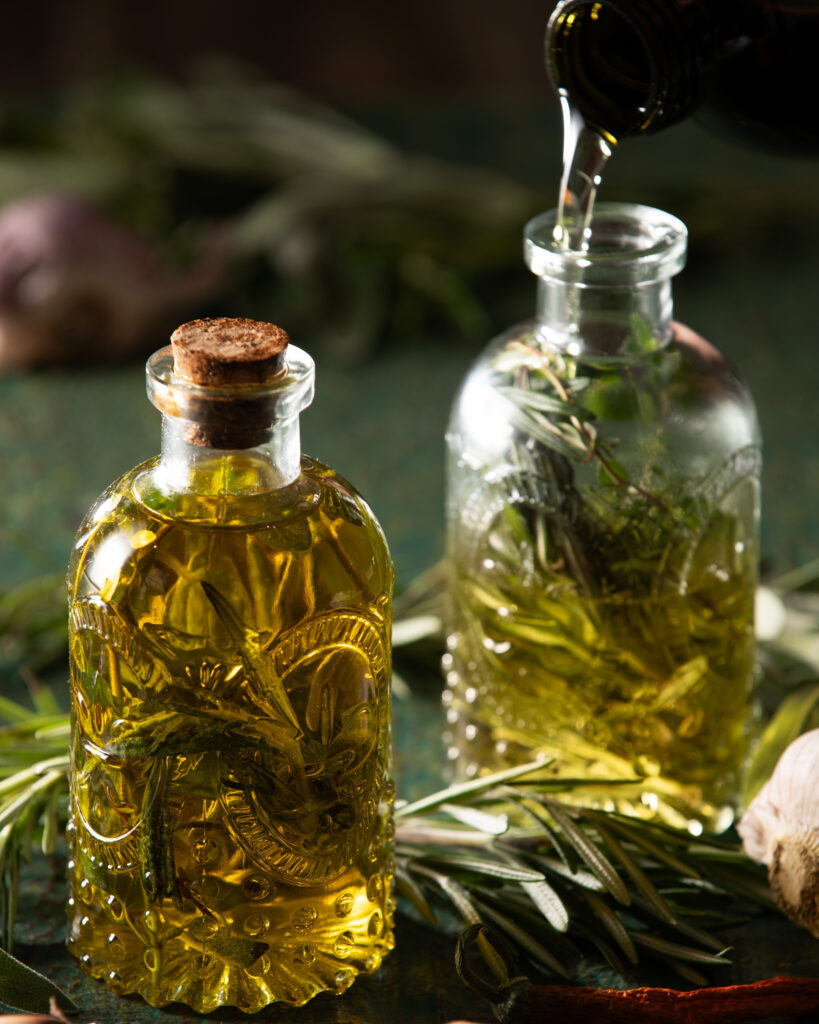
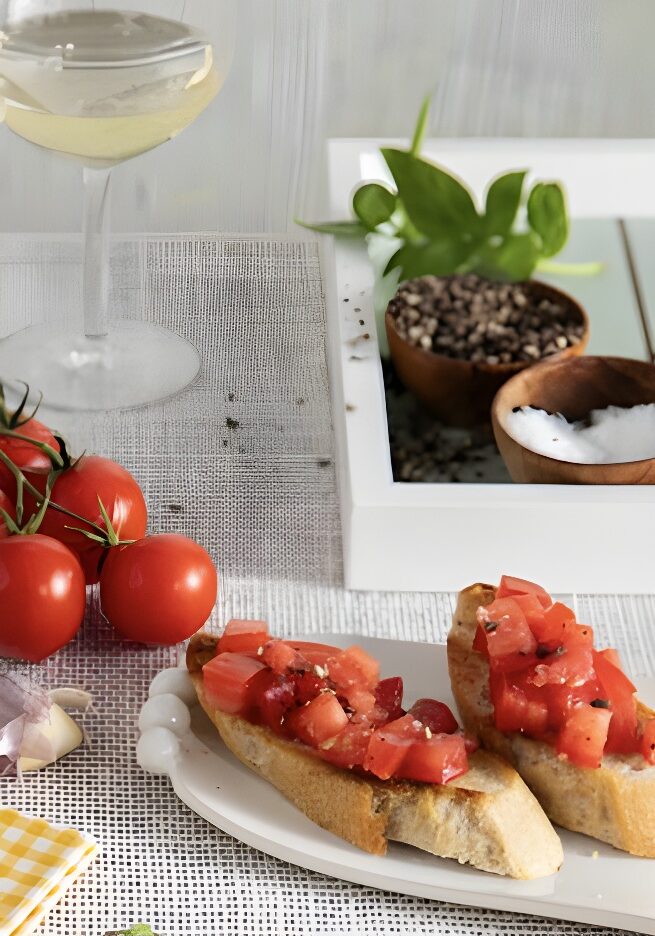
Authentic Italian Bruschetta with Basil-Infused Olive Oil
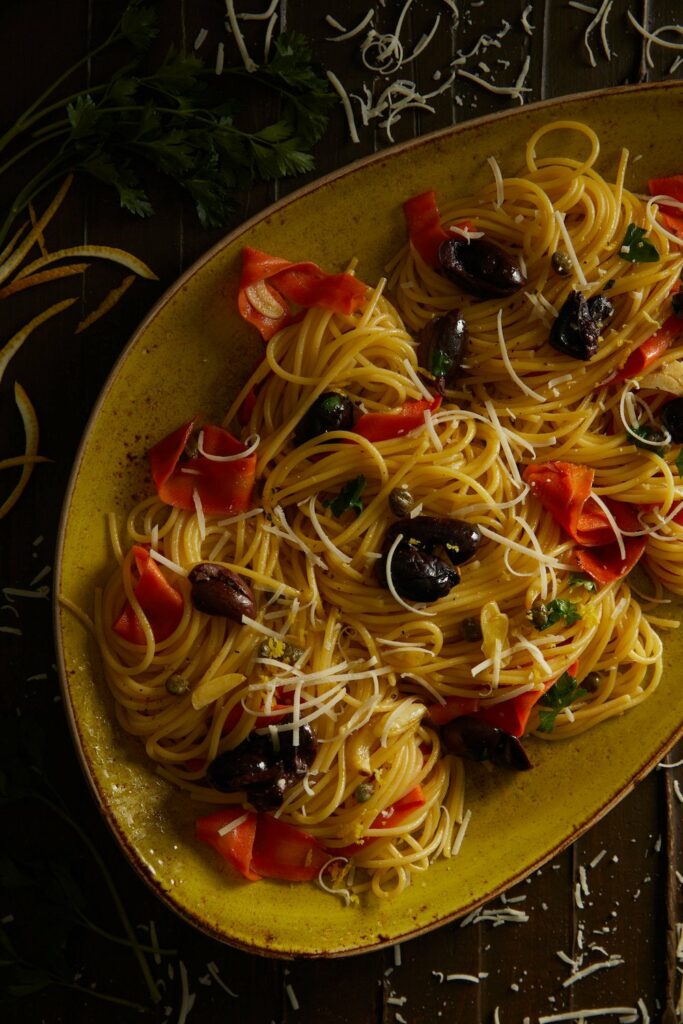
Lemon Spaghettini with Olives and Anchovies
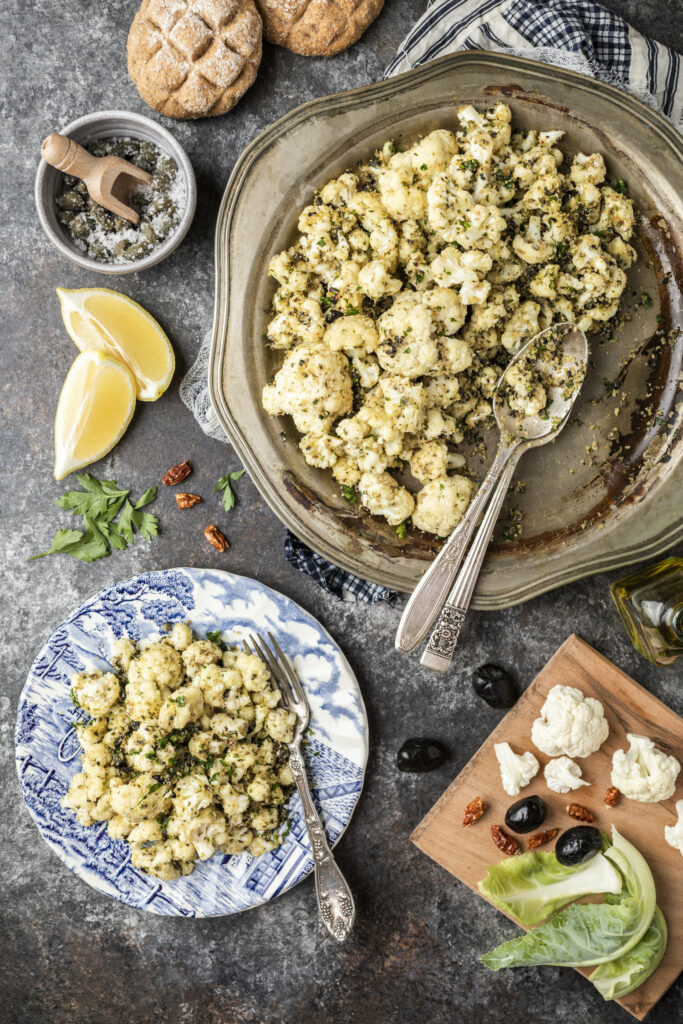
Sautéed Cauliflower with Olives and Capers
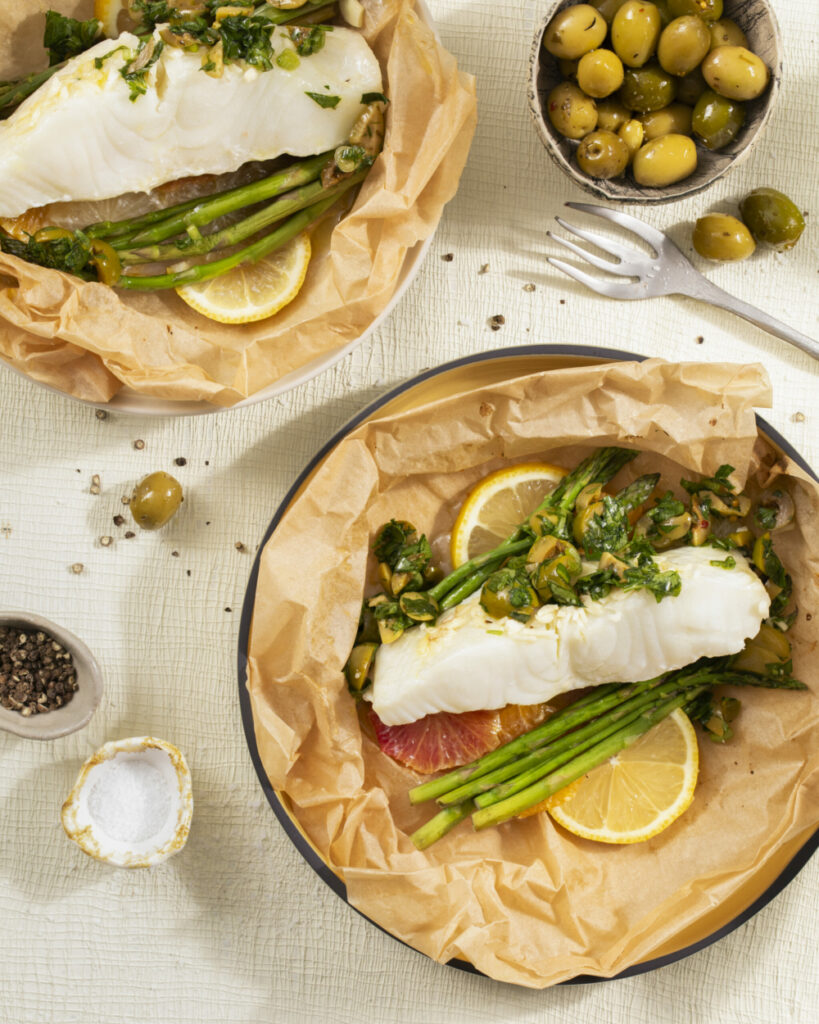
Halibut & Asparagus in Papillote with Olive & Herb Relish
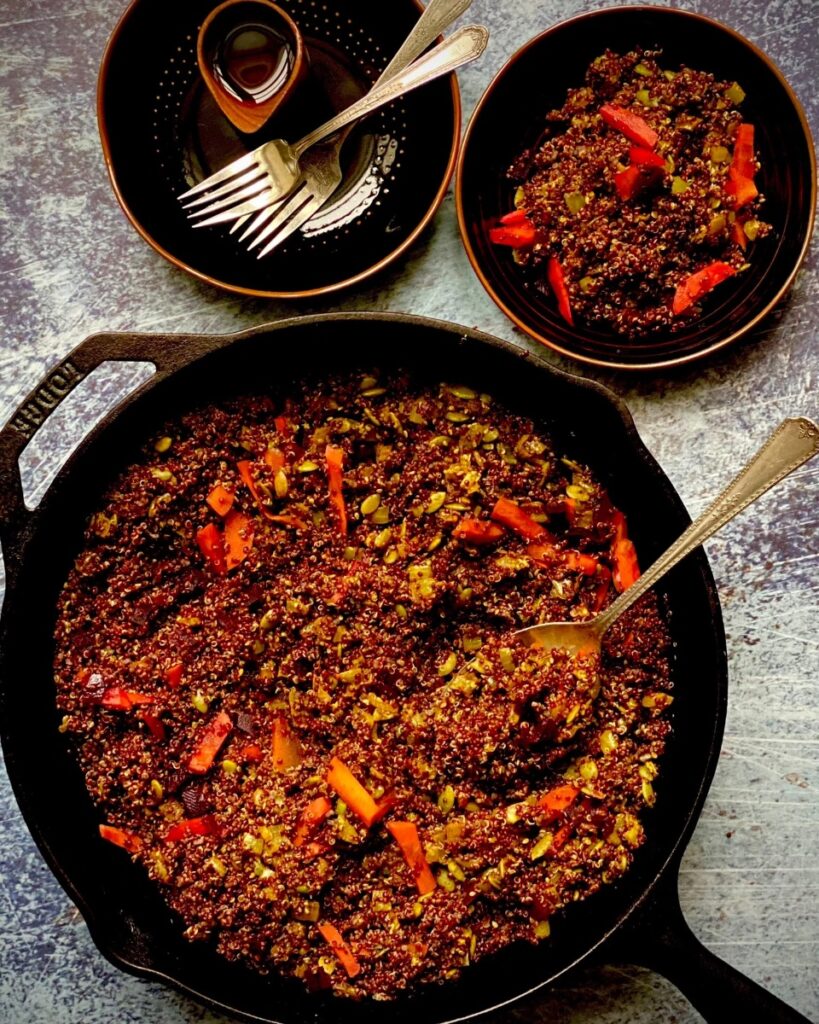
Toasted Red Quinoa with Pickled Vegetables
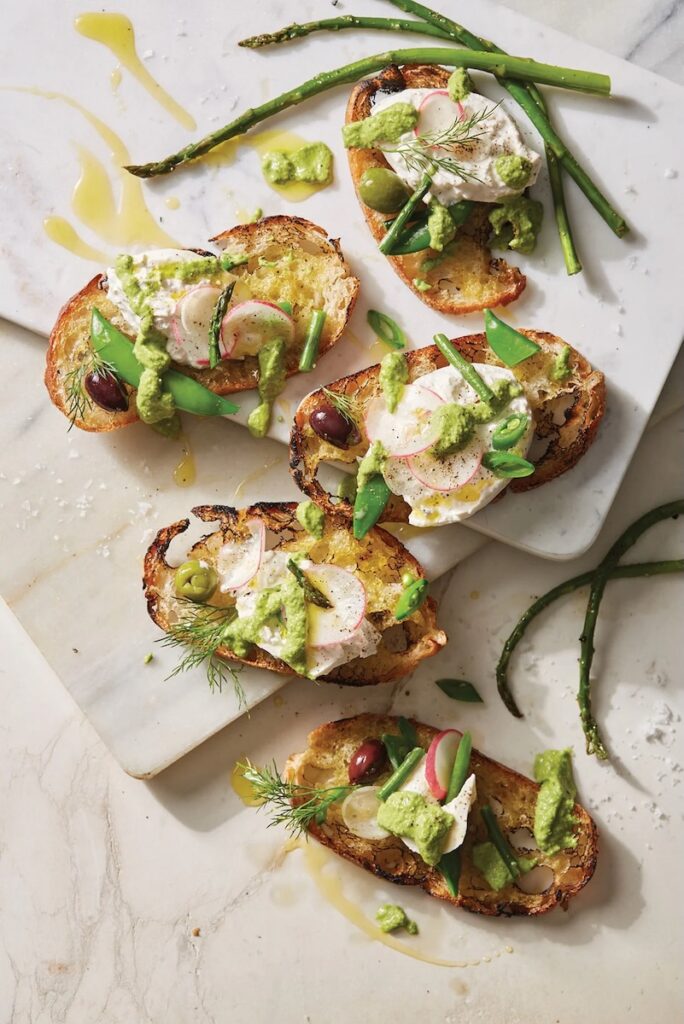
Pesto-Burrata Crostini
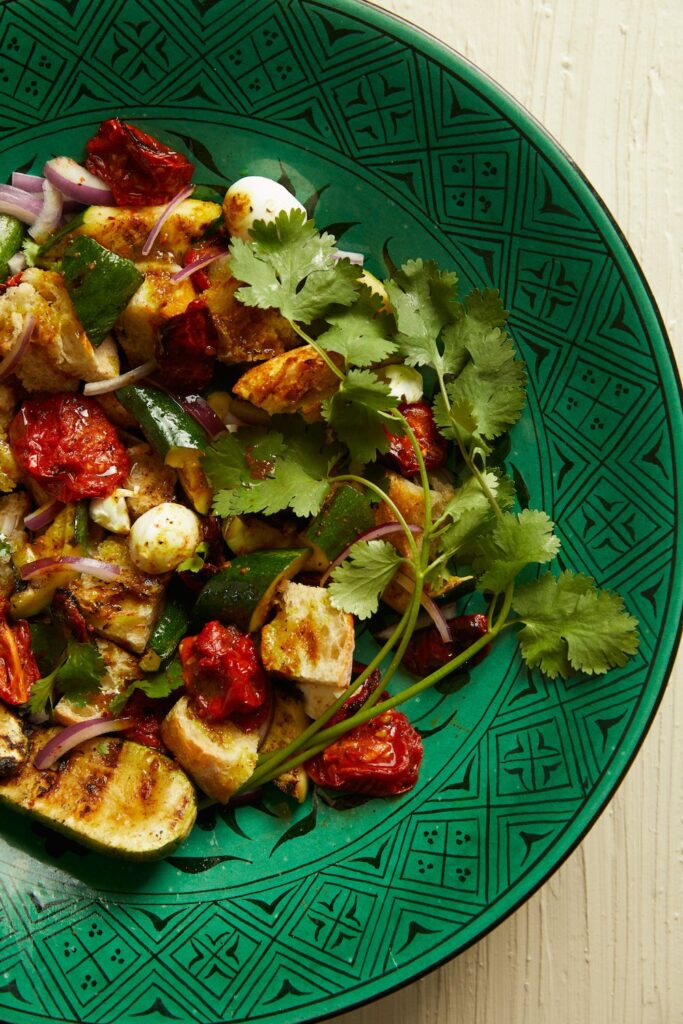
Panzanella with Roasted Tomatoes
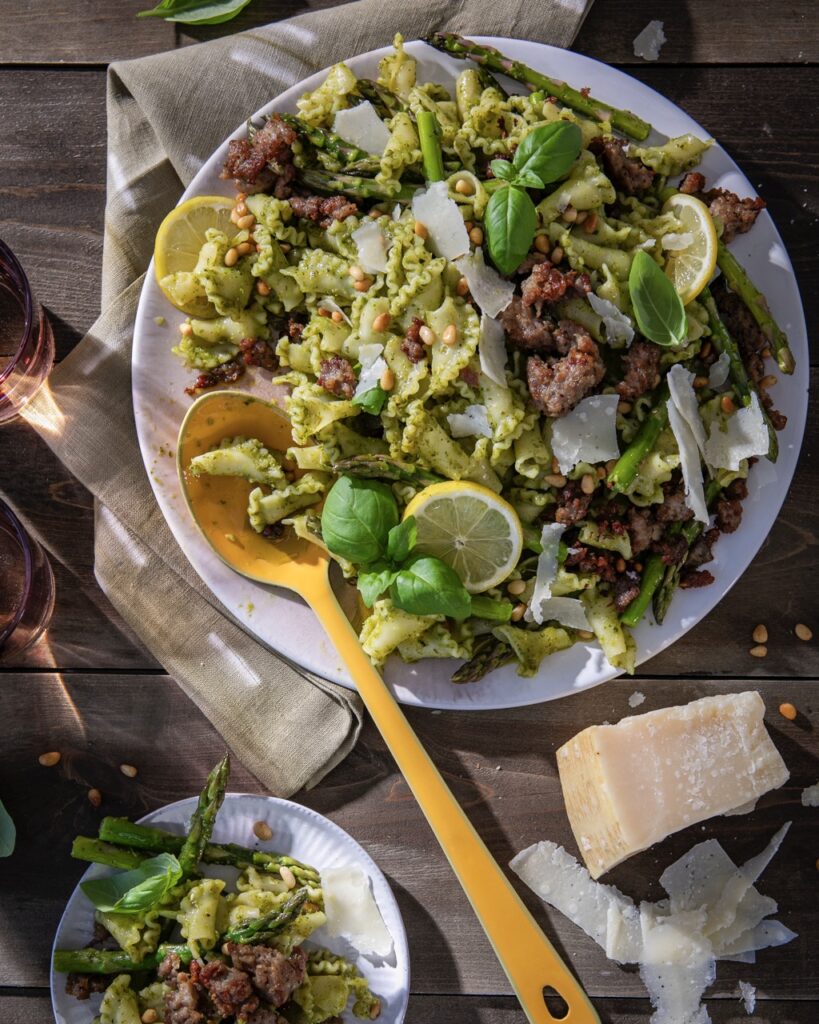
Easy Pesto Pasta
Explore Our Other Articles on 2026 Food Trends
- Comfort Food
- Beat Grocery Inflation with Budget-Friendly Recipes
- Feeding a Family in the Shifting Economy
- High Quality Protein and Analog Dining
- Dietary Health
- Food as Medicine: How to Cook, Sip, and Soothe with Ginger
Story by Kristen Palmer
Featured Photo by Roberta Sorge
Subscribe to TABLE Magazine‘s print edition.