Home Blog Page 164

Wilted Lettuce Salad

0
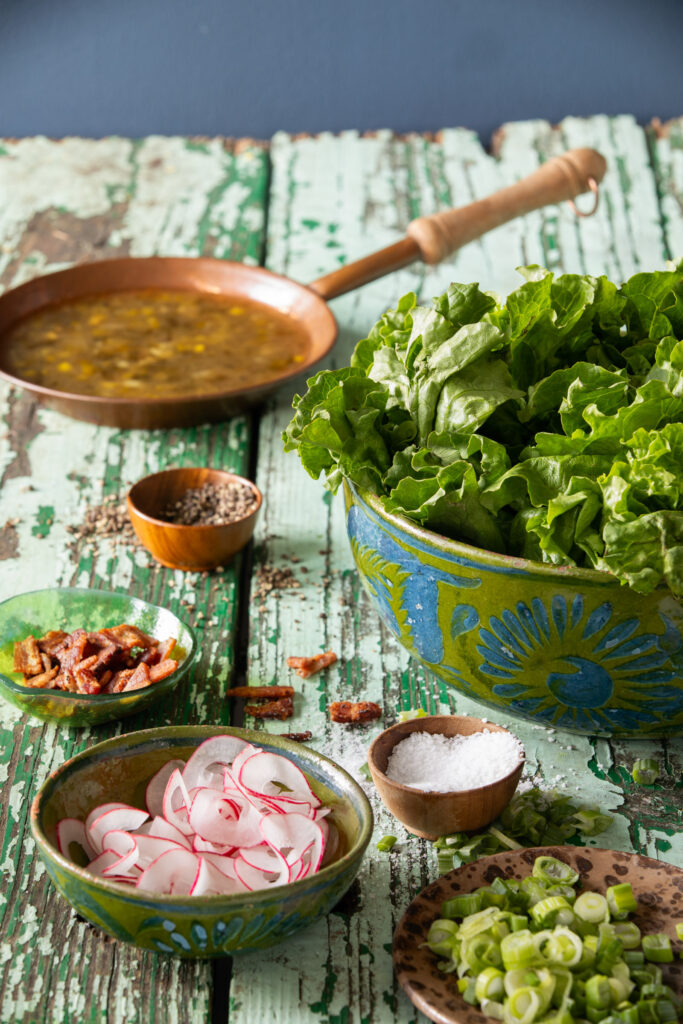
Wilted Lettuce Salad - A bowl of fresh leaf lettuce topped with crispy bacon, radishes, and scallions

In an era of Iceberg, the ruffly Black-Seeded Simpson leaf lettuce my grandparents grew was a revelation. An heirloom still prized for its large lime-green leaves, it’s a beauty, tender but with more character than the mesclun lettuce blends common today. The greens were bathed in a dressing made with bacon fat, kept at the ready in a stovetop stoneware crock. We would pluck radishes and scallions from the garden’s rich black soil at the same time as the lettuce.

(Excerpted from Cheryl Alters Jamison’s article for TABLE Magazine, My Life in Five Dishes. Read her wonderful story…and, of course, try the recipes!)

Wilted Lettuce Salad Recipe

Serves 4-6

INGREDIENTS

12 cups torn leaf lettuce
6 oz smoky bacon, sliced cross-ways into pieces about 1/2-inch thick
2-3 scallions, trimmed of any limp ends and sliced into thin rings
1 garlic clove, minced
1 tbsp honey
3 tbsp cider vinegar
2-3 radishes, halved and sliced thin
Fine sea salt and freshly milled black pepper

INSTRUCTIONS 

  1. Arrange the greens in a large salad bowl.
  2. Fry the bacon in a skillet over medium heat until brown and crisp. Remove the bacon from the drippings, crumble it, and reserve it.
  3. Add to the drippings the scallions and garlic, and sauté 1 minute.
  4. Add the honey and the vinegar and heat through, stirring until the honey dissolves. Immediately pour the hot dressing over the greens and toss lightly. The greens will reduce substantially in volume.
  5. Sprinkle the bacon over the salad, along with the radishes. Season with salt and pepper, and serve hot or at room temperature.

Adapted from American Home Cooking © 1999 Cheryl Alters Jamison and Bill Jamison

Recipe and Story by Cheryl Alters Jamison / Styling by Merrie O’Donnell and Keith Recker / Photography by Dave Bryce

Make Cheryl Alters Jamison’s Life in 5 Dishes at Home

Green Chile Chicken Enchilada Casserole

Wilted Lettuce Salad

Chile Rellenos

Morning Migas

Apple Pie

A footer photo with a grey and white marble background, three TABLE Magazines and subscribe info and button

Subscribe to TABLE Magazine‘s print edition.

Chiles Rellenos

0
Golden-fried stuffed New Mexican green chiles served with homemade green chile sauce.

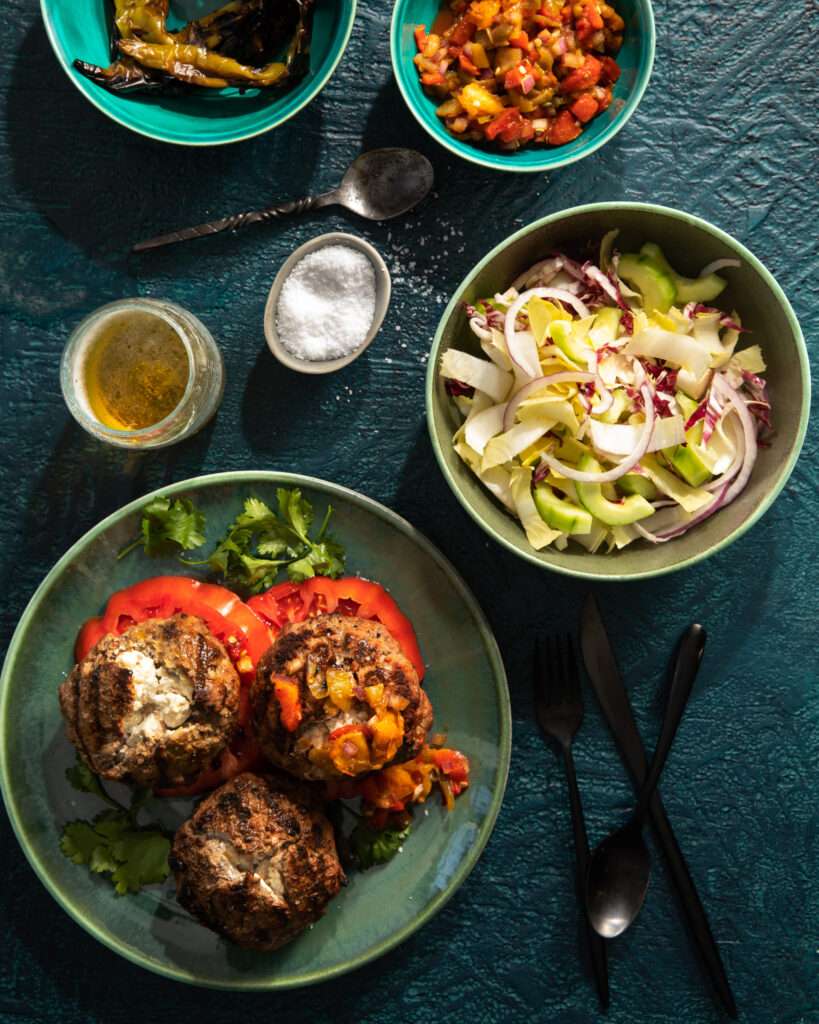
If I’d only known, back in the 1960s that I had invented the jalapeño popper! I had no understanding back then of any difference between jalapeños and New Mexican green chiles. Here’s what I really intended to make on the fateful evening described above.

(Excerpted from Cheryl Alters Jamison’s article for TABLE Magazine, My Life in Five Dishes. Read her wonderful story…and, of course, try the recipes!)

Print
clock clock iconcutlery cutlery iconflag flag iconfolder folder iconinstagram instagram iconpinterest pinterest iconfacebook facebook iconprint print iconsquares squares iconheart heart iconheart solid heart solid icon
Golden-fried stuffed New Mexican green chiles served with homemade green chile sauce.

Chiles Rellenos


  • Author: Cheryl Alters Jamison
  • Yield: Serves 6

Description

Treat yourself to an authentic Mexican dish.


Ingredients

Scale
  • 8 oz grated Monterey jack cheese
  • 4 oz grated mild cheddar or Colby cheese
  • 2 tsp dried Mexican oregano, marjoram, or epazote, optional
  • 12 whole medium-large New Mexican chiles, roasted, peeled, and slit from end to end
  • 4 large eggs
  • Approximately ¾ cup beer or club soda
  • 1¼ cups all-purpose flour
  • 2 tbsp yellow or white cornmeal
  • ¾ tsp fine sea salt
  • Vegetable oil or canola oil for deep-frying
  • Green chile sauce (see below), warmed

For the green chile sauce (makes 4 cups):

  • 2 tbsp vegetable or canola oil
  • 1 medium onion, chopped
  • 12 garlic cloves, minced
  • 1 tbsp all-purpose flour
  • 2 cups mild to medium-hot fresh or frozen New Mexican green chiles, roasted and chopped
  • 2 cups chicken stock
  • Salt to taste


Instructions

  1. Make the filling. Combine the cheeses with the optional oregano. With your fingers, stuff each chile with cheese, filling them full but not too overflowing.
  2. Make the batter. Separate 2 of the eggs, placing egg whites in the bowl of an electric mixer. Beat until soft peaks form. In a large bowl, combine the 2 egg yolks, 2 eggs, ¾ cup beer, flour, cornmeal, and salt. The batter should seem pourable but thick enough to coat the chiles. If too thick, add more beer.
  3. To assemble: Heat 4 inches of oil in a large heavy pan to 350 degrees. Place a baking rack over a few thicknesses of paper towels within easy reach of the stovetop.
  4. Lay the first chile in the batter, seam-side up while spooning more batter over it. When evenly coated, pull it from the batter by its stem and let any excess batter drip back into the bowl. No cheese should show—the batter should be thick enough to seal the chile’s seam. Gently slip the chile into the oil and repeat with the remaining chiles, as you have room in the pan.
  5. Fry the chiles for 4-5 minutes, turning as needed to cook them evenly until golden and crispy. Drain the chiles on the baking rack.
  6. Transfer the chiles to a platter or individual plates and then top with green chile sauce. Alternatively, spoon the sauce onto the plates and arrange the chiles over it. Serve immediately.

For the green chile sauce:

  1. Warm 2 tablespoons of vegetable oil or canola oil in a heavy saucepan over medium heat.
  2. Add ½-1 medium onion, chopped, and a clove or 2 of minced garlic, and sauté until soft, about 5 minutes.
  3. Stir in 1 tablespoon all-purpose flour and cook for another couple of minutes. Mix in 2 cups of chopped roasted mild to medium-hot New Mexican green chile, fresh or thawed frozen. Immediately begin pouring in 2 cups of chicken stock and then bring to a boil.
  4. Reduce heat to a low simmer and cook for about 15 minutes, adding salt to taste, until thickened but very pourable. Use warm or refrigerate for later use.

Make all five recipes from Cheryl Alters Jamison’s Life in 5 Dishes at Home

Green Chile Chicken Enchilada Casserole

Wilted Lettuce Salad

Chile Rellenos

Morning Migas

Apple Pie

Adapted from Tasting New Mexico, © 2012 Cheryl Alters Jamison and Bill Jamison

Recipe and Story by Cheryl Alters Jamison
Styling by Merrie O’Donnell and Keith Recker
Photography by Dave Bryce

Subscribe to TABLE Magazine‘s print edition.

Cheryl Alters Jamison’s Life in 5 Dishes

0
Golden-fried stuffed New Mexican green chiles served with homemade green chile sauce.

A long, conversational swapping of anecdotes between Editor-in-Chief Keith Recker and Cheryl Alters Jamison sparked an idea. Would this beloved observer of the Santa Fe food scene and veteran cookbook author tell her life story through recipes? The answer was, of course, a delicious hell yes!

Green Chile Chicken Enchilada Casserole served in a plate which is placed on a wooden surface

A Memorable Recipe

Green Chile Chicken Enchilada Casserole changed my life. I don’t mean that statement in a hyperbolic “Oh wow, these are awesome!” kind of way. What I mean is that a chance encounter with a recipe for the New Mexican classic literally focused me on moving to Santa Fe more than five decades ago.

I was growing up in Galesburg, IL. The town, 1,000 miles northeast of Santa Fe, sat at the crossroads of two major railroad lines, best known as the Burlington Northern and the Atchison, Topeka and Santa Fe. The railroads recruited Mexican immigrant employees early in the 20th century. Over time, as some of those workers stayed on, families opened cafes specializing in tacos and enchiladas, generally filled with beef and mild seasonings to appeal broadly to the local population. In junior high, my friends and I started to frequent one of these places in particular. Today, just about every town in that part of the world has a Mexican-owned café, and a taco truck or franchise or two, but Galesburg was one of the only small downstate communities where I could have discovered this kind of food in the mid-1960s.

I hadn’t been too wild about the meatloaf-and-Swedish-meatball cuisine more common to central Illinois in that era. I was fully simpatico, though, with putting seasoned beef into these newly found tacos and enchiladas, topped with a drizzle of salsa. My experience, though, was limited to this one simple style of antojitos.

Wilted Lettuce Salad - A bowl of fresh leaf lettuce topped with crispy bacon, radishes, and scallions

Interest in the Kitchen

I had been fascinated with cooking since I was a small child, when I had the good fortune to grow up playing in my great-grandparents’ half-acre garden. Granny and Granddad would let me help them pick string beans, corn, tomatoes, and a beloved leaf lettuce called Black Seeded Simpson, and then turn the produce into simple dishes.

My parents carried on the tradition in a small way, with a couple of rows of tomatoes as well as the leaf lettuce. I found I could use those ingredients to top the tacos and enchiladas I was now trying to duplicate at home, however poorly. Some fried taco shells had made it to the local grocery store shelves. I mixed something called “taco seasoning,” probably mostly salt and cumin, into ground beef to flavor my attempts at the dish. Corn tortillas came in a can—a can—like an oversized tuna can! The tortillas resembled rawhide in texture, but I warmed them into submission for something akin to enchiladas.

This was well before the numbers of cookbooks on every conceivable food topic exploded, and before the internet was even a gleam in anyone’s eye, so I had few resources to support my new-found culinary interest. My home, like most at the time, had a Betty Crocker Cookbook, a Joy of Cooking, a few mimeographed church and PTA recipe collections, and a box of index cards with family favorites. I eagerly scoured newspapers and magazines for the occasional new “Mexican” recipe idea. It was in this vacuum of food knowledge that “green enchilada cassarole [sic]” gobsmacked me.

The Unexpected Cookbook

I came home one day from high school and greeted my father, who was sorting the mail at the kitchen table. He opened a manila envelope from our Illinois congressman, and said the booklet inside would be more appropriate for me than for him. He slid across the table The Republican Congressional Cookbook. It seemed an effort to humanize these men (and it was all men, though some at least credited their wives for their recipe) who “make speeches and pass laws.”

Golden-fried stuffed New Mexican green chiles served with homemade green chile sauce.

I eagerly flipped through the book, seeing pea pods and water chestnuts from Hawaii, and Rocky Mountain trout from Colorado, but also oddly out-of-place Shrimp de Jonghe from Arkansas, and Poulet Michel with Armagnac from our congressman. The recipe from New Mexico stopped me cold. Here was something wondrous, layering tortillas, lots of gooey cheese, and shredded chicken, rather than the beef I then assumed was in all Mexican or Southwestern-style dishes. What I couldn’t get over though, was that it used a whole can of something described as green “chili.”

Passion for the West

Because of our many family vacations in the Rocky Mountain West, I already was dreaming of moving to this part of the world, once I had any control over my destiny. No longer, however, was it going to be good enough to move to Colorado or Wyoming. I was not only going to live in the mountains, but in the state where people ate food loaded with this new-to-me green.

I still stumbled mightily on my way to pepper proficiency. Attempting to absorb everything I could about this cuisine, I came across a recipe that further excited me—chiles rellenos. I knew just enough to be dangerous. I understood that green in a can wouldn’t cut it for a dish of stuffed chiles, so I stopped in a grocery store where I had seen some fresh chiles. What I didn’t understand, though, was that what I had purchased much more picante jalapeños.

You might think I would have been tipped off to a problem by the mountain of grated cheese and vat of batter, I had assembled, in contrast to my six little chiles. I was not deterred. I fried those things up, and served them to my tender-palated family. The horrified reaction of my parents and sisters is family legend. If I could just get myself to New Mexico, I was sure I could figure out this world of chiles.

Morning Migas served in a skillet

Making a New Dream

As I was finishing graduate school in arts management at the University of Illinois, I was in need of an internship, my intended stepping stone to moving westward. As it turned out, nothing in my field was available where I wanted to be. My program director came up, though, with an offer that was just what I was looking for, and he enthused that it would be working with an up-and-coming hotshot in the arts. It turned out to be in Oklahoma City, which, ultimately, I rationalized was halfway to the Rockies, making frequent visits west much easier. The hotshot was a guy named Bill Jamison, who indeed was a rising star in the field. He rose so fast that we were only in the same place at the same time for a few months, before he was offered a Santa Fe-based dream job.

Accepting an invitation with friends to visit Bill in Santa Fe, I finally had the opportunity to dig into some of the New Mexican food I had been reading about for years. I reveled in the red and the green in popular places of that time like Guadalupe Café, The Shed, and the Pink Adobe. At the Pink, I had a pie epiphany as well, tasting Rosalea Murphy’s lard-crusted apple creation, which took me back to my great-grandmother’s pies. We had drinks at this amazing already-venerable Canyon Road bar, El Farol. Bill surprised me too by whipping up a stellar chile-enhanced breakfast scramble. It all furthered my determination to find a way to move here—for the food though, not the guy.

Moving to New Mexico

It took a couple more years, but eventually Bill offered to hire me again, this time in a Santa Fe arts job. I celebrated by taking myself back to The Shed, where I tempted fate by wearing a white suit to eat red chile cheese enchiladas. I moved here in August of 1980. The timing was especially fortuitous, in my mind, because it was green chile season. No longer would I have to depend upon cans of the stuff.

Like real New Mexicans, I could buy a big Santa sack of it roasted, then put it in the freezer to use throughout the year. I was a little overly enthusiastic, because I had a 40-pound bag for just me, and a freezer so small I referred to it as a freezette. I had to peel and seed all of the pods right then, to make the chile much smaller in volume. For months, the freezer couldn’t even hold ice cube trays, for all the chile crammed into it. It was my first step, however, to becoming a resident of the Land of Enchantment. It also was a step toward wanting to know everything I could about the foods of this glorious place.

A baked pie sits in a pie tin with a slice of apple pie sitting on a brown plate in front of the pie, topped with an anise star.

A Life-Changing Moment

I had no inkling yet that I would eventually marry that guy who hired me twice, or that we would shift from our arts careers to writing about the foods of the American Southwest and Mexico. That came as a result of wanting to put people straight on the important differences between food here and elsewhere, of the strong Indigenous identity of the food to this day, and as a way to celebrate the extraordinary chile that had captivated me in print so many decades ago. Forty-some years after settling here, I remain enchanted with New Mexico and its distinctive food, ever thankful that the Green Chile Chicken Enchilada Casserole came into my life.

Make Cheryl Alters Jamison’s Life in 5 Dishes at Home

Green Chile Chicken Enchilada Casserole

Green Chile Chicken Enchilada Casserole changed my life. Yes, a life-changing casserole! Over the years since I found The Honorable Manuel Lujan, Jr.’s recipe for enchilada casserole, my version has evolved to this one. I did have the opportunity, some years after I moved to New Mexico, to meet Mr. Lujan. He was astonished to hear how his recipe (really his wife Jean’s) had altered my future.

Wilted Lettuce Salad

In an era of Iceberg, the ruffly Black-Seeded Simpson leaf lettuce my grandparents grew was a revelation. An heirloom still prized for its large lime-green leaves, it’s a beauty, tender but with more character than the mesclun lettuce blends common today. The greens were bathed in a dressing made with bacon fat, kept at the ready in a stovetop stoneware crock. We would pluck radishes and scallions from the garden’s rich black soil at the same time as the lettuce.

Chiles Rellenos

If I’d only known, back in the 1960s that I had invented the jalapeño popper! I had no understanding back then of any difference between jalapeños and New Mexican green chiles. Here’s what I really intended to make on the fateful evening described above.

Morning Migas

When I made a trip to Santa Fe in 1977, the guy my friends and I were visiting whipped up breakfast,” Alters Jamison explained. “It was more Tex than New Mex, a sensational scramble of eggs with chiles, cheese, and tortilla chips, my introduction to migas. Eventually, I married the cook. Once we got our own flock of chickens, migas began to show up on the menu most weekends.

Apple Pie

The homemade apple pie of my early childhood was enveloped in a flaky lard crust. After my grandmothers retired from baking, my mom—and it seemed like everyone else—succumbed to the ease of grocery store freezer-section pies. For holidays, a local bakery pie might come to the table. None had the flavor and texture of the old days, but I didn’t know what was missing. On my 1977 visit to Santa Fe, I was treated to dinner at the venerable Pink Adobe. The combo plate was satisfying, but the pie dazzled me. Cinnamon-scented apple slices were surrounded by the crust of my childhood. I discovered that lard was the secret adding flakiness and an elusive savoriness to the crust. Most pie recipes say it’s fine to substitute a store-bought crust but it’s not fine. Go to the effort to make your own and find yourself transported.

Recipe and Story by Cheryl Alters Jamison / Styling by Merrie O’Donnell and Keith Recker / Photography by Dave Bryce

A footer photo with a grey and white marble background, three TABLE Magazines and subscribe info and button

Subscribe to TABLE Magazine‘s print edition.

Sicilian Veal Roulade

0
A pan holds a Sicilian Veal Roulade with plenty of herbs and a dark sauce on top.

There’s nothing quite like the smell of a hearty tomato sauce simmering on the stove like in our Sicilian Veal Roulade recipe. This dish echoes the bright, warm flavors of Sicily, bursting with a sharp bite from the kalamata olives and sun-ripened, rustic tomato sauce. Peppered with potatoes, mushrooms, and finished off with a pour of white wine, this dish is the best way to brighten and soothe the soul.

Prepping Veal Cutlets for Cooking

Veal cutlets come from the top round and will be about a quarter inch thick, and to properly roll our roulades, we want them thinner and offering a larger surface area. You can ask your butcher to prep them for you, or more enjoyably, you can do this at home. Simply place your veal cutlet between two pieces of parchment paper or cellophane, and pound with the flat side of a meat mallet, skillet, rolling pin or wine bottle until they are about an eighth inch thick. Now, you’re ready to roll.

Sicilian Veal Roulade Recipe

Sicilian Veal Roulade Ingredients

  • 4 large veal cutlets
  • 3 cups of baby spinach
  • 3 cups diced mushrooms
  • 1 large onion
  • 1/2 cup of pecorino romano cheese
  • 4 tbsp olive oil

For the Sauce:

  • 3 potatoes
  • 1/2 cup kalamata olives
  • 1 large yellow onion, diced
  • 1 bunch string beans
  • 3 cups diced tomatoes
  • 1/2 can tomato paste
  • 2 cups white wine
  • 2 tbsp oregano

Veal Roulade Instructions

  1. Finely dice spinach, mushrooms, onions, and saute with olive oil and cook until spinach is soft and onions are translucent. Season with salt and pepper to taste. Stir in grated pecorino. Set aside and let cool.
  2. Use a meat tenderizer to thin veal cutlets. Salt and pepper inside and out. Add stuffing and roll like a pinwheel and tie with butcher string.
  3. Sear the outside of the veal roulades in your dutch oven with olive oil. In the same pot add your large diced potatoes, onion, and saute for 3 minutes. Add all other sauce ingredients. Cover and cook on low/medium heat for 45 minutes. Garnish with microgreens.

Recipe and Photography by Pennsylvania Beef Council / Story by Maggie Weaver

A footer photo with a black background and subscribe info and button

Subscribe to TABLE Magazine‘s print edition

New Mexico Chef’s Favorite Day Off Eateries

0
Two people poke their forks at food on white plates at a table in New Mexico.
Photo courtesy of Elliot Archuleta

In New Mexico, we’re spoiled for choice with everything from a quick bite from a food truck to fancy white-tablecloth dining. But what about the hidden gems where we might find the best burritos, carne adovada, flakiest pastries, or the must-have dinner? We asked four New Mexico chefs where they go on their day off, when they’re not behind the stove–and what their favorite dishes are.

Start the Day Right

Pantry Rio 

Chef Dakota Weiss of Santa Fe’s Catch Poke, Capital Coal Neighborhood Eatery, and Albuquerque’s Notorious Poke at Sawmill Market says, “I am a sucker for breakfast at downtown Santa Fe’s Pantry Rio. I usually stick with a Smothered Burrito Christmas without eggs, but full of protein, potatoes, and tons of cheese.” 

Mille
Photo courtesy of Mille

Ramblin’ Café 

A 35-year resident of Santa Fe, Chef James Campbell Caruso of La Boca, Taberna, and La Boca Bodega says his secret breakfast spot is Ramblin’ Café, a family business tucked away in a tiny strip mall on Second Street. “The carne adovada and eggs is my go-to order. And their red chile is happening.”

Clafoutis and Mille 

Caruso also frequents Clafoutis and Mille, both French hot-spots with stellar pastry selections. He admits, “When I am at Clafoutis, I want to eat all the pastries, so I buy some and share with my staff. I also love their quiche. At Mille, I love the crepes—every type—and the Croque Madame. Mille also has sensational pastries that pair beautifully with their great coffee.

Vic’s Daily Cafe 

When Executive Chef Marc Quinones of Hotel Chaco’s Level 5 goes out for breakfast, it’s always Vic’s Daily Cafe. “Chef and owner Victor Pandazis is the real deal and everything on his menu is mouthwateringly delicious! My go to is El Vaquero—a huge portion of hand-battered chicken-fried steak smothered with red chile and cheese.” 

Clafoutis
Photo courtesy of Clafoutis

Burque Bakehouse 

Albuquerque’s Chef Jennifer James of frenchish isn’t much on breakfast, “But If I’m up early on the weekend, I’ll go to Burque Bakehouse and get a coffee. Their Kouign Amann are caramelized crunchy goodness or a canelé is a practice in precision and a deep, dark complement to my coffee.”

Midday Munching

Duran’s and Oni 

James segued quickly toward lunch. “If I am out and about on a Monday or Tuesday and need a tasty lunch, I go to Duran’s downtown or Duran’s Station or Oni. At Duran’s, I always get the Carne Adovada Burrito. Smothered. No onions. Oni is also chef owned and -driven, and I order anything on the menu. The ramens and the tartare are not to be missed.”

High Noon Restaurant & Saloon and Mr. Powdrell’s Barbeque 

Chef Quinones goes to Mr. Powdrell’s Barbeque for a lunchable Beef Brisket & Cheese Sandwich. He added, “I’m also a huge fan of the Red Chile Beef Bites at High Noon Restaurant & Saloon in Old Town.”

Horno
Photo courtesy of Horno

The Dinner Bell

Horno 

Santa Fe chefs Caruso and Weiss called out Horno as their top dinner haunt. Caruso said, “Horno is across the street from my restaurant, but also what I believe to be the best restaurant in town. There aren’t many chefs who care as much as Dave does.” With a nod, Weiss added, “It doesn’t matter what mood you are in and what you want to eat, you will be satisfied. The dumplings with the coconut broth, that is a definite yes! Any version of his hanger steak is also a definite yes, as are the pork belly skewers.” 

Mesa Provisons
Photo courtesy of Gabriella Marks for Mesa Provisions

Mesa Provisions 

On the rare occasion that a chef gets to escape dinner service and enjoy a luxurious dinner out, the chefs in each city were in agreement about where they head. In Albuquerque, Mesa Provisions tops the list, where Steve Riley holds court with his seasonal menu. James said, “I’ll order almost the whole menu because you can’t go wrong.” Quinones concurred and said, “Steve is my favorite chef right now. His Smoked Half Chicken hits the spot for me every time!” 

Neko Neko 

A perfect food day is never complete without dessert and Weiss recommends Neko Neko at the Sawmill Market. She said, “The ice cream cone is warm and crunchy on the outside and soft and gooey on the inside. Their flavors are crazy exciting—from the pandan to the yuzu, but the watermelon is my favorite. You can add toppings like Fruity Pebbles, condensed milk, mochi. It’s fun and it’s not something you see anywhere else in New Mexico.” 

Neko Neko
Photo courtesy of Neko Neko

Our Chef Experts

James Campbell Caruso
La Boca, Taberna, La Boca Bodega

Jennifer James
Frenchish

Marc Quinones
Hotel Chaco’s Level 5

Dakota Weiss
Capital Coal Neighborhood Eatery, Catch Santa Fe Poke, and Notorious P.O.K.E.

Story by Heather Hunter

A footer photo with a grey and white marble background, three TABLE Magazines and subscribe info and button

Subscribe to TABLE Magazine‘s print edition.

Recipes and Wine Picks for Easter Dinner

0
A set of wines and plates on an Easter dinner table

As Easter approaches, it’s time to gather with loved ones and indulge in a feast that celebrates the spirit of the spring season. Whether you’re planning a traditional Easter dinner or looking for innovative recipes to add a modern twist, we have just the recipe to add to your table. From succulent roasted lamb and glazed ham to vibrant spring salads and tasty desserts, we’ve curated a collection of mouthwatering recipes that will elevate your Easter celebration to a culinary masterpiece. Get ready to delight your guests with flavors that embody the essence of this joyous season. Plus, view our top Easter wine picks from contributor Adam Knoerzer to create a dinner that’s completely planned through.

Recipes and Wine Picks for Easter Dinner

Ham With Blueberry Yuzu Glaze

An aerial view of a cooked ham with blueberry yuzu glaze sitting in a white roasting tray with blueberries, thyme, and lemon garnishing the meat.

The ham is the centerpiece of the Easter dining table but it doesn’t have to be the basic honey-glazed ham you’ve always had. Our Blueberry Yuzu Glaze is a marriage of sweet and spiced flavors with a hint of berry for something different. Add a delicious decoration of rosemary pecans and your gathering is ready. 

Rack of Lamb with Traditional English Mint Sauce

rack of lamb

If you’re looking for a protein that isn’t ham, lamb is another popular choice for your main Easter dish. It’s tender and absorbs all the yummy flavors it’s cooked in. In this case, our Rack of Lamb is paired with a Traditional English Mint Sauce. This sauce is vinegar-heavy with tinges of fresh mint which compliments the slightly-gamey taste of lamb. 

Roasted Potato Salad

Three individual blue bowls above a green serving bowl filled with a vibrant potato salad of yellow, green, red, and purple ingredient

Easter is a great marking of the spring season and having a spring side on hand can enhance fresh flavors at your table. Our Roasted Potato Salad is loaded with good-for-you ingredients like celery, arugula, and red onion. Plus, the addition of a vinegar-based dressing instead of the usual mayonnaise makes the salad lower in sugar, fat, and even more tasty with the additional zest.

Brussels Sprouts in Orange and Apricot Sauce

An aerial view of a bowl of Brussels Sprouts covered in an Orange Apricot Sauce.

When cooking vegetables, you can ultimately create a whole new dish just by experimenting with different additions. Here we take brussels sprouts and roast them in an orange apricot sauce that becomes like a glaze. It gives the brussels sprouts a sweet kick you wouldn’t expect from this hearty veggie. Finish this dish off with some fried onions for an extra crunch. 

Roasted Radishes and Farro with Mint Lime Vinaigrette

Roasted Radishes & Farro with Mint Lime Vinaigrette sits on a green plate with a gold fork positioned to the left. A farro dish

If you’re looking for a light, spring salad to serve before your dinner, try this medley of farmer’s market produce. The main feature of this salad is the farro, a rich, nutty grain that’s filling but not overpowering. We adorn this ancient grain with roasted radishes, feta cheese, pomegranate seeds, and a Mint Lime Vinaigrette that you’ll start using on all your salads.

Carrot Miso Cupcakes

A flat-lay view of seven carrot miso cupcakes.

You can’t have a proper Easter feast without dessert. These delectable Carrot Miso Cupcakes are an elevated nod towards the Easter Bunny. They use fresh grated carrots in the batter and little carrot decorations on top. Plus, a touch of white miso paste balances out the sweetness of the cream cheese frosting with a unique, mild umami flavor. 

The Wines

Pierre Sparr Crémant d’Alsace Brut Rosé NV (Alsace, France)

A beautiful pale salmon color in the glass, this standout offers high-quality fizz full of soft red fruit flavors like strawberry and underripe cherry with a creamy mousse and a hint of toasted nuts.  Serve as a welcome drink or enjoy throughout your meal.

Zorzettig Friulano 2021 (Friuli, Italy)

This is a bargain find on shelves. This white wine is full of delicate and crisp pear and melon aromas accompanied by spring blossoms. On the palate, a burst of refreshing citrus brightens things up and preps you for your next bite.

De Wetshof “Limestone Hill” Chardonnay 2022 (Robertson, South Africa)

Completely unoaked, this Chardonnay is sure to be a crowd-pleaser. It has pristine aromas and flavors of juicy grapefruit, white peach, and a kiss of nuttiness. This is for all of your friends and family who swear they don’t like Chardonnay. It is a wine to change hearts and minds with utter deliciousness thanks to the chalky limestone soils in which the grapes grow.

Türk Blauer Zweigelt Elegant 2021 (Niederösterreich, Austria) 

This juicy red wine offers tons of sour cherry, blackberry, and raspberry aromas and flavors without weighing down the palate thanks to its velvety and soft tannins and high acidity. If you’re looking for a cheaper alternative to Pinot noir or Beaujolais, give this Zweigelt a look.

Domaine des Tourelles ‘Vieilles Vignes” Carignan 2020 (Bekaa Valley, Lebanon)

Fleshy red fruits swirl around the nose accompanied by hints of licorice root, rosemary, and earth for a satisfying sip that delivers bold flavor with finesse thanks to its silky smooth tannins and time aging in concrete. If lamb or other red meats find their way to your table, make sure this wine is in your glass for maximum enjoyment.

Story by Kylie Thomas and Adam Knoerzer
Photo by Juliette F

Subscribe to TABLE Magazine‘s print edition.

4 Ways to Design Your Stairs

0
A staircase is embellished in multi-patterned and colored tiles.
Photo courtesy of Norman Design Group via Centsational Style

Don’t let the fact that staircases have a utilitarian function get in the way of turning them into a design moment, something to bring you a bit of joy every time you go up or go down. With a little bit of paint, tile, or some hardware, it’s easy to transform this place of transition into a place of wonder.

Two stair robs sit side by side, a bras on on the left and a gold one on the right.

Left: Rejuvenation, Plain Finial Stair Rod, photo courtesy of Rejuvenation Right: P. E. Guerin, Pineapple Carpet Rod Finial, photo courtesy of P. E. Guerin

Stair Rods

Practical or fanciful (sometimes both) this 18th century invention was originally meant to convey grandeur and opulence. It still can. Opt for simple rods with unadorned brackets or go for it with highly polished brass rods and elaborate finials. Both do the job (holding the rug in place) but bring varying degrees of decoration.

A staircase is embellished in multi-patterned and colored tiles.

Photo courtesy of Norman Design Group via Centsational Style

Tile and Wallpaper Risers

Stair risers are a perfect place for a little extra something. You get a view of the whole thing from straight on, or little bits as you ascend. For something modest, go with plain colored tile or paint; for something more elaborate, use tile with bold prints or paint in different colors for each step.

Two pictures side by side of different blue painted staircases.

Left: Faux Carpet, photo courtesy of Jenny Keenan Design Right: Just the Risers, photo courtesy of Crown Paints

Paint

A bit of trompe l’oeil (although it’s not going to really trompe anyone, it’s still fun) whereby you paint on a “runner”. Choose a contrasting solid color or go wild with pattern. You can stencil on embellishments or paint on stripes or dots or whatever makes you happy.

Two carpet runner patterns side by side. The left is a blue with lines on the side and the right is red, beige, and blue in patterned lines.

Left: Ric Rac Herringbone Right: Santa Cruz Stripe Cerise, photos courtesy of Jennifer Manners

Stair Runners

Instead of a traditional carpet stair runner, opt for something out of the ordinary. Choose grasses, flat weaves, or other texturally rich examples.

Story by Stephen Treffinger

A footer photo with a grey and white marble background, three TABLE Magazines and subscribe info and button

Subscribe to TABLE Magazine‘s print edition.

Sunday Bolognese Sauce

0
A meaty pasta dish in a black bowl

Sundays are the moments for loved ones, cherishing quality time and indulging in meals that may require some extra effort to prepare. This Bolognese recipe for Sunday dinner will remind you that despite the abundance of modern kitchen gadgets and appliances, nothing can replace the satisfaction of tending to a pot of simmering Sunday gravy. It’s a simple pleasure that money can’t buy and a great way to appreciate the traditional slow-cooking methods passed down through generations.

What is Bolognese Sauce?

You’ll sometimes hear Bolognese sauce referred to as ragù alla bolognese, its proper name in Italian. Everyone claims they have the “most authentic” or “the best” bolognese sauce, but ours focuses on how this dish brings people together through food. This is part of the beauty of Italian cuisine. It focuses on share-ability and heartiness. Bolognese sauce originates in the town of Bologna, but people all around the world now make it. (Ask any of your Italian friends, and you’ll probably hear a recipe with personal and regional tweaks). But it’s been around for a long, long time. The first Bolognese sauce came from Alberto Alvisi, the cook for the Cardinal of the region in the 18th century.

Print

clock clock iconcutlery cutlery iconflag flag iconfolder folder iconinstagram instagram iconpinterest pinterest iconfacebook facebook iconprint print iconsquares squares iconheart heart iconheart solid heart solid icon
A meaty pasta dish in a black bowl

Sunday Bolognese


  • Author: Gabe Gomez

Description

This sauce could feed an army.


Ingredients

Scale
  • 2 tbsp extra virgin olive oil
  • 1 large carrot, chopped
  • 1 medium onion, chopped
  • 2 celery stalks, chopped
  • 1 lb ground beef
  • 1 lb ground pork
  • 1/2 cup Sangiovese Wine
  • 2 tbsp tomato paste
  • 2 cups canned plum tomatoes
  • 1/2 cup whole milk cup
  • Pinch of Salt to taste
  • Pinch of pepper to taste
  • 2 bay leaves
  • pounds dry pasta (Your choice, bucatini or tagliatelle will do nicely)


Instructions

  1. In a dutch oven over medium-high heat, add oil and onions. Cook for five minutes, then  add carrots and celery. Cook until tender. Move the vegetables to the side of the dutch oven. Add the tomato paste to a cleared section of the dutch oven and cook the paste for one minute. Integrate the vegetables when the tomato paste changes consistency and darkens the color.
  2. Add ground beef and add pork to the vegetables. Add a pinch of salt and pepper. Cook until meat is brown and well incorporated with vegetables-five to seven minutes.
  3. Add wine to the meat and vegetable mixture. Deglaze the bottom of the dutch oven, stir, and let simmer uncovered for two minutes.
  4. Add canned tomatoes, and stir gently to incorporate all ingredients. Gently add milk after two minutes, stir, and incorporate all ingredients. Add bay leaf. Pinch of salt to preference. Cover the dutch oven, lower the temperature, and cook for two hours. Stir occasionally
  5. Boil the pasta to an al dente finish. Toss and incorporate with plenty of sauce until well coated. Add a small amount of starchy pasta water. Serve on a family-style platter with freshly grated parmesan on the side.


Recipe by Gabe Gomez
Photography by Emanuel Ekstrom

Subscribe to TABLE Magazine’s print edition.

Spring Paint Trends 2024

0
A midnight blue painted room with a bright pink door open.

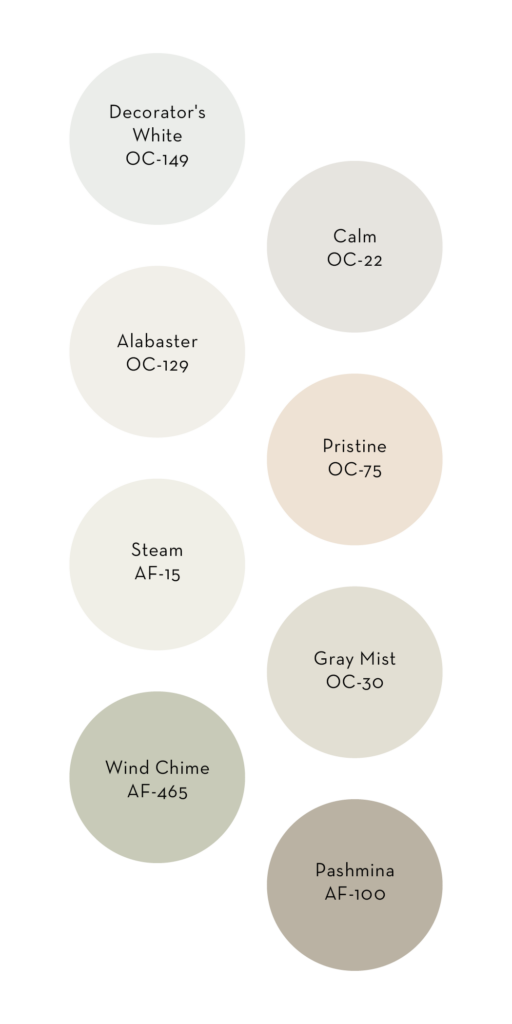
Spring paint trends can give you an inside look at what tones may coordinate with your everyday life. Explore our top picks for 2024 with swatches from Benjamin Moore that bring minimalism, maximalism, and nature into your home.

Pale neutral and full green paint swatches in two rows to show spring paint trends.


Minimalism

As we adopt a more focused and positive outlook for the future, crisp and uncluttered spaces provide clarity of mind, making minimalism a style of choice. This aesthetic continues to evolve by infusing warmth through color, natural materials, and texture, as well as notes of Japanese and Scandinavian design. Embracing natural light and then drawing connections between tranquil landscapes outside and interior comforts result in the truly welcoming rooms we crave.

Color selections are infused with warmth while remaining fresh and rejuvenating. Slightly tinted neutrals provide variety and softness for an enveloping and comforting ambiance.

A set of wooden stairs painted white with the side painted a dark blue spring color.

Painted using Decorator’s White OC-149

Decorator’s White OC-149:

A designer favorite year after year, Decorator’s White has just a touch of cool gray for a sleek, stylish appeal while making this an incredibly versatile hue.​

Calm OC-22:

Per its name, a slight touch of grayed violet exudes a soothing mood, making this color a very popular choice.​

A living room with a beige eggshell white spring painted wall, fully furnished.

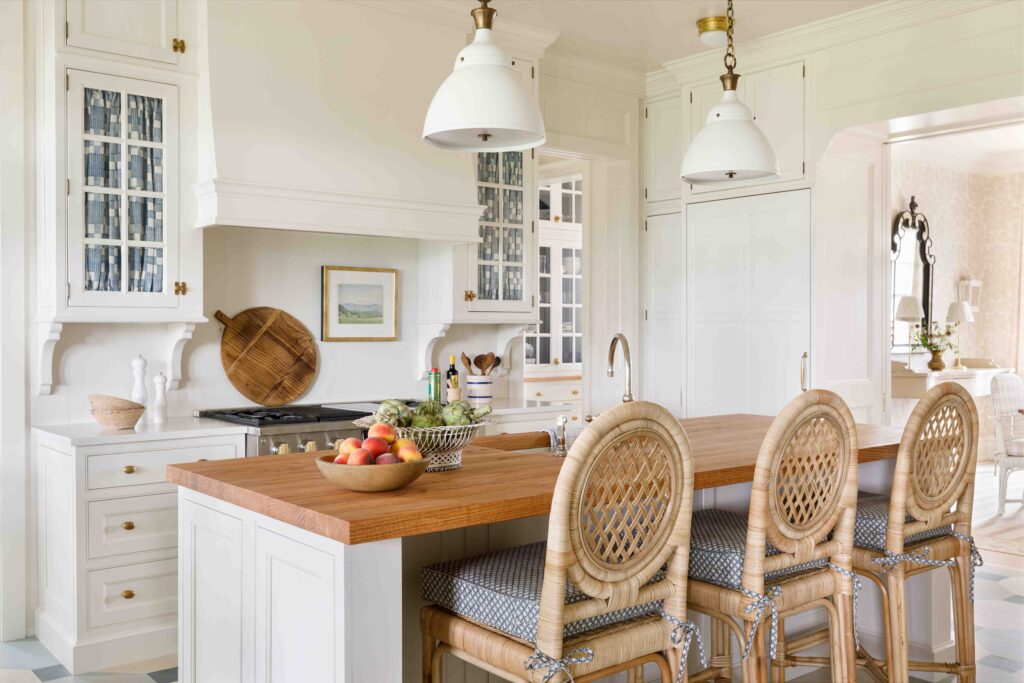
Painted using Steam AF-15

Steam AF-15:

For a white that is just slightly softened and infinitely versatile, Steam is an ideal hue for both walls and trim.​

Pristine OC-75:

This delicate off-white has a soft blush cast, making it both welcoming and flattering.​

A four poster bed set sits in a white/beige spring paint colored room with a window letting sunlight shine through.

Painted using Gray Mist OC-30

Alabaster OC-129:

A touch of pink brings warmth to this white hue while maintaining a crisp look.​

Gray Mist OC-30:

Hushed greige tones contribute to the versatile quality of this hue, particularly when working with neutral color palettes. ​

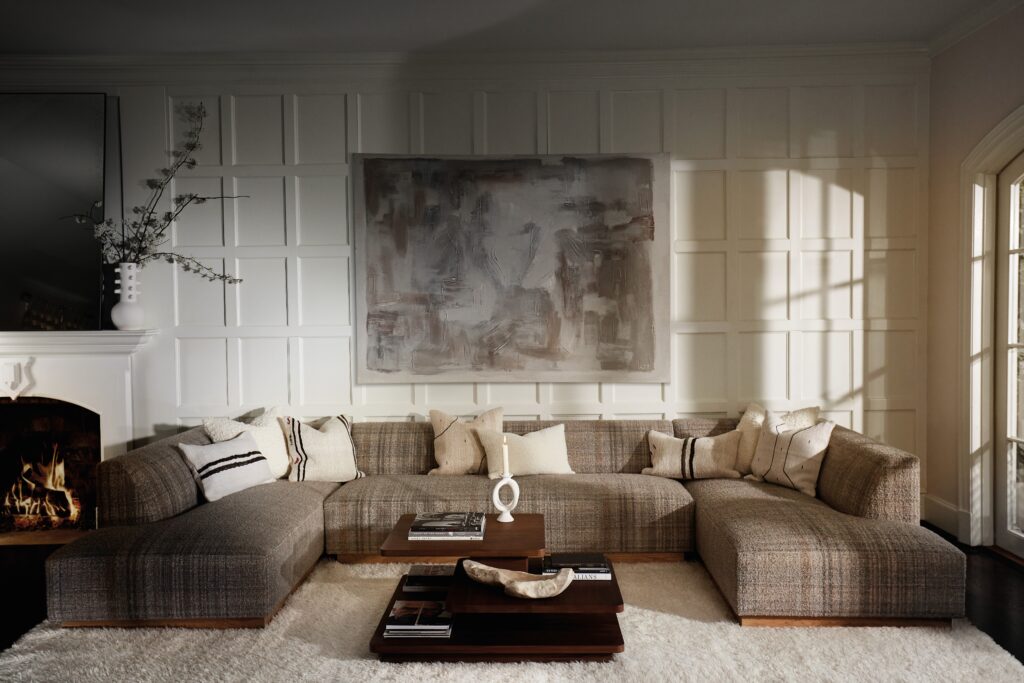
A fireplace splits the middle of a room with two chairs and a painting on the wall.

Painted using Wind Chime AF-465

Wind Chime AF-465:

A soft celadon, Wind Chime delivers a sense of harmony and tranquility that is perfect for any room.​

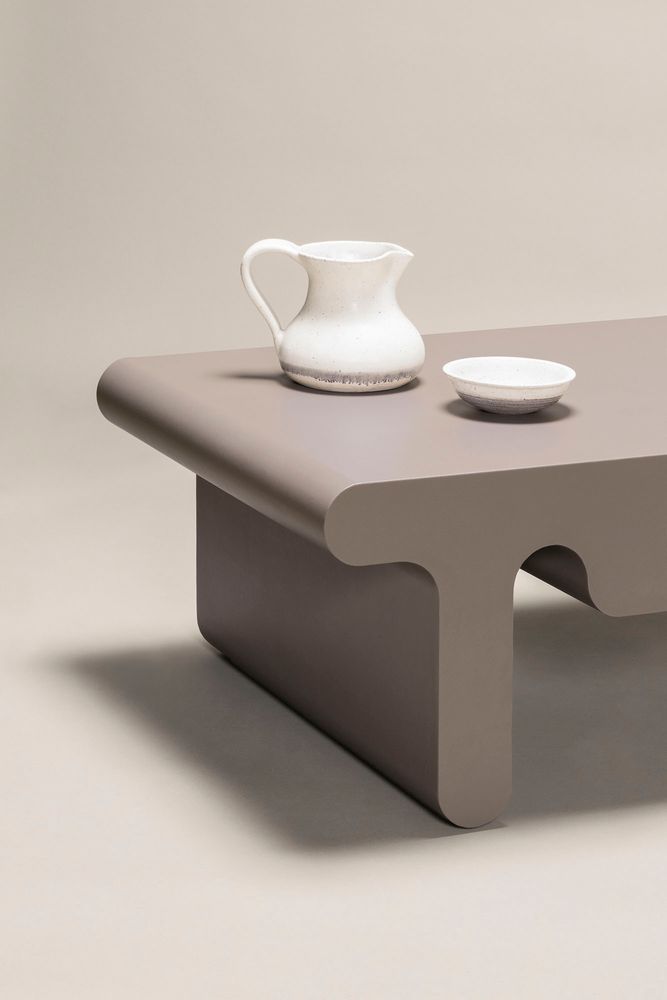
Pashmina AF-100:

This sophisticated neutral has the right amount of warmth and works well with many decorative styles.

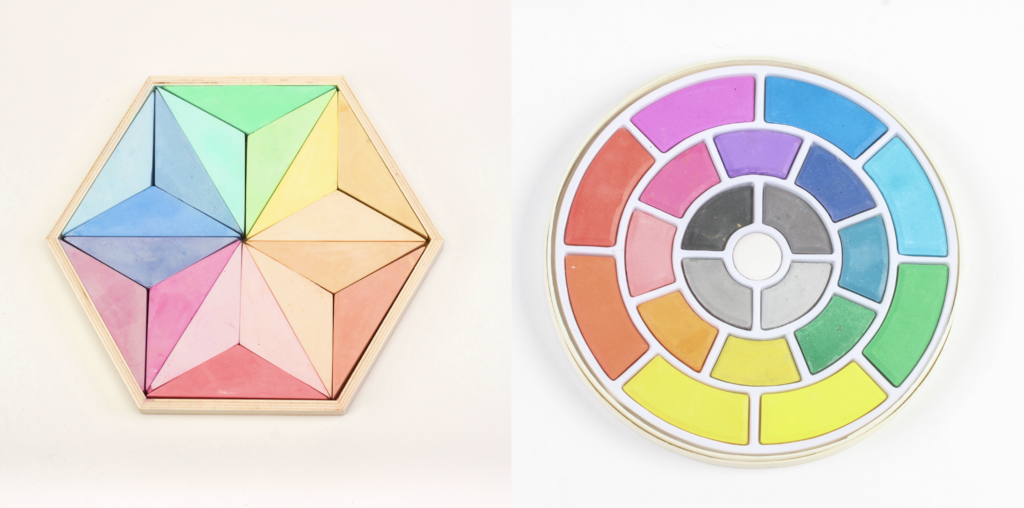
Various brightly colored paint swatches in all colors of the rainbow to show Spring Paint trends.


Maximalism 

After several years of neutrals dominating color selections, self-expression and a willingness to indulge in color creates the backdrop for spaces designed in a maximalist style. Bold, saturated hues that are unapologetic and exuberant delight the eye while making an impactful statement. Both large and small spaces benefit from the desire to bring personality and fun into the home, resulting in memorable rooms that are sure to tell a visual story.

Saturated colors, whether deep or pale, drench spaces demonstrating a willingness to play with color and explore unique color pairings. To enhance the vibrancy and character of these hues, crisp white, and a navy so deep it is almost black provide contrast, heightening the dramatic looks associated with maximalism.

A kitchen painted with white and yellow paint with black accents on the stove, sink, and lights.

Painted using Stuart Gold HC-10

Snowfall White OC-118:

For a pristine white, Snowfall White is an ideal choice in its ability to maintain a slight touch of warmth, while remaining crisp enough to pair well with bright colors.​​

Midnight Blue 1638:

This intriguing blue is just a step away from black, resulting in a hue that is slightly softened while maintaining a wonderful depth.​

A midnight blue painted room with a bright pink door open.

Painted using Midnight Blue 1638

Raspberry Blush 2008-30:

This vivacious coral brings charisma and energy to a room, making the walls a main event filled with personality.​​

Romance 1333:

A mid-tone pink that makes a bold statement even with a small dose, especially when paired with super deep hues, or fresh white.​​

Spring Rain 723:

For a crisp sky blue that falls at the lighter end of the mid-tone blues, this color has personality while evoking a clear summer sky.​​

A bedroom with a dark blue wall behind a bed that has dark blue sheets to match.

Painted using Blueberry Hill 812

Blueberry Hill 812:

Infused with a touch of violet, this saturated blue takes a step away from a true primary that is sure to stand out.​​

Casco Bay 2051-30:

This deep teal hue takes its inspiration from the colors of the tropics, creating an effect that is both dramatic and soothing.​

Stuart Gold HC-10:

A vibrant gold hue often associated with traditional interiors remains modern through its boldness and ability to bring unexpected color to an interior.


Various pale and neutral paint swatches showing Spring Paint Trends of 2024.

Influenced by Nature

Whether relaxing at a seaside retreat, taking a walk on a trail through the woods, or looking out over a snowy vista in the mountains, nature is a strong source of color inspiration for our homes. The colors of our natural surroundings are familiar and comforting, with an air of stability reassurance that gives a rooted feel to interiors. Particularly as lines between interior and exterior living spaces continue to blur, nature-inspired hues draw connections to the myriad of colors found in the sky and earth.​

With sustainability and respect for our natural surroundings top of mind, both warm and cool colors reflected in nature never fail to deliver rooms that are welcoming and soothing, with rich deeps that bring timeless elegance to a home.

An open kitchen with plenty of windows and white painted appliances with two blue glass lights hanging above the counter.

Painted using Distant Gray OC-68, Constellation AF-540, and Gray Cloud 2126-60

Distant Gray OC-68:

A classic bright white with a touch of blue-gray that pairs well with hues on the cooler side.​​

Gray Cloud 2126-60:

This pale gray has a soft blue undertone, creating an ethereal sensibility.​

A bed room with wooden boards behind the bed and a dark pale green paint behind it as well.

Painted using Collector’s Item AF-45 and Gloucester Sage HC-100 

Collector’s Item AF-45:

This off-white balances the right amount of cream and then a slight touch of pink, making this a flattering and flexible color.​​

Constellation AF-540:

A pale blue with a dreamy quality, this hue is an ideal choice when just a hint of color is desired.​​

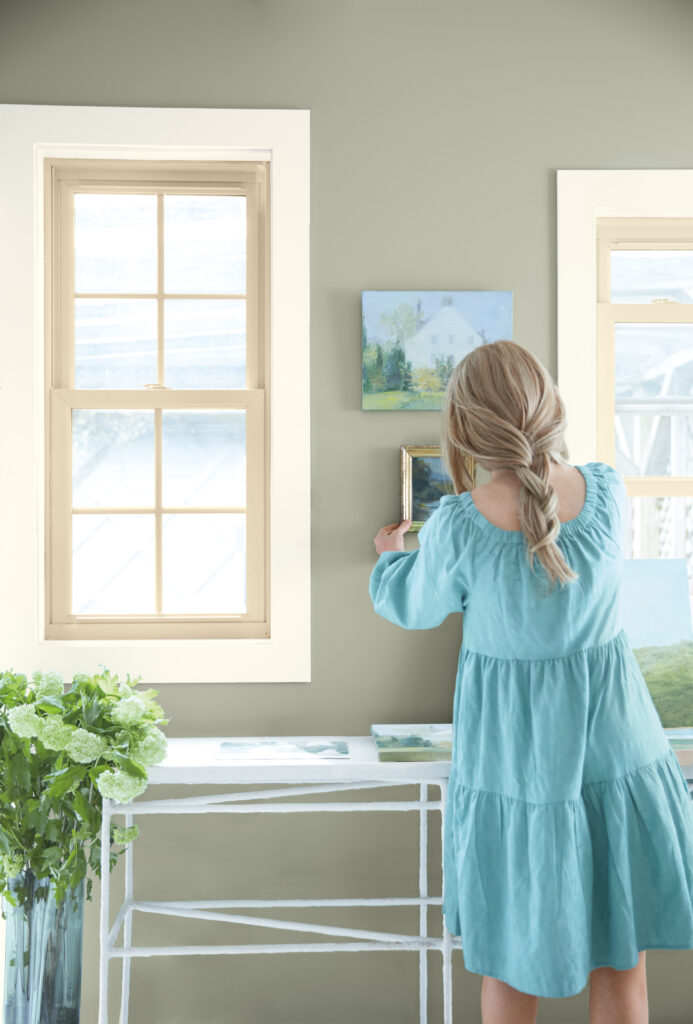
A woman in a blue dress hangs a painting against a sage colored wall with windows outlined in beige.

Painted using October Mist 1495, Natural Linen 966, and Collector’s Item AF-45

Natural Linen 966:

True to its namesake, Natural Linen is versatile enough to be both a rustic and elegant color schemes.​

October Mist 1495:

This gently shaded sage brings a hint of gray to a pale green, anchoring rooms without losing an uplifting quality.​

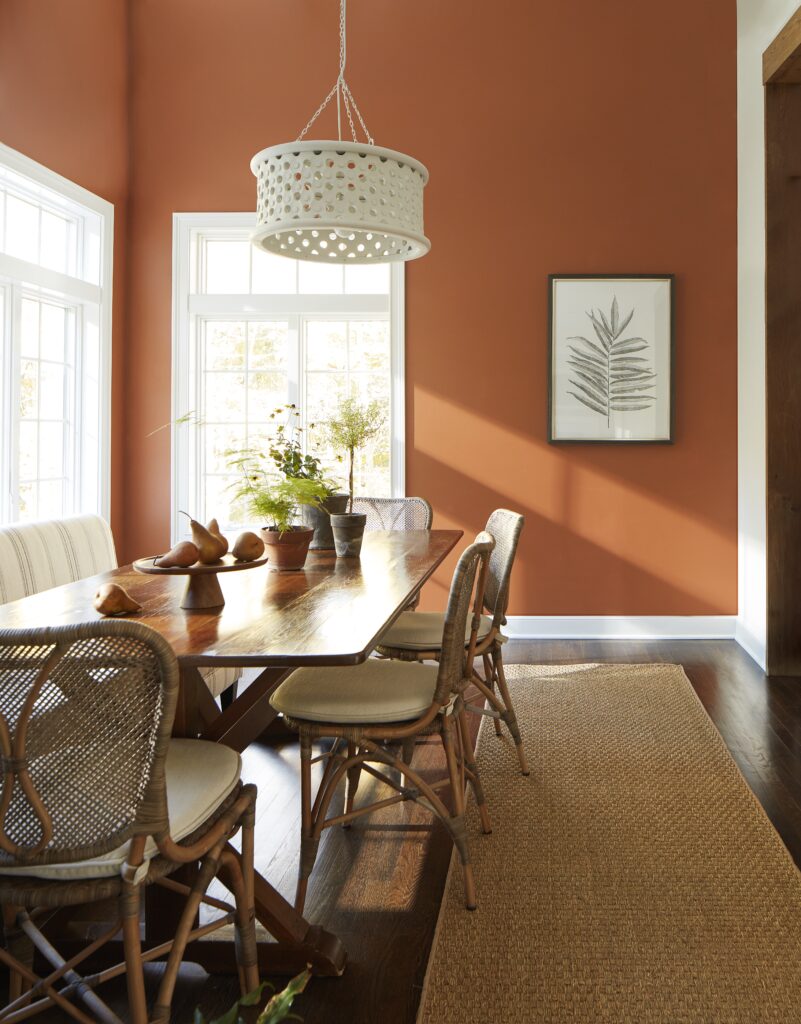
A dining room area with a wood table and chairs and a wall painted a burnt orange color.

Painted using Terra Mauve 105

Gloucester Sage HC-100:

A hue that conjures mossy greens, Gloucester Sage has the right amount of earthy depth and welcoming appeal. ​

Terra Mauve 105:

This color takes its cues from rich clay hues with warmth and an understated sense of luxury.

Story by Andrea Magno, Benjamin Moore / Photos Courtesy of Benjamin Moore

A footer photo with a grey and white marble background, three TABLE Magazines and subscribe info and button

Subscribe to TABLE Magazine‘s print edition.

Burgundy Braised Lamb Shank Dinner

0
A white plate holds a lamb dinner with burgundy braised lamb shank, roasted vegetables, and a homemade dressing, all on a white table.

When Executive Chef, Kevin Hermann makes a lamb dinner, he goes all out. He combines a Burgundy Braised Lamb Shank with fresh roasted root vegetables tossed in a homemade gribiche dressing. Each element balances the other out with a variety of flavors and textures. It all leaves you with a bite that’s juicy, savory, tender, and keeps you coming back for more. Plus, many of the ingredients in this braised lamb shank dinner are perfect to help embrace and welcome the spring season.

What is the Gribiche Dressing in Our Braised Lamb Shank Dinner?

A gribiche dressing means that it uses boiled eggs to make a cold-egg sauce. The yolks of boiled eggs mix into mustard (in our case dijon for more of an elevated sauce) along with whatever other seasonings and herbs the maker desires. To match the Braised Lamb Shank and root vegetables, we’re using capers, tarragon, lemons, chives, and parsley to achieve a flavor that’s tangy, savory, and herbaceous all at once.

Print
clock clock iconcutlery cutlery iconflag flag iconfolder folder iconinstagram instagram iconpinterest pinterest iconfacebook facebook iconprint print iconsquares squares iconheart heart iconheart solid heart solid icon
A white plate holds a lamb dinner with burgundy braised lamb shank, roasted vegetables, and a homemade dressing, all on a white table.

Burgundy Braised Lamb Shank Dinner


  • Author: Kevin Hermann

Description

A bit of warmth and comfort for your weeknight meal.


Ingredients

Scale
  • 4 lamb shanks, 9-11oz
  • 1/4 cup olive oil
  • 1 tbsp salt
  • 1 tbsp black pepper
  • 2 Spanish onions, large chunks
  • 1 tbsp rosemary, chopped
  • 2 carrots, large chunks
  • 1 garlic head, split in half
  • 1 bay leaf
  • 4 celery ribs, large chunks
  • 1 cup thyme, whole
  • 1 tbsp black peppercorns
  • 2 qt burgundy wine
  • 4 qt beef or chicken stock

For the roasted root vegetables:

  • 3 red beets, medium dice
  • 3 sweet potatoes, medium dice
  • 1 cup olive oil
  • 812 asparagus spears, trimmed
  • 1 tbsp salt
  • 1 tbsp black pepper

For the gribiche dressing: 

  • 4 whole eggs, soft boiled, peeled
  • 2 tbsp shallot, minced
  • 1/4 cup capers, chopped fine
  • 1/4 cup parsley, chopped fine
  • 1 tbsp tarragon, chopped fine
  • 2 tbsp chives, chopped fine
  • 1/2 tbsp dijon mustard
  • 2 lemons, zested and juiced
  • 1/2 cup olive oil


Instructions

  1. Preheat oven to 450 degrees.
  2. Toss lamb shanks in olive oil, salt, pepper, and rosemary.
  3. Place on baking tray and cook in oven for 25 minutes.
  4. Remove and set aside.
  5. In heavy bottom pot over high heat; combine onions, carrots, and celery with oil from lamb shanks.
  6. Cook on high, stirring occasionally, until ingredients are caramelized dark brown.
  7. Add bay leaf, pepper corns, thyme, and burgundy wine. Reduce by half.
  8. Add stock and bring to a simmer.
  9. Place lamb shanks in a large braising pot. Cover with simmering liquid. Cover with foil.
  10. Reduce heat to 300 degrees. Cook for 2.5 hours.
  11. Remove foil and return to oven for an additional 1 hour or until fork tender.
  12. Remove lamb shanks and set aside.
  13. Strain stock and reduce by 2/3. Remove fat buildup on sauce as it reduces, this will take about 20-30 minutes.
  14. Pour sauce over lamb shanks and cover. Place in warm oven until serving.

For the roasted root vegetables:

  1. Preheat oven to 350 degrees.
  2. Toss beets with 4 tablespoons of olive oil and season with salt and black pepper. Lay onto a baking tray.
  3. Bake for 25-30 minutes or until tender.
  4. Repeat steps 2-3 for sweet potatoes.
  5. In a sauté pan over high heat, add 2 tablespoons of olive oil and asparagus. Season with salt and pepper then cook until tender and crispy on the outside.
  6. Hold vegetables warm until served.

For the gribiche dressing: 

  1. Rough chop soft boiled eggs and combine with remaining ingredients. Whisk vigorously until fully combined.
  2. Store in refrigerator until needed for up to 5 days.

To assemble:

  1. Place lamb shank on the right hand side of the plate.
  2. Place a nice arrangement of vegetables next time the lamb shank
  3. Drizzle 1-2 tablespoons Of gribiche dressing over the vegetables.
  4. Drizzle some of the lamb sauce on the lamb shank and garnish with fresh herbs or flowers if available.

Read the story about how Chef Kevin Hermann made this dinner for a gathering at our TABLE Pro Studios.

Recipe by Chef Kevin Hermann
Story by Kylie Thomas
Shot On Location at TABLE Pro Studios
Photography by Laura Petrilla

Subscribe to TABLE Magazine‘s print edition.

Create a free account, or log in.

Gain access to read this content, plus limited free content.

Yes! I would like to receive new content and updates.

Table Magazine wants to know your location.

TABLE Magazine operates regional sites - Knowing your location helps us route you to the appropriate site for the best experience.