Home Blog Page 111

Winter Hot Toddy

0
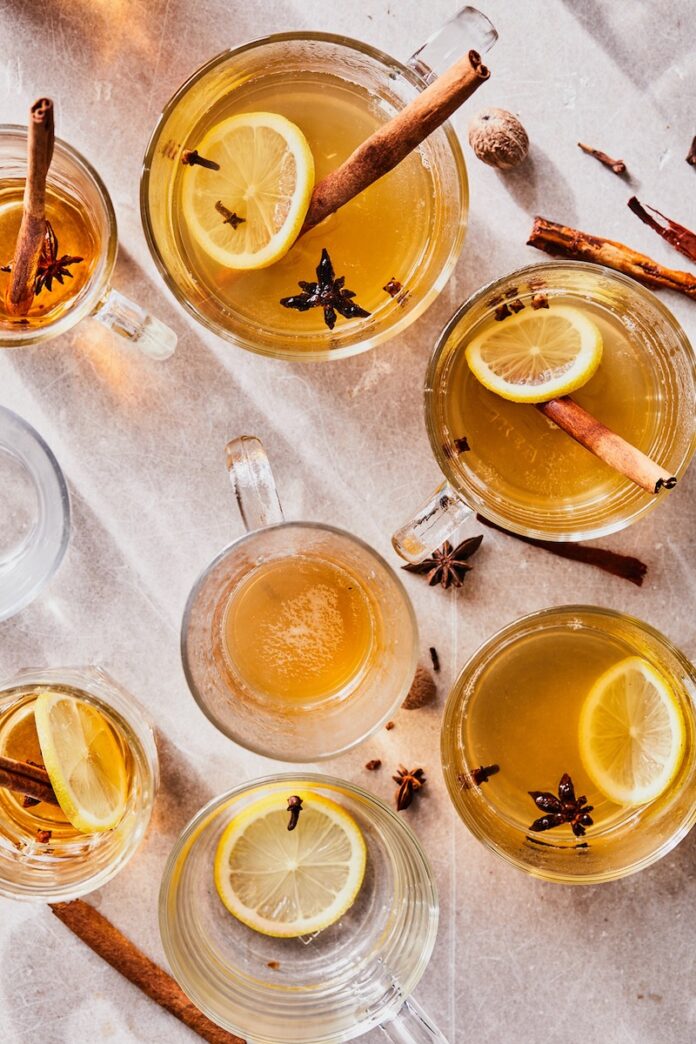
A set of hot toddy cocktails on a white tablecloth background, garnished with cinnamon

The winter hot toddy is a beverage legendary for healing a host of ailments and for lifting the spirits! At the first hint of a cold or toothache, my Irish great-grandmother put a toddy together for family members of all ages. It took her no time at all: just a shot of this and a dash of that. And she served it with love and a kind word. Small wonder that she was beloved by all!

Is A Hot Toddy Actually Good For Your Health?

Okay, alcohol is definitely not the world’s healthiest substance. But granny is not entirely wrong to dole out hot toddies for all members of the family when the noses start to run. This Winter Hot Toddy isn’t exactly juice cleanse-ready, but it does have some health benefits. Honey has soothing and anti-inflammatory properties, and it can help coat and calm an irritated throat, reducing coughing and discomfort. The warmth of the drink helps to loosen mucus and may ease throat irritation, making you feel more comfortable. Certain spices like cinnamon and cloves also have anti-inflammatory and antimicrobial properties that could offer mild support to your immune system.

Print
clock clock iconcutlery cutlery iconflag flag iconfolder folder iconinstagram instagram iconpinterest pinterest iconfacebook facebook iconprint print iconsquares squares iconheart heart iconheart solid heart solid icon

Hot Toddy


  • Author: Keith Recker

Description

An elixir of health.


Ingredients

Scale
  • ¾ cup  Water
  • 1 ½ oz. Kingfly Blended Bourbon Whiskey
  • 2 tbsp. Bumbleberry Farms honey
  • 3 tbsp. Meyer lemon juice
  • Lemon rounds, cinnamon stick, cloves, star anise


Instructions

  1. Warm the water, honey, and lemon juice in a saucepan with cinnamon, cloves and anise to taste. When the mixture begins to bubble, turn off the flame and add whiskey.
  2. Pour into small mugs or teacups and sip like Prohibition is still on! Don’t be shy about letting the spices continue to soak in the mugs: their fragrance and flavor add to the experience.

Recipe by Keith Recker / Styling by Ana Kelly / Photography by Adam Milliron

Subscribe to TABLE Magazine’s print edition

Mulled Wine

0
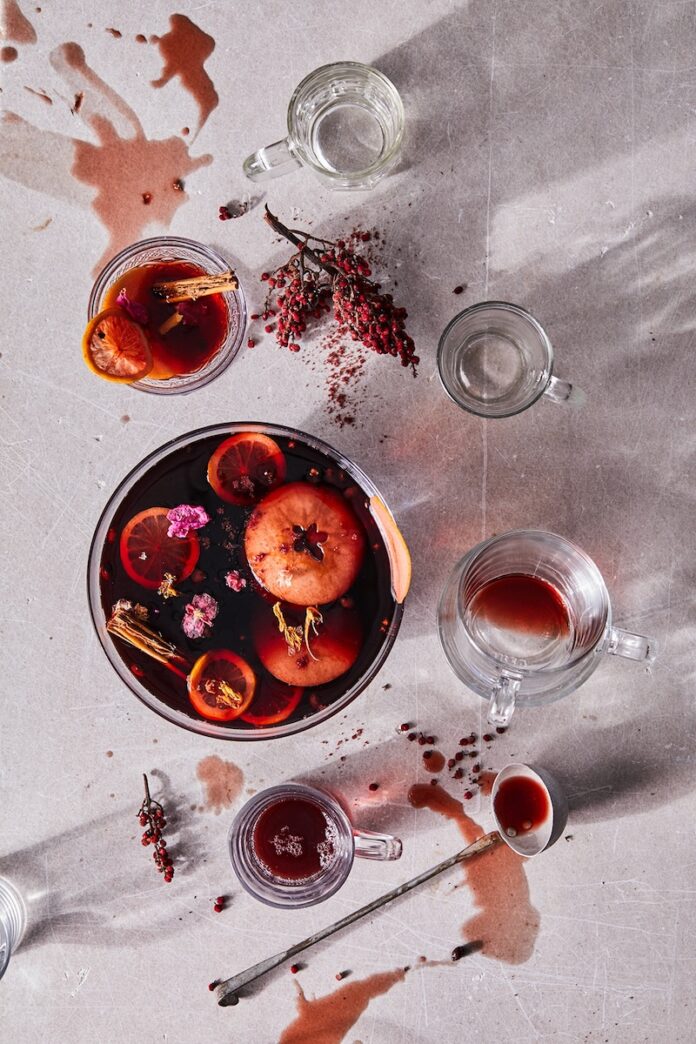
A glass of mulled wine on a white background, garnished with fruit

Some history books credit the ancient Greeks with the invention of mulled wine as a way to make the dregs of the winemaking process more drinkable. By adding herbs and spices, the flavor improved. As with architecture, sculpture and so much more, the Romans copied the Greeks, bringing it northward with them as they pushed towards what is now Germany and France. Northern winters brought a new urgency to the affair: mulled wine was a perfect drink to ward off the chill and gloom of the dark season.

How to Pick the Right Wine for Mulled Wine

Look for a full-bodied variety like Cabernet Sauvignon, Merlot, Zinfandel, or Syrah. These wines have enough depth to hold up to the spices. And no need to go too crazy at the wine store. Since you’re mulling it, you don’t need anything too high-end. A mid-range bottle will work fine. Consider Chilean winery Frontera‘s Cabernet or Merlot, which also come in higher-volume bottles great for a recipe like this. For a full bodied bargain Primitivo (the Italian-grown regional variety of Zinfandel), consider Zensa.

Print
clock clock iconcutlery cutlery iconflag flag iconfolder folder iconinstagram instagram iconpinterest pinterest iconfacebook facebook iconprint print iconsquares squares iconheart heart iconheart solid heart solid icon
A glass of mulled wine on a white background, garnished with fruit

Mulled Wine


  • Author: Keith Recker

Description

An ancient remedy for cold days.


Ingredients

Scale
  • 1 bottle of red wine (750 ml)
  • ¼ cup  Paul’s Farm maple syrup
  • 1 small red apple
  • 1 small green apple
  • 1 small red pear
  • 1 tsp ground allspice
  • 1 tsp ground cloves
  • 1 tsp ground sumac berries
  • 2 sticks cinnamon


Instructions

  1. In a clean saucepan, combine wine, maple syrup, and spices. The better the wine, the better the results, but inexpensive options work just fine.
  2. Core the fruit and cut into ¼-inch slices. If you have a bit of orange peel or a slice of pineapple or fresh ginger, feel free to add.
  3. Place the fruit in the saucepan and heat until it boils. Lower the heat and simmer gently for 10 minutes.  Drink while still steaming, but cool enough to sip.

Recipe by Keith Recker
Styling by Ana Kelly
Photography by Adam Milliron

Subscribe to TABLE Magazine‘s print edition

The Appalachian Trail, a Cold Weather Cocktail

0
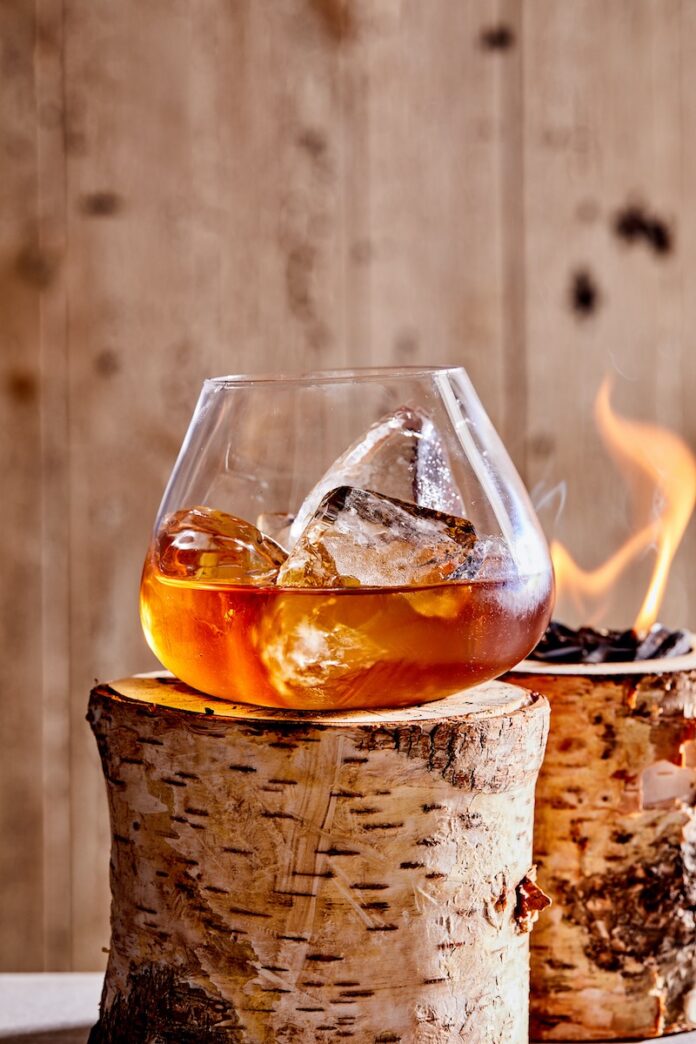
The Appalachian Trail, a cold weather cocktail, sits on a smoked birch log

Taste and fragrance team up to create a unique sensation with this cocktail from Bridges and Bourbon, a restaurant in downtown Pittsburgh. Their mixologists came to the studio to concoct the brew and fire up the woodchips. While this cocktail is chilled, the smoke and fire had us all warmed up, so we had to add it to our hot drinks assortment since it still makes a great cold weather cocktail.

What Makes a Good Cold Weather Cocktail?

A good cold weather cocktail is all about warmth, comfort, and a bit of indulgence. The key ingredients tend to be rich, warming spirits like whiskey, rum, and brandy, which complement the colder months perfectly. Additionally, the use of spices and citrus helps balance the heaviness of the alcohol, while enhancing the cozy, festive vibe. Citrus, spices, and warming spirits like tequila or bourbon make a cocktail better for the colder months. For cold weather, you want cocktails that have depth—drinks that aren’t just refreshing but full of warmth and complexity. Dark rum, bourbon, dark beer, or even sherry can bring layers of flavor that are perfect for sipping slowly on a cold evening.

Print
clock clock iconcutlery cutlery iconflag flag iconfolder folder iconinstagram instagram iconpinterest pinterest iconfacebook facebook iconprint print iconsquares squares iconheart heart iconheart solid heart solid icon
The Appalachian Trail, a cold weather cocktail, sits on a smoked birch log

The Appalachian Trail, a Cold Weather Cocktail


  • Author: Bridges & Bourbon

Description

If you don’t have a birch log, just get creative with the garnish and presentation!


Ingredients

  • Cognac
  • Rye
  • Bourbon
  • Calvados
  • Apple Cinnamon Syrup


Instructions

  1. Mix equal parts cognac, rye, bourbon, calvados, and apple cinnamon syrup. Put 2 ½ ounces of your batch in a mixing glass with ice. Stir until well diluted and roll the contents into a cognac glass.
  2. Fill hollowed birch log with apple woodchips and torch the chips to ignite a little flame and produce a lovely smoke.
  3. Place glass on top of log and serve.

Notes

This recipe calls for “equal parts” of each ingredient, adjust based on how many drinks you’re making.

Recipe courtesy of Bridges and Bourbon / Styling by Ana Kelly / Photography by Adam Milliron

Subscribe to TABLE Magazine’s print edition

Moonshine Hot Chocolate

0
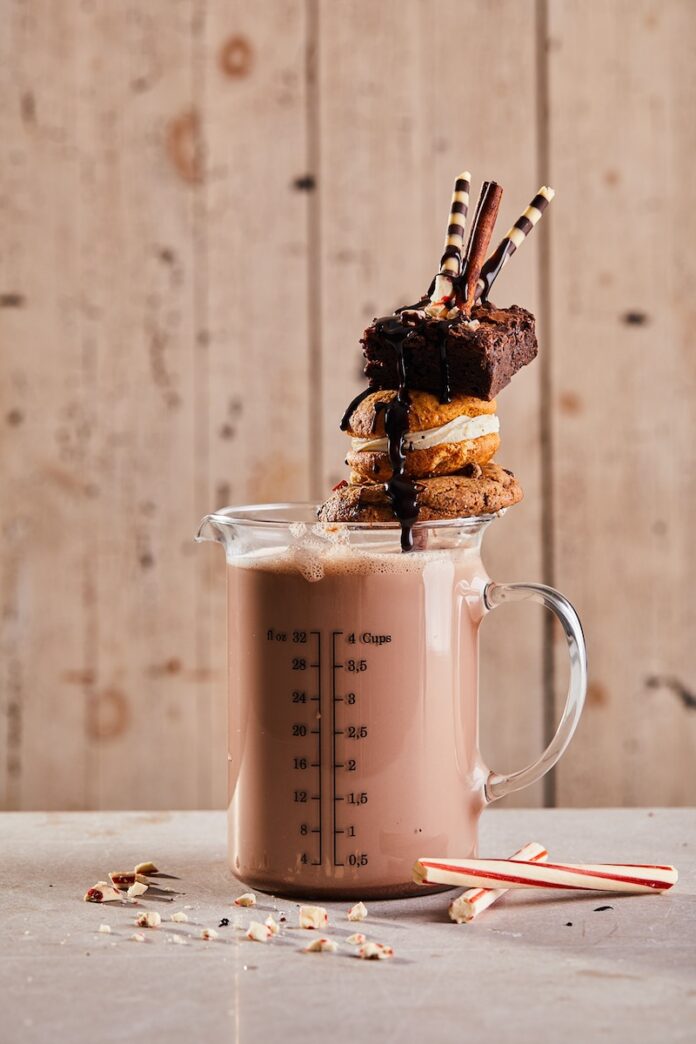
Moonshine hot chocolate full of baked goods and whiskey delights

‘Tis the season for sensory indulgences. Inspired by the ever-grander garnishes on those brunchy Bloody Marys popping up in restaurants across the country, we dreamed up this Moonshine Hot Chocolate bedecked with delicious sweets. Kim McLaughlin of McLaughlin Distillery, whose moonshine we used, says “Moonshine improves small talk and makes you want to spend time with relatives. Or at least it gets you on the right track.” Share it with your beloved in front of a fire or dazzle your guests with a suite of these delivered on a tray. Special thanks to Casey Renee for the brownies, cookies and whoopie pies. For another boozy hot chocolate recipe, try our Spiked Hot Chocolate.

What is Moonshine? Why Use It in Hot Chocolate?

The name “moonshine” originates from the practice of distilling alcohol at night, under the cover of darkness to avoid detection by authorities. In many parts of the world, particularly in the U.S., moonshine was historically associated with bootlegging during Prohibition, when the sale of alcohol was banned. Moonshine is typically high-proof (sometimes 100-proof or more). Hot chocolate is already a comforting, cozy drink, especially in cold weather. Adding moonshine turns it into a more grown-up treat, with the alcohol providing an additional layer of warmth and relaxation. This makes Moonshine Hot Chocolate a winning choice for chilly evenings or as a fun, festive drink for gatherings.


Print
clock clock iconcutlery cutlery iconflag flag iconfolder folder iconinstagram instagram iconpinterest pinterest iconfacebook facebook iconprint print iconsquares squares iconheart heart iconheart solid heart solid icon
Moonshine hot chocolate full of baked goods and whiskey delights

Moonshine Hot Chocolate


  • Author: Keith Recker

Description

Hot chocolate with an extra kick.


Ingredients

Scale
  • 1 cup  Whole milk
  • 2 oz. Callebaut milk chocolate, grated
  • 1 oz. Callebaut semi-sweet chocolate, grated
  • 1 tbsp. Light brown sugar
  • 1/8 tsp. Cinnamon
  • 1/8 tsp. Kosher salt
  • 3 oz. McLaughlin Distillery’s Loca Double Chocolate Moonshine
  • 1 oz Kingfly Spirits Bliss 1895 Spiced Rum


Instructions

  1. Warm the milk and grated chocolate slowly, stirring constantly. Add brown sugar, cinnamon, and salt.
  2. Just before serving, add spirits. Serve in heatproof glass or tall mug. Garnish with sweets to your heart’s content.

Recipe by Keith Recker / Styling by Ana Kelly / Photography by Adam Milliron 

Subscribe to TABLE Magazine‘s print edition

Turnip Gratin

0
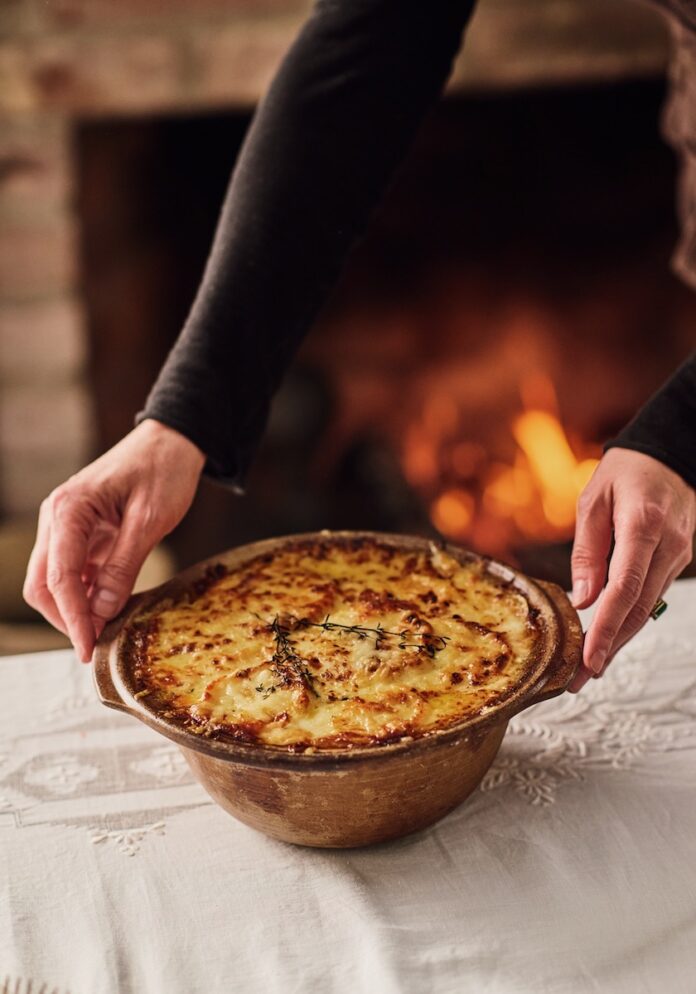
A turnip gratin on a table with a white tablecloth, held by Melissa Martin

Excerpted from Bayou by Melissa M. Martin especially for TABLE readers, this recipe is a delightful winter dish to try at home.

Growing up, we ate a lot of potato gratins, but you can use turnips in the same preparation and get all their earthy, spicy flavor. The gratin is inspired by the Acadians, who grew turnips because they are easy to store throughout the winter. During baking, the mixture may bubble over, so place the pan on a sheet pan to catch any spillage and keep your oven clean. I like to serve gratin with a vinegary cabbage salad to cut the richness of the dish.

History of Gratin

Gratin originally comes from the Dauphiné region of France, where it originated as “Gratin Dauphinois.” Like the French language, gratin came to Louisiana during its French occupation in the 1800s, but the Cajun culture that developed then created its own unique spin on it. Though potatoes are the classic French gratin, turnips are an Acadian spin based on seasonal produce. (Plus, it’s often hard to know what to do with turnips). This recipe is reprinted from Bayou, a cookbook that focuses specifically on Cajun cuisine and its history by Melissa Martin. Cajun cooking is meant to be shared, so gather around a table with this gratin in the colder months.

Print
clock clock iconcutlery cutlery iconflag flag iconfolder folder iconinstagram instagram iconpinterest pinterest iconfacebook facebook iconprint print iconsquares squares iconheart heart iconheart solid heart solid icon
A turnip gratin on a table with a white tablecloth, held by Melissa Martin

Turnip Gratin


  • Author: Melissa Martin
  • Yield: Serves 8 as a side 1x

Description

A Cajun recipe to make through the winter.


Ingredients

Scale
  • 2 oz unsalted butter, cut into cubes, plus more for the pan
  • lbs turnips, peeled and cut into ½-inch-thick rounds
  • 2 tsp kosher salt
  • ¼ tsp ground white pepper
  • ¼ tsp mustard powder
  • ¼ cup all-purpose flour
  • 2 cups whole milk
  • 4 oz grated Swiss cheese or Gruyère, plus 2 oz for topping
  • 1 tbsp fresh thyme leaves, plus 3 to 5 sprigs
  • ⅛ tsp cayenne pepper
  • Freshly grated nutmeg


Instructions

  1. Preheat the oven to 350°F. Butter a deep 8-inch (20 cm) round cast-iron pan or deep casserole dish.
  2. In a large bowl, season the turnips with the salt, white pepper, and mustard powder. Arrange the turnips in layers in the prepared pan, spiraling them out from the bottom and layering until all the turnips are used.
  3. Warm a heavy-bottomed 4-quart saucepan over medium heat for 2 minutes, then add the butter and flour simultaneously and cook, stirring continuously, for 2 to 3 minutes to make a blond roux. Slowly stream in the milk while whisking constantly and bringing the mixture to a simmer, then remove the pan from the heat and stir in the 4 ounces grated cheese. Add the thyme leaves, cayenne, and a touch of nutmeg to the cheese mixture and stir well. Pour the mixture over the turnips in the pan.
  4. Place the pan on a rimmed sheet pan and bake for 30 minutes. Sprinkle the remaining 2 ounces cheese evenly on top of the turnips, crown the gratin with the thyme sprigs, and return the pan to the oven. Bake for 20 to 25 minutes more, until the top is golden brown, the turnips are al dente (not mushy), and the liquid has been absorbed. Let the gratin sit at room temperature for 15 minutes before serving.

Excerpted from Bayou by Melissa M. Martin (Artisan Books). Copyright © 2024. Photographs by Denny Culbert.

Subscribe to TABLE Magazine‘s print edition

Praisesong Biscuits

0
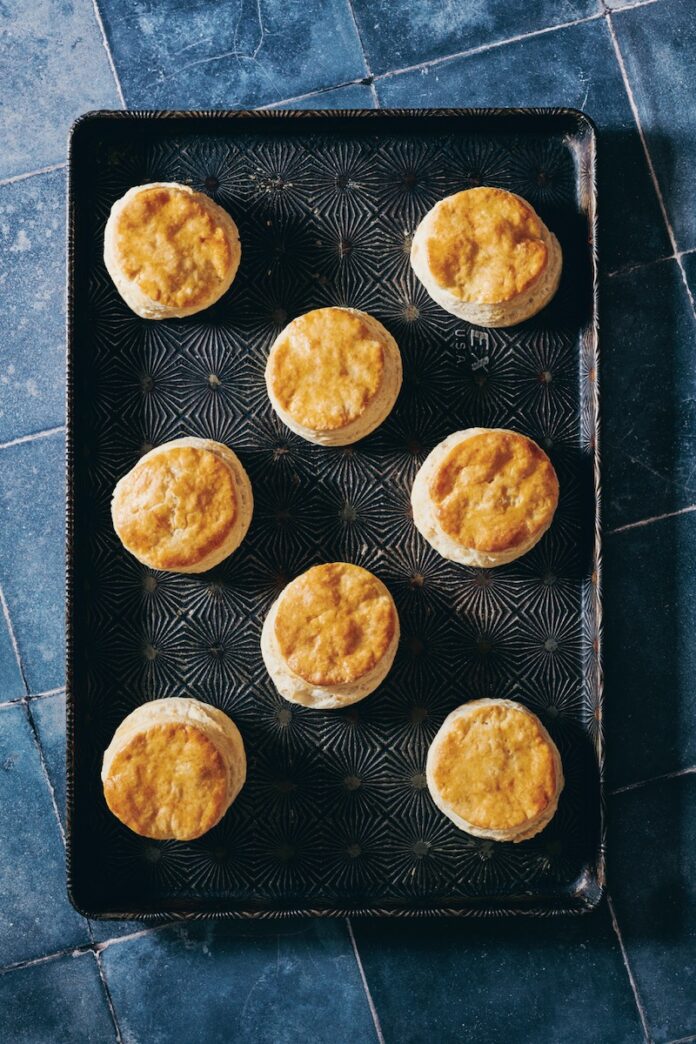
A tray of seven biscuits on a blue tile table, made by Crystal Wilkinson

Praisesong for the Kitchen Ghosts: Stories and Recipes from Five Generations of Black Country Cooks by Crystal Wilkinson includes this wonderful recipe. She shares it with TABLE readers.

I have been baking biscuits all my life, in search of the perfect recipe for decades. I tried for years to make them like my grandmother’s, but she never wrote down her recipe (of course). So, this recipe is mine. I think it’s just right—at least it seems to be the one my family likes best.

Tips for the Getting Biscuits Just Right

An ideal biscuit has a slightly crisp crust paired with a tender softness inside and can hold up to jelly or gravy or a small piece of meat for a tasty morsel of a sandwich. The key to tender biscuits is not to mess with the dough too much. I like to see bits of butter in it, so the biscuits bake up with tiny pools of buttery goodness inside. This recipe is from Praisesong for the Kitchen Ghosts, which celebrates Black family recipes throughout history, particularly from the Appalachian region, famous for its biscuits. Though everyone has their own recipe, this is a simple and enjoyable one with something for even the pickiest eater.

Print
clock clock iconcutlery cutlery iconflag flag iconfolder folder iconinstagram instagram iconpinterest pinterest iconfacebook facebook iconprint print iconsquares squares iconheart heart iconheart solid heart solid icon
A tray of seven biscuits on a blue tile table, made by Crystal Wilkinson

Praisesong Biscuits


  • Author: Crystal Wilkinson
  • Yield: Makes eight 3-inch biscuits 1x

Description

Everybody loves biscuits.


Ingredients

Scale
  • 2 to cups self-rising flour, plus more as needed
  • 4 tbsp (¼ cup) vegetable shortening, at room temperature
  • 4 tbsp (½ stick) cold salted butter, plus more for serving
  • 1 cup whole milk


Instructions

  1. Place a rack in the middle position and preheat the oven to 400 degrees.
  2. In a large mixing bowl, combine 2 cups of the flour with the shortening and use a pastry cutter or two forks to blend them into a coarse meal.
  3. Cut the cold butter into pea-size pieces. Add them to the bowl and stir to coat with the flour, then pour in the milk, using a fork to stir the mixture into a soft, shaggy dough. Add a bit more flour, as needed. Do not overmix.
  4. Generously flour your work surface and your 3-inch round biscuit cutter (or inverted glass). Transfer the dough there and knead it six times—only adding a little more flour, as needed, to keep it from being too sticky and just to keep it workable.
  5. Gently pat or roll out the dough to a thickness of about ½ inch. Use the biscuit cutter to cut straight down, without twisting, to form a total of 8 biscuits. Gently reroll the scraps to use all the dough.
  6. Place the biscuit rounds on an ungreased baking sheet, close together but not touching. Brush off any excess flour. Bake on the middle rack until lightly browned on top and bottom, 12 to 15 minutes.
  7. Butter the biscuit tops and serve hot.

Reprinted with permission from Praisesong for the Kitchen Ghosts: Stories and Recipes from Five Generations of Black Country Cooks by Crystal Wilkinson copyright Ó 2024.  / Photographs by Kelly Marshall copyright 2024. Published by Clarkson Potter, an imprint of Penguin Random House.

Subscribe to TABLE Magazine‘s print edition

Greek Zucchini Fritters (Kolokythokeftedes)

0
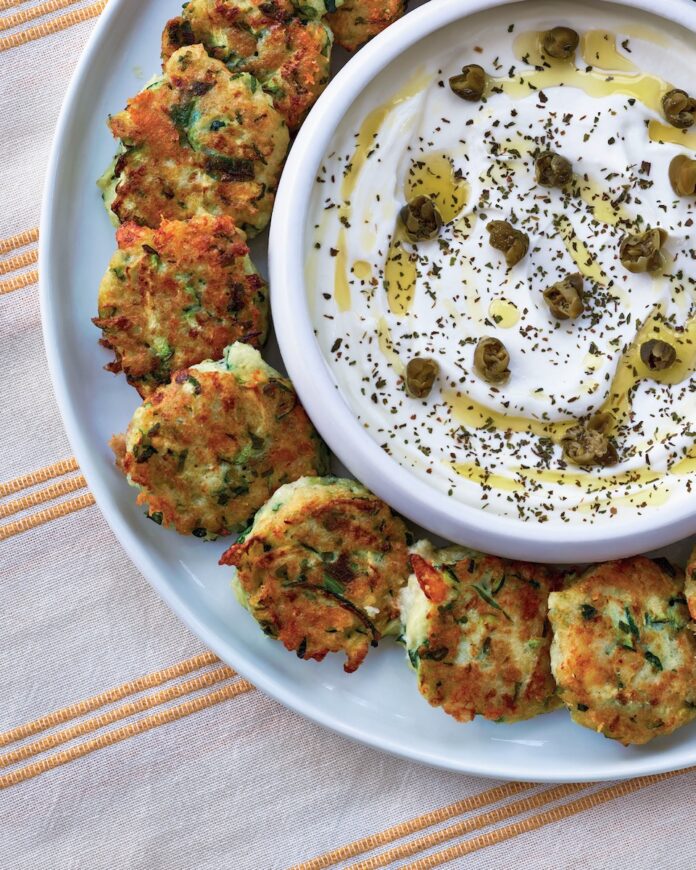
A plate of Greek Zucchini fritters with a hefty dish of yogurt sauce with capers

This dish from José Andrés’s cookbook Zaytinya might introduce itself as: “The name’s Kolokythokeftedes, but you can just call me zucchini fritters.” The Greek word is a mouthful, and many diners won’t attempt to say the name of this dish, and instead just point to the menu. But take the opportunity to learn a little Greek: “kolokythi” (zucchini) plus “keftedaki” (meatball). No matter how you say it (or not!), it’s one of our favorites—light zucchini fritters with a crunchy exterior and a sweet, creamy inside.

Tips for Gathering Ingredients for Greek Zucchini Fritters (Kolokythokeftedes) 

I first tasted this dish in Santorini, where the rich volcanic soil of the Greek island makes for superb zucchini and tomatoes. If you can use in-season farmers’ market vegetables, the dish will be at its peak, but grocery-store zucchini will get you most of the way there. If you can’t find Kefalograviera cheese at the store, Manchego cheese can be substituted; just add a pinch more salt as Manchego is less salty than Kefalograviera.

Print
clock clock iconcutlery cutlery iconflag flag iconfolder folder iconinstagram instagram iconpinterest pinterest iconfacebook facebook iconprint print iconsquares squares iconheart heart iconheart solid heart solid icon
A plate of Greek Zucchini fritters with a hefty dish of yogurt sauce with capers

Greek Zucchini Fritters (Kolokythokeftedes)


  • Author: José Andrés
  • Yield: 16 fritters 1x

Description

Don’t let the name fool you – they’re easier to make than they are to say.


Ingredients

Scale

For the caper-yogurt sauce

  • 2/3 cup Greek yogurt
  • 1 tsp caper brine, plus 1 tbsp capers
  • ¼ tsp orange blossom water
  • Pinch kosher salt
  • 1/4 tsp dried mint
  • Extra-virgin olive oil

For the fritters

  • 2 cups shredded zucchini
  • 3 scallions, thinly sliced
  • 1 tbsp chopped parsley
  • 2 tsp chopped mint
  • 1 tsp dried oregano
  • 1/3 cup panko bread crumbs
  • 2 ounces Kefalograviera cheese, grated or shredded
  • 2 tbsp all-purpose flour
  • ¼ tsp freshly ground white pepper
  • ½ tsp kosher salt 2 large egg whites
  • 2 tbsp canola oil, plus more if needed


Instructions

For the caper-yogurt sauce

  1. To make the sauce, whisk together the yogurt, caper brine, orange blossom water, 2 teaspoons of water, and a pinch of salt in a mixing bowl until smooth. If the sauce is too thick, add another teaspoon of water. Cover and refrigerate until ready to use.

For the fritters

  1. For the fritters, stir together the zucchini, scallions, parsley, mint, oregano, panko, cheese, flour, pepper, and salt in a large bowl.
  2. Whip the egg whites in a medium bowl until firm peaks form, then fold into the zucchini mixture.
  3. Heat about 2 tablespoons of canola oil in a large nonstick sauté pan over medium-high heat. Spoon 1 heaping tablespoon of zucchini batter onto the hot pan to form each fritter, using a spoon to pat them out to about 2 inches wide, and cook, turning once, until nicely browned, about 1 to 2 minutes per side. Transfer the fritters to a paper-towel-lined plate to drain.
  4. Continue with the remaining batter, being careful not to crowd the pan, until you have 16 fritters. If you need to add a bit more oil to the pan, be sure to let it get hot before adding more batter.
  5. To serve, remove the caper-yogurt sauce from the refrigerator, give it a good stir, then spread it in a shallow serving bowl set on a serving platter. Top the sauce with the whole capers, sprinkle with dried mint, and drizzle with a little olive oil. Arrange the fritters around the sauce.

Zaytinya by José Andrés. Copyright © 2024 by José Andrés Media. Photography © 2024 by Thomas Schauer. Excerpted by permission of Ecco, an imprint of HarperCollins Publishers.

Subscribe to TABLE Magazine’s print edition

TABLE Magazine’s Best Gardening Books of 2024

0
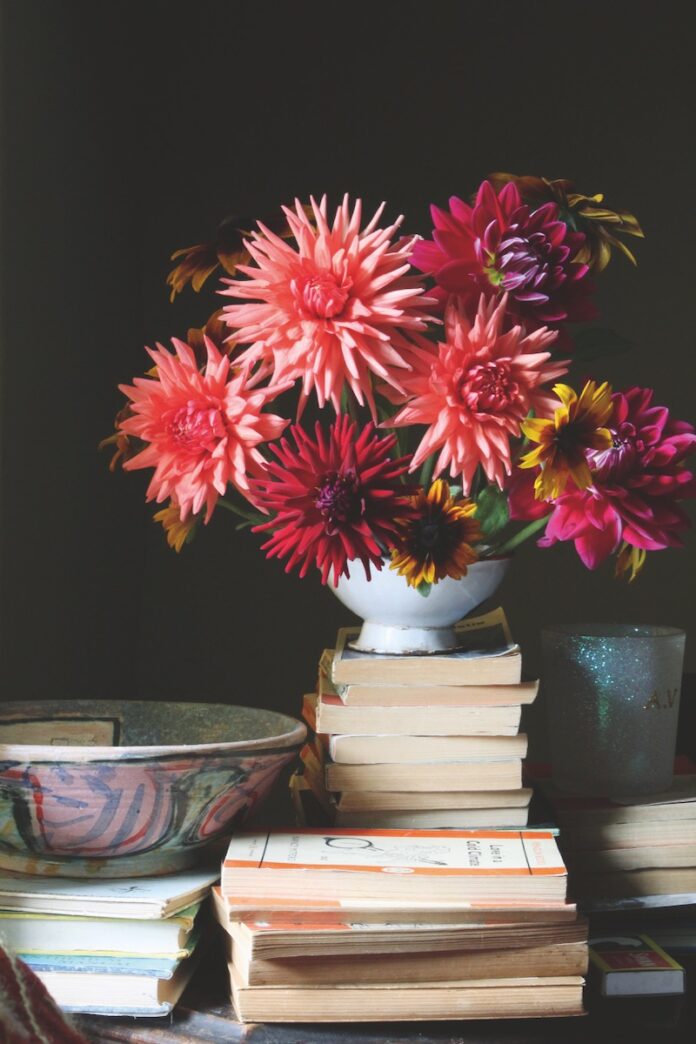
A pot of red flowers on top of a stack of gardening books

There is nothing like a cold winter’s day to prompt a bit of armchair gardening. Surrounded by seed catalogues and a blank piece of paper, even the smallest garden can magically take shape. For extra inspiration, we’ve brought together our favorite new gardening books from 2024 that will fill you – or a lucky recipient – with green-thumbed inspiration.

TABLE Magazine’s Best Gardening Books of 2024
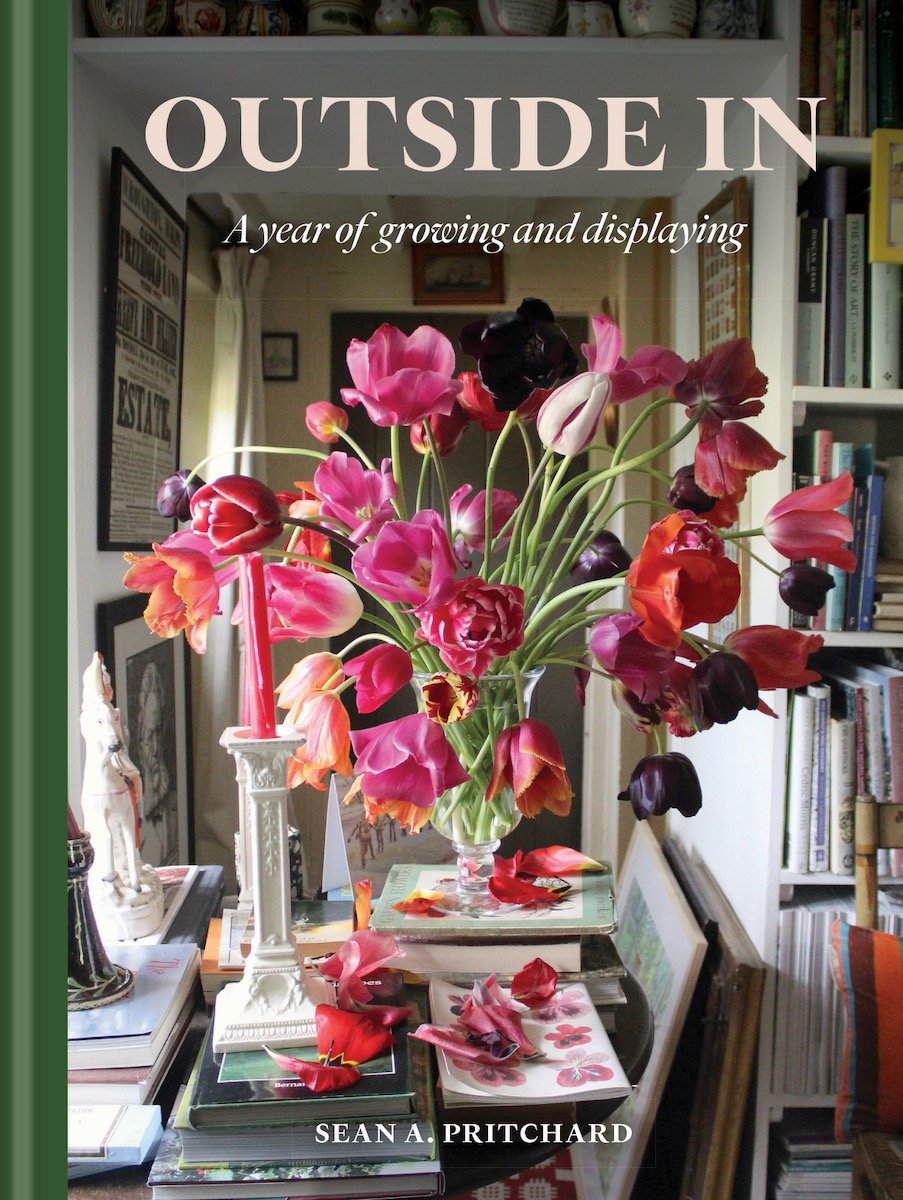
The cover of Outside In, a table setting with pink flowers

Outside In

By Sean A. Pritchard, published by Mitchell Beazley 

I’m not one to fan girl but I’ll make an exception with Sean A. Pritchard and his gorgeous book Outside In. Not a gardening ‘how to’ – more of a ‘what to’ as he shows you how he brings his garden into his home. This is a relaxed approach with tulip petals cascading onto stacks of books and terracotta pots full of leggy pelargoniums lined up higgledy-piggledy on a table. Not for the minimalist, but a joyful romp for the maximalist who believes that more is in fact more.
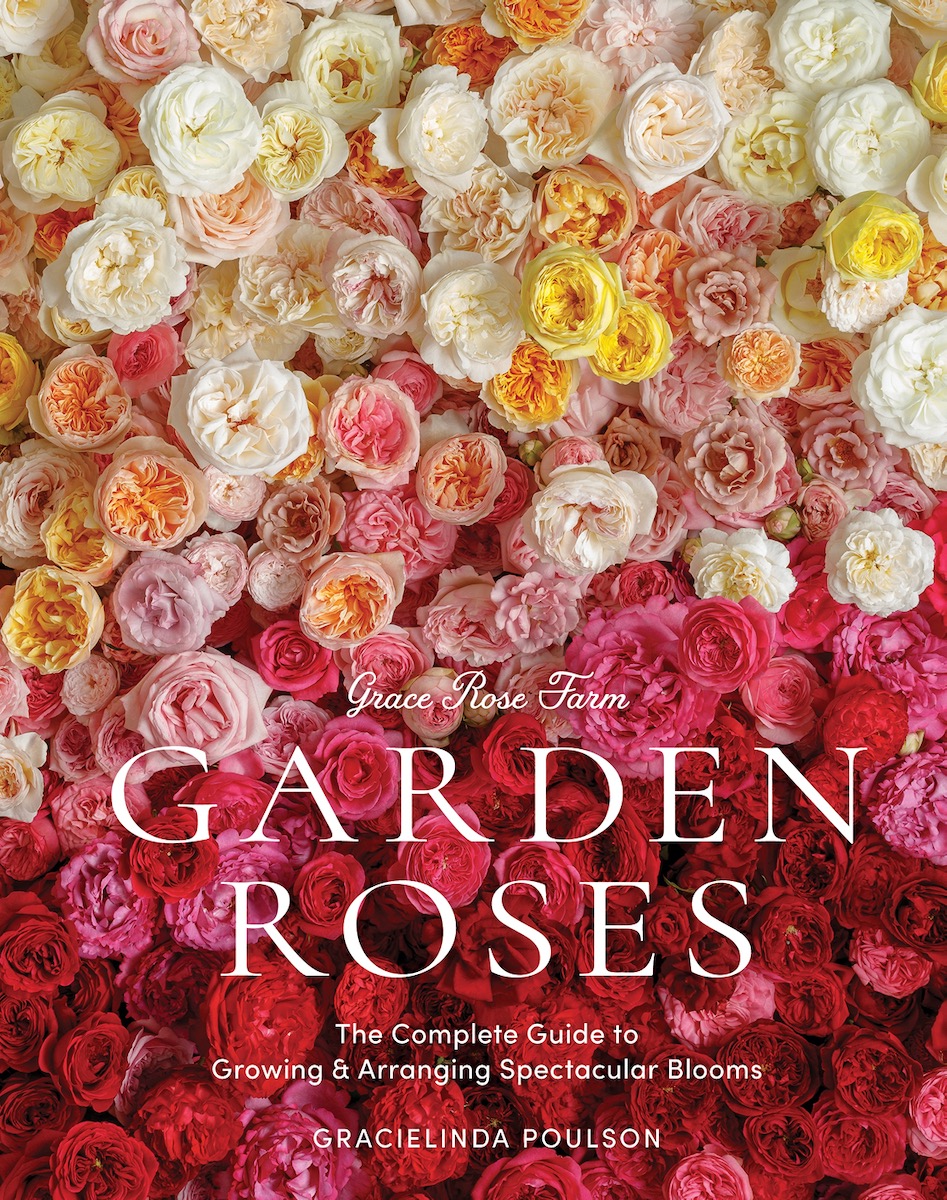
The cover of Garden Roses, a full size image of resplendent roses in pink, orange, and white

Grace Rose Farm Garden Roses

By Gracielinda Poulson, published by Artisan

Gracielinda Poulson learned the “love language” of roses as a child hanging out in her grandmother’s garden. As an adult, she began collecting roses – a self-professed obsession that resulted in a garden overflowing with five hundred rose bushes. Now her hobby is a business and in Garden Roses, she shares guidance on selecting, growing and caring for roses. I’d buy this one for the cover alone.
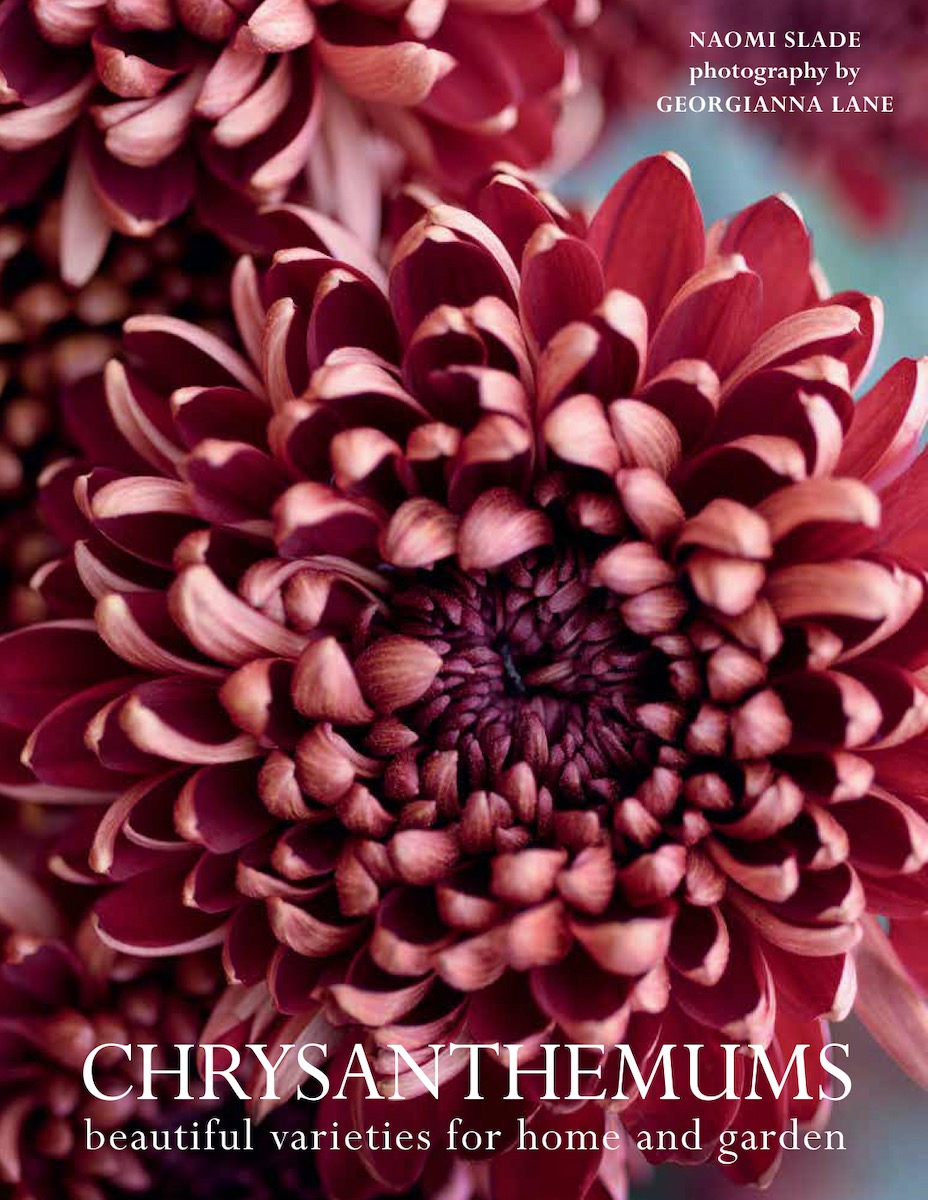
A pink chrysanthemum on the cover of a gardening book

Chrysanthemums

By Naomi Slade, published by Gibbs Smith

Poor chrysanthemums get a bad rap. For some they lack subtlety and style. They get pegged as the ubiquitous bunch of garish yellow flowers you can find at any grocery store. But look again, thanks to Naomi Slade’s new book, and you’ll find a flower with far more going for it. Not convinced? Peruse Slade’s book and fall in love with the diminutive Syllabub with it’s “honey-scented pin pinwheels” or Seatons Je’Dore, of which she says, “Cut by the armful, these delectable champagne-bubble blooms are harmonious with a wedding dress of any hue.” Brides take note!
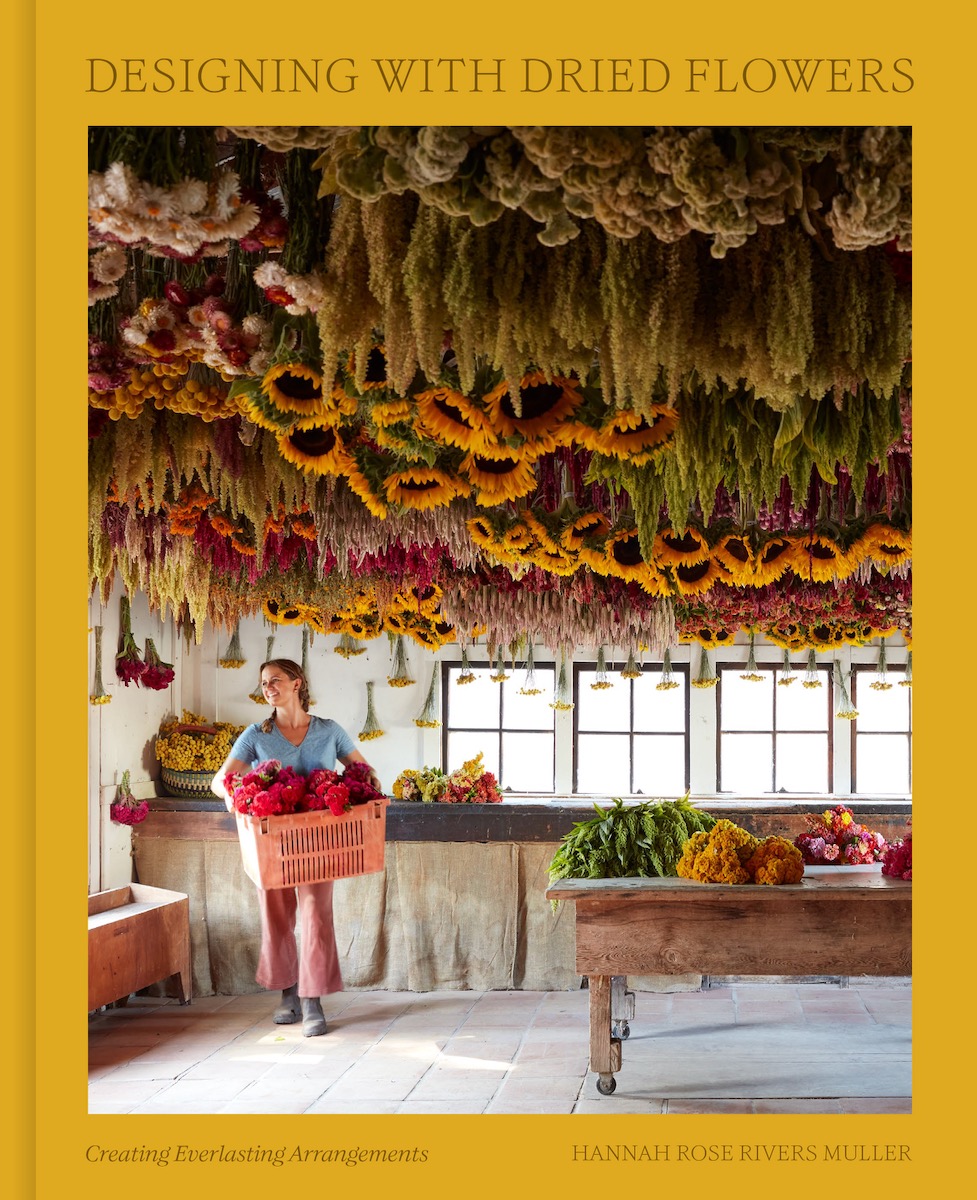
The cover of Designing with Flowers, featuring a woman walking underneath a ceiling of beautiful flowers

Designing with Dried Flowers

By Hannah Rose Rivers Muller, published by Clarkson Potter

I’ve never been a fan of dried flowers. This dates back to finding my mother “decorating’ my kitchen with a pot of dried flowers that looked like they’d been harvested during the Crimean War. But Hannah Rose Rivers Muller has cured me of my youthful trauma with this sumptuous book on how to create “everlasting arrangements.” She came by her passion naturally, learning from her mom, Dru Rivers, on their family farm, charmingly named Full Belly Farm. (I’d gladly move into her Wreath Room – aka drying HQ). She shares information on sourcing and drying plus how to create dried flower wreaths and arrangements, that thankfully looking nothing like my mom’s.

The cover of The Food Forward Garden, a landscape with a blue sky

The Food Forward Garden

By Christian Douglas, published by Artisan

Fruit and vegetables are often shunted to the farthest reaches of a garden. They’re deemed to lack the prettiness and pizzazz of flowers and grasses. But not Christian Douglas. He puts fruit and veg at the heart of a garden, allowing them to mingle happily with annuals and perennials. He shows you how you can get the look with eight “food forward” garden designs from country cottages to small city lots and even an edible front garden. His design guide gives you the tools to create your own food forward garden. With a foreword by client, friend, and Food Network star, Tyler Florence.

A garden of beautiful green plants, depicted on the cover of Garden Wonderland

Garden Wonderland

By Leslie Bennett and Julie Chai, published by Ten Speed

Garden design is also the theme for award-winning designer Leslie Bennett. In this book, she shares ideas on how to create joyful outdoor spaces. These are much more than just a backyard. For Bennett, gardens can and should be places of connection where we’re surrounded by colors, scents and shapes that boost our mood and bring us closer to nature. Nineteen gardens illustrate her ideas and bring to life her philosophy. “Simply put, our gardens can be where we find more connected, inspired, and grounded versions of ourselves,” she says.
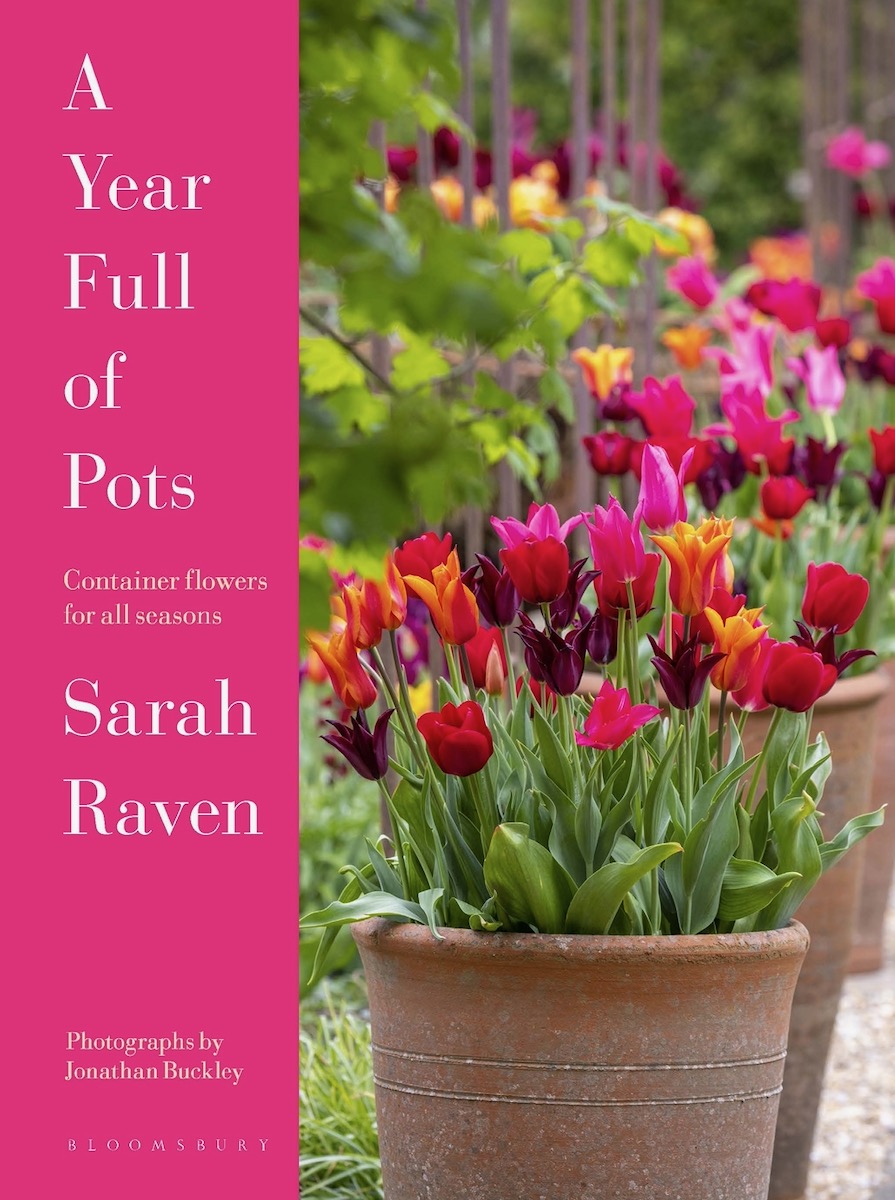
A pot of pink and red flowers set beside a vertical hot pink block bearing the name of Year Full of Pots

A Year Full of Pots

By Sarah Raven, published by Bloomsbury 

Pots full of flowers should be your gardening best friend year round, says Sarah Raven. She takes you to her sensational Sussex, England property, Perch Hill to show you how. Raven is a master of color and she shares tricks on how to get the look, such as choosing a “bride” (the star of the show), a “bridesmaid” (lovely but doesn’t outshine the bride) and a “gatecrasher” (the contrasting color that makes it all sing). Rather than an afterthought, pots are a lead player. “They are the bubbles in the champagne; the cherries on the cake; the final enhancement of what makes a garden beautiful,” she says. “And with pots, there is one iron rule: more is more.”
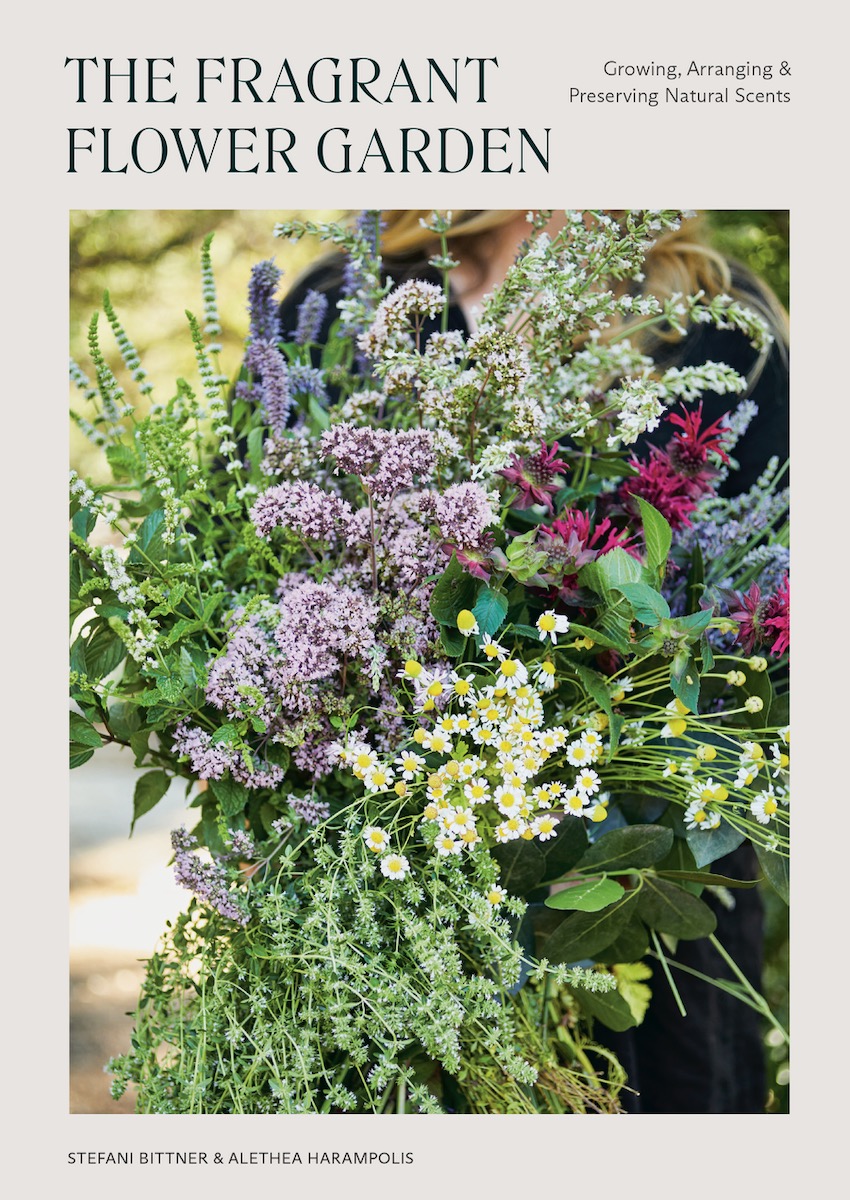
The cover of Fragrant Flower Gardens with red, white, and pink flowers in greenery

The Fragrant Flower Garden

By Stefani Bittner and Alethea Harampolis, published by Ten Speed

I’ll end things on a sweet smelling note, with The Fragrant Flower Garden – dedicated to showing you how you can grow with an eye not only to beauty by also olfactory happiness. Everything from marigolds with their musky, earthy and slightly bitter scent to Calamint (Calamintha nepetoides) with its minty, fresh aroma and flowers that attract bees, butterflies, hummingbirds and other pollinators to the garden, is included. Helpful tips on how to capture and preserve fragrance so you can enjoy lush garden scents, no matter the time of the year.

Story by Julia Platt Leonard
Photo courtesy of Mitchell Beazley

Subscribe to TABLE Magazine’s print edition
8 Recipes for Pickle Lovers

0
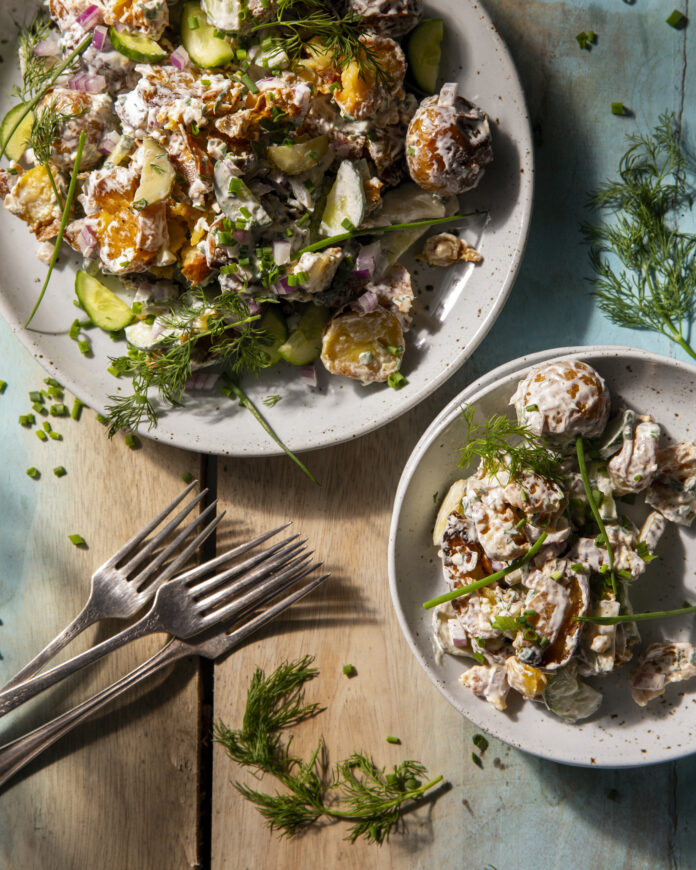
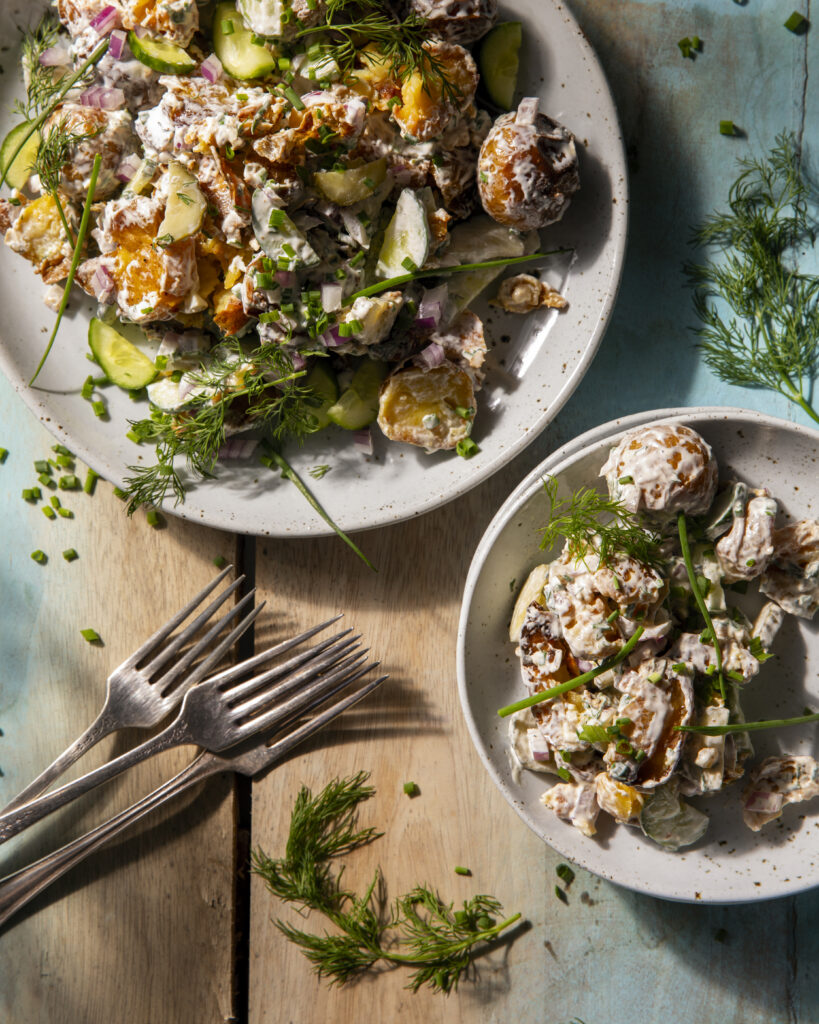
A white plate is slathered in a crispy potato salad with dill pickles and a small plate to the bottom right holds a smaller portion.

Pickle lovers rejoice! We love pickles so we’re brining up eight recipes guaranteed to satisfy all your pickle cravings. A pickle is technically considered anything that goes through the pickling process. Thus, our recipes focus on more than just your basic cucumber pickle. Bite into savory dishes that combine pickled ingredients, like beets, with tender protein choices. Or, even sip on a cocktail highlighting the ingredients that make pickles so addictive. No matter what way you choose to celebrate, we’re here to make sure pickles take over every section of your plate. 

Pickle Lovers, Plan Your Meals Around These Pickle Recipes

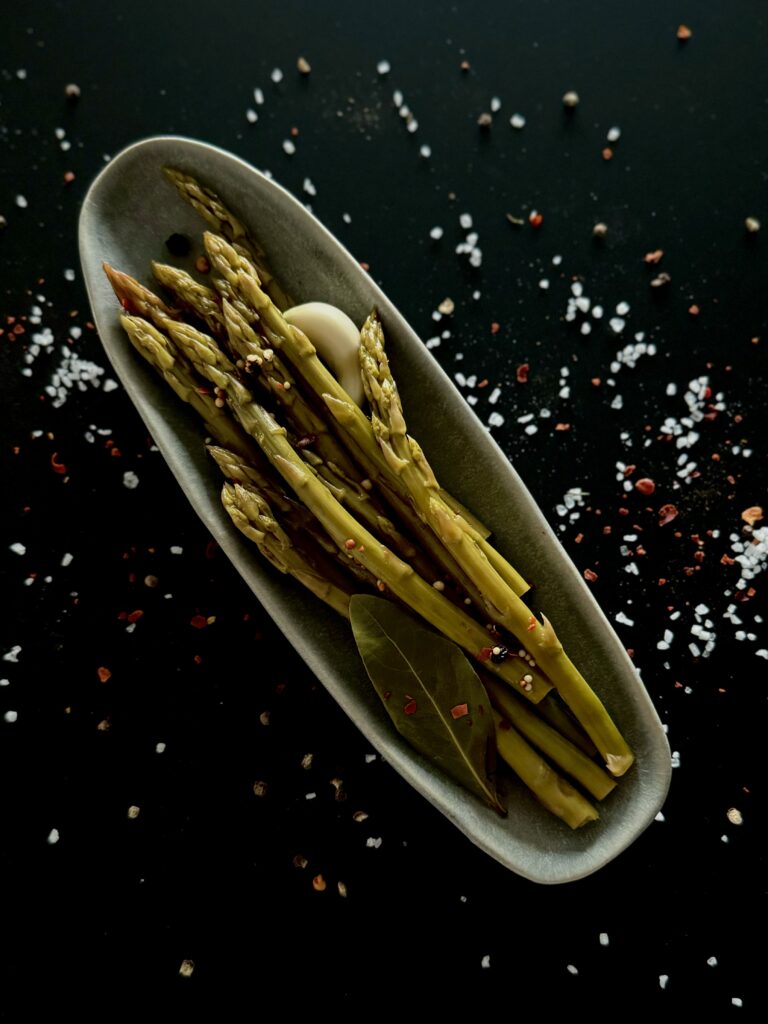
Pickled Asparagus

An overhead photo of an oval dish with pickled asparagus spears, a glove of garlic, and a bay leaf, on a black surface with sprinkled salt.

While roasting and sautéing are delicious ways to eat asparagus, pickling it not only adds an extra layer of nutrients but also produces a very satisfying, tangy and refreshing flavor. You’ll gain plenty of antioxidants, probiotics, and fiber from this small dish. Plus, Pickled Asparagus is also an aphrodisiac, so get ready to feel the love.  

Dill Pickle and Crispy Smashed Potato Salad

A white plate is slathered in a crispy potato salad with dill pickles and a small plate to the bottom right holds a smaller portion.

Shake things up with a Dill Pickle and Crispy Smashed Potato Salad, a blend of textures and a touch of acidity. We recommend serving this dish warm but you can also chill it to enjoy at a later date.

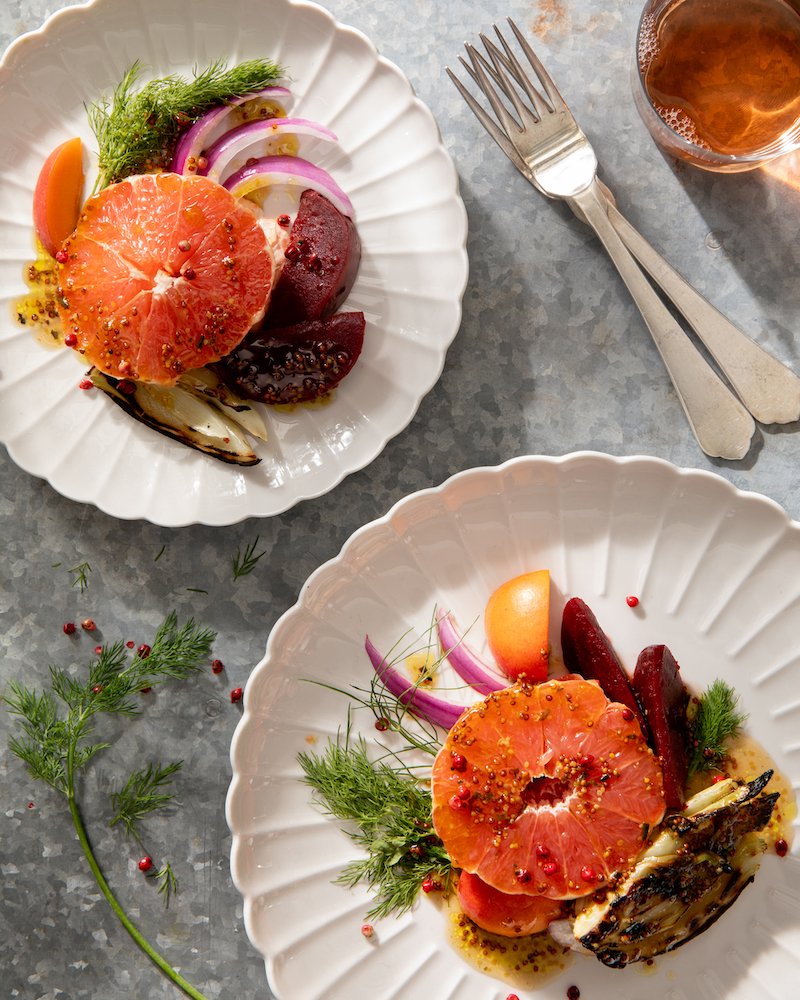
Pickled Veggie Salad with Mustard Dressing

A pickled vegetable salad plated on white plates with silverwear.

Bite into a crunchy mix of pickled beets, grapefruit, red onion, fennel, and apricots. Our Pickled Veggie Salad is full of all things good for you along with a savory Mustard Dressing. Say goodbye to disliking pickled vegetables and say hello to a dish that’s flavorful and good for you too. 

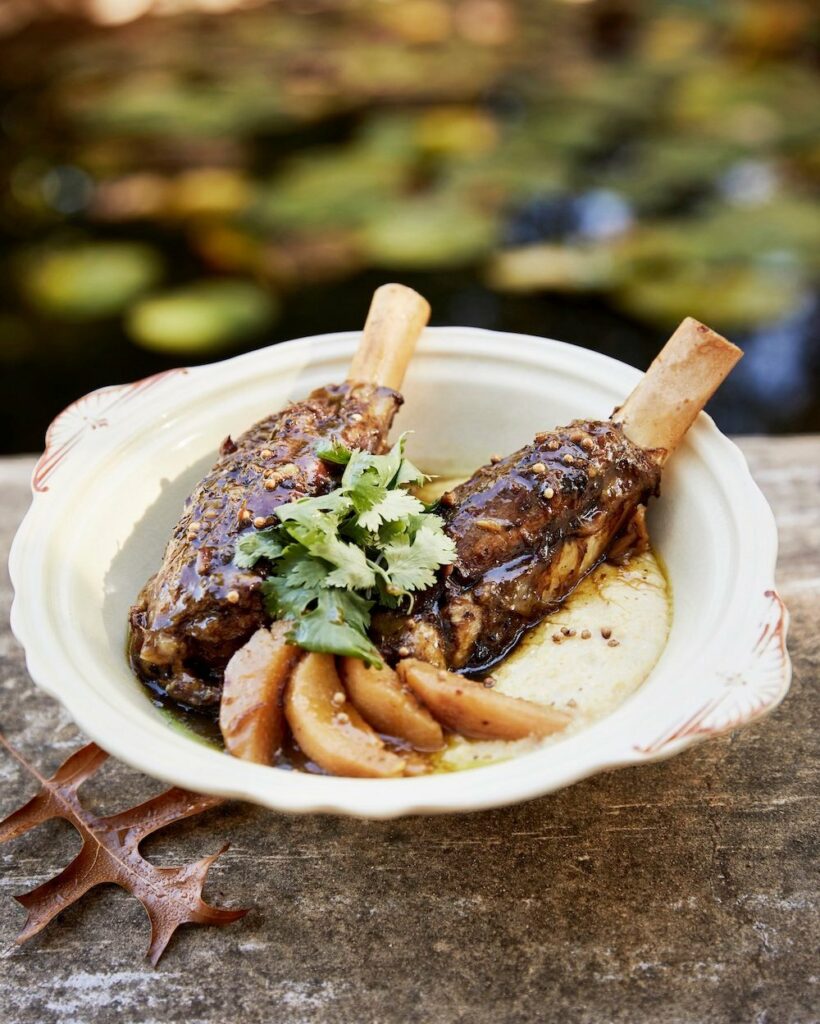
Lamb Neck with Pickled Quinces

Two lamb shanks sit in an off-white bowl.

Quinces kind of look like pears but hold a much tarter taste. We start this dish by browning lamb shanks in a blend of spices for a tender, juicy end-product. Then, you add the Pickled Quinces to the Lamb Neck which perfects the flavor profile with a slightly-bitter surprise. 

Sticky Eggplant with Pickled Garlic Blossoms

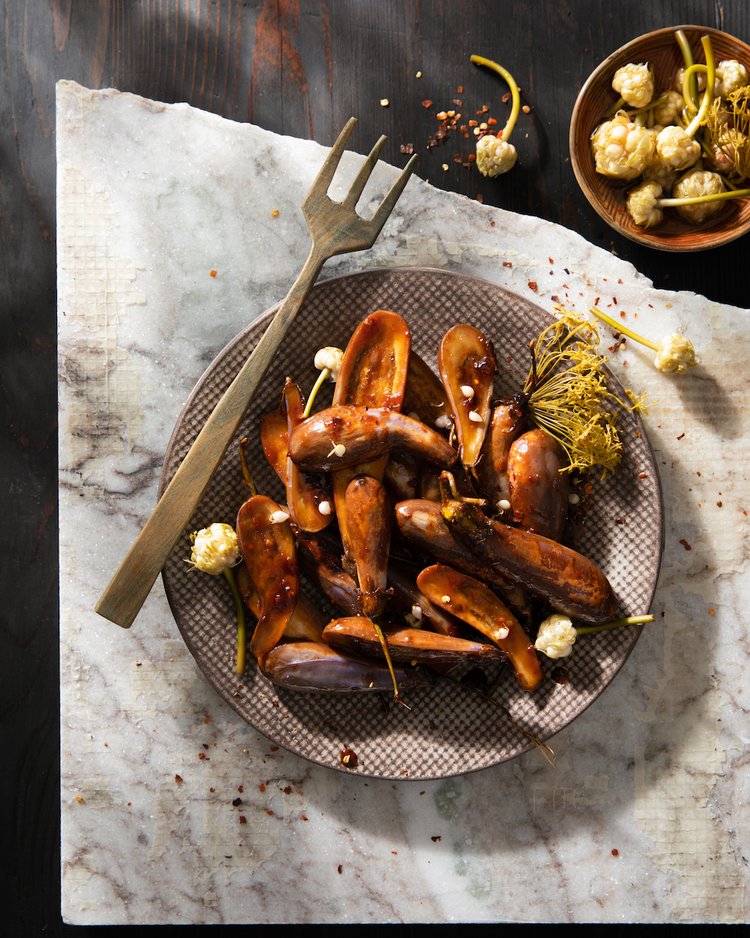
A brown plate of sticky eggplant with pickled garlic blossoms throughout as a big fork sits over top of the bowl.

Sautéed eggplant is a wonder on its own but with the addition of Pickled Garlic Blossoms, it may just become your new favorite snack. Pickled Garlic Blossoms are simple to make: a little bit of patience and certainly go a long way. We pair them with Southeast Asian-inspired Sticky Eggplant that’s a little hot, a little sweet, and oh so delicious. 

Pickled Radish Martini

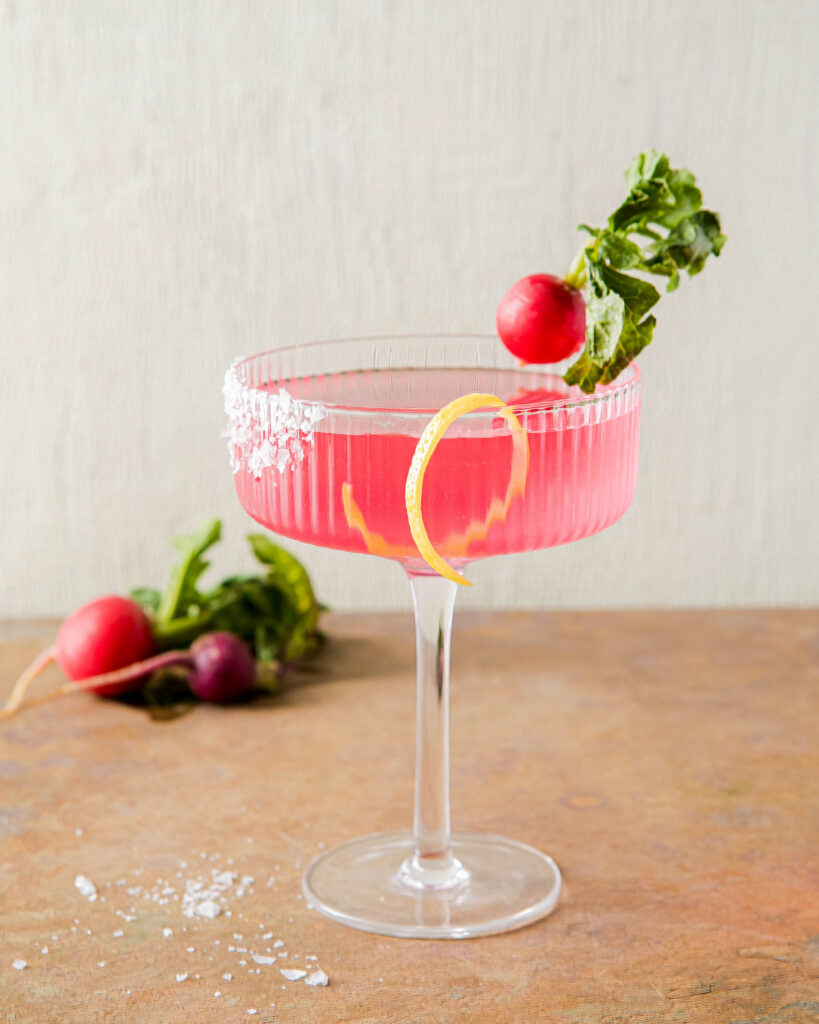
Pickled Radish Martini sits in a martini glass, light pink in color, with a lemon peel and radish acting as a garnish.

Shake up a cocktail that combines all the things you love about pickling with the sharp ting of radishes. Our Pickled Radish Martini uses Boyd & Blair Cucumber Vodka, your favorite dry vermouth, radish pickling liquid, and flaky sea salt to bring all the elements together. It may not be your traditional martini but this innovative take is worth the taste. 

Pickled Ramps

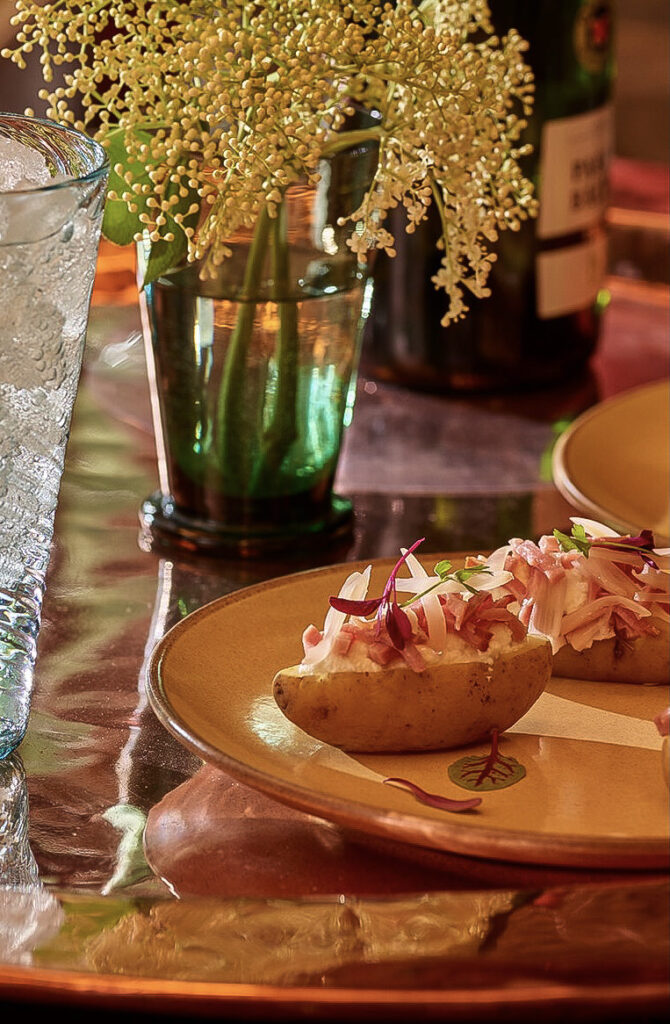
A yellow plate holds small potatoes with Pickled Ramps on top, a spritz drink to the left, and flowers behind the plate.

The earthy, almost pungent and bitter bite of ramps gets balanced out by a pickling process. Soak the ramps in rice wine vinegar, sugar, salt, dried red chilies, bay leaves, fennel seeds, and black peppercorns. These season-packed little bites are great on baked potatoes, sandwiches, and salads.

Pickle Spritz Cocktail

A short glass holds a pickle spritz on a white picnic table topped with rolled pickles, cocktail onions, and fresh dill.

For the person who is always drinking the pickle juice at the bottom of the jar, we’re mixing up a Pickle Spritz. Pickle brine lingers with processo and dry vermouth delivering big flavor in a small package. Garnish with perfectly rolled pickles, cocktail onions, and fresh dill to bring each element together as one.

Story by Kylie Thomas

Subscribe to TABLE Magazine‘s print edition.

Pumpkin Cheesecake

0
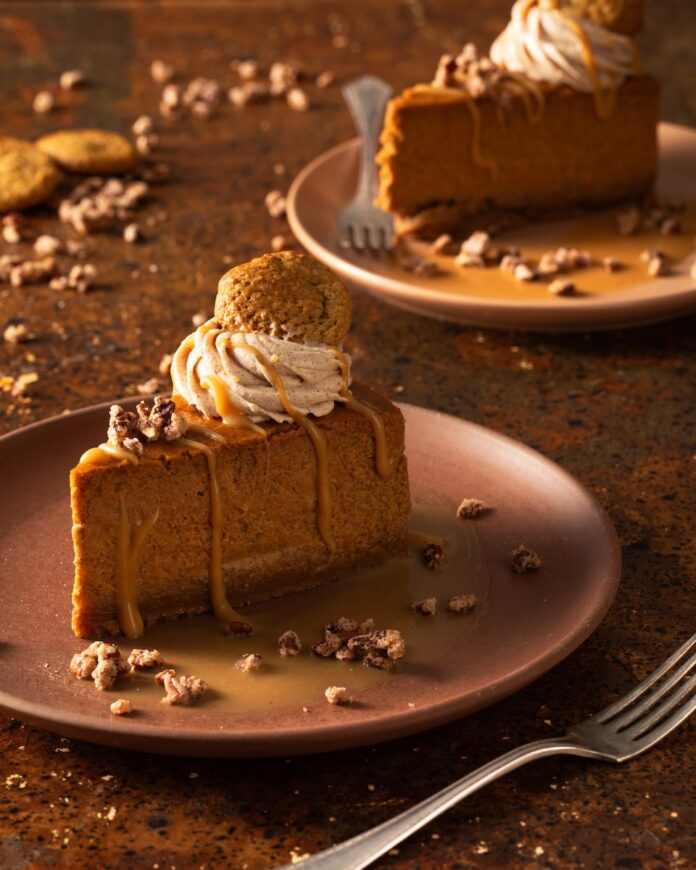
A slice of Pumpkin Cheesecake topped with whipped cream, nuts, a gingersnap cookie, and caramel drizzle sits on an orange plate with another slice on a plate in the top right corner and a fork in the bottom right corner.

Indulge in the exquisite flavors of fall with Ritual House‘s Pumpkin Cheesecake recipe. This decadent treat combines the creamy richness of cheesecake with the warm, comforting flavors of pumpkin puree and spice. A buttery, homemade graham cracker crust provides the perfect base for the smooth and velvety filling. Top it with a dollop of cinnamon-infused whipped cream, nuts, a gingersnap, and a drizzle of caramel for luxurious flavor in every bite. Between its presentation and its flavor, we’re sure your family will be begging you to make this recipe year after year.

Where Does Cheesecake Come From?

The Greeks made the first known cheesecake all the way back in the 5th century BCE. They pound together cheese, flour, and honey, and then bake the luscious mixture into a dessert cake. It was a popular recipe during the early Olympics and for weddings. Over the centuries and even now, the recipe continues to evolve. From incorporating ingredients like eggs and cream cheese to using other flavorful elements like fruit and syrups, cheesecake has come a long way from its beginnings. In our pumpkin spice-crazed world, this recipe is a variation on tradition that reflects what we love today! Try Ritual House’s lovely recipe for Pumpkin Cheesecake. Who knows what changes you might be inspired to make.

Print

clock clock iconcutlery cutlery iconflag flag iconfolder folder iconinstagram instagram iconpinterest pinterest iconfacebook facebook iconprint print iconsquares squares iconheart heart iconheart solid heart solid icon
A slice of Pumpkin Cheesecake topped with whipped cream, nuts, a gingersnap cookie, and caramel drizzle sits on an orange plate with another slice on a plate in the top right corner and a fork in the bottom right corner.

Pumpkin Cheesecake


  • Author: Ritual House
  • Yield: 10" Cheesecake 1x

Description

Delight in the flavors of fall with this mix between pumpkin pie and cheesecake.


Ingredients

Scale

For the Cheesecake Base:

  • 190 g graham crackers
  • 30 g unsalted butter

For the Cheesecake Filling:

  • 565 g cream cheese
  • 375 g sugar
  • 275 g brown sugar
  • 12 g salt
  • 500 g eggs
  • 610 g pumpkin puree
  • 300 g yogurt
  • 50 g vanilla extract
  • 50 g pumpkin spice
  • 50 g all-purpose flour


Instructions

For the Cheesecake Base:

  1. Mix both ingredients and press down into the mold base as smooth as you can.

For the Cheesecake Filling:

  1. In a mixing bowl with the paddle, beat both sugars and the cream cheese until cream cheese is dissolved.
  2. Separate the remaining dry ingredients in one bowl and the liquids in another.
  3. Add the liquids to the mixture of cream cheese and sugar without stopping the mix.
  4. Add the dry ingredients into that mixture and mix until smooth (no pieces of anything).
  5. Put plastic wrap around all the mold so no water can get inside.
  6. Pour the mixture into the mold and bake at 250 degrees for 2 hours, turn the oven off and leave resting for another hour.

Recipe by Ritual House / Styling by Anna Franklin / Photography by Dave Bryce

Subscribe to TABLE Magazine’s print edition.