Home Blog Page 65

Explore Tolga Sevdik of Richard DeShantz Restaurant Group’s Kitchen

0
Tolga Sevdik from Richard DeShantz Restaurant Group's modern kitchen with wood cabinets, dark countertops, and skylights.

What kind of kitchen is right for one of the hardest working people in the restaurant biz? One that brings a sense of peace and order. Visit the kitchen of Tolga Sevdik, co-owner and COO of the Richard DeShantz Group with us.

A large window above the sink and dark countertop showcases the woods outside of Tolga Sevdik from Richard DeShantz Restaurant Group's kitchen.

Explore Tolga Sevdik of Richard DeShantz Restaurant Group’s Kitchen

Ten-hour days are standard for Tolga Sevdik, co-owner/COO of the Richard DeShantz restaurant group, as he bounces among the group’s 10 signature restaurants—Meat & Potatoes, their flagship since 2011; Butcher and the Rye, Tako, Fish nor Fowl, Poulet Bleu, Coop de Ville, Gi-Jin, tako torta, Sally Ann’s and the Rib Room. He might visit 10 bustling noisy kitchens in a day.

So, if Tolga makes it home in time to kiss his 2- and 5-year-old kids goodnight and grab a bite to eat with his wife, Alicia, he’s yearning for peace, simplicity and an easy cleanup.

A dark marble island sits in the middle of a modern kitchen with wood cabinets and skylights.

The Quiet of the Suburbs and Design

The Sevdiks live in Thornburg, a tiny borough on a bluff surrounded by scenic views about four miles west of downtown Pittsburgh. Tolga, who emigrated from Turkey in 1995, says his goal was to turn the outdated kitchen along with a space the former owners had used as a TV room into a European-style kitchen that would be “easy for us to have a quick sit-down breakfast or dinner and then move on.” He also wanted the space to work as an event/party kitchen. Having watched his partner “Rick” DeShantz design many kitchens, Tolga also was determined to avoid pitfalls. “You learn a lot from building 10 restaurants,” he says.“You see [all the] mistakes.”

Pale wood cupboards line the walls as a dark marble sits in the middle of Tolga Sevdik from Richard DeShantz Restaurant Group's Kitchen.

Chrissy Norman of C Norman Design brought the Sevdiks’ vision to life with the help of Matt Bauer Contracting. Removing several walls provided a sightline from the kitchen through the dining room to the living room, which also makes it easy for Tolga and Alicia to keep an eye on the kids. Slim black shelves created a home for their books and pottery and flank a cozy reading space that transitions to the dining room. The dining room can now accommodate a long rectangular table for holidays, but most of the time the family gathers around the kitchen’s center island.

A large window sits behind a black table with two white modern chairs by it.

Pulling From the Best Brands for Kitchen Design

Installation went smoothly, and the finished kitchen’s vibe is as serene as intended, thanks to pale wall colors, lightly veined gray blue Armina Stone countertops, smooth DOCA cabinetry from DB Design Center, white oak flooring, and a huge picture window from Emerald Glass that turns the surrounding landscape unto a mural. “I ordered the largest window I could find,” Tolga says. In the warmer months, their view is pastoral, but when the leaves drop, “we can see all the way to the Parkway,” he adds. There are plenty of modern (but quiet) bells and whistles — a wine fridge and bar, a pot filler over the stove, invisible electrical outlets hidden in the walls, and some “hard-to-find” Miele appliances sourced by Don’s Appliances.

Tolga Sevdik from Richard DeShantz Restaurant Group's modern kitchen with wood cabinets, dark countertops, and skylights.

Both Alicia and Tolga cook, but unless it’s Sunday or Monday, his days off, it probably won’t be gourmet fare. Sometimes Tolga just grabs a piece of steak on his last stop of the day and heads home. “You have to have a grill,” he says, laughing.

A dark marble island with two place setting sits in front of a pale wood wall with a built in wine fridge.

As with most families, the Sevdiks and their friends tend to gather in the kitchen. No matter the style, the comfortable versatile space is a pleasant reminder for Tolga of times past in his grandparents’ home in Turkey. “You were aways in the kitchen,” he says. “Almost everyone in the family gathers there.”

Story by Susan Fleming Morgans
Styling by Justin Matase
Interior Design by Chrissy Norman of C Norman Design
Photography by Dave Bryce

Subscribe to TABLE Magazine’s print edition.

How to Set the Table for One

0
A fork, knife, and spoon in the same set sit on a white table.

When a single person sits down to dinner, sometimes a fork is just a fork. Guest editor Stephen Treffinger reflects on the habits of a confirmed bachelor and recounts how to set a table for one.

How to Set the Table for One

Were you to come to my home for dinner, you would find my place settings woefully limited or completely joyful, depending on your point of view. There would be no salad forks, no fish knives, no dessert spoons. Nor would your flatware, in all likelihood, match mine. Ditto the plates: my cabinets contain a mix of one-off Crate & Barrel finds mixed with stuff I picked up on my travels and various pieces of my own making.

Long before it was a thing, I was Grannycore. And not out of some ideology; rather, I have very much of a renter’s mentality, and feel like owning large sets of anything is too much of a commitment. (Paradoxically, I’ve lived in my current apartment for 35 years!) I rarely buy more than one of anything, and never more than two. The one exception is my pottery: because I make it myself and to my own specifications, I do use several of my own plates. But unless I become a blacksmith in the near future, I can’t forge my own flatware. Commitment issues aside, the problem is also that I can’t find one set or even a couple of sets of flatware that say “me.”

Should You Get Single Pieces or a Full Set?

Flatware for one generally falls into the ho-hum category, designed by committee to be as universally appealing (and therefore as bland) as possible. The early 21st century internet has exposed everyone to everything, so manufacturers either have to go full-on eccentric or totally featureless. And while I have longingly eyed place settings from British master David Mellor, his often contain 9 or more pieces. What on Earth would I do with all of those?

You can find single pieces at big box stores like Crate & Barrel and a few others. I currently have a couple of pieces from Muji. They do the trick but are certainly not visually inspiring. Another challenge is that the cost of individual pieces is often relatively expensive, a simple knife-fork-spoon trio costing more than a full place setting.

Maybe one has to cross the pond to get satisfaction? On a recent trip to Paris, I popped into Merci, a one-stop design shop for clothing, toiletries, accessories, and housewares. Surprisingly, they had no less than 15 sets of flatware available by the piece, and in a variety of styles —each quite different from the others, some more mod, others more trad. Perhaps the French appreciate the value of choice — or perhaps the fine art of dining alone. Vive la difference.

A fork, knife, and spoon in the same set sit on a white table.

Among the objects and ideas that caught Stephen Treffinger’s eye during his Maison et Objet sejours in Paris was this set of Bistrot flatware from famed concept store Merci. Visit them in the Marais neighborhood on your next Parisian promenade or shop their English-language site online, where Bistrotis offered in several colors.

Story by Stephen Treffinger
Styling by Keith Recker
Photography by Dave Bryce

Subscribe to TABLE Magazine’s print edition.

The Enchanting World of Greek Wine

0
The Skouras winery in the Nemea region of Greece.

A few cultures love wine enough to dedicate a god to it. The Greeks are among them. Dionysus, with a crown of grape vines in his hair, was the deity of winemaking, fertility, and festivity. His full name  is Dionysus Eleutherius—“The Liberator,” serving as a reminder that wine is not just what you swirl in your glass at a bar or what you see at the liquor store, but an ancient tradition to free you of your inhibitions. The cult of Dionysus also played a part in the development of modern theatre, as his worshipers played out dramas and ecstatic dance performances.

But enough about myths. American understanding of Greece often limits itself to mythology at the expense of modern Greek culture. In the 21st century, Greek wine is alive and well, blending the country’s ancient history of winemaking with contemporary methods and flavors.

The Enchanting World of Greek Wine

Katerina Bosinakis of Bosinakis Winery pointed out that the very first sommeliers, known as Oenochoi, were Greeks. “The first wine writers? Also Greek!” she said. “For many, their only exposure to Greek wine happens during their vacations in Greece. Unfortunately, in the past, many tourist-filled tavernas didn’t prioritize quality Greek bottled wine, instead serving low-grade bulk wine. This gave visitors a misleading impression of Greek wine. But thankfully, this is changing.” Many aren’t even aware that Greece produces wine at all, despite its proximity to major wine-making regions like Italy, France, and Georgia.

Greece is a relatively small country. Lisa Stavropoulos, founder of The Greek Grape, has traversed nearly all of it and leads educational wine tours throughout the country. “The amount of diversity in a small country is amazing. If you just go to Athens or Santorini, you don’t really understand it,” Stavropoulos said. 90% of varietals grown in Greece are indigenous grapes. However, in the ’80s and ‘90s, if you knew one Greek wine, though, you knew retsina, a white wine aged in pine barrels. Though an ice-cold glass of retsina on a hot and humid day is glorious, the resinous, pine-y taste was off-putting for some and turned potential consumers off Greek wine. However, Greece has more than 300 grape varieties, so retsina is only the tip of the iceberg.

Greek Varietals Beyond Retsina

Greek winemakers see part of their mission now as going beyond retsina. In the mid-2000s, when Greece’s economy was sputtering, the country focused on exporting more goods and settled on four varietals to share with the rest of the world: Assyrtiko and Moschofilero for white and Agiorgitiko and Xinomavro for red. “Four difficult to pronounce varietals are better than forty,” Stavropoulos said.

Assyrtiko is particularly special because in Santorini, where the vines grow in the sand, winemakers weave the vine into a basket shape for it to grow correctly. The island sand protects it from phylloxera, and mist and morning dew irrigate it through the air. Assyrtiko took off from the novelty of its growth techniques and its association with the massively popular tourist destination of Santorini. Santorini Assyrtiko is now a top-quality bottle you can find on wine lists all over the world, though you can grow it in regions other than Santorini without a dip in quality. Wineries observed the success of Assyrtiko in foreign markets and followed suit by seeking out new customers.  

“Drinking Greek wine makes you feel like you are in Greece. Who doesn’t want to be in Greece?”

Stamatis Mylonas’s family has been making wine in the Attica region since 1917. They’ve seen the perception of Greek wine change over the years. “We have to fight with a bad reputation because most of the retsina was produced in our region,” he said. Mylonas produces Savatiano, the white wine you typically use for retsina. But on its own, Savatiano is an aromatic white with stone fruit notes, and it ages well. Mylonas produces around 200,000 bottles a year and exports it to over 200 countries.

Stamatis Mylonas in front of bottles of his wine.
Winemaker Stamatis Mylonas.

Unlike in the States, where we bemoan that wine sales are down and young people aren’t interested in drinking, Mylonas sees young people in Greece becoming more interested in wine. “Greeks in the ‘90s and 2000s didn’t drink bottles of wine,” he said. “People would get a glass or a carafe. But now, young people drink mostly high-quality wine and there are a lot of wine lovers. There are a lot of great wine bars in Athens.” He still makes retsina, but he uses far less pine resin than his father did.

Why drink Greek wine? Mylonas’s answer was simple. “Drinking Greek wine makes you feel like you are in Greece. Who doesn’t want to be in Greece? The sun, the sea, the Greek history…that is Greek wine.”

Get to Know Moschofilero

Katerina Bosinakis agrees that part of what makes Greek wine special is its sense of place. She primarily grows Moschofilero, which she calls “a quintessentially Greek wine.” The grape produces wines with crisp acidity, floral aromatics, and flavors of white-flesh fruit. “It’s refreshing and vibrant, perfect after a swim in the sea when paired with the right dishes,” she said. Despite it being a delicate grape, it thrives in the Arcadia region. “But what makes it truly special? Its color! It’s neither a white nor a red grape—it’s a striking grayish-purple,” Bosinakis described.

A barrel of Moschofiliero grapes with a unique gray-blue color.
Moschofilero grapes. Courtesy of Katerina Bosinakis.

Bosinakis suggests that Moschofilero isn’t just a wine to enjoy in its youth, though. It has a far-reaching potential for aging. “A well-made Moschofilero doesn’t just survive the years. It thrives. We’ve found that its sweet spot is between two and three years, with exceptional vintages aging beautifully for up to five years.” To her, Arcadia isn’t just a place, it’s a feeling, and a well-aged Moschofilero can transport you there.

The land has a simplicity and an idyllic connection to nature.  “Drinking Moschofilero young means missing out on its full potential. We see it as a bud that slowly blossoms. Each passing year adds a new layer to its personality. One of its greatest strengths is its naturally high acidity—an essential trait for wines meant to age,” she said.

Katerina Bosinakis and her family, each holding a wineglass.
Katerina Bosinakis and her siblings.

Agiorgitko to the World

Dimitris Skouras’ family winery in the Nemea region started in 1986 and was pivotal in bringing Greek wine to the world through Megas Oenos, his blend of Agiorgitko and Cabernet Sauvignon. Agiorgitiko, meaning “St. George” is a powerful, tannic red that can also be velvety and gentle, with a nice acidity to balance it out. “It’s between Merlot and Pinot Noir. It’s not as dense as the Merlot but not as fine as the Pinot Noir,” Skouras described. The Megas Oenos blend helped consumers get over seeing the name of a varietal they didn’t recognize. “People saw Cabernet and thought ‘I like Cab, I’ll try this.” Mega Oenas is 80% Agiorgitiko and 20% Cabernet, with some of the best qualities of both.

Dimitris Skouras sits in front of barrels.
Dimitris Skouras sits in front of barrels from Skouras Winery. Courtesy of Wine CEO.

Skouras’s father started making wine in his grandfather’s garage, but from there, the Skouras name has gone global. “A huge, huge role has been played by Santorini. People go there and fall in love with the islands. Then, they are more open to trying wine. You used to be able to find Greek wines only at Greek places, but now sommeliers include it if they want to have a global list,” he said. Though Skouras specializes in Agiorgitiko, he also grows Moschofilero and sees a growing interest overall in Greek wine. “The sense of place, the climate, and the varietals—no other combination of those three things exists as it does in Greece.”

Something New in Your Wine Glass

“Young people are looking for a challenge for the next new varietal. People learned to say Grüner Veltliner, didn’t they? Much of the success of Greek wines has been in the east coast which doesn’t have its own wine region,” Stavropoulos said. “It’s become especially popular with the younger set who are trying to impress. People are kind of over the Napa Cabernet. They want to find the next new thing.” There’s an interest in lesser-known regions like Greece, Croatia, or Bosnia for wine lists. Where consumers used to be afraid of what they didn’t know, now they see it as an opportunity to learn more. Greek wine is a perfect place to start.

Story by Emma Riva
Cover photo courtesy of Skouras Winery

Subscribe to TABLE Magazine’s print edition.

Matzo Bark

0
A delightful dark chocolate bark with a Matzo base.

This matzo bark recipe is versatile and ideal for any holiday party, celebration or event. This dessert even makes the perfect quick-to-prepare party favor. It’s crave-worthy, simple and could be personalized to your own dessert palate. The mixture of sweet chocolate and fruit paired with the crunchy, wafer-like texture serves any craving. 

Why Do We Eat Matzo on Passover?

Matzo often elicits mixed reactions. It’s bland, but symbolic. It’s also a great vehicle for chocolate. Unfortunately for the ancient Israelites in the Passover story, they did not have the ability to let their bread dough rise as they were fleeing Egypt. Traditionally, leavened bread is not served during Passover. Matzo reminds us of that urgency and the hardship they faced. Eating it today helps us imagine what it’s like to have limited food and leave home under pressure.

Matzo bark became a sweet staple in cookbook author and food writer Marcy Goldman’s kitchen in 1985 during the celebration of Passover. She intended to satisfy a sweet-tooth while following the holiday’s dietary limitations, hence the recipe’s unique and rich appeal. Goldman created the delicious blend of matzo flatbread, chocolate, caramel and fruit inspired by a traditional toffee recipe, and of course, Jewish cuisine!

Simple Layers, Big Flavor

The simplicity of this dessert allows for creative ways to incorporate it into your next bunch of holiday gifts, dinner party or even as a beautifully arranged charcuterie board. Matzo bark is a tasty and homemade alternative to store-bought candy bars. The dessert is made up of distinct layers of scrumptious ingredients, including a matzo cracker base, toffee layer and rich chocolate covering. Top it off with something fruity and flaky! In any way you choose to serve yours, this matzo bark recipe is surely an adaptable and delightful piece to share.


Print
clock clock iconcutlery cutlery iconflag flag iconfolder folder iconinstagram instagram iconpinterest pinterest iconfacebook facebook iconprint print iconsquares squares iconheart heart iconheart solid heart solid icon
A delightful dark chocolate bark with a Matzo base.

Matzo Bark


  • Author: Veda Sankaran

Ingredients

Scale
  • Enough matzo to cover a baking sheet without any overlapping
  • 11 oz kosher caramels
  • 1 tsp half-and-half or heavy cream
  • Kosher freeze-dried strawberries
  • Passover-certified sweetened coconut flakes or unsweetened coconut flakes
  • 1 cup dark chocolate chips
  • 1 cup white chocolate chip


Instructions

  1. Line a baking sheet with foil, wrapping it around the edges. Top this with a sheet of parchment paper.
  2. Next place the matzo in a single layer, breaking it to fit the baking sheet.
  3. In a small microwave-safe bowl, add the caramel with the half-and-half or cream and heat in short 30-second bursts, stirring in between, until it is melted and spreadable.
  4. Spread the caramel carefully and evenly over the matzo. Place in the fridge or freezer for a few minutes to set the caramel.
  5. Gently heat the dark chocolate chips in short 30-second intervals in the microwave, stirring in between, until it becomes a spreadable consistency.
  6. Remove the chilled matzo and spread the chocolate on top.
  7. Before the chocolate sets, gently press on the freeze-dried strawberries and shredded coconut. Crush some of the freeze-dried strawberries and sprinkle that also over the chocolate.
  8. Gently heat the white chocolate chips in the same way you did the dark chocolate chips. Then use a piping bag to decorate the matzo bark.
  9. Let all the ingredients set before breaking into pieces and serving.

Recipe by Veda Sankaran
Styling by Veda Sankaran and Anna Franklin
Photography by Dave Bryce

Subscribe to TABLE Magazine’s print edition.

Deconstructed Tofu Banh Mi

0
Tofu banh mi on a ceramic plate.

The Banh Mi sandwich is the iconic street food from Vietnam. Here it is reimagined by chef and TABLE contributor, Veda Sankaran, as a delicious vegetarian dish in the form of tofu banh mi.

The History of Banh Mi

Banh Mi has a surprising history, tied to colonial resistance in Vietnam. When the French colonized Vietnam, they brought the baguette with them, along with other dishes like pâté. Up until the 1950s, the sandwiches skewed more towards traditional French ingredients. But after the Vietnamese people fought back against the French presence, their sandwiches changed, too, incorporating more local flavors. Now, banh mi is popular all over the world, particularly in places with large Southeast Asian populations. However, in Vietnam itself tofu banh mi is somewhat uncommon, but is often a snack during Buddhist festivals when people are abstaining from meat.

Print
clock clock iconcutlery cutlery iconflag flag iconfolder folder iconinstagram instagram iconpinterest pinterest iconfacebook facebook iconprint print iconsquares squares iconheart heart iconheart solid heart solid icon
Tofu banh mi on a ceramic plate.

Deconstructed Tofu Banh Mi


  • Author: Veda Sankaran

Description

This tofu banh mi is a delicious vegetarian recipe.


Ingredients

Scale

For the tofu marinade: 

  • 4 large cloves of garlic smashed
  • ½ cup chopped cilantro including stems
  • 1 tsp black peppercorn crushed
  • 1 tsp coriander
  • ⅓ cup thinly sliced lemongrass
  • 1½ tbsp Palm or brown sugar
  • 2 tsp soy sauce
  • 3 tbsp oil
  • 1 block extra firm tofu

For the pickled daikon and carrots:

  • 1 ½ cups daikon, peeled and julienned
  • 1 ½ cups shredded or peeled and julienned carrot
  • ¾ cup water
  • 2 tbsp sugar
  • 1 tsp salt
  • ¼ cup brown rice vinegar

Ingredients for chili oil:

  • 3 tbsp neutral oil
  • 1 tbsp Szechuan chili flakes
  • 1 tbsp gochugaru

For the smashed cucumbers:

  • 7 Persian cucumbers (14 oz) sliced lengthwise in half
  • 2 tbsp soy sauce
  • 2 tbsp sesame oil
  • 3 tsp brown rice vinegar
  • 4 large cloves of garlic grated or finely minced
  • 1 tsp sugar
  • 2 tbsp chili oil with the pepper flakes


Instructions

  1. To make the marinade for the tofu, blend all the marinade ingredients together until smooth. Slice the tofu into ½” – ¾” steaks. Spread the marinade on all sides and place in a closed container and refrigerate for a few hours or preferably overnight. When ready to assemble the dish, heat a skillet and coat with some neutral oil. Cook each of the tofu steaks on medium heat for a few minutes per side, until cooked through and lightly browned.
  2. To make the pickled daikon and carrots, dissolve the sugar and salt into the water. Stir in the vinegar. Pour this over the julienned daikon and carrot. Place in a tightly sealed container in the refrigerator until ready to use.
  3. To make the chili oil, Stir together the gochugaru and the Szechuan chili flakes in a heat safe bowl. Heat the oil until it reaches around 350 degrees. You want the oil hot enough, but not so much as to burn the chili flakes. Once hot enough, pour the oil over the chili flakes, stir, and let sit to infuse. Once cool, you can place it in a tightly sealed container at room temperature for about 2 weeks. It will keep longer in the refrigerator.
  4. To make the smashed cucumbers, salt the halved Persian cucumbers and let sit cut side down on a paper towel lined baking sheet. This is so you will have crispy and not watery cucumbers. After about 20 minutes, smash the cucumbers by using a rolling pin, flat side of a cleaver, or or even a meat tenderizer. Be careful to hit it only once or twice, with just enough force to crack the skin and slightly flatten.
  5. Stir together all the ingredients for the sauce, adjusting the chili oil so as to get your preferred heat level. Once you are ready to assemble the dish, pour the sauce over the smashed cucumbers and toss to evenly coat.
  6.  To assemble the dish, plate the smashed cucumbers, add a few tofu steaks, and top with the pickled daikon carrots.

Recipe by Veda Sankaran
Photography by Dave Bryce

Subscribe to TABLE Magazine‘s print edition.
Greyhound 75

0
A Greyhound 75, two small glasses with a grapefruit and a Prosecco bottle beside it.

The Greyhound 75 is a fun play on the classic French 75, which originated in Paris in the 19th century and became popular in the Roaring 20s.

While the older version combines champagne, gin, lemon, and sugar, we might be thirsty for the intriguing tang of pamplemousse. That’s French for grapefruit, and it’s fun to say. Because le pamplemousse brings a bit more sweetness than the usual lemon, we cut back on the sugar here. Salut!

Why is this Cocktail Called the Greyhound 75?

The “75” comes from the French 75, which apocryphally got its name from a 75mm World War I bullet. But this cocktail mixes the ingredients of the French 75 with the “Greyhound” cocktail. The Greyhound consists grapefruit juice and gin or vodka, mixed and served over ice. So, this bubbly version of the cocktail comes into being with grapefruit juice, prosecco, gin, and simple syrup.

Print
clock clock iconcutlery cutlery iconflag flag iconfolder folder iconinstagram instagram iconpinterest pinterest iconfacebook facebook iconprint print iconsquares squares iconheart heart iconheart solid heart solid icon
A Greyhound 75, two small glasses with a grapefruit and a Prosecco bottle beside it.

Greyhound 75


  • Author: Justin Matase

Description

A mixture of two classic cocktails.


Ingredients

Scale
  • 2 parts Gin
  • 1/3 part of simple syrup
  • 1 part fresh squeezed grapefruit juice
  • Top off with champagne or sparkling wine


Instructions

  1. Combine grapefruit juice, simple syrup, gin and ice in a cocktail shaker and shake for about 30 seconds until cold. Strain into champagne flute and top with champagne or sparkling wine.
  2. Garnish with a twist of grapefruit.

Recipe and Photography by Justin Matase

Subscribe to TABLE Magazine‘s print edition.

North African Shakshouka

0
A plate of North African shakshouka staged with crusty bread.

This North African dish builds layers of vegetable flavors into a bright and spicy ragout. Once those flavors are balanced, crack an egg right into the pot, allowing it to poach in that full-bodied sauce. “Turkey eggs give the shakshouka a richness that melds together with the fiery and tangy flavor,” says chef Jessica Lewis. “It’s hearty and healthy, especially important after all those heavy casseroles you felt obligated to try during holiday season!” PS: Chicken eggs work just fine, too.

About Shakshouka

Sometimes spelled as shakshuka, this combination of tomatoes, eggs, and spices is a staple all around the Middle East. The dish is believed to have originated in North Africa, particularly in areas like Tunisia and Libya, in the mid-16th century. Jewish communities in North Africa then brought it to other countries after migration. It was a welcome addition to the culinary offerings of their new home countries!

Print
clock clock iconcutlery cutlery iconflag flag iconfolder folder iconinstagram instagram iconpinterest pinterest iconfacebook facebook iconprint print iconsquares squares iconheart heart iconheart solid heart solid icon
A plate of North African shakshouka staged with crusty bread.

North African Shakshouka


  • Author: Jessica Lewis

Description

An easy to make and delicious dish.


Ingredients

Scale
  • 1 fresh tomato
  • 1 cup  celery, medium diced
  • 1 cup leeks, thinly slices (white bottoms only)
  • 1 cup fennel, thinly sliced
  • 1 cup carrots, medium diced (or any seasonal vegetable)
  • 1 quart red bell peppers, charred, fire-roasted, and de-seeded
  • 2 cups poblano peppers, charred, fire-roasted, and de-seeded
  • Salt & black pepper, to taste
  • 1 quart canned San Marzano tomatoes
  • 1 quart vegetable stock (medium light in color)
  • Big pinch cumin
  • Big pinch paprika
  • Small pinch chili powder
  • Medium pinch ground fennel
  • Medium pinch ground coriander
  • Small pinch chili flakes
  • 4 tablespoons garlic, sliced
  • 1/2 cup white wine
  • 6 Turkey eggs (or chicken eggs!)


Instructions

  1. Preheat oven to 400 degrees.
  2. Sweat raw vegetables, and add in peppers. Season with salt and pepper. Mix in canned tomatoes. Add vegetable stock. Add all spices, and taste. Add more as necessary. Bring to boil. Simmer for one hour.
  3. Once the ragout is awesome in every way, ladle into a cast iron, about halfway or 3/4 way up the side of the pan. Crack in eggs. Bake for about 5 minutes, or until eggs are cooked to desired wellness.

Recipe by Jessica Lewis
Photography by Dave Bryce

Subscribe to TABLE Magazine‘s print edition.
Celebrate Spring With These Pea Recipes

0
A white plate holds a pea puree bruschetta with smoked salmon on top as a green plate off to the side holds a small bowl of the pea purree.

Article Updated March 17, 2026

Sugar snaps, snow peas, English peas popped from their pods — these little green wonders confirm that spring finally has sprung. Celebrate the spring season with these fresh ideas for pea recipes from amazing chefs around the country.

Celebrate Spring With These Pea Recipes

Chilled Pea Soup with Mint

A white bowl holds a Chilled Pea Soup with radish and mint garnishes as a bowl of peas sits off to the right.

Cool soups usher in the warm months ahead. The mint accent mates well with peas, even as it reinforces the soup’s striking emerald color. A perfect prepare-ahead starter for spring lunch or dinner.

Bruschetta with Crushed Peas and Smoked Salmon

A white plate holds a pea puree bruschetta with smoked salmon on top as a green plate off to the side holds a small bowl of the pea purree.

Here’s a lovely little tidbit dressed in green, pink, and white. The hints of dill, lemon, and olive oil really elevate the peas without masking their simple sweetness. The smoked salmon adds a delicious counterpoint to this easy-to-make dish. If you pair these bruschetta with Gruet’s sparkling Brut Rosé and a fresh farmer’s market salad, you have a lovely warm weather dinner.

Pea Salad with Greens, Strawberries, and Mint Vinaigrette

A giant platter of pea salad with strawberries, pickled veggies, and peas sits on a table beside a small bowl of dressing and a blue plate with vegetables on it.

This salad’s a toss-up of bright tastes and textures. Some of the vegetables — the peas in pods, in particular — get a light pickling, which adds more interest to the final sweet and savory dish. Should some diced carrot, zucchini, or bell pepper make their way into the pickling … you may find some bespoke nuances you’ll want to keep in your pocket for future occasions.

Green Goddess Pea, Bacon, and Cheddar Salad

A white bowl holds butter lettuce leaves with plenty of peas, cheddar cheese, and bacon. Off to the bottom right corner sits a bowl of green goddess dressing.

Here’s a hearty salad that makes a great side with the season’s first grilled steaks, chicken, or burgers. This updates an American classic, which typically tosses the vegetable mixture with mayonnaise and not much else. Substituting an herb-filled green goddess dressing heralds spring and adds more flavor nuances to the salad.

Pasta Primavera

In a large steel pot sits a Pea Pasta Primavera with peas and other ingredients surrounding the pot on a white table.

Manhattan’s legendary Le Cirque restaurant invented this dish back in the mid-1970s. It’s refreshingly retro, both elegant and easy to assemble, at least after you lightly cook the vegetables, which can be done ahead. A chilled Viognier or Sancerre would pair well with this delicious pasta. Invite some friends over.

Risi e Bisi (Rice and Peas)

A creamy pot of Risi e Bisi (Venetian rice and peas) and a serving on a blue and white plate, garnished with Parmesan cheese and a side of chopped onion.

A simple Italian dish, Risi e Bisi or Rice and Peas creates a lunch or dinner side that’s filling and can be accompanied by a tender slice of meat. This recipe does take a bit of patience to cook the rice evenly but the product pays off greatly.

Fresh Pea Puree

A brown platter holds orange bread squares with a fresh pea puree on top.

Looking for spreadable goodness to slather on to your favorite crackers, chips, or veggies? This Fresh Pea Puree uses just five ingredients to create a flavorful appetizer. You’ll want to use English peas for the best flavor and texture.

Salmon with Dill Butter Sauce and English Peas

Salmon with Dill Butter Sauce and English Peas served on a white tray with herbs and lemons

If there’s a protein that goes best with peas it’s probably fish since the two complement each other well. A piece of salmon meets a drizzle of dill butter sauce and English peas stationed throughout. Try it for your next family dinner as a dish to impress.

Potato and Sweet Pea Gnocchi

A white bowl of Potato and Pea Gnocchi with two forks in the bowl sits on a wood table.

Sweet peas in a gnocchi dough add an Earthy, versatile take. You can experiment with different sauces to go with these small potato and sweet pea gems but we opt for an easy butter and grated Parmesan mix to let the stars of the show shine.

Peas with Soffritto, Yogurt and Lemon

A set of plates of peas with soffritto.

While some turn away from peas, we’ve found a way to make these little green balls delicious. A soffritto of celery, carrots, Spanish onion, and garlic tosses with fresh-picked peas, squeezes of lemon, and Greek yogurt. Bring it on your next picnic and take in the springtime weather.

Spring Pea Tartine

Dew peas in a dark blue plate with four light blue plates surrounding it. Other items are napkins, pieces of bread, forks, and spoons.

Tartine may sound complicated but really it just means a slice of bread with toppings. In this case, snow peas (preferably from the garden) take over along with crème fraîche or cream cheese, salt, and horseradish. But, you can go all out by adding on sprouts, fresh mint or dill, a few edible flower petals, and cherry tomato halves.

Gemelli with Prosciutto and Peas

Gemelli, prosciutto and peas in a saucepan on a black background.

The special shape of Gemelli pasta helps hold the sauce to the noodles with an al dente texture. You’ll make a Parmesan sauce that folds in prosciutto, English peas, and fresh chopped parsley. Here you get your protein and your veggie while still enjoying pasta that you love.

Pea Soup for Springtime

Pea soup on a green plate on a white background.

Some believe soup is only for wintertime but a cool Pea Soup in the spring is a lovely treat on a sunny day. Think of this bowl as your own personal garden full of peas, leeks, and bacon featuring garnishes such as sugar snap peas, enoki mushrooms, asparagus tips, dill, and more.

Red Snapper and Green Split Pea Salad

A large Red Snapper lays on a cooking sheet surrounded by a Green Spit Pea Salad and limes in celebration of Nowruz.

Treat you and your loved one to a luxurious dinner that uses red snapper as the center piece. After you cook your fish to perfection, you’ll prepare a Green Split Pea Salad that’s full of green like baby kale, spinach, and broccolini. Plus it has a blend of maple syrup, lime, oil, and seasonings to help these veggies standout.

Sweet Pea Guacamole

A green paste of sweet peas surrounded by bread for dipping

You’re probably used to seeing guacamole using avocado but using sweet peas instead completely changes the game. Suddenly your dip carries depth as the sweet pea puree toys with garlic, lime juice, olive oil, cilantro, cumin, shallot, and a bit of jalapeño for spice. For an upgrade, use it as your pizza sauce the next time you bake one up at home.

Story by Cheryl Alters Jamison and Kylie Thomas

Subscribe to TABLE Magazine’s print edition.

All Hearts Cocktail

0
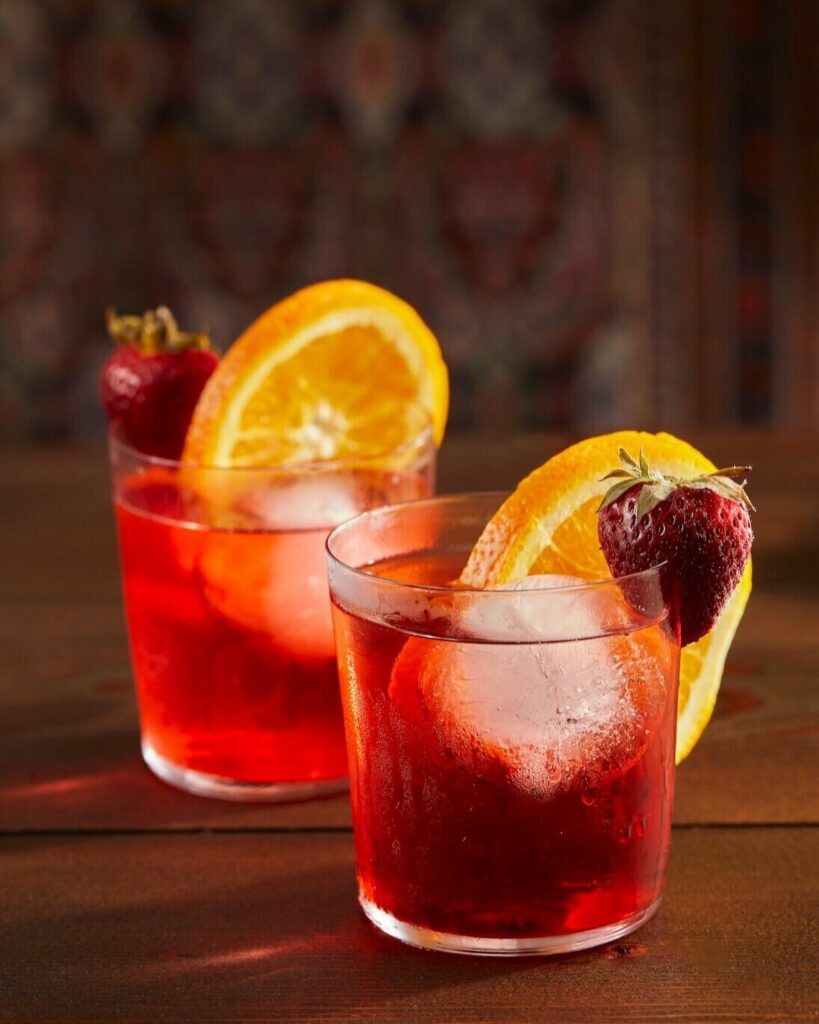
Glasses of a red cocktail garnished with a blood orange slice, surrounded by strawberries, oranges, and mandarin orange slices on a white surface.

What makes a cocktail as delicious as the heart you put into making it? Your choice of vodka has a lot to do with it. “I only use the heart of each run of Boyd & Blair. The flavor from the hearts is delicious and super-concentrated, but the tails smell like a musty dishrag and provide the bite that is experienced when drinking certain vodkas. Most distillers include some amount of tails in an effort to produce more yield. The amount of tails that are added to the final product greatly impact the final flavor profile. I never include any tails in Boyd & Blair, only the hearts.” – Barry Young, co-founder and Master Distiller of Pennsylvania Pure Distilleries.

All Hearts Cocktail Recipe

Print
clock clock iconcutlery cutlery iconflag flag iconfolder folder iconinstagram instagram iconpinterest pinterest iconfacebook facebook iconprint print iconsquares squares iconheart heart iconheart solid heart solid icon
Glasses of a red cocktail garnished with a blood orange slice, surrounded by strawberries, oranges, and mandarin orange slices on a white surface.

All Hearts Cocktail


  • Author: Justin Matase

Description

This bright and refreshing drink combines Boyd & Blair vodka, strawberry puree, and lemon juice, shaken with ice and topped with bubbly Prosecco. Smooth and fruit‑forward, it highlights the pure “hearts” of the vodka for a clean, elegant flavor.


Ingredients

Scale
  • 1 oz Boyd & Blair vodka
  • 1 oz strawberry puree
  • 1/2 oz lemon juice
  • Prosecco


Instructions

  1. Mix Boyd & Blair, strawberry puree, and lemon juice in a cocktail shaker filled with ice and shake well.
  2. Strain into a champagne flute and top with Prosecco.

Recipe by Justin Matase
Photography by Dave Bryce

Subscribe to TABLE Magazine’s print edition.
Creole Poisson Gros Sel

0
A plate of poisson gros sel on a white background.

 A well-loved Haitian family dish prepared in a Creole court-bouillon-style sauce, poisson gros sel is a show-stopping alternative to the traditional Friday fish fry. Thanks to Chef Claudy Pierre for sharing this delicious recipe with TABLE Magazine.

What Does Poisson Gros Sel Mean?

Since this is a dish for the Lenten season, it’s fish, the traditional Friday food. But the literal translation of the name is “fish with big salt.” However, this fish is not actually very salty, and you’ll notice the ingredient list barely features salt at all. The “big salt” is rock salt, common on island beaches. You only need a tablespoon of it, because it goes far. Plus, this dish gets many of its aromatic flavors from the court-bouillon broth it cooks in. For another Haitian recipe, try our Haitian Pork Griot.

Print
clock clock iconcutlery cutlery iconflag flag iconfolder folder iconinstagram instagram iconpinterest pinterest iconfacebook facebook iconprint print iconsquares squares iconheart heart iconheart solid heart solid icon
A plate of poisson gros sel on a white background.

Creole Poisson Gros Sel


  • Author: Claudy Pierre

Description

A dish celebrating the bounty of the sea.


Ingredients

Scale
  • 3 whole marinated red snappers
  • 3 limes
  • 1 large onion
  • 2 scallions, chopped
  • 3 garlic cloves, minced
  • ½ tbsp chopped parsley
  • ¼ tsp black pepper
  • ¼ teaspoon hot pepper
  • 1 tsp of sea salt or fleur de del
  • 1 to 2 tbsp olive oil
  • Fish broth or stock
  • 2 heads of garlic, chopped
  • 1 cup onions, sliced
  • 1/2 cup tomato paste
  • 2 Scotch bonnet peppers
  • 4 thyme sprigs
  • 1 cup bell peppers, sliced
  • 1 cup oil
  • 2 tbsp unsalted butter
  • 2 whole cloves
  • 1 cup water
  • Squeeze of lime, to taste


Instructions

  1. For the fish, remove fish scales and clean with lime. Score the fish diagonally 3 times on both sides. Blend the next 8 ingredients into a paste and add it to the fish. Refrigerate and marinate overnight.
  2. The next day, heat oil on low and cook snapper 5 to 7 minutes per side and set aside.
  3. To a medium saucepan add liquid from marinated fish and excess marinade from the bowl. Pour fish broth or stock into the bowl to get the rest of the marinade and pour that into the pan as well. Sauté garlic and onions until soft then set aside.
  4. For the sauce, add tomato paste, Scotch bonnet peppers, thyme, bell peppers, oil, and butter. Mix, cover, and cook for about 15 minutes on a medium to low flame.
  5. After 15 minutes, spoon sauce all over and inside the fish. Add cloves, sautéed garlic and onions, mix and then cover for another 5 minutes. Serve over rice with a squeeze of lime.

Recipe by Claudy Pierre
Styling by Rafe Vencio
Photography by Dave Bryce

Subscribe to TABLE Magazine’s print edition.

Create a free account, or log in.

Gain access to read this content, plus limited free content.

Yes! I would like to receive new content and updates.

Table Magazine wants to know your location.

TABLE Magazine operates regional sites - Knowing your location helps us route you to the appropriate site for the best experience.