Scorpio’s full Moon puts the collective on alert. Defensive instincts rise, not to lash out, but to hold ground. This is the scorpion’s stance: stinger raised, not to attack, but to remind that boundaries are real, and provocation won’t go unanswered. As the Sun and Moon both apply toward Saturn, tempers cool, and there’s some advantage to making the most of the coming months that is being shown to us now.
What’s in Store for May’s Full Moon in Scorpio
The astrology of the past year has been hard. Slow planets were in tense configurations for long periods of time, and their clashes and reverberations drowned out the gentler sounds that came and went without much notice. Some of these slow, tense configurations are building once more – notably, the Saturn–Jupiter square that will perfect for the third and final time mid-June. The big, dramatic, life-changing themes we’re seeing in the world are coming off the back of that square: these two are antithetical in every way, one representing a spirit of conservation, limitation, and isolation, the other representing liberality and growth, denying nothing. We’re seeing it play out in the courts, in the media, in trade wars, in the growing strife between East and West.
So, I think, we must again force ourselves to look a little past the intensity that Saturn and Jupiter describe – because, remember, planets don’t cause anything. They’re simply moving by the same imperceptible rhythm as collective awareness, and so show in discernible, measurable pictures a reflection of the currents happening here on earth. It’s in that spirit we might catch sight of configurations that would otherwise be easy to miss – subtler, but no less meaningful in their timing.
The first of these is the trine of Venus and Mars.
Venus Moves Toward Mars, the Lovers Re-Unite
Here we have the coming together of two planets, natural complements, in a reciprocal dynamic. The bold are allowed to be bold; the insecure are affirmed and stabilized. These two planets connect, and they each gain something from the other.
This aspect between Venus and Mars only happens twice a year (on average, anyway: there are anomalies if one or both are retrograde). What’s unique about this moment is the level of cooperation it suggests. Not tension, not seduction, not pursuit. Cooperation. And with it comes the sense that some part of life – particularly where desire is wrapped in uncertainty – can find its footing again.
We may see this in the form of restored warmth between people, or the return of ease in creative flow. Something you’ve been circling may now open more willingly. Invitations may land as they’re meant to. A conversation that’s been waiting to happen could arrive with less friction than expected. There’s pleasure here, yes, but also clarity and a shared sense of direction, even if unspoken.
For Aries, Taurus, Cancer, Libra, Scorpio, and Capricorn especially, this trine should coincide with greater ease in important exchanges: a show of support, a bit of encouragement, a doorway opening that hadn’t opened before. Whether in art, affection, or honest pursuit of what matters, the energy to move forward is there – and so is the atmosphere to receive it.
Mercury Squaring Pluto Now, Mars After
Just as Venus and Mars show what can be built through cooperation, Mercury’s current path shows us where communication is under strain. At the moment the Moon becomes full, Mercury is in exact square with Pluto – an aspect that sharpens mental perception but also tightens its grip. What begins as inquiry can easily become interrogation. The drive to understand is real, but so is the temptation to control. And once Mercury breaks from Pluto’s hold, it moves straight into another clash – this time with Mars.
These two back-to-back aspects place Mercury – the planet of language, negotiation, craft, and connection – in a difficult bind. First comes the psychological weight of Pluto: secrets, pressure, gatekeeping of information. Then the friction of Mars: argument, impulse, the urge to act faster than one can think. The result can be distortion at both ends of the spectrum – either too much intensity, or too much speed.
For those working in education, medicine, tech, transportation, or diplomacy – any field that relies on skillful hands, systems-level thinking, or direct engagement with youth – this may be a challenging window. Agreements might stall. Communication will feel strained or adversarial. Young voices, in particular, risk being silenced or subjected to undue scrutiny, and/or be perceived as provocative for the sake of provocation. And for communities already facing structural pressure – including trans and gender-diverse people – this period echoes broader struggles around visibility, recognition of humanity, and equitable access to stable living.
Still, Mercury’s challenges now can serve a purpose. This is a time for slowing down and noticing what’s been building – the things that haven’t quite been said, the patterns that repeat. It’s probably not the best window for launching delicate conversations or rushing to finalize plans. But it is a good time to listen more closely, clarify intentions, and avoid responding in ways that just escalate tension. With a bit of care, even tricky moments can lead somewhere more solid.
Unukalhai, the Serpent’s Neck
This full Moon falls closely aligned with Unukalhai, the brightest star in the constellation Serpens, the serpent grasped by Ophiuchus. From the Arabic Unuk al-Hayyah, its name means “the neck of the snake,” though older sources also referred to it as Cor Serpentis, the serpent’s heart. Anatomically, this may seem contradictory, but in certain reptiles the heart sits high in the body and close to the throat. The symbolism is pointed: this is a star with a pulse.
Traditionally, Unukalhai has a reputation for danger: a star associated with poison, deceit, and moral compromise. Its classical planetary nature (Mars and Saturn) gives it a sharply edged quality: where it falls, tensions are often concentrated, outcomes irreversible. In older texts, it appears frequently in charts associated with corruption, chronic illness, or fall from grace – especially when conjunct personal planets or angles.
But a full Moon is not a nativity, and not every signature in a chart demands crisis. Instead, Unukalhai’s presence in this lunation suggests that certain themes may surface with greater clarity or consequence than expected. Hidden dynamics (especially those involving power, loyalty, or private motivations) are less likely to remain concealed. Not every situation will carry risk, but the potential for fallout is real if we underestimate what’s already in motion.
It’s worth noting, too, that this full Moon is not isolated. The wider chart shows multiple planets in supportive aspect, softening edges and offering routes toward resolution. Still, where this lunation touches sensitive points in the natal chart, something consequential may be brewing beneath the surface. Unukalhai reminds us: just because something has been contained doesn’t mean the threat has been neutralized.
May Horoscope Seasonal Guidance: Reveling in the Heart of Spring
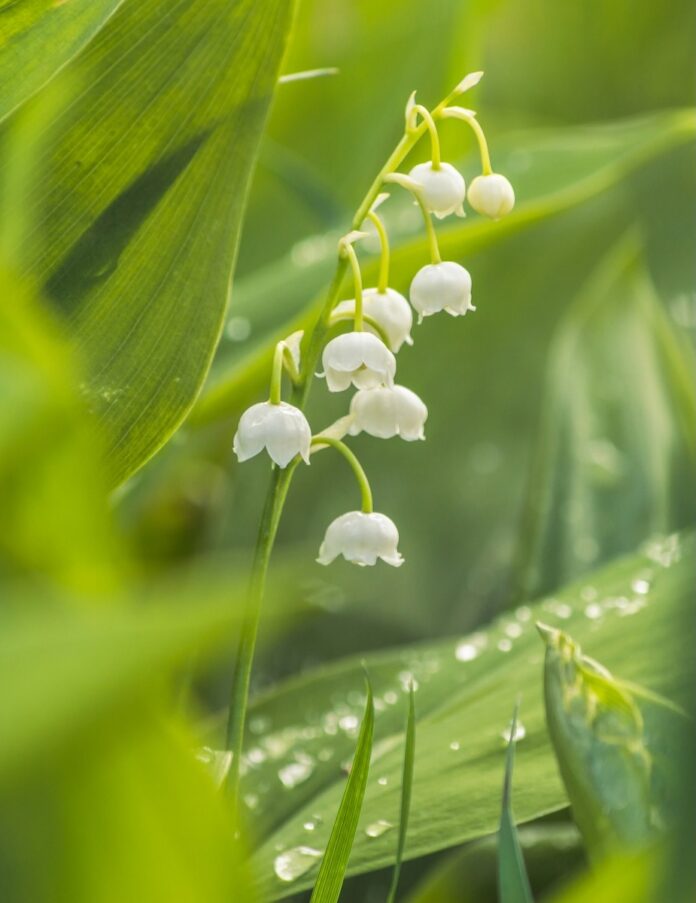
With the Sun now in Taurus, we enter the lush midpoint of spring – a season marked by an increase in both warmth and moisture. In small doses, this combination fosters vitality, sociability, and growth. But left unchecked, it can blur boundaries and slacken rhythms, leaving the body overfed and the spirit unmoored. The invitation now is to adopt structure that allows you to make the most of the season – to move with nature’s swelling energy, but not be swept away by it.
Air, rhythm, and rest remain essential to maintaining inner alignment. The rising warmth draws us outdoors, but not all temperaments welcome it equally. For the fire and air signs, overstimulation is a risk – bright days and busy minds need quiet evenings, steady meals, and gentle wind-down rituals to avoid burnout.
The Specifics for the Signs
Water and earth signs may find the moisture of spring accumulates more tangibly, in sluggishness, congestion, or heaviness. For them, light movement, warmth, and clarity of schedule act as gentle antidotes.
Sleep patterns often become erratic this time of year. The longer daylight hours encourage later nights, but the system still needs regularity. Fire signs (Aries, Leo, Sagittarius) may push themselves past tiredness; short, screen-free wind-downs help signal it’s time to rest. Earth signs (Taurus, Virgo, Capricorn) should beware the temptation to linger too long in comfort – oversleeping can dampen spring’s natural invigoration. Water signs (Cancer, Scorpio, Pisces) need warmth in the mornings to rouse the senses and help metabolize the day’s impressions. Air signs (Gemini, Libra, Aquarius) should moderate stimulation in the late hours, avoiding the social or digital overload that frays sleep’s edges.
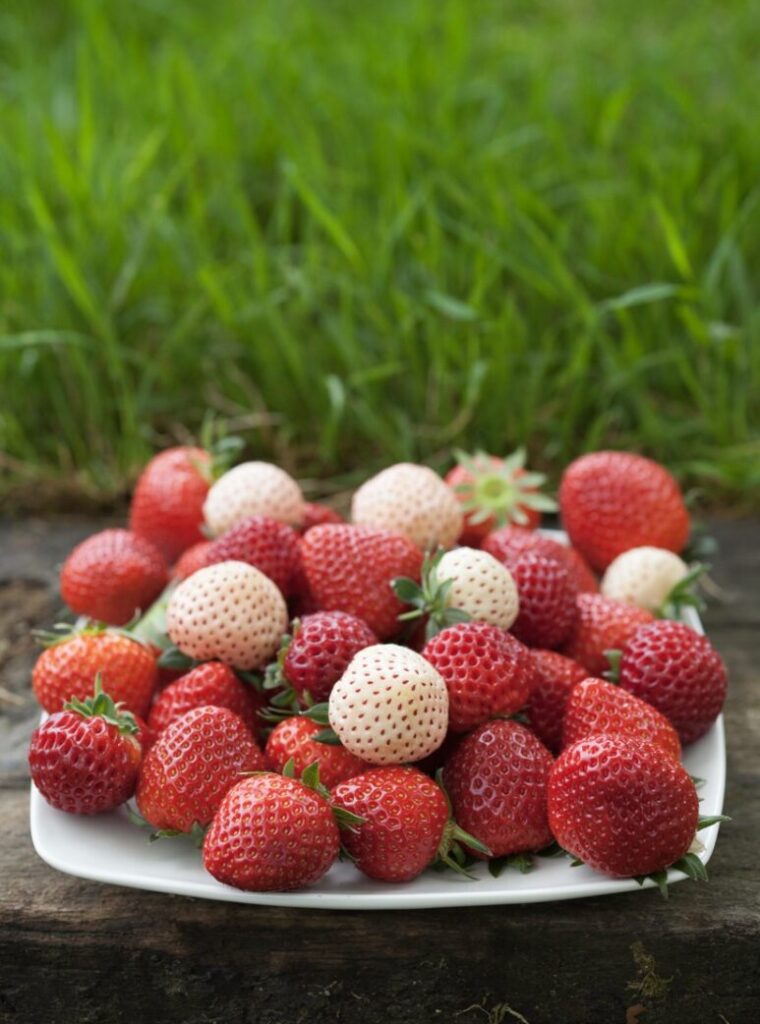
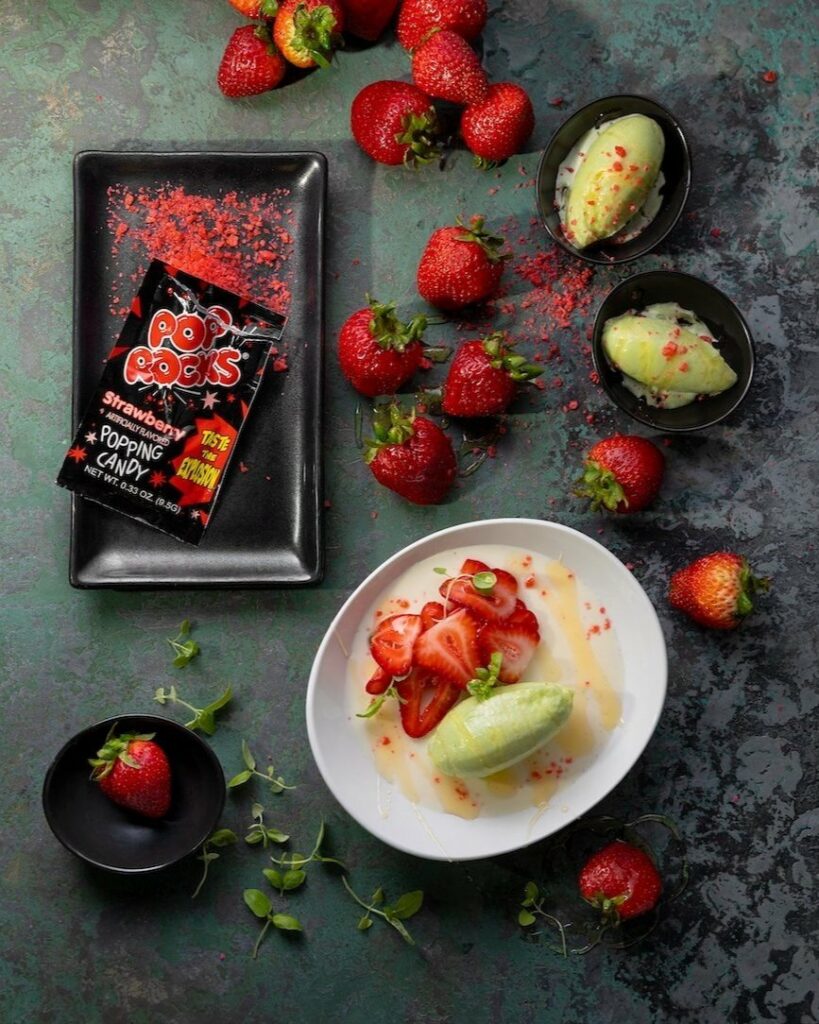
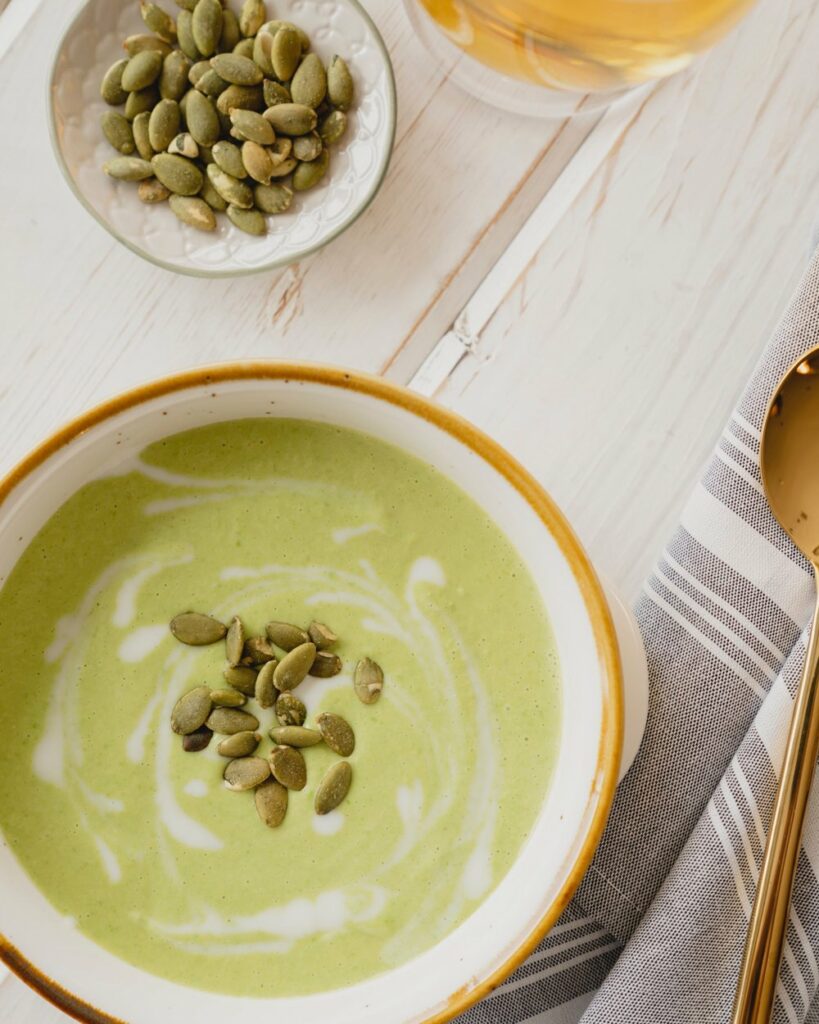
In diet, the theme is balance without excess. Spring favors light, warming foods – but with Taurus’s steadiness in play, we’re also drawn to comfort, richness, and sweetness. This is a time for moderation, not denial: well-spiced grains, lightly cooked greens, seasonal fruits, and warming herbs can satisfy without overburdening. Think supportive, not sedative.
Herbs such as fennel, cardamom, or holy basil can aid digestion and restore clarity.
This midpoint of spring is a time when growth is visible, but not yet complete. Attunement to nature’s tempo – steady, rhythmic, unhurried – helps us avoid spilling over into indulgence or inertia. Let this be a time to nourish well, rest wisely, and gently clarify what you’re preparing to carry into summer.
This symbol presents a striking contrast: the rabbit, alert and terrestrial, gives way to something more ethereal – a creature of subtle influence, barely visible, associated with natural forces that work beneath the surface. The image doesn’t suggest escapism, but a shift in mode: from reacting to conditions to subtly shaping them.
Scorpio is a sign concerned with what lies behind appearances, and this degree hints at the moment something hidden crosses a threshold. Reflex gives way to intention. Habits built on fear or speed begin to loosen. The transformation implied here doesn’t erase instinct, but reconfigures it – a more perceptive intelligence begins to take over.
The language of nature spirits is metaphor, but the idea of something becoming less obvious and more effective is useful. This symbol suggests a movement away from the visible or direct, toward influence that’s harder to measure but no less real: timing, atmosphere, presence. There’s power in withdrawing from reaction and choosing subtlety instead.
Under this full Moon, we may notice where old reflexes no longer feel appropriate – not dramatically, but in small hesitations, changed responses, a new quiet where before there was noise. What that becomes is still unclear. But the signal is unmistakable: something wants to operate at a different register.
What Does This Full Moon in Scorpio Mean for Your Sign?
Both the Sun and Moon apply to Saturn now, casting a cold light across the chart. Saturn governs boundaries, endurance, and the systems we build to contain pressure. Its presence tends to tighten, slow, and harden. And here, under a Scorpio full Moon already attuned to defense, those tendencies are amplified. The result is a cooling influence: markets cool, momentum slows, people and ideas pull inward.
But the walls Saturn represents are in poor repair. It stands at the final degrees of Pisces – the part of each sign associated with exhaustion, dissolution, and collapse. Near the end of May, Saturn enters Aries, a sign where its principles are traditionally said to be humbled and laid low. Aries marks the turning of the year when daylight overtakes darkness. The Sun is celebrated. Saturn, by contrast, loses ground.
That ingress alone could mark a fall. But what follows makes the picture harder to ignore: Saturn is met with successive squares from two strong planets – the Sun and Jupiter – both positioned to press what little structure remains. Together, they strike like battering rams against a crumbling gate.
Saturn often signifies the structures we rely on but also the injuries we inherit or impose through structure, and the places where fear settles in earthly affairs. Who or what Saturn may represent in this context is too large a question for this modest full Moon horoscope – but! – if the symbolism we’ve been discussing leads your imagination somewhere, then you’re already in conversation with those of us who are wondering the same thing.
The point is plain: the endurance we associate with Saturn and its manifestations is presently and rapidly deteriorating. Some old defenses are giving way, and this full Moon begins to show where – and what – those may be.
Your Full Moon in Scorpio Horoscope: May 2025
Aries
Something this week will ask more from you – a request, a need, or a responsibility that feels non-negotiable. Whether or not it’s financial, it will touch your sense of what’s owed. You’re in a strong position to respond, but that doesn’t mean you should overextend. Public recognition is likely to follow, not necessarily in connection to this situation. This full Moon brings a caution: be mindful of the impulse to prove worth by expending hard-earned resources. A little discernment right now will go a long way.
Taurus
Things are heating up professionally. The goal you’re chasing? Others are chasing it too. Competition isn’t something to fear, though – not with the Sun now moving through your sign and casting a commanding light. Its connection to Saturn brings staying power, and if you stay the course, this moment could support real personal and professional growth. On the relational front, the Venus–Mars trine is still active, and worth leaning into. If there’s someone you need to connect with, don’t wait. Reach out while the line is open.
Gemini
You want to be happy – and that’s not a small thing. Right now, something heavy sits on your heart. It’s hard to name, harder still to explain, and the impulse to stay in motion may be your way of outrunning it. But this full Moon brings a reminder: grief doesn’t disappear just because you keep moving. You may feel more easily provoked now, especially by an influence that’s been pressing on you for some time. The good news? It’s nearly done. In the meantime, lean on your friends.
Cancer
This a full Moon to be focusing on joy. The chart is filled with signs of support – from friends, benefactors, and those who connect you to new opportunities. Personal and professional advancement comes through your networks now, especially where goodwill has been earned. With the Moon lighting up your 5th house of pleasure and the Sun in your 11th of friendship, there’s reason to reconnect. And with Saturn involved, it’s a great time to plan travel, visit family, or follow through on a long-overdue reunion.
Leo
Professionally, things are moving – and moving in your favor. If that feels untrue in the moment, trust that even current disappointments are pointing you toward a better outcome. The chart speaks to progress through the mastery of something difficult: a fear, an anxiety, a private threat that’s kept you feeling isolated or blocked. That shadow is about to be named. And the light that reveals it is coming from you. This full Moon marks a turning point, if you are ready for it to be. The future may not be effortless, but it’s freer.
Virgo
You can see trouble coming before others do – that’s part of your gift. But this month, the people closest to the issue may not be seeing what you see, and that disconnect could stir up stress or creeping anxiety. Try not to carry it all. Extending the benefit of the doubt may not solve the problem, but it will lighten your load. Power and control are underlying themes now, and it’s worth reflecting on how those dynamics were set – and what role you want to keep playing in them.
Libra
This is a good chart for a raise – or any kind of support that boosts your resources. The full Moon lands in your 2nd house of income, with a supportive line to Saturn in your 6th. That’s the part of the chart that governs work others overlook, the stuff you do without praise. Make sure it’s seen. Venus applies to Mars at the top of your chart, and is received – a textbook sign of recognition. Ask for more. Odds are high that you’ll be met.
Scorpio
When the full Moon lands in your sign, the power of decision comes to you. I expect you’ll soon find yourself in a position to counsel and advise. What you have to say is the fruit of a deepened, broadened common sense, sharpened by experience, travel, challenge, and exposure to lives beyond your own. This will be a moment to speak plainly. Your message may not sit easily with everyone, especially those bound to you by habit or loyalty. But it will land where it needs to.
Sagittarius
You’ve given a lot of yourself this past year – maybe too much. This full Moon brings a reality check around how often you’ve put others’ needs before your own, and what that’s cost you in missed opportunities. It’s not a punishment, just a pause: a moment to assess what still feels worth showing up for. Something new is coming, and you’ll want to be ready. A recharge would help. If you’re feeling social, that’s fine – but try doing a few things solo. See what opens up.
Capricorn
Responsibility finds you this week – but not the heavy kind. With both the Sun and Moon applying to your ruler, Saturn, you’re being positioned as a source of steadiness for someone else. The astrology suggests influence over another, possibly someone younger, who will carry your insight forward. Your words will carry some weight and be helpful for a long, long time. The Sun’s position in your 5th house hints that a change of scene – even a short, local trip – could bring unexpected happiness.
Aquarius
Financial clarity is on the horizon – not the alarming kind, but the kind that shows there’s real potential to earn and grow. You may be uncovering a more meaningful path toward stability or profit. That said, my guess is you’re still playing catch-up. With Saturn nearing a major sign change, early summer may bring bumps or delays. The smartest move now: ease up on spending where you can. A better financial picture is forming, but fall is when the numbers are likely to work more clearly in your favor.
Pisces
You’re close to a breakthrough. That weight you’ve been carrying for the past two years is about to ease, as Saturn prepares to leave your sign. It will return briefly later this year, but this full Moon offers a first glimpse of what life could feel like with that pressure lifted. New horizons – both literal and symbolic – are beginning to show themselves. Start small: meet a neighbor, explore nearby. There’s future good luck seeded in the connections you make now.
Story by Wade Caves
Photo Courtesy of Vitolda Klein
Wade Caves, based in Brooklyn, NY, is an astrological consultant and educator specializing in problem-solving applications of astrology. He teaches astrological divination and astronomy at the School of Traditional Astrology. Wade also publishes his work on world astrology through Skyscript’s In Mundo publishing desk and hosts the World Astrology Summit, a conference dedicated to the advancement of astrology for global problem-solving. Website: wadecaves.com • skyscript.co.uk/inmundo. Email: hello@wadecaves.com.
Subscribe to TABLE Magazine’s print edition.