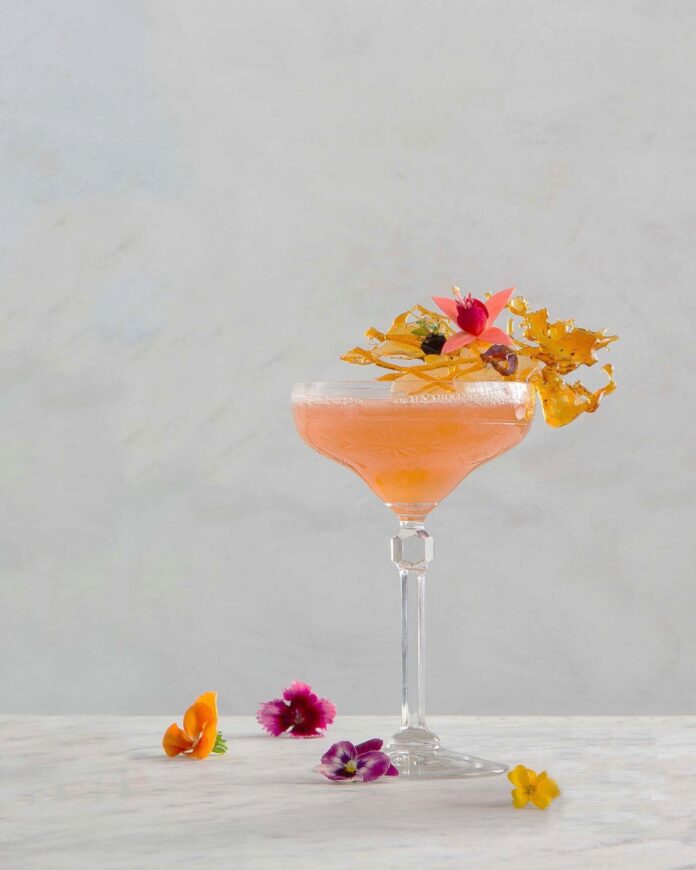
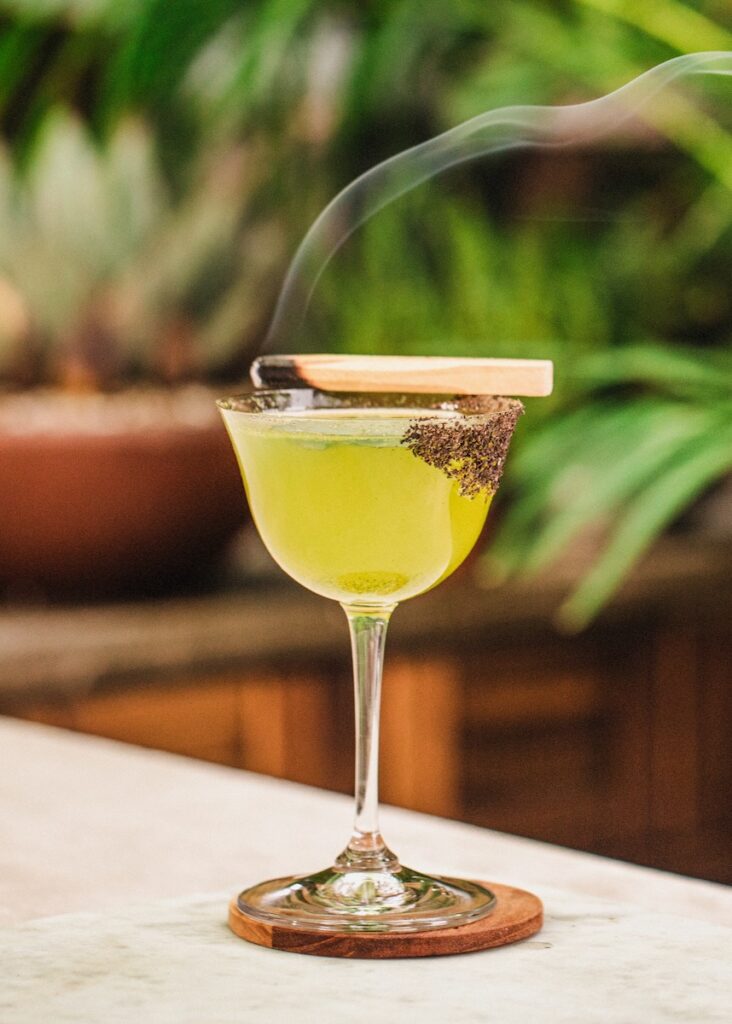
Botanical accents like celery, lime, watermelon, and apple meld with the herbaceous tarragon gin and yellow chartreuse for a picture perfect sip that showcases the natural beauty and freshness of your home grown garden. Talk about a drink that’s both sophisticated while also embracing the fun of the warmer seasons. Give this spritely cocktail some palate time when the sun is shining bright in the sky and the Earth is blooming all around you. Maybe you’ll even prepare it with a book in hand to help you escape away to paradise.
What is Tarragon Gin?
Tarragon-infused gin serves as the base for this Tarragon Gin and Yellow Chartreuse Cocktail recipe, introducing a distinctive herbal layer beyond the typical strong, juniper profile of gin. By infusing the gin with tarragon, the cocktail gains subtle notes of anise and a touch of sweetness. When combined with the fresh watermelon-apple syrup and the vegetal notes of celery juice, it’s a home-run. Plus, it also complements the bright lime and the herbaceous undertones of the yellow Chartreuse that top off this drink.
Treat mom to a culinary journey of recipes this Mother’s Day! Moms dedicate their days to making sure we’re happy and well-fed. This year, return the favor by treating her to a celebration she won’t forget. Whether mom’s a breakfast aficionado, lunch lover, or a dinner diva, there’s a recipe here to make her heart (and stomach) smile. After all, gifts mean the most when they’re handmade (or home-cooked) with care.
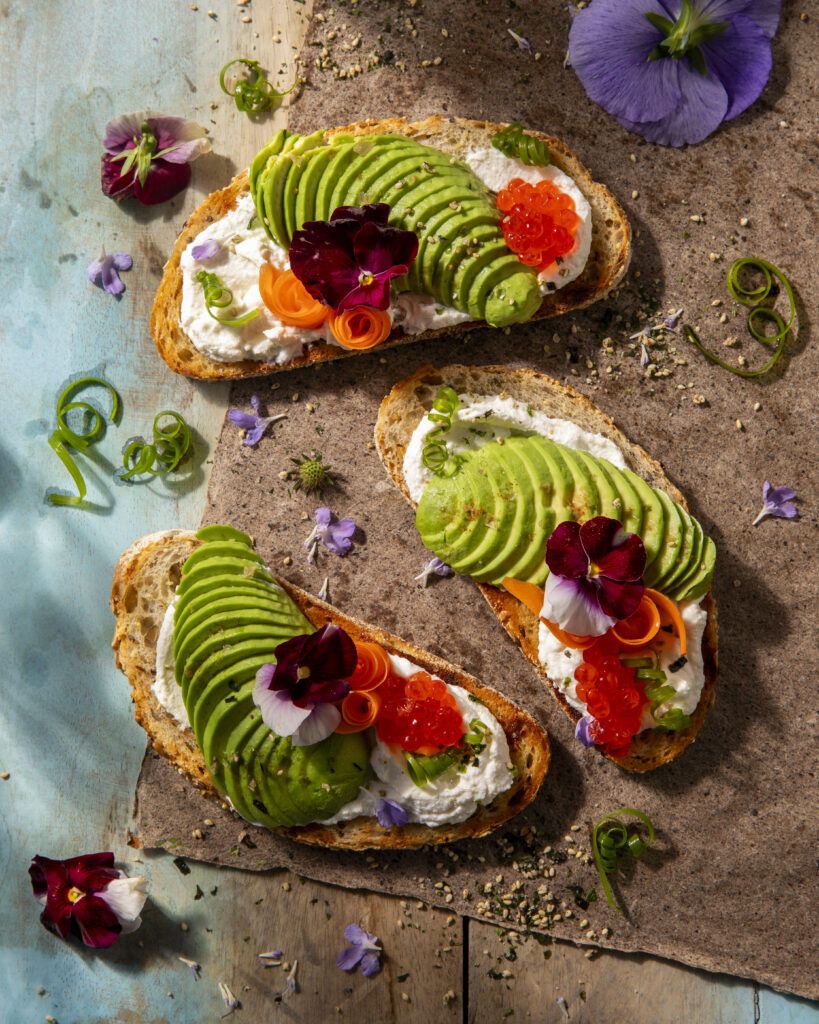
You can’t go wrong when it comes to Avocado Toast. But, you can certainly make sure it’s excellently dressed for mom’s big day. We smother a slice of your favorite sourdough toast in ricotta cheese, chèvre, honey, shaved carrot, and slices of only the ripest avocado. Garnish it with salmon roe and hemp hearts to really win mom over.
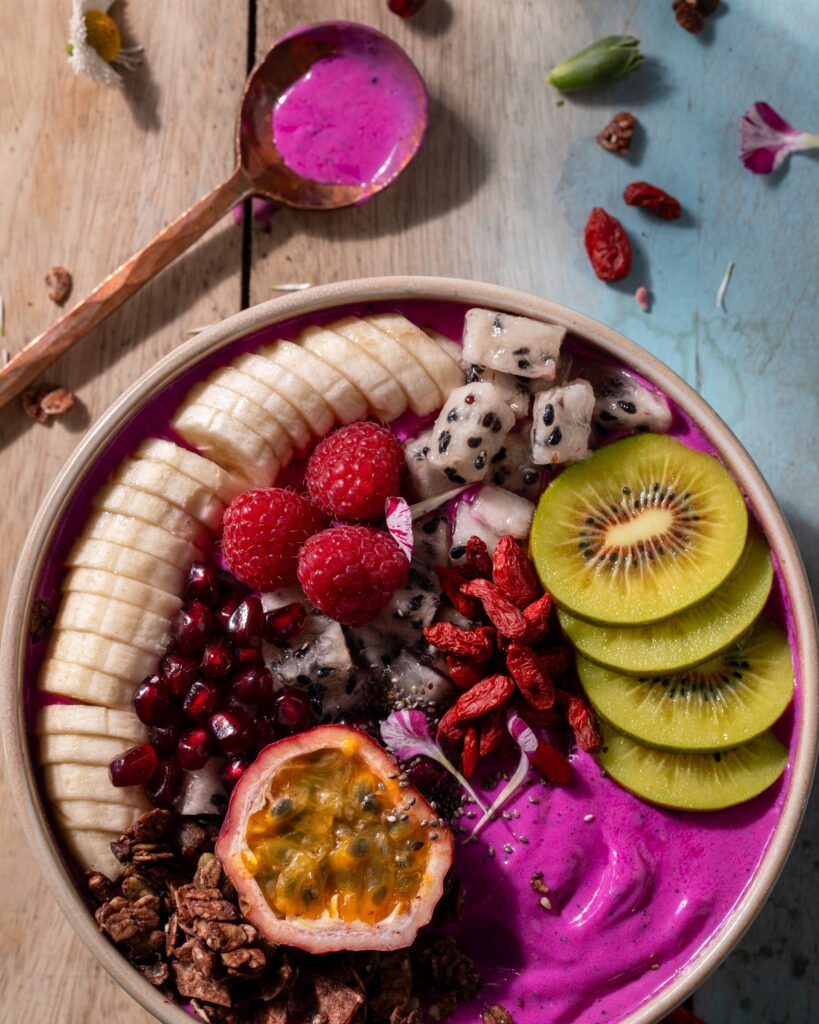
What better than a bright and inviting Tropical Smoothie Bowl to kick off a celebratory morning? This rainbow beauty tastes even better than it looks. Take a bite of berry and dragonfruit smoothie base with chunks of dark chocolate granola, chia seeds, goji berries, and all the fresh fruit you desire. It even includes a scoop of Vital Protein Collagen Peptides for rejuvenation.
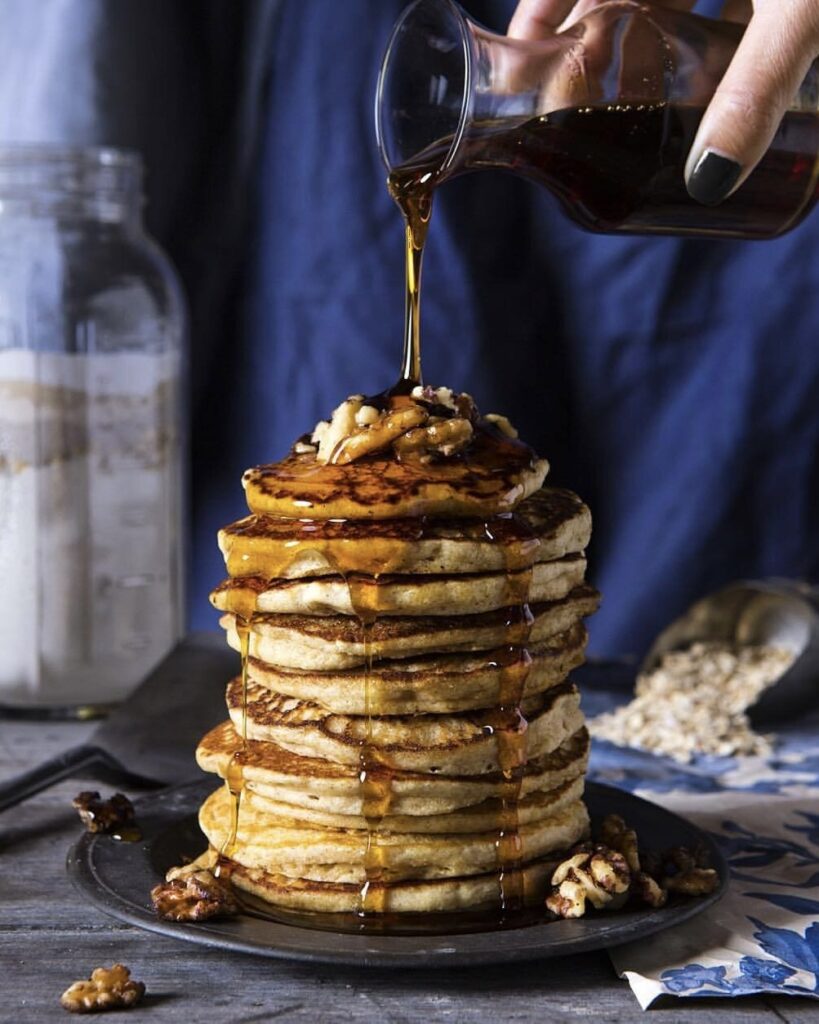
Don’t skimp out on flat, thin, flavorless pancakes. Mom deserves a special plate of Stack ‘em High Pancakes. Get creative with this dish by adding fresh fruit, local maple syrup or honey, and a dollop of fresh whipped cream. Allow the pancakes to be the star of the show, or serve them alongside other breakfast favorites like eggs and bacon.
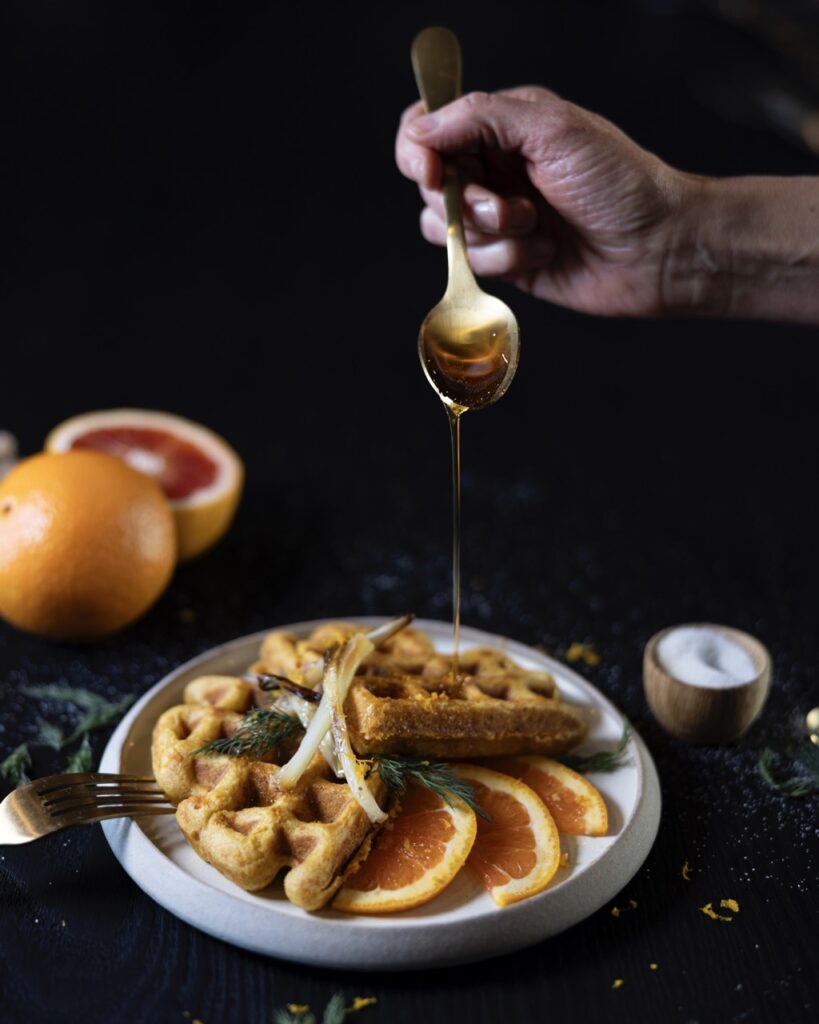
In case mom’s not a fan of pancakes, waffles are the perfect substitute. They’re a bit more hearty than pancakes and this recipe makes them from pureed sweet potatoes so you get your nutritious boost for the day. The citrus curd on top is the perfect, vibrant topping for starting off a sunny day.
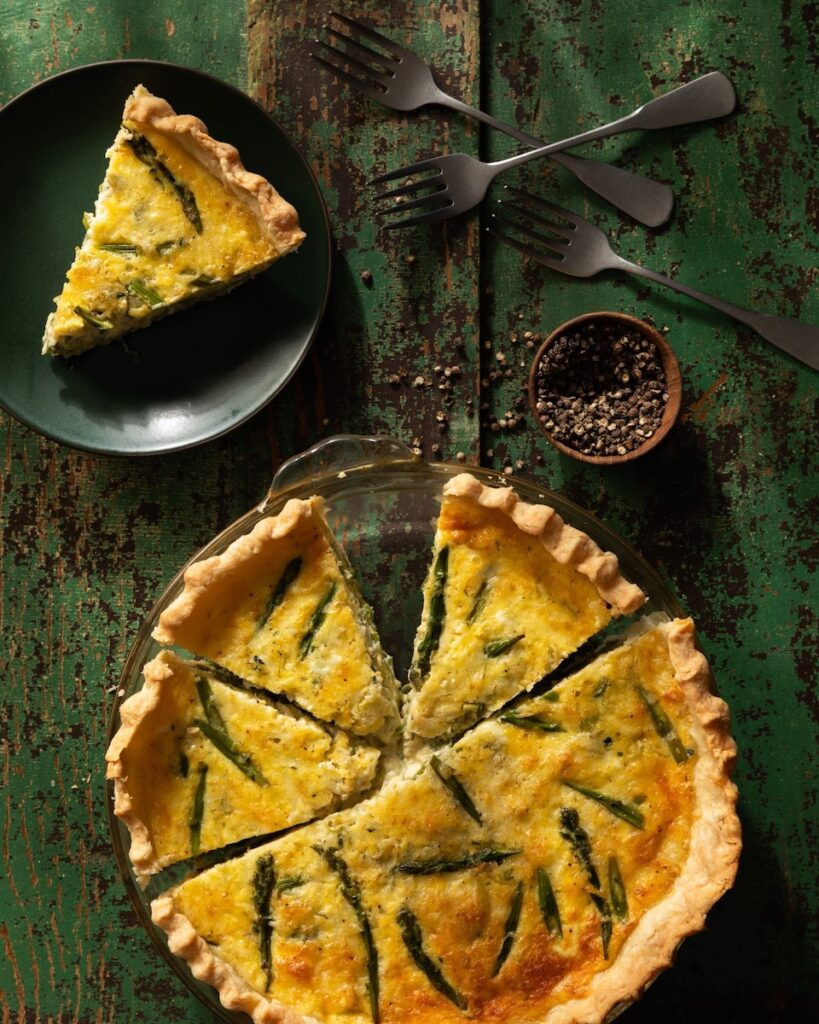
If you’re letting mom sleep in on her special day, prepare her brunch with an Asparagus, Leek, and Jarlsberg Quiche. Inspired by our queen Martha Stewart this quiche is full of everything that makes you feel good. The rich, nutty Jarlsberg cheese adds a distinctive touch that’s deliciously savory.
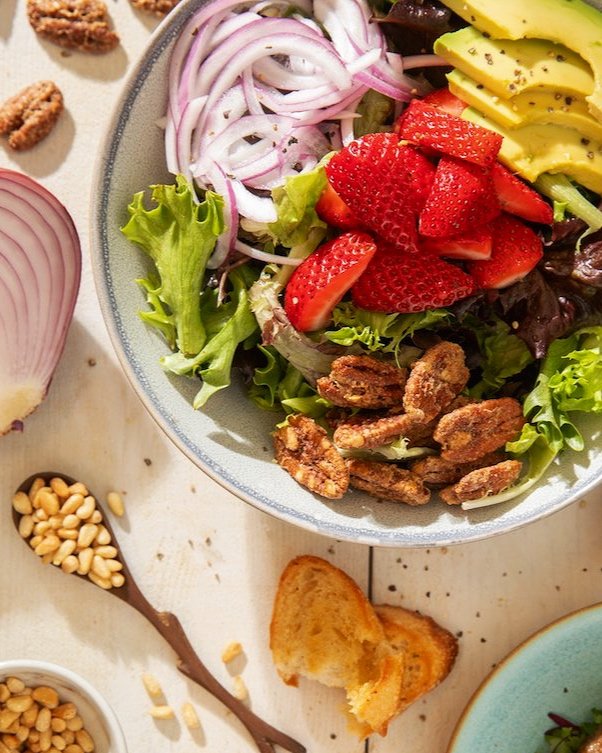
Embrace the spring season and the closeness of summer with a salad that reminds us of lounging by the pool. Not only is our Strawberry Pecan Salad simple to make, it also makes a huge bowlful so you can serve lunch to your whole family. We top ours with balsamic vinaigrette, but feel free to have a selection available at the table so everyone can have the dressing they love.
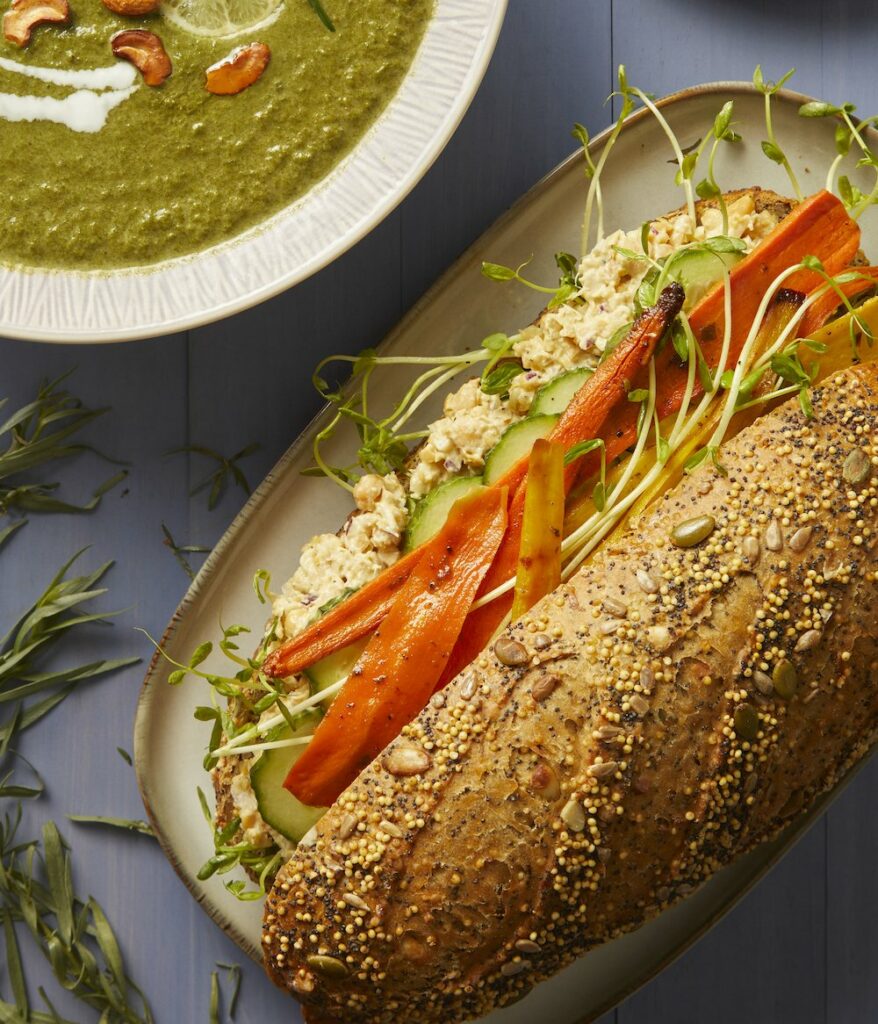
Fresh vegetables can create a hearty sandwich with flavors you might not expect. Our Roasted Carrot and Chickpea Sandwich balances gentle sweetness with savory appeal. Made with a deliciously addictive marinade for the carrots and a creamy chickpea spread, you just might have to make one for yourself too. Plus, the added crunch from English cucumber is the type of thing our taste buds live for.
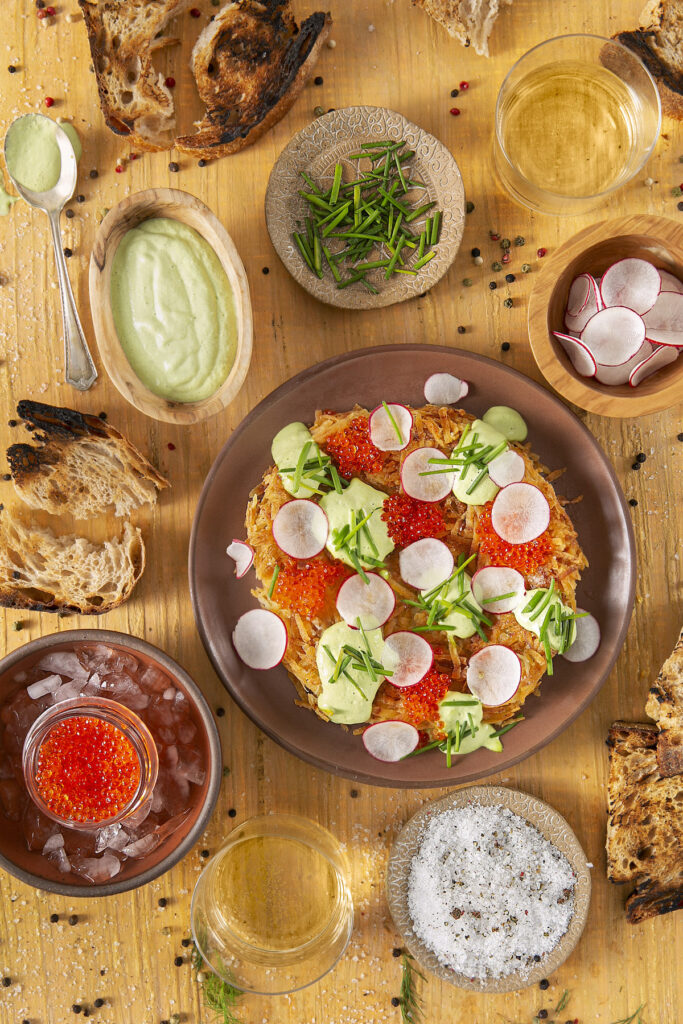
We know potatoes are a go-to side dish so we upgraded Potato Rösti to make sure your lunch is elevated and personal. Garnish crispy shredded potatoes cooked to perfection with a combination of trout roe, crème fraîche, plus plenty of chives and dill. To quote Chef Joey Hilty who made this recipe, “the more herbage, the better.”
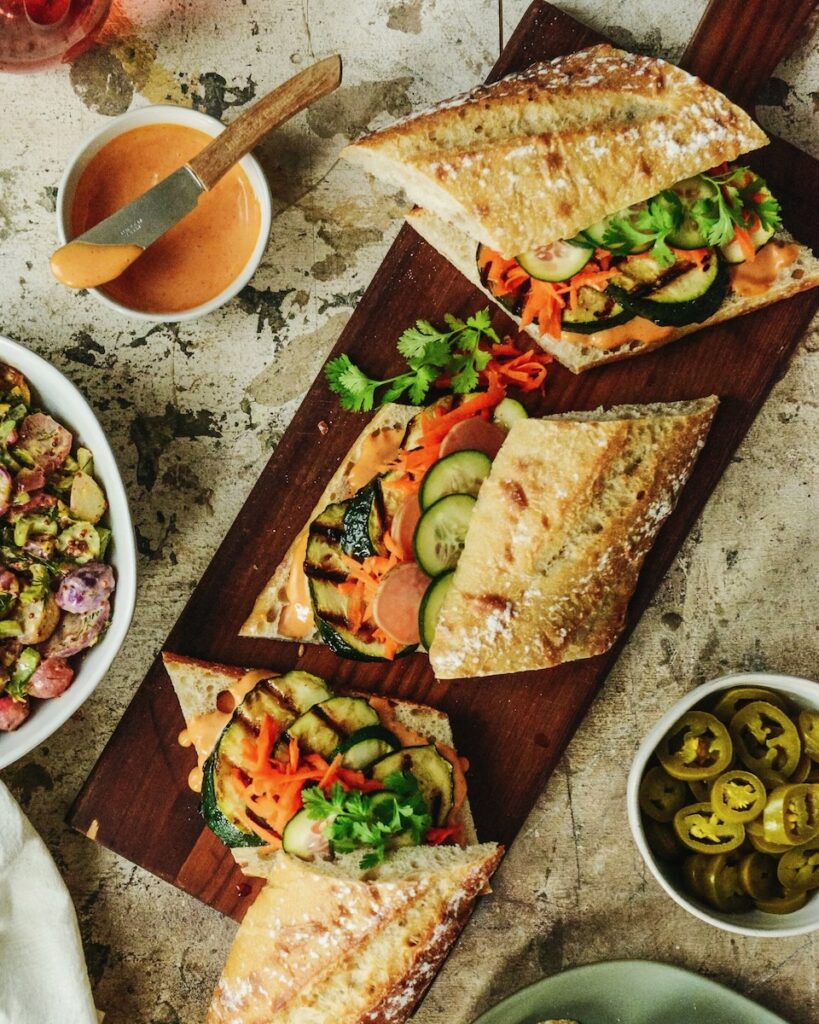
This Vietnamese style sandwich gives you another interesting way to use zucchini that’s not just in a salad. A combination of spicy mayo, refreshing cilantro, and plenty of fresh veggies is a rejuvenating lunch for Mother’s Day. Try serving it with one of our signature sides.
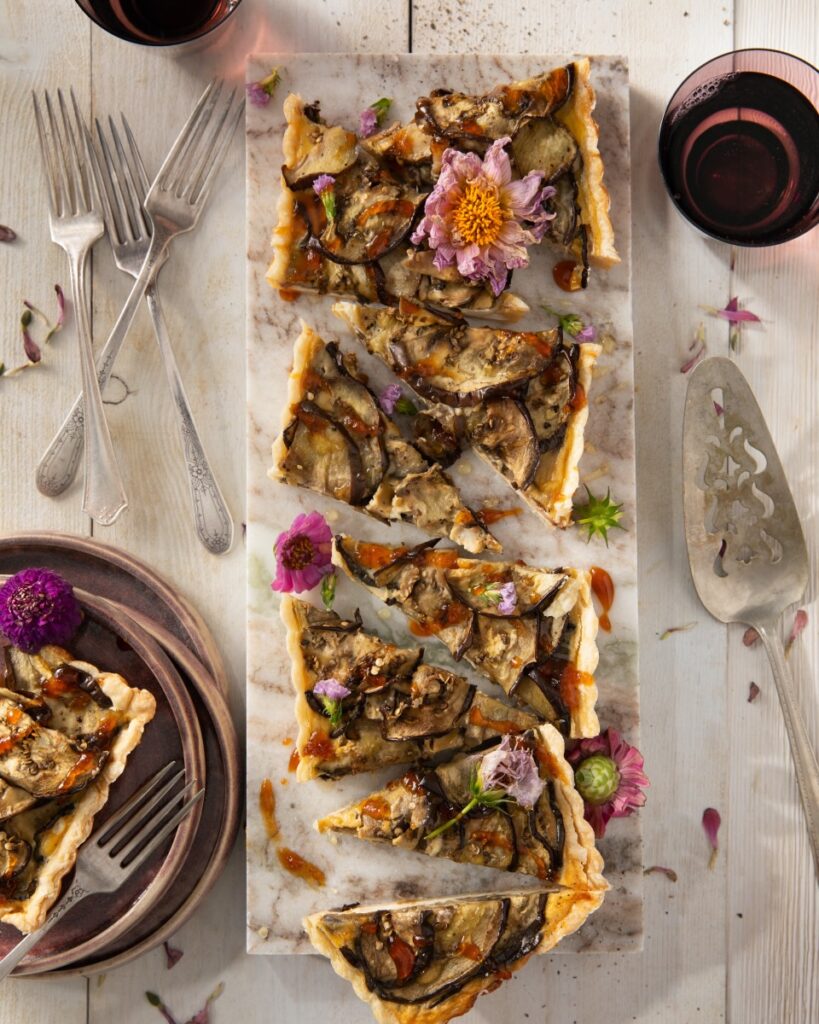
A fresh breath of spring and a sign of the start of summer, our Eggplant and Smoked Mozzarella Tart is your luxurious answer to lunch. A flaky crust holds melted smoked mozzarella, soft goat cheese, and toasty eggplant. A drizzle of honey finishes off this lunch for the entire family.
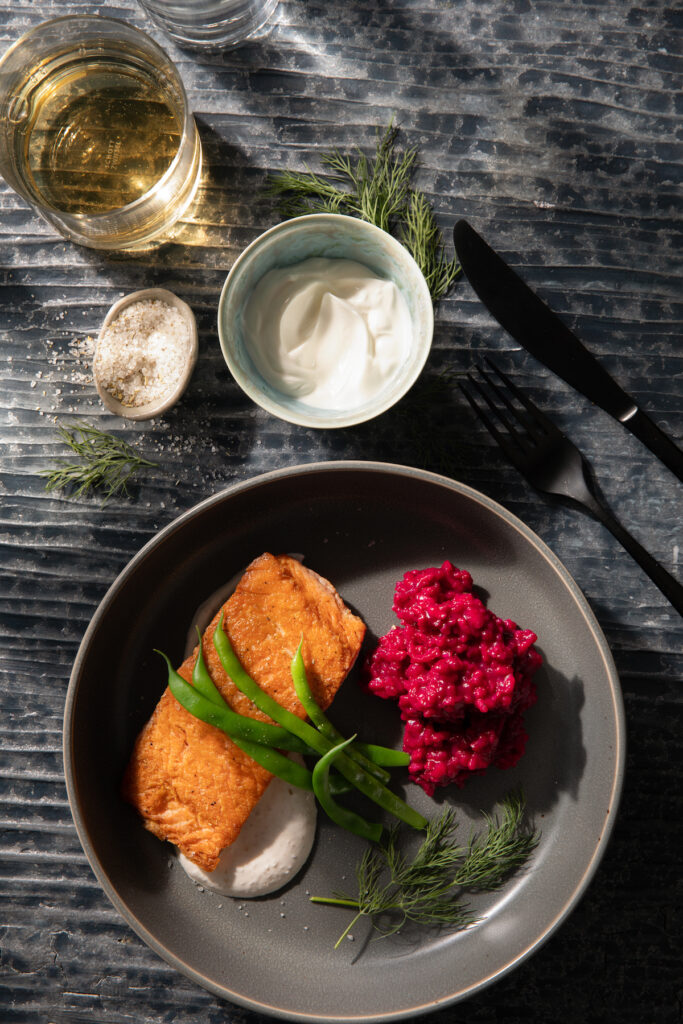
Craving a unique and flavorful fish dish to impress mom? This Seared Salmon with Borscht Risotto and Horseradish Crème Fraîche offers a refreshing exploration of unexpected pairings. Imagine the rich, savoriness of borscht infused into creamy risotto and a touch of zesty horseradish crème fraîche for the finishing touch.
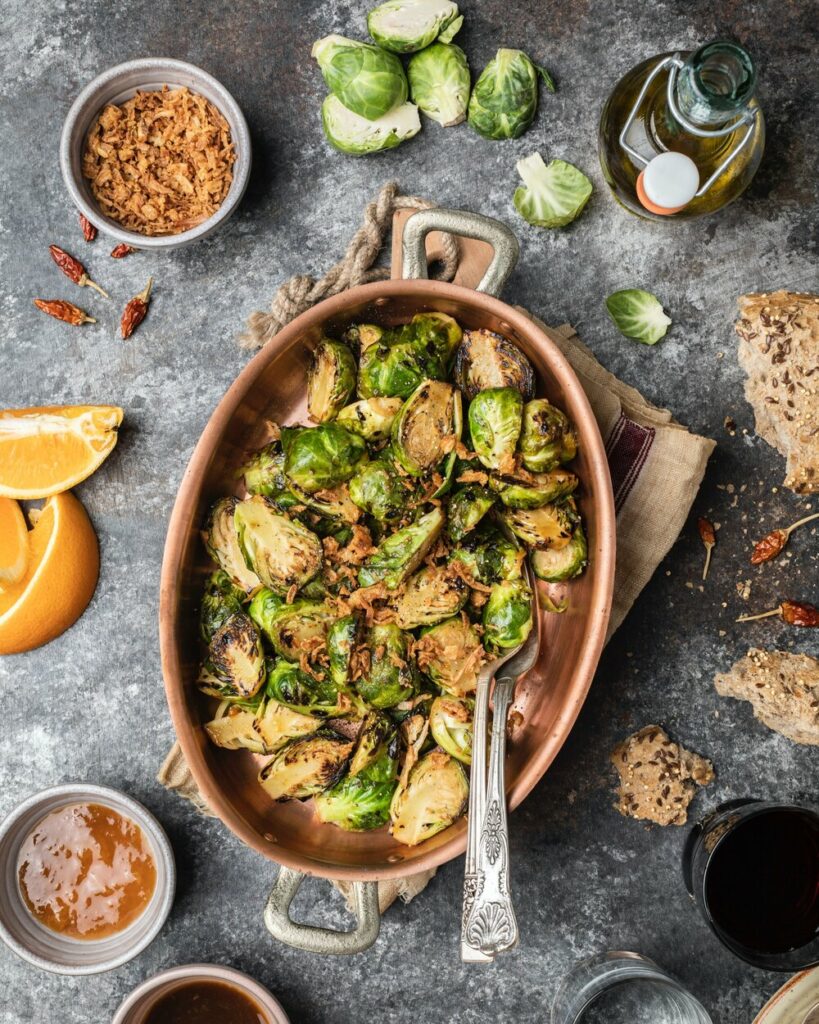
Take brussels sprouts from ordinary to extraordinary with an Orange and Apricot Sauce that adds just the right amount of sweetness. This vibrant sauce combines the sweetness of apricot jam with the tang of orange juice. A sprinkle of fried onion adds a textural contrast, making this dish a guaranteed crowd-pleaser.
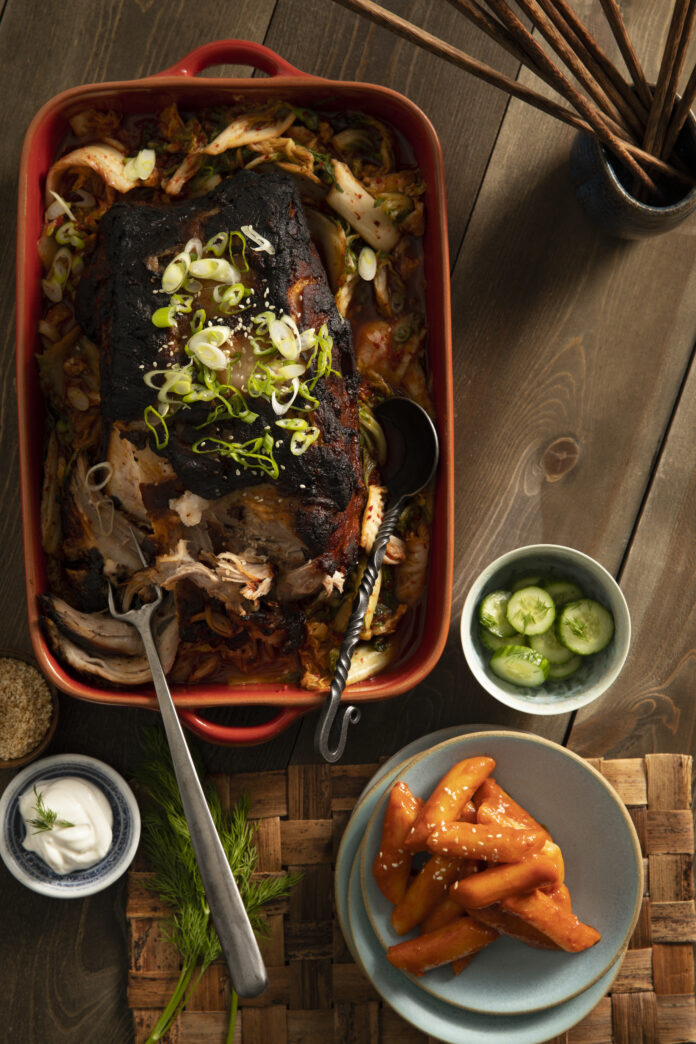
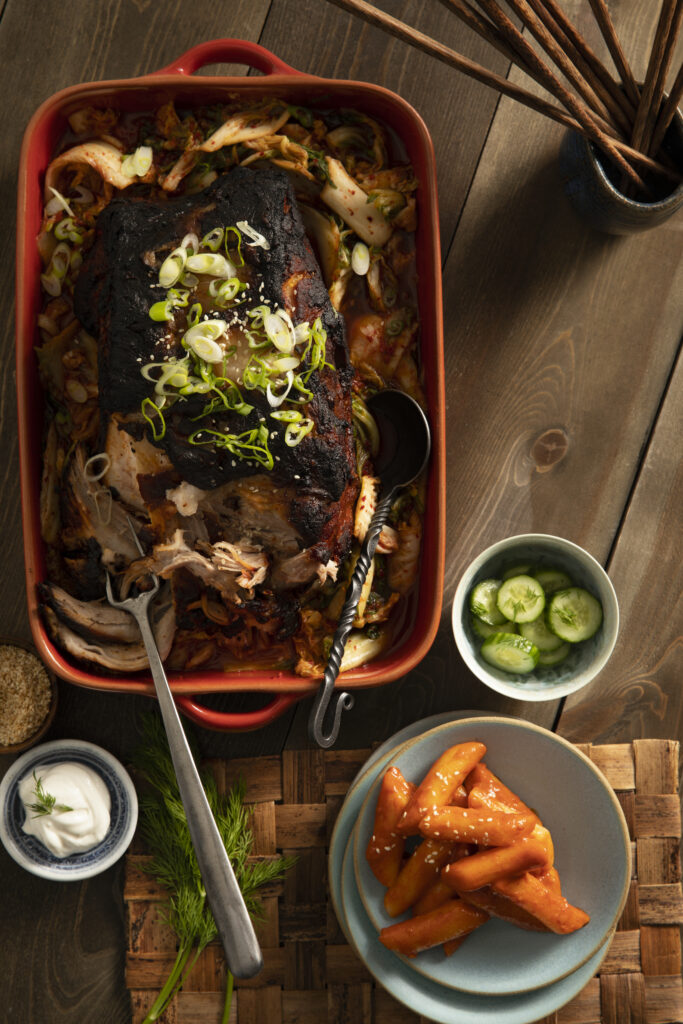
Bring a little adventure into your Mother’s Day dinner with an infusion of Korean flavors. The tangy, spicy notes of kimchi perfectly balance the richness of the pork, creating a complex and satisfying dish. So why not ditch the ordinary and give mom a taste of something new with this Braised Pork Shoulder & Kimchi Soup.
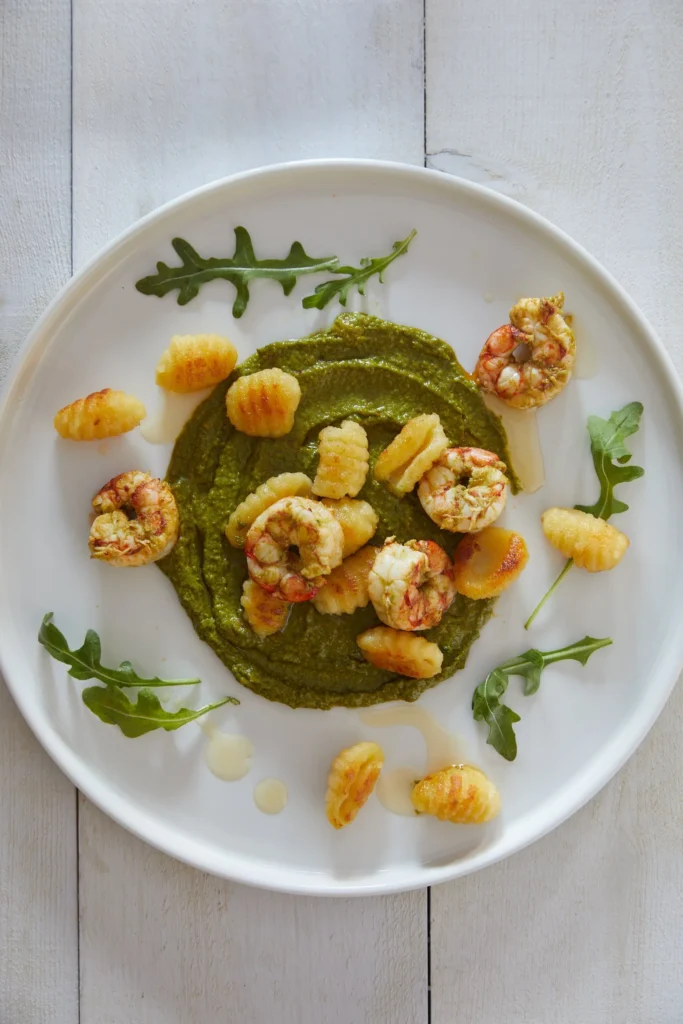
Head out to your local Italian grocery store and pick up a bag of handmade gnocchi to treat mom to the best. You’ll learn to make an arugula pesto that adds an earthy touch to the gochugaru shrimp and grated gruyere cheese. Presentation is key here so take your time arranging the plate in a beautiful way for mom.
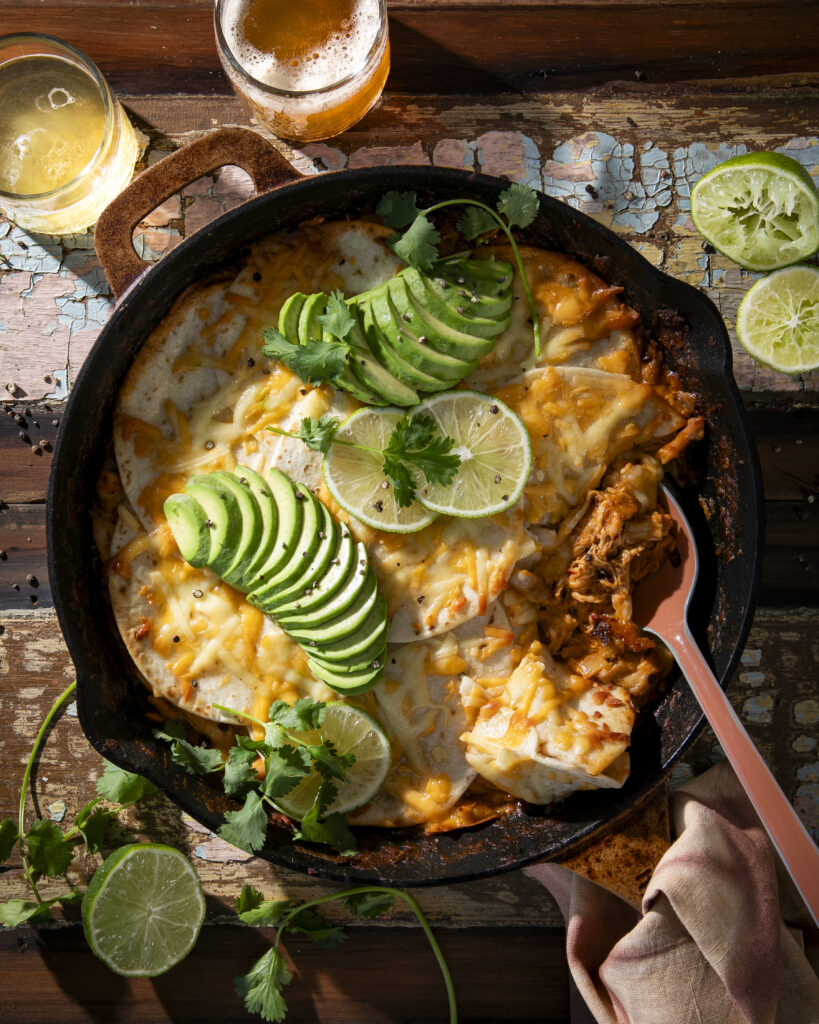
For mom’s who love Latin cooking, a Creamy Chipotle Chicken Enchilada Skillet replaces that trip to a Mexican restaurant for something made with love. All in one skillet you’ll make a mix of rotisserie chicken, chipotle peppers, tortillas, and melted cheese, baked until golden and bubbly. Serve right from the skillet and top with sliced avocado, lime wedges, and fresh cilantro.
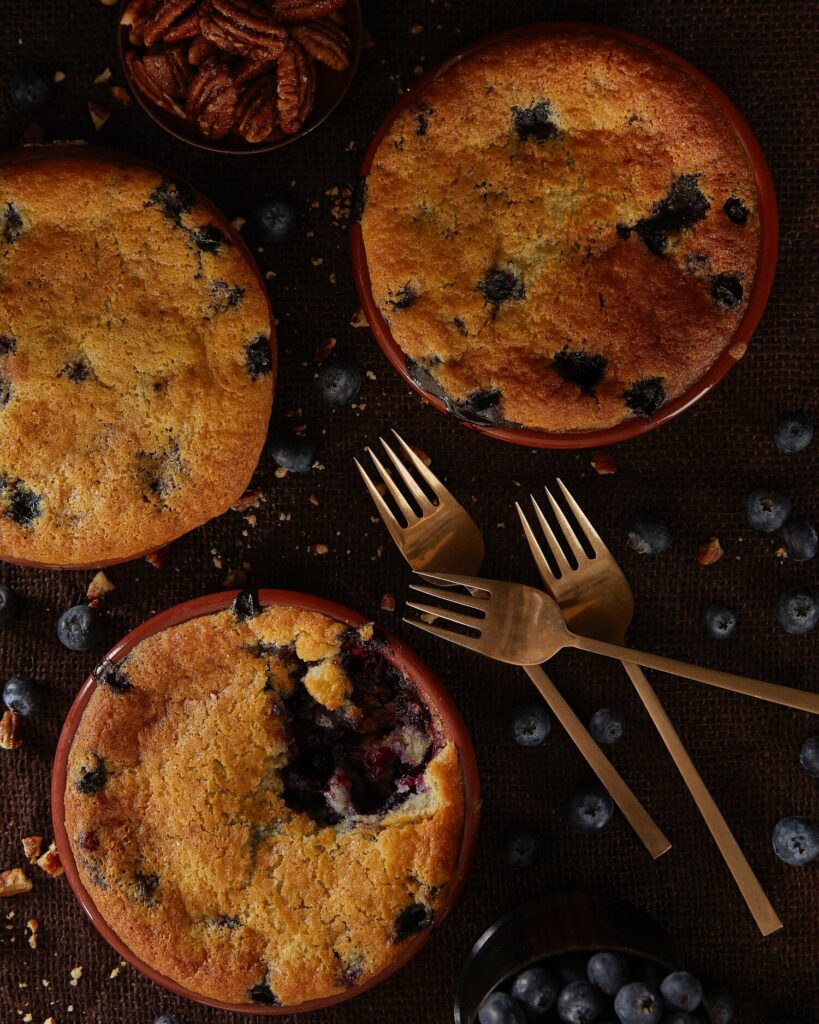
You can’t have Mother’s Day complete without a dessert as sweet as mom’s love. Our Berry Cobbler with Banana Ice Cream is all about nostalgia. It features a bubbling berry filling nestled beneath a golden, buttery crust and creamy banana ice cream. This classic cobbler is the perfect way to satisfy your sweet tooth and bring back warm memories.
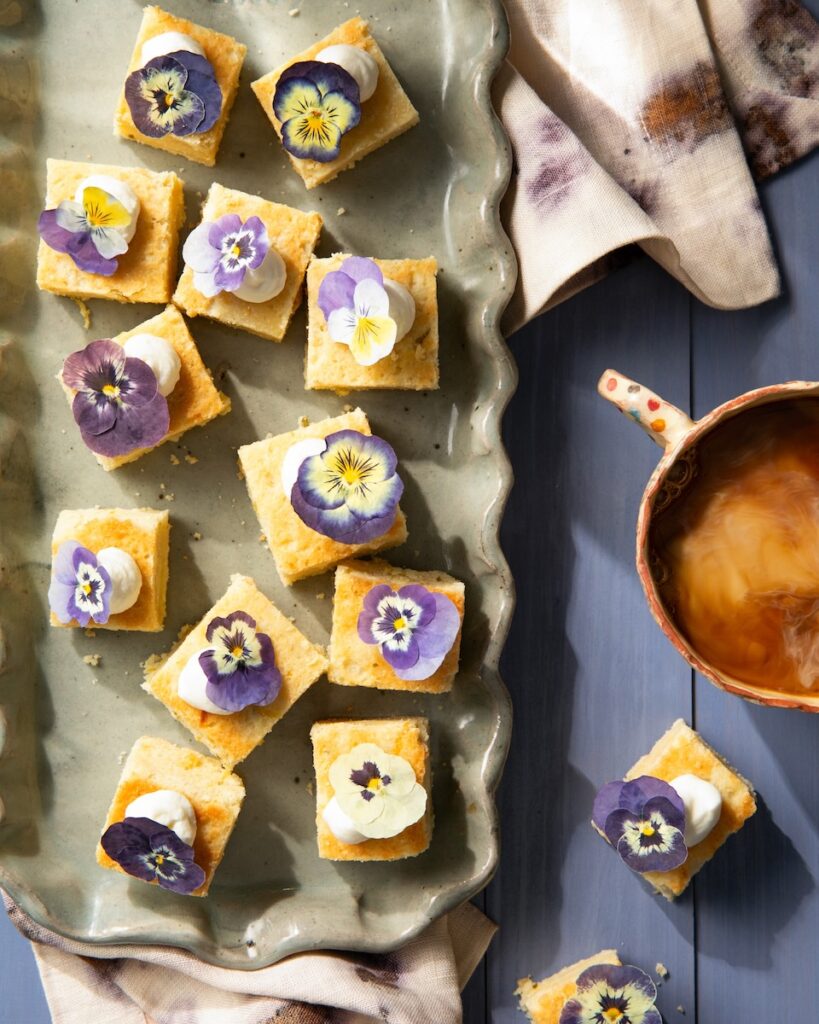
Not every dessert has to be super-sweet to be delicious. Instead, these Triple Citrus Shortbread Squares mix a tender shortbread dough with fresh lemon, lime, and orange juice and zest. Top each of these little bites with a smooth homemade whipped cream and an edible flower that just so happens to come in mom’s favorite color.
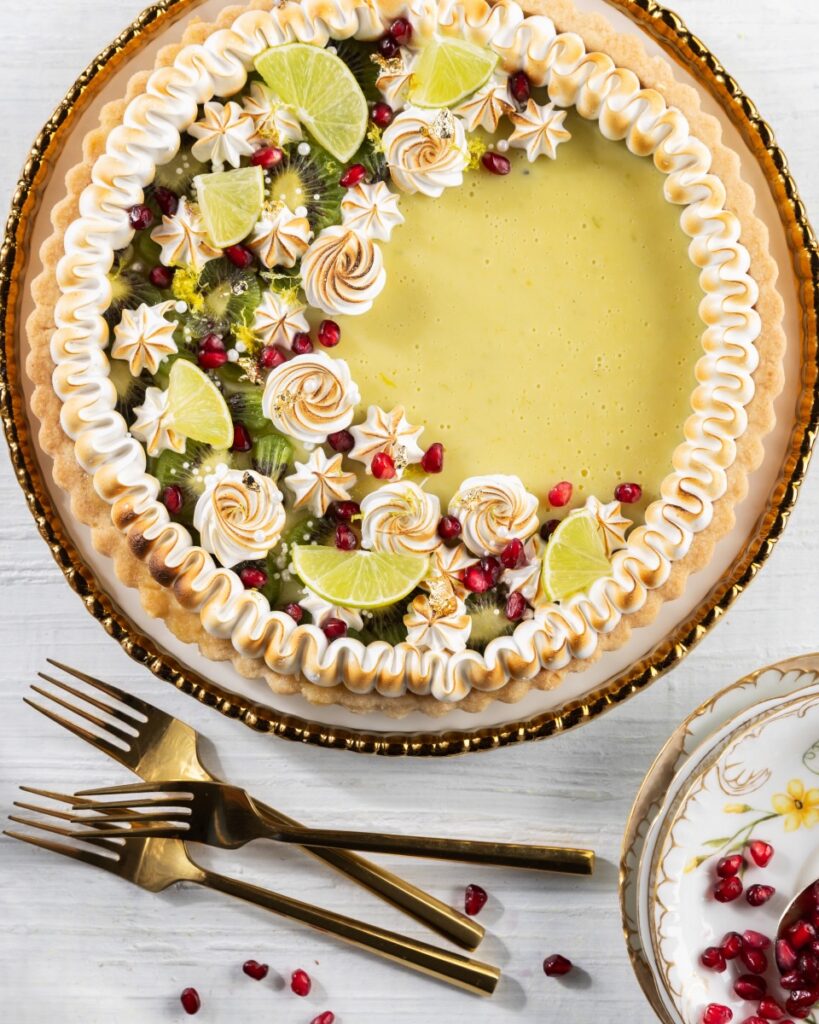
Want to make a dessert that impresses? This tart uses bright kiwi and lime as the stars of the show. The filling is smooth and just tangy enough to match the buttery homemade crust. You can really get creative with your topping here, carefully pipping on whipped cream and placing fresh fruits.
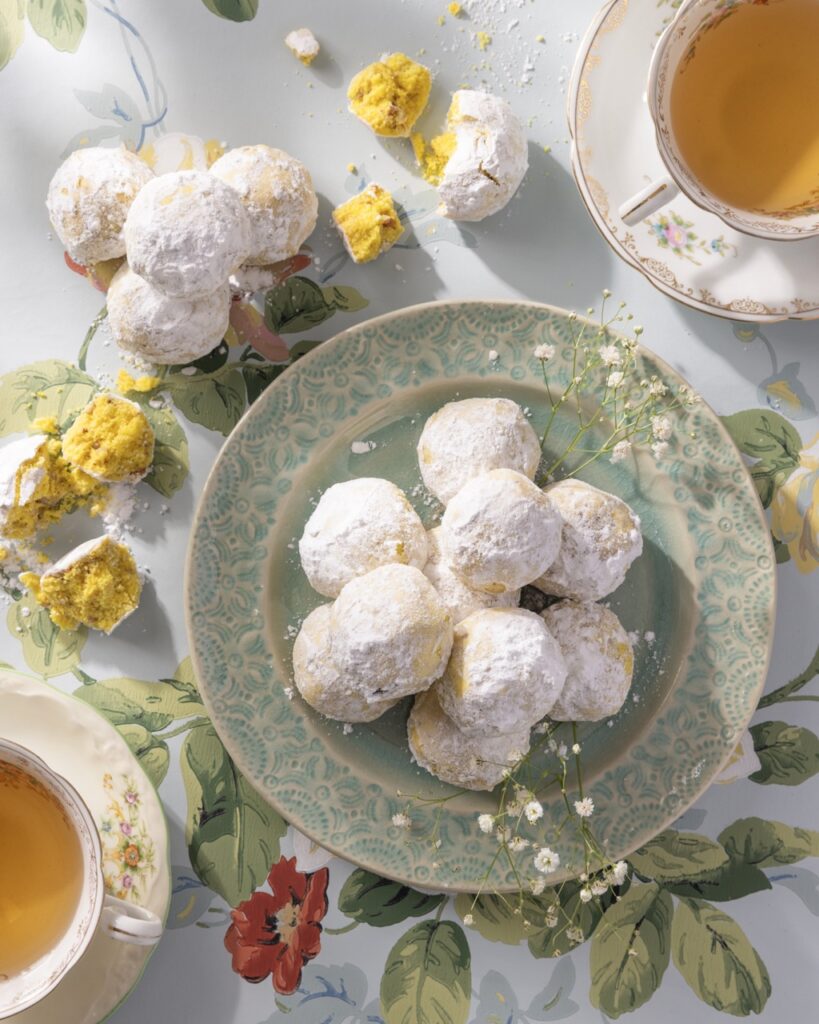
Maybe you don’t want to go as decadent with dessert after a filling and satisfying meal. Instead, make these Teatime Pecan Balls inspired by the romance of Bridgerton. They’re light and delicate with a soft buttery bite full of chopped walnuts, pecans, or almonds. They’re perfect served alongside mom’s favorite tea.
Let’s make a toast to mom! This Mother’s Day Spring Pea Cocktail recipe is a light and mouthwatering way to show Mom how much you care. Sip a refreshing sweet pea simple syrup shaken with fresh lime juice and perfectly balanced with gin and a touch of minty liqueur. Top it all off with sparkling Prosecco for a fizzy finish.
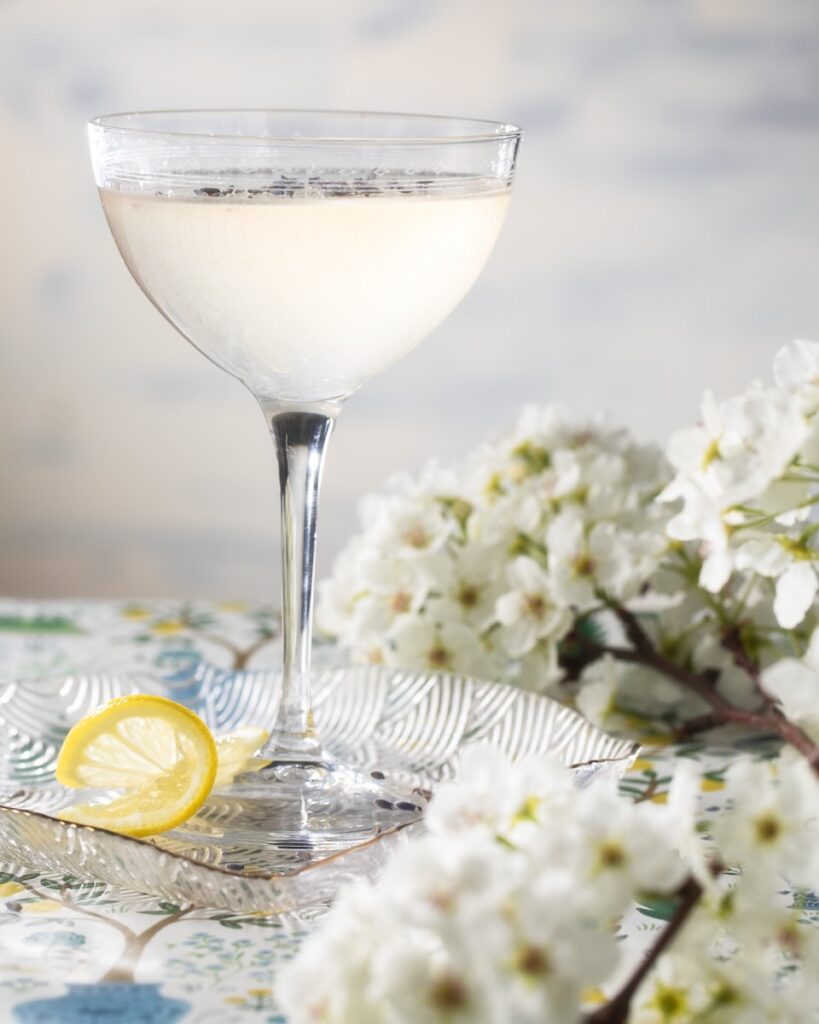
Someone as sweet and comforting as mom deserves a cocktail that gives off the same energy. This Mother’s Day Lavender Lemon Drop balances rich lavender with tangy lemon. Plus, you can even put in a little extra effort and make the lavender simple syrup from scratch so that every aspect comes straight from the heart.
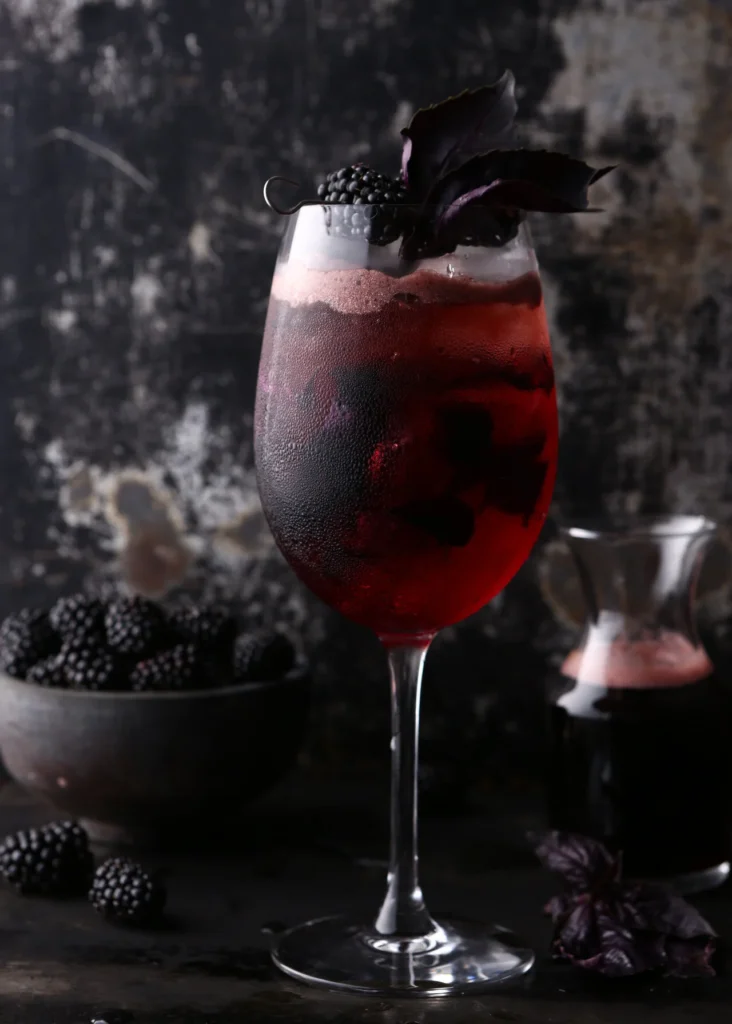
Spritzes are one of our go-to cocktails for celebrations and warm spring days. It’s refreshing, cooling, and a delicious way to relax on mom’s big day. This Blackberry Crush Spritz uses fresh crushes blackberries with a simple syrup, lemon juice, vodka, and seltzer for a burst of natural fruit flavor.
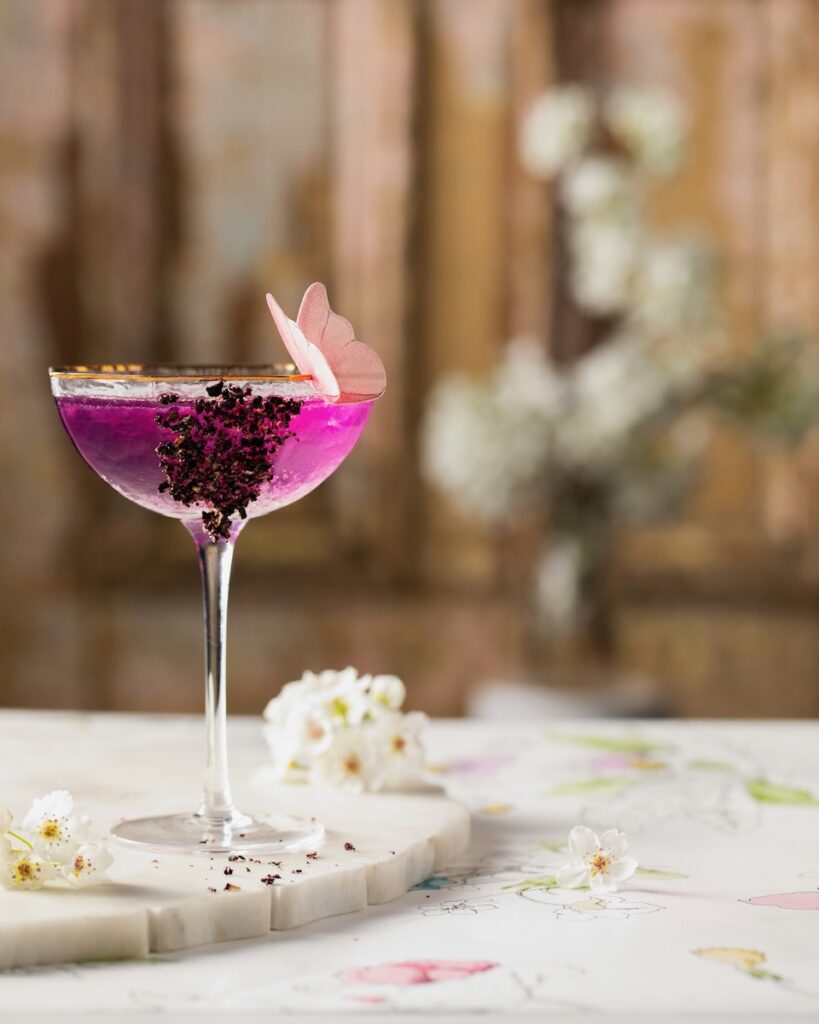
Even if mom doesn’t drink, you can still mix her up a mocktail that’ll whisk her away to a magical garden. This enchanting butterfly, non-alcoholic gin and tonic infuses botanical zero-alcohol gin with lemon juice, homemade butterfly pea flower simple syrup, and tonic. It’s really the edible butterfly and crushed dried blueberry garnish that brings this vibrant beverage to life.
Just in case you’re looking for further non-alcoholic options, Chef Richard Sandoval’s Art of Zero-Proof recipe collection runs through all your favorite cocktails in mocktail form. There’s a Smoked Old Fashioned, Blackberry Penicillin, Aloe & Apple White No-Groni, and plenty of others.
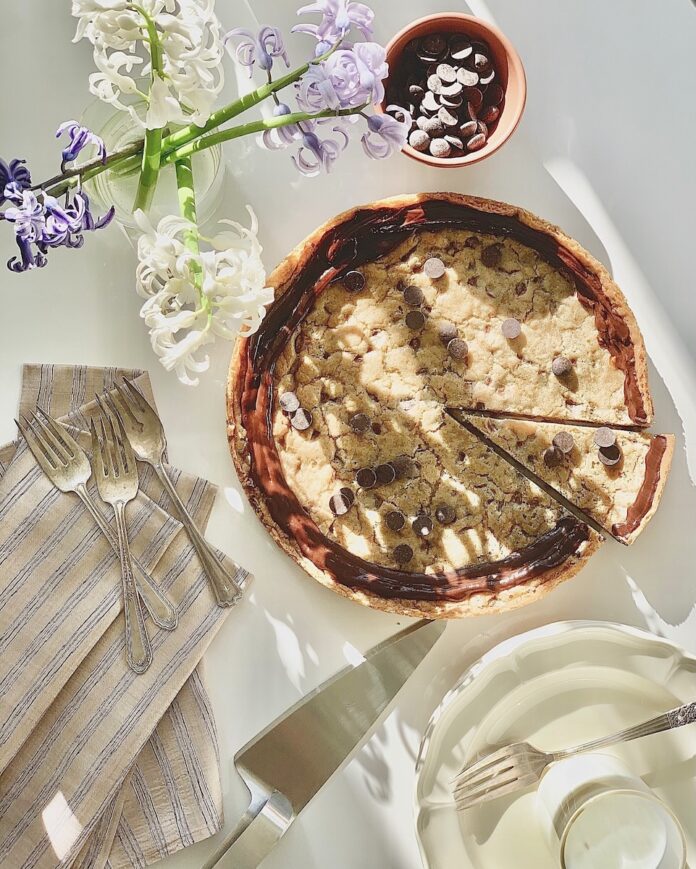
Dig into a decadent and family-friendly Chocolate Chip Cake recipe that gets all hands on deck. Just 10 ingredients turn into a sweet treat that’s like a chocolate chip cookie and a cake all in one. Then, we add a ganache drizzle over the top that adds a rich, extra dose of chocolate. You can even let the kids each have their own little piping bag to decorate their slice of the cake as they would like.
About the Chocolate Chip Cake Author
Jenn Clark of CRATE Kitchenware and Cooking School knows her way around the kitchen. She also knows how to teach others to get to know their kitchens better – kids included. Besides the classes, she also takes orders for kitchen gear and key ingredients (like the Callebaut chocolate and Nielsen and Massey almond extract called for in this recipe.) Today she shares with TABLE Magazine readers a time-tested favorite that’s great to get the kids in the kitchen for some family fun.
Put ¾ c of the chocolate chips in a small heat-proof bowl. Bring the cream to a heavy simmer over medium heat and pour it over the chocolate.
Cover with plastic wrap and set aside for three minutes. Whisk from center of the bowl out to the edges until smooth.
Cover again with plastic wrap sitting directly on the surface and set aside at room temperature for at least 4 hours or overnight.
For the chocolate chip cake:
Position a rack in the center of the oven and preheat the oven to 350 F. Grease a 10-inch removable bottom cake pan with 1 ½ tbsp of softened butter, then press a round of parchment into the pan. Grease the top of the parchment with ½ tbsp butter.
In a medium bowl, whisk together the flour, baking powder and salt. In the bowl of a stand mixer with the paddle attachment, cream the remaining 4 oz butter with brown sugar and vanilla and almond extracts on medium speed until well combined, about 1 min.
Increase the speed to high and beat for 15 seconds. Stop the mixer, scrape the bowl, and add the egg. Blend on medium speed for 30 seconds. Add the dry ingredients and combine on low speed until just combined.
Add the chocolate chips that remains after you’ve made the ganache and mix for a few seconds until combined.
Scrape the batter into the prepared cake pan. Dip a rubber spatula in water, shake off excess, and use it to press the batter into a smooth and even layer in the pan.
Bake until lightly golden and puffy around the edges (the center should feel quite soft)…about 18 to 22 minutes. Let cool for 10 minutes and the run a paring knife around the edge of the pan to release the cake. Let cool for at least 2 hours before removing the parchment, then invert back onto a cake plate or stand. Can be made a day ahead.
Use a rubber spatula to fill a pastry bag fitted with a tip with ganache. Pipe the ganache back and forth across the cake, or as you will!
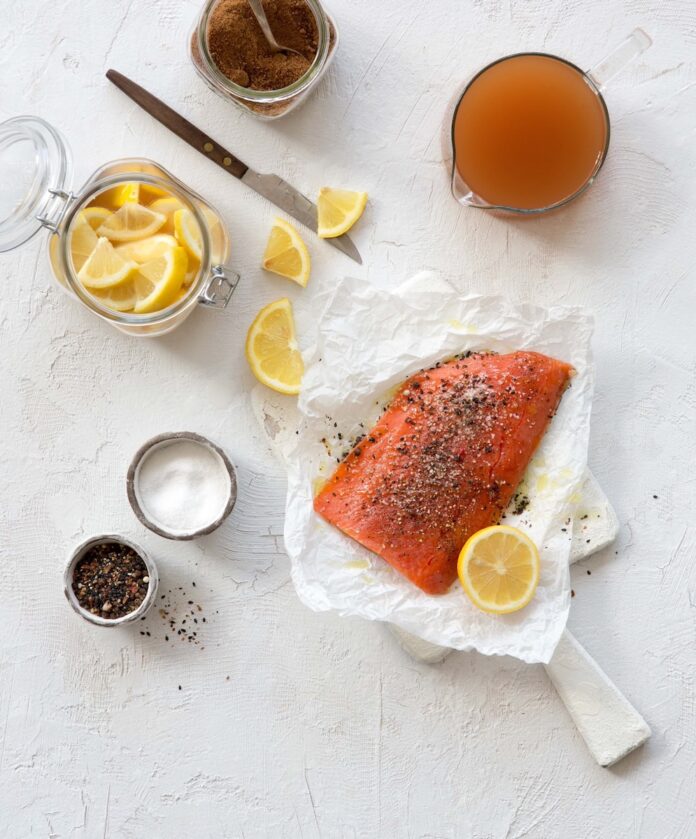
This Grilled Lemon Salmon uses a vibrant and herbaceous marinade that’s both tangy and savory. The recipe features a bright, homemade citrus shrub, perfectly balanced with salt, pepper, pungent garlic, and a medley of fresh, fragrant herbs. The result? Flavor-infused salmon fillets with crispy skin, ready to be the star of your next meal.
Shrubs, What Are They Anyways?
Shrubs may be a current trend in the craft cocktail scene, but this method of preserving the harvest goes back to at least the 15th century. Basically an infusion using any fruit, herb, vegetable, even nuts, shrubs historically use spirits as a base, combining fruit and herbs with rum (or brandy) and sugar. After letting the mixture stand for several days, you strain the fruit, resulting in a custom, seasonal cordial.
Another version, and the ones found on trendy back bars today, is what was once called “drinking vinegars.” Similar to the boozy version in preparation, the spirit is replaced with vinegar, resulting in a sweet and tangy fruit-flavored syrup that is an unexpected base for a number of applications from simple refreshing sodas and cocktail mix-ins, to marinades, sauces, and dressings.
The combination of fruit, herbs, vinegar and other ingredients is endless. This basic shrub in the recipe below uses cider vinegar, which is softer than white, especially when using citrus as your base fruit. But, play around with different seasonal fruits, herbs, and types of vinegar.
The citrus shrub infuses every bit of the salmon with flavor.
Ingredients
Scale
1 cup citrus shrub
1 tsp salt
1 tsp cracked black pepper
3 to 4 cloves garlic, finely minced
1/2 cup chopped fresh herbs (basil, parsley and thyme is ideal for this recipe)
4, 6-oz skin-on salmon filets
For the citrus shrub:
3 to 4 large lemons, rinsed and scrubbed (approximately 4 cups chopped), preferably organic
3 cups organic cane sugar
2 cups organic cider vinegar
Instructions
Whisk together the shrub, seasoning, garlic, and herbs for the marinade. Season with salt and pepper, to taste. It should be tangy, a bit sweet, and fresh with a little garlic kick.
Place salmon filets in a shallow dish, pour marinade over and coat both sides. Cover and place in refrigerator for 30 minutes, or up to 2 hours.
Oil grill and heat to high (400 degrees). Place salmon filets, skin-side up on grill. Cook 2 to 3 minutes per ½-inch thickness, then turn fish over and cook skin-side down another 2 to 3 minutes, until fish begins to flake with a fork. Serve skin-side down, or remove skin altogether before serving.
For the citrus shrub:
Cut lemons into ½-inch slices, and then quarter the slices. Place in non-reactive (e.g., glass) bowl. Cover with sugar and stir to coat.
Let the lemon-sugar mixture sit for at least 4 hours (or up to several days in the refrigerator), until the sugar has begun to extract juice from the lemons, creating a syrup.
Add vinegar to the bowl with the lemon-sugar mixture. Stir until any remaining sugar is dissolved. Place mixture into a sterile glass jar, cover, and let sit in refrigerator for 2 to 3 days more. Strain away the fruit solids, press to remove any residual juices, and put the liquid “shrub” into a clean jar or bottle.
Once strained, add additional fruit to your shrub if desired. Seal and refrigerate for up to 6 months.
Recipe and Story by Rhonda Schuldt Styling by Quelcy Kogel Photography by Adam Milliron
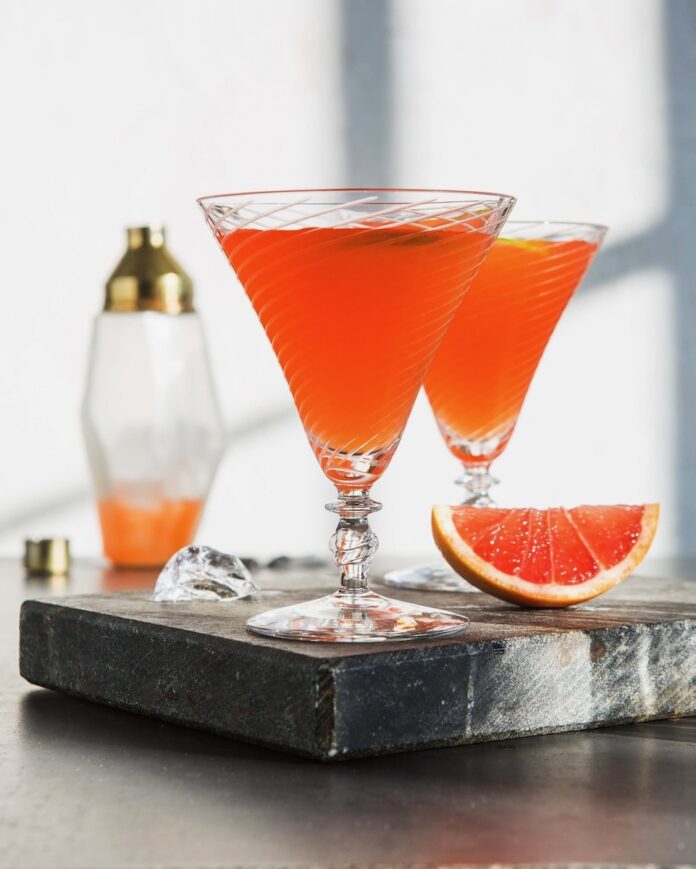
It’s time for a chartreuse cocktail! Summer is always a welcome arrival for bartenders with cocktail ingredients like gin and green chartreuse taking the reins. During this time, calls for Manhattans start to slacken, and cocktail menus brighten up, flooded with floral gins and white rum, citrus and sparkling wine, and oodles of fresh herbs and berries perfect in in cocktails for the summer season.
Origins of the Gypsy Eyes, Green Chartreuse Cocktail
Chris McClain found one such cocktail on a visit to famed NYC cocktail bar Death & Co. McClain and his wife ordered the Gypsy Eyes, and it was love at first sip. “The tang of the grapefruit against the pungent herbs of gin and chartreuse create a perfectly balanced cocktail,” he explains. McClain’s version uses Gin Foundry Europa, a London dry gin that counts grapefruit among its ten botanicals.
A twist on a classic summer beverage, the Prickly Ranch Hand includes delicious prickly pear liqueur for a dash of sweetness. It also uses local New Mexico spirits from Vara Winery and Distillery, Altar Spirits, and 505 Spirits but you can also use a distiller closer to home.
Can I Make My Own Prickly Pear Liqueur?
In case you would rather make your own liqueur for our Prickly Ranch Hand than buy off the shelf, all you need are ripe prickly pear fruits, vodka, and simple syrup. There are a few ways that you can prepare the prickly pears for the infusion. You could mash them with a fork or use your hands to gently break up the pulp. Or, you could peel the fruits and cut them into chunks in case you’re looking for a speedier route. After the fruits are prepped, simply let the vodka and prickly pears macerate for at least 24 hours. Then, you’ll strain the liquid into a jar and stir in some simple syrup for a bit of sweetness.
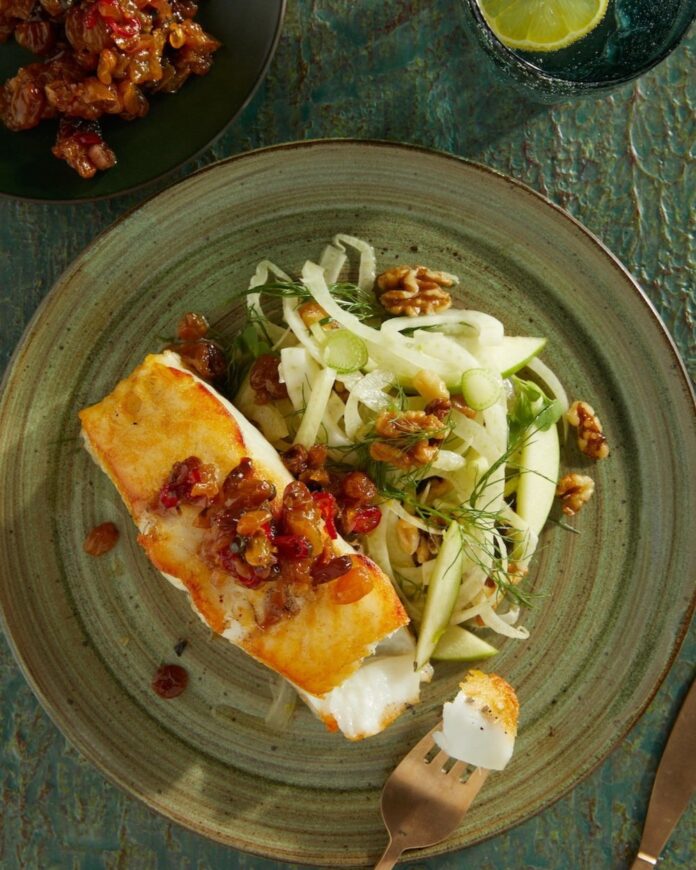
Whenever you want to treat you and your partner to a dinner that makes you feel like you’re living right on the shore, break out this Seared Sea Bass with Raisin Chutney and Fennel Salad. Imagine flaky, perfectly seared sea bass, its delicate flavor balanced by a sweet and tangy raisin chutney. Then, brighten it all with the crisp freshness of a fennel salad. This dish is a delightful mix of textures and tastes, offering a sophisticated yet approachable cooking experience that’s sure to impress.
How to Pick a Cut of Sea Bass for Searing
If you’re headed to your local fishmonger to pick up a fresh sea bass filet for better quality, there are a few things you’ll want to look for. Just by looking at the selection of sea bass, you can tell some things right off the bat. Look for a translucent, white color with possible pink hues depending on the variety. We recommend picking out a thicker cut of sea bass because it holds in the juices better, keeping the fish from drying out too quickly.
Pat your fish dry with a paper towel and season with salt. Heat a non-stick skillet over high heat, add enough olive oil to coat the bottom of the pan, once the oil is very hot, add your fish to the pan and sear the top until golden brown.
Once you have reached the desired color, flip the fish and continue to cook just until the center of the fish is cooked (around 120 degrees)
For the chutney:
Add all ingredients to a small pot and simmer and reduce until most of the liquid has evaporated and the raisins look glossy, set aside and serve on top of fish at room temperature
For the fennel salad:
Thinly slice fennel and apple and add to a bowl, add walnuts, olive oil, lemon juice, and salt and pepper, and lightly toss until everything is evenly coated
To plate:
First, add your fennel salad to the plate, set your seared fish on top of the salad, and then top with chutney
Recipe and Styling by Anna Franklin Photography by Dave Bryce
If we’re thinking of perfect pairs, coffee and bourbon deserve a top spot. The bitterness of a deep brew matches the nutty, light burn of bourbon, resulting in a smooth sip that takes every cocktail to the next level. It’s even a way to get those who don’t like bourbon sipping a strong cocktail or vice versa.
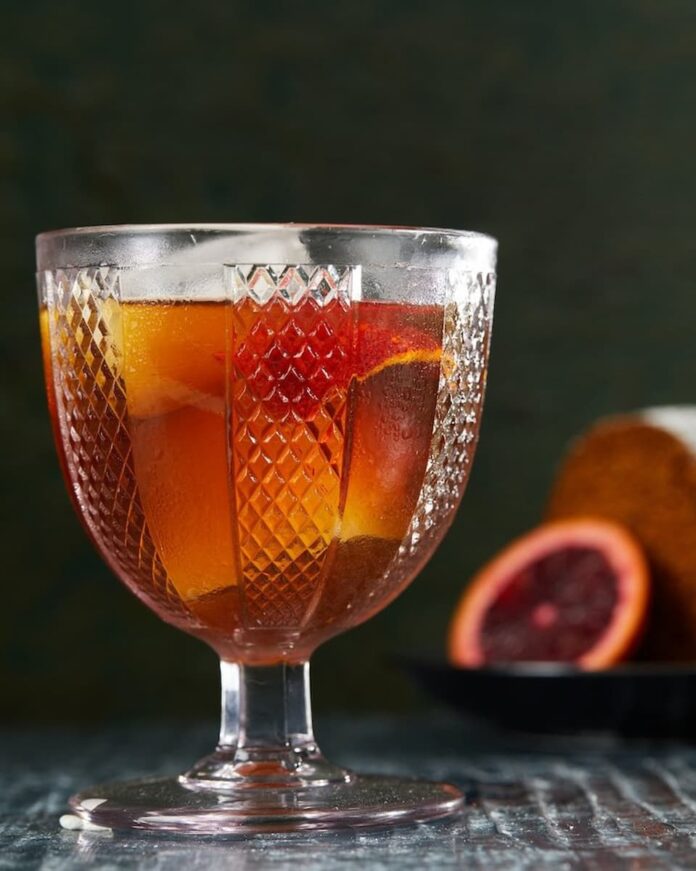
Get a taste of this duo yourself in this strong after-dinner drink, The Revolver. Coffee liqueur blends with bourbon and orange bitters for a well-balanced, easy-to-make cocktail that you’ll want to make for every celebration.
Selecting Which Coffee Liqueur Goes With Bourbon
Just about any coffee liqueur you pick up will meld with bourbon but there are a few things that could make a difference. When it comes to types of coffee liqueurs, each uses a different brewing strength and various levels of sugar content. This is where your personal preference comes into play. However, it should also be noted that different coffee liqueurs use different base options such as vodka, bourbon, or rum. Therefore, the overall flavor of the cocktail will change depending on which kind you use.
The relatively arid mountain climate of northern New Mexico puts the drying of important ingredients at the center of great cooking. Known worldwide for its delicious chile varieties, its centuries-old sun-drying method of stringing and hanging chiles in long bundles known as ristras adds a deeper and more complex flavor profile to these ubiquitous peppers.
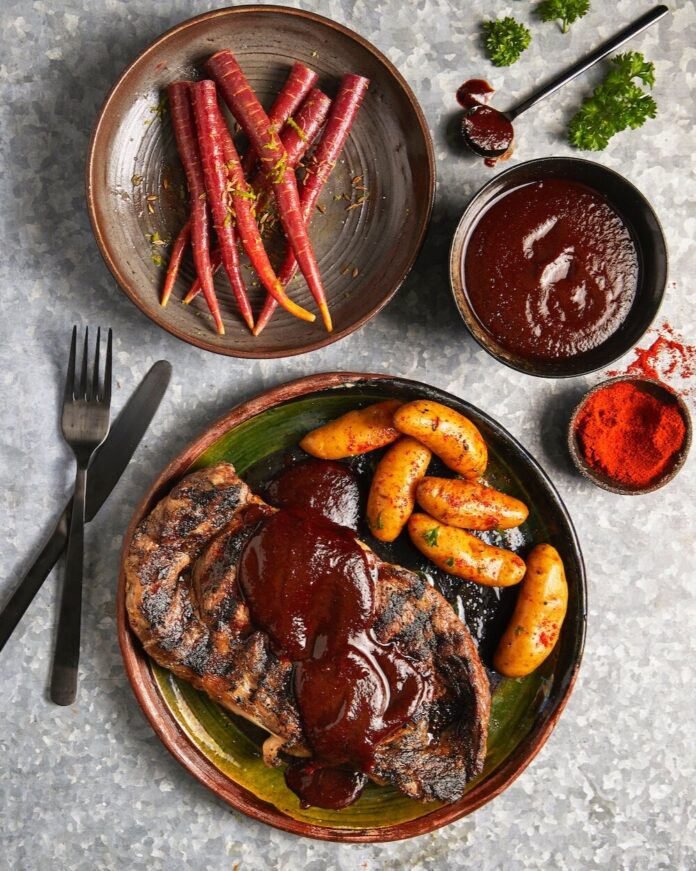
And like any ingredient that has been aged, the impact on the palate is profound; rich, smokey, decadent, and good on just about anything; warmed up as a gravy, room temperature as a condiment, or cool right from the fridge as a dip for cheese or fresh veggies. Set aside a small dish or two to experiment by adding heat or lime juice or salt so that you know how you like it best. Plus, this Red Chile Sauce goes perfectly with just about any dish you end up making. (Hint…mix a spoonful with some melted butter and brush it on apple pie before serving!)
What’s the Difference Between Ancho Chiles and Guajillo Chiles?
Ancho chiles and guajillo chiles, while both staples in Mexican cuisine, differ in both taste and appearance. Ancho chiles are the dry form of poblano peppers with a wider, heart shape. They also have a milder heat level, typically between 1,000 to 1,500 SHU. Their flavor is usually rich and fruity with deep, earthy undertones. Guajillo chiles, on the other hand, are the dried form of mirasol peppers that have a thinner shape and a slightly higher heat level, ranging from 2,500 to 5,000 SHU. Compared to ancho chiles they’re brighter and more complex, with fruity, tangy notes and a little smokiness.
A delectable Red Chile Sauce that goes on everything from chicken to vegetables and just about everything in between.
Ingredients
Scale
8–10 whole dried guajillo chilies
8–10 whole dried ancho chilies
3 tbsp finely chopped white onion
5 garlic cloves, whole with peel
2 tsp ground cumin
1 tbsp Mexican oregano, crumbled
1 bay leaf
1 tsp brown sugar or piloncillo (unrefined Mexican brown sugar that comes in cones)
8 cups chicken broth
Kosher salt, to taste
Instructions
Rinse chilies and split open, discarding stems, seeds, and ribs.
Add chilies onion, garlic, cumin, oregano, bay leaf, salt, and brown sugar to a stockpot or Dutch oven and simmer low in chicken broth for 30 minutes. Let cool for 10 minutes. Puree all ingredients in batches with boiling liquid.
Pour puree through a colander into a clean stockpot, pressing on solids, and discard solids; repeat the process until all ingredients have been blended and strained. Simmer low until sauce is reduced by an inch. Add a pinch of salt to taste, if needed.
Story and Recipe by Gabe Gomez Styling by Jasmine Zavala Photography by Dave Bryce
Brunch will never be boring again with this Espresso Martini recipe.
If you’re like me, the smell of coffee is what gets you out of bed in the morning. Well, I’ll give you one better: coffee and cocktails. What better sip to start your brunch than a kicky espresso?
Bursting with baking spices and unquestionably coffee-forward, this brunch-ready espresso martini is made with Lawrenceville Distilling’s Parking Chair Vodka and Maggie’s Farm Rum Coffee liquor (a rum-based spirit that packs a caffeinated, cold-brew kick). If you have a local favorite, go ahead and swap it in; we recommend using whatever local distiller is at the top of your list. Ladies and gentlemen: start your engines!
Why Are Local Spirits Best for This Espresso Martini?
It seems easier to head to any store and grab any two bottles off the shelf but using local spirits in this Espresso Martini elevates it to restaurant level. Often made with locally sourced ingredients these spirits reflect the region’s terroir and can add subtle nuances in flavor that mass-market options might lack. Choosing a local vodka, for instance, introduces a smoother texture or a hint of regional grain. With local coffee liqueur, the spirit may feature beans roasted nearby, offering a fresher and more distinctive coffee profile. By opting for local spirits, you’re not only enhancing the cocktail’s character but also contributing to the local economy.