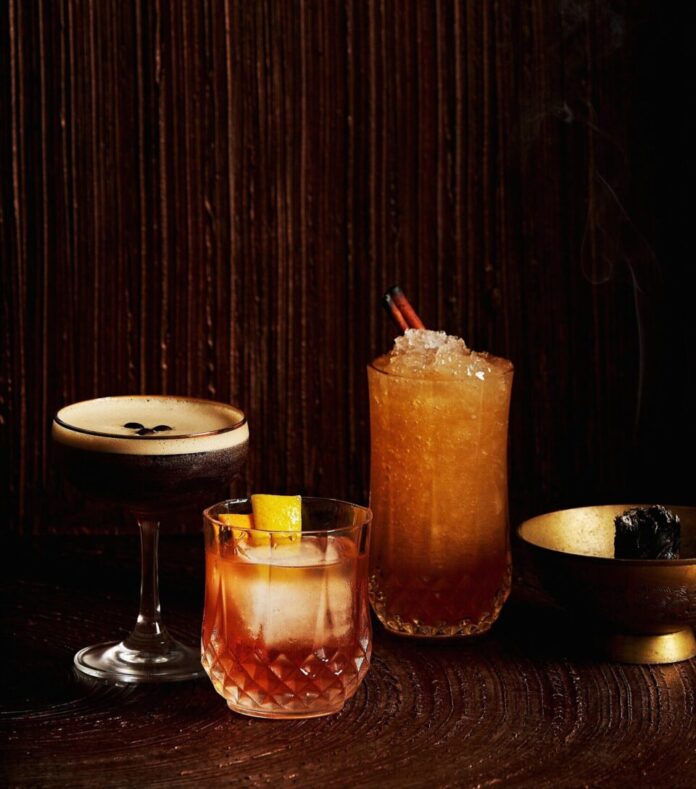
Cecil Usher of Mindful Hospitality invites us to mix up three variations of classic cocktails for a social hour with friends. They’ll be impressed with your magic mixology. So will you!
About These Classic CocktailVariations
Frozen Cider House Mule
We’ve turned the mule upside down and practically into a snow cone too. Serve a sweet and slightly spiced mix of rich apple cider with a recognizably ginger syrup. The addition of acidic lime juice and a few dashes of bitters lands this cocktail somewhere between sophisticated and comforting to the kid-at-heart.
St. Clair Old Fashioned
The St. Clair Old Fashioned offers a bit of a twist on the classic Old Fashioned. It really lets your selection of bourbon shine with a touch of sweetness from the cocktail syrup. The aromatic complexity continues in layers of both Angostura and Regan’s Orange Bitters, adding depth and bright citrus notes to the rich spirit. This variation emphasizes the quality of its ingredients and the subtle interplay of familiar yet unique flavors.
Nitro Espresso Martini
We like to think there’s no way to fall asleep after sipping on one of these Nitro Espresso Martinis. The use of cold-brew on top of coffee liqueur gives you a boost of caffeine. Plus, it takes advantage of the natural coffee flavor. A burnt sugar syrup and hazelnut liqueur provide a bit of smoky nuttiness to this classic cocktail you know and love.
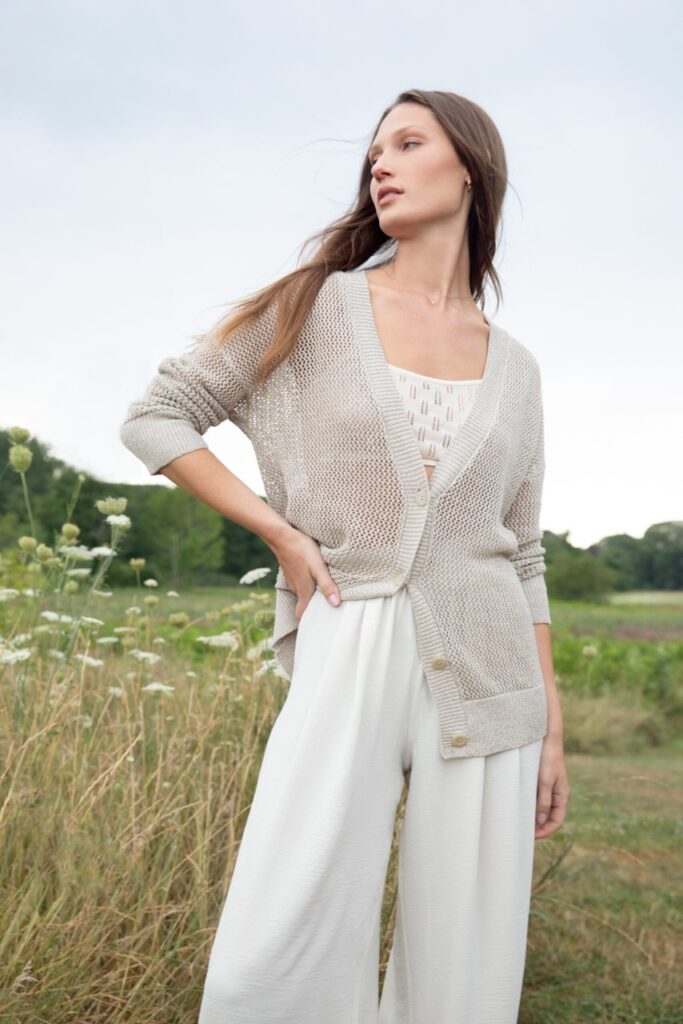
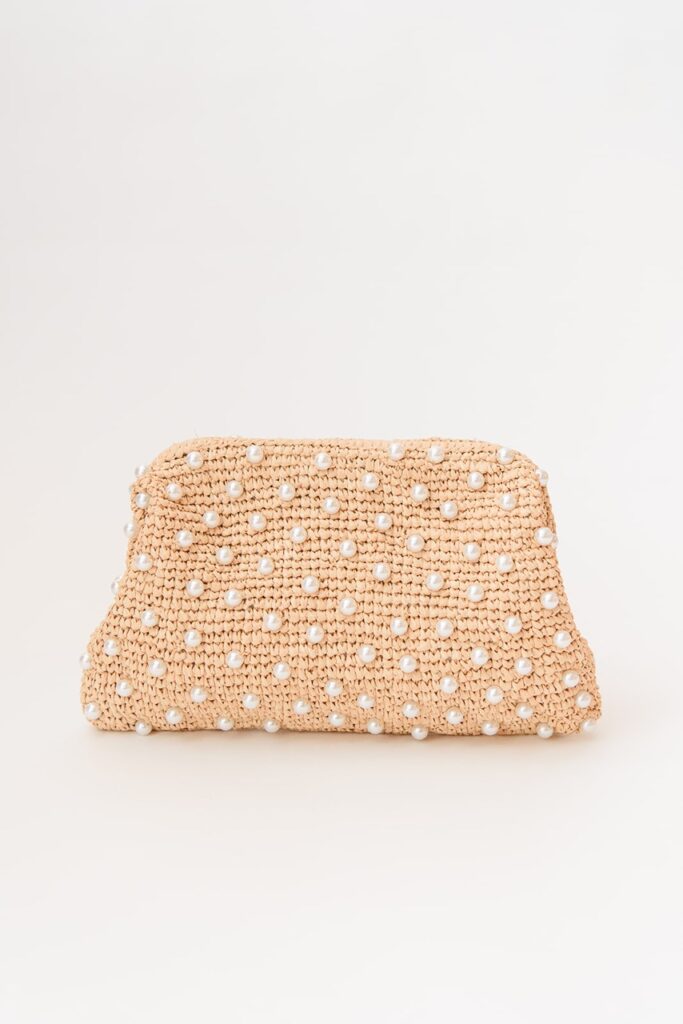
Like the sun-washed marble of ancient temples, warm neutrals at these Pittsburgh shops suggest elegance and timeless appeal. Let yourself dive into these calming tones and fill both your home and closet with this trend. Even when the trend passes, as they all do, their peaceful qualities will remain.
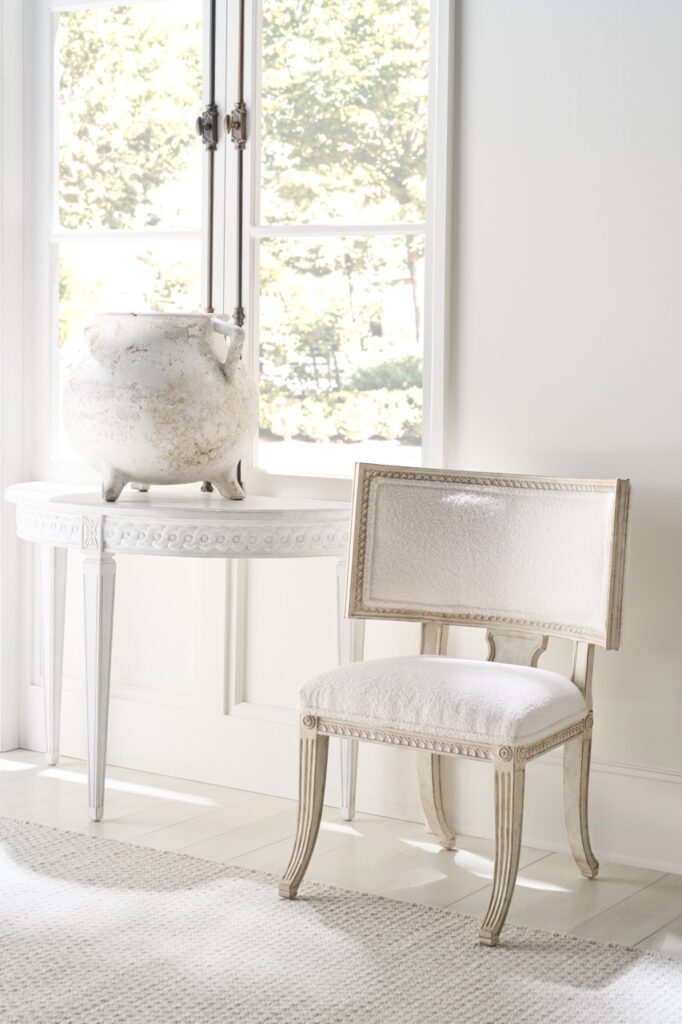
Century Furniture’s Lars Accent Chair blends Gustavian details with the time-tested forms of ancient Greek Klismos chairs. Its quiet grandeur will lift your interior.
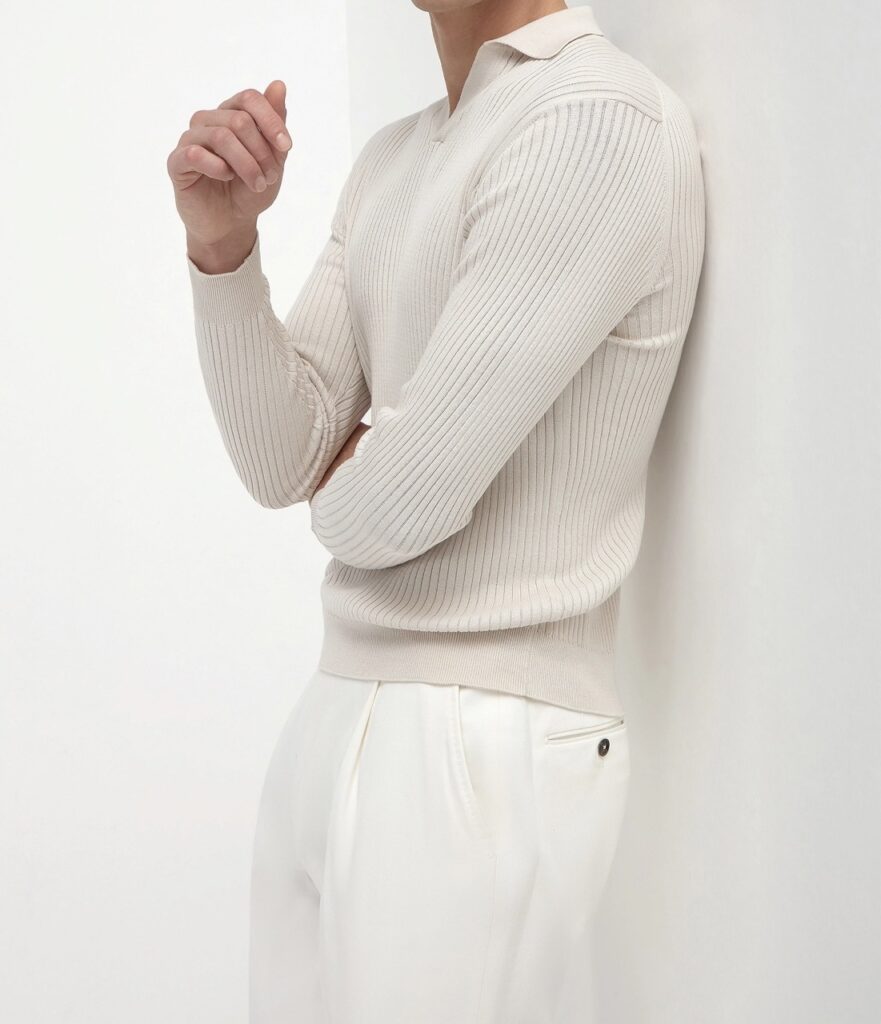
Enjoy a layer of classic Italian style with Pini Parma’s white thin rib long sleeve cotton polo. Equally impeccable with casual jeans or a dressed-up jacket.
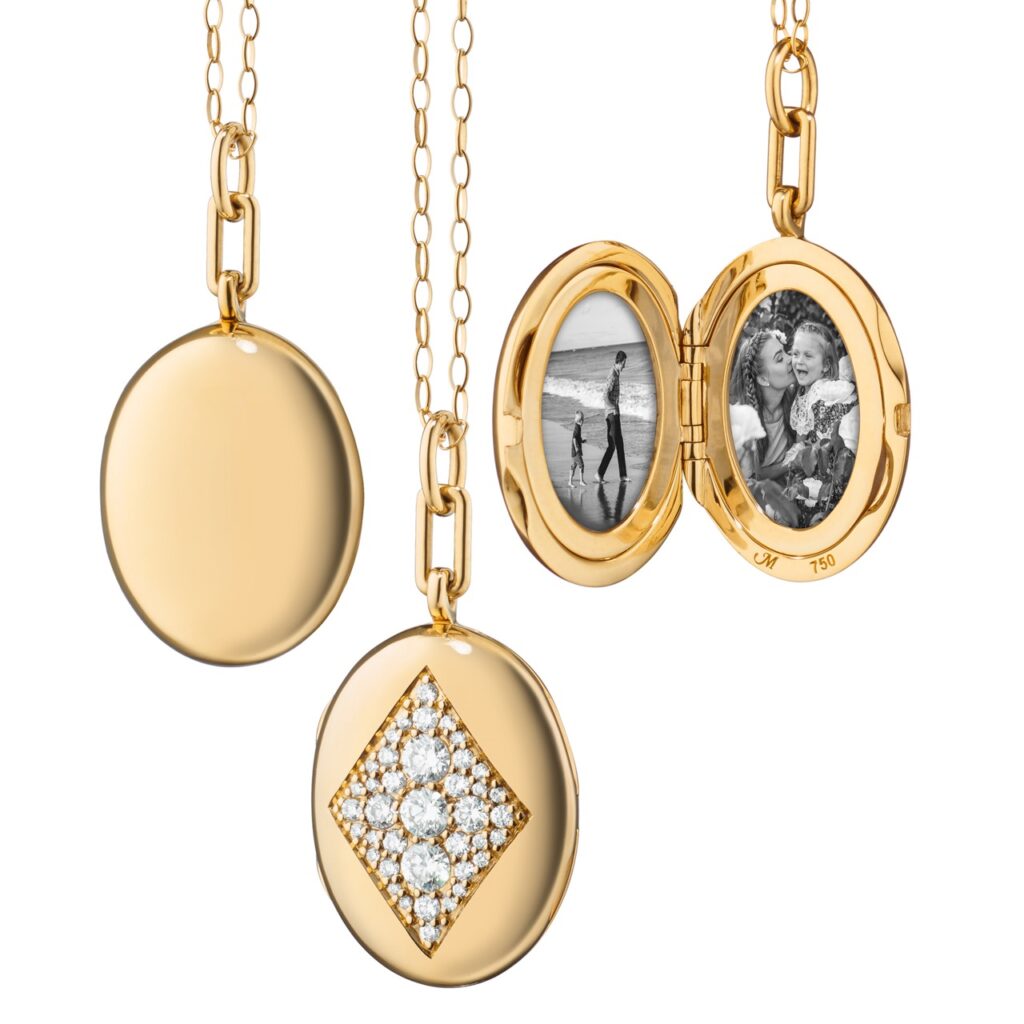
Monica Rich Kosann’s Art Deco-style locket reenvisions tradition in 18K yellow gold and pavé diamonds. The folks at Henne will help you print and fit your photos.
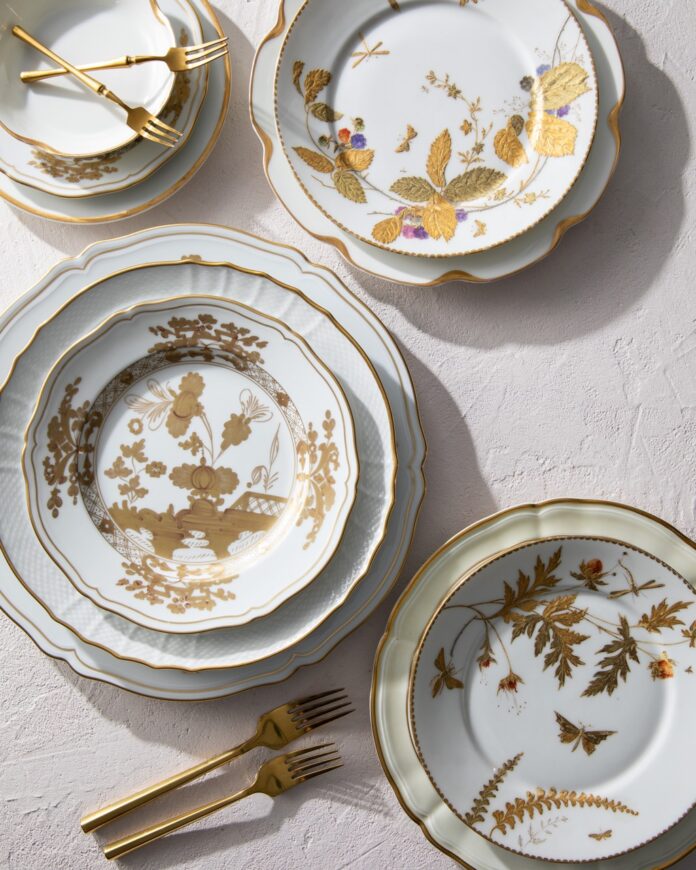
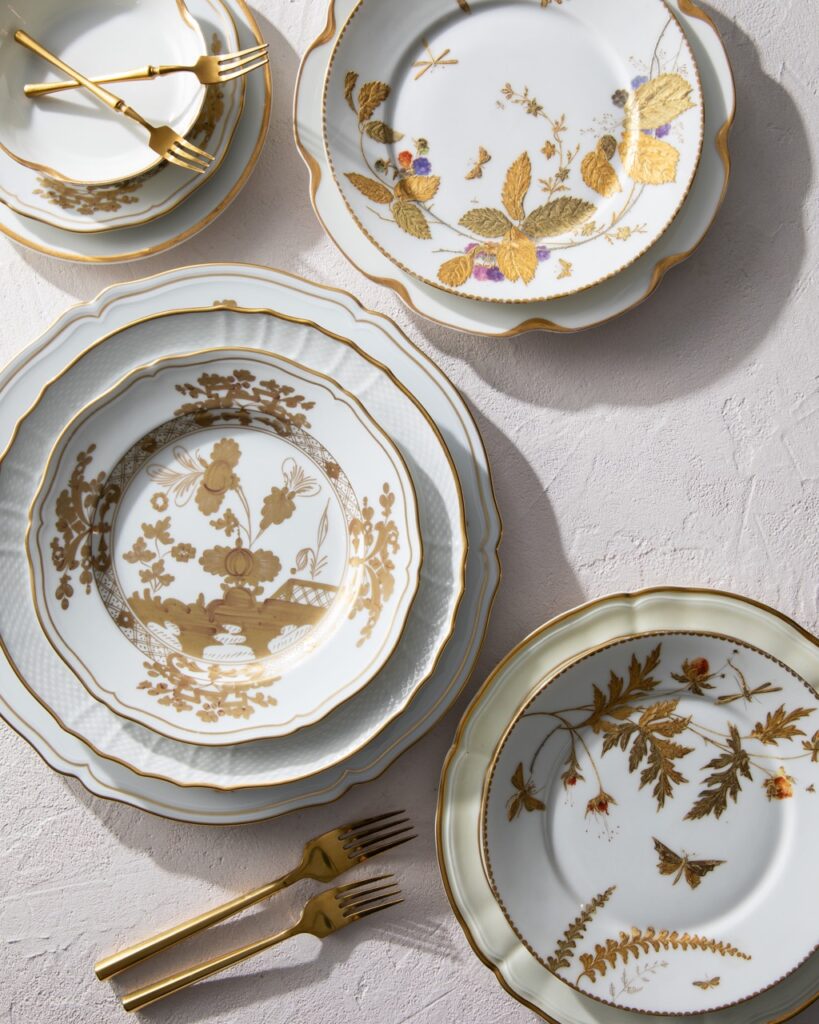
Melissa Ewen mixes Ginori 1735’s Antico Doccia and Oriente Italiano Aurum patterns with vintage hand-gilded Ginori in botanical patterns as well as vintage gold-rimmed Limoges plates from from her collection. Oriente Italiano courtesy of Glassworks. Photo by Dave Bryce.
Sewickley-based Interior designer Melissa Ewen has a plate problem: “Dinnerware is a design element I can’t get enough of.” Like most of us with a dish fetish, she finds beauty in new and old, high and low, plain and fancy.
“In design, old can be synonymous with the highly decorated, even the overwrought. And new can be associated with utilitarian clean lines and sharp edges. My current favorite pattern, from the esteemed Italian porcelain manufacturer Ginori 1735, turns those suppositions on their heads. The gorgeous pure-white porcelain of their Antico Doccia collection dates back to the 18th century and the curving profiles of late Baroque Florentine silverwork.”
“Though aged in their origin, there is nothing dated about these plates — their simplicity and refinement always feel right. Nearly 300 years later the company embellishes Antico Doccia with shimmering hand-painted gold in an Asian-inspired floral motif. These gilded Oriente Italiano pieces make for a luxurious, evocative, and elegant dining experience. Both dinnerware collections, designed 300 years apart, feel at home on today’s tables. I also love to hang these on a wall as beautiful, tactile art. There’s a reason they used to call porcelain “white gold” — old, new, or a mix of both, is always beautiful!”
Story by Stephen Treffinger, Danny Mankin, Keith Recker, and Abbey Cook
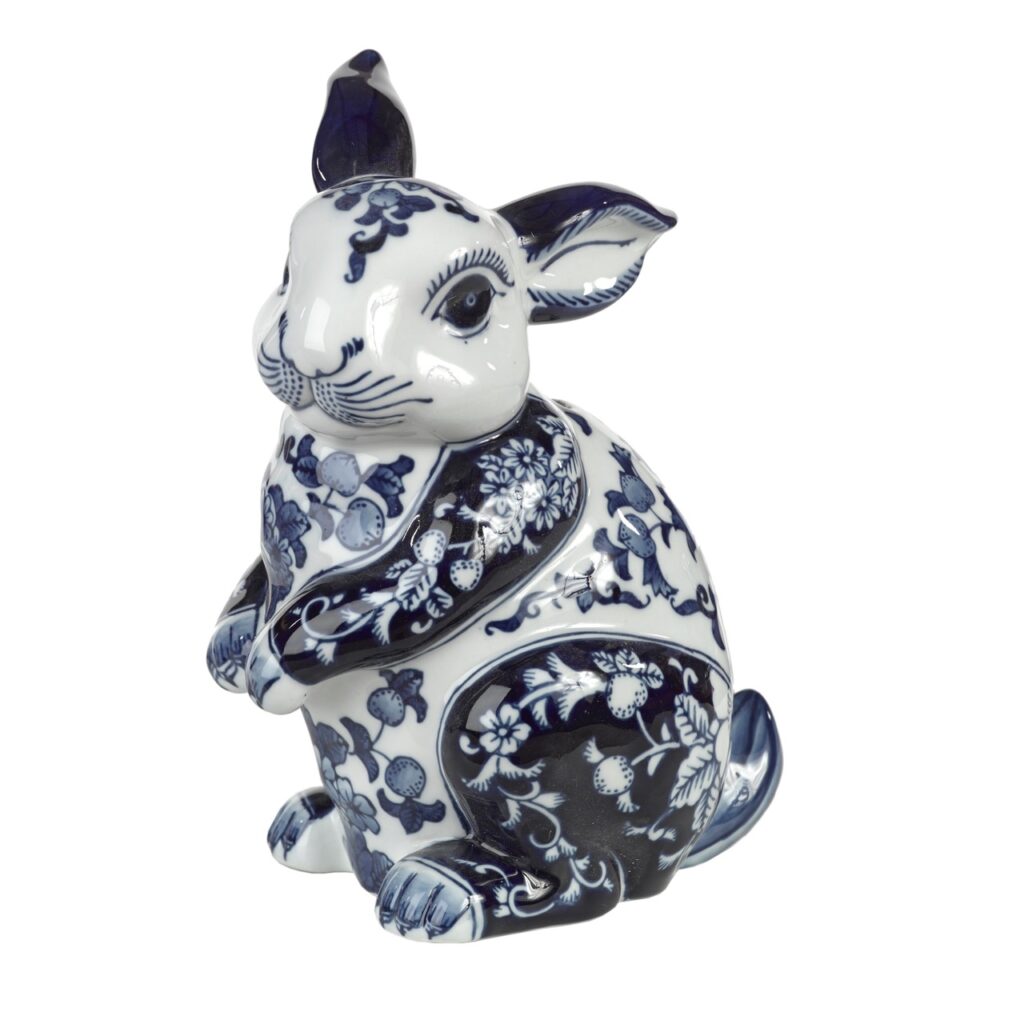
Delftware, around since the early 17th century, has achieved remarkable staying power by reinventing itself and appearing in new and new-ish forms every few years.
Delft was something of a chameleon from the beginning, and a few centuries of protean adaptability have cemented it in our visual culture. Originally cobalt blue on a white background and based largely on Chinese Ming dynasty patterns, it has depicted pastoral scenes, animals, floral motifs, and more. Following Golden Age Dutch trendsetters, English and French ceramists added their own versions of blue and white to the canon. As the decades ticked by, a tidal wave of blue and white swept into homes across several continents. While the popularity of blue and white arguably ebbs and flows, it never disappears.
In Paris during January 2025’s Maison et Objet, there were clear signs of a resurgence of interest. Many new and eye-catching interpretations were on offer, including some intriguing pieces from New Zealand-based Seletti, in a collaboration with Diesel Living, that were intentionally warped, cleverly named Classics on Acid. Royal Delft, which began in 1653, showed several innovative collections, including two editions by Arian Brekveld, a graduate of the famed Design Academy Eindhoven.
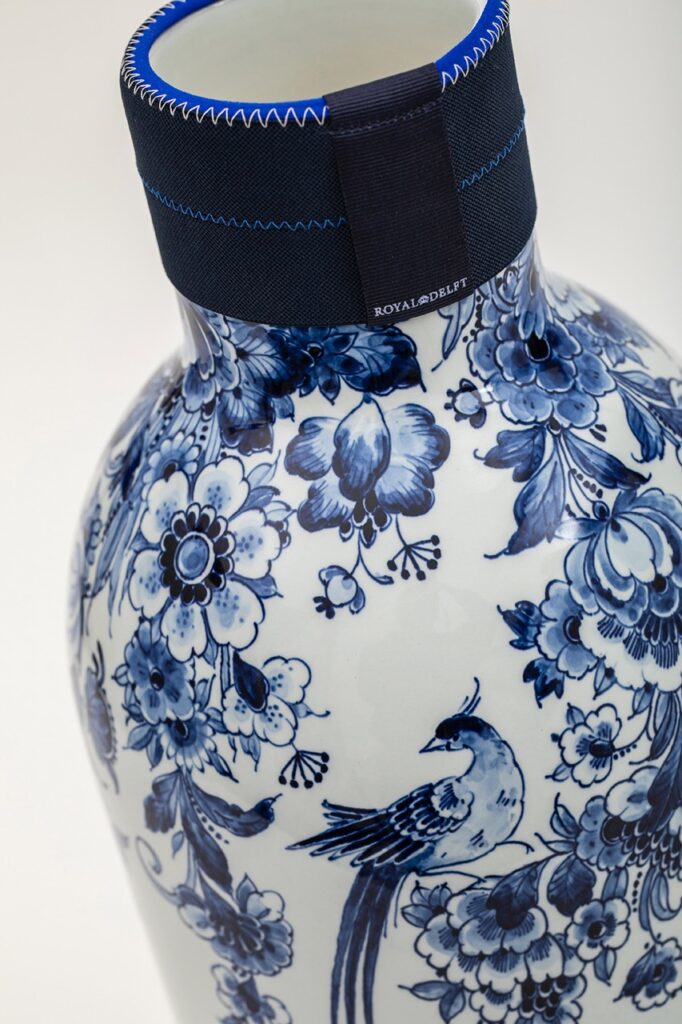
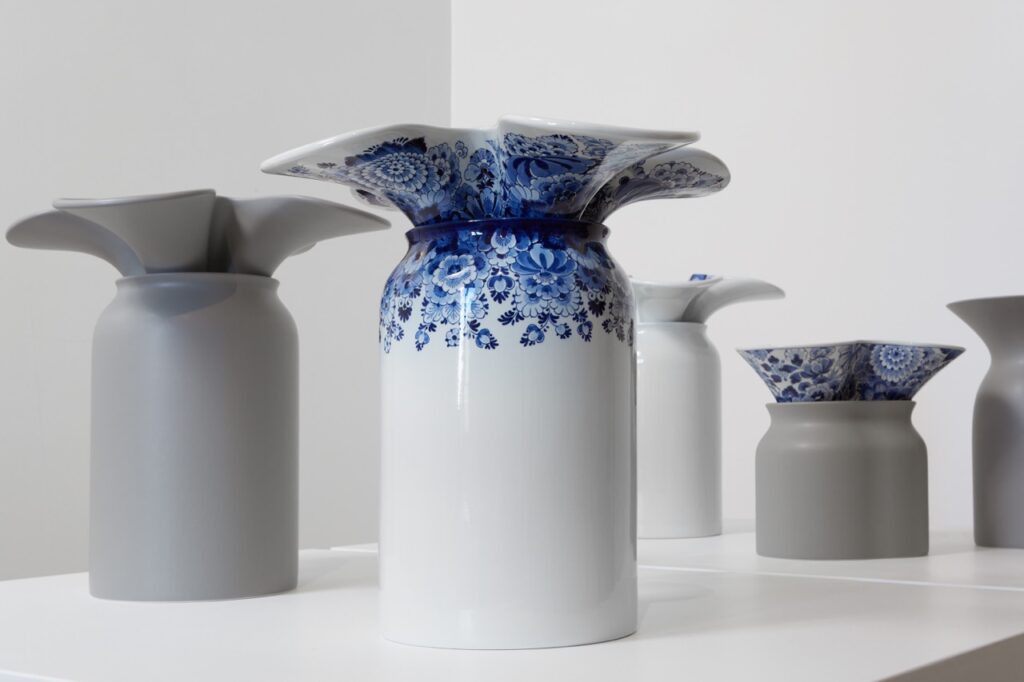
Collar Bottle Blue Edition by Arian Brekveld for Royal Delft.
His Mazzo Blue pieces are based on flowers, the word mazzo being Italian for bouquet. Elaborately painted, petal-shaped ceramic calyxes sit gracefully in plain vases, evoking very full arrangements. (You can remove the flower part and replace with actual flowers if desired.) His Blue Collar Bottles, an ongoing series, are based on“lushly decorated cups and vases that were placed on cabinets and mantelpieces as a testimony to the wealth as well as the good taste of their owners. They were produced by a number of earthenware factories in Delft and are still much in demand as collectibles.”
Mazzo Blue vase by Arian Brekveld for Royal Delft.
A New Delftware Collaboration
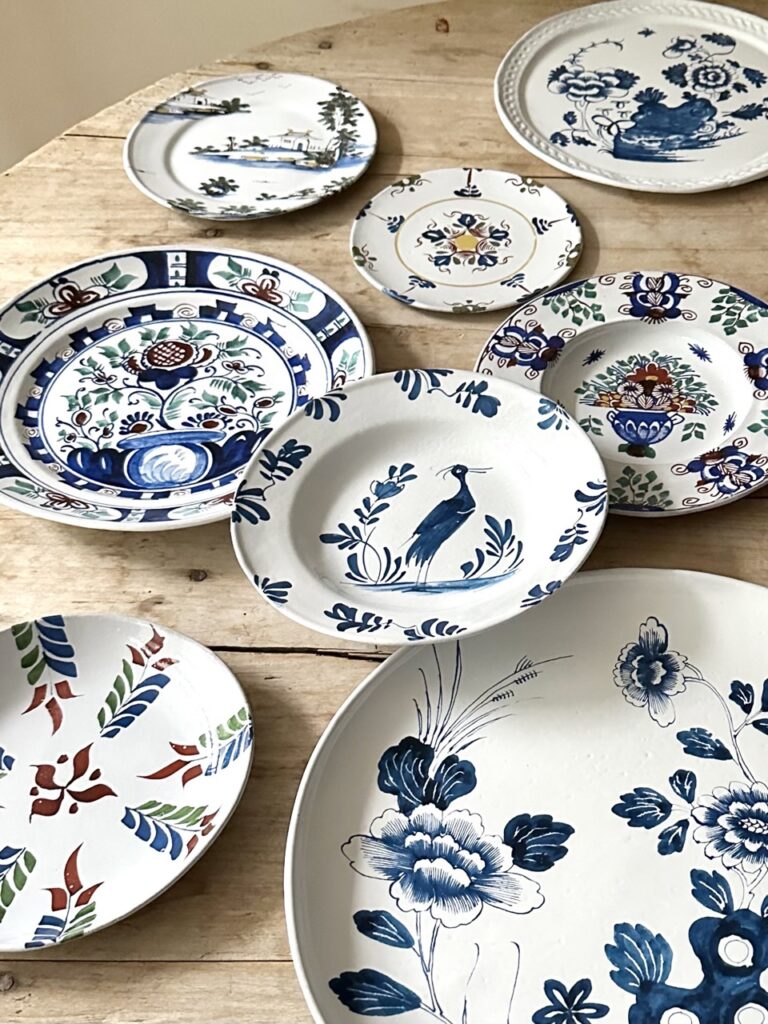
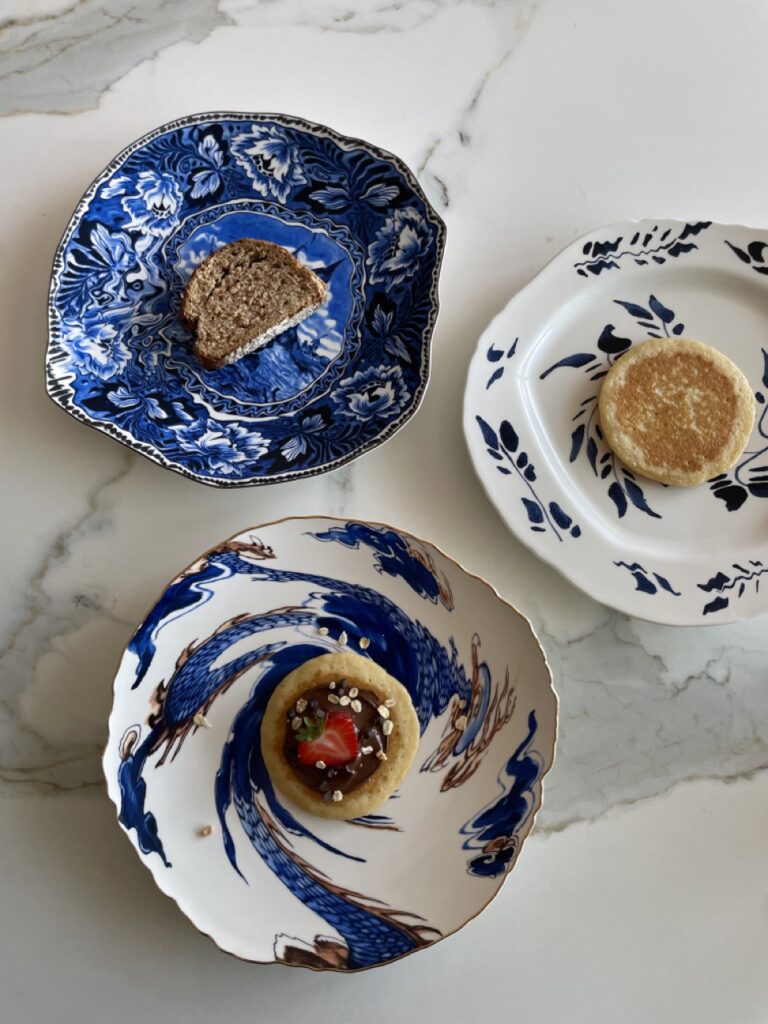
Closer to home, New York designer John Derian introduced his new Delftware collaboration with the Paris-based atelier Astier de Villatte, with whom he has worked for decades. “I love this period, the designs, the clay color, the weight, and the history. It transports me back to a time when this kind of craftsmanship was at a peak. I think I would have loved to live then.” These new pieces offer a slightly more relaxed take, with designs that look appealingly freehand, in bucolic themes such as blossoms and herons. There are 12 pieces in all, in prices ranging from $122 to $290, inspired by Derian’s own collection of 18th century Dutch and English plates.
Seletti Classics Acid plates.
“I have some of these antique delft pieces in my own collection, and then I just started seeing some real beauties at a co-op in the Berkshires and shortly after at another antique shop in New Bedford, Massachusetts. The dealer, Oliver Garland, had more to show — I basically became obsessed. I reached out to my friends Benoit and Ivan of Astier de Villatte and they, too, love that period and we were a go! I had my actual plates professionally photographed, we created decals in France, did some testing on different sized plates, and then created the collection. It is one of my favorite collections with them.”
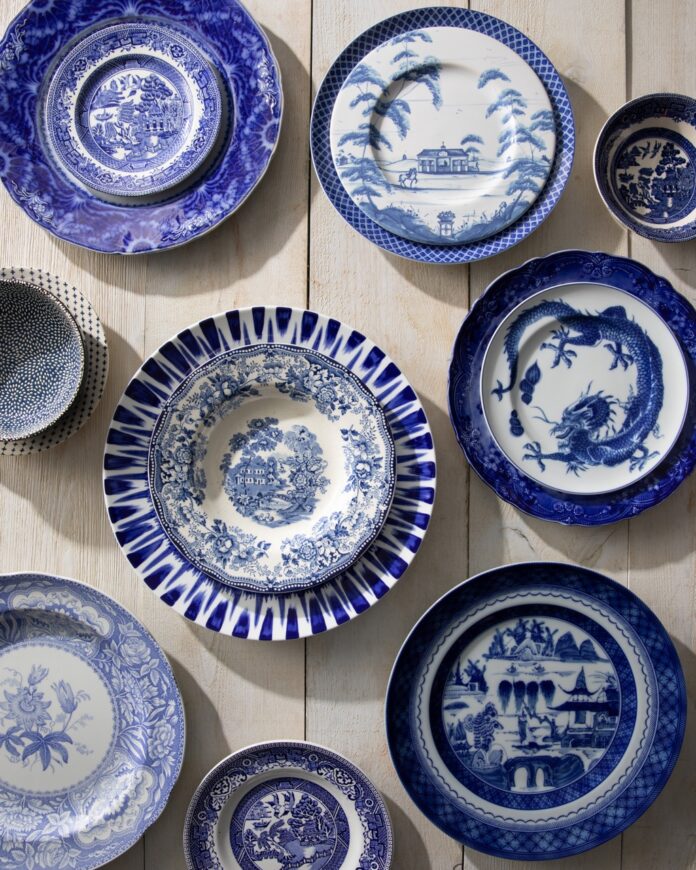
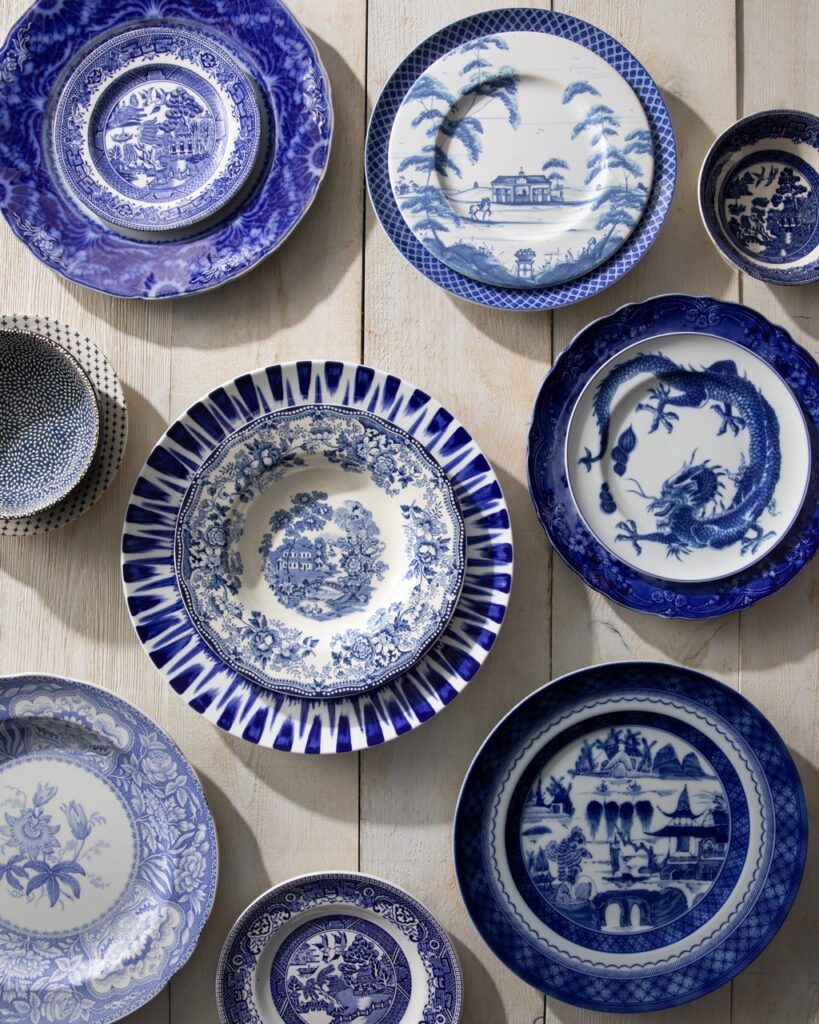
Clockwise from top left: Two vintage plates purchased locally. Juliska Country Estate salad plate resting in Mottahedeh Blue Lace Charger. Vintage Blue Willow bowl. Mottahedeh Blue Dragon salad plate resting in vintage dinner plate. Mottahedeh Blue Canton dinner plate. Vintage Blue Willow bread and butter plate. Vintage floral dinner plate. Two contemporary blue and white plates. Center: Vintage English transfer ware salad plate resting in a Bernardaud In Bloom coupe dinner plate. All Juliska, Mottahedeh and Bernardaud dinnerware courtesy of Glassworks.
As we predicted in our trends last year, surrealism is having a moment. Is it a reaction to our otherworldly onscreen lives, or the turbulence of public sphere … or both?
Surrealism Tops Spring 2025 Fashion and Home Trends
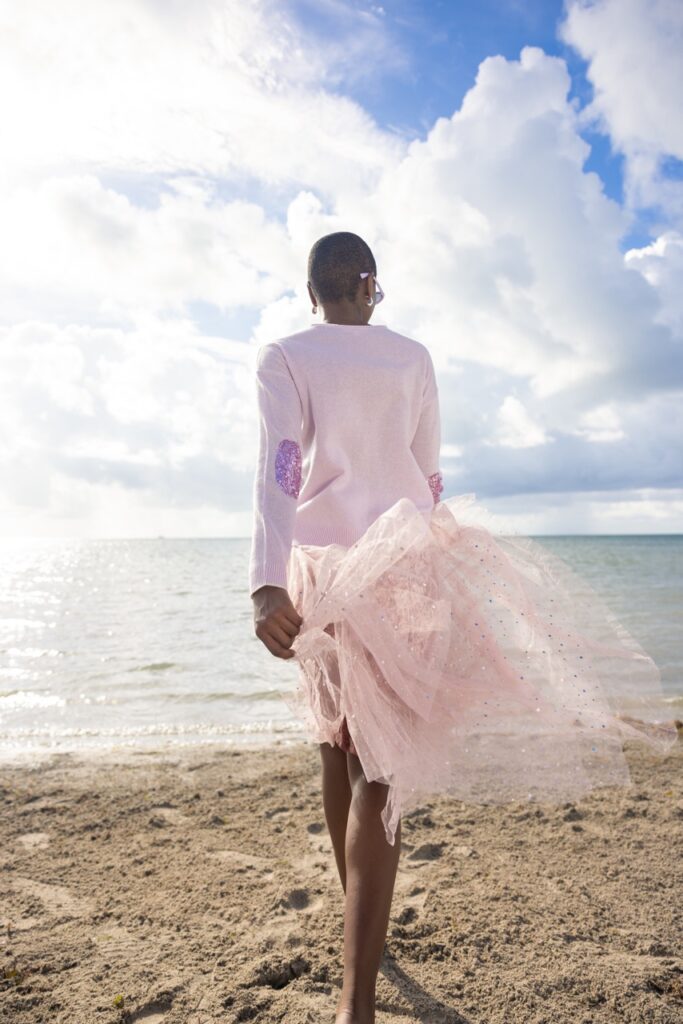
Designer LISA TODD adds a witty wink to your new favorite cashmere sweater with sequin elbow patches. Pair its relaxed silhouette with a breezy ballet skirt and you’ll find yourself floating surreally over the events of the day.
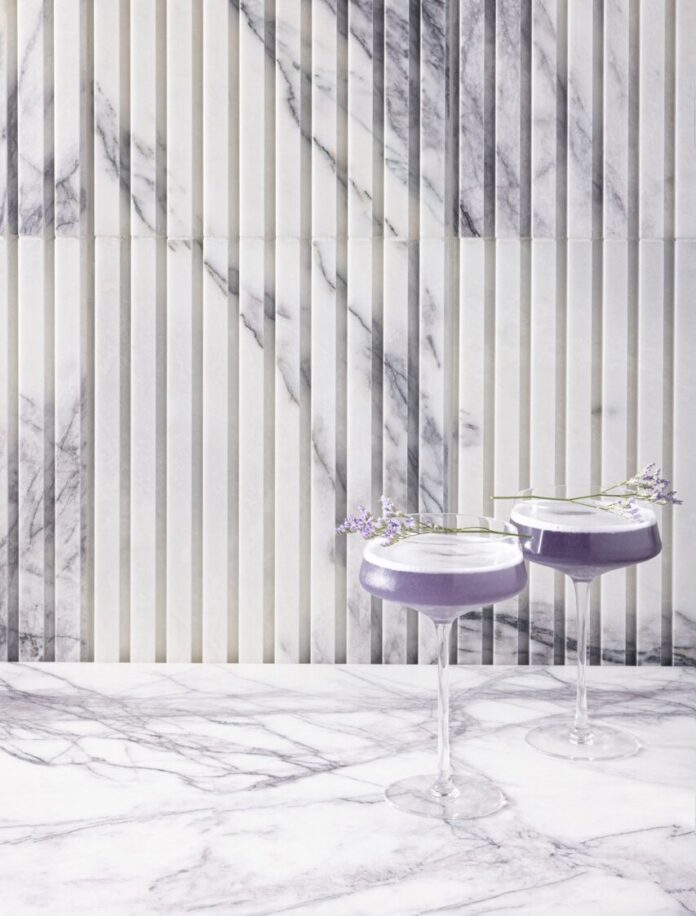
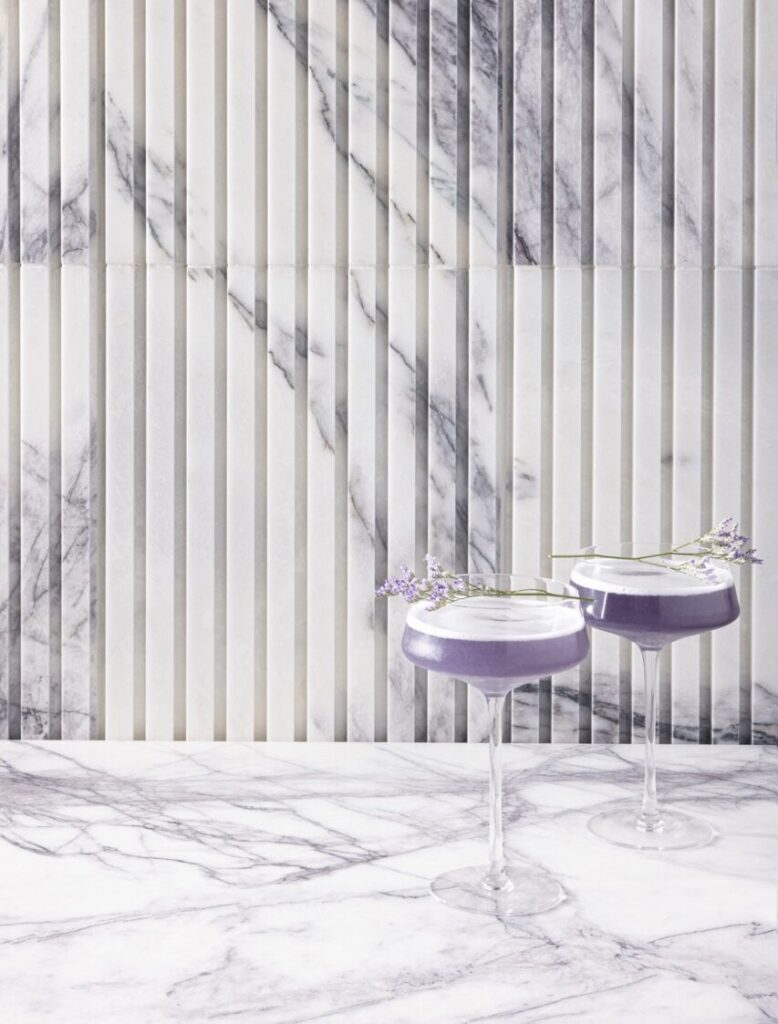
Bring an elegant aura of surreality into your home with Artistic Tile’s Groove Lilac Marble Dimensional Tile. Its natural veining (also available in three additional colors) is naturally timeless, but in purple it is ethereally sensual.
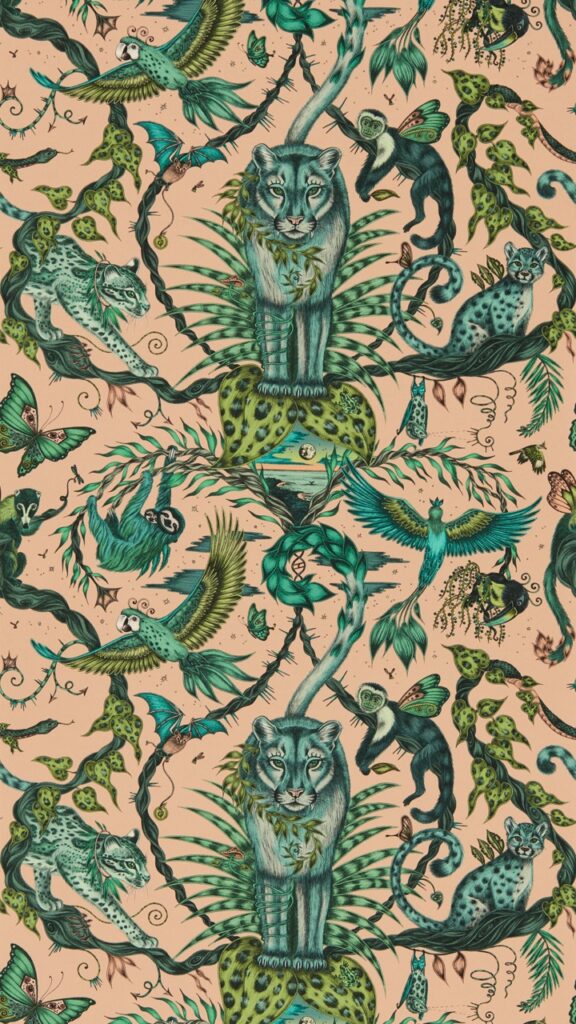
Perhaps the best version of this season’s fascination with wild animals and scary mythological beasts was shown during Déco Off at Clarke & Clarke in the form of Emma Shipley’s Mythica wallpaper collection. Its a garden of unearthly delights.
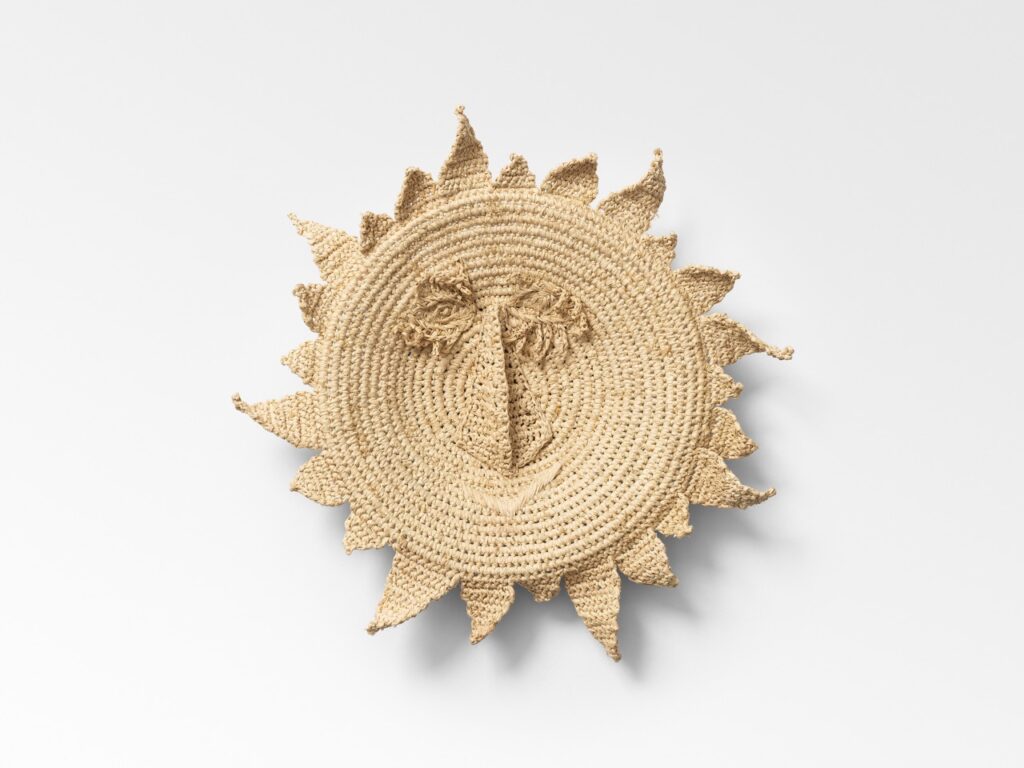
A gorgeous discovery at the recent Maison et Object tradeshow in Paris, Brilli’s work blends folk art and art history. Her work, including this exuberantly rustic raffia sun, is crafted by a small family workshop in Madagascar. Imagination and beauty shine from its sunny countenance.
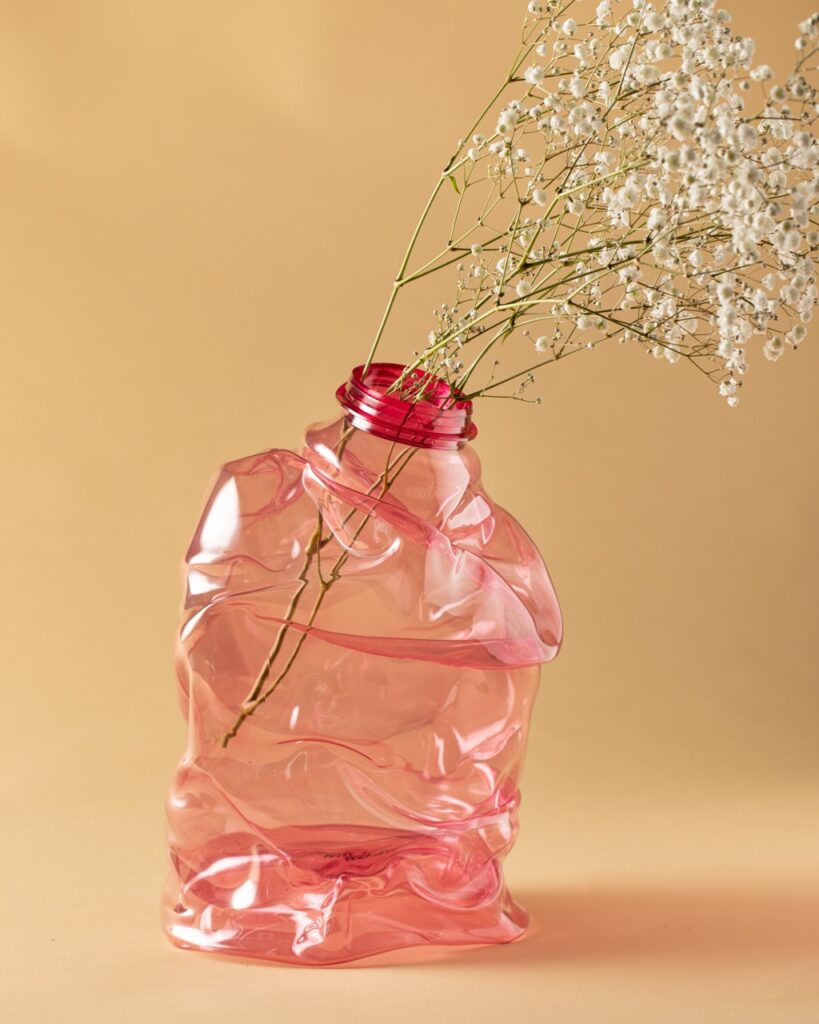
Niko June takes a playful approach to objects for the home. Their Eros Torso Hue Vase (available in three colors) is made of upcycled plastic and deliberately squished to arrive at its wonderfully quirky shape. Photo by Dave Bryce.
Strips of strips excess printed fabric are handwoven into a cotton cloth and then carefully tailored into a mens shirt. Alongside virtues of upcycling and sustaining handcraft traditions … it’s great looking! Handmade in India.
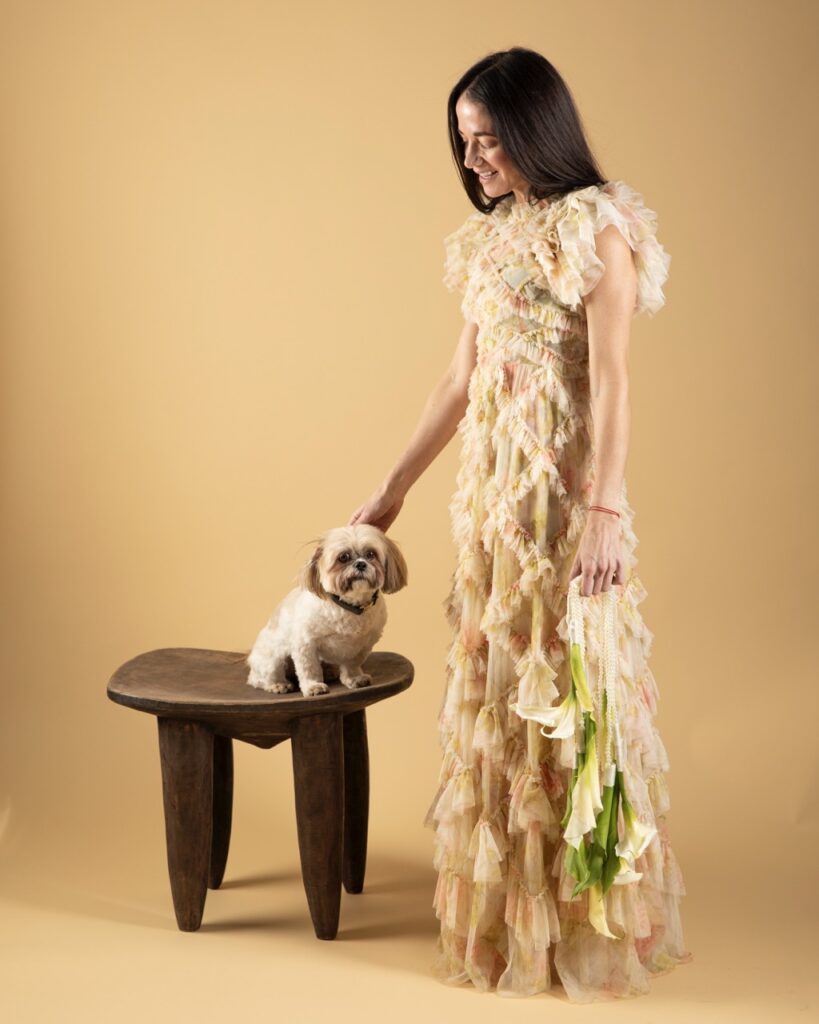
Bridal fashions seem to taking a surreal turn with bridal bouquets that behave more like accessories than bouquets. Aspinwall and Sewickley florist Fox and the Fleur explores the trend with this cluster of calla lilies strung on pearls and carried as if they were a handbag. Odd? Maybe. Fresh and sexy. Certainly. Styling by Kristi West. Photo by Dave Bryce.
Story by Stephen Treffinger, Danny Mankin, Keith Recker, and Abbey Cook
Taurus season arrives when spring is no longer a promise but a presence and we’ve got the perfect menu to accompany this zodiac sign’s time to shine.
It’s a time where air is gentler, the soil warmer, and the early bloom gives way to richer foliage and the first fruits. It’s marked by consistency – longer days, steadier growth, and a sense that nature has found its rhythm. Where Aries breaks the ground, Taurus holds it. This sign belongs to the season of rooting, ripening, and learning to trust in slow, lasting returns.
Taurus, the Power That Rests
The sign of Taurus is represented by the bull, an animal long associated with strength, stamina, and dependability. Taurus isn’t drawn to action for its own sake, but moves with purpose, aiming toward a life that is secure, useful, and richly felt. Hard work, when it comes, is accepted without complaint – the more so if it serves a practical goal. This sign excels not in forceful ambition, but in steady pursuit of what makes life good: warmth, routine, and a sense of earned comfort.
The bull has two horns, and Taurus is slow to use them. Anger or confrontation doesn’t come easily to this sign – but once roused, there is no holding it back. Ancient sources linked the stars in the bull’s horns with both ferocity and the power to raze to the ground. In this image we find an important truth about Taurus: its patience should not be mistaken for passivity. When provoked, this sign is capable of displays of immense strength and, if needed, total demolition.
In classical depictions, the bull of Taurus is shown resting, its hind legs folded beneath it. This quiet posture offers two insights: first, that Taurus can be slow to get moving, preferring rest over exertion unless there’s a real need. But second, and more importantly, it reminds us that strength doesn’t always look like action. There is a power in stillness, and Taurus excels at holding its ground. Whether in conversation, work, or personal values, the ability to sit firm and not rise until ready is this sign’s great asset.
Taurus & The Seasons
The sign of Taurus and the constellation of Taurus are not the same thing. Constellations are groups of stars visible in the night sky, while zodiacal signs are equal divisions of the Sun’s apparent path throughout the year, known as the ecliptic. The zodiacal signs are linked to the seasons, not the stars themselves.
The twelve zodiacal signs can be grouped into three categories based on their relationship to the seasons. The cardinal signs mark the beginning of each season and are associated with change and new beginnings. The fixed signs fall in the middle of each season and are known for their stability, determination, and resolute nature. Lastly, the mutable signs stand between the close of one season and the start of the next. These signs are associated with adaptability, flexibility, and the ability to navigate change with ease.
Spring and Taurus
As a fixed sign, Taurus holds the middle of spring, when the season is fully underway and new growth is all around us. Fixed signs are known for their stability, consistency, and resistance to disruption – and Taurus expresses this through groundedness, physical presence, and steady effort. You don’t rush change, but once your course is set, it’s hard to sway you. This strength of resolve can be a gift when tasks require follow-through and patience. At times, though, it may lead to inertia or resistance to needed change. Recognizing this tendency allows you to remain open to gentle shifts when necessary particularly by staying in conversation with more adaptive or initiating energies – that help you adjust course without undesirable compromises.
New Goals for Taurus
Practice flexibility in small, low-stakes decisions. Your strength lies in consistency, but over time that can harden into resistance to change. Experiment with allowing slight variations in your routine. Try a new route, update a familiar recipe, or delegate a task you usually control. These small shifts help build trust in change without destabilizing your sense of order.
Prioritize movement as a daily ritual. The melancholic temperament and earth element both incline toward stillness and heaviness. Incorporate gentle, regular movement – walking, stretching, or gardening – not for dramatic transformation, but to keep your energy circulating and your body grounded in vitality. Taurus is great at strength and weight resistance, if the gym is more your style!
Revisit and refresh your relationship with comfort. Creating warmth, beauty, and stability is one of your great strengths – so make space to deepen that practice. Are there old pleasures or routines you once loved that have fallen by the wayside? Are there new comforts you’ve been curious about but slow to welcome in? Let this be a season to refine your rituals and surround yourself with what genuinely nourishes you, body and soul.
What Qualities Does Taurus’ Zodiac Sign Have?
The zodiac signs are grouped by both element and modality, each with distinct implications for constitution and character. The earth signs (Taurus, Virgo, and Capricorn) share a grounding presence and are associated with the melancholic temperament, which is cold and dry by nature. These signs are deliberate, measured, and often drawn toward things that endure: traditions, craftsmanship, reliable work, and simple routines that support a stable life.
Among the earth signs, Taurus is perhaps the most bodily. This is a sign deeply attuned to physical sensation, capable of remarkable steadiness and resilience. Taurus is not easily rushed or diverted. When others are quick to pivot or leap to conclusions, Taurus waits, listens, and watches. That slowness should not be mistaken for dullness – it is a kind of animal intelligence, focused on what can be felt, held, and built upon. The melancholic temperament favors solitude, but Taurus finds companionship in shared pleasures: a well-set table, a walk in nature, a good night’s sleep.
Qualities to Take Note Of
Melancholic signs can sometimes lean toward stagnation or excess rigidity, and for Taurus, this may show up as inertia – falling into habits that feel good in the moment but ultimately weigh the body down. This is a constitution that benefits from routine, yes, but also from occasional challenge. Circulation, movement, and warmth are essential to keep Taurus in good health – not just physically, but mentally as well.
Earth signs tend to prefer foods that are dry, dense, or cooling by nature – things like breads, cheeses, nuts, or root vegetables – which can further reinforce their constitutional tendencies. For Taurus, whose instinct is often to seek comfort in these reliable foods, it can be helpful to balance meals with items that bring lightness and warmth: gently spiced broths, lightly cooked greens, or stewed fruits. These support digestion and circulation without disrupting the appetite for simplicity and nourishment.
Best Foods to Balance Taurus
For most seasons, these foods help strengthen and gently support the melancholic temperament associated with Taurus. The focus is on nourishment, warmth, and digestibility – grounding without becoming too heavy, and comforting without encouraging stagnation:
Land: Lamb, beef, pork (especially slow-cooked or stewed), chicken, duck
Alcohol: Earthy red wines, dark beers, spiced meads (in moderation)
Herbs and spices: Ginger, rosemary, cinnamon, cumin, clove, black pepper – warming but not overly stimulating
During autumn, the air turns crisp and dry, amplifying the already cold and dry tendencies of the melancholic temperament. This can result in tightness, both physical and emotional, and a general sense of heaviness or depletion. To temper these effects, favor foods that are warming, moistening, and easy to digest, helping to lubricate tissues and keep energy moving:
Land: Braised meats, slow-cooked lamb, fatty cuts of beef or pork, bone-in chicken stews
Surf: Oily fish like salmon, trout, and mackerel; shellfish in buttery sauces or soups
Grains: Warm porridges made with milk or broth, cooked farro or barley with olive oil
Oh, cold and dry Taurus. Even in the blooming of spring or the dead of winter, you’ll still desire a cold but rich beverage above the rest. Let us introduce you to Chilled Red Wine. It’s a way to nourish this sign without overdoing it. The ice works perfectly with light-bodied red wines which keep Taurus on their feet and off the couch.
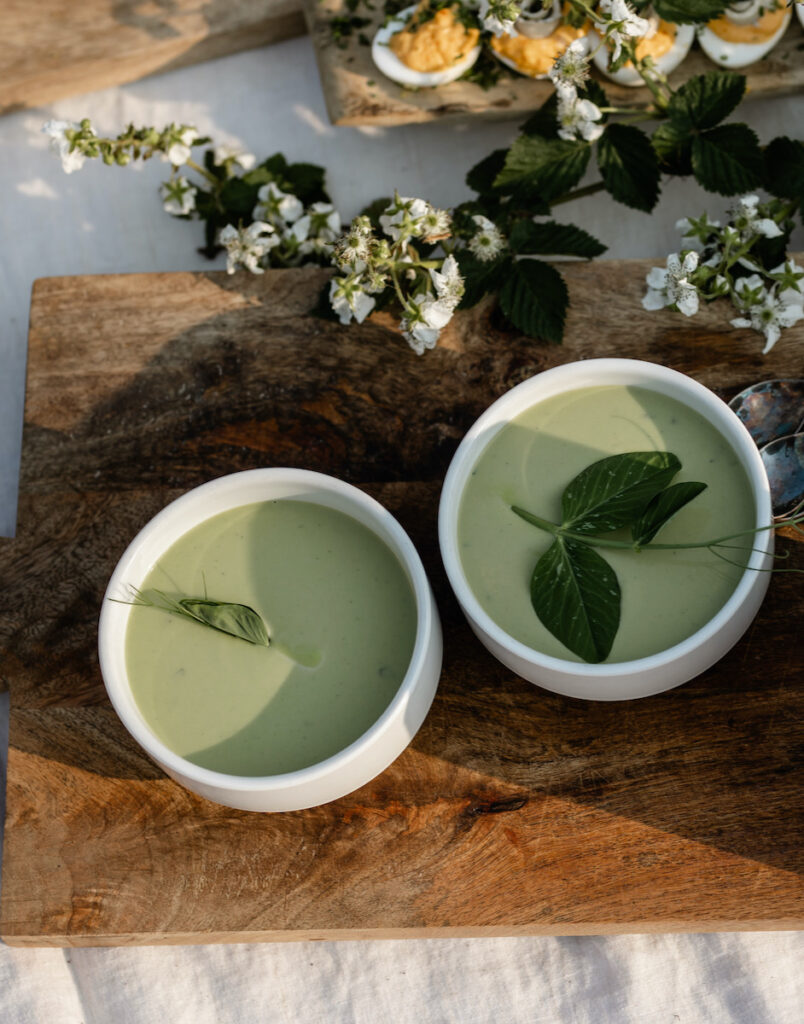
Creamy and nutritious, this Pea Soup features an herbal jolt of mint encased in a decadent crème fraîche broth. Beneath the surface lies slow-cooked root vegetables like celery and onions along with green peas. The best part about this soup is that it can be served hot or cold depending on how Taurus is feeling during that particular day or season.
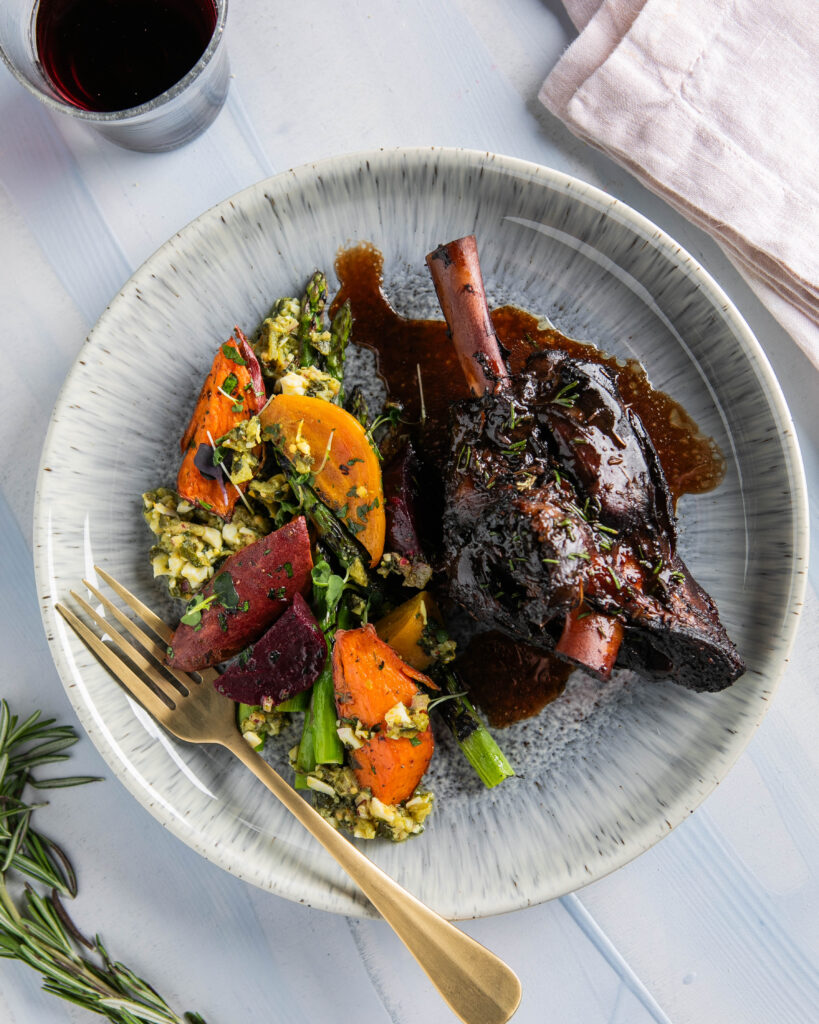
Taurus’ energy needs to be prioritized when it comes to this sign’s diet and we have just the recipe for it. Our Burgundy Braised Lamb Shank Dinner uses slow-cooked lamb in earthy herbs and spices such as rosemary, thyme, and bay leaves. This warming and moistening dish helps reboot Taurus’ body and mind alike.
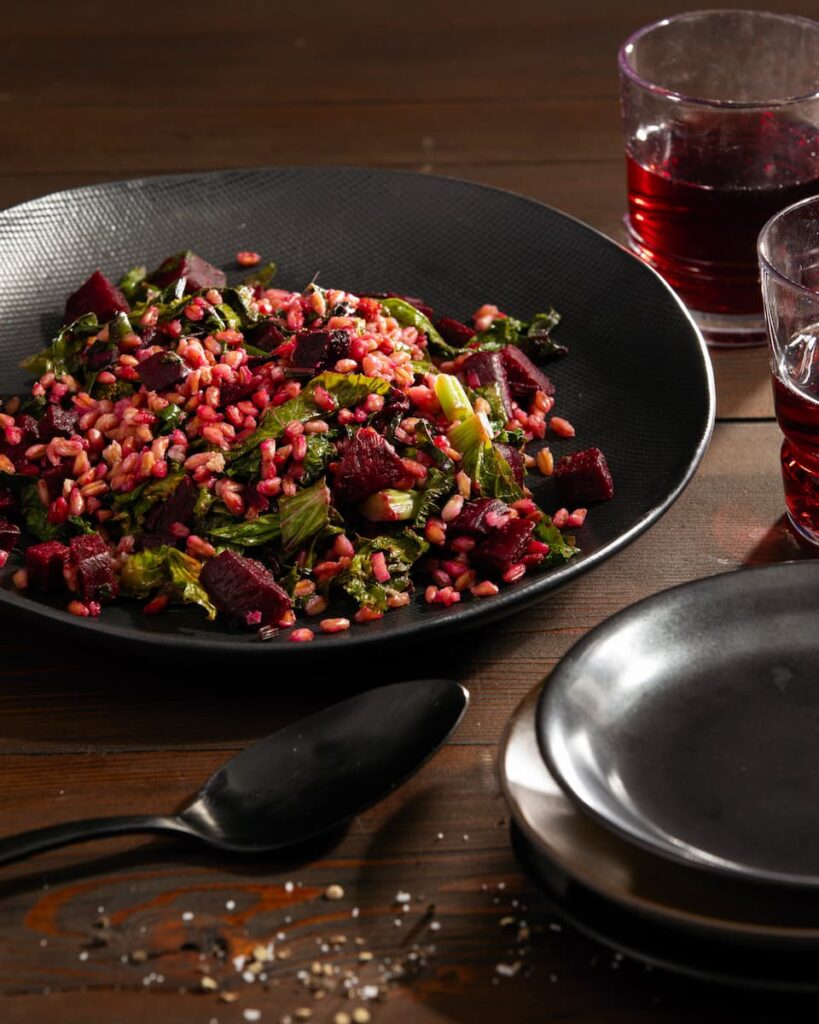
We couldn’t leave Taurus’ dinner without a side that keeps the liveliness flowing. Pack in all those greens and veggies with this Farro side salad. Ginger soothes the stomach while beets, mustard greens, and farro leave you feeling full even from a small serving. It’s basically a superfood side dish!
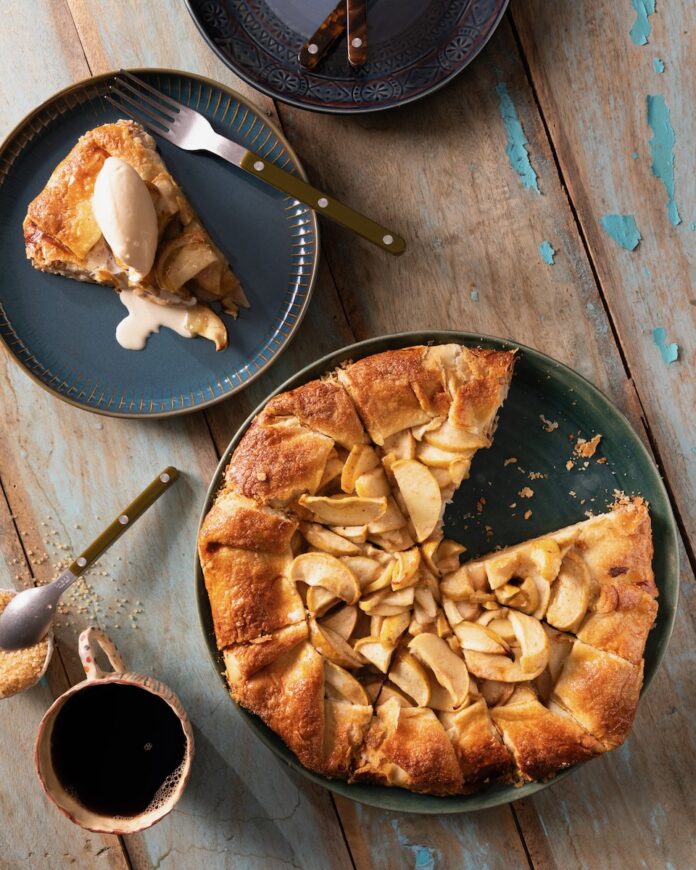
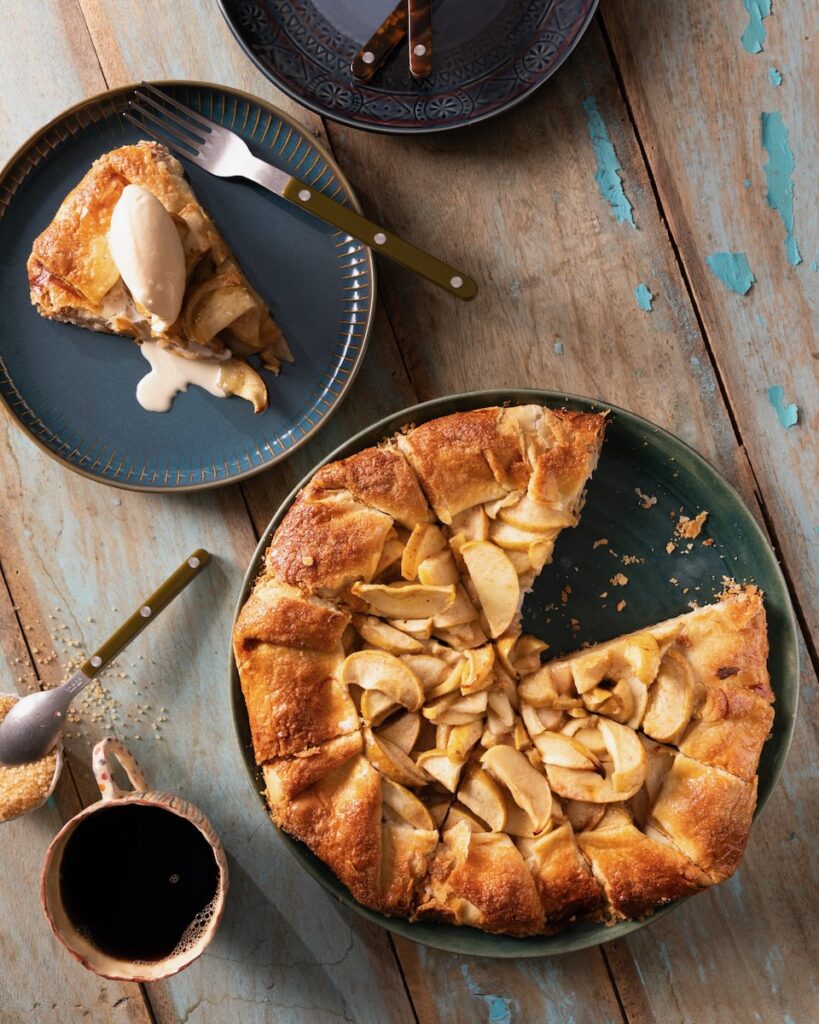
We’re going all out for Taurus’ birthday cake/dessert. Martha Stewart inspired us to create this Apple Crostata and its ingredients check all the boxes for this sign. You’ve got your warming cinnamon beside gooey, full-fat cheddar cheese. Then, golden apples and hints of lemon juice fill the undeniably delicious center. It gives Taurus that bit of sweetness they so dearly crave but still keeps them grounded at the end of the day. Just don’t forget the scoop for vanilla ice cream on top!
Author Bio
Wade Caves, based in Brooklyn, NY, is an astrological consultant and educator specializing in problem-solving applications of astrology. He teaches astrological divination and astronomy at the School of Traditional Astrology. Wade also publishes his work on world astrology through Skyscript’s In Mundo publishing desk. He even hosts the World Astrology Summit. A conference dedicated to the advancement of astrology for global problem-solving. Website: wadecaves.com • skyscript.co.uk/inmundo. Email: hello@wadecaves.com.
What can we say? We’re suckers for edible spring flowers like pansies. Their reappearance means we can sprinkle them on everything from salads to desserts…like these Triple Citrus Shortbread Squares. Bite into these handheld delights that start with a simple shortbread make with flavor-brightening oranges, lemons, and limes. On top of each of these shortbread squares, you’ll also find a dollop of just-sweet-enough homemade whipped cream. You can even infuse with whipped cream with limoncello. The add edible flowers on top add an extra touch of beauty. Now all you need is a refreshing cocktail or a glass of lemonade under the sunny skies.
How Can I Bring Butter to Room Temperature Quickly?
You will need room temperature butter for our Triple Citrus Shortbread Squares. Though it’s inevitable that you’ll forget to leave out the butter before baking at some point. Thankfully, there are few different ways you can bring your butter to room temperature and use it in a flash. There is the option of slicing the butter you’re using into small cubes and letting them sit on a plate. Smaller cubes means faster softening but you’ll still have to wait 10 to 20 minutes. However, if that’s too long to wait, you could also use the microwave to heat your butter. But, be careful: you’ll want your microwave on the lowest setting and you should only heat the butter for about 5 seconds at a time.
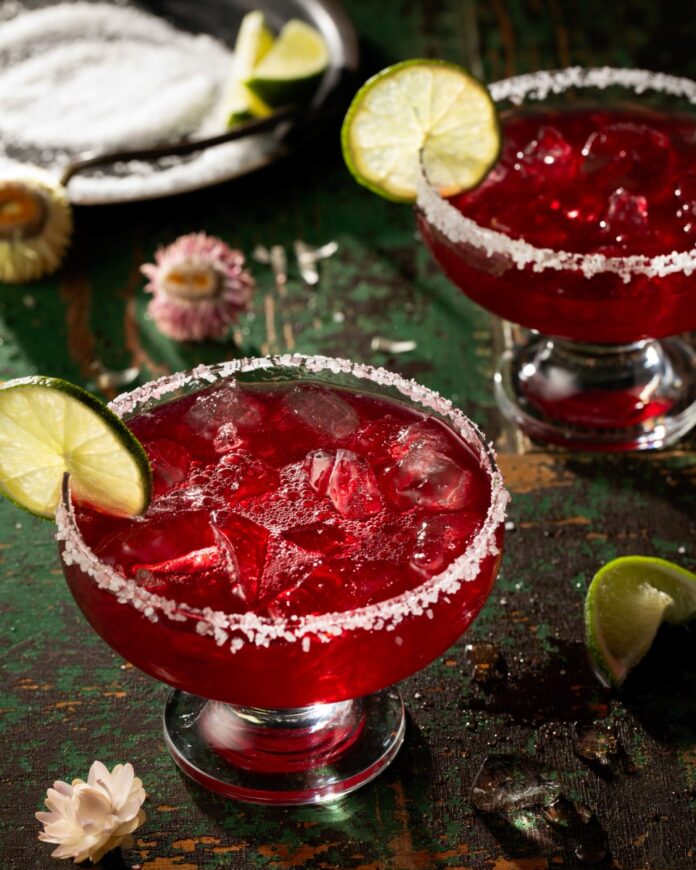
Margaritas are for celebrations and what better burst of flavor is there for a party than the juicy pomegranate? This vivid, flavorful fruit opens up to reveal enchanting, gem-like red seeds. In our Pomegranate Margarita we use its juice to balance the distinct notes of agave and the sweetness of the triple sec or Cointreau. Not to mention, the it turns the cocktail a rich ruby red that appeals to the eyes just as the taste does to the taste buds.
Another is Carlos “Danny” Herrera, laying his claim in 1938 thanks to actress Marjorie King. King said she was allergic to hard alcohol though not tequila and thus the margarita was born.
A couple of years later, Francisco “Pancho” Morales said he made the margarita on the fly in 1942 when he was asked for a drink he didn’t know how to make.
Unfortunately, there is really no way to tell which of these makers came first. So, we’ll let you decide which story you believe the most.
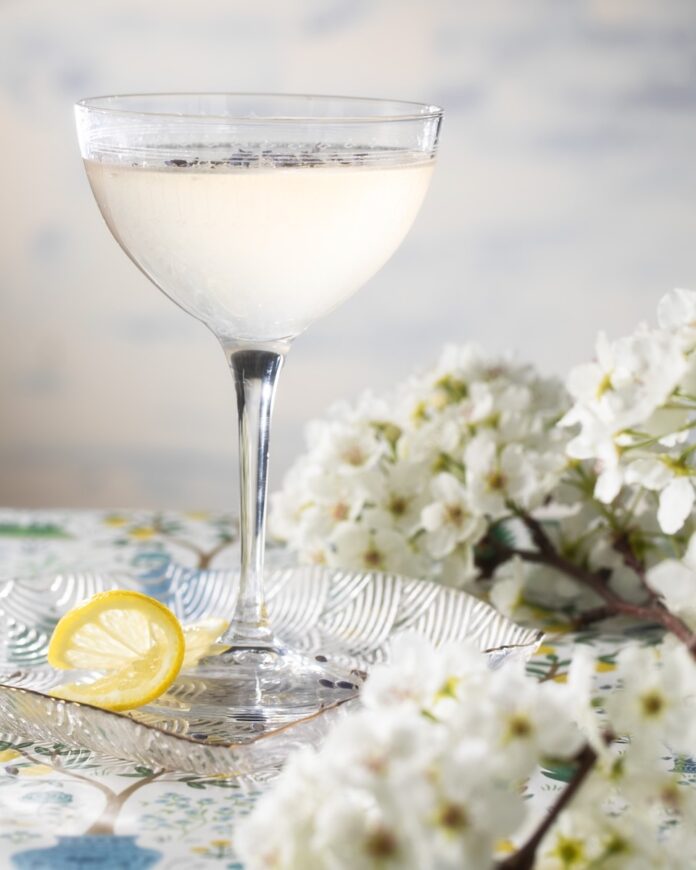
The Lemon Drop’s blend of lemon and orange flavors make it a natural fit to mix with lavender, which we consider to be a great representation of Mother’s Day. Lavender is calming, soothing, much like a mother’s love. All you have to do is replace the drink’s simple syrup with lavender simple syrup and you have a knock out citrus-lavender-vodka cocktail. You can even dress up the simple presentation by garnishing with a lemon twist or a lavender sprig. Just don’t forget to thank mom for all those years taking care of you as you mix this cocktail up for her.
How to Make Homemade Lavender Simple Syrup
Making any type of simple syrup is as easy as including the flavor you want to infuse. For our Lavender Lemon Drop, that means including dried lavender buds or lavender extract in your simple syrup recipe. All you have to do is dissolve sugar into water in equal parts before adding in the lavender. It is important to note that lavender on its own can be very strong, especially in an extract. You’re only going to want to add 1-2 tablespoons of dried buds or a 1/4 teaspoon of extract. It’s better to start with less flavoring and work up to what you like rather than adding too much immediately and running the risk of ruining the syrup.
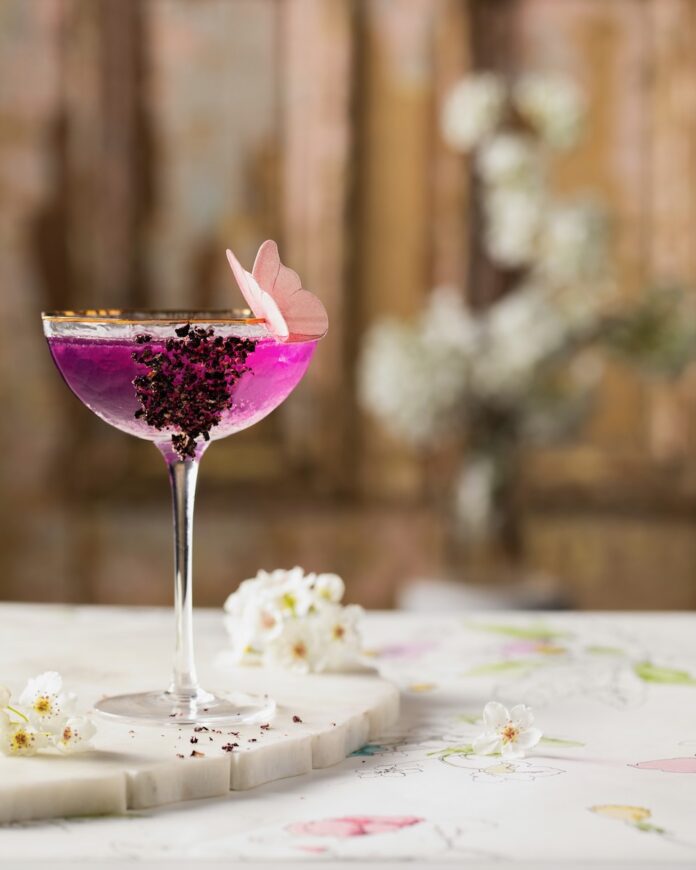
As a mom of three, the In the Butterfly Gin and Tonic is my dream non-alcoholic cocktail/mocktail for Mother’s Day. With a vibrant, enchanting purple hue and an imaginative garnish, this gives the classic G&T cocktail (my fav by the way!) the sophisticated twist mom deserves. Trust us, you’ll want to make sure you pick up the edible butterflies as well as freeze-dried blueberries to make your drinkable garden come to life.
What is the Monday Zero-Alcohol Gin in our Mother’s Day Mocktail?
You can really use any zero-alcohol gin as an alternative to the traditional. But, we recommend Monday Zero-Alcohol Gin for its smooth texture and perfect taste. It’s basically meant to mimic the flavors of a classic London Dry gin. You’ll find a bold, juniper-forward taste featuring lingering notes of bitter lemon, grapefruit, and then a little coriander. This way, you and mom can enjoy the familiar botanical characteristics of a gin and tonic without any of the alcohol content. Plus, Monday Zero-Alcohol Gin uses natural ingredients and has zero carbs, sugars, and calories, so you can feel good about what you’re drinking.
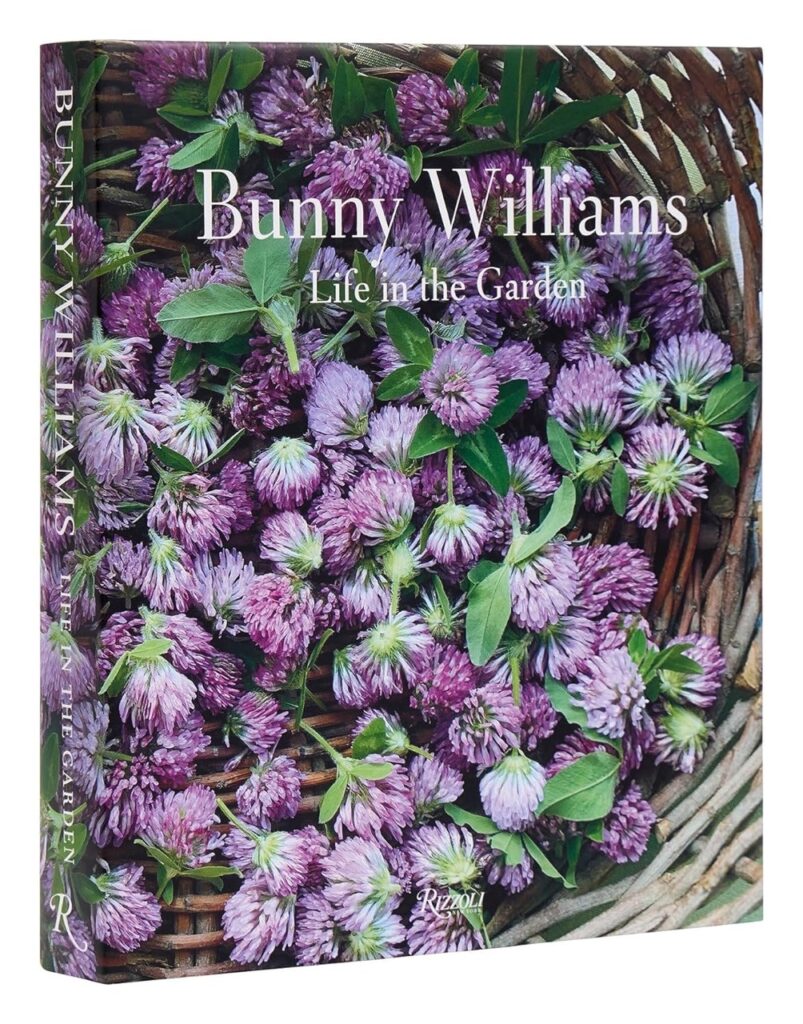
Bunny Williams Comes to Carnegie Museum of Art in April
Ms. Williams is celebrated nationally and internationally. Among her many accolades, she was named to the prestigious AD100 list. She is also a member of the Interior Design Hall of Fame and the recipient of the Giants of Design award from House Beautiful.
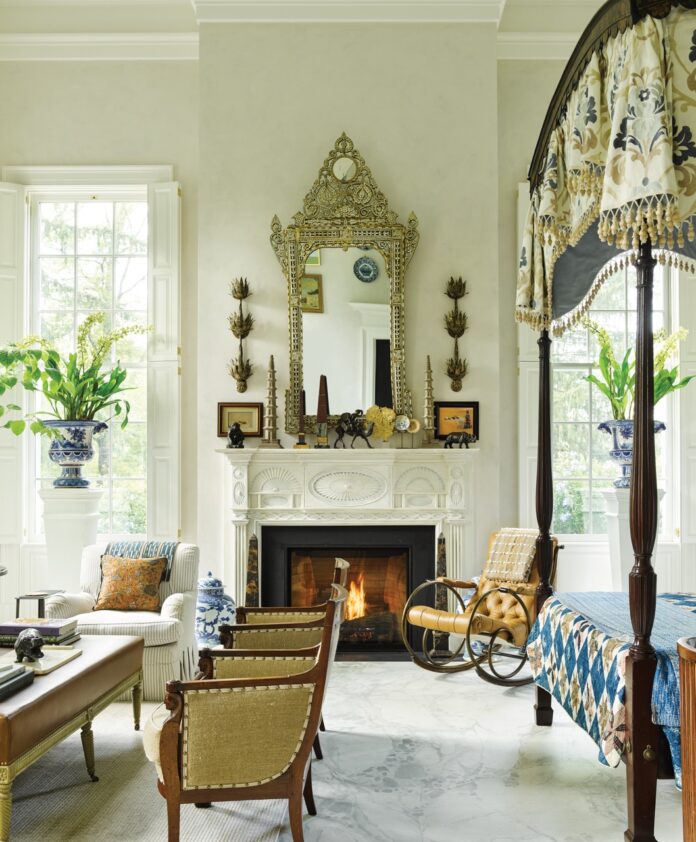
Her skillful way of combining traditional design inspirations with a la page lightness and style lets her shine. Her new book follows her around her very own garden and home, an 18th century manor house in Connecticut. She shares charming anecdotes, expert advice, and hundreds of stunning photographs. At every turn you will see nature and symbols of nature, suggesting a fresh and relaxed way to living indoors and out. Her talk at the ON DEC event at Carnegie Museum of Art will no doubt add layers of wit and wisdom to what you will love poring over in her timely tome.
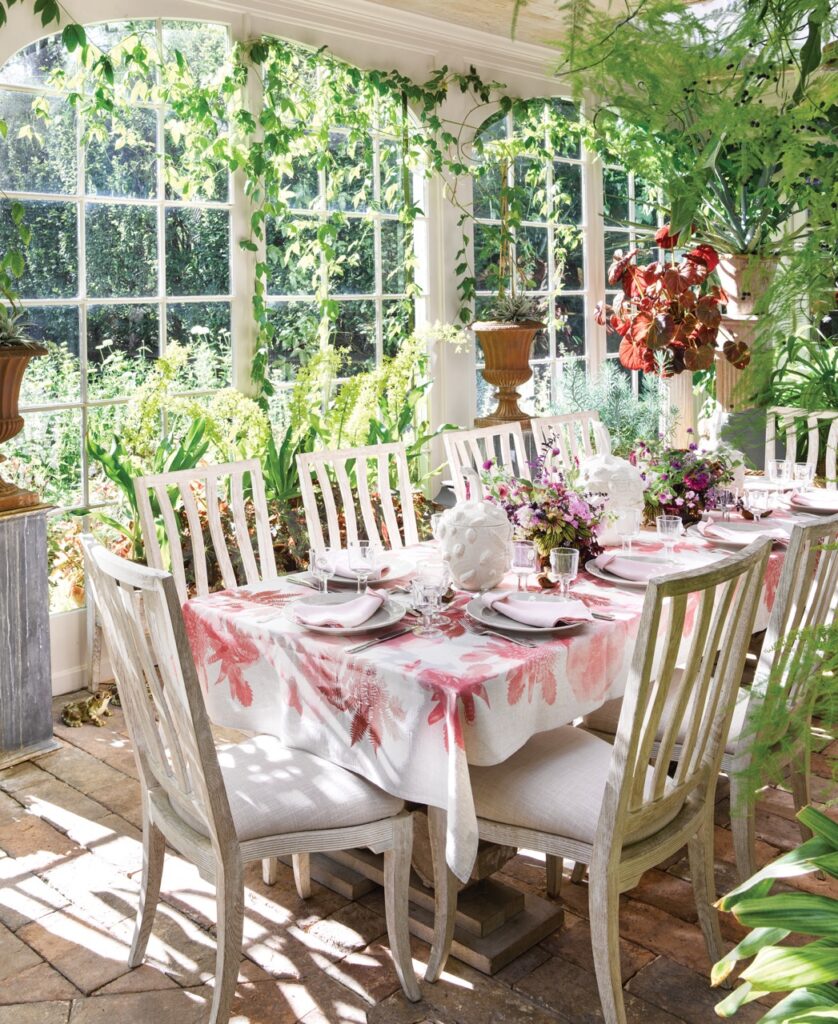
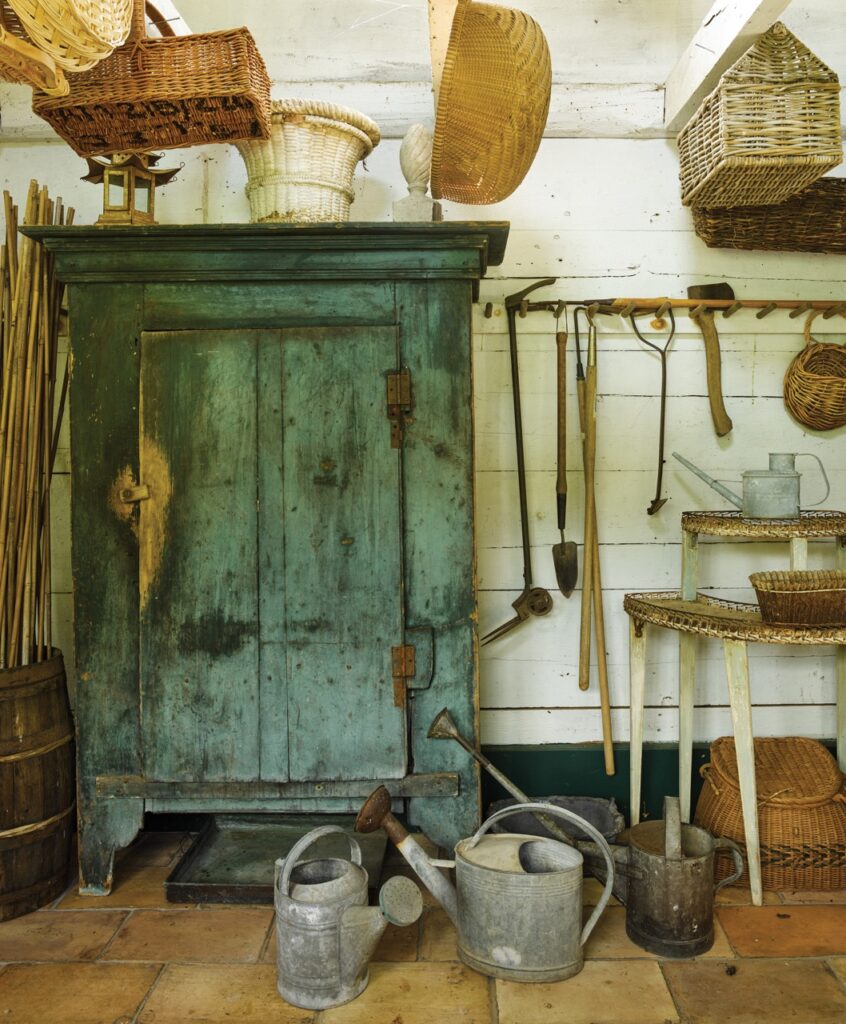
A popular stop on Connecticut garden tours, Williams’ shares her parterre garden, her year-round conservatory, a lush vegetable garden, fruitful orchard, shaded woodlands, an aviary with exotic fowl, and a rustic poolside Greek Revival–style folly. The folly is quite memorable. It emulates the shape of a Greek temple, but in naturally aged wood rather than marble. At once ancient and comfortably relaxed, its shaded interior invites a leisurely conversation.
All About Bunny Williams’ Garden
Moving throughout Williams’ Garden, the book offers a directory of featured plants—from native ferns and succulents to a wide variety of perennials. Northeastern American readers can take inspiration from her choices to add to their own landscape. Attendees of the lecture will have a chance to ask Williams herself about what might work best in their garden.
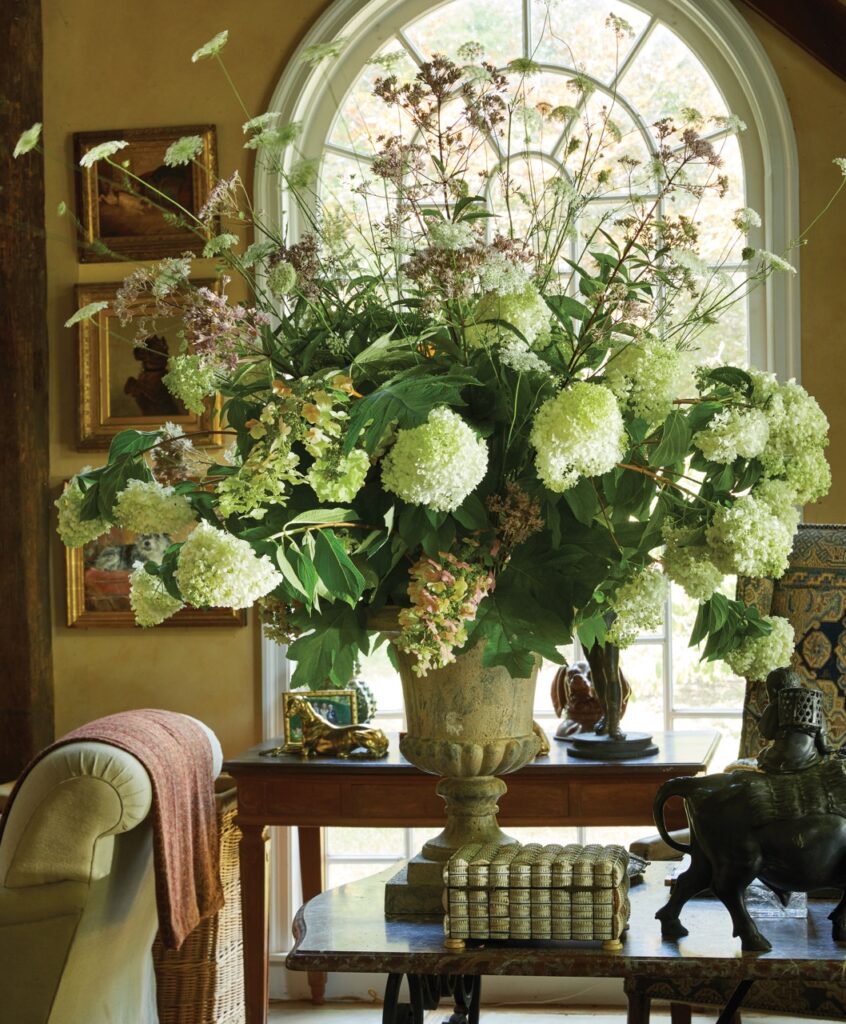
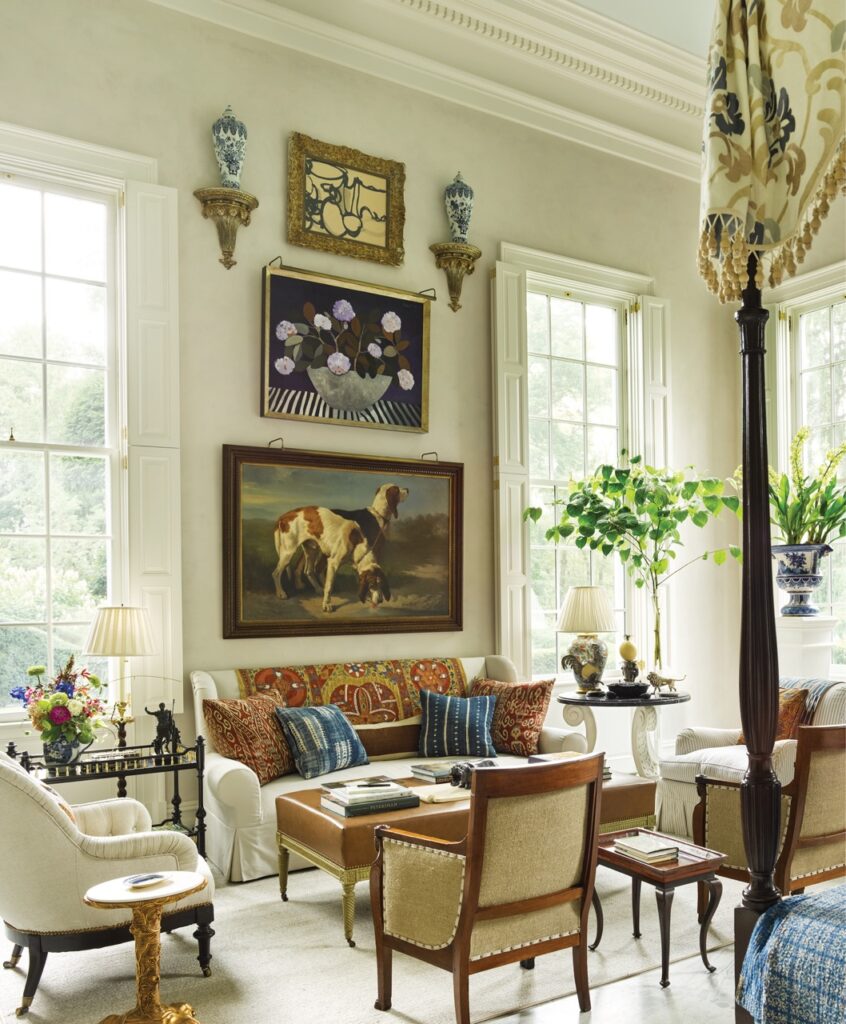
Throughout the book, illustrations by accomplished photographer Annie Schlechter show us how Williams brings the outdoors inside with flowers from the garden, potted plants, inviting tablescapes, and lovely holiday vignettes. Sometimes a rescued bird’s nest rightly commands as much attention as a prized bit of collectible china or silver. At other times, long stems of hydrangeas from the garden bring an easy spark of life to a sitting room. You cannot label any of Williams’ interiors or exteriors. Formality gives way to ease. Rustic elevates to elegant. The polished and the weathered live happily side by side.
Both book and April 24 lecture will help us better understand how Williams works, and how we might follow suit!