Home Blog Page 64

Foraging Backyard Raspberries and Making Hand Pies

0
A backyard bush of raspberries ready for foraging in the sunshine.

Although the West Coast is the largest producer of red raspberries, Western Pennsylvania farms and even possibly your backyard provide a fine home for foraging many of the 200+ varieties from August to October.

A downward view of a woman in a sunhat holding a basket full of backyard raspberries.

Foraging Backyard Raspberries and Making Hand Pies

A single raspberry is made of 75-85 little fruits, or drupelets, clustered together to form the berry, and kids will love to look closely to notice its complex build. Raspberries have more fiber than any other fruit, and one cup contains over half the daily value of vitamin C so nibble freely! While the plant itself is relatively tough, the fruit has one of the highest respiration rates of any, making it the most delicate berry.

A woman in a sunhat sits and eats backyard raspberries from a basket on her lap.

Small hands are apt to make quick work of gathering and will also appreciate child-sized single serving hand pies made fresh with the fruits of their labor. Adults, too, can appreciate nostalgic jammy Raspberry Cream Hand Pies – sweet berries and cream against a nostalgic pretzel crust.

A person breaks open a raspberries and cream hand pie showing the red and white layers inside.
Print
clock clock iconcutlery cutlery iconflag flag iconfolder folder iconinstagram instagram iconpinterest pinterest iconfacebook facebook iconprint print iconsquares squares iconheart heart iconheart solid heart solid icon
Three raspberry and cream hand pies sit on a platter made from foraged backyard raspberries.

Raspberry Cream Hand Pies


  • Author: Leah Hohman Esser

Description

A dessert of fresh berries and cream in a pretzel crust will whisk you away to paradise.


Ingredients

Scale

For the dough:

  • 1 3/4 cups mini pretzel twists
  • 1 cup all-purpose flour
  • 1 1/2 sticks (12 tbsp) cold salted butter, cubed
  • 1 tbsp sour cream

For the filling:

  • 1 cup fresh raspberries
  • 1/2 cup fresh blackberries or chopped strawberries
  • 13 tbsp brown sugar, use to your taste
  • 2 tsp cornstarch
  • 1 tsp vanilla extract
  • 2 tsp lemon zest
  • 1/4 cup high quality raspberry or strawberry jam
  • 23 oz cream cheese, at room temperature
  • 1 egg, beaten
  • Pretzel salt or coarse sugar, for sprinkling


Instructions

  1. Pulse pretzels in a food processor until they are dust.
  2. Add flour and butter and pulse until pea-sized clumps form.
  3. Add sour cream and 1/4 cup cold water, 1 tbsp at a time, Pulse until the dough comes together.
  4. If the dough feels dry, add 1-2 tbsp of additional water.
  5. Place the dough on a floured surface and form a ball.
  6. Divide in half and flatten each into round disk.
  7. Roll out each disk and cut into a total of 15-16 circles. Chill the dough rounds while you make the filling.
  8. In a medium bowl, toss together berries, cornstarch, and sugar.
  9. Add the vanilla and jam, gently toss to combine.
  10. On a parchment lined baking sheet, leaving a half inch border, spread 2 tsp cream cheese onto the center of half of the circles, then top with a tablespoon of the filling.
  11. Brush the edges with the beaten egg.
  12. Lay a dough circle over the filling and seal the edges by crimping with the back of a fork.
  13. Cut slits into the top of each hand pie.
  14. Cover the baking sheets and freeze for 20 minutes.
  15. Preheat oven to 425 degrees.
  16. Brush pies with beaten egg and sprinkle with coarse salt/sugar. Transfer to the oven and bake for 12-15 minutes or until golden brown.
Three raspberry and cream hand pies sit on a platter made from foraged backyard raspberries.

Plus, check out how to forage redbuds in April and make a refreshing redbud lemonade.

Recipe, Story, and Styling by Leah Hohman Esser
Production by Megan Van Dyke
Photography by Katie Long

Subscribe to TABLE Magazine’s print edition.

Foraging Pawpaw Fruits and Making Ice Cream

0
A young boy carries a net bag of pawpaw fruits from foraging over his shoulder and one of the fruits in his other hand.

A deciduous and lesser-known fruit-bearing tree native to the eastern United States, pawpaw fruits are the largest edible fruits native to North America and are available for foraging from August to October.

Two boys use a ladder for foraging pawpaw fruits from a free.

Foraging Pawpaw Fruits and Making Ice Cream

A boy holds a broken in half pawpaw fruit in his hands.

The pawpaw tree is often in parks and along many Pittsburgh streets. The trees mainly grow under the canopy of the woods, but because they thrive along waterways, they’re often called “river fruit” in the three-river city.

Many describe the flesh of the yellowish-green orbs as having a banana-mango flavor.

A young boy licks a spoon while standing with his mother and brother in the kitchen.

Pawpaw fruits creamy texture lends itself beautifully to a homemade ice cream and it can become an easy yearly tradition to hunt for the prize ingredient, then churn it into a custard and scoop atop cones. Local author, Andrew Moore, has much to say in his book, Pawpaw: In Search of America’s Forgotten Fruit.

Two small boys east pawpaw fruit ice cream on their porch.
Print
clock clock iconcutlery cutlery iconflag flag iconfolder folder iconinstagram instagram iconpinterest pinterest iconfacebook facebook iconprint print iconsquares squares iconheart heart iconheart solid heart solid icon
Two pawpaw fruit ice cream cones sit in front of a pile of pawpaw fruits.

Pawpaw Ice Cream


  • Author: Leah Hohman Esser

Description

The creaminess of the pawpaw fruit is great for making into it ice cream.


Ingredients

Scale
  • 1 1/2 cups mashed pawpaws, about 4 or 5 pawpaws
  • 2 cups cream
  • 2 cups milk
  • 1 cup sugar
  • 1 tsp vanilla extract
  • 5 egg yolks


Instructions

  1. In a non-reactive pot, heat cream, milk, and sugar over medium heat.
  2. When the mixture starts to steam, beat the egg yolks in a bowl.
  3. Stirring the eggs all the time, add ¼ cup of steaming cream mixture to the eggs. Repeat.
  4. Once the eggs are well combined, add egg mixture to the pot.
  5. Stir the custard often while it regains its steaming point. When it thickens — it should coat the back of a spoon — turn off the heat and pour the custard into a bowl. Stir in the vanilla extract. Place in refrigerator to cool and set.
  6. When cool, whisk in the mashed pawpaws until well combined.
  7. Pour mixture into an ice cream maker and churn according to instructions.
  8. Serve when ready or place in container with lid. Completely cover the surface of the ice cream with plastic wrap. Place lid on container and store in freezer.

Plus, check out how to forage redbuds in April and make a refreshing redbud lemonade.

Recipe, Story, and Styling by Leah Hohman Esser
Production by Megan Van Dyke
Photography by Katie Long

Subscribe to TABLE Magazine’s print edition.

The Ever Martini

0
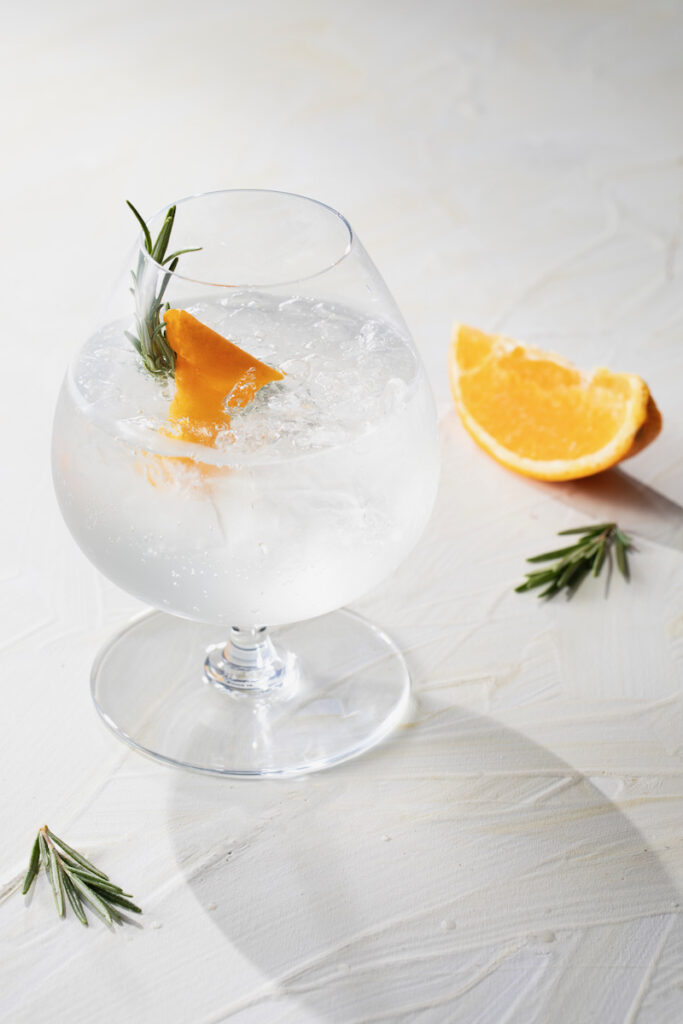
An above view of the Ever Martini.

The classic martini is an invitation to channel your inner James Bond, but make sure it’s stirred not shaken. A well-made martini should always be stirred because, as James first reminds us in the 1958 novel, Dr. No, the shaking bruises the ice and further waters down the cocktail too quickly. Instead opt for a rapid stir to mingle and chill the simple ingredients.

Why an Ever Martini?

Aside from sounding cool, the name refers to Genever, the Dutch predecessor to gin. Genever tastes like a blend of gin and a light Scotch whisky, with a prominent malt backbone and subtle notes of herbs and spices, including juniper. That’s all the more reason to stir this martini rather than shake it, to preserve the complexity of the flavor.

Print
clock clock iconcutlery cutlery iconflag flag iconfolder folder iconinstagram instagram iconpinterest pinterest iconfacebook facebook iconprint print iconsquares squares iconheart heart iconheart solid heart solid icon
An above view of the Ever Martini.

The Ever Martini


  • Author: Keith Recker

Description

A ginever martini.


Ingredients

Scale
  • 8 parts Wigle Ginever
  • 1 part dry vermouth
  • 1 lemon rind


Instructions

  1. Fill the martini glass with an ice bath by combining ice and water. Let it sit while you mix your drink.
  2. Combine Ginvever and ice in a cocktail glass and allow to rest momentarily. Empty ice bath from your martini glass.
  3. Add 1 part of dry vermouth to chilled glass. Roll it around to coat the glass, and dump out any excess.
  4. Twist lemon rind gently to release citrus oils but do not break it. Run the rind and oils around the rim of the glass to add a bit of lemon essence.
  5. Return to shaker and stir for 30 seconds.
  6. Pour into your coated glass, and lay your lemon rind on top to garnish. Cheers!

Recipe and Photography by Keith Recker

Subscribe to TABLE Magazine‘s print edition.
The Frick Family’s Gilded Tableware

0
Various china plates from the Frick family's tableware collection have colorful patterns painted on them.

Clayton, the Frick family’s Pittsburgh home, sheltered Henry and Adelaide Frick and their three children. It also housed the numerous staff members who kept the Fricks looking polished and well organized. Hands from both groups played roles in acquiring, using, and maintaining the objects that populate this splendid museum today. The Frick Pittsburgh’s Chief Curator and Director of Collections, Dawn R. Brean, and Morgan Lawrence, Manager of Collections and Exhibitions, shared some of Clayton’s gilded tableware treasures with TABLE readers.

The Frick Family’s Gilded Tableware

5 gilded bonbon spoons sit in a row on a black table.

Bonbon Spoons

“You never would touch any food with your hands, only with a utensil,” comments Dawn R. Brean. These elaborate spoons would have served chocolates and sweet treats during an elaborate lunch, teatime or dinner. The spoons were probably given to the Fricks as wedding gifts in 1881. No longer part of our daily lives, the bonbon spoon is one of many types of tableware that were an opportunity for the wealthy of the Gilded Age to show off their status and their understanding of the multifaceted table manners of the day. If you could navigate your way through the accoutrements of the upper classes, you belonged. As today’s teens might say: IYKYK.

Three golden gilded goblets as a part of Frick's tableware collection sits on a black background.

Venetian Goblets

Like many across the centuries, the Fricks purchased souvenirs and keepsakes when they traveled. During an 1893 visit to Venice, they selected a suite of engraved and gilded coupes, goblets, cordial glasses, finger bowls and plates, decanters, and ice cream shells (dishes) from a luxury boutique run by the Testolini family on St. Mark’s Square. (It’s now Pauly & C., and you can still visit their gorgeous store in the heart of Venice.) Adelaide Howard Childs Frick’s monogram, AHCF, is etched into each piece. This is because choosing these items, and deciding when to use them, was squarely in her aegis. Brean says that the amount of wear and tear visible on the gilding indicates that these sumptuous pieces had frequent use.

A bunch of coffee spoons from the Frick's tableware collection sit scattered on a black table.

Coffee Spoons

Brean reports that The Frick Pittsburgh has at least 30 coffee spoons in the collection. Some are gilded. Others sport enamel details. Some are twisted, hammered, or stamped. Still others are finely etched with flowers, insects, fans, and other details, often in the Japanese-influenced aesthetic popular in the American Arts and Craft movement. Some may have been given as wedding gifts, but their profusion suggests that they may have been gifted to the Fricks across many years. The spoons would have been used during coffee service after dinner, at card parties, and perhaps during the quick social calls that were common between women in the late 19th and early 20th centuries.

Various china plates from the Frick family's tableware collection have colorful patterns painted on them.

Cabinet Plates

These beauties almost never left the dining room’s china cabinets, where they would have provided a sumptuous backdrop for Mrs. Frick’s crystal and glassware. The array of patterns shows a late 19th century taste for eclecticism. These represent Art Nouveau, Rococo Revival, Directoire, Classical, and Aesthetic styles, among others. “What I love about the 19th century is the mixing and matching. They were shameless materialists back then, and more was definitely more,” comments Brean with humor, noting that the museum has at least 15 sets of dinnerware that belonged to Mrs. Frick. What was on the table during meals? “White china with simple gilded decorations was used everyday. On special occasions, however, patterns like the one on the lower left of the photo were likely to be on the table,” explains Brean.

Two forks, three knives, and two spoons from the Frick's gilded tableware collection sit in a row on a black tabletop.

Silver Place Settings

Most likely a wedding gift or wedding purchase, the sterling silver salad and dinner forks, and soup and dessert spoons, shown here are by Tiffany & Co. Popular in the 1880s, each of the 15 shapes within the Audubon pattern had its own bird and flower combination, bringing joyous depictions of the natural world to every meal. Mixed in with the Audubon pattern, the pearl-handled knives were also part of the Fricks’ everyday tableware.

A berry spoon, a fish knife, and a pie server sit on a black tabletop.

Serving Pieces

The berry spoon (top), fish knife (center), and pie server (bottom) represent some of the many, many shapes required at Gilded Age tables, but which have fallen out of common use in our time. Who could spot a fish knife these days? Just over a century ago, however, subtle differences in their shapes would have explained the function of each piece to those in the know. Mrs. Frick, raised in a well-to-do family, would have known her way around these objects. So would the English butlers who helped her run Clayton over the decades, like Frank Richards and Joseph Holroyd. Mr. Frick, not born and raised with this sort of status-affirming kit, might have needed a little coaching from time to time.

To learn more about the Frick family and the people “downstairs” who made life at Clayton possible, get a ticket to the Gilded, Not Golden tour of the house. It looks beyond the opulence and into the upheaval and inequity of the era.

Special thanks to The Frick Pittsburgh, Dawn R. Brean, Kristin Garbarino, and Morgan Lawrence.

Story by Keith Recker
Photography by Dave Bryce

Subscribe to TABLE Magazine’s print edition.

Varied Neutral Tones Take 2025 Design Trends by Storm

0
Neutral wood sculptures stand on a trendy tan background.

Tinted and shadowed neutral colors and finishes are restful on the eyes and soothing to the soul. They function like a deep breath of cool forest air.

A woman in a grey sweater wears various silver bracelets.

Orr’s Jewelers

Ippolita’s Classico Icons collection places gently hammered finishes with the boundaries of smooth edges and timeless shapes. Shown here in silver, and also offered in gold, this is the kind of jewelry you put on and never, ever take off.

Three neutral grey bowls stacked into each other to represent 2025 design trends.

Oatmeal Shoppe

Pittsburgh-based ceramist Elise Birnbaum has a way with clay. Her organically inspired Ripple Bowls are at once uplifting and grounded. Great for your own home as well as for gifting.

A neutral brown sandal with a tan bottom in a chunky style.

The Sōl Collective

Slide comfortably into Jabara Amor Sliders by 4CCCCEES. The open-toe design sports a wide, artfully gathered strap and ridged cushioned sole. The tan, neutral colorway is hot right now in design, so… get on it!

A black stool in an odd shape sits on a white abckground.

Brenda Friday Design

An eye-catcher for sure, the Hyde side table and stool is handmade in smooth concrete, and can withstand use outside on a covered porch. Or of course inside. Wherever you need it. Available in Lawrenceville at Shoppe B.

A neutral wood dining table set in an area with large windows and a black wall.

Today’s Home

Clean-lined, minimalistic chairs flank a round, solid wood tabletop resting on elegant wood and metal supports. Both from Canadel and available in 12 finishes from Today’s Home.

Neutral wood sculptures stand on a trendy tan background.

Fallingwater

Stoneware architectural vases by Jen Allen Ceramics are exclusive to Fallingwater. Their hand-built slab forms celebrate the convergence of architectural excellence and natural beauty of Frank Lloyd Wright’s architectural masterpiece. Photo by Dave Bryce.

Story by Stephen Treffinger, Danny Mankin, Keith Recker, and Abbey Cook

Subscribe to TABLE Magazine’s print edition.

Analyzing the 2025 Colors of the Year

0
A mauve purple colors paints the walls of a doorway and door in the 2025 color of the year.

Why do leading trend agencies, paint brands, and others, choose a color to express the feeling and emotion of an entire year on this complicated planet? Trend Bible’s US trend editor and TABLE Magazine contributor Abbey Cook gets into it by analyzing the 2025 Colors of the Year.

Analyzing the 2025 Colors of the Year

For the past 25 years, we have been living in a Color of the Year-inflected world where leading trend agencies and paint brands choose a color of the times. Why do they do it? Love them or loathe them, their choices focus our attention on the choices the design world offers consumers, arguably whetting our appetite for options that suit us. Color of the Year programs receive lots of press coverage, giving companies a chance to affirm their expertise and cement awareness of their work broadly in the marketplace. Let’s look at four companies who sparked up the color conversation with their picks, along with Pantone, who also pioneered the concept in 2000.

Color is powerful and creates change, not just in our homes, but all around. It should be noted these colors aren’t randomly plucked from a hat. A great amount of research and thought goes into choosing why companies see these individual colors as important in the year to come. Art, fashion, climate change, politics, restaurants, social media, and just about everything you see and touch, are studied by trend forecasters and color strategists, helping to determine the mindset and culture they expect to see in the coming year.

How All the Colors of the Year Come Together

To our delight, displaying these five 2025 Color of the Year choices side by side formed a designer’s dream palette. Together they create an earthy and comforting range, with bold blues that contrast beautifully with the browns and reds. The delicious invitation to mix and match the choices of the five influencers we chose sets 2025 apart from previous years.Perhaps this is a sign that 2025 can be, recent news cycles notwithstanding, a year of coming together collectively to focus on the planet and each other while helping to design the world into a more united place.

A brown sectional couch sits against a brown living room wall with a neutral carpet below.

Pantone – Mocha Mousse

The company that put Color of the Year on the map has chosen Mocha Mousse for 2025, a milky tan with cinnamon undertones alluding to the trusty basics we know as brown and beige. This is not a wild card choice for 2025: we needed a soothing neutral after years of dopamine brights ready to be photographed for the ‘gram.

Mocha Mousse acts as an elevated brown that will be found in accessories, wood furnishings and textiles throughout the home. Who wouldn’t want to wrap themselves in a luxurious Mocha Mousse cashmere blanket? Or lean into the cafe vibe of this color and use it in the kitchen with earthen tabletop pieces from East Fork Pottery or Heath Ceramics while you brew your cafe latte. One could even merge food and design by spooning real Mocha Mousse into a chocolate-colored bowl: our eyes would admire the monochromatic still life as much our taste buds. However the color is used, the beauty of working with it lies in its harmonious and grounded sophistication and its unassuming but all-knowing air.

A room with purple-ish walls presenting one of the 2025 colors of the year.

Behr – Rumors

Behr chose a sultry ruby red with brown undertones and spice notes that has timeless appeal. According to a recent survey commissioned by Behr, “More than three-quarters (76%) of Americans would consider painting a room or wall a shade of red and more than half (61%) agree bold red walls feel warm and captivating.” The beauty of Rumors lies in its duality. Like a good friend, it invites you into a room and envelopes you in a warm hug. Yet it’s also luxurious enough to transport you to a five-star hotel. It pops against light neutrals and adds a flair of depth and drama when paired with dark woods.

This is the perfect shade to introduce into a dining room or kitchen as it stimulates the appetite. The confident red transitions well into any room bringing a wealth of hospitality to an accent wall when set against a fireplace or in a powder room to jazz up a cozy environment. This is a classic red that boldly adds depth and comfort to the Color of the Year lineup.

A mauve purple colors paints the walls of a doorway and door in the 2025 color of the year.

Benjamin Moore – Cinnamon Slate

A nuanced mix of “heathered plum and velvety brown” makes up Benjamin Moore’s Color of the Year, known as Cinnamon Slate. A new neutral with hazy undertones, this is a great color to change things up with big impact but without a lot of unnecessary noise. It works well with browns from caramel to chocolate, textured creambouclés and even a rich indigo like WGSN’s Future Dusk. The color’s mauve putty value will soften any room, suggesting a serene escape into the English countryside. Pair it with a chintz floral wallpaper to emphasize sensation. A bedroom accent wall in this muted color would create a soothing environment while still injecting some character.

For a modern take on a Southwest desert style, use it as a backsplash in the kitchen as the color nods toward an adobe stucco. Forecasters think we will be entertaining more at home in 2025, and we are likely to see tabletop textiles and accessories in this color. Look to heritage-crafted products such as block-printed linens from Soil to Studio where folk inspired florals pair with imperfect stripes.

Purple dusk, one of the 2025 colors of the year is presented as dark purple amethyst crystals.

WGSN – Future Dusk

Like Pantone, WGSN is one of the top trend forecasting agencies in the world. Major brands and retailers look to the agency’s experts for guidance in creating and marketing new products. Their 2025 color, Future Dusk, is a saturated, celestial indigo that is “familiar and futuristic”, mirroring the unknown characteristics of this complex year. An otherworldly color, it adds a bit of regal, intriguing flair to the home. It is alive enough to carry a hint of eccentricity and electricity, and yet, as a blue, stable and familiar enough to be a versatile player.

Paint a small room in this opulent shade to feel like you’re stepping inside a satin lined jewelry box. Or use it sparingly in accessories to provoke and engage the eye and invite the seer to stay for a while. Limning between purple and blue, this moody color almost suggests iridescence and would radiate on tiles like the handcrafted ones from California-based company, clé. It would also make sumptuous wallpaper in tonal patterns to dress up a small bathroom or enliven a living room.

A blue stool sits against a white background.

IKEA – Electric Blue

For the first time ever, IKEA decided to join the Color of the Year cohort. Even though it’s a lifestyle brand, their use of color and style has long been a leader in the interior design industry, so it makes sense to add their name to the game. They chose Electric Blue for 2025, a color that stands out and commands attention.

This vibrant blue is the perfect accent for home accessories, much like jewelry completing an outfit. It looks fresh when applied on a modern silhouette, such as IKEA’s minimalist Kyrre stool, which packs a perfect punch of color in a kitchen or bathroom corner. Or update a retro lamp in a glossy finish to make an office desk pop with the click of a switch for a literal Electric Blue moment. This color is loud and energetic, adding playfulness to the ‘kidult’ trend that will be big in 2025. Create this style using fun décor pieces such as quirky clocks or whimsical patterned pillows. Consider this color to be your standard of cool in accessories that will work for years to come.

Story by Abbey Cook

Subscribe to TABLE Magazine’s print edition.

Get a Deeper Look at Fallingwater with a New Book Release

0
The cover of Fallingwater's new book featuring the outside of the museum and the famous waterfall.

Frank Lloyd Wright and the Kaufmann family envisioned living in harmony with the natural world. Fallingwater realized their shared dream, and a new book published by Rizzoli launches on April 1 to help us experience it as they did.

Get a Deeper Look at Fallingwater with a New Book Release

Fallingwater: Living With and In Art, edited by Justin Gunther and Scott W. Perkins and also featuring photography by frequent TABLE Magazine contributor Dave Bryce, makes the most famous house of the 20th century ours. Its intimate views of Wright’s masterpiece make us feel as if we are walking through the house at our own pace, through the daylight hours and into the evening, and across the seasons. We feel as Edgar Sr., Liliane, and Edgar Jr. must have felt when they were in residence: comfortably seated, drink in hand, we contemplate the beauty of nature framed by every window.

Yes, the house is grand. It cantilevers over the stream and waterfall that drew the Kaufmann family to the site, incorporating itself into the verticality of rocks, trees, and the famous waterfall. Seen in its entirety from the unofficial best viewing site across the stream, the house seems as mammoth as a mansion. Inside, however, the spaces are intimate. The book shows the house’s tender sense of shelter, emphasized by the naturally irregular textures of rock walls and massive flagstone floors, and also the finely crafted details throughout. This delicate “insideness” is extended outdoors through a number of terraces, expanses of windows, and even an elegant stair from the living room down to a plunge pool and the stream below. The ease inside embraces the gentle wildness outside… which is exactly what Wright intended.

Order a copy at your favorite bookseller. Fall into Fallingwater. And then go visit the house to enrich the visuals with the perceptions of your other four senses.

Story by Keith Recker
Cover Photography by Dave Bryce

Subscribe to TABLE Magazine’s print edition.

Foraging Redbuds and Making Lemonade

0
Small hands pick redbuds from a tree branch.

Did you know the answer to foraging perfectly ripe redbuds could be right in your backyard?

Three young girls laugh under a redbud tree.

Foraging Redbuds

Just before school doors close for the summer, the landscape in April explodes with pinky-purple hues by way of the Redbud Tree. Native to eastern North America, the Redbud is one of the first plants to flower as the weather warms. Beyond providing color when we are most desperate for it, the buds, the flowers, and the seed of the tree can be eaten raw, pickled, cooked … or steeped.

A person holds a mason jar with redbuds soaking in water inside.

Young entrepreneurs should not miss out on opportunity for an all-natural lemonade stand with some extra color-changing magic. A seeped dull purple tea of foraged redbud blossoms and water pops neon pink when combined with lemon. It’s a chemical reaction that feels like magic! Add sugar, a clipped bouquet, and a roadside stand, and none can resist.

A young girl juices halved lemons as a young boy in a white shirt watches.

Making Redbud Lemonade

If you’re looking for a way to use your collection of redbuds, a Redbud Lemonade can be a refreshing treat. Whenever you add redbuds to lemonade, it creates an almost floral flavor with hints of tangy sweetness and a slight note of vegetal taste. Not to mention, the color is just gorgeous and is such to create the picnic of your dreams.

Three young girls sit arm in arm sipping on redbud lemonade in mason jars
Print
clock clock iconcutlery cutlery iconflag flag iconfolder folder iconinstagram instagram iconpinterest pinterest iconfacebook facebook iconprint print iconsquares squares iconheart heart iconheart solid heart solid icon
A glass pitchers of redbud lemonade with halved lemons surrounding the pitcher.

Redbud Lemonade


  • Author: Leah Hohman Esser

Description

A delicious and floral Redbud Lemonade is the refreshing answer to the spring sunshine.


Ingredients

Scale
  • 1/4 cup redbud flowers, stems removed
  • 5 cardamon pods, crushed
  • 1/2 cup boiling water
  • 4 to 5 tbsp sugar, or other sweetener of your choice
  • 3 lemons, juiced
  • 1 1/2 cups cold water


Instructions

  1. Place the redbud flowers and cardamon pods in a non-reactive, heatproof container.
  2. Pour boiling water over them.
  3. Let cool until the container can be touched, then cover and chill for 24 hours.
  4. Remove from refrigerator and strain into a pitcher.
  5. Add the fresh-squeezed juice of three lemons, then add lemon juice and stir. Add sugar. Stir well.
  6. Cover and refrigerate. Serve over ice.

Recipe, Story, and Styling by Leah Hohman Esser
Production by Megan Van Dyke
Photography by Katie Long

Subscribe to TABLE Magazine’s print edition.

Cool Greens and Soft Blues Shine in 2025 Design Trends

0
A woman stands in front of a houseplant in a blue sweater vest.

Soft blues and whispered cool greens are colors of the natural world and a huge part of 2025 design trends. They carry Mother Nature’s messages of peace and plenty, and nourish us in the process.

A woman's neck is adorned with various blue, green, and silver necklaces with a white blazer hugging her shoulders.

Louis Anthony

Usher in an eternal spring with colorful precious gemstone and enamel pendants by Goshwara. Made with amethyst, rock crystal, and emerald set in 18K yellow gold. These talismans of fair weather and good feeling will never dim.

A green, blue, and brown vase in an almost diamond shape sits on a white background.

Asian Influences

Chinese Tang style pot with brown glaze splashed with turquoise and pale green glazes.

A man in a cream and soft green three piece suit stands against a neutral background with his hands in his pocket.

Larrimor’s

Breezy and good looking for all the warm weather months, Baldassari’s wool, silk and linen jacket and cotton polo channel the refreshing, cooler-than-thou energy of celadon. Made in Italy. Available downtown and online at Larrimor’s.

A woman stands in front of a houseplant in a blue sweater vest.

Madeleine George

The Bria Ribbed Cotton Fringe Mock Neck Sweater Tank gifts its wearer with a flutter of fringe around the armholes and waist. 100%cotton. Available at Shadyside’s Madeleine George.

Two blue glasses and one black glass sit on a neutral brown background.

Penn/Fairmount

Jason Forck designs his Penn/Fairmount line with a minimalist Scandinavian aesthetic. The clean lines of the Cinch pitcher and drinking glasses shown here in blue and clear allow the user to enjoy the refined silhouette while also being able to enjoy the aesthetics of the drink within,” Forck said. Cinch was inspired by a pitcher and tumbler (the latter shown here in dark blue) by Finnish designer Saara Hopea-Untracht from 1951; a pale green set is in the collection of the Carnegie Museum of Art. Photo by Dave Bryce.

Story by Stephen Treffinger, Danny Mankin, Keith Recker, and Abbey Cook

Subscribe to TABLE Magazine’s print edition.

Seashal Belldina Freshens a Frank Lloyd Wright-Inspired Home

0
Large window panes showcase a bedroom in a wood panel room.

Interior designer Seashal Belldina freshens up a forty-year old, Frank Lloyd Wright-inspired contemporary home. Her intervention created a lighter, brighter place for family living and entertaining.

Seashal Belldina Freshens a Frank Lloyd Wright-Inspired Home

This stunning house is infused with a feeling of openness and flow — yet it was ready for a refresh. The goal? Maintain the integrity of the original design and deliver a modern organic spin on an already beautiful structure.

A stone statue of a saint sits in front of a stone brick wall.

Seashal Belldina of Interiors by Seashal managed the renovations, interior design, and home furnishings. Built in 1985, the home’s owner and their architect were influenced by Frank Lloyd Wright’s Fallingwater. (Fun fact: The patio is now home to one of Wright’s original Midway Gardens Sprite sculptures.)

A bathroom designed by Seashal Belldina with white marble walls, dark wood finishes, a sink, a mirror, and a doorway.

Mixing Beauty and Function

Belldina approached the project with the central questions that guide all of her work: “How can we make the space feel more functional for you or for your family if you have children? What’s your personal style? How can I blend the architecture of the home, functionality, and the homeowners’ style to create a place that will bring them joy every day and will feel like home?”

Furthering the Feeling of Comfort

Knowing the home would be for plenty of gatherings and playtime for kids, Belldina placed an emphasis on durable and easy-to-clean materials. “I understood the goals that the homeowners had. I’m a mom myself that also loves to entertain. They said, ‘We don’t want it to feel like a museum. We want everyone who steps into our home to immediately feel at ease — like they can kick back, relax, and make themselves at home. Picture them sinking into the couch, grabbing a pillow, and unwinding.’”

A large sectional couch hugs the corners of a living room designed by Seashal Belldina with large windows.

Belldina worked with the existing sandstone flooring and walls by pulling in complementary warm and neutral tones. “The homeowners gave me a lot of free reign on this, which is a dream for an interior designer. But the one thing that they stressed was to make everything lighter. It was really dark and heavy before — the paint colors, tile choices, flooring, everything. They also preferred neutral palettes, but were open to some bold pops of color.

Story by Nicole Barley
Photography by Dave Bryce
Interior Design by Seashal Belldina

Subscribe to TABLE Magazine’s print edition.

Create a free account, or log in.

Gain access to read this content, plus limited free content.

Yes! I would like to receive new content and updates.

Table Magazine wants to know your location.

TABLE Magazine operates regional sites - Knowing your location helps us route you to the appropriate site for the best experience.