Not long ago, the juxtaposition of the aggressively modern with the storied past was the stuff of controversy. Think back to the I. M. Pei glass pyramid at the Louvre, initially considered variously a joke, a potential eyesore, or the ego-fueled folly on the part of President Mitterrand. Today, the pyramid is a classic, and such pairings seem quite normal.
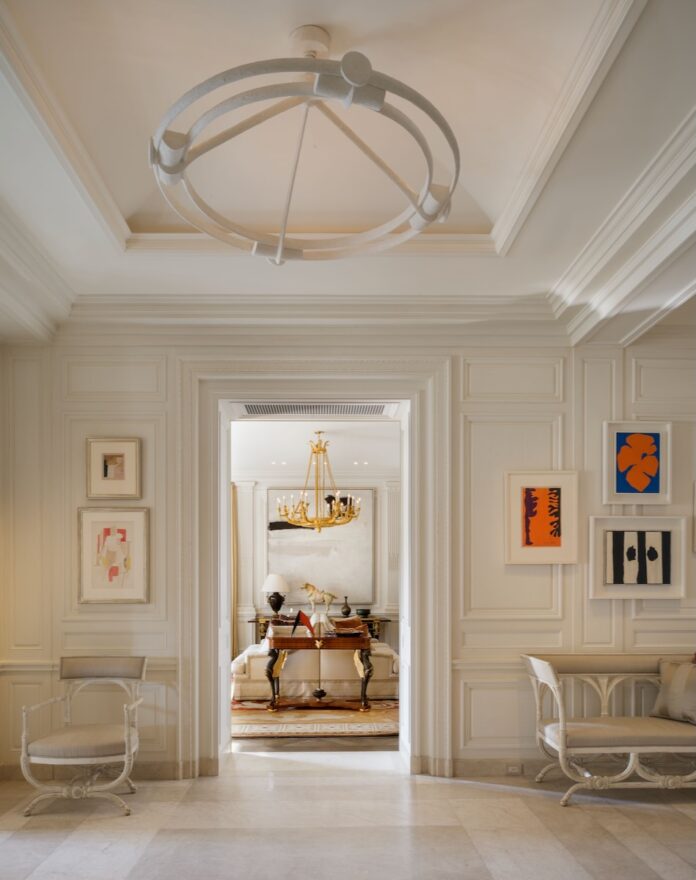
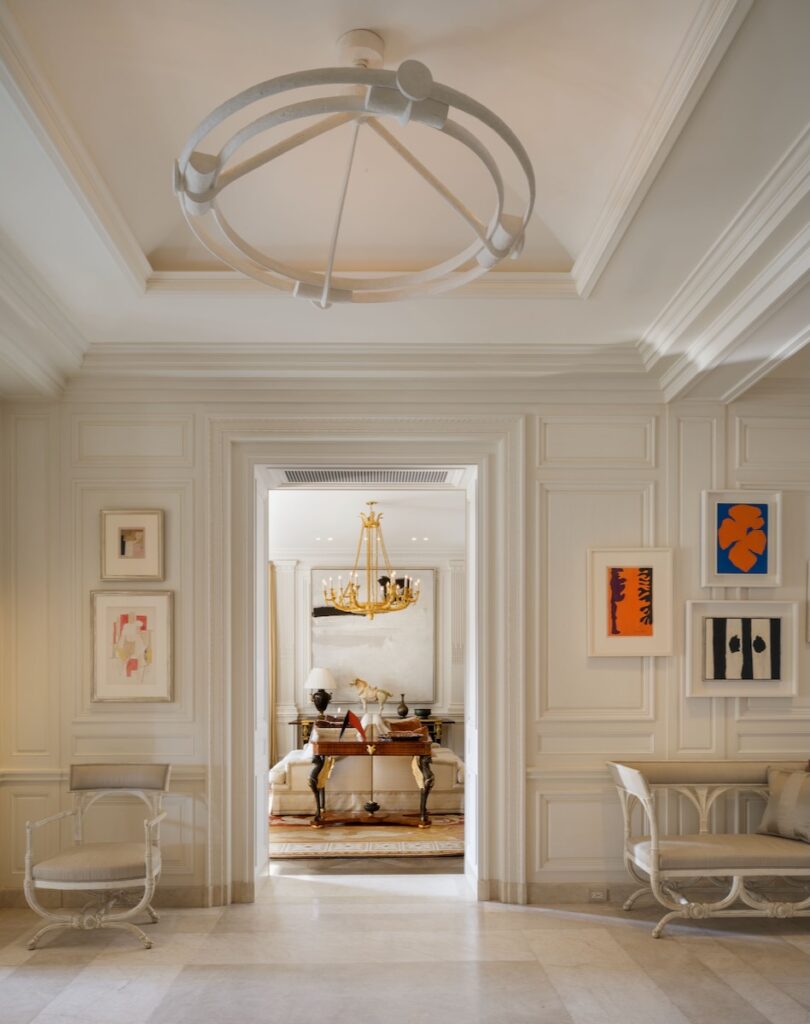
Designer Michael S. Smith’s Park Avenue duplex with Féau Boiseries wall paneling, frames, and cornices in solid oak painted white, used as a backdrop for modern art and furnishings. Photo by J. Pepion.
Féau Boiseries Finds a Balance Between Historic and Modern Interiors
In interior design, the mashup is not always so dramatic, but the effects are still powerful. From a gallery/warehouse/atelier in Paris, Guillaume Féau runs the family business, Féau Boiseries, founded in 1875. His clients, a who’s who of interior designers, come to source paneling and architectural details with the grandeur of the past—although much of it is now reproduced in the company’s workshops and destined for spaces that are resolutely modern.
“More than 80% of my clients mix a classic background with modern furniture and modern art. And it could be with Kusama Murakami, with Warhol, or Basquiat paintings with Neoclassical period paneling painted in white. That mix creates a beautiful effect, and that’s what we try to achieve,” comments Féau.
He says the contrast magnifies what is special. Juxtaposition is sometimes more powerful than period-consistent rule following. Féau talks about a space where a Rothko was placed on wood paneling from centuries prior. “You have this fantastic dialog between your work as a wood carpenter and the Rothko—and the mix is very sexy and very powerful.”
Meanwhile, back at the Louvre, a new exhibition called Louvre Couture places haute couture outfits and accessories from 1960 to 2025 among masterpieces from Byzantium to the Second Empire in the department of Decorative Arts. Balenciaga meets medieval armor, Dolce & Gabbana in dialogue with an 11th-century Italian mosaic. As the French say, “the more things change, the more they stay the same.”
Story by Stephen Treffinger, Danny Mankin, Keith Recker, and Abbey Cook Photo Courtesy of J. Pepionfor Féau Boiseries
Pittsburgh-born food and climate writer Caroline Saunders is always on the look-out for climate-friendly food innovators, what’s coming out of their kitchens, and what’s on their plates. She’s also the author of climate-friendly baking newsletter Pale Blue Tart. She looks at a few chefs from across the globe with our planet’s health (and ours) on their minds.
Climate-Friendly Restaurants Across the Globe
What do a chili oil-drizzled pizza, an oversized buckwheat breakfast pastry, and a briny oyster topped with potato salad and fingerling potato chips have in common? They’re among the kaleidoscope of dishes that chefs are whipping up to make gastronomy a climate solution.
Chefs have long connected the dots between cooking and the health of the environment. But over the past handful of years, as it has become ever clearer that the food system is both a major driver of climate change and vulnerable to its effects, a small but growing number of chefs have started coming up with different takes on what we might call climate cuisine: restaurant menus and recipe collections reflecting a range of ideas about what good eating might mean in the era of climate change.
Shuggie’s Trash Pie
At Shuggie’s Trash Pie in San Francisco, a self-described “climate-solutions restaurant,” co-owners David Murphy and Kayla Abe developed a simple environmental directive for their menu: take purveyors’ and farmers’ food waste and make pizza with it. Reducing food waste tops the research organization Project Drawdown’s list of climate solutions necessary to keeping warming below critical levels, a fact that inspired the approach at the maximalist, glam-ified restaurant.
From starters to pies, the menu is peppered with up-cycled ingredients from the many “little breaks in the food system,” Abe said. Off-cuts like chicken hearts, gizzards, and livers feature in a no-holds-barred take on buffalo wings, and flour made from the pulp leftover after processing oat milk features in the pizza dough along with whey discarded during cheese-making. Pies might have broccoli leaves, stalk pesto, and cheddar, or layers of pepperoni and drizzles of chili oil made of peppers that another company couldn’t sell to their typical customers because the chilis were an unexpected variety.
Aponiente
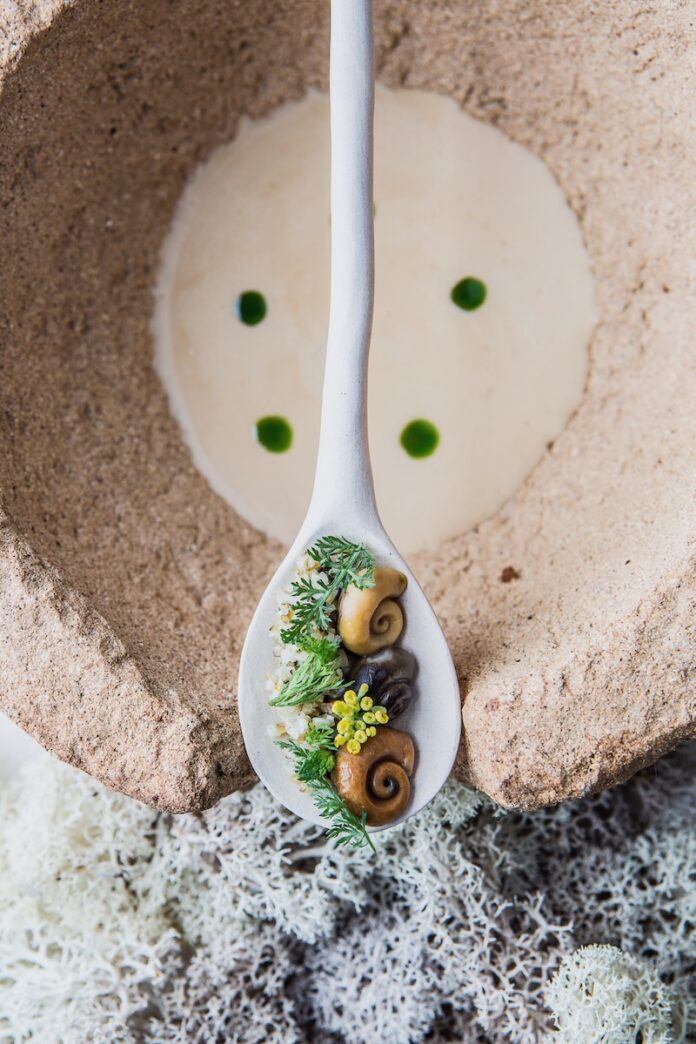
While minimizing waste from purchased ingredients is a common goal at restaurants, designing menus around a pantry of up-cycled ingredients is a rarity. It’s also part of the mission at Aponiente, a three Michelin-starred restaurant on Spain’s southern coast that champions ocean conservation. There, in a converted 19th-century tidal mill, chef Angel Leon up-cycles marine bycatch and under-loved fish cuts into refined fare like seabass-skin biscuit rolls and an entire line of “marine charcuterie.”
Oyster, Oyster
Across the ocean in Washington, DC, chef Rob Rubba is bringing a mid-Atlantic take on sustainable gastronomy to life at Oyster, Oyster. There, the cooking is as close to zero-waste as possible, almost exclusively vegetarian in order to reduce emissions, and based on ingredients sourced from climate-friendly farms. Oysters, Rubba said, tell the story of how over-harvesting in the Chesapeake Bay can paradoxically be reversed by sourcing in moderation from sustainable oyster farmers, who help rebuild reefs by re-depositing empty oyster shells. All the producers the restaurant works with are vetted, since being ‘local’ doesn’t inherently mean ‘sustainable,’ Rubba pointed out. He and his staff look for fair labor practices and regenerative farming techniques, which can include no-till agriculture, crop rotations, and cover cropping.
Sustainability at Home
Climate-friendly farming is also the basis of Los Angeles chef and entrepreneur Camilla Marcus’s sustainable cooking philosophy. Regenerative techniques improve soil health and water retention in ways that make farmland more climate resilient, and also draw carbon out of the atmosphere (though the jury is out on how long). Marcus’s 2024 cookbook, My Regenerative Kitchen: Plant-Based Recipes and Sustainable Practices to Nourish Ourselves and the Planet, outlines several climate cuisine principles: regenerative sourcing, more frequent vegetarian and plant-based eating, zero-waste cooking, and the use of biodiverse ingredients.
Eating a wider variety of foods, Marcus said, is a natural extension of regenerative farming, which typically entails growing more diverse crops than the monocrop farms prevalent in industrial agriculture. Cover crops, for instance, feature in her recipes: popped sorghum makes a resilient popcorn alternative, and buckwheat flour adds a savory-sweet note to a skillet-baked Dutch baby. Her focus on resilient grains echoes that of Pierre Tham, a chef who put West African fine dining on the map and has argued that “lost” crops like fonio can improve food security in a warming world.
Not Only Helpful but Delicious Too
It may still be the exception rather than the rule for climate action to shape menus, but the chefs doing it are receiving increasing attention. Shuggie’s was featured on multiple best new restaurants lists in 2023— the same year that Rob Rubba won a James Beard Award for Outstanding Chef and Oyster, Oyster earned a Michelin star. Oyster, Oyster and Aponiente are both among the more than 500 restaurants worldwide that have been awarded Green Michelin stars since the Guide launched its sustainability-focused honor in 2021.
Camilla Marcus sees the critical acclaim that these expressions of climate cookery have received as an indication that a critical mass of interest is approaching. She said, “I think we’re at the tipping point.”
Story by Caroline Saunders Photo by Álvaro Fernández, Courtesy of Aponiente
North America is the number one producer of blueberries making it a foraging wonderland from July to August.
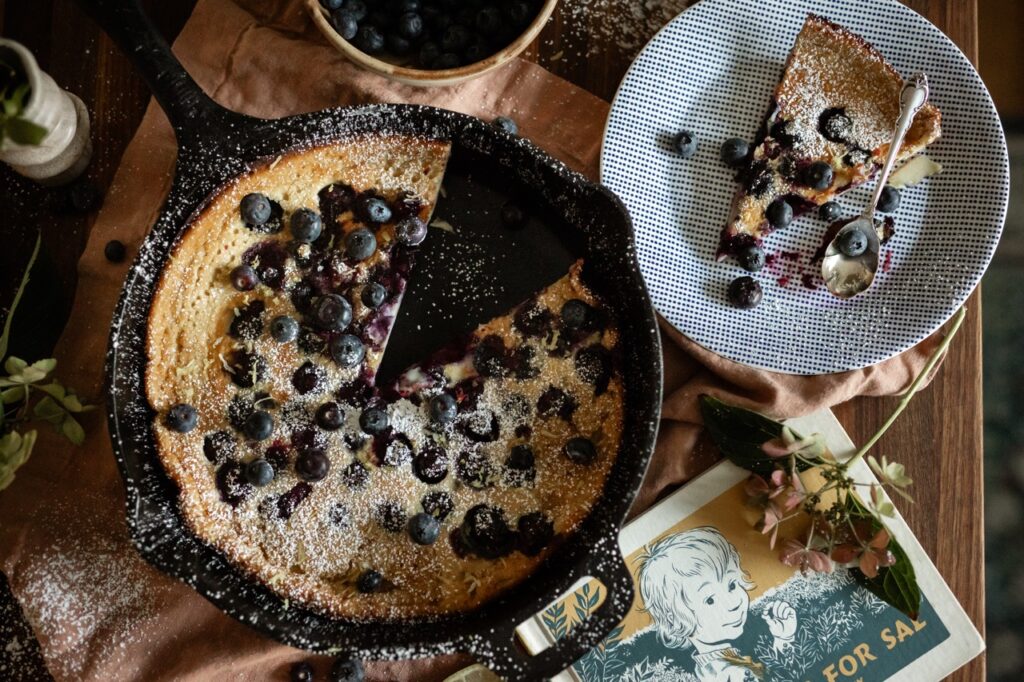
Foraging Blueberries and Making a Dutch Baby
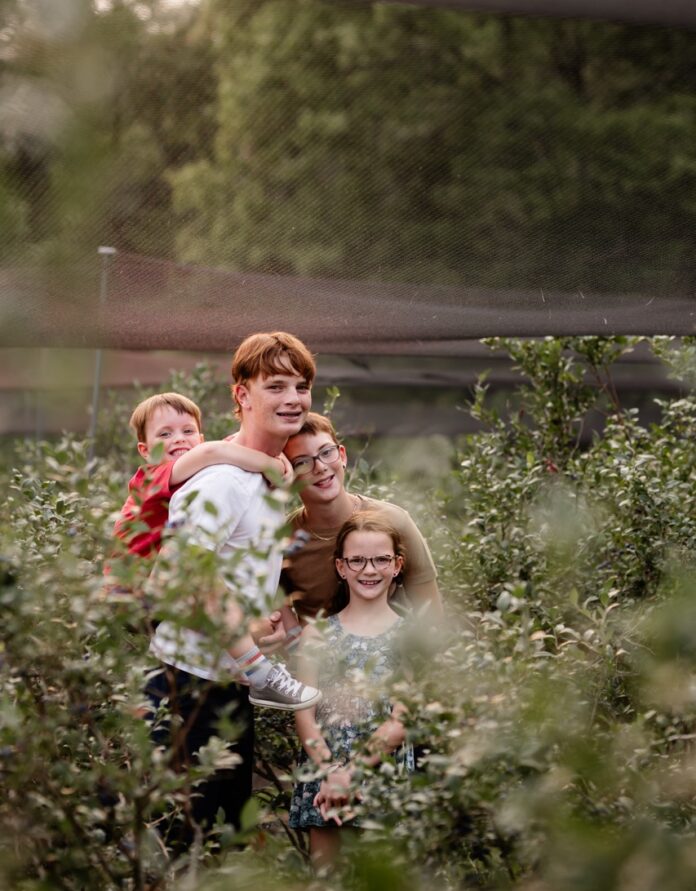
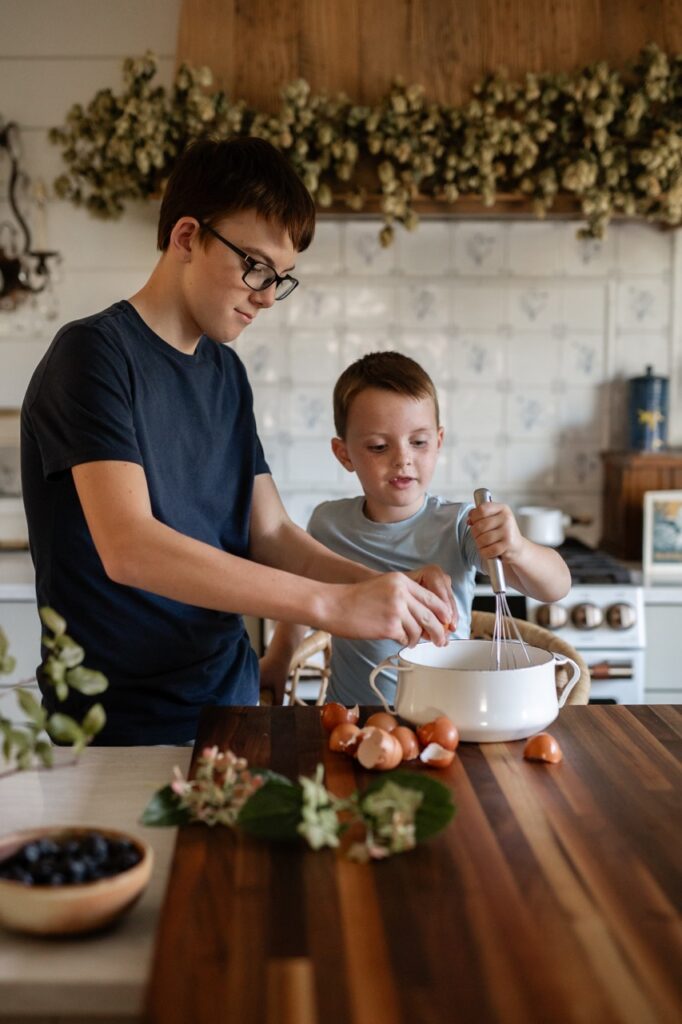
The children’s book, Blueberries for Sal, is a perfect jumping off point for letting your kids “kaplink, kaplank, kaplunk” these gems into their buckets at a local farm. Bowser’s Blueberries in Renfrew, PA is a family owned “U-pick” establishment with ten varieties of blueberries and no chemical sprays. Ask at checkout about caring for your own blueberry bush and they will gladly share a few tips.
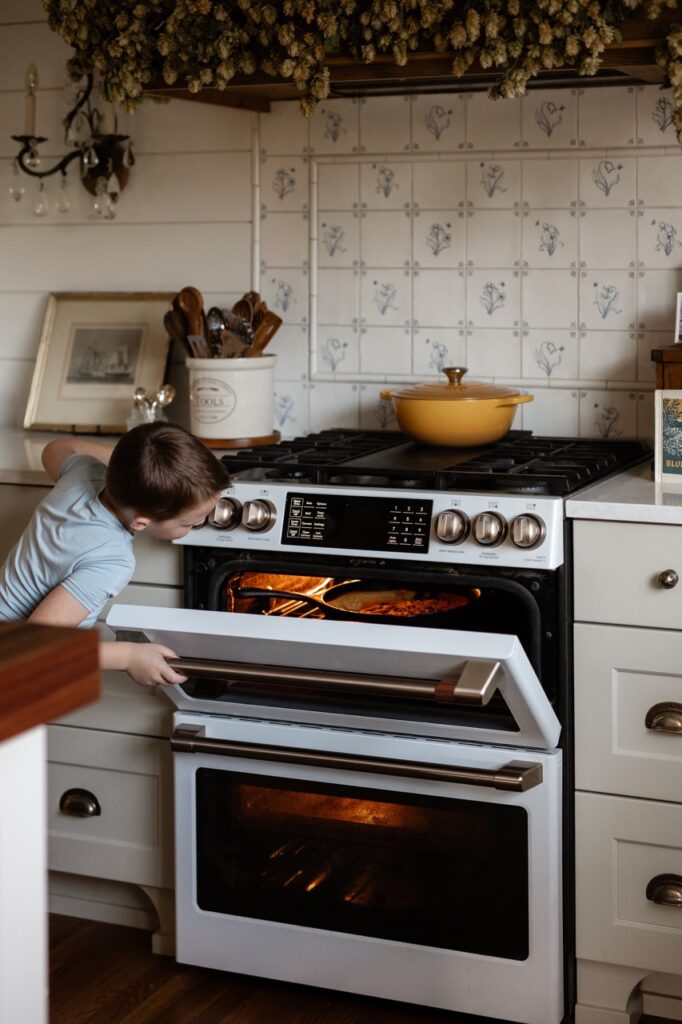
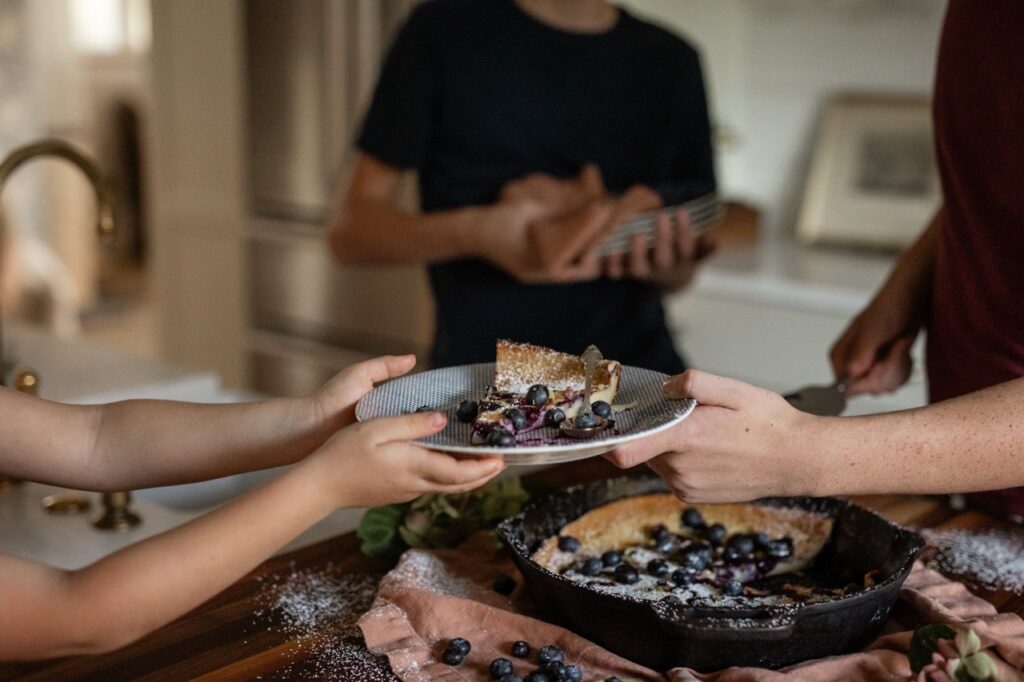
What carries these fruits better than a Blueberry Dutch Baby, perfect for Saturday morning all-hands-on-deck breakfasts? The more hands, the more blueberries, the more fun. In case you’re wondering what a dutch baby is, think of a mix between a pancake and a crepe with delicious topping.
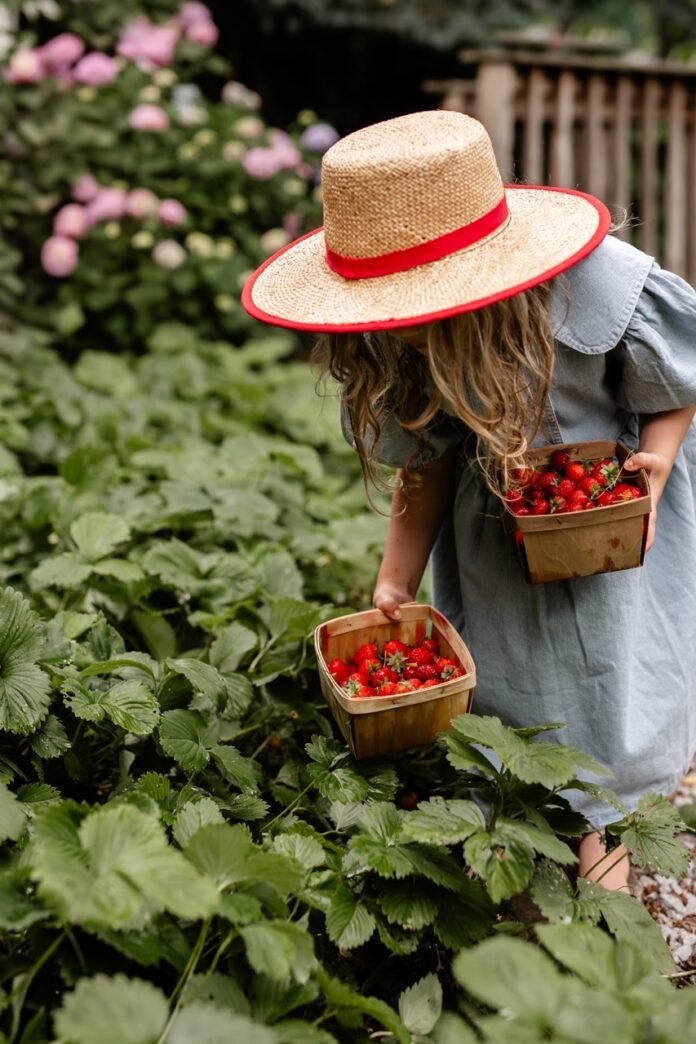
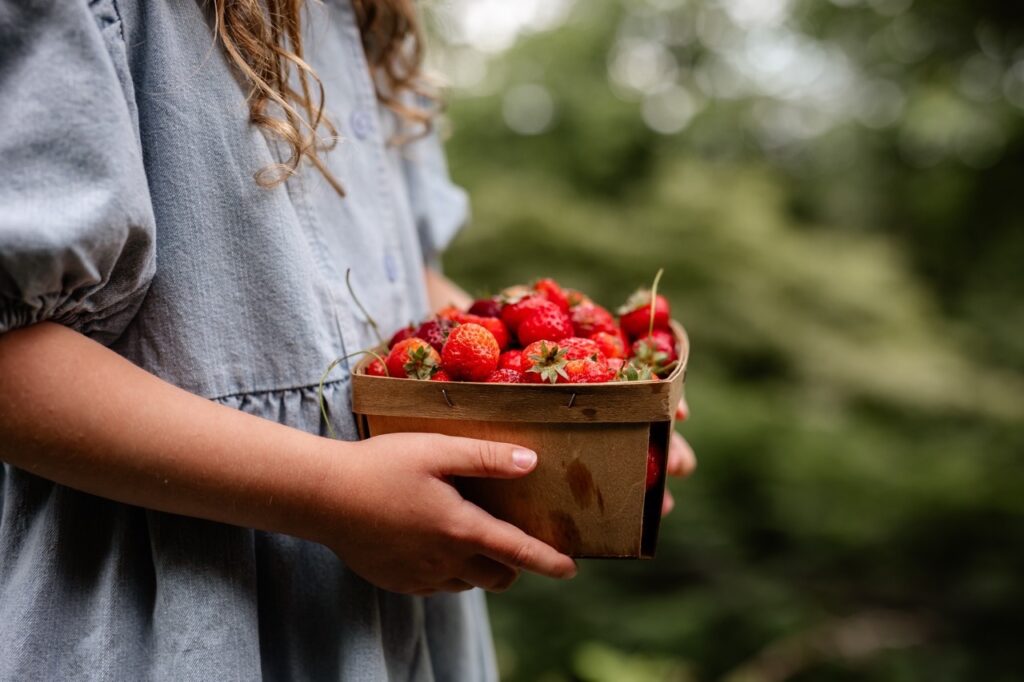
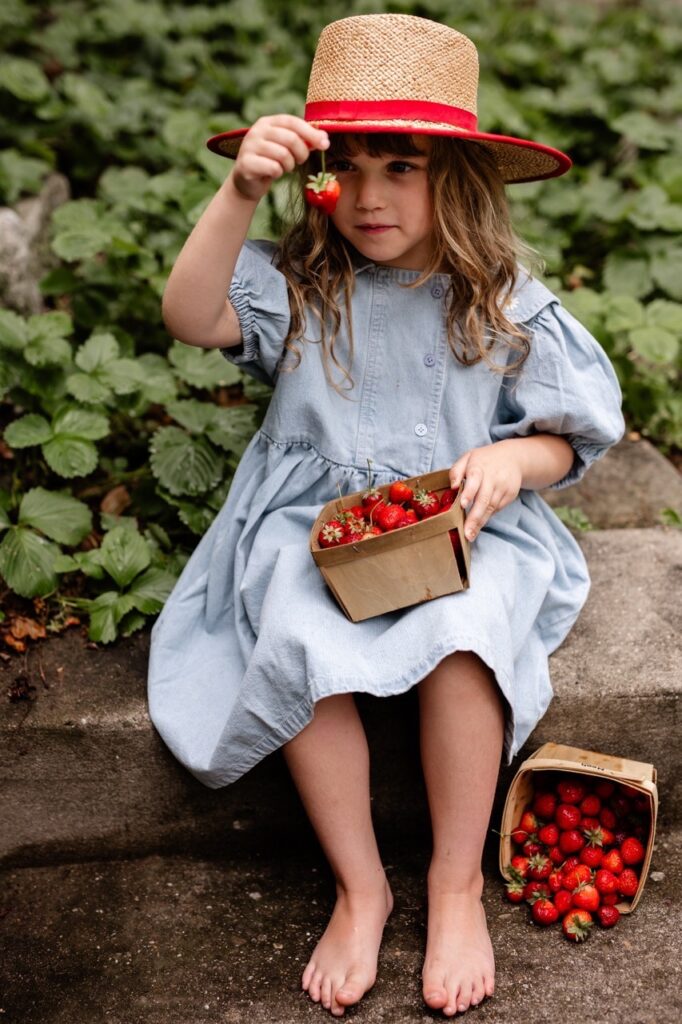
Cultivated in every US state, garden strawberries, low growing perennials, have their own national holiday and appropriately announce their arrival with a dainty white bloom about 30 days before the fruit is ripe in May and June.
Foraging Garden Strawberries and Making Scottish Oat Scones
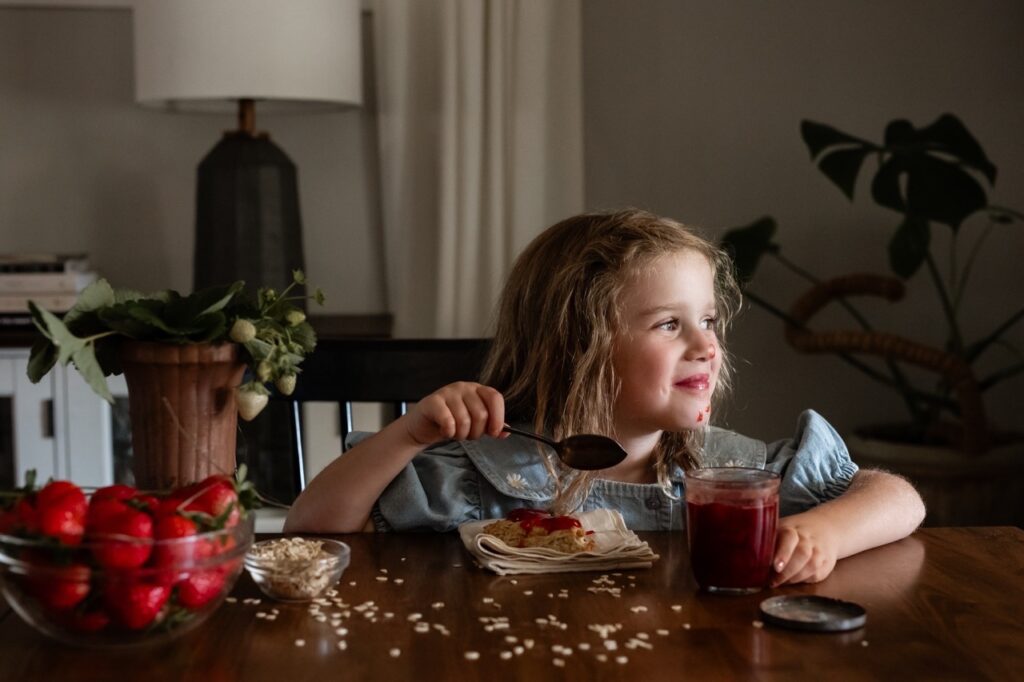
Simple recipes hit big for this favored fruit and bakers of all ages can appreciate the pairing of a three-ingredient jam with easy Scottish Oat Scones. The only mess left from this strawberry endeavor will be the jam at the tips of small noses. One bowl is plenty for mixing up a forgiving scone dough. Small hands and their gentle touch go a long way to ensuring a successfully flakey result. Feel successful in your foraging and make sure your garden strawberries are put to good use.
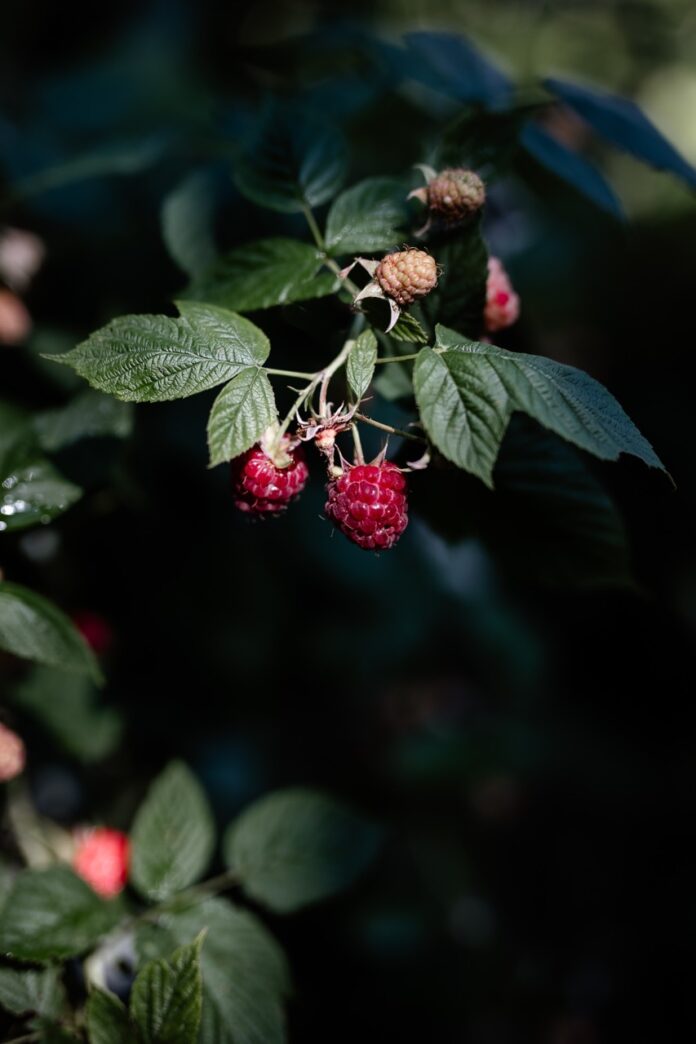
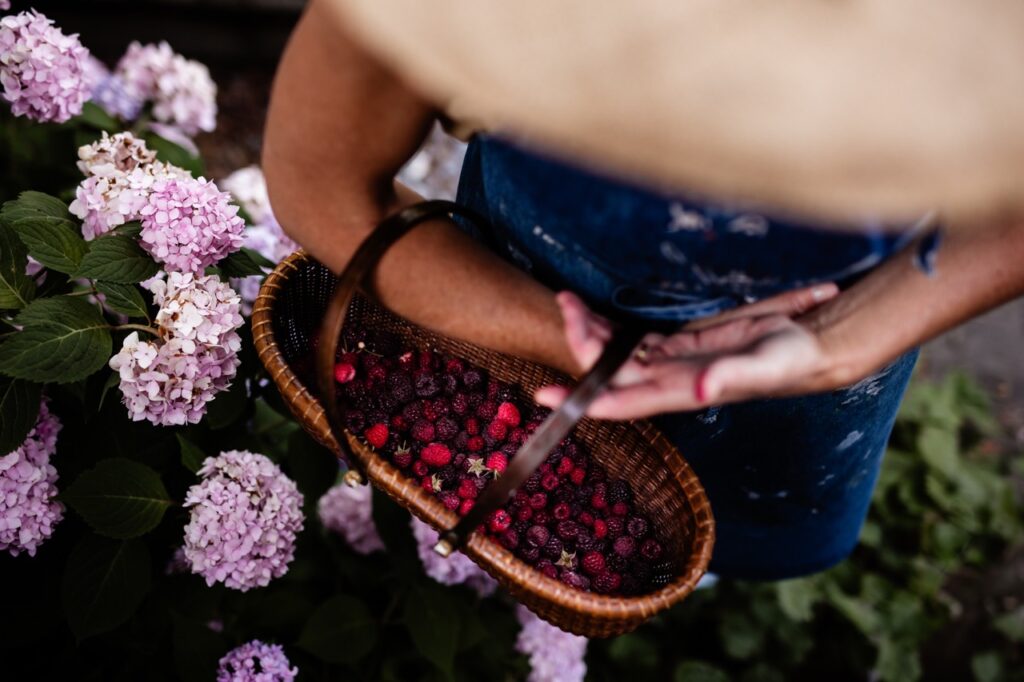
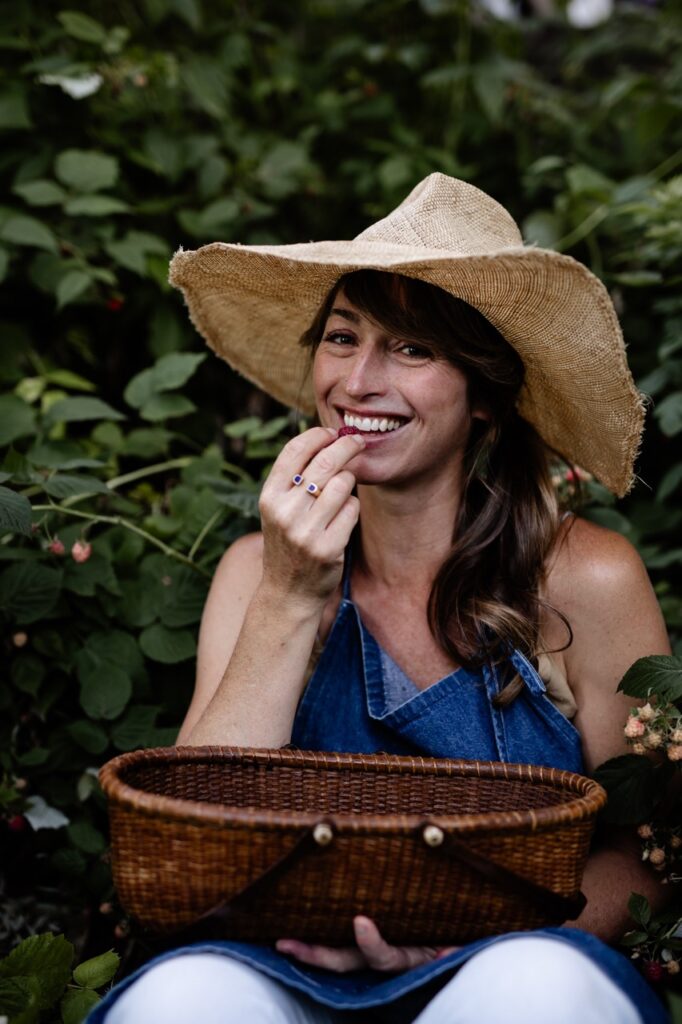
Although the West Coast is the largest producer of red raspberries, Western Pennsylvania farms and even possibly your backyard provide a fine home for foraging many of the 200+ varieties from August to October.
Foraging Backyard Raspberries and Making Hand Pies
A single raspberry is made of 75-85 little fruits, or drupelets, clustered together to form the berry, and kids will love to look closely to notice its complex build. Raspberries have more fiber than any other fruit, and one cup contains over half the daily value of vitamin C so nibble freely! While the plant itself is relatively tough, the fruit has one of the highest respiration rates of any, making it the most delicate berry.
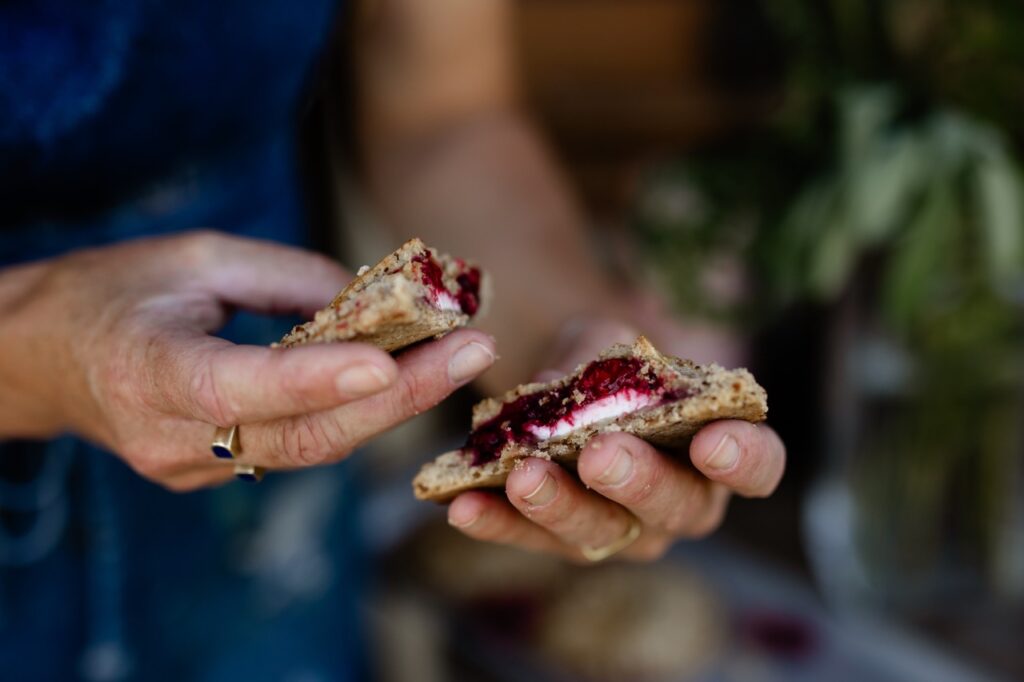
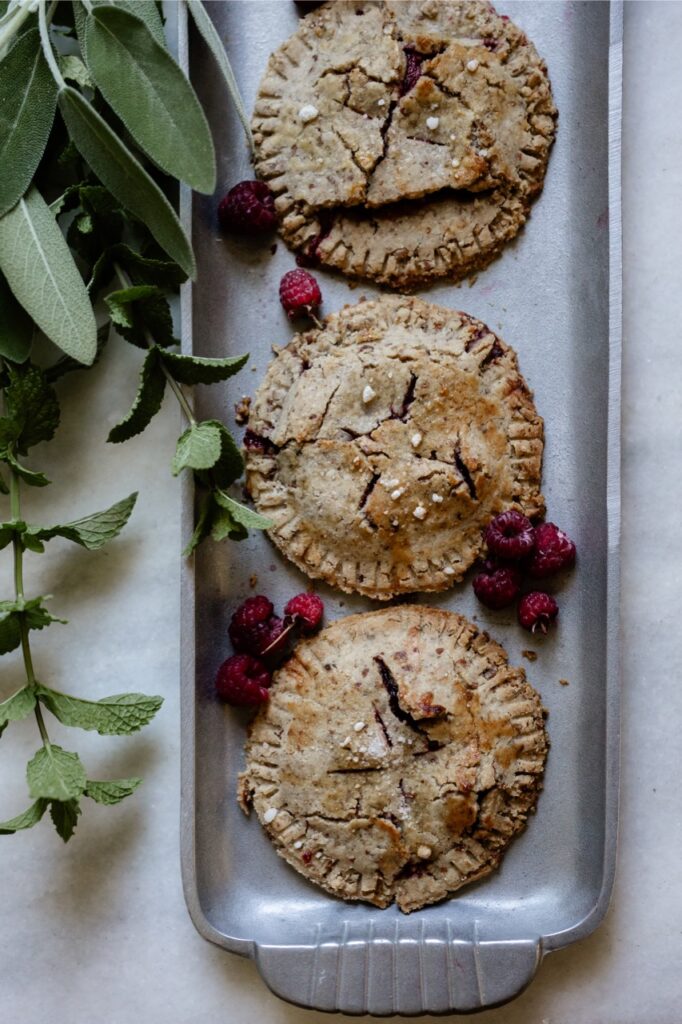
Small hands are apt to make quick work of gathering and will also appreciate child-sized single serving hand pies made fresh with the fruits of their labor. Adults, too, can appreciate nostalgic jammy Raspberry Cream Hand Pies – sweet berries and cream against a nostalgic pretzel crust.
A dessert of fresh berries and cream in a pretzel crust will whisk you away to paradise.
Ingredients
Scale
For the dough:
1 3/4 cups mini pretzel twists
1 cup all-purpose flour
1 1/2 sticks (12 tbsp) cold salted butter, cubed
1 tbsp sour cream
For the filling:
1 cup fresh raspberries
1/2 cup fresh blackberries or chopped strawberries
1–3 tbsp brown sugar, use to your taste
2 tsp cornstarch
1 tsp vanilla extract
2 tsp lemon zest
1/4 cup high quality raspberry or strawberry jam
2–3 oz cream cheese, at room temperature
1 egg, beaten
Pretzel salt or coarse sugar, for sprinkling
Instructions
Pulse pretzels in a food processor until they are dust.
Add flour and butter and pulse until pea-sized clumps form.
Add sour cream and 1/4 cup cold water, 1 tbsp at a time, Pulse until the dough comes together.
If the dough feels dry, add 1-2 tbsp of additional water.
Place the dough on a floured surface and form a ball.
Divide in half and flatten each into round disk.
Roll out each disk and cut into a total of 15-16 circles. Chill the dough rounds while you make the filling.
In a medium bowl, toss together berries, cornstarch, and sugar.
Add the vanilla and jam, gently toss to combine.
On a parchment lined baking sheet, leaving a half inch border, spread 2 tsp cream cheese onto the center of half of the circles, then top with a tablespoon of the filling.
Brush the edges with the beaten egg.
Lay a dough circle over the filling and seal the edges by crimping with the back of a fork.
Cut slits into the top of each hand pie.
Cover the baking sheets and freeze for 20 minutes.
Preheat oven to 425 degrees.
Brush pies with beaten egg and sprinkle with coarse salt/sugar. Transfer to the oven and bake for 12-15 minutes or until golden brown.
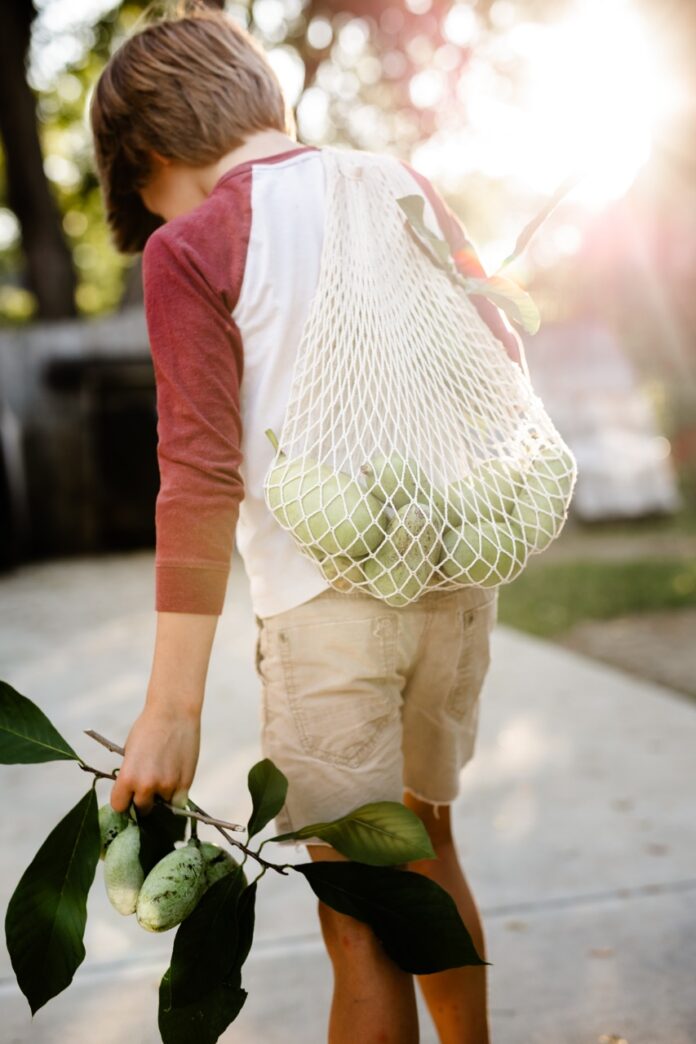
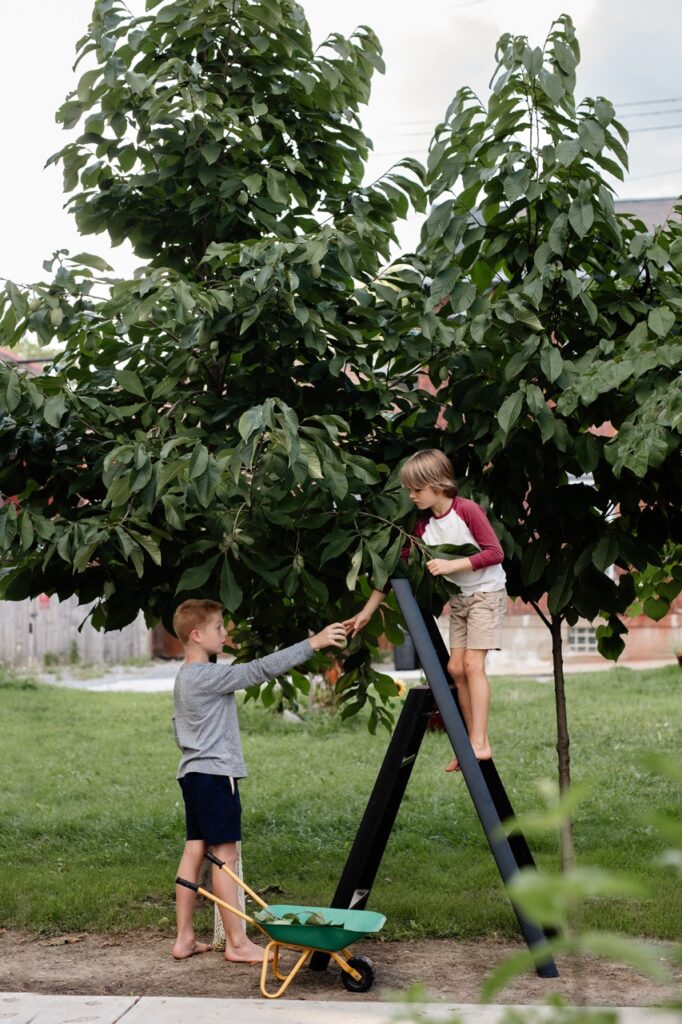
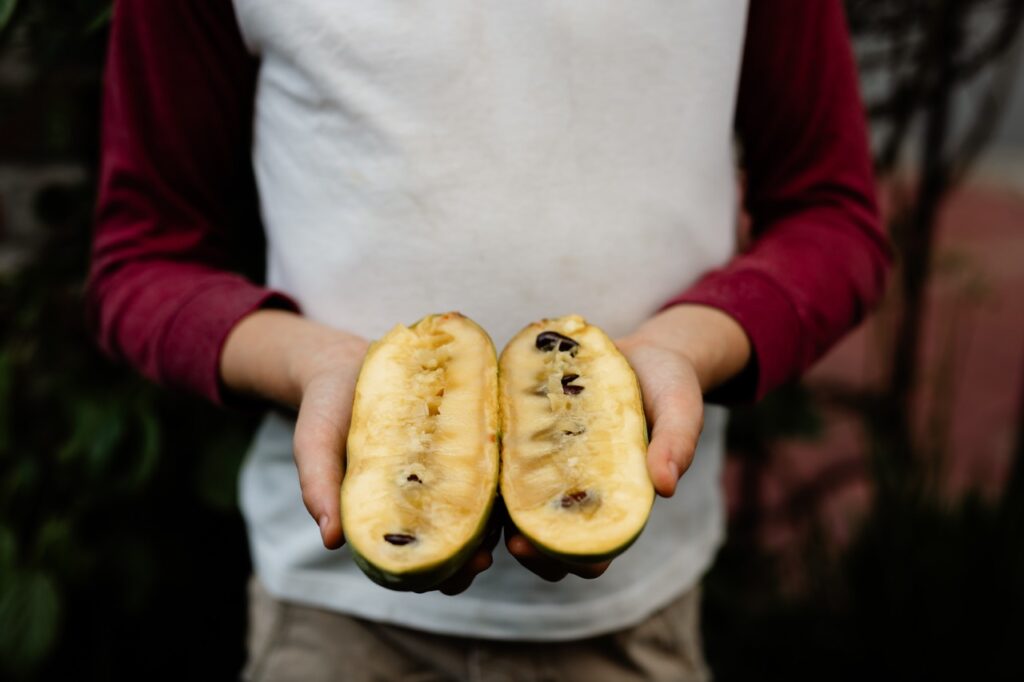
A deciduous and lesser-known fruit-bearing tree native to the eastern United States, pawpaw fruits are the largest edible fruits native to North America and are available for foraging from August to October.
Foraging Pawpaw Fruits and Making Ice Cream
The pawpaw tree is often in parks and along many Pittsburgh streets. The trees mainly grow under the canopy of the woods, but because they thrive along waterways, they’re often called “river fruit” in the three-river city.
Many describe the flesh of the yellowish-green orbs as having a banana-mango flavor.
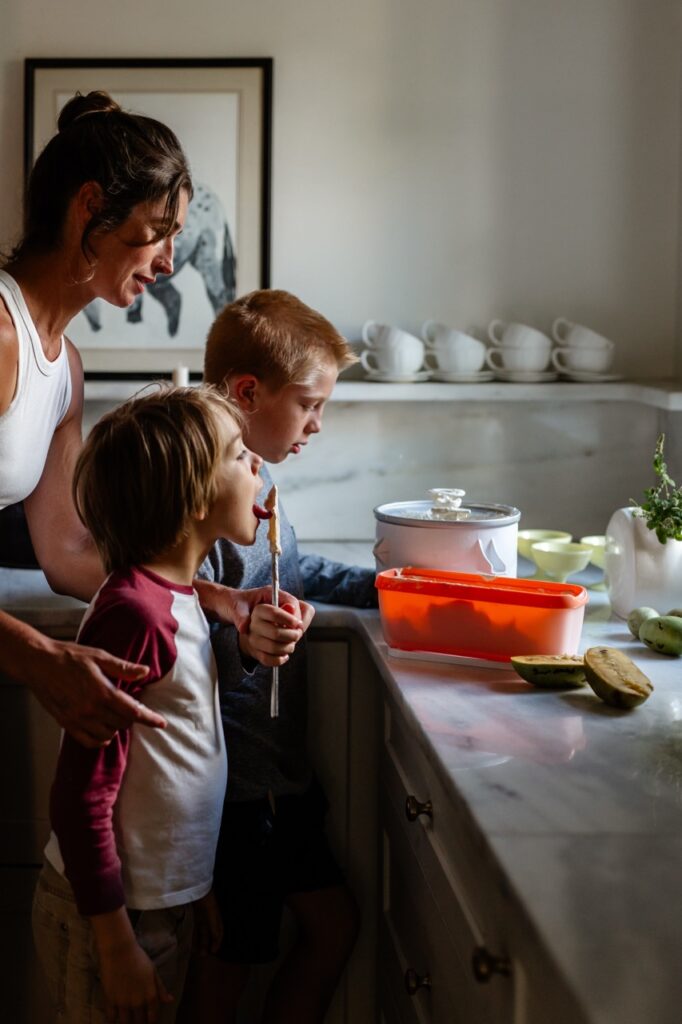
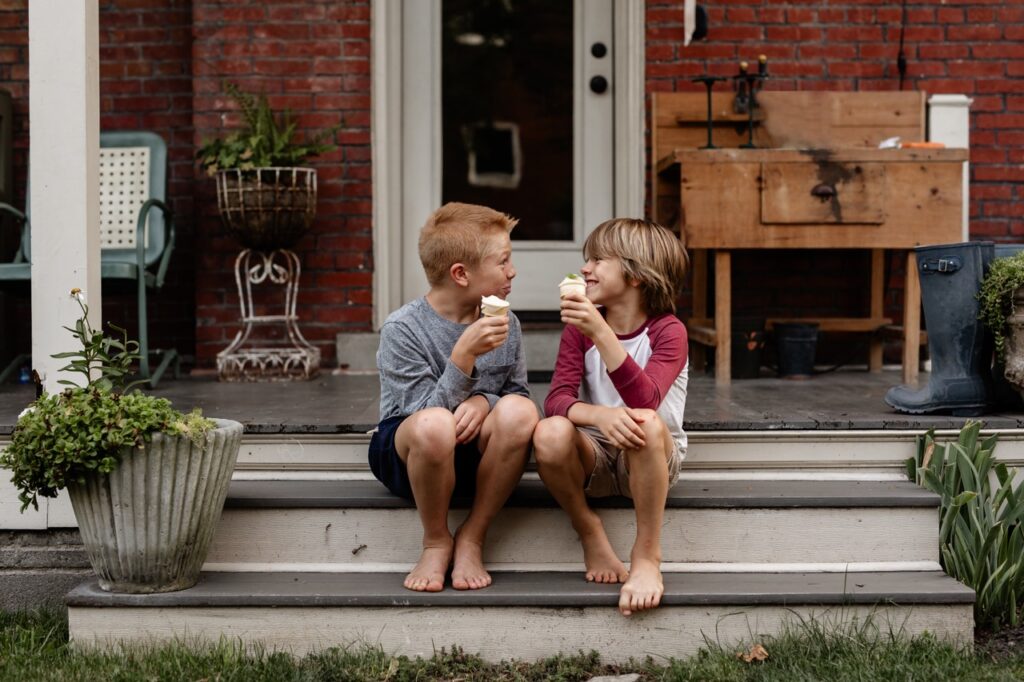
Pawpaw fruits creamy texture lends itself beautifully to a homemade ice cream and it can become an easy yearly tradition to hunt for the prize ingredient, then churn it into a custard and scoop atop cones. Local author, Andrew Moore, has much to say in his book, Pawpaw: In Search of America’s Forgotten Fruit.
The creaminess of the pawpaw fruit is great for making into it ice cream.
Ingredients
Scale
1 1/2 cups mashed pawpaws, about 4 or 5 pawpaws
2 cups cream
2 cups milk
1 cup sugar
1 tsp vanilla extract
5 egg yolks
Instructions
In a non-reactive pot, heat cream, milk, and sugar over medium heat.
When the mixture starts to steam, beat the egg yolks in a bowl.
Stirring the eggs all the time, add ¼ cup of steaming cream mixture to the eggs. Repeat.
Once the eggs are well combined, add egg mixture to the pot.
Stir the custard often while it regains its steaming point. When it thickens — it should coat the back of a spoon — turn off the heat and pour the custard into a bowl. Stir in the vanilla extract. Place in refrigerator to cool and set.
When cool, whisk in the mashed pawpaws until well combined.
Pour mixture into an ice cream maker and churn according to instructions.
Serve when ready or place in container with lid. Completely cover the surface of the ice cream with plastic wrap. Place lid on container and store in freezer.
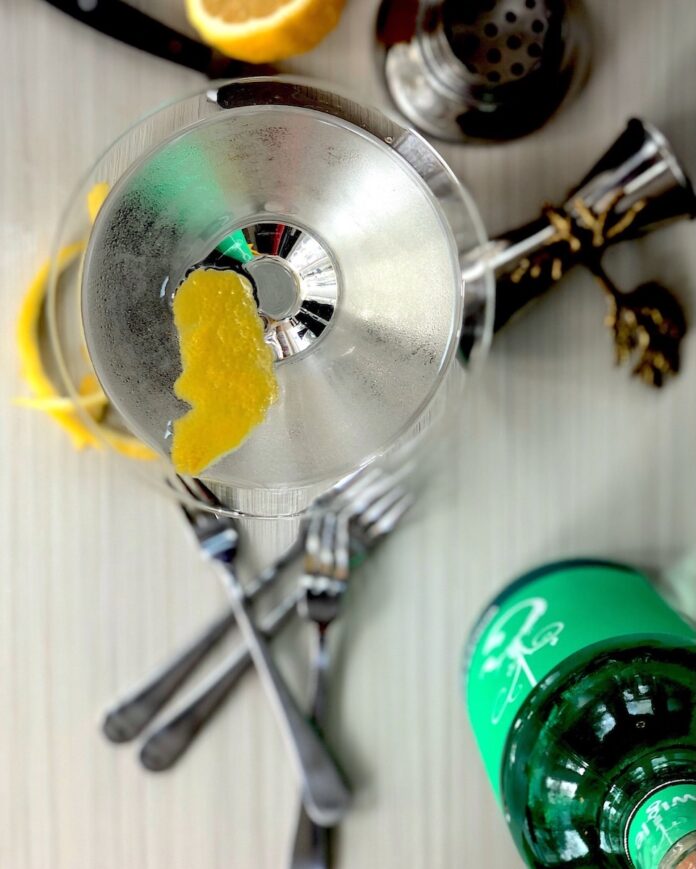
The classic martini is an invitation to channel your inner James Bond, but make sure it’s stirred not shaken. A well-made martini should always be stirred because, as James first reminds us in the 1958 novel, Dr. No, the shaking bruises the ice and further waters down the cocktail too quickly. Instead opt for a rapid stir to mingle and chill the simple ingredients.
Why an Ever Martini?
Aside from sounding cool, the name refers to Genever, the Dutch predecessor to gin. Genever tastes like a blend of gin and a light Scotch whisky, with a prominent malt backbone and subtle notes of herbs and spices, including juniper. That’s all the more reason to stir this martini rather than shake it, to preserve the complexity of the flavor.
Clayton, the Frick family’s Pittsburgh home, sheltered Henry and Adelaide Frick and their three children. It also housed the numerous staff members who kept the Fricks looking polished and well organized. Hands from both groups played roles in acquiring, using, and maintaining the objects that populate this splendid museum today. The Frick Pittsburgh’s Chief Curator and Director of Collections, Dawn R. Brean, and Morgan Lawrence, Manager of Collections and Exhibitions, shared some of Clayton’s gilded tableware treasures with TABLE readers.
The Frick Family’s Gilded Tableware
Bonbon Spoons
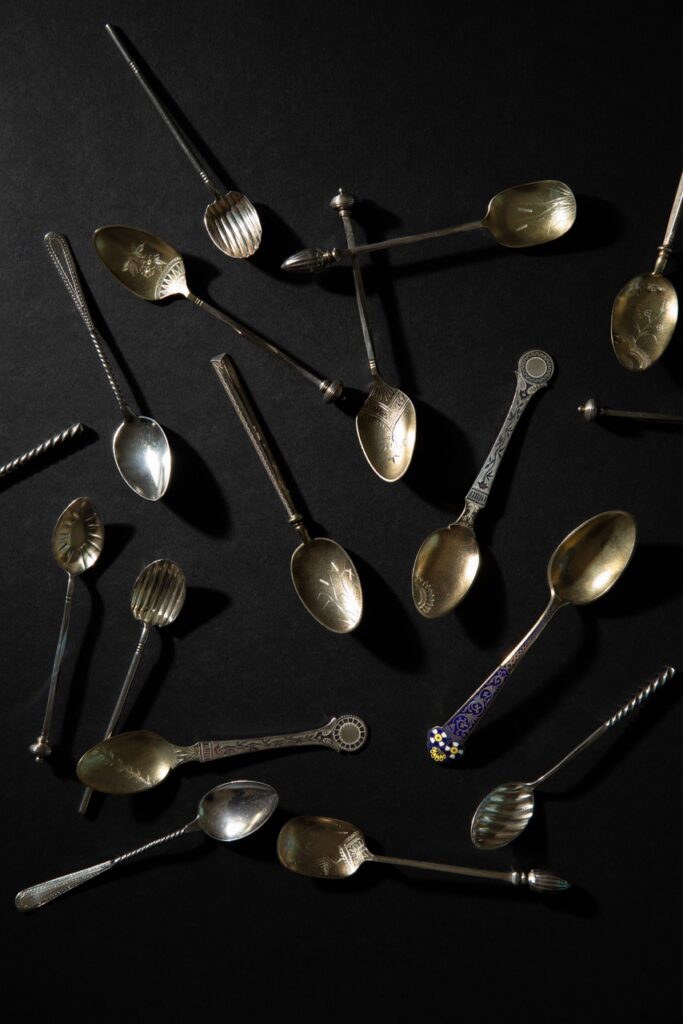
“You never would touch any food with your hands, only with a utensil,” comments Dawn R. Brean. These elaborate spoons would have served chocolates and sweet treats during an elaborate lunch, teatime or dinner. The spoons were probably given to the Fricks as wedding gifts in 1881. No longer part of our daily lives, the bonbon spoon is one of many types of tableware that were an opportunity for the wealthy of the Gilded Age to show off their status and their understanding of the multifaceted table manners of the day. If you could navigate your way through the accoutrements of the upper classes, you belonged. As today’s teens might say: IYKYK.
Venetian Goblets
Like many across the centuries, the Fricks purchased souvenirs and keepsakes when they traveled. During an 1893 visit to Venice, they selected a suite of engraved and gilded coupes, goblets, cordial glasses, finger bowls and plates, decanters, and ice cream shells (dishes) from a luxury boutique run by the Testolini family on St. Mark’s Square. (It’s now Pauly & C., and you can still visit their gorgeous store in the heart of Venice.) Adelaide Howard Childs Frick’s monogram, AHCF, is etched into each piece. This is because choosing these items, and deciding when to use them, was squarely in her aegis. Brean says that the amount of wear and tear visible on the gilding indicates that these sumptuous pieces had frequent use.
Coffee Spoons
Brean reports that The Frick Pittsburgh has at least 30 coffee spoons in the collection. Some are gilded. Others sport enamel details. Some are twisted, hammered, or stamped. Still others are finely etched with flowers, insects, fans, and other details, often in the Japanese-influenced aesthetic popular in the American Arts and Craft movement. Some may have been given as wedding gifts, but their profusion suggests that they may have been gifted to the Fricks across many years. The spoons would have been used during coffee service after dinner, at card parties, and perhaps during the quick social calls that were common between women in the late 19th and early 20th centuries.
Cabinet Plates
These beauties almost never left the dining room’s china cabinets, where they would have provided a sumptuous backdrop for Mrs. Frick’s crystal and glassware. The array of patterns shows a late 19th century taste for eclecticism. These represent Art Nouveau, Rococo Revival, Directoire, Classical, and Aesthetic styles, among others. “What I love about the 19th century is the mixing and matching. They were shameless materialists back then, and more was definitely more,” comments Brean with humor, noting that the museum has at least 15 sets of dinnerware that belonged to Mrs. Frick. What was on the table during meals? “White china with simple gilded decorations was used everyday. On special occasions, however, patterns like the one on the lower left of the photo were likely to be on the table,” explains Brean.
Silver Place Settings
Most likely a wedding gift or wedding purchase, the sterling silver salad and dinner forks, and soup and dessert spoons, shown here are by Tiffany & Co. Popular in the 1880s, each of the 15 shapes within the Audubon pattern had its own bird and flower combination, bringing joyous depictions of the natural world to every meal. Mixed in with the Audubon pattern, the pearl-handled knives were also part of the Fricks’ everyday tableware.
Serving Pieces
The berry spoon (top), fish knife (center), and pie server (bottom) represent some of the many, many shapes required at Gilded Age tables, but which have fallen out of common use in our time. Who could spot a fish knife these days? Just over a century ago, however, subtle differences in their shapes would have explained the function of each piece to those in the know. Mrs. Frick, raised in a well-to-do family, would have known her way around these objects. So would the English butlers who helped her run Clayton over the decades, like Frank Richards and Joseph Holroyd. Mr. Frick, not born and raised with this sort of status-affirming kit, might have needed a little coaching from time to time.
To learn more about the Frick family and the people “downstairs” who made life at Clayton possible, get a ticket to the Gilded, Not Golden tour of the house. It looks beyond the opulence and into the upheaval and inequity of the era.
Special thanks to The Frick Pittsburgh, Dawn R. Brean, Kristin Garbarino, and Morgan Lawrence.
Ippolita’s Classico Icons collection places gently hammered finishes with the boundaries of smooth edges and timeless shapes. Shown here in silver, and also offered in gold, this is the kind of jewelry you put on and never, ever take off.
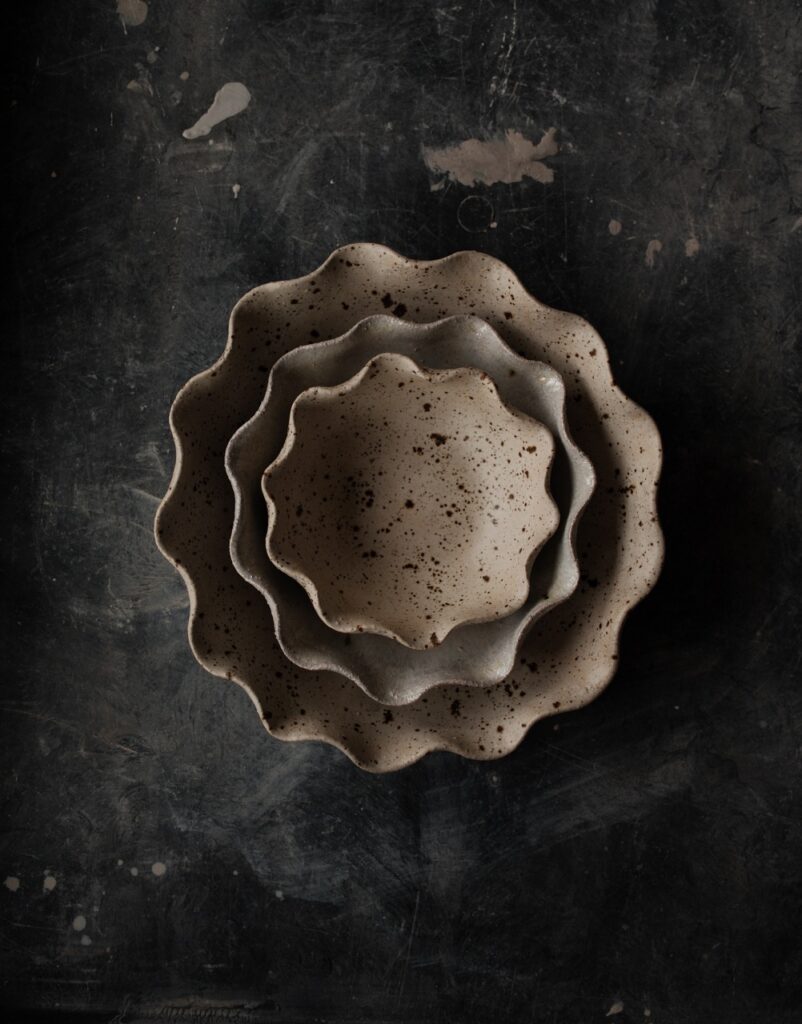
Pittsburgh-based ceramist Elise Birnbaum has a way with clay. Her organically inspired Ripple Bowls are at once uplifting and grounded. Great for your own home as well as for gifting.
Slide comfortably into Jabara Amor Sliders by 4CCCCEES. The open-toe design sports a wide, artfully gathered strap and ridged cushioned sole. The tan, neutral colorway is hot right now in design, so… get on it!
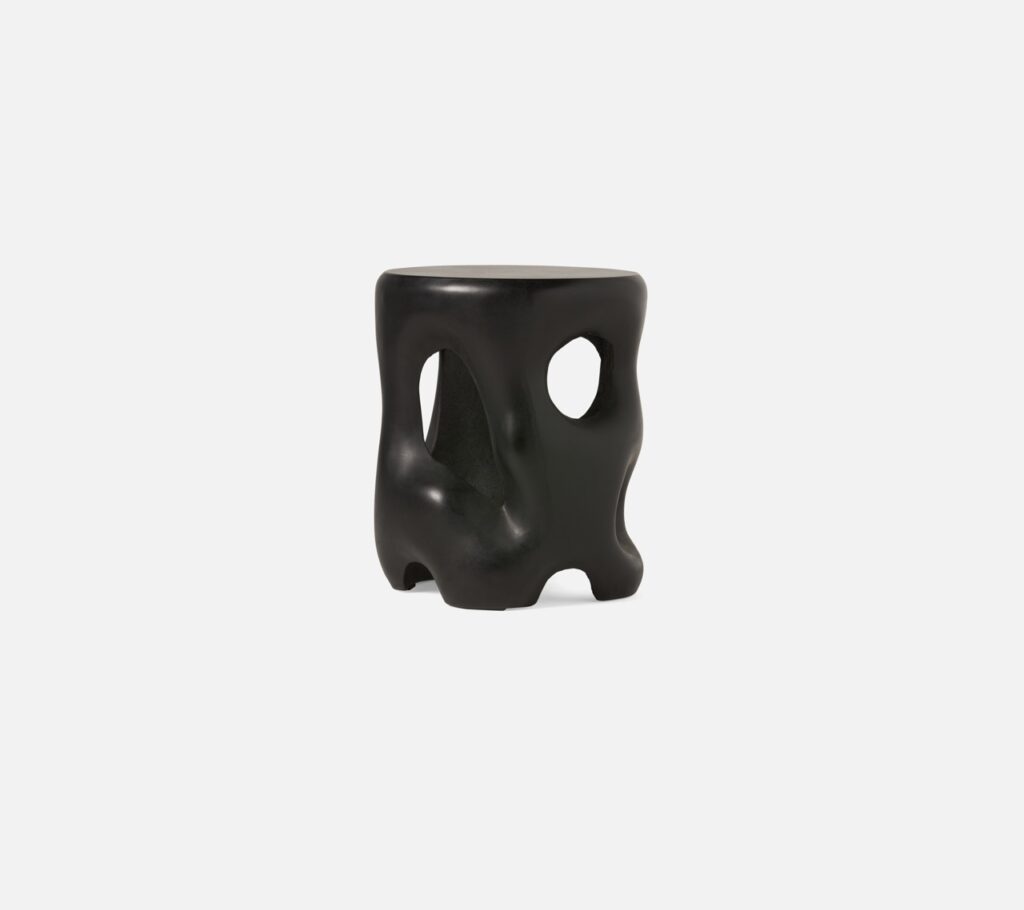
An eye-catcher for sure, the Hyde side table and stool is handmade in smooth concrete, and can withstand use outside on a covered porch. Or of course inside. Wherever you need it. Available in Lawrenceville at Shoppe B.
Clean-lined, minimalistic chairs flank a round, solid wood tabletop resting on elegant wood and metal supports. Both from Canadel and available in 12 finishes from Today’s Home.
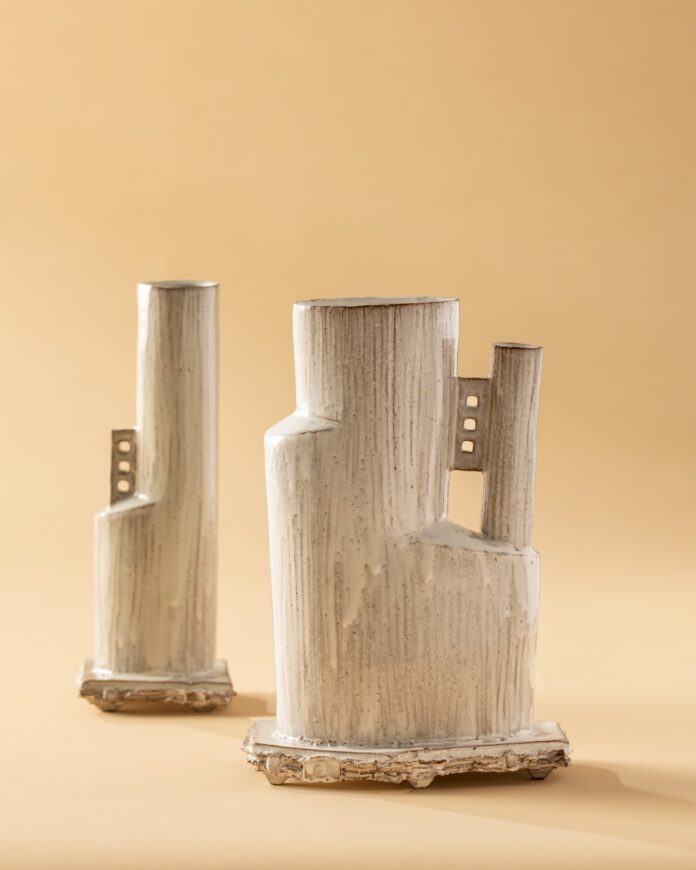
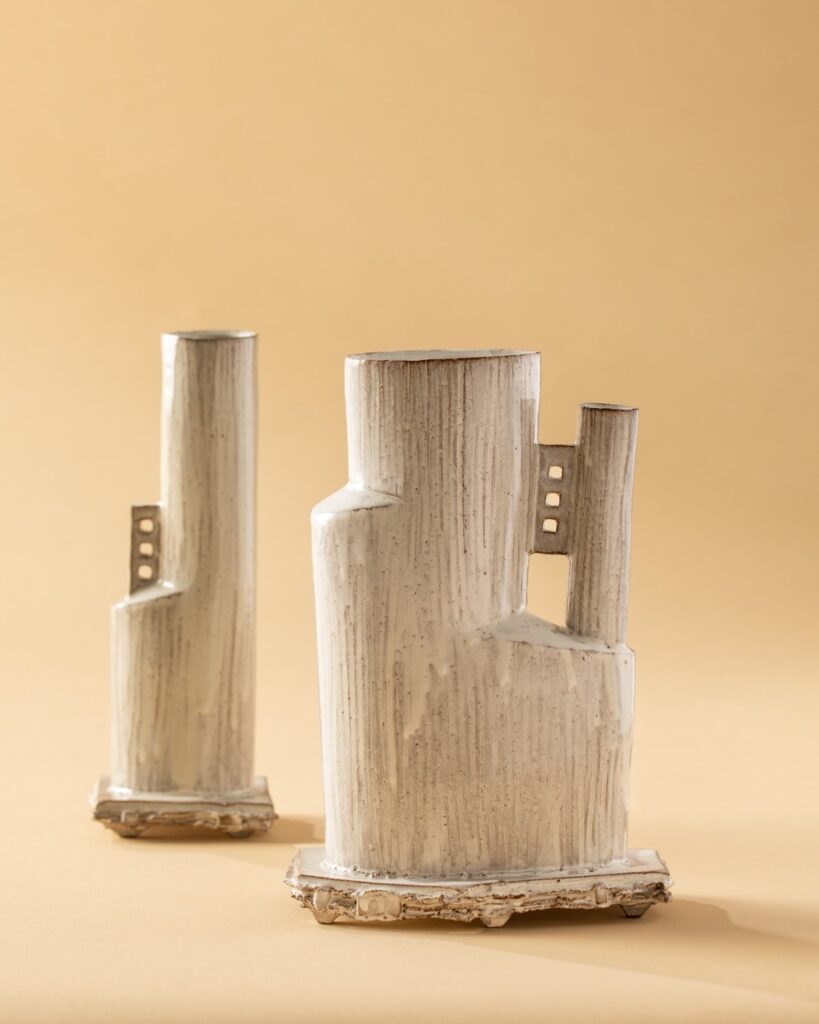
Stoneware architectural vases by Jen Allen Ceramics are exclusive to Fallingwater. Their hand-built slab forms celebrate the convergence of architectural excellence and natural beauty of Frank Lloyd Wright’s architectural masterpiece. Photo by Dave Bryce.
Story by Stephen Treffinger, Danny Mankin, Keith Recker, and Abbey Cook
Why do leading trend agencies, paint brands, and others, choose a color to express the feeling and emotion of an entire year on this complicated planet? Trend Bible’s US trend editor and TABLE Magazine contributor Abbey Cook gets into it by analyzing the 2025 Colors of the Year.
Analyzing the 2025 Colors of the Year
For the past 25 years, we have been living in a Color of the Year-inflected world where leading trend agencies and paint brands choose a color of the times. Why do they do it? Love them or loathe them, their choices focus our attention on the choices the design world offers consumers, arguably whetting our appetite for options that suit us. Color of the Year programs receive lots of press coverage, giving companies a chance to affirm their expertise and cement awareness of their work broadly in the marketplace. Let’s look at four companies who sparked up the color conversation with their picks, along with Pantone, who also pioneered the concept in 2000.
Color is powerful and creates change, not just in our homes, but all around. It should be noted these colors aren’t randomly plucked from a hat. A great amount of research and thought goes into choosing why companies see these individual colors as important in the year to come. Art, fashion, climate change, politics, restaurants, social media, and just about everything you see and touch, are studied by trend forecasters and color strategists, helping to determine the mindset and culture they expect to see in the coming year.
How All the Colors of the Year Come Together
To our delight, displaying these five 2025 Color of the Year choices side by side formed a designer’s dream palette. Together they create an earthy and comforting range, with bold blues that contrast beautifully with the browns and reds. The delicious invitation to mix and match the choices of the five influencers we chose sets 2025 apart from previous years.Perhaps this is a sign that 2025 can be, recent news cycles notwithstanding, a year of coming together collectively to focus on the planet and each other while helping to design the world into a more united place.
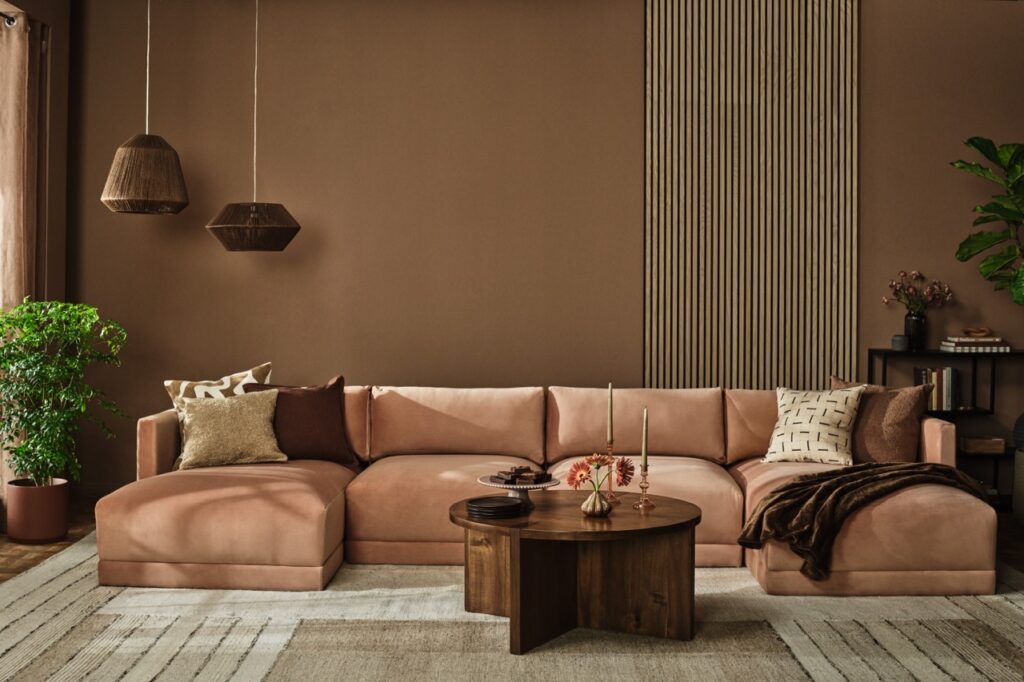
The company that put Color of the Year on the map has chosen Mocha Mousse for 2025, a milky tan with cinnamon undertones alluding to the trusty basics we know as brown and beige. This is not a wild card choice for 2025: we needed a soothing neutral after years of dopamine brights ready to be photographed for the ‘gram.
Mocha Mousse acts as an elevated brown that will be found in accessories, wood furnishings and textiles throughout the home. Who wouldn’t want to wrap themselves in a luxurious Mocha Mousse cashmere blanket? Or lean into the cafe vibe of this color and use it in the kitchen with earthen tabletop pieces from East Fork Pottery or Heath Ceramics while you brew your cafe latte. One could even merge food and design by spooning real Mocha Mousse into a chocolate-colored bowl: our eyes would admire the monochromatic still life as much our taste buds. However the color is used, the beauty of working with it lies in its harmonious and grounded sophistication and its unassuming but all-knowing air.
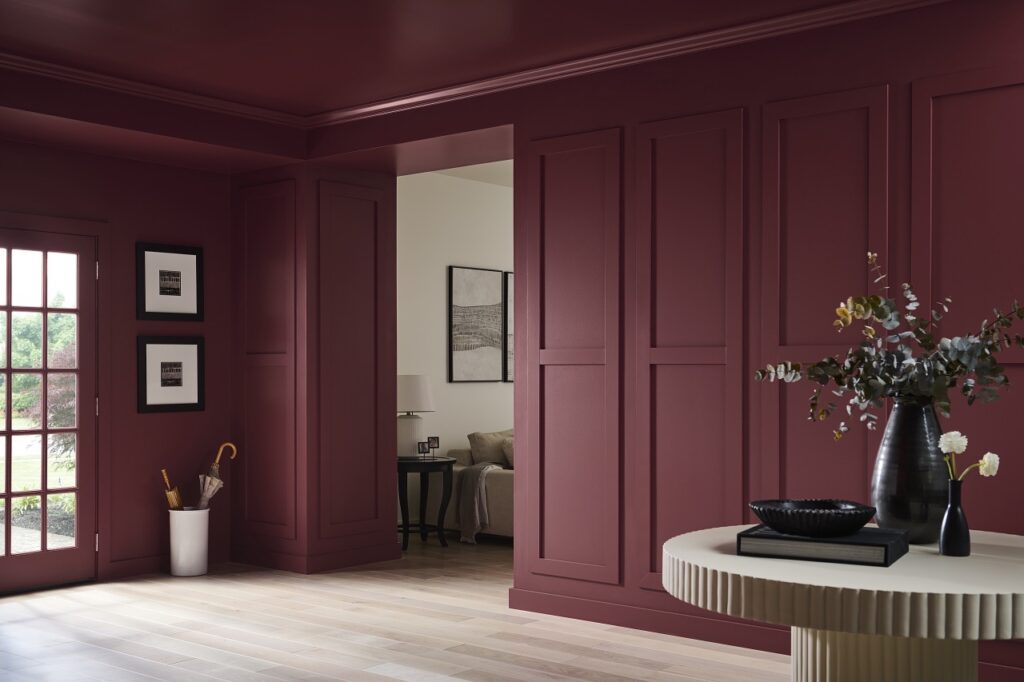
Behr chose a sultry ruby red with brown undertones and spice notes that has timeless appeal. According to a recent survey commissioned by Behr, “More than three-quarters (76%) of Americans would consider painting a room or wall a shade of red and more than half (61%) agree bold red walls feel warm and captivating.” The beauty of Rumors lies in its duality. Like a good friend, it invites you into a room and envelopes you in a warm hug. Yet it’s also luxurious enough to transport you to a five-star hotel. It pops against light neutrals and adds a flair of depth and drama when paired with dark woods.
This is the perfect shade to introduce into a dining room or kitchen as it stimulates the appetite. The confident red transitions well into any room bringing a wealth of hospitality to an accent wall when set against a fireplace or in a powder room to jazz up a cozy environment. This is a classic red that boldly adds depth and comfort to the Color of the Year lineup.
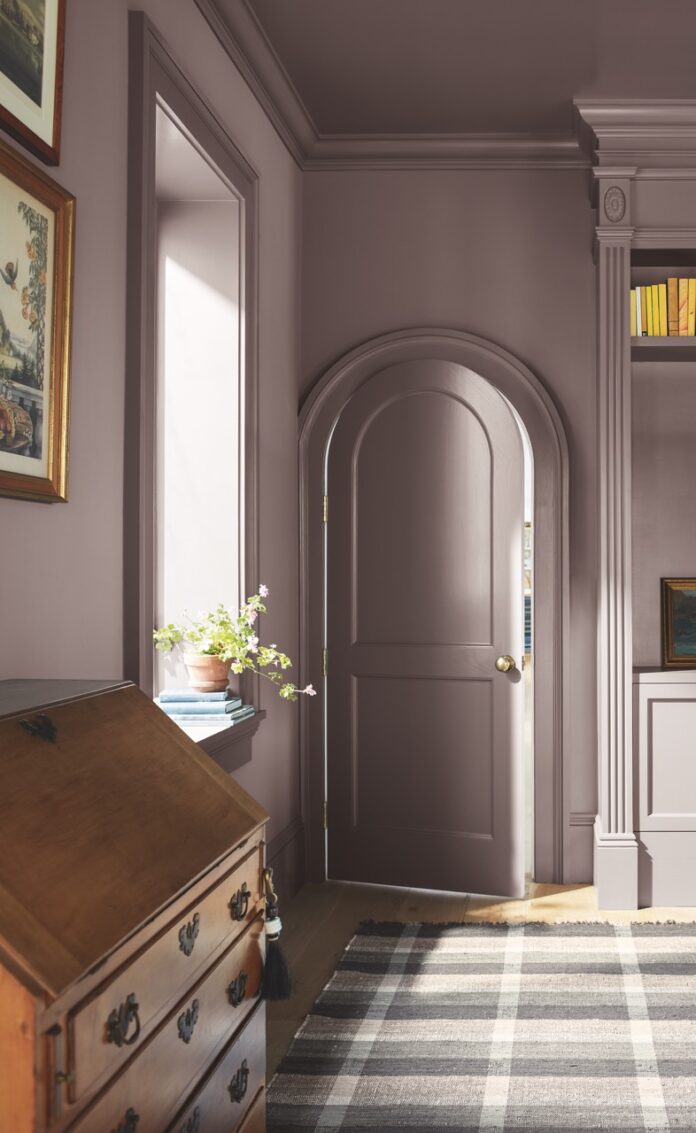
A nuanced mix of “heathered plum and velvety brown” makes up Benjamin Moore’s Color of the Year, known as Cinnamon Slate. A new neutral with hazy undertones, this is a great color to change things up with big impact but without a lot of unnecessary noise. It works well with browns from caramel to chocolate, textured creambouclés and even a rich indigo like WGSN’s Future Dusk. The color’s mauve putty value will soften any room, suggesting a serene escape into the English countryside. Pair it with a chintz floral wallpaper to emphasize sensation. A bedroom accent wall in this muted color would create a soothing environment while still injecting some character.
For a modern take on a Southwest desert style, use it as a backsplash in the kitchen as the color nods toward an adobe stucco. Forecasters think we will be entertaining more at home in 2025, and we are likely to see tabletop textiles and accessories in this color. Look to heritage-crafted products such as block-printed linens from Soil to Studio where folk inspired florals pair with imperfect stripes.
Like Pantone, WGSN is one of the top trend forecasting agencies in the world. Major brands and retailers look to the agency’s experts for guidance in creating and marketing new products. Their 2025 color, Future Dusk, is a saturated, celestial indigo that is “familiar and futuristic”, mirroring the unknown characteristics of this complex year. An otherworldly color, it adds a bit of regal, intriguing flair to the home. It is alive enough to carry a hint of eccentricity and electricity, and yet, as a blue, stable and familiar enough to be a versatile player.
Paint a small room in this opulent shade to feel like you’re stepping inside a satin lined jewelry box. Or use it sparingly in accessories to provoke and engage the eye and invite the seer to stay for a while. Limning between purple and blue, this moody color almost suggests iridescence and would radiate on tiles like the handcrafted ones from California-based company, clé. It would also make sumptuous wallpaper in tonal patterns to dress up a small bathroom or enliven a living room.
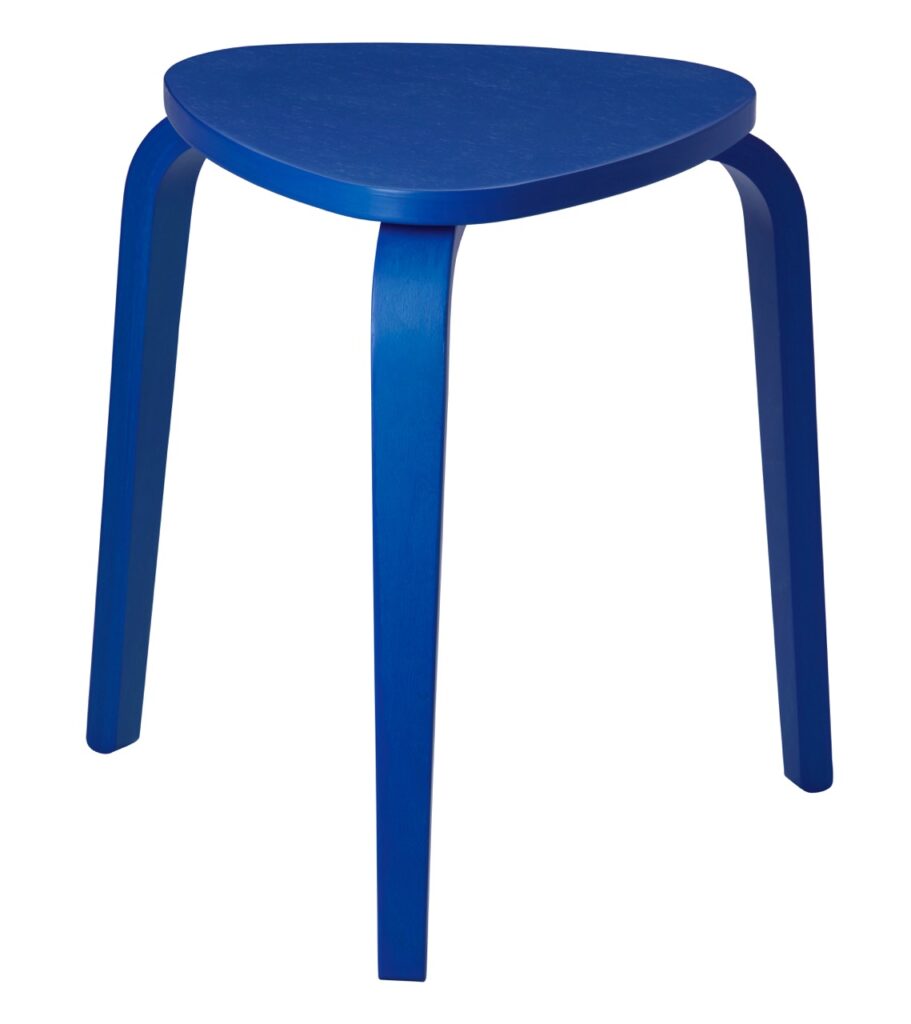
For the first time ever, IKEA decided to join the Color of the Year cohort. Even though it’s a lifestyle brand, their use of color and style has long been a leader in the interior design industry, so it makes sense to add their name to the game. They chose Electric Blue for 2025, a color that stands out and commands attention.
This vibrant blue is the perfect accent for home accessories, much like jewelry completing an outfit. It looks fresh when applied on a modern silhouette, such as IKEA’s minimalist Kyrre stool, which packs a perfect punch of color in a kitchen or bathroom corner. Or update a retro lamp in a glossy finish to make an office desk pop with the click of a switch for a literal Electric Blue moment. This color is loud and energetic, adding playfulness to the ‘kidult’ trend that will be big in 2025. Create this style using fun décor pieces such as quirky clocks or whimsical patterned pillows. Consider this color to be your standard of cool in accessories that will work for years to come.