Home Blog Page 7

Red Snapper with Taro Root Smash and Salsas

0
A white plate with leaves every where and a red snapper laying on the plate with taro root smash and salsas.

Looking for a new Red Snapper recipe that embraces the brightness of this fish? Inspired by Caribbean flavors, this Red Snapper dish brings together crisp-skinned fish, earthy taro root, and two vibrant salsas for a plate that feels both shore-like and refined. The snapper uses a simple preparation to let its delicate flavor shine. Then, a taro root smash adds heftiness and nuttiness on top.

Another element that elevates this dish are the salsas. One is a salsa criolla, with a tangy bite and depth. The other is a fresh, herb-driven salsa verde. Together, they create a recipe that you’ll come back to whenever you wish to cook yourself something special.

A person presents a white plate with a green banana leaf and a red snapper on top of that.

What is Taro Root?

Taro root is a starchy tropical stem that is an important ingredient across the Caribbean, Asia, and the Pacific for centuries. It has a rough brown exterior and pale, almost purple-speckled interior. Whenever you use taro in a dish, it develops a nutty flavor along with a soft, creamy texture.

It’s important to note that you have to cook taro before eating. Taro root contains naturally occurring compounds that can cause irritation when eaten raw.

Print
clock clock iconcutlery cutlery iconflag flag iconfolder folder iconinstagram instagram iconpinterest pinterest iconfacebook facebook iconprint print iconsquares squares iconheart heart iconheart solid heart solid icon
A white plate with leaves every where and a red snapper laying on the plate with taro root smash and salsas.

Red Snapper with Taro Root Smash and Salsas


  • Author: Jamilka Borges

Description

Dress up your red snapper the way it’s intended.


Ingredients

Scale
  • 1.5 lb whole snapper, scaled and gutted

For the taro root smash:

  • 2 large taro root
  • 4 small shallots (sliced)
  • ¼ cup cloves garlic
  • ~2 qt cream

For salsa criolla:

  • 2 white onion (short julienne)
  • 2 red bell peppers (short julienne)
  • 3 pt grape/cherry tomatoes
  • ¼ cup garlic (minced)
  • 2 packets sazon seasoning
  • 1 cup orange juice

For the salsa verde:

  • 4 cup parsley
  • 4 cup cilantro
  • 6 cloves garlic (minced)
  • 1 tsp cayenne
  • ½ cup red wine vinegar
  • 1 ½ cup evoo
  • Salt


Instructions

  1. Season the snapper with salt and pepper and a pinch of cumin, sear on cast iron skillet and bake in oven for 11 minutes.
  2. Serve with salsa criolla, salsa verde and taro root

For the taro root smash:

  1. Cut outer layer off of taro root and dice.
  2. Sauté shallots and garlic with oil or butter.
  3. Add taro and then cover with cream.
  4. Season with salt.
  5. Allow to cook down until taro is soft and then blend with hand blender.

For the salsa criolla:

  1. Sauté all in olive oil except for the tomatoes, cook down.
  2. Add 2 packets sazon seasoning, 1 cup orange juice, and the tomatoes and cooking until tomatoes burst.

For the salsa verde:

  1. Blend all except oil in food processor and slowly add in oil.
  2. Season to taste.

Recipe and Styling by Jamilka Borges
Photography by Dave Bryce

Subscribe to TABLE Magazine’s print edition.
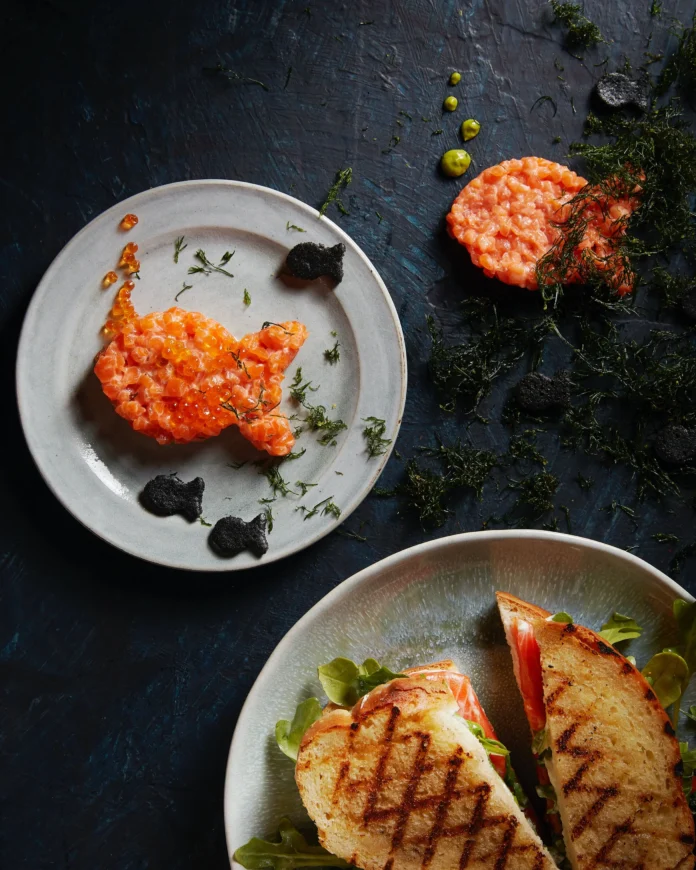
South Indian Avial

0
A green bowl with creamy coconut soup and veggies inside it.

This South Indian Avial is a lesson in simplicity, showcasing how vegetables can turn into a delectable dish whenever you use the right ingredients and spices. Here, we’re letting a bundle of fresh vegetables shine in a creamy, spiced coconut sauce. The end product creates a bowl that’s hearty and delicate.

The magic of this recipe starts with a paste of fresh coconut, cumin, ginger, and green chilies, which binds the vegetables together. You’ll finish the veggies off by tempering them in coconut oil, mustard seeds, curry leaves, and dried red chilies. This is what gives you that aromatic snap that is essential South Indian. Our Avial pairs perfectly with rice, making it a comforting staple.

Laddeling vegetables into a green bowl with a creamy soup.

What’s the History of Avial?

Avial gets its roots in Kerala as well as its neighboring regions in South India. Its origins are come from the agricultural lifestyle of the region, Many farmers would take whatever fresh vegetables are in season then combine them with coconut, yogurt, and spices.

Traditionally, Avial holds a place of honor in the Onam Sadhya, an elaborate, multi-course vegetarian banquet that celebrates the harvest festival. Sadhya is a carefully-curated ritual with each dish representing abundance, balance, and community. Avial symbolizes harmony and completeness.

Print
clock clock iconcutlery cutlery iconflag flag iconfolder folder iconinstagram instagram iconpinterest pinterest iconfacebook facebook iconprint print iconsquares squares iconheart heart iconheart solid heart solid icon
A green bowl with creamy coconut soup and veggies inside it.

South Indian Avial


  • Author: Veda Sankaran

Description

Changing up the way you taste vegetables.


Ingredients

Scale
  • 2 1/2 cups water
  • 1 large red potato, peeled and cubed
  • 1 green banana, peeled and cut into ½” slices
  • 1 bag of frozen mixed vegetables
  • 1/3 cup green peas
  • 1 cup Indian style whole milk yogurt

Ingredients for grinding:

  • 1 tbsp cumin seeds
  • 3 Thai green chilies
  • 1 tbsp ginger, grated
  • 1/2 cup unsweetened grated coconut (fresh/frozen)
  • 4 tbsp water

Ingredients for tempering: 

  • 1 tbsp coconut oil
  • 3/4 tsp black mustard seeds
  • 1 sprig curry leaves
  • 2 dried red chilies


Instructions

  1. Prepare the coconut paste, by grinding cumin seeds, green chilies, ginger and coconut with 4 tablespoons of water. Set this aside to use later.
  2. Boil the 2 ½ cups of water in a deep saucepan. Once boiling, place in the cubed potatoes and cook for 3-4 minutes. Then, place in the green banana slices, cooking for an additional 3 minutes.
  3. Next, add the frozen avial vegetable mixture and boil for 3 minutes, before placing in the peas and boiling for an additional 2-3 minutes.
  4. While the vegetables are boiling, whisk the ground coconut paste and yogurt together. Once the vegetables are softened, turn the heat to low, and gently add the yogurt a little at a time.
  5. Cook on low just until the raw coconut smell is gone. Do not cook too long as the yogurt will curdle.
  6. Lastly, heat the coconut oil in a small skillet. Once heated add the mustard seeds. Once the popping slows down, immediately add the curry leaves and red chilies. Pour this tempered oil on top of the avial. Serve with rice.

Notes

  • Each state has a slightly different way of preparing this dish – some are thicker in consistency, some use turmeric while others don’t, some temper at the end and some don’t. This recipe is one similar to how my family from Tamilnadu prepares it.
  • The vegetables used in avial are indigenous vegetables such as moringa drumsticks, elephant foot yam,and snake gourd combined with more familiar vegetables like green beans and carrots.

Recipe and Food Styling by Veda Sankaran
Prop Styling by Anna Franklin
Photography by Dave Bryce

Subscribe to TABLE Magazine’s print edition.
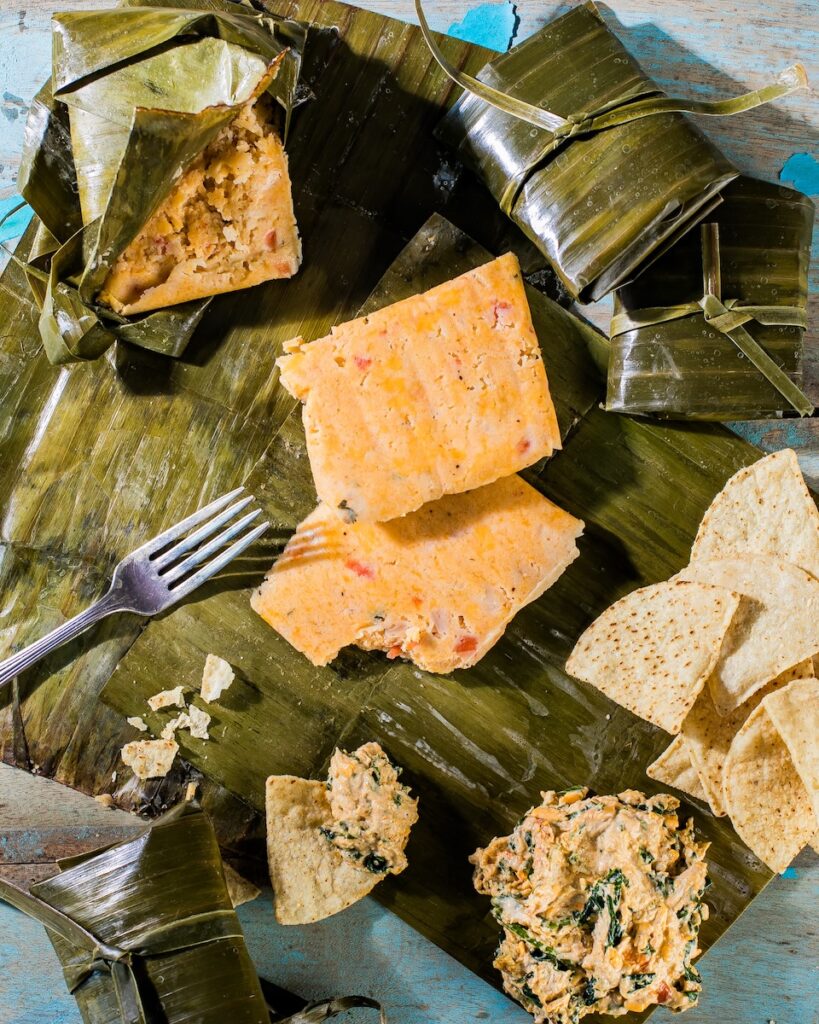
Mangalorean Chicken Roast with Ghee

0
A place of roast chicken beside a cup of ghee and naan bread.

Mangalorean Chicken Roast with Ghee is a signature dish that captures the coastal spirit of Mangalore. We slather this chicken in a fresh spice paste of dried red chilies, black pepper, coriander, fennel, as well as fenugreek. After, we slowly roast the chicken in ghee until each piece is tender, smoky, and full of flavor. Curry leaves, jaggery, and yogurt add brightness, subtle sweetness, and tang for a dish you’ll want to add to your weekly dinner plans.

This dish originates from the South Indian town of Kundapur in Mangalore, Karnataka in the kitchen of the Shetty Lunch Home. It has a signature deep red color and smokiness from the Byadgi chilies, a tanginess from the tamarind, and richness from the ghee, or clarified butter.

A person pours ghee over a Mangalorean Roast Chicken with naan above it.

More About Mangalore

Mangalore is a port city on India’s southwestern coast, known for its culture, rich history, and distinctive coastal cuisine. Along the Arabian Sea, Mangalore is a hub for trade, which is why the area brings together flavors, ingredients, and culinary techniques from across India and beyond. The city is especially famous for its use of fresh coconut, curry leaves, tamarind, and seafood, as well as bold spice blends. Mangalorean cuisine reflects the city’s coastal geography and multicultural heritage with dishes like Chicken Ghee Roast, kori rotti, and also seafood curries.

Print
clock clock iconcutlery cutlery iconflag flag iconfolder folder iconinstagram instagram iconpinterest pinterest iconfacebook facebook iconprint print iconsquares squares iconheart heart iconheart solid heart solid icon
A place of roast chicken beside a cup of ghee and naan bread.

Mangalorean Chicken Roast with Ghee


  • Author: Veda Sankaran

Description

See how ghee and Mangalorean flavors change up roast chicken.


Ingredients

Scale

For ghee roast masala:

  • 16 Byadgi dried red chilies
  • 2 tbsp coriander seeds
  • 1 tbsp fennel seeds
  • 2 tbsp black peppercorn
  • 6 cloves
  • 1 ½ tsp fenugreek seeds
  • 2 tbsp ginger, finely chopped
  • 2 tbsp garlic, finely chopped
  • 1 cup of water

Remaining ingredients: 

  • 1 whole chicken (approx. 3 ½ lb) skin off, cut into preferred size pieces (3-4”)
  • ⅓ cup yogurt
  • 1 tbsp lemon juice
  • 1 tbsp melted ghee + 7 tbsp ghee
  • 4 sprigs curry leaves
  • 1 red onion, finely chopped
  • 1 tbsp jaggery or dark brown sugar
  • Salt to taste


Instructions

  1. Dry roast the red chilies. Once cool, grind in a spice grinder and set aside.
  2. Then, in the same skillet, dry roast the remaining spices. Once cool, combine with the ground chilies and grind to a powder.
  3. Add the ginger and garlic along with 1 cup of water added gradually to make a paste .
  4. Place the ground paste in a bowl, add yogurt, lemon juice, and one tbsp of melted ghee. Stir to combine. Place the cut chicken in a container, add the marinade paste, and stir to evenly coat. Cover and refrigerate for a minimum of 6 hrs, preferably overnight.
  5. Take chicken out of the fridge 1 hr before you start cooking. In a large pan, add 3 tbsp of ghee. Once heated, place in the curry leaves, followed in 30 seconds by the finely chopped red onions and salt.
  6. Once onions are translucent, add the marinated chicken, stirring to combine with the onions. Add another 3 tbsp of ghee and stir again.
  7. After 5 minutes, cover and cook on medium low-medium heat, occasionally stirring for about 10 minutes. At this stage, uncover and add the tamarind, jaggery, and remaining tbsp of ghee. Stir and cover again for 5 minutes.
  8. Uncover, taste and adjust for salt. Continue cooking until ghee is released and appears on the surface and masala thickens.

Notes

  • To reduce spiciness, add only 10 Byadgi chilies and reduce black peppercorn to 1 tbsp or less. Another option is to remove the seeds in the chilies before grinding.

Recipe and Food Styling by Veda Sankaran
Prop Styling by Anna Franklin
Photography by Dave Bryce

Subscribe to TABLE Magazine’s print edition.
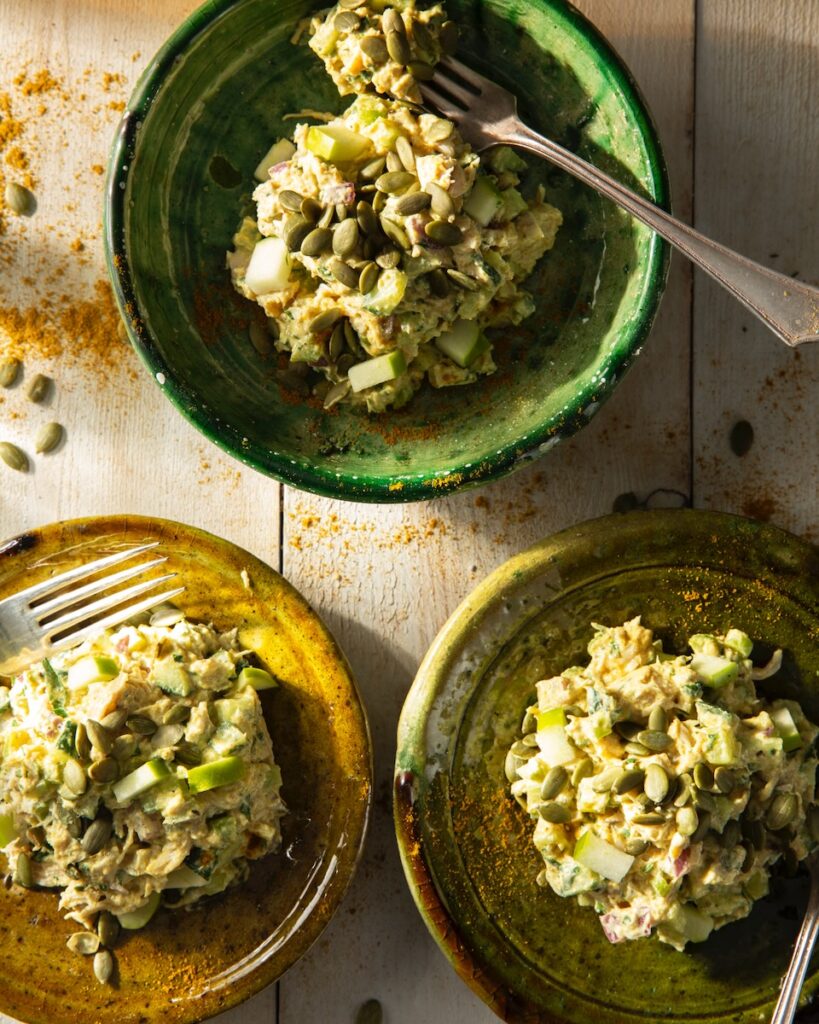
Kerala-Style Dry Beef Stir-Fry

0
A plate of Kerala-Style Dry Beef Stir-Fry on a green plate surrounded by herbs while a circular tray of spices sits adjacent to it.

Some often assume that those in india do not eat beef due to the majority of Indians being Hindu. But, India is a diverse country with a multitude of communities represented in its citizenry. This recipe for Kerala-Style Dry Beef Stir-Fry is from the southern state of Kerala where over 18% of the population is Christian, a community that does eat beef. For this recipe, we marinate cubes of beef in a fragrant mix of spices, ginger, garlic, and fresh curry leaves, then cook it with coconut for a subtle touch of sweetness. The stir-fry develops a rich, caramelized coating that’s both spicy and deliciously savory.

What is Dry Beef?

Dry beef here refers to a style of cooking beef where the meat sautées until most of the moisture evaporates. This leaves the beef in a thick layer of spices, oil, and aromatics. Unlike stews or curries, which have a sauce or gravy, dry beef dishes are technically sauceless with the seasoning clinging directly to the meat. Kerala cuisine stands out for its use of whole spices, curry leaves, coconut, and jaggery when it comes to dry beef.

Print
clock clock iconcutlery cutlery iconflag flag iconfolder folder iconinstagram instagram iconpinterest pinterest iconfacebook facebook iconprint print iconsquares squares iconheart heart iconheart solid heart solid icon
A plate of Kerala-Style Dry Beef Stir-Fry on a green plate surrounded by herbs while a circular tray of spices sits adjacent to it.

Kerala-Style Dry Beef Stir-Fry


  • Author: Veda Sankaran

Description

Try cooking beef in a more interesting way than you’re used to.


Ingredients

Scale

For beef masala:

  • 2 tbsp green cardamom pods
  • 6 tsp fennel seeds
  • 1 tsp cloves
  • 1 1/2 tsp cumin seeds
  • 4 dried red Byadgi chilies
  • 4 dried Sanam chilies
  • 2” piece cinnamon stick

For marinating beef: 

  • 2 lbs chuck beef cut into 1.5” cubes
  • 1 red onion, finely diced
  • 2 Thai green chilies, finely diced
  • 1 rounded tbsp grated ginger
  • 1 rounded tbsp crushed garlic
  • 1 sprig curry leaves (approximately 15 leaves)
  • 1 1/2  tbsp coriander powder
  • 2 tsp red chili powder
  • 3/4 tsp turmeric

Reamining ingredients:

  • 1 tbsp + 1 tbsp coconut oil
  • ½ cup water
  • ½ cup fresh or frozen coconut slices
  • 3 sprigs curry leaves
  • 4 cloves of garlic, thinly sliced
  • 10 large shallots, thinly sliced
  • Black pepper
  • Pinch of jaggery or dark brown sugar


Instructions

  1. Prepare the beef masala by dry roasting all the masala ingredients, cooling, and grinding to a coarse powder. You will have extra that you can store in a tightly sealed container for the next time you prepare this recipe.
  2. To marinate the beef, place your beef cubes in a container and sprinkle with 1 1/2 – 2 tablespoons of the meat masala. Stir to evenly coat with the spices. Then add the remaining marinating ingredients, stirring until they are all evenly distributed. Cover and refrigerate several hours, preferably overnight if possible.
  3. Once ready to prepare the recipe, remove the beef from the refrigerator and let sit out for approximately 30 minutes to remove the chill.
  4. Use an Instant Pot or pressure cooker to first cook the marinated beef. If using an Instant Pot, place the beef cubes into the inner pot along with 1/2 cup water, close the lid and pressure cook for 25 minutes.
  5. Once cooked, let the pressure naturally release. This will take approximately an additional 20+ minutes. Once pressure is released, open the lid and separate the released liquid from the beef cubes. Retain the liquid for the next step and set aside the cooked beef for later.
  6. Heat a large flat bottomed pan. Add 1 tablespoon coconut oil. Once heated , saute the coconut slices until lightly golden. At this stage, add the curry leaves, followed by  the sliced shallots and salt. Saute for 2 minutes before adding the sliced garlic.
  7. Continue sauteing until lightly golden, stirring occasionally. At this stage, pour in the reserved beef juices from the pressure cooker and simmer together until the flavors combine and the color darkens. Sprinkle in the black pepper (if using) and the jaggery/brown sugar.
  8. Place in the cooked beef and toss together to coat with the sauce. Taste and add salt as needed.

Recipe and Food Styling by Veda Sankaran
Prop Styling by Anna Franklin
Photography by Dave Bryce

Subscribe to TABLE Magazine’s print edition.
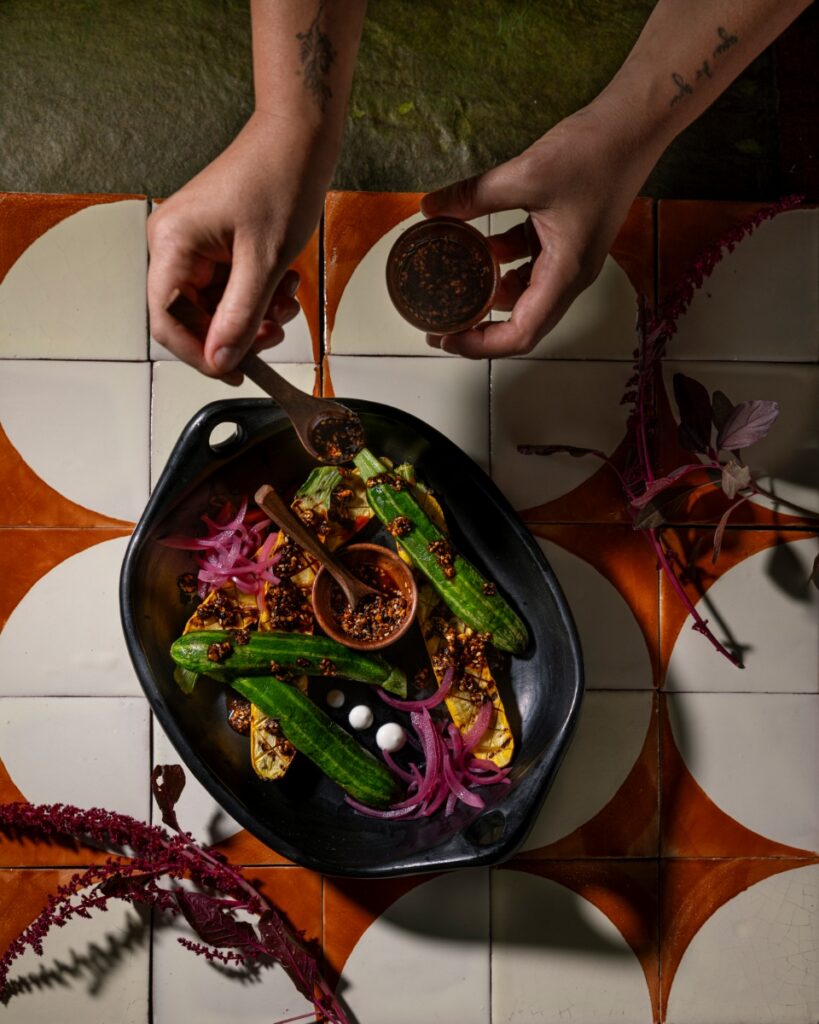
Hariyali Paneer Kebabs

0
Skewers of Hariyali Paneer with vegetables on a plate with a green sauce beside it.

Hariyali Paneer Kebabs are a feast for both the eyes and the palate. These skewered cubes of paneer are soft and creamy on the inside. As they grill or sear, however, the edges develop a subtle char while the marinade seeps into every bit of the paneer. It’s bright, tangy, and just a little smoky.

Originating from the heart of North Indian cuisine, these kebabs capture the essence of Indian street food and festive appetizers alike. They’re fun to eat, and endlessly versatile. For example, try serving at a dinner party, enjoying as a snack with chutney, or pairing with naan and rice for a fuller meal. Making these Hariyali Paneer Kebabs is an unforgettable introduction to India’s bold, playful flavors.

A plate with a singular Hariyali Paneer Kebab on it, rings of onions, and a grilled lemon.

What is Hariyali Paneer?

Hariyali Paneer is a North Indian green herb-based appetizer or snack. Hariyali is actually a word derived from the Hindi word “hari” meaning verdant and green. It’s made with cubes of paneer, a mild Indian cheese. The cubes are coated in a vibrant green (hariyali) marinade that comes from fresh herbs like cilantro and mint. Green chilies, garlic, ginger, as well as spices, add layers of flavor.

Print
clock clock iconcutlery cutlery iconflag flag iconfolder folder iconinstagram instagram iconpinterest pinterest iconfacebook facebook iconprint print iconsquares squares iconheart heart iconheart solid heart solid icon
Skewers of Hariyali Paneer with vegetables on a plate with a green sauce beside it.

Hariyali Paneer Kebabs


  • Author: Veda Sankaran

Description

These kebabs are great on their own or along with rice and naan.


Ingredients

Scale
  • 500 grams paneer
  • 1/2 cup greek yogurt
  • 1 1/2 cup coriander leaves
  • 1 cup mint
  • 4 large cloves of garlic, minced
  • 1 ½” ginger, minced
  • 12 Thai green chilies
  • 1/2 tsp garam masala
  • 1 tsp coriander powder
  • 1 tsp cumin powder
  • 1 tsp chaat masala
  • 1 tsp amchur (dried mango powder)
  • ½ tsp black salt
  • 1 1/2 tsp kasuri methi (dried fenugreek leaves)
  • 2 tbsp cornstarch
  • 2 tbsp gram flour (chickpea flour)
  • 1 red bell pepper, cut into 2” chunks
  • 1 green bell pepper, cut into 2” chunks
  • 1 red onion, cut into 2” chunks
  • Melted ghee or butter (for brushing on at the end)


Instructions

  1. First, cut the paneer into 1 ½” cubes and place in a mixing bowl with the bell peppers and onion chunks
  2. Next, blend the yogurt, coriander leaves, mint, garlic, and ginger, and green chilies into a paste. Then, add the garam masala, coriander powder, cumin powder, chaat masala, amchur, black salt, fenugreek leaves, cornstarch, and chickpea flour. Stir to combine all the marinade ingredients.
  3. Pour the marinade over the paneer and vegetables, using your hands to evenly coat everything. Marinate in the refrigerator for at least 4 hours, preferably overnight.
  4. When ready to cook, preheat the oven to 400 degrees. Oil metal skewers and begin threading the paneer and vegetables alternating between the two. Place skewers on a parchment lined baking sheet, balancing them on the baking sheet edges if possible, to let airflow under the skewers.
  5. Place the paneer skewers in the preheated oven and cook for about 6-7 minutes, flipping them and cooking for an additional 6-7 minutes. Once cooked, remove from the oven and use a kitchen blowtorch to char. Lastly, brush with melted ghee or butter before serving.

Recipe and Food Styling by Veda Sankaran
Prop Styling by Anna Franklin
Photography by Dave Bryce

Subscribe to TABLE Magazine’s print edition.
Carrot Pulav (Pilaf)

0
A white bowl full of a yellow rice pulav pilaf with carrots and curry leaves all through.

India is known for its multitude of rice dishes, ranging from complicated biriyanis to simple daily recipes like this Carrot Pulav (Pilaf). South Indian households enjoy a variety of vegetarian rice dishes, like coconut rice, tomato rice, or lemon rice (and carrot rice). They are quick, staple recipes for lunches or picnics. In this particular version, we’re turning basmati rice into a meal with the addition of diced carrots, onion, golden raisins, cashews, Thai green chiles, curry leaves, cumin seeds, black mustard seeds, cardamom pods, and so much more.

A person scoops spoonfuls of carrot pilaf onto a small plate.

What is a Pulav?

A pulav (or as you might know it, pilaf) is a rice dish where we cook the rice with spices, aromatics, and then often vegetables, meat, or seafood. It’s a way to make a one-pot meal that’s easy but still nutritious and tasty too. Unlike biryani, which typically involves layers of cooking and more intense spices, pulav is much simpler.

In Indian cuisine, pulav can range from everyday home-cooked versions with peas, carrots, and mild spices to festive versions that go a little further with nuts, dried fruits, or meat.

Print
clock clock iconcutlery cutlery iconflag flag iconfolder folder iconinstagram instagram iconpinterest pinterest iconfacebook facebook iconprint print iconsquares squares iconheart heart iconheart solid heart solid icon
A white bowl full of a yellow rice pulav pilaf with carrots and curry leaves all through.

Carrot Pulav


  • Author: Veda Sankaran

Description

A rice pilaf that uses Indian flavors.


Ingredients

Scale
  • 1 cup Basmati rice
  • 1 tsp black mustard seeds
  • 3 cardamom pods
  • 3 cloves
  • 1” cinnamon stick
  • 1 1/2 tsp cumin seeds
  • 10 curry leaves
  • 2 Thai green chilies, sliced lengthwise
  • 4 large cloves of garlic, minced
  • 1 onion, cut in half, sliced thinly into half moons, then cut into 1/4s
  • 1 ½ cups peeled diced carrots (very small cubes)
  • 3/4 tsp turmeric
  • 3/4 tsp coriander powder
  • 2 tsp lemon juice
  • 1 tbsp ghee
  • Neutral oil
  • Salt

For topping:

  • 1 tbsp ghee
  • 1 onion, thinly sliced
  • 1/4 cup cashews
  • 1/4 cup golden raisins
  • Salt


Instructions

  1. Rinse the rice 2- 3 times or until the water runs clear. Cover the rice with water and let it soak for 20 minutes. Once ready to cook, drain the water and use your preferred method for cooking the rice, whether that’s stovetop or rice cooker. Keep in mind the ration of rice to water should be 1 cup rice to 1.5 cups water.
  2. Prepare the topping, by heating the ghee in a small skillet. Once the ghee melts, saute the sliced onions with a pinch of salt, until they become golden and caramelized. Add the cashews and raisins and cook for an additional 1-2 minutes, until the raisins plump up. Set this aside to use as the topping for the rice.
  3. In a large flat bottomed pan, pour enough oil to lightly coat the bottom. Once the oil is heated, place in the mustard seeds. Once the mustard seeds slow down popping, add the cardamom pods, cloves, cinnamon, and cumin seeds. After about 15 seconds add the curry leaves and green chilies. Then add the minced garlic with the onions and a little salt. Saute until the onions become translucent.
  4. When onions reach that stage, place in the diced carrots along with the turmeric and coriander powder. Stir to combine, before adding the lemon juice. Cover and let cook on medium low heat for about 3 minutes. Uncover and stir, adding salt if needed. Cover again and continue cooking until carrots are cooked through.
  5. When carrots are sufficiently cooked, add the cooled basmati rice, gently folding all the ingredients together. Adjust seasoning as needed. Top with the ghee and finish by adding the browned onion, cashew, and raisin mixture, before serving.

Recipe and Food Styling by Veda Sankaran
Prop Styling by Anna Franklin
Photography by Dave Bryce

Subscribe to TABLE Magazine’s print edition.
Andhra-Style Stuffed Eggplant Curry

0
A white plate of Andhra-Style Stuffed Eggplant Curry with large eggplants throughout, and a dish of rice in the bottom right corner.

This is the kind of dish that rewards patience. In this Andhra-Style Stuffed Eggplant Curry, we’re stuffing small eggplants with a paste filling of spices that create a nutty, tangy, and even fiery profile. Then, we simmer these eggplants on low and give it time to absorb the curry base it’s cooked in. As the eggplants cook, they become tender and meld into the curry base, creating a sauce that’s thick and utterly flavorful. s layered with spice, balanced with tang, and packs a punch. It’s the kind of meal that you should savor and use rice to soak up every last bit.

About Andhra Pradesh Cuisine

This recipe comes from Andhra Pradesh, a coastal state in southern India. The Stuffed Eggplant Curry reflects the character of Andhra cuisine since it’s layered with spice, balanced with tang, and packs a punch. It’s the kind of meal that you should savor and use rice to soak up every last bit. But, a word of warning, this is a very spicy dish, a key aspect of Andhra cuisine. If you wish to reduce the heat, you have a few options. You can use only Byadgi or Kashmiri chilies, leaving out the Guntur ones. You can leave out the Thai green chili. Or, you can leave out the Kashmiri chili powder. Depending on what you leave out, you can mend the recipe to your liking.

Print
clock clock iconcutlery cutlery iconflag flag iconfolder folder iconinstagram instagram iconpinterest pinterest iconfacebook facebook iconprint print iconsquares squares iconheart heart iconheart solid heart solid icon
A white plate of Andhra-Style Stuffed Eggplant Curry with large eggplants throughout, and a dish of rice in the bottom right corner.

Andhra-Style Stuffed Eggplant Curry


  • Author: Veda Sankaran

Description

An Indian dish with fire and soul.


Ingredients

Scale

For the spice paste:

  • 1 1/2 tsp cumin seeds
  • 1 tbsp coriander seeds
  • 1” piece cinnamon stick
  • 2 tsp sesame seeds
  • 2 green cardamom pods
  • 3 cloves
  • 5 dried red Byadgi chilies (for color/flavor)
  • 34 dried Guntur red chilies (for heat)
  • 1/4 cup peanuts
  • 1/4  cup lightly roasted chana dal (split chickpea lentils)
  • 1/3 cup grated dried coconut (kopra) can sub with unsweetened desiccated coconut
  • 2 tbsp jaggery or dark brown sugar
  • 1 1/2 tsp salt
  • 810 cloves of garlic
  • Approximately 3/4 cup water added gradually

Remaining ingredients:

  • 10 small Indian eggplants
  • 3/4 tsp mustard seeds
  • 1 1/2 tsp cumin seeds
  • 10 curry leaves
  • 1 Thai green chili, split lengthwise
  • 1 medium red onion, cut in half and then thinly sliced into half moons
  • ¼ tsp turmeric
  • ½ tsp Kashmiri chili powder
  • 2 tsp tamarind paste
  • 1 1/2 cup water
  • Salt to taste


Instructions

  1. To prepare the eggplant, hold the eggplant by the stem, use a sharp paring knife to cut a criss cross from the bottom cutting 3/4s of the way towards the stem. You want the cuts to go up just far enough to open the eggplant for stuffing while still keeping it intact.
  2. Place the prepared eggplant in a bowl of water salted with 1 tsp of salt.
  3. To prepare the spice paste, pulse the first 10 ingredients (up to and including the chana dal) until coarsely powdered, then place in the remaining ingredients, gradually adding water as necessary to grind to a thick paste.
  4. Remove the eggplant from the water and stuff each eggplant generously, pushing the spice paste into the center with your fingers. Reserve the remaining paste to use later.
  5. In a flat bottomed saute pan, pour 3 tbsp of neutral oil. Once heated, place in the mustard seeds. When they slow down their popping, add the cumin seeds, followed by the curry leaves and split green chili.
  6. After a few seconds, place in the thinly sliced onions and sprinkle with salt. Stir and after 2 minutes, sprinkle in the turmeric and Kashmiri chili powder.
  7. Once the onions are slightly browned, place the stuffed eggplant carefully on top of the onions. Saute on all sides, using tongs to gently flip the eggplant. After about 4 minutes, add the reserved spice paste , tamarind paste, and 1 1/2 cups water.
  8. Bring to a simmer, cover and cook on medium low heat, uncovering to stir occasionally until eggplant softens and is completely cooked. Serve with white rice, biriyani, or rotis.

Recipe and Food Styling by Veda Sankaran
Prop Styling by Anna Franklin
Photography by Dave Bryce

Subscribe to TABLE Magazine’s print edition.
Easter Crack (Saltine Cracker Toffee)

0
A tray of Easter Crack with half mini chocolate eggs everywhere, eggs above the tray and flowers below it.

During Christmas time, you may see layers of saltine crackers, brown sugar, butter, and chocolate chips that make a salty-sweet dessert that some call Crack for it’s delicious addictiveness. But, this dessert recipe doesn’t have to be just for December, you can actually tweak the recipe to make it a staple for any holiday or occasion, even just because. With Easter coming up, it’s the perfect time to make Crack more spring-like with the use of white chocolate, milk chocolate foil eggs, pistachios, as well as dried berries. Feel free to get creative and add in any other Easter treats you enjoy like jelly beans, peeps, or even other candies.

A purple table with small bowls of ingredients like saltine crackers, mini eggs, dried berries, and pistachios.

Where Did the Dessert Crack Come From?

The dessert that you know as Christmas Crack or simply Crack roots itself in centuries of confectionery evolution. Its foundation of a thin, buttery toffee topped with chocolate traces back to classic European candy-making traditions. As sugar became more widely available in the 18th and 19th centuries, thanks to expanding trade and refined processing, home cooks began experimenting with easy, shelf-stable sweets. With the premiere of Saltines in 1876, Southerns would use the cracker as a base for various treats, leading then to the dessert we love today.

Print
clock clock iconcutlery cutlery iconflag flag iconfolder folder iconinstagram instagram iconpinterest pinterest iconfacebook facebook iconprint print iconsquares squares iconheart heart iconheart solid heart solid icon
A tray of Easter Crack with half mini chocolate eggs everywhere, eggs above the tray and flowers below it.

Easter Crack (Saltine Cracker Toffee)


  • Author: Star Laliberte

Description

Turn Christmas Crack into an Easter-worthy treat!


Ingredients

Scale


Instructions

  1. Preheat oven to 350 degrees F.
  2. Cover a rimmed baking sheet with parchment paper (make sure the parchment is covering up the sides).
  3. Cover sheet pan with 48 (or more) saltine crackers.
  4. Melt the butter and brown sugar in a medium sauce pan to make a toffee. Stirring with a wooden spoon, bring to a boil for 5 minutes or until it is completely mixed and bubbly.
  5. Pour the toffee carefully over the arranged Saltines and spread as evenly as possible with a rubber spatula
  6. Place sheet pan in the preheated oven for 4-5 minutes until the toffee mixture is bubbly.
  7. Remove from the oven and set aside to cool for 20 minutes
  8. Using a double boiler method, melt the white chocolate.
  9. Pour the melted white chocolate over the sugar mixture.
  10. Using a spatula, smooth the white chocolate over the surface of the hardened toffee layer
  11. Scatter mini eggs, chopped pistachios, dried cranberries, freeze-dried fruits and sprinkles over the melted white chocolate.
  12. Place the cookie sheet in the refrigerator to cool for 2-3 hours or overnight.
  13. Remove from the refrigerator and break the Easter Crack into pieces or cut with a knife if you prefer more uniform pieces.

Looking for another simple Easter treat? Try these adorable bite-sized Chocolate Pretzel Bunny Treats.

Recipe and Styling by Star Laliberte
Photography by Dave Bryce

Subscribe to TABLE Magazine’s print edition.
Florence Travel Guide: The Sunset Food Tour on the Other Side of the Arno

0
A man in a jacket walks into a small shop front.

Florence is a city that can wear out even its most ardent admirers. By late afternoon on a chilly day just after the New Year, my family of three was footsore and frazzled, having spent hours in long, disorganized lines and crowds that seemed to multiply around every revered masterpiece in nearly every church and museum. 

Taking in a Florence Sunset Food and Wine Tour to Escape the Busy Tourists

We had started ambitiously. We stood in long lines for a glimpse of the luminous Fra Angelico works then on display at Palazzo Strozzi. Just after, we abandoned the endless queue at the Duomo to see, instead, Giotto’s frescos at Santa Croce, slipping next door to admire Brunelleschi’s perfectly conceived Cappella dei Pazzi and its Della Robbia sculptures. We were hardly alone at any point, but at least we could move. 

Our afternoon plan—to glide gracefully into the totally overcrowded Uffizi with pre-booked tickets—collapsed in an unceremonious rejection at the entrance because we missed our time slot. We salvaged the day with a detour to San Lorenzo and the Medici Chapel, where Michelangelo’s sculptures brood magnificently over the tombs of two powerful princes. It was all glorious, but by late afternoon we were more than ready to leave the bottlenecked heart of Florence behind. 

The relaxed, friendly Eating Europe Florence Sunset Food and Wine Tour was exactly what we needed. 

Crossing the Arno, Exhaling 

The tour focuses on the Oltrarno, the “other side” of the Arno—still central, but more “neighborhoody” in feel than the gridlocked streets around the monumental duomo and Uffizi. Just before the tour’s start time, we arrived at Piazza Santa Croce with a few minutes to spare. We took the chance to duck into the Chiesa di Santo Spirito

Inside, the calm geometry of Brunelleschi’s architecture—those pietra serena columns, arches, and porticos—felt like a harmonious antidote to our day of crowd management. The proportions are so quietly perfect they lower your blood pressure on sight. 

A woman food tour host smiles at the end of a brown dinner table.
Ellie, our guide

By the time we stepped back into the square, the sky was dimming. Our guide, Ellie, appeared. Warm, lively, and impeccably prepared, she radiated enthusiasm. Within minutes, our group of 10 Americans—strangers until that moment—felt like a small dinner party circulating through six stops in this lovely, mostly residential, part of Florence.  

A Wine Window into History 

DiVin Boccone, a family-run wine cellar and salumeria, sits behind a feature that’s typically Florentine: a tiny wine window, or buchetta del vino, set into the street-level facade. These stone-framed portals date back to the plague years, when wine merchants handed flasks and coins through the opening to minimize contact—an early form of social distancing. Even today, you can walk up to that same little window and order a glass of wine with almost zero human interaction.  

A woman shows off a wine window in Florence.
Ellie introduces us to a wine window

Inside, we descended into a cellar carved out of the earth by nuns in the 12th century. It felt timeless: cool air, stone walls, and rows of bottles resting in the half-light. Waiting for us: individual plates of charcuterie—silky prosciutto, housemade finocchiona (cured sausage scented with fennel), and a goat cheese and fig “tartare”—along with slices of schiacciata, the Florentine cousin of focaccia. 

Our wine glasses filled up with Greco di Puglia, a bright and structured white wine that matched the food beautifully, lifting the richness of the meats and the sweetness of the figs. We no longer felt like tourists, but rather like guests at a neighborhood table. 

We Met the “King of Cheese” 

Our second stop was a few minutes’ walk away at Sandro and Ivana’s cheese shop, where cheese is not merely sold—it is presided over. Sandro introduced himself as the “King of Cheese,” and then proved it with a crown, donned with sincerity and considerable charm. He and Ivana greeted Ellie like an old friend, and by extension welcomed all of us as if we were regulars. 

A variety of cheese all over a counter with a man wearing a crown behind it.

The tasting was simple but brilliantly instructive: 

  • A 36-month DOP Parmigiano Reggiano, whose crystals, salinity, and long, nutty finish reminded us why it’s truly Italy’s “king of cheeses.” 
  • A one-month-old Pecorino Maremmano, younger, softer, milder, and almost creamy in its delicacy. 

Side by side, they told a story of time, salinity, aroma, and texture—with just two cheeses, you understand something essential about Italian dairy culture. Many in our group bought wedges to take home. 

Cases of cheese as people walk by and look over them.

Ribollita and a Proper Negroni 

Just a few doors away, at Fiaschetteria Fantappié, the evening took a decidedly Tuscan turn. 

We started with a sip of Vermentino from Maremma, bright with green apple notes and a clean, saline edge. It cut straight through the chill in the air. Then came a Rosso di Montepulciano, made from Sangiovese Gentile—just a year old, and fresh, fruity, and open on the palate. 

A man pours glasses of cocktails at a Florence bar.

They paired both with ribollita, a deeply traditional Tuscan dish and ideal winter comfort food. Yes, it’s “just” a vegetable-and-bean stew, “reboiled” with stale bread folded into it. But you cannot deny its depth of flavor. It is the definition of restorative—thick, hearty, a bit rustic, infused with the long, slow cooking of a cold-weather kitchen. On a damp Florentine night, it warmed us all to the core. 

Then Comes a Bonus: Negronis. 

The team at Fiaschetteria Fantappié mixed up a batch of their signature Negroni while Ellie told the origin story of Count Camillo Negroni and his namesake cocktail. He always insisted on the correct formula: 

  • Equal parts gin, Campari, and red vermouth 
  • Garnished with orange 
  • Finished with the fragrant oils from a freshly peeled strip of orange zest 

For contrast, we also tried a Negroni Sbagliato, in which prosecco replaces gin. Its lighter, sparkling personality was charming, but the classic Negroni—with its precise balance of bitter, sweet, and botanical—is impossible to beat.  

Light-as-Air Gnudi and Sun-Soaked Sangiovese 

At Trattoria da Ginone, the atmosphere shifted from wine bar to old-school trattoria. Ellie warned us in hushed tones about the formidable grandmother in the kitchen—a real culinary matriarch. However, a very friendly chef named Marco emerged, pan in hand, to cook our dish tableside: spinach and ricotta gnudi. These are, essentially, the filling of ravioli without the pasta—delicate dumplings of ricotta and spinach, rolled swiftly and lightly in flour, then sautéed gently in butter and sage. 

A man cooks pasta in a pan at the dinner table.

They arrived on our plates like little clouds: soft, tender, and barely held together, coated in sage-infused butter and finished with grated Parmigiano. Utterly delicious.  

To drink, a Chianti DOCG made from Sangiovese grapes grown under the hot Tuscan sun without irrigation. The wine showed fig and raisin notes, with the warm, full body that makes Sangiovese so satisfying when served alongside rich, buttery dishes. It was another place we bookmarked for a long, unhurried return visit. 

Peposo and a Big Tuscan Red 

By this point, one might imagine we’d reached our limit. Assolutamente no. 

A bowl of beef stew with a chunk of bread and a fork sitting over it.

In the large back room of Trattoria Sant’Agostino, we gathered over bowls of peposo—a Tuscan classic said to have originated in nearby Impruneta, the town known for its terracotta. Traditionally, peposo is said to have fortified the brickmakers who fired tiles for the dome Brunelleschi designed for the Duomo. 

The dish is spare in ingredients but generous in flavor: beef shank or chuck slowly braised all day in red wine with garlic and lots of cracked black pepper. What arrives at table is dark, silky, and aromatic, the meat yielding to the slightest nudge of a fork. 

The wine pairing, a Ciliegiolo, was as memorable as the stew. Big-fruited and open, it hinted at cherries and red berries, with a subtle leather aroma that gave it complexity. Together, the peposo and the wine felt like a master class in wintery Tuscan robustness—hearty, bold, and memorable. 

A Sweet (and Storied) Finale 

After five stops, logic might suggest that dessert would be unnecessary. Ma no.  

Ellie led us back toward the river, to Gelateria Buontalenti near the Ponte Vecchio, just off historic Via Guicciardini. There, among the gleaming pans of gelato, she told us the story of Catherine de’ Medici, who is often credited with bringing Florentine gelato to France when she married Henry II. 

Gelato, as it turned out, did nothing to prevent Henry falling madly in love with Diane de Poitiers, but Catherine outlived him by three decades. It’s tempting, despite all medical evidence, to imagine that gelato may have contributed to her longevity. A spoonful of Buontalenti’s cool, creamy flavors certainly made a convincing argument. 

It was a simple ending and a perfect one: gelato in hand, the night settling over Florence, and the slightest hint of rain beginning to fall. 

A group of people walk down the night streets of Florence.

Why You Should Try an Eating Europe Florence Sunset Tour 

We didn’t linger long in the drizzle to say our goodbyes, but we remember our guide and our small group with fondness. The Eating Europe Florence Sunset Food and Wine Tour did more than feed us well—though it did that, superbly. It reframed the city. 

After a day defined by crowds and missed entry times, the tour gave us an entirely different Florence: 

  • A Florence of family-run wine cellars and centuries-old cellars carved by nuns. 
  • Of cheesemongers who wear crowns and treat DOP labels like living documents 
  • Of trattorie where gnudi are still sautéed in butter and sage at the table, and stews simmer all day in red wine. 
  • Of neighborhood bars where a Negroni is not a trend, but a tradition. 

On our next trip to Italy, we plan to book with Eating Europe again—whether in Florence or another city. For travelers who crave not just the sights but the flavors and stories of a place, this kind of curated, neighborhood-focused, small-group tour is an invaluable relief from museum lines and jam-packed must-see landmarks. 

For us, Florence is still about Brunelleschi’s domes, Giotto’s frescos, and Michelangelo’s marbles. But now it is also about ribollita thickened with yesterday’s bread, Sangiovese ripened under a dry Tuscan sun, and gelato melting just a little too fast as the rain begins to fall on the stones of Oltrarno. 

If your next journey to Florence leaves you hungry—for context, for connection, for something more than another crowded piazza—cross the Arno at sunset and let the city feed you. We wholeheartedly recommend that you let Eating Europe lead the way how. 

Story by Keith Recker

Subscribe to TABLE Magazine’s print edition.
Rome Travel Guide: Twilight Trastevere Food Tour Is a Must

0
A cheese counter case filled with various cuts of cheese in Rome.

My family’s most recent Italian vacation fell in that sweet, quiet fortnight after Christmas. Our college-age daughter’s winter break is our cue to escape, and more often than not, Italy is where we land—for the art, the architecture, the food, and that easy Italian warmth. This trip was centered on Florence, with quick detours to Siena and Rome. Rome is the city I know best: I lived there for a couple of years in the late 1980s, broke and blissful, walking everywhere, ducking into as many churches as I could to see Caravaggios and Berninis and other masterpieces in the settings they were made for. Those years left me with a mental map of the city that still lives vividly in my mind.

Exploring Eating Europe’s Twilight Trastevere Food Tour

This time, Rome greeted us with a historic rainstorm and the national holiday of Epiphany on January 6—two forces that together nearly shut the city down. With only a brief stay planned, we refused to lose even an hour to the weather. We grabbed umbrellas and set out, rewarded with discoveries like the recently restored church of San Girolamo della Carità. Entirely rebuilt in the 17th century on the site where St. Jerome is said to have lived, it later sheltered Rome’s patron saint, Filippo Neri, in an adjacent monastery. Inside, theatrical Baroque design is fully on display: a French blue ceiling with instruments of the Passion, a lavish chapel dedicated to Neri, and the splendid sense of drama you get so often in Roman churches.

Crossing Into Trastevere for a Different Rome

After hours of churches and wandering about, though, we needed a different kind of sustenance. We had booked Eating Europe’s Twilight Trastevere tour, so at the appointed hour we crossed to the Isola Tiberina to meet our guide.

Riccardo, our guide, greeted our small group with the warmth of an old friend and the charm of the actor he is. He was funny, well informed, and generous with practical advice—an ideal mix of storytelling and helpfulness. Within minutes we knew each other’s names and countries and states: Australia, New York, North Carolina, Colorado. Then we headed south across the Tiber into Trastevere. The name literally means “across the Tiber.” Historically, the neighborhood has stood just outside Rome’s official power center. While the ancient seven hills may be filled with monuments, museums, and ministries, Trastevere has always been more working-class and residential, more about daily life than spectacle. Its pleasures are grounded in food, drink, and the social life of its mostly small, slightly crooked streets. It felt like the right place to taste Rome at twilight.

An Intro to Wine and Roman Cuisine

Our first stop, Spirito DiVino, sits on a quiet side street, its modest entrance belying a remarkable past. The building once housed an 11th-century synagogue destroyed in 1247; Riccardo pointed out traces of the earlier architecture as we entered. Instead of heading to a table in the dining room, we descended a steep staircase into the wine cellar and straight into antiquity: the masonry walls and arches of a first-century BCE Roman villa still support the structure above. Filled with mud over centuries and excavated in 1850, it famously yielded a Roman marble copy of a Greek bronze by Lysippus—now in the Capitoline Museums.

A wine cellar down dark stairs in Rome.

Upstairs in the dining room, the food at Spirito DiVino is as compelling as its setting. Chef/owner Eliana Catalani—formerly a virologist in Nobel laureate Rita Levi-Montalcini’s lab—is now devoted to the Slow Food movement and to exploring Roman flavors both ancient and modern. The kitchen offered us her Magro di Maglio di Marzio, inspired by a recipe from De Re Coquinaria (The Art of Cooking), the famed ancient cookbook attributed to Marcus Gavius Apicius. Whether or not Apicius himself compiled it, the book offers an extraordinary glimpse into Roman-era cooking, long before tomatoes, potatoes, chili peppers, squash, corn, chocolate, or vanilla arrived from the Americas. Instead, cooks created flavor from onions, leeks, garlic, fennel, celery, fresh herbs like dill, parsley, oregano, thyme, and rosemary, plus spices like cumin and coriander.

A Dish So Good You’ll Want to Make It at Home

Chef Catalani’s interpretation of Apicius’s porcellum oenococtum—suckling pig braised in wine with leeks, coriander, cumin, pepper, and vegetables—was astonishing. The flavors were layered and complex yet completely integrated. As we tasted, we fell into silent admiration. Paired with an Umbrian Sangiovese from Lungarotti, it was easily the best thing my family ate on the entire trip. I’m determined to reverse-engineer a home version, with a hunch that adding celery seed or lovage seed may be crucial. With help from Chef Catalani’s son, Romeo, who guided us to an online recipe, I will try to recreate the dish. I’m certain the written recipe doesn’t reveal all of her secrets, so several trials may be necessary.

Note: A few years ago, I managed to arrive at a successful version of an old Neapolitan recipe we enjoyed on a previous trip to southern Italy, Genovese Classico.

Aperitivo, Bakeries, and Old-School Roman Flavors

Riccardo subsequently led us to Ercoli, an eight-year-old Trastevere restaurant and food hall. It was originally founded in 1928 in the Borgo Pio neighborhood near the Vatican. Think of it as the Roman answer to Eataly, but without the theatrics or the hype—just luminous food and a lovely environment. The counters display cured meats, pristine cheeses (about 140 of them), shelves of wines from Italy and beyond, and pantry goods chosen for excellence and local provenance.

A cheese counter case filled with various cuts of cheese in Rome.

At a long communal table, Ercoli introduced us to the Select Spritz. Created in Venice in 1919 by the Pilla Brothers, this tasting of Select was a first for me, despite nearly four decades of Italian food obsessions. I always avoid Aperol—too sweet and rarely a good match for food—but Select is another proposition entirely: herbal, slightly bitter, with a subtle spicy edge that makes it a wonderfully food-friendly aperitivo.

A cutting board of cheese and meats beside an aperol spritz.

They poured the beverages to accompany a charcuterie plate made up of fior di latte mozzarella from Molise; bruschetta layered with burrata over a vivid spread of fried zucchini, oil, lemon, garlic, and mentuccia (Roman mint); and thin slices of speck from pork shoulder, lightly smoked and air-cured for 8–10 months. The spritz’s bitter-herbal notes cut beautifully through the mozzarella’s milky calm, echoed the green brightness of the mentuccia, and met the speck’s salt and smoke head-on. We could easily have settled in at Ercoli for the entire evening.

The inside counter of a bar with freezer doors behind it.

Family and Food Go Hand-in-Hand

Instead, we followed Riccardo a short distance to Biscottificio Innocenti, family-run bakery without so much as a sign on the door. It doesn’t need one. Locals come out of long habit…perhaps even addiction! And the aroma attracts passersby, as well.

A case full of pastries and other sweets.

Inside, trays of just-baked cookies emerged from a long, antique oven. After a generous tasting, our entire group bought boxes “for later.” Kenny Dunn, owner of Eating Europe, spent some time with us here, adding friendly banter with the owner (and with us) to our visit.

Two women in aprons stand behind a counter.

From sweets we moved back to savory at La Norcineria di Iacozzilli, a 101-year-old butcher shop specializing in pork and cured meats. The third generation of the Iacozzilli family runs the counter now, sourcing meats, wines, and other specialties from family farms in Lazio, Marche, Abruzzo, and Molise. Here, Riccardo wanted us to taste a typical Roman porchetta. Made from a deboned suckling pig, seasoned with salt, pepper, lemon zest, and a paste of garlic, fennel, and herbs, then tightly rolled and roasted—traditionally on a spit over open flame—porchetta is a real treat.

Two men stand behind a butcher counter in jakcets.

Iacozzilli’s version got the dish just right: deeply savory, with garlic and aromatics present but not aggressive, and enough fat to keep everything juicy. Thin slices were served atop pieces of homemade pane casereccio, the rustic Roman bread with a chewy caramelized crust and a moist, open crumb that drinks in juices. Iacozzilli’s pairs this with two wines from Ciù Ciù in Le Marche: Merlettaie, a white made from Pecorino grapes, and San Carro, a red blend of Sangiovese, Merlot, and Barbera. Both did their job well, letting the pork stay center stage.

Roman Street Food

Next came Supplì, devoted to classic Roman street foods. The name comes from Rome’s classic rice croquettes—or arancini elsewhere in Italy. Supplì’s counter is always full with just-fried morsels: arancini with molten mozzarella, meat ragù, or chicken livers; pasta al forno; lasagna; pizza al taglio; roasted vegetables and meats.

A person pulls apart a deep fried ball of cheese.

The pace is nonstop, with neighbors popping in and out, ferrying paper-wrapped foods home or eating standing up in the doorway. We did the latter, standing just outside with Cacio e Pepe supplì in hand. The crunchy crust gave way to rice filled with a dollop of peppery and gooey cheese—a fun, street-food riff on one of Rome’s most revered pasta sauces.

It was hard to believe that we still had two stops to go, but Riccardo advised us to rally because much-praised restaurant Rione 13 was preparing two pastas for us: Rigatoni alla Gricia and Penne all’Amatriciana.

Classic Pastas

These are two of the four most famous, and most beloved, pasta sauces of Rome. The others are Carbonara and Cacio e Pepe. Each of them turns humble pantry basics into culinary poetry. I would cancel absolutely any plans at any time to have one of these dishes prepared by a Roman nonna – without a recipe, in her everyday kitchen, cooking by instinct and tradition. Gricia is the simplest: guanciale, pecorino Romano cheese, and black pepper. Don’t be fooled by its rustic sincerity into thinking it’s some kind of compromise: it’s stunningly delicious.

A man mixes up pasta at a table.

Carbonara builds on that base by adding egg yolks (or, in some family recipe books, whole eggs) and more pecorino Romano, to create a creamy, flavorful sauce. Amatriciana skips the eggs and adds traditional tomato sauce and a touch of pepperoncino. The acidity and spice lift the flavor so beautifully. (It’s my favorite.) Cacio e pepe skips the guanciale altogether, relying on black pepper, pecorino Romano, and pasta water (and a little skill) to arrive at a creamy, nuanced, and wholly satisfying sauce.

Rione 13 brought their gricia and amatriciana pastas to our table in enormous copper pentole (skillets) and Riccardo finished the sautéeing tableside. He kept the pasta al dente and served it up piping hot. The food was so delicious that, to be honest, I have no idea what wine we drank. It didn’t matter. We will certainly return here on a future trip.

Gelato and Goodbyes

We lingered here for what seemed like a very long time, enjoying each other’s company, and Riccardo’s story of life in Rome, as well as Genova, his city of birth, and Venice and Milan, where he has spent a lot of time. It was difficult to roust ourselves to move to the last stop for gelato, but we made it to Fatamorgana.

A woman looks at a scoop of vanilla ice cream.

Known for its inventive, clean flavors, the shop felt like a palate cleanser in every sense. We gravitated toward fruit-forward scoops—bright, clear, and ideal after the deliciously rich food we had enjoyed. Standing there with gelato in hand, under damp winter skies in a neighborhood that has seen generations of Romans do exactly the same thing, we promised ourselves we’d be back—with emptier stomachs and even more time to wander.

Why Take Eating Europe’s Twilight Trastevere Food Tour

Eating Europe’s Twilight Trastevere tour is an elegant shortcut to exactly what most travelers are hoping for but rarely find on their own: real neighborhood places, dishes with a sense of history, and a guide who can connect the food on your plate to the city around you. We loved how this well-curated evening threads together ancient history, multigenerational shops, classic Roman cooking, with appropriate wine pairings throughout. If you’re planning a Roman itinerary heavy on museums and monuments and shops, I’d recommend that you hand over the reins to Eating Europe for an evening. Book in advance, especially in high tourist season. Arrive hungry and curious, and relax—bite by bite—into the sincere and earthy appeal of Trastevere.

Story by Keith Recker

Subscribe to TABLE Magazine’s print edition.
Create a free account, or log in.

Gain access to read this content, plus limited free content.

Yes! I would like to receive new content and updates.

Table Magazine wants to know your location.
TABLE Magazine operates regional sites - Knowing your location helps us route you to the appropriate site for the best experience.