Home Blog Page 141

A Menu for the Zodiac Sign Leo (July 23 – August 22)

0
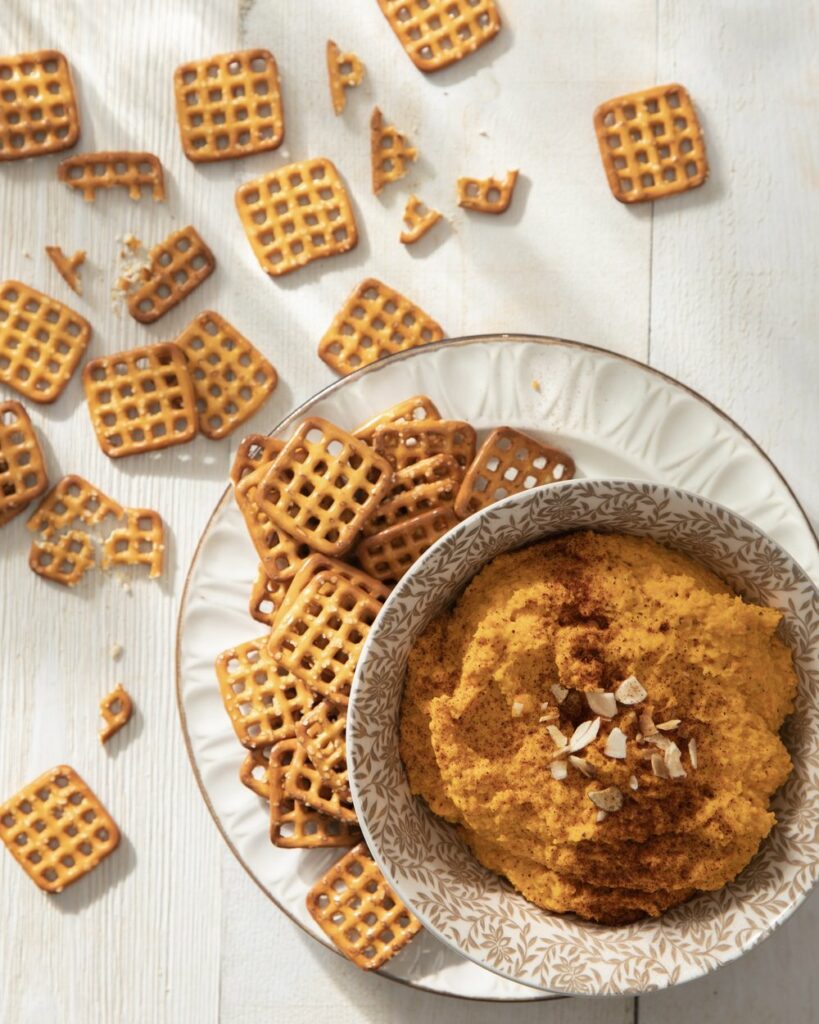
A flat-lay image of an Edamame and Kale hummus dish with carrots, cucumbers, and radishes surrounding the plate.

Leo, the radiant and commanding sign of the zodiac, has a legacy that stretches far beyond its modern reputation. While it’s easy to focus on the stereotypical traits of drama and attention-seeking often associated with this fire sign, Leo’s influence is deeply rooted in ancient concepts of royalty, courage, and the sheer brilliance of our Sun.

A Bold and Audacious Leader in Zodiac Sign Leo

The Sun’s entry into Leo each year marks the height of summer, when the star’s power was at its greatest, infusing this sign with motifs of glory and honor. The Sun, shining alone in the sky, became a powerful metaphor for figureheads and for individuality, traits that remain central to Leo’s astrological narrative.

Even today, Leo is a sign that thrives on leadership and self-expression. Those born under this sign have an innate ability to command attention and inspire others. Leos are natural leaders, unafraid to stand alone if necessary, yet also capable of bringing out the best in those around them. Their courage in the face of challenges and their disdain for pettiness make them forces to be reckoned with in any environment.

In the ancient world, the lion was a symbol of fear and awe. Unlike today, where lions often invoke adoration or conservation efforts, they were seen as formidable predators, creatures of raw power and majesty. Most had never seen a real lion, knowing them only through tales and images that emphasized their fearsome nature. This primal, animalistic association lends Leo a quality of instinctual power that can sometimes override pure rationality.

Leo & its Connection to the Seasons

The sign of Leo and the constellation of Leo are not the same thing. Constellations are groups of stars visible in the night sky, while zodiacal signs are equal divisions of the Sun’s apparent path throughout the year, known as the ecliptic. The zodiacal signs are linked to the seasons, not the stars themselves.

The twelve zodiacal signs can be grouped into three categories based on their relationship to the seasons. The cardinal signs mark the beginning of each season and are associated with change and new beginnings. The fixed signs fall in the middle of each season and are known for their stability, determination, and resolute nature. Lastly, the mutable signs stand between the close of one season and the start of the next. These signs are associated with adaptability, flexibility, and the ability to navigate change with ease.

As a fixed sign, Leo stands in the heart of summer, a season characterized by its steadfast heat and unwavering brightness. This enduring quality is fundamental to your nature, dear Lion. You thrive in environments that allow you to fully express your creativity and maintain your chosen course of action. Setting and pursuing long-term goals is where you truly shine. You can remain dedicated to your passions and insist on seeing your projects through to completion. Your fixed nature grants you remarkable stamina and determination. However, adapting to sudden changes or shifting gears mid-project may prove challenging for you, as you tend to prefer stability and consistency. This fixed quality can be applied to various aspects of your life, from your career ambitions to your personal relationships, where your loyalty and steadfastness are legendary.

New Goals for Leo Zodiac Sign This Year

  • Balance your fiery energy with calming practices. The ancients advised fire types to avoid overheating and drinking too much. Incorporate regular cooling activities into your routine, such as swimming, meditation, or yoga. Set a goal to practice these activities consistently over several months to experience their full benefits.
  • Harness your natural charisma for diplomacy. The fiery temperament is associated with a quick temper, but also with the potential for great leadership. Set goals to improve your communication skills, particularly in conflict resolution. This could involve taking a course in negotiation or practicing active listening techniques.
  • Create a balanced fitness routine that combines high-energy activities with strength and endurance training. The ancients believed in the importance of physical exercise for the choleric temperament. Set a goal to maintain a consistent workout schedule that includes both intense cardio sessions and slower-paced strength training over an extended period.

What Qualities Does the Leo Zodiac Sign Have?

The zodiac signs are not only divided into elements but also have distinct qualities connected to them. The fire signs (Aries, Leo, and Sagittarius) are collectively associated with summer, heat, and dryness. These signs have a reputation for being passionate, dynamic, and full of vitality. Leos, in particular, are known for their warm hearts, natural charisma, and ability to light up any room they enter. The consistent energy and enthusiasm of fire types can be a source of inspiration to others.

Fire signs are quick to action and slow to back down from a challenge. They tend to be excellent leaders, able to rally others with their confidence and zeal. A chief problem for Leos can be a tendency towards impulsiveness or overconfidence, sometimes acting before fully considering the consequences.

When it comes to diet, fire signs tend to be drawn to foods that are warming and invigorating. These include spicy dishes, grilled meats, and foods rich in protein. Leos might find themselves craving bold flavors and dishes that pack a punch, mirroring their own vibrant personalities.

However, it’s important to remember that wellbeing requires things in reasonable balance. Sometimes, fire sign types can have too much heat or dryness in the body. This can lead to irritability, restlessness, or even physical symptoms like heartburn or dry skin. In these cases, consider incorporating cooling and moistening foods into your diet to help restore balance. Fresh fruits, leafy greens, and hydrating foods like cucumber or watermelon are great for this.

Best Foods to Balance Leo

For most seasons, these foods are good for tempering Leo’s fiery constitution:

  • Land: Chicken, turkey, rabbit, veal.
  • Surf: Cod, halibut, sole, trout, crab, lobster, shrimp, scallops.
  • Grains: Barley, oats, wheat, rice (especially brown rice), quinoa, couscous.
  • Vegetation: Lettuce, cucumber, zucchini, celery, spinach, kale, apples, pears, plums, berries, melons (watermelon, honeydew, cantaloupe), grapes, citrus fruits.
  • Dairy: Fresh cheeses (like mozzarella, feta), yogurt, milk, kefir.
  • Beverages: Herbal teas (especially mint, chamomile, hibiscus), coconut water, fresh fruit juices.
  • Alcohol: Light white wines, beer (especially wheat beer), sake.

In the summer months, when Leo’s heat can be in overdrive, it’s advisable to focus even more on cooling and hydrating foods:

  • Land: Cold cuts of chicken or turkey, served chilled or at room temperature.
  • Surf: Chilled shrimp, crab salad, cold smoked salmon, ceviche.
  • Grains: Cold grain salads made with barley, rice, or quinoa.
  • Vegetation: Watermelon, cucumber, mint, cilantro, basil, leafy greens, tomatoes, bell peppers, summer squash, peaches, apricots, fresh figs.
  • Dairy: Greek yogurt, frozen yogurt, cottage cheese.
  • Beverages: Iced herbal teas, fruit-infused water, freshly squeezed lemonade, cucumber water.
  • Alcohol: Spritzers, light cocktails with fresh fruit juices, chilled sake.

The Perfect Menu for Zodiac Sign Leo

Starter

Edamame and Kale Hummus

A flat-lay image of an Edamame and Kale hummus dish with carrots, cucumbers, and radishes surrounding the plate.

This starter mixes together the freshness of the vegetables and the strength of the protein in the form of hummus and edamame. Leo needs things that honor its tenacity but still allows for softness. Kale is an ideal vegetable for this, protein-rich but also light and hydrating.

Main

Shawarma Chicken Kabobs

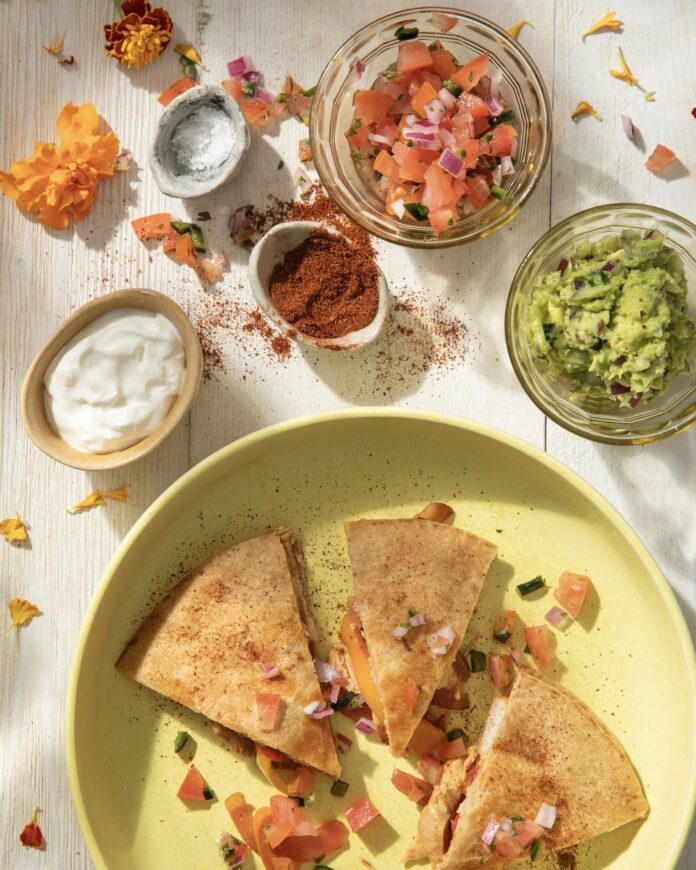
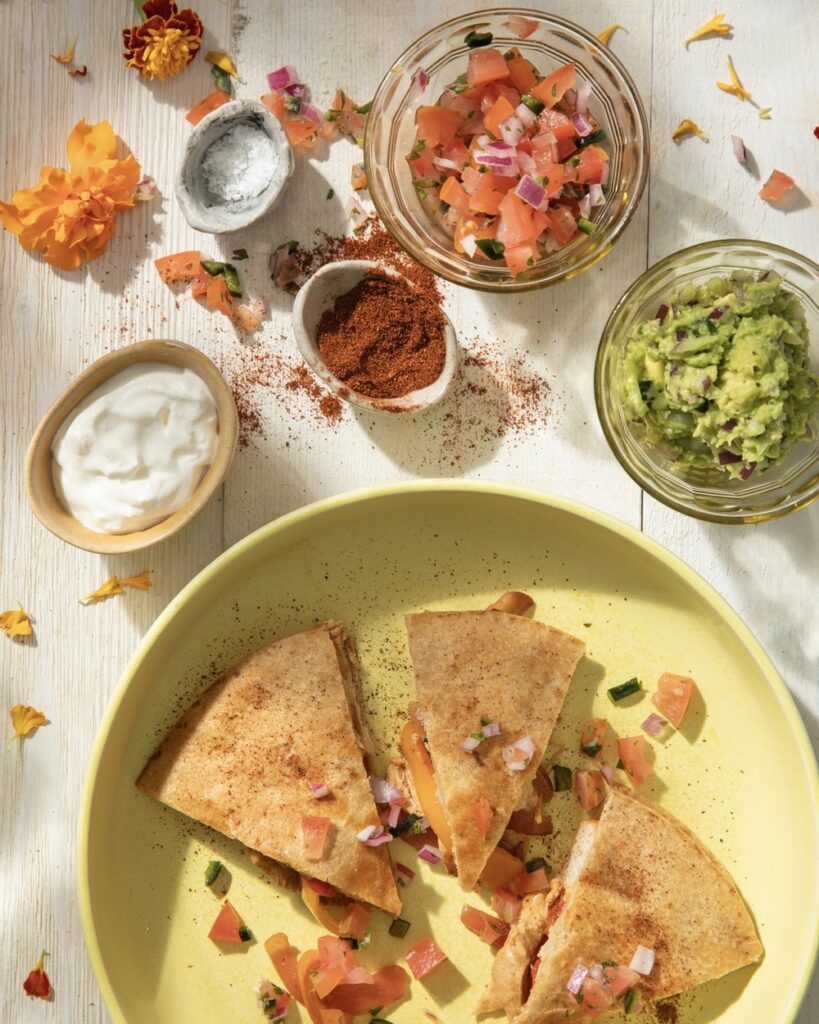
An aerial view of Shawarma Chicken Kabobs on a yellow plat surrounded by flowers. kabob recipe

This chicken kabob plate pairs well with the Mediterranean flavors in the kale hummus starter. Though Leo needs protein and the nobility of roosters and hens resonates with their lion spirit than farm animals like cows and pigs, a Leo needs a dish more subtle than the big old rotisserie chicken. The different elements of this shawarma-style kebab highlights the complexity of Leo’s personality.

Side

Baby Kale Salad with Citrus-Marinated Artichoke Hearts

Baby Kale Salad with Citrus-Marinated Artichoke Hearts and Lemon Vinaigrette on a white plate with a fork in the salad and a container of dressing to the left.

More kale, because it’s a vegetable you kind of can’t have enough of and won’t make you bloat. This leafy greens based salad with a hearty, high-fiber vegetable like artichoke is grounding for Leo’s strong-willed energy.

Drink

4 Refreshing Michelada Recipes Perfect for Summer

Spirits are a little too dry to be good for Leo, so we’re recommending a beer based drink, the refreshing michelada, typically made with lime and assorted juices added to Modelo or Dos Equis. We suggest the bold, beer-forward Clara Michelada from this list, but since Leo will enjoy making choices on their own, there are four to choose from.

Dessert

Berry Cobbler with Banana Ice Cream

A delectable image of a berry cobbler dessert from Eighty Acres Kitchen.

The best part of this recipe is individual servings means no sharing required. Leo encourages us to be a little selfish in the best way, to stand in our own power and take a little more than we might think we can. So take a whole cobbler serving for yourself and don’t share!

Story by Wade Caves 

Wade Caves, based in Brooklyn, NY, is an astrological consultant and educator specializing in problem-solving applications of astrology. He teaches astrological divination and astronomy at the School of Traditional Astrology. Wade also publishes his work on world astrology through Skyscript’s In Mundo publishing desk and hosts the World Astrology Summit, a conference dedicated to the advancement of astrology for global problem-solving. Website: wadecaves.com • skyscript.co.uk/inmundo. Email: hello@wadecaves.co

A footer photo with a black background and subscribe info and buttonSubscribe to TABLE Magazine‘s print edition.
Italian Cookbooks for the Serious Cook

0
A fork with pasta, an recipe, swirled around it on a black background

Everyone wants to pick up a cookbook and be a great Italian cook. We love pasta. Pizza is a crowd-pleaser. Tiramisu picks us up every time. With all the pleasure and passion of big flavors, wonderful wine pairings, and endless variations on the simplest, freshest ingredients, what’s to keep any of us from achieving greatness all’italiana? The answer to that question is both a lot and a little.

A lot because the techniques and habits that create authentic dishes are not necessarily something the average American cook learns. There were too many tinned or frozen vegetables in our upbringings, not to mention prolonged flirtations with Hamburger Helper and tuna noodle casserole. Our hands, eyes, mouths, noses and tongues were not trained to recognize (and replicate) all the right steps to arrive at a truly great plate of pasta.

A little because sometimes it’s the subtle differences that make a universe of difference. When do you leave the skin of the garlic clove on for just a flirtation with garlic flavor, and when do you take it off and smash, slice or crush it for ever-increasing doses? When do you let something caramelize in the skillet and when do you gently sautée it into tenderness. It turns out that la vera cucina italiana needs some knowledge beyond opening a jar and boiling some Barilla!

The Best Italian Recipes Come Straight from the Source

As someone who lived in Rome for a few years and was lucky enough to travel two or three times a year to Italy for work for over 20 years, I wanted to share with TABLE readers a few cookbooks from which I have learned a great deal. They’ve inspired and advanced my pursuit of the flavors that seduced me a long time ago, and have intrigued me ever since.

Confession: I did not learn my first Italian recipes from a book. It was rather Signora Elsa, an elderly neighbor in a rural village where I spent a lot of time, who taught me to make penne with a mushroom sauce, and a handful of other dishes. She could not imagine that a young American in his 20s could possibly know enough to feed himself well. So, she took it upon herself to invite me into her home for a day of lessons. Aside from heating her espresso in an old fashioned torretto di caffe placed on the live embers of her wood oven, a feat I have never succeeded in replicating, what she taught me is still part of my repertoire.

The books I am recommending here have extended the basics taught by Signora Elsa, and have helped me not just make food, but also to understand the culture, the standards, and the DO NOTs of the Italian kitchen. I hope you enjoy them as much as I do.

Italian Cookbooks for the Serious Cook

Classic Italian Cooking by Marcella Hazan

Essentials of Classic Italian Cooking: A Cookbook

Marcella Hazan, the unpretentious grandmother who presented and explained classic Italian recipes, is pretty much the Julia Child of Italian cooking for us Americans. She patiently explains good techniques and guides us towards delicious, tried and true dishes. This edition joins two of Marcella Hazan’s books into one volume, giving you a serious menu of options, from simple to complex. No matter the level of difficulty, Hazan’s text gives good perspective on how to stay on course to achieve authentic flavor. Many people consider her recipe for Bolognese sauce to be the gold standard, but every recipe she offers is worth trying.

Lidia's Italian Cooking by Lidia Bastianich

Lidia’s Mastering the Art of Italian Cuisine: Everything You Need to Know to Be a Great Italian Cook: A Cookbook

I will confess that I am always skeptical of celebrity chefs. The person who looks best on TV is not necessarily the person who should be telling you how to cook. But Lidia Bastianich is not just a pretty face. It was her knowledge of great food and how to make it that propelled her to prominence, first through her NYC restaurant, Felidia, and later in books and shows. She’s a straight-talker who gives clear commands. Follow them and you are likely to put some great food on your table.

Italian Food (Penguin Classics)

Not too many people talk about Elizabeth David these days. That’s a shame, because all of her work is sensitive, observant, well-written… and delicious. This book travels through Tuscany, Sicily, Lombardy, and Umbria to discover classic foods and it explains how to make them. She’s a lovely writer, and you will be not be just a better cook but a better traveler after reading her work. (A little note: her book Summer Cooking is also a must-have.)

Science in the Kitchen and the Art of Eating Well (Lorenzo Da Ponte Italian Library)

Are you interested in being a sacentino (aka know-it-all) on the subject of Italian food? This book, first printed in 1891, is for you. It is generally recognized as the most important Italian cookbook of modern times and has been reprinted many, many times. Some of its 790 recipes are, honestly, hard to follow for an American. But when one hits home, you can be sure you are following in the footsteps of revered author Pellegrino Artusi and generations of well trained Italian chefs. And you can be proud of what you make. Plus, you will emerge with something hard to describe. The innate understanding of techniques and ingredients that make it possible to excel as an Italian cook will become clearer and clearer to you.

Cooking by Hand by Paul Bertolli

Cooking by Hand: A Cookbook

This much more contemporary Italian cookbook by Paul Bertolli, an accomplished chef working miracles in California, will also instill an appreciation for the culture of great Italian cooking. The essays that appear throughout the book are tender and insightful. They lead you into an appreciation of time, ripeness, history, no-waste kitchen practices, and much more. Your cooking will become more layered and nuanced. And you’ll enjoy the journey.

La Cucina, the Regional Cooking of Italy

La Cucina: The Regional Cooking of Italy

2,000 recipes were gathered about five decades ago by 7,000 Italian researchers interested in the preservation of Italian food. The Italian Academy of Cuisine searched every region long before Stanley Tucci’s delightful tv program to find essential, classic recipes from every region of Italy. The country’s resistance to fast food can be traced in part to this massive effort to identify and describe (and value) what might have otherwise been labeled as dowdy and old fashioned. Italy’s identity as a globally respected source of food wisdom is arguably a by-product of this project.

The main results, though, can unfold in your kitchen when you make some of this book’s authentic regional recipes. It comes down to using the right ingredients in the right way. Insight into regional variations of a recipe is often given, as is a sense of historical context. Don’t let me make this sound too high falutin’: the vast majority of the recipes here are eminently makeable — and even downright easy.

The Italian Regional Cookbook by Valentina Harris

The Italian Regional Cookbook: A Great Cook’s Culinary Tour of Italy in 325 Recipes and 1500 Color Photographs

Italy wasn’t even ITALY until the unification of the peninsula into a single country in 1861. There is a strong argument that there is no Italian cooking, there is “only” the cooking of Lombardy, Piedmont, Liguria, Emilia-Romagna, Veneto, Tuscany, Umbria, Sardinia, Campania, Sicily, Puglia, Basilicata, Calabria, and the other regions. Indeed, each region has its own pockets of delicious tradition. A exploration into regional Italian cooking is a real adventure into often under-appreciated places and histories. This book offers 325 recipes and 1500 color photographs, making that adventure both delicious and beautiful. It makes a great gift for a devotee of Italian fare.

Story by Keith Recker / Photo by Alice Pasqual 

A footer photo with a white background, one TABLE Magazine and subscribe info and button

Subscribe to TABLE Magazine‘s print edition.
Clara Michelada

0
a tall glass with beer and lime with a bottle of beer in the background

The original Michelada recipe, often called a Chelada, is simply a Mexican beer and lime drink. Our friends at Esquina Cantina are sharing their version of the classic cocktail, the Clara Michelada recipe, with TABLE readers.

About Modelo, The Base for the Clara Michelada 

Modelo is one of the most popular summer beers out there. The curvature of its bottle is the perfect shape for holding in one hand while relaxing poolside or over an outdoor table with friends. In our Michelada recipes, we experimented with using different beer brands as the base, all of which have their own merits, but in our opinion, Modelo is one of the best. Its story beings in 1925, when brewers set out to create a “model beer” in Tacuba, Mexico. They looked at German methods, but didn’t want to create quite so dark a beer, as it might clash with the flavors of Mexican food. Thus, the Modelo we know and love was born.

Print
clock clock iconcutlery cutlery iconflag flag iconfolder folder iconinstagram instagram iconpinterest pinterest iconfacebook facebook iconprint print iconsquares squares iconheart heart iconheart solid heart solid icon
a tall glass with beer and lime with a bottle of beer in the background

Clara Michelada


  • Author: Esquina Cantina

Description

A Modelo-based summer beverage. 


Ingredients

  • .75 oz fresh squeezed lime juice
  • Modelo beer, n/a beer or seltzer
  • Salt and lime wedge for garnish


Instructions

  1. Run a lime wedge along the rim of a glass.
  2. Dip the rim of the glass in salt.
  3. Fill the glass halfway with ice.
  4. Add lime juice.
  5. Top with beer, n/a beer or seltzer
  6. Garnish with a lime wedge

Recipe by Esquina Cantina
Styling by Anna Franklin
Photography by Dave Bryce

Subscribe to TABLE Magazine’s print edition.

Rosa Michelada

0
a clear glass with a white background with a pink Mexican Michelada cocktail being topped off with a can of hard seltzer

You’ll find the fruity, floral twist of this Rosa Michelada, Mexican beer based cocktail to be a true summer sipper. Guava pureé and hibiscus simple syrup combined with ice cold beer deliver a subtly sweet flavor in this recipe from our friends at Esquina Cantina.

What Kind of Fruit Should You Use in Your Michelada?

There are many different takes on Michelada seasoning, including clamato juice, tomato juice, and Worcestershire sauce. The flavors all add a savory, umami element to the Michelada and go well with the base of beer. However, this Michelada uses a fruit base. We’ve used guava purée, because guava’s zestiness will add a kick and not get overwhelmed in the beer’s flavor profile. Guava is optimal for refreshing, summer drinks like this one. Also, while it might be a little labor-intensive to find the hibiscus flowers, it’s also well worth it to take the extra effort and make the hibiscus syrup in this Rosa Michelada recipe for an extra touch of tropical flair. 

Print
clock clock iconcutlery cutlery iconflag flag iconfolder folder iconinstagram instagram iconpinterest pinterest iconfacebook facebook iconprint print iconsquares squares iconheart heart iconheart solid heart solid icon
a clear glass with a white background with a pink Mexican Michelada cocktail being topped off with a can of hard seltzer

Rosa Michelada


  • Author: Anna Franklin

Description

A refreshing, fruity summer drink.


Ingredients

Scale

For the Michelada:

  • 2 oz Guava Purée
  • 1 oz Hibiscus Syrup (recipe below)
  • 5 oz Fresh Squeezed Lemon Juice
  • Beer of your choice
  • Lemon wheel and tamarind candy for garnish

For the hibiscus simple syrup:

  • 5 cup dried hibiscus flowers
  • 1 cup water
  • 1.5 cups sugar


Instructions

For the Michelada:

  1. Fill a glass halfway with ice.
  2. Add guava pureé, hibiscus syrup, and lemon juice to the glass.
  3. Top with your favorite ice cold Mexican beer, n/a beer, seltzer or Topo Chico Strawberry Guava Hard Seltzer.
  4. Garnish with lemon Wheel and optional tamarind candy.

For the hibiscus syrup: 

  1. Combine all ingredients into a saucepan and bring to a boil.
  2. Remove from heat and let cool
  3. Once the syrup cools to room temperature, strain and store in a glass jar in the refrigerator.

Recipe by Esquina Cantina
Styling by Anna Franklin
Photography by Dave Bryce

Subscribe to TABLE Magazine’s print edition.

Roasted Carrots with Harissa Vinaigrette and Chickpea Fritters

0
A gourmet salad with roasted carrots, chickpea fritters, and frisée lettuce, topped with vibrant red pomegranate seeds and harissa vinaigrette, served in a deep blue bowl with black flatware nearby.

Roasted carrots never fail to bring warmth and color to the table, but when paired with bold flavors and crunchy bites, they become something truly special. This recipe combines sweet, tender carrots with crispy chickpea fritters, a spicy harissa vinaigrette, and a sprinkle of fresh pomegranate seeds for brightness. It’s a dish that looks stunning and tastes even better, perfect for family-style dining.

About Our Roasted Carrots with Harissa Vinaigrette and Chickpea Fritters

What makes this recipe stand out is the balance of textures and flavors. The carrots are soft and earthy, the fritters add a golden crunch, and the vinaigrette brings a kick of spice that ties everything together. Finished with frisse for freshness and pomegranate seeds for a juicy pop, this platter is both nourishing and eye-catching. Whether you’re hosting a dinner party or simply want to elevate your weeknight meal, this roasted carrot and chickpea fritter salad is a crowd-pleaser.

Print
clock clock iconcutlery cutlery iconflag flag iconfolder folder iconinstagram instagram iconpinterest pinterest iconfacebook facebook iconprint print iconsquares squares iconheart heart iconheart solid heart solid icon
A gourmet salad with roasted carrots, chickpea fritters, and frisée lettuce, topped with vibrant red pomegranate seeds and harissa vinaigrette, served in a deep blue bowl with black flatware nearby.

Carrots, Harissa Vinaigrette, Chickpea Fritters, Pomegranate Seeds


  • Author: Curtis Gamble

Description

This vibrant dish combines roasted carrots with crispy chickpea fritters, tossed in a bold harissa vinaigrette. Finished with frisse and pomegranate seeds, it’s a colorful, flavorful platter perfect for sharing.


Ingredients

Scale
  • Roasted carrots
  • 3 bunches of multi-colored carrots with tops
  • Salt to taste
  • Ground coriander to taste
  • Extra virgin olive oil

Chickpea Fritter (Panisse):

  • 205 grams chickpea flour
  • 15 grams minced garlic
  • 15 grams minced shallot
  • 3 grams ground coriander
  • 7 grams salt
  • 2 grams ground turmeric
  • 980 grams whole milk

Harrisia Vinaigrette: 

  • 2 medium shallots, rough chopped
  • 2 Tbsp miso paste
  • 1 Cup white balsamic vinegar
  • 120 grams harissa
  • 3.5 cups canola oil

To Assemble Family Style:

  • Roasted carrots
  • Pom seeds
  • Harissa vinaigrette
  • Chickpea fritter
  • 3 heads cleaned frisse


Instructions

  1. Preheat the oven to 325. Take tops off of carrots and set them aside.
  2. Rinse carrots under cold water and dry thoroughly, removing all excess dirt and debris. Toss with a light coating of evoo and season with salt and ground coriander.
  3. Lay in a single layer on a baking sheet and roast in 15 min intervals until soft to the touch, roughly 45 min. Cool completely.

Chickpea Fritter (Panisse):

  1. Sweat garlic and shallots in a medium saucepan, then add dried spaces and toast. Add milk next and bring to a scald.
  2. Slowly add chickpea flour while blending with a hand blender until fully incorporated.
  3. Continue to blend aggressively while the mixture cooks. When mixture pulls away from the sides, pour into an oiled 8 by 8 baking dish and let chill overnight uncovered.
  4. Once chilled cut into inch by inch cubes and set aside.

Harrisia Vinaigrette: 

  1. Combine all ingredients except oil in the blender.
  2. Blend on high while incorporating oil, salt to taste.

To Assemble Family Style:

  1. Preheat 3 inches of oil in a saute pan until a candy thermometer reads 350.
  2. Lightly fry chickpea fritters on both sides and drain on a plate lined with paper towels. Season with salt.
  3. In a large bowl toss chilled roasted carrots with a light coating of Harissa vinaigrette and salt and pepper to taste. Spoon carrots into a serving bowl.
  4. Toss frisse in same bowl and spoon over carrots and curd then place fried fritters randomly on the platter as well. Sprinkle with pom seeds and serve.

Food and Recipes by Curtis Gamble of Station
Styling by Keith Recker
Photography by Dave Bryce

Subscribe to TABLE Magazine’s print edition.

7 No-Cook Recipes for Hot Summer Days

0
A fresh summer salad with blueberries and blue cheese.

The sun is beating down, the asphalt is hot to the touch, and even the thought of flicking on the oven makes you sweat. But fear not, there’s no need to turn on the oven at all. These no-cook recipes involve zero flames, minimal chopping, and enough coolness to rival your backyard pool. Create refreshing salads, vibrant veggie dishes, and flavor explosions that require only the bare minimum. Crank up the AC, grab a chilled beverage, and look forward to not having to interact with the stove thanks to these 7 no-cook recipes perfect for hot summer days. 

No-Cook Recipes for Hot Summer Days

Best Tropical Smoothie Bowl

An overhead photo of a colorful tropical smoothie bowl with banana, kiwi, passion fruit, berries, and granola over a vibrant purple yogurt blend in a tan bowl with a gold spoon on a tan and light blue wood surface.

Start off your day with a Tropical Smoothie Bowl in vibrant colors and with an even more vibrant flavor. Greek berry flavored yogurt, a Dragon Fruit Smoothie Pack, oat milk, fresh fruit, and your daily dose of Vital Protein Collagen Peptides makes sure you get through the day with energy and a smile on your face.

Cucumber Rolls Stuffed with Goat Cheese

Hue Chan Karels, Open Kitchen cooking class based on Farm Fresh Journey, The Santa Fe Farmers Market Cookbook. Hue Chan and particpants at Santa Fe Farmers Market, cooking at Open Kitchen, and prepared food dishes..Just made a trip to the farmers’ market for fresh produce but don’t want to make a basic salad? Try our Cucumber Rolls instead that have a goat cheese and piñon nut filling. You can even use an edible stand of chive to tie the cucumber roll closed for one-bite accessibility. 

Summer Salad with Blueberries & Blue Cheese

A fresh summer salad with blueberries and blue cheese.

Blueberries and blue cheese? They don’t sound like they have much in common besides starting with a B. But in our Summer Salad, these two elements marry together a blend of salty and acidic-sweetness. Top it with a tangy, oil-based, homemade dressing for the perfect finishing touch. 

Breakfast Smoothie Pops

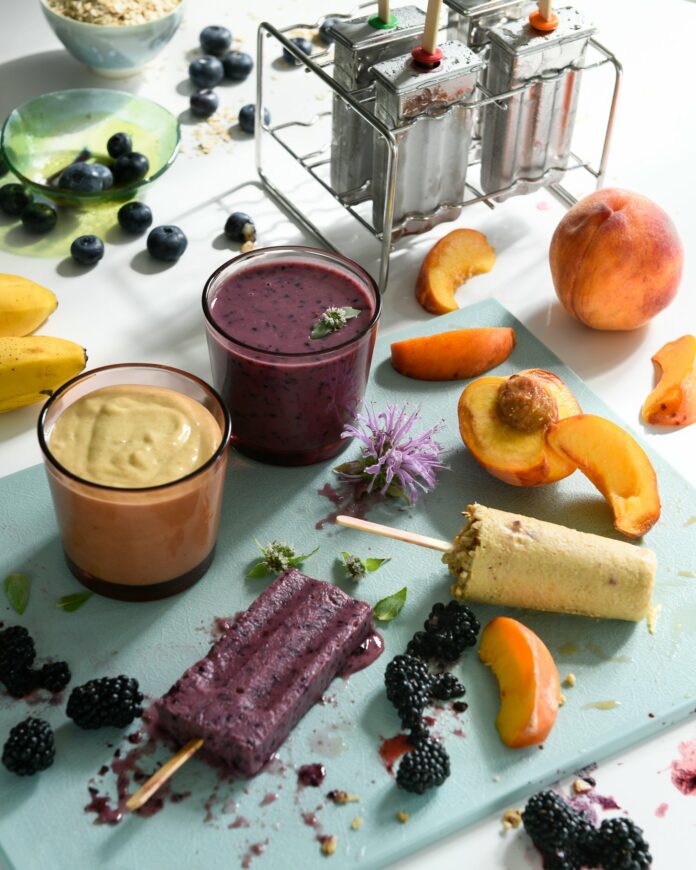
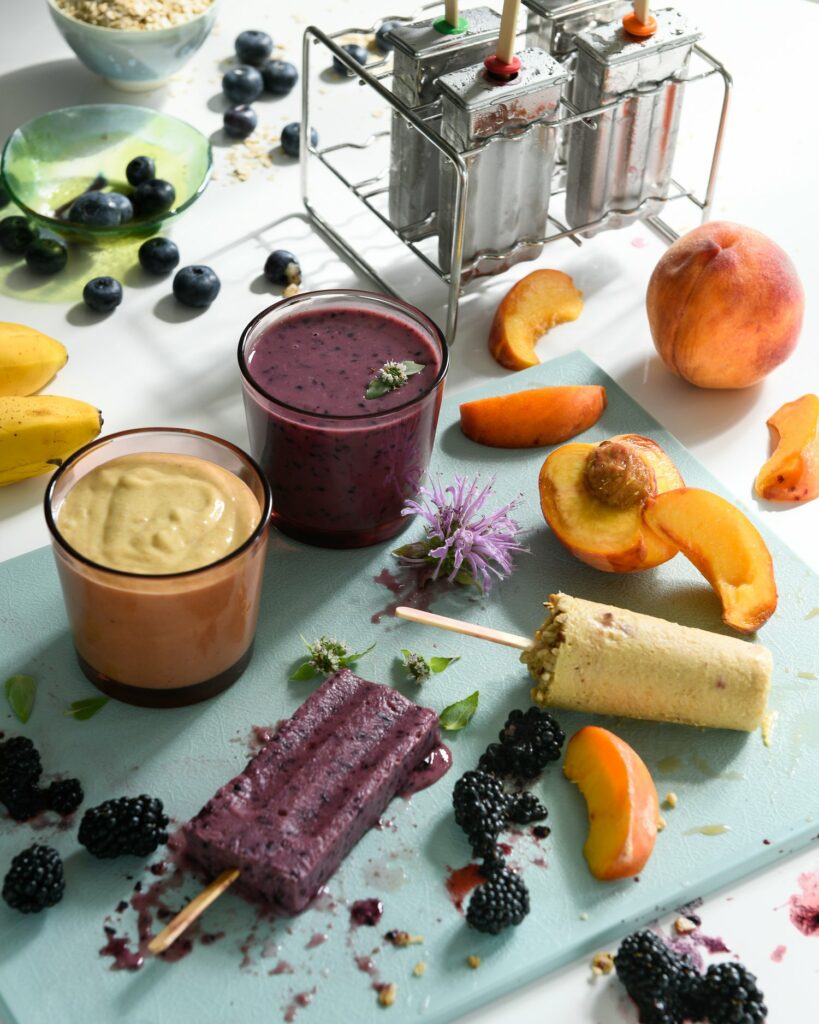
Two glasses of yellow and berry smoothies sit beside two smoothie popsicles in the same colors.

Children especially need a nutritious breakfast to fuel their love for outdoor activities. Create a Breakfast Smoothie Pop that lets you make a healthy, simple breakfast ahead of time. You can use our base and come up with your own flavors or make things even easier by following our recipes for Blueberry Protein and Peach ‘n’ Porridge Pops.

Citrus Salmon Carpaccio with Green Goddess Sauce

A Citrus Salmon Carpaccio recipe plated in bright colors.

Take to your local fishmonger for a slice of sushi-grade salmon and you can whip up a no-cook lunch or dinner that pleases the summer palette.  Our Citrus Salmon Carpaccio uses seasonal citrus and thin slices of salmon to match a homemade Green Goddess Sauce. It’s a little sweet, a little tart, and full of healthy ingredients. 

Peach and Corn Salsa with Tortilla Chips

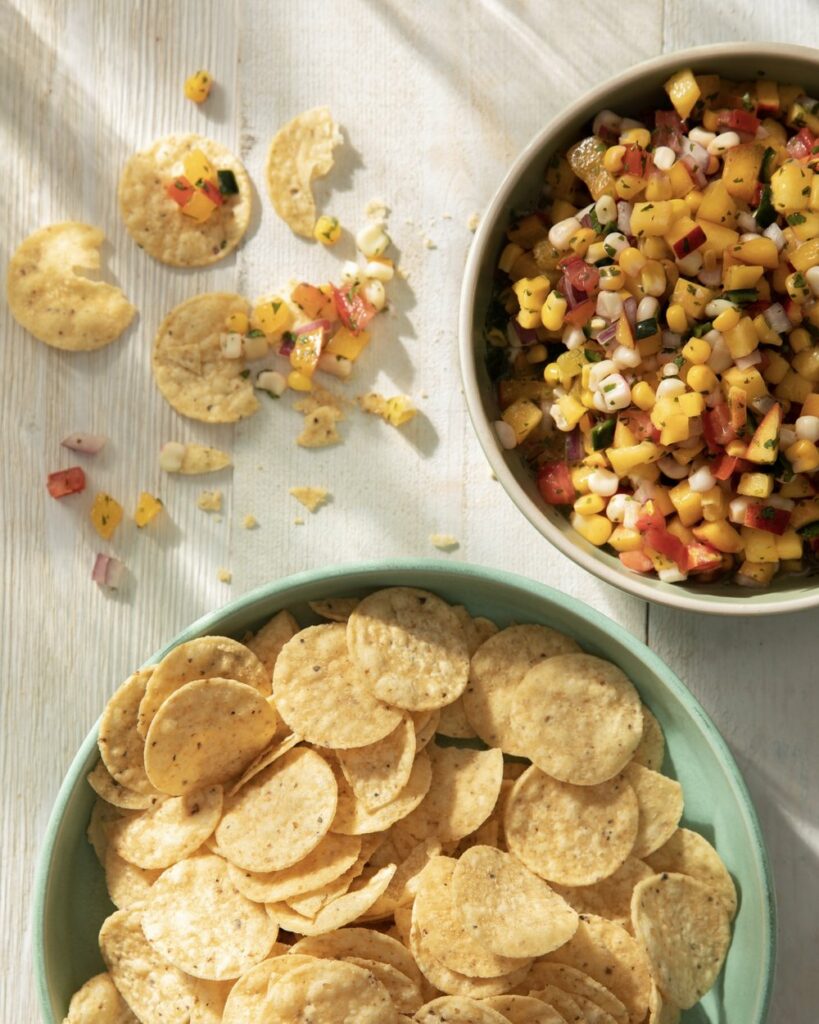
A bowl of peach and corn salsa sits to the top right of the frame, with a bigger bowl of tortilla chips in the bottom center.

Wishing for a quick snack that doesn’t take much prep time? As long as you have peaches, corn, tomatoes, onion, and jalapeños, you can make this fresh salsa to go with tortilla chips or whatever you’re craving. You can even save the leftovers for dinner the next day on tacos or burrito bowls. 

Bombay-Style Sandwiches with Peanut Mint Cilantro Chutney

A person holds a Bombay Style sandwich with a pink blanket below their hands. A while plate with various food item sits at the top of the photo.

When it’s summer and the sun is shining, there’s no better time for a picnic. Have an outdoor (or indoor) picnic of your own with our Bombay-Style Sandwiches. These little pockets of soft bread contain a Peanut Mint Cilantro Chutney along with layers of softened butter, tomatoes, cheese, and cucumber. You could grill or broil these sandwiches if you’d like but that’s not required if you really wish to have a no-cook meal. 

Story by Kylie Thomas

A footer photo with a black background and subscribe info and buttonSubscribe to TABLE Magazine‘s print edition.
Authentic Italian Bruschetta with Basil-Infused Olive Oil

0
Bruschetta on a plate beside some heirloom tomatoes

Yes, bruschetta is toasted bread with garlic and olive oil on it, but it’s also so much more than that. It’s an antipasto that highlights many of the best qualities of Italian cooking: simplicity, flavor, and use of local, seasonal produce and savory spices. The name bruschetta comes from the Italian word brusce meaning “to roast over coals.” A tip from the chef: You can also toast the bread on a grill on a gentle heat, and if you go this route, skip the parmesan. Combine it with Anna Franklin’s basil-infused olive oil for an extra bit of flavor in the bruschetta, or as a dip for the bread.

What is Antipasto?

Let’s clear up a question you may have been afraid to ask: antipasto does not mean “against pasta.” It comes from the Latin word ante meaning before, and pastus, meaning meal. An antipasto is just an appetizer. Hence, you eat bruschetta before a meal as an antipasto. So, next time you plan a picnic, don’t just say “I’ll bring an app.” Make it an antipasto.

Print

clock clock iconcutlery cutlery iconflag flag iconfolder folder iconinstagram instagram iconpinterest pinterest iconfacebook facebook iconprint print iconsquares squares iconheart heart iconheart solid heart solid icon
Bruschetta on a plate beside some heirloom tomatoes

Authentic Italian Bruschetta with Basil-Infused Olive Oil


  • Author: Anna Franklin

Description

This is as authentic as it gets!


Ingredients

Scale

For the basil-infused olive oil 

  • 1 cup fresh basil (or herb of your choice) leaves
  • 1 ½ cups high-quality extra-virgin olive oil (we recommend Partanna)

For the bruschetta:

  • 6 Roma tomatoes, diced
  • 1/3 cup basil leaves, chopped
  • 5 garlic cloves
  • 2 tbsp extra-virgin olive oil
  • 1 tbsp balsamic vinegar
  • Salt and pepper to taste
  • Balsamic glaze for garnish

For the toast:

  • 1 baguette
  • 3 tbsp extra-virgin olive oil
  • 1/3 cup shredded parmesan cheese


Instructions

For the basil-infused olive oil 

  1. Add basil leaves and oil to a blender and blend until completely smooth.
  2. Strain into a bowl through a fine-mesh strainer or chinois without pushing down on the mixture.
  3. Strain again through a paper coffee filter into a medium-sized bowl. Let the filtered oil settle for a few hours, then pour off the dark liquid in the bottom of the bowl, if there is any.

For the bruschetta and toast:

  1. Core and dice tomatoes. Drain any excess juice and transfer tomatoes to a medium bowl.
  2. Stack basil leaves and roll them into a tube. Using a sharp knife, thinly slice the basil into ribbons and transfer to the bowl with tomatoes.
  3. Finely mince 5 garlic cloves. Mix 1 teaspoon of minced garlic into 3 tablespoons of olive oil and set aside. Add remaining minced garlic to the mixing bowl with tomatoes.
  4. Season tomatoes with 2 tablespoons olive oil, 1 tablespoon balsamic vinegar, and season with salt and black pepper. Add basil and stir gently to combine and set aside to marinate for 15-30 minutes.
  5. Preheat oven to 400 degrees with a rack in the center of the oven. Place toasts on a parchment-lined baking sheet. Cut toasts into ½-inch thick slices, slicing diagonally.
  6. Arrange toasts on the prepared baking sheet and brush the garlic-infused olive oil on both sides of toasts. Sprinkle tops with parmesan cheese (optional) and bake at 400 degrees for 5 minutes then broil on high heat for 1-2 minutes or until the edges are golden brown.
  7. Top each piece of toast with the tomato mixture and drizzle with balsamic glaze before serving. Eat while the bread is still warm.

More Italian Picnic Treats…

Recipe and Styling by Anna Franklin
Story by Emma Riva
Photography by Dave Bryce

Subscribe to TABLE Magazine‘s print edition.
Healthy BLT Salad

0
A plated BLT salad with large red heirloom tomatoes in it on a white background

Bacon is not usually at the top of the list of healthy ingredients. But we’ve combined it with a lettuce and tomato salad, and a micro-greens garnish to make it the tastiest “Healthy BLT” salad bowl ever. The huge heirloom tomatoes take center stage here, so make sure you get the ripest you can. We suggest you head to the farm stand nearest you!

Where Does the BLT Come From? 

For New Yorkers, the BLT is a bodega staple. But some believe that it actually has its origins in the English tea sandwich in the Victorian era, then evolved into the “club sandwich” that came out of the dining car menus of the early twentieth century. It rose to its peak of popularity in the early 2000s and has remained a go-to deli order for many. This salad take on it is obviously not a sandwich. But the BLT’s ubiquity is proof that many people gravitate towards simple ingredients and nutrient-rich recipes that combine protein, vegetables, and carbs.

Print
clock clock iconcutlery cutlery iconflag flag iconfolder folder iconinstagram instagram iconpinterest pinterest iconfacebook facebook iconprint print iconsquares squares iconheart heart iconheart solid heart solid icon
A plated BLT salad with large red heirloom tomatoes in it on a white background

Healthy BLT Salad


  • Author: Anna Franklin

Description

Turning your favorite sandwich into a salad!


Ingredients

Scale
  • 4 large heirloom tomatoes
  • 1/2 cup mixed heirloom cherry tomatoes
  • 1/2 pound bacon
  • 20 Town House Crackers
  • 1/2 cup mayonnaise
  • 1 tsp lemon juice
  • 1/4 tsp garlic powder
  • 1/2 tsp cracked black pepper
  • Micro greens for garnishing


Instructions

  1. Cut tomatoes into thick 1/2 inch slices and cut each cherry tomato in half. Set aside.
  2. Bake bacon at 400 degrees on a parchment lined baking sheet until crispy, about 20 minutes. Let cool and crumble or chop into bite sized pieces. Set aside.
  3. Using the same pan you used for the bacon, place the crackers on the parchment and bake for 10 minutes until they are slightly browned. They will absorb some of the bacon fat and become super delicious.
  4. In a bowl mix together mayonnaise, lemon juice, garlic powder, and black pepper. Spread evenly onto a large serving platter. Arrange tomatoes on top.
  5. Garnish with bacon pieces, crumbled crackers, and micro greens.
  6. Finish with a sprinkle of Maldon salt and serve.

More Bacon Ideas

Recipe by Anna Franklin
Story by Emma Riva
Photography by Laura Petrilla 

Subscribe to TABLE Magazine‘s print edition.
Smoked Mushroom Vegetarian Tacos With Creamy Chipotle Sauce

0
Vegetarian mushroom tacos on a plate.

This vegetarian taco recipe uses smoked mushrooms and a creamy chipotle sauce on the side to deliver great summer flavors.

Our hunger for tacos is not limited to Tuesdays, and we are equally enthusiastic about wheat versus corn tortillas. Why? They cradle wonderful, fresh toppings like mushrooms smoked to perfection and seasoned a Creole blackening blend and fresh pico de gallo. Every bite is a little symphony. These tacos are perhaps an excuse to make one of the many margarita recipes on TABLE’s website.

How to Smoke Mushrooms

if you, like some of us, imagine a mushroom with a tiny cigarette or a new psychedelic technique when you hear the words “smoking mushrooms,” fear not. A smoker, a grill with a firebox, can give mushrooms the deeper and more complex texture you want for a meat substitute in a taco. If you don’t have a grill, you can also do this on your stovetop with wood chips or loose-leaf tea–who knew?

Print
clock clock iconcutlery cutlery iconflag flag iconfolder folder iconinstagram instagram iconpinterest pinterest iconfacebook facebook iconprint print iconsquares squares iconheart heart iconheart solid heart solid icon
Vegetarian mushroom tacos on a plate.

Smoked Mushroom Vegetarian Tacos With Creamy Chipotle Sauce


  • Author: Anna Franklin

Description

Perfect for meatless Monday!


Ingredients

Scale
  • 2 lb mushrooms
  • 1 tbsp olive oil
  • 1 tbsp Creole blackening blend
  • 2 tbsp butter
  • 1 package homemade corn tortillas
  • 1 1/2 cups homemade pico de gallo
  • Lime for garnish

For the creamy chipotle sauce:

  • ½ cup mayonnaise
  • ½ cup sour cream
  • 3 tbsp chipotle peppers in adobo sauce
  • 2 tsp garlic powder
  • 2 tsp onion powder
  • 2 tsp paprika powder
  • 1 tsp sugar
  • 2 tsp vinegar


Instructions

  1. To make the sauce, blend all the ingredients in a blender and refrigerate for at least 30 minutes.
  2. Toss mushrooms with the olive oil and creole seasoning. Smoke in a smoker for 1 hour at 200 degrees. Sauté in a skillet over high heat with the 2 tablespoons of butter. You want the edges to get browned and a little crispy.
  3. Assemble your tacos with the mushrooms, pico de gallo, chipotle sauce and lime wedges.

More Mexican-Inspired Recipe Ideas

Recipe by Anna Franklin
Photography by Laura Petrilla

Subscribe to TABLE Magazine‘s print edition.
Summer BBQ Smoked Peach Pulled Pork

0
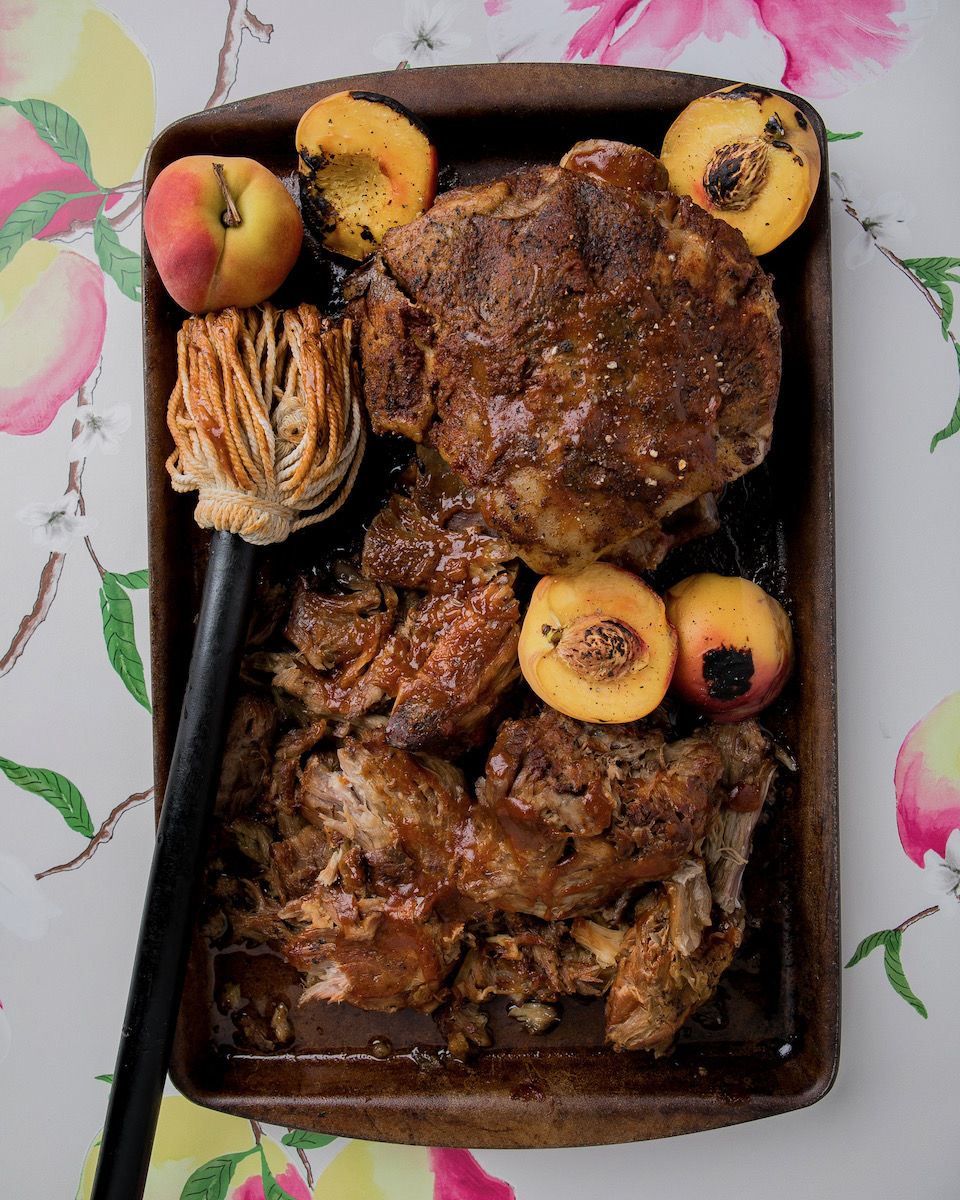
A peach pulled pork summer BBQ recipe styled on a white background

The simultaneously sweet, smoky and spicy allure of BBQ is especially strong in summer, but we feel it all year long. Add fresh orchard-picked peaches to the traditional mélange with this peach pulled pork and, to borrow a phrase from a famous chef, BAM! TABLE contributor Anna Franklin started this recipe with pork butt from a local butcher, spiced it up with her very own spicy Bazaaa! Hot Sauce and served it on slider buns from a local bakery. Since tasting it during our photo session with Laura Petrilla, we have talked about this summer BBQ recipe dish non-stop at TABLE Studios. It’ll be the talk of the town at your party, too.

You can make it with frozen peaches, too, so if you’re stuck in winter…do not despair. Just head to the frozen section of your grocery store. Defrost when you get home and… BAM! BAM! You’ve beaten back winter for at least one meal.

Why Peach and Pork?

Peaches go well with meats like pork because of their similarities in texture and easy grilling/roasting capabilities. The juices seep into the meat through the sauce and create a more complex flavor profile than just ordinary barbecue sauce for your summer BBQ recipe (though no shame in going with the classics, too!)

Print

clock clock iconcutlery cutlery iconflag flag iconfolder folder iconinstagram instagram iconpinterest pinterest iconfacebook facebook iconprint print iconsquares squares iconheart heart iconheart solid heart solid icon
A peach pulled pork summer BBQ recipe styled on a white background

Summer BBQ Smoked Peach Pulled Pork


  • Author: Anna Franklin

Description

A summer barbecue with a spicy kick.


Ingredients

Scale

For the Pork

  • 3 pounds pork butt
  • 1 onion, chopped

For the Peaches and Sauce

  • 5 Peaches
  • 2 tablespoons brown sugar
  • 1 teaspoon salt
  • 1 teaspoon black pepper
  • 1 cup ketchup
  • 1/2 cup Sweet Baby Rays BBQ sauce
  • 1/2 cup apple cider vinegar
  • 1/4 cup brown sugar
  • 1/4 shallot, minced
  • 2 teaspoons chili powder
  • 3 tablespoons paprika
  • 1 tablespoon hot sauce (we used Bazaaa! Sauce)


Instructions

Instructions 

  1. Place your pork butt in the crock pot with 1 onion chopped. Cook this on low for roughly 6 hours or until the pork butt is fork tender.
  2. While your pork is cooking, cut peaches in half and remove the pit. Place on a pan and sprinkle with brown sugar, salt and pepper. Smoke at 200 degrees for 3 hours. We used peach wood, but any wood will work for this. (If you do not have a smoker, you can roast the peaches in the oven at 400 degrees until they are slightly browned. Adding a few drops of liquid smoke can help give that extra smokey flavor).
  3. Add peaches and sauce ingredients into a sauce pan and simmer, letting the peaches cook down and allowing time for the sauce to thicken. Using a blender, blend the sauce until smooth.
  4. Using two forks, shred the pork butt and cover with the sauce. We served these on slider buns. 

More BBQ Recipe Ideas

Recipe and Styling by Anna Franklin
Photography by Laura Petrilla

Subscribe to TABLE Magazine‘s print edition.
Create a free account, or log in.

Gain access to read this content, plus limited free content.

Yes! I would like to receive new content and updates.

Table Magazine wants to know your location.
TABLE Magazine operates regional sites - Knowing your location helps us route you to the appropriate site for the best experience.