Home Blog Page 130

An Alien: Romulus Cocktail, In Space No One Can Hear You

0
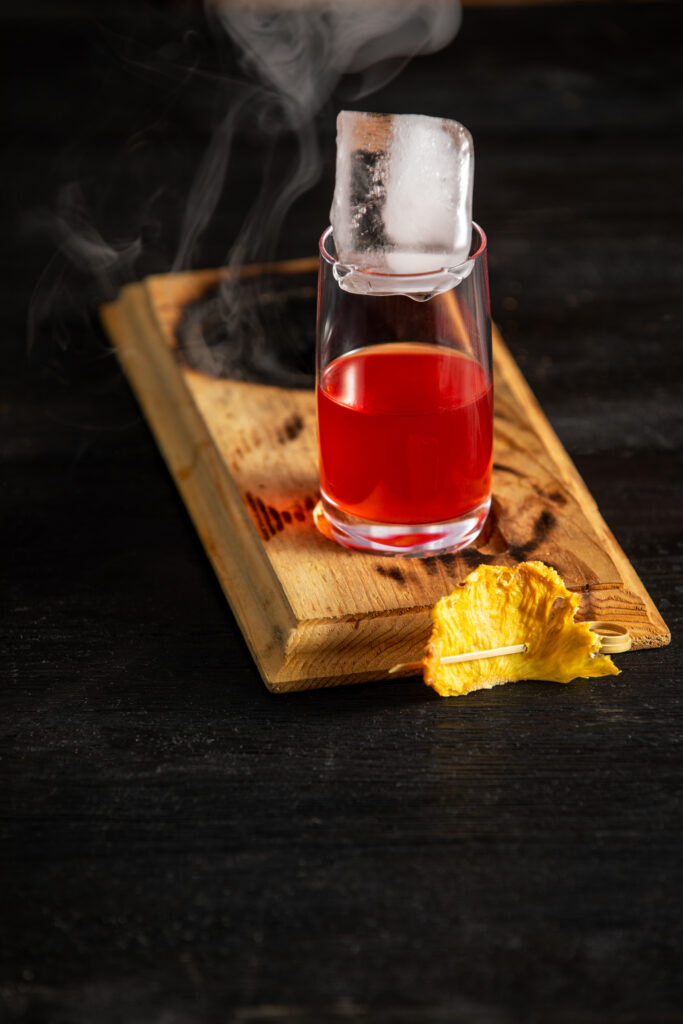
A cocktail glass holds an Alien: Romulus cocktail in a red hue with a piece of tuile garnish on the outside of the glass.

When the xenomorphs lurk through the new Alien: Romulus movie, have this In Space No One Can Hear You cocktail near by to keep you grounded. You’ll learn to make your own Black Vodka and Tuile garnish to perfect this mysterious cocktail’s look and taste. Shake it up to celebrate the return of this iconic series which was a catalyst in the experimentation of horror and sci-fi together. Plus, we promise drinking this cocktail will NOT lead to a small alien bursting out of your chest, ready to eat your face off.

Who is in the Alien: Romulus Cast?

In the most recent installment of the Alien movie series, we a band of new characters. There’s Cailee Spaeny as Rain, an orphaned miner. David Jonsson is Andy, an android reprogrammed as Rain’s brother. Archie Renaux is Tyler, Kay’s brother and Rain’s ex-boyfriend. Isabela Merced as Kay, Tyler’s pregnant sister. Spike Fearn is Bjorn, Tyler and Kay’s cousin. And lastly, Aileen Wu is Navarro, a pilot and Bjorn’s girlfriend. But, you may even see another familiar face as a callback to the original movie…

Print
clock clock iconcutlery cutlery iconflag flag iconfolder folder iconinstagram instagram iconpinterest pinterest iconfacebook facebook iconprint print iconsquares squares iconheart heart iconheart solid heart solid icon
A cocktail glass holds an Alien: Romulus cocktail in a red hue with a piece of tuile garnish on the outside of the glass.

An Alien: Romulus Cocktail, In Space No One Can Hear You


  • Author: Sarah Cascone

Description

An eerie cocktail delicious enough for the creature of these films.


Ingredients

Scale
  • 3/4 oz Black Vodka (see recipe below)
  • 3/4 oz Cointreau
  • 1 1/2 oz organic pomegranate cranberry juice
  • 1/2 oz fresh squeezed lemon juice
  • 1/4 oz Chambord
  • Tuile garnish (see recipe below)

For the black vodka:

For the tuile garnish:

  • Organic canola oil (for cooking)
  • 20g all purpose flour
  • 10g sugar
  • 140g filtered water
  • 40g beet juice


Instructions

  1. Add ice to a cocktail shaker, add all liquid ingredients and shake until a frost forms on the outside of the shaker.
  2. Strain pour into a chilled Coupe.
  3. Garnish with a Tuile and enjoy!

For the black vodka:

  1. Shake ingredients in a mason jar with sealed lid until well combined.
  2. Store in refrigerator.

For the tuile garnish:

  1. Combine flour, sugar, water, and beet juice. Whisk until completely smooth. Pour into a squeeze bottle.
  2. In a small frying pan, turn the heat to medium low. Add 2 tsp’s of the oil. Allow this the heat until it’s almost about the smoke.
  3. Pour in a thin layer of the batter in a circle shape. Be ready with a splatter screen as the batter will pop. Watch and wait. The popping will subside and the cookie will appear to be cooked, turn the heat off and remove from the burner.
  4. Allow it to cool a bit before taking a rubber spatula and gently working under the cookie. Place the cookie onto parchment paper to fully cool and lay flat. Once cooled, pat with paper towel to remove oil. Then you can cut the cookie to shape for garnishing.

Recipe and Styling by Sarah Cascone
Story by Kylie Thomas
Photography by Dave Bryce

Subscribe to TABLE Magazine‘s print edition.

Best Corn Recipes On and Off the Cob

0
A bowl of corn ribs sits on a wooden table with a small container of homemade BBQ sauce in the center. Two glasses of beer sit in the top right corner and flowers are scattered throughout.

If you’re not limiting your corn recipes to just plain old corn-on-the-cob, then let us be your guide to semifreddos, sheet pan recipes, and so many more options that put those yellow kernels to use. Whether you like your corn on the cob or off, we have the perfect recipe to accompany any picnic, weeknight dinner, or even workday lunch. From Spicy Mexican Street Corn to Summer Corn Chowder, it’s time to embrace these juicy ears of flavor!

Best Corn Recipes On and Off the Cob

Blistered Shishito and Corn Salad

A shishito pepper corn salad in a bowl.

Green shishito peppers join sweet corn kernels alongside avocado slices, Cojita cheese, and pepitas covered in a vinaigrette. It’s an easy salad to make for lunch or serve as a big bowl of goodness for your next summer get-together.

Corn Ribs with Homemade BBQ Sauce

A bowl of corn ribs sits on a wooden table with a small container of homemade BBQ sauce in the center. Two glasses of beer sit in the top right corner and flowers are scattered throughout.

Who needs baby back ribs when you can have Corn Ribs with Homemade BBQ Sauce? Crunch into these fun, finger-licking good appetizers topped with a seasoning blend and homemade BBQ sauce. Just a few minutes on the grill and you’ve got the perfect side to burgers, ribs, or any other summer cookout food. They’re also great as a vegetarian entree.

Corn Pudding Cakes

Seven round, yellow corn pudding cakes on a plate garnished with fresh herbs, sitting on a wooden surface.

Two different types of corn make our Corn Pudding Cakes simply addictive. Think of these cakes as cornbread with a bit of creamed corn goodness. Plus, you can even use a cookie cutter to cut the cakes into any shape you choose.

Not Your Mama’s Cornbread Recipe by Vishwesh Bhatt

A delectable and unique cornbread recipe by Vishwesh Bhatt, featuring roasted corn, charred jalapeños, and a medley of spices. Baked to perfection in a cast-iron skillet, this flavorful Southern classic with Gujarati influences is a culinary delight.

We mean it when we say this is Not Your Mama’s Cornbread. Instead, it uses a cast iron pan, chili powder, and jalapeño chiles for a classic recipe with a kick. It’s rustic and warming but still allows room for some customizing with different sauces, butters, and jams on top.

Sweet Corn Semifreddo

An aerial shot of Sweet Corn Semifreddo on a green plate. It is covered with a caramel drizzle and small pieces of corn. Semifreddo Recipe

Corn in dessert? It may not be your first thought for a corn recipe, but we promise our Sweet Corn Semifreddo will change your mind. Just imagine naturally sweet corn, gooey caramel, crisp honeycomb candy, and gingerbread crust pieces coming together to satisfy your sweet tooth.

Summer Scallops and Corn Sheet Pan Supper

A sheet pan filled with Summer Scallops and Corn. To the side sits bowls of peppers, lemon, and salt. Scallops recipe

One pan makes this Summer Scallops and Corn recipe preparation and clean up a breeze. A quick trip to the farmer’s market will prepare you for a sizzling dish of scallops, fresh-shucked corn, zucchini or yellow squash, jalapeños, and cumin seeds. Plus, the sheet pan only needs to cook for 35 minutes before dinner is served.

Spicy Mexican Street Corn

An aerial shot of an ear of spicy mexican street corn sitting on a black plate. Where to Find Fresh Summer Sweet Corn in Pittsburgh

You can’t have a list of corn recipes without including Mexican Street Corn! This spicy take on a delicious, traditional street food uses chipotle pepper in the deliciously creamy topping. Try it with tacos for dinner or on its own for an appetizer or quick snack.

Sweet Potato and Corn Fritters

An aerial view of seven Sweet Potato and Corn Fritters on an a white plate, surrounded by herbs. Corn Fritters recipe. Vegetable fritter

Looking for a nutritious snack or side dish? Sweet Potato and Corn Fritters are a crunchy treat that you can dip in ranch, sour cream, or any sauce of your choosing. You can also get creative with seasonings in case you enjoy a bit of heat or prefer an herb blend.

Easy Mexican Corn Fritters

4 corn fritters topped with cotija cheese and cilantro, and garnished with a lime wedge on a narrow white oval platter on a white surface with 2 glasses of beer on the right side

Stick of eating Mexican street corn on the cob? Try it fritter-style instead in a simple, handheld shape. Just don’t forget to have slices of lime available for a bit of tangy flavor. We do have to say though, the topping of Cotija cheese is the best part.

Lentil-Asparagus-Corn Salad

Orange lentil Asparagus Corn Salad sits on a black plate on top of a black wooden table.

Need a quick recipe that’s filling enough to get you through the day? Our Lentil-Asparagus-Corn Salad uses fresh produce and a homemade Lemon-Honey Cayenne Dressing to please your taste buds and give you a helping of nutrients.

Summer Corn Chowder

An aerial view of corn chower in a light blue-green bowl. corn chowder recipe

You may not think of having chowder in the summer but this take on Corn Chowder was made for the season of the sun. It’s creamy and full of potatoes, veggies, seasonings, herbs, and of course, corn straight off the cob.

Grilled Sweet Corn Salad

A grilled sweet corn salad lays on a blue bowl.

Need a large batch salad to make for your summer picnic or BBQ? Cook up a Grilled Sweet Corn Salad that’ll have guests coming back for seconds and thirds. The best part is that it takes less than 10 ingredients, most of which you probably already have in your pantry.

Sweet Corn Relish

Corn, peppers, and onions mixed together in a Sweet Corn Relish on a white plate with a brown wooden spoon in the mixture.

Corn doesn’t have to be eaten just on its own. This Sweet Corn Relish mixes together corn with red peppers, onion, lime juice, and spices to make a delicious topping. Try it on burgers, hot dogs, or even sausages fresh off the grill.

Seared Scallops with Warm Corn & Chorizo Salsa

Seared Scallops with Warm Corn & Chorizo Salsa on a yellow dish with green background.

A Mexican-inspired dinner with fresh seared scallops comes in the form of Warm Corn and Chorizo Salsa. A quick sear in a pan takes scallops, red onion, garlic, butter, chorizo, corn right off the cob, lime, and cilantro to new heights. You can even try it wrapped up in a tortilla.

Creamy Chicken and Corn Skillet Dinner

A cast iron skillet holds a creamy Chicken and Corn recipe with a spoon inside the pan and drink glasses nearby.

A one pan dinner makes life so much easier. This Creamy Chicken and Corn Skillet Dinner cooks up a delicious weeknight dinner in just over 20 minutes. Bite into forkfuls of tender and creamy corn, chicken, and bacon.

Story by Kylie Thomas

Subscribe to TABLE Magazine‘s print edition.

Watermelon Spritz

0
Watermelon Spritz

We enjoyed spending time with Cecil Usher and Cat Cannon at their now-closed bar, St. Clair Social. It was an all-around feel-good hangout. Even though the bar is closed, their cocktail recipes (and their Mindful Hospitality business) live on!

After some simmering, shaking, and sipping, the Watermelon Spritz will heat up your warm weather cocktail menu. Refreshing and vibrant, this Watermelon Spritz combines juicy watermelon, zesty lime, and sparkling soda for a perfect summer sip.

What is Singani63?

This watermelon spritz uses Singani63, a fruit liqueur, in place of the more usual spritz ingredients, Aperol or Campari. The liqueur’s official webiste colorfully asks: “You and your cocktail cohort have been wondering: WTF is Singani 63? F**kin find out now.” Well, it’s a 500-year-old Bolivian spirit from Muscat of Alexandria grapes grown high in the Andes to produce a strong, fruit-forward liqueur with a bright, fruity, and floral flavor. Now you f**kin’ know.

Print
clock clock iconcutlery cutlery iconflag flag iconfolder folder iconinstagram instagram iconpinterest pinterest iconfacebook facebook iconprint print iconsquares squares iconheart heart iconheart solid heart solid icon
Watermelon Spritz

Watermelon Spritz Recipe


  • Author: Cecil Usher

Description

A spritz for the summer.


Ingredients

Scale
  • 3/2 oz Singani63
  • 1/2 oz watermelon honey
  • 3.4 oz lemon juice
  • 3 oz of sparkling rose


Instructions

  1. Combine Singani 63, watermelon honey and lemon juice.
  2. Shake, strain, and serve over ice.
  3. Top with sparkling rosé.
Print
clock clock iconcutlery cutlery iconflag flag iconfolder folder iconinstagram instagram iconpinterest pinterest iconfacebook facebook iconprint print iconsquares squares iconheart heart iconheart solid heart solid icon

Watermelon Honey


  • Author: Cecil Usher

Description

A fruity sweet addition.


Ingredients

Scale
  • 544 g watermelon juice
  • 544 g honey


Instructions

  1. Combine until thoroughly mixed.

Recipe by Cecil Usher

Subscribe to TABLE Magazine’s print edition.

Capirotada, New Mexico’s Bread Pudding

0
Capirotada Recipe

Capirotada, sometimes called sopa, is northern New Mexico’s version of bread pudding. The roots of the preparation go back hundreds of years to Spain, where it was often a savory dish. It’s a traditional Mexican bread pudding made with bolillo, cinnamon, piloncillo syrup, cheese, nuts, and dried fruits, perfect for dessert. Adapted from Tasting New Mexico: Recipes Celebrating 100 Years of Distinctive Home Cooking by Cheryl Alters Jamison and Bill Jamison.

History of The Capirotada 

The word “capirotada” comes from the name of a tall, conical hat that monks wear in Spanish monasteries. The dessert has a special symbolic meaning around the Lenten season: bread for the body of Christ, syrup for the blood of Christ, cloves representing the nails of the cross, cinnamon sticks representing the wood of the cross, and then melted cheese representing the Holy Shroud. Its origins are debated, but everyone from the Aztecs to the Crypto-Jews of Mexico has made this dish at some point. Capirotada’s combination of pre-colonial Spanish and New World history also reflects the great state of New Mexico.

Print

clock clock iconcutlery cutlery iconflag flag iconfolder folder iconinstagram instagram iconpinterest pinterest iconfacebook facebook iconprint print iconsquares squares iconheart heart iconheart solid heart solid icon
Capirotada Recipe

Capirotada Recipe


  • Author: Cheryl Alters Jamison

Description

A delicious holiday dessert with a very long and complex history. It’s a tradition in New Mexico!


Ingredients

Scale
  • 1/2 cup raisins
  • 1/2 cup chopped dried apricots
  • 1/2 cup brandy
  • 3 ½ cups warm water
  • 1 lb white bread torn into bite-size pieces
  • 1/2 cup piñon (pine nuts) or chopped pecans, toasted
  • 1 ½ cups (6 oz) shredded mild cheddar or Colby cheese
  • 2 cups sugar
  • 6 tbsp unsalted butter
  • 2 tsp pure vanilla extract
  • 1 tsp ground canela (Mexican cinnamon) or other cinnamon
  • Softly whipped cream, optional


Instructions

  1. Preheat the oven to 350 degrees. Butter a shallow baking dish, about 9 x 12 inches.
  2. Combine the raisins, apricots, brandy, and ½ cup of water in a bowl and set aside for the fruit to soften.
  3. Place the bread on a baking sheet in a single layer and bake for about 20 minutes, until lightly crisp and golden. Leave the oven on. Transfer the bread to the baking dish. Scatter with the pecans, cheese, dried fruit, and any remaining brandy mixture not absorbed by the fruit. Push everything down into the bread a bit.
  4. Pour the sugar into a large, heavy saucepan. Warm it over medium-high heat until the sugar melts and turns deep golden brown, about 8-10 minutes. Stir occasionally to ensure even melting. Pour the remaining water over the molten sugar, standing back from the pan to avoid the steam that will rise as the water hits the sugar. The syrup mixture will partially solidify. Continue cooking until it becomes liquid again, stirring occasionally. Add the butter, vanilla, and cinnamon to the syrup. Pour the syrup slowly over the bread mixture. It should be about level with the top of the bread. If any bread pieces aren’t coated, push them into the syrup.
  5. Bake for 20-25 minutes until the syrup has been absorbed, the cheese has melted, and some of the top bits are crusty. Serve the capirotada, topped with whipped cream if you like.

Recipe by Cheryl Alters Jamison / Photography by Douglas Merriam

Subscribe to TABLE Magazine’s print edition.

Vegetarian Ramen Bowl Recipe

0
A flay-lay image of vegetarian ramen bowls with various vegetables and garnishes. Vegetarian meal.

Healthy doesn’t have to mean sacrificing flavor with this vegetarian ramen bowl recipe. The dish is packed with flavor and perfect for Meatless Mondays. We used mushrooms from Real Fungi and veggies from Tiny Seed Farm.

Where Does Ramen Come From? 

The very first ramen has its roots in Chinese cooking, not Japanese. The name comes from lamian, meaning “pulled noodles.” The very first instance of it appeared in Yokohama’s Chinatown in the 1920s, and now these delicious noodles have captured people across nations, including in this vegetarian ramen bowl recipe.

Vegetarian Ramen Bowl Recipe

Ingredients for the Ramen

  • 2 cups mushrooms from Real Fungi, LLC
  • 1 small onion, chopped
  • 1/2 cup carrots, chopped
  • 3 garlic cloves from Tiny Seed Farm
  • 2-inch ginger piece
  • 1/4 cup miso
  • 1 tbsp soy sauce
  • 1 tbsp mirin
  • 1 tbsp rice wine vinegar
  • 1 tbsp vegetable bullion
  • 1 tsp sesame oil
  • 1 tsp sriracha
  • 3 qt water
  • 2 packs of your preferred instant ramen noodles or rice noodles

Instructions for Vegetarian Ramen Bowl 

  1. In a large stock pot add all broth ingredients. Simmer on low for 1-2 hours.
  2. Strain and season with additional soy sauce to taste.
  3. After straining the broth, add in noodles and cook according to package directions.
  4. Top with local veggies (roasted carrots, roasted radishes, sautéed spinach, roasted mushrooms, chopped green onions, pickled Swiss chard stems).

Quick-Pickled Swiss Chard Stems Recipe 

Ingredients

  • 2 cups chopped Swiss chard stems from Marshall’s Heritage Farm
  • 1/2 cup apple cider vinegar
  • 1/2 cup water
  • 1 tbsp sugar
  • 1 tsp salt
  • 1 tsp black peppercorns
  • 1 star anise

Instructions 

  1. Place chopped stems into a Mason jar and set aside.
  2. Add vinegar, water, sugar, salt, and spices to a sauce pot and bring to a simmer.
  3. Pour over stems and cover with a lid. Let sit for at least 1 hour or up to 2 weeks.

Recipes and Styling by Anna Calabrese / Photography by Dave Bryce

TABLE Magazine is proud to partner with Farm to Table and Buy Fresh Buy Local Western PA.

A footer photo with a black background and subscribe info and buttonSubscribe to TABLE Magazine‘s print edition.

Buddha’s Hand Cello Cocktail

0
Buddha’s Hand Cello Cocktail

The yellow tentacles of the Buddha’s hand citrus fruit caught my eye recently. What is that? I wondered. It’s a kind of citron whose rind is fragrant and sweet, unlike lemons and limes, its sour cousins. When I made it into a cello, it blossomed into a refreshing cocktail with a unique flavor. This easy Buddha’s hand cocktail recipe is something you can make now and look forward to trying on a special occasion.

Yellow Buddha's hand on a tree

What is Buddha’s Hand? Why Make a Cocktail Out of It? 

Buddha’s Hand, this funky fruit pictured above, comes from China, Vietnam, Japan, and India. It’s a citron, meaning it has a fresh, tangy taste. It gets its name from its distinctive hand-like appearance. We’re not the first to think of a Buddha’s hand cocktail, but we’ve never seen it in a cello before. A cello is a fruit-infused liqueur, maybe you’ve heard of its most famous type, limoncello. We put two things together, our love of liqueur and curiosity about new types of food. We think this recipe is pretty special! (Note: Infusing a cello takes time, so if you’re interested in this cocktail, it is a time investment that’s worth the wait).

Print

clock clock iconcutlery cutlery iconflag flag iconfolder folder iconinstagram instagram iconpinterest pinterest iconfacebook facebook iconprint print iconsquares squares iconheart heart iconheart solid heart solid icon
Buddha’s Hand Cello Cocktail

Buddha’s Hand Cello Cocktail Recipe


  • Author: Anna Calabrese

Description

A unique fruit mixture.


Ingredients

Scale
  • 2 oz homemade cello (See below)
  • 1 oz mint simple syrup
  • 3 oz sparkling water
  • Fresh mint for garnish

For the simple mint syrup:

  • 1/2 cup fresh mint leaves
  • 1/2 cup water
  • 1/2 cup sugar

For the Cello

  • 1 Buddha’s hand
  • 750 ml bottle of Kingfly vodka
  • 3 lemons, juiced
  • 1/2 cup sugar
  • 1/2 cup water


Instructions

For the Simple Syrup

  1. In a saucepan, add mint, water, and sugar and simmer until all the sugar is dissolved.
    Strain and cool.

For the Cello

  1. Add the whole Buddha’s hand and a bottle of vodka to a large mason jar.
  2. Let steep in the refrigerator for 1 month. The liquid will become a bright yellow color and become very fragrant.
  3. After being steeped for a month, add in the juice of 3 lemons, sugar, and water–mix until dissolved and store in the freezer.
  4. Serve chilled over ice.

For the cocktail

  1. Add 1 oz simple syrup and 2 oz vodka to a cocktail shaker filled with ice; shake and strain over a glass with ice.
  2. Top with sparkling water and garnish with a fresh mint sprig.


Story and Styling by Anna Franklin / Photography by Dave Bryce

Subscribe to TABLE Magazine’s print edition.

Sheet Pan Scallops and Corn Supper

0
A sheet pan filled with Summer Scallops and Corn. To the side sits bowls of peppers, lemon, and salt. Scallops recipe

Sheet Pan Scallops and Corn Supper means, fresh, farmstand corn. A quick trip to the fishmonger. Juicy jalapeños. Three simple primary ingredients make, after a short time in the oven, a great one-pan supper. The natural sweetness of the corn and scallops plays off of the spicy jalapeños in a beautiful way. You can make this easy recipe with friends, leaving plenty of time for happy chitchats and a glass of wine.

Tips for Mastering Sheet Pan Cooking

We know you probably just throw your ingredients on the pan and shove it into the oven but taking a moment to master sheet pan cooking can make a big difference in your dinners. First, don’t overcrowd the pan. You want to give ingredients enough space to roast and caramelize rather than steam, so you can get those crispy textures. Second, cut your ingredients into uniform, smaller sizes so they cook evenly. Whenever you’re working with dense vegetables like squash, those cuts should be smaller than quick-cooking ones like corn. One last tip to get that extra crispiness is to preheat the sheet pan itself in the oven before adding ingredients to it.

Print
clock clock iconcutlery cutlery iconflag flag iconfolder folder iconinstagram instagram iconpinterest pinterest iconfacebook facebook iconprint print iconsquares squares iconheart heart iconheart solid heart solid icon
A sheet pan filled with Summer Scallops and Corn. To the side sits bowls of peppers, lemon, and salt. Scallops recipe

Sheet Pan Scallops and Corn Supper


  • Author: Keith Recker

Description

There’s nothing as blissful as an easy, one sheet pan dinner.


Ingredients

Scale
  • 1 lb (approximately) fresh sea scallops
  • 5 ears of corn, shucked, kernels removed from cob
  • 4 jalapeños, tops, veins and seeds removed, diced
  • 1 cup zucchini or summer squash (diced, remove seeds before chopping)
  • 2 tsp cumin seeds (preferably black cumin, but regular cumin will be fine)
  • 1/2 tsp salt
  • 1 tsp black pepper
  • 1 tsp ground chile, mild
  • 1/4 cup olive oil


Instructions

  1. Preheat oven to 350 degrees.
  2. In a bowl, combine all ingredients (except scallops). Stir til ingredients are evenly coated in oil and seasonings. Place on sheet pan and roast in oven for 25 minutes or until squash is tender.
  3. Lay the scallops on top, one at a time, giving space and air to each. Return to oven for 10 min or until scallops are just barely done in the middle.
  4. Eat while piping hot. Have a glass of prosecco alongside.

Recipe, Photography, and Styling by Keith Recker
Story by Jordan Snowden

Subscribe to TABLE Magazine’s print edition.

Food Insecurity Becomes a Growing Challenge for College Students

0
A group of college students sit and eat at Chatham University

As a college student, I didn’t think of campus life and food insecurity as going hand in hand. But this changed when I was in my first semester of graduate school, I attended a dinner party at the home of another student. It was a beautiful and lively dinner party where everyone contributed something. As students of food, we went around the table to say where we had sourced the meal.

College Students Face Food Insecurity 

On a table brimming with dishes, one might not expect to hear that much of the meal was free. The bread and citrus had come from the local food bank, some crackers and cheese were destined to be discarded from someone’s workplace. As we went around the table I marveled at the ingenuity of my peers. Lastly, as the main dish was presented, our host declared: “and the scallops are stolen.”

I was completely taken aback. Stolen? Why would they be stolen? How does one get stolen scallops? I had not faced food insecurity thus far in my life. I was at a loss for what it looked like or how different people coped with the prevalent issue. Further, I had not assumed that my peers would be facing food insecurity. It didn’t cross my mind that other students on my campus, especially undergraduates, might be food insecure.

Yet, as I read, researched, and stressed my way through my first year of grad school, the topic continued to emerge. College students face specific challenges when it comes to acquiring healthy balanced meals or even just enough food to fill their stomachs.

What is Food Insecurity? 

Food insecurity is an issue many Americans face. It means they do not have consistent access to healthy, safe, and culturally appropriate foods to meet nutritional needs due to lack of money and other resources.

While the percentage of households in the United States facing food insecurity sits around 12.8%, the percentage of college students facing food insecurity is much higher. The United States Government Accountability Office has confirmed that food insecurity among college students is around 30%.

Many universities report student populations with up to 40% facing some form of food insecurity. While it is understood that most college students make little money for themselves and are living on a budget, most people assume college students’ access to food to be handled by their university. This allows many students to fall through the gaps of acquiring sufficient nutrient dense food, which leads to lower academic performance and risk of diet related health issues.

No Way to Measure Food Insecurity

The United States government has yet to determine a reliable way to measure food insecurity among college students. The Food Security Survey Model (FSSM) is designed to measure household food security. This can make some questions confusing for college students who are transient in their living situation, not in a “household.”

Many universities have taken measures to mitigate food insecurity on their campuses. The methods are as varied as the challenges students face with different levels of success. I took a look at what universities around the country are doing to alleviate food insecurity on their campuses.

Just getting a program off the ground is the first step to addressing this issue. As universities have developed programs and implemented them on campus, many also utilize surveys, focus groups, and graduation data to determine whether their efforts are making a difference.

Why Are College Students Food Insecure? 

An article published by the American Journal of Public Health (AJPH) cites five reasons that college students are food insecure. In total, the authors say these factors contribute to the “new economics of college.” The five reasons are:

There’s a Change in Student Populations at the University Level

College was once only for the elites. But now, more low income people have the opportunity to attend college due to federal student loans. While this is on the whole a good thing, it means more people from food-insecure backgrounds are now in an environment where they often have little support.

College is Becoming a Lot More Expensive

Between 1989 and 2016, the price of a 4-year degree has doubled. Since 1980, the average cost for a 4-year college degree has increased 168%. This is according to a report from Georgetown University Center on Education and the Workforce.

The Pell Grant Program Has Gotten Weaker

Pell Grants are a federal subsidy for low income college students. However, as the number of low income students increased, the amount of Pell Grant money available has actually gone down. They now cover less than a fourth of a full year of college tuition, and that’s not even accounting for living expenses.

It is Now Harder to Pay for College by Working

As the value of minimum wage has gone down, it’s gotten harder for anyone to cover tuition just by working. No one can cover a five or six-figure tuition with a part time job. If you do have to work to afford school, you have to work nearly full-time.

Colleges Have Less Federal Money to Go Around

The amount of state funding available for education has decreased dramatically. This means that there’s less money available from universities to help students in financial need.

What Can Colleges Do to Fight Food Insecurity? 

With these five factors in mind, there are things college students can do to combat food insecurity. One option potentially available to students to alleviate food insecurity is the Supplemental Nutritional Assistance Program (SNAP). This is the United States’ largest food benefit program. Some students do qualify for this benefit. Some students qualify based on income or immigration status. However, many are ineligible because they do not meet other criteria like meeting a 20 hour per week work requirement. Even when students are eligible, the daunting application process can be a deterrent.

Many universities have at least one dedicated faculty member to help walk students through the SNAP application process. However, this, along with programs that direct students to local food pantries, does little to address students’ needs if they do not have transportation off-campus.

State Funding for Colleges to Fight Food Insecurity

Universities all over the country have implemented various strategies to alleviate food insecurity on campus. The most popular approach is a campus food pantry with shelf-stable items that students can access for free. Other popular methods include donating unused meals from student meal plans to other students. Some places also create campus gardens, meal vouchers, emergency assistance funds, and scholarships.

In recognition of the difficulties university students face, Pennsylvania, West Virginia, California, New Jersey, Washington, Maryland, Massachusetts, Oklahoma, Louisiana, and Illinois have passed hunger-free campus initiatives.

These typically include a state-funded grant program. This money can be used to implement or build programs that other institutions have already developed. Or, colleges can use it to develop new methods of addressing food insecurity on college campuses.

Chatham University’s Strategy

One recipient of the PA Hunger-Free Campus grant for the 2023-2024 fiscal year is Chatham University, which has three campuses in the Pittsburgh area, and the grant money has been used to create or expand services already available at food pantries known as Essential Needs Pantries (ENP) for student use. The aim of Chatham’s ENPs is to stock shelf-stable items. The ENPs also offer students access to fresh produce and healthy frozen meals with the purchase of refrigerators and freezers.

Chatham’s Eden Hall campus boasts a productive student-led farm where fresh produce can be sourced. Some of this produce will be used in the Eden Hall teaching kitchen to create frozen meals that can be stored in the ENP freezers and be available for students to reheat in a dorm or apartment. This program is led by students who grow the produce, develop the recipes, and make meals for their fellow students. Chatham is also working to develop a program to coordinate transportation for students to get to a grocery store off campus. This is in recognition of the fact that for some students, the barrier to healthy foods is not money, but access to transportation.

Montgomery County Community College’s Strategy 

While not a recipient of a Hunger-Free Campus grant, Montgomery County Community College, also in Pennsylvania, has a unique approach to reducing food waste and food insecurity. AmeriCorps VISTA Fellow Jennifer Fanega began working as a Food Sustainability Fellow at MCC during fall of 2023 to create a Food Recovery Program.

Fanega has created a program where she re-uses food scraps or food that would be wasted from culinary classes. With this food, she creates meals for the student food pantry. Most of the meals Fanega creates are vegan, so they are accessible to as many students as possible. She  focuses on creating healthy meals with the scraps she receives. Thus far, the food recovery program has donated 937 meals to the student food pantry.

Missouri Southern State University’s Strategy

After realizing the prevalence of food insecurity among their students, professors at Missouri Southern State University launched a food pantry. They called it the Lion Co-op. Their co-op doesn’t only provide meals. It also has made an effort to create experiential learning with classes, internships, and research.

In doing this research, they came across an initiative from Temple University where students were provided money for groceries. Professors of the MSSU Lion Co-op then developed a new program: students can now receive a scholarship in the form of tokens which can be used at a local farmers market.

This program targets students in the later years of their college career. The thinking was that if they alleviate some of their food insecurity, it can then help them to graduate. As these students are a little older than their freshman and sophomore status peers, they may have more experience with grocery shopping and preparing food on their own. The program has only been available to students for two years, so it is difficult to judge success thus far, but data shows a clear increase in token use as the program has progressed.

How Can We Help? 

While it can be difficult and time-consuming for universities to develop these programs and determine their success rate, it is an important step in working to alleviate food insecurity on college campuses. Hopefully as institutions continue to collect data on their methods, they can be refined to address the needs of their students.

While these programs are important, they often serve as a band-aid to more systemic issues. Efforts to truly alleviate food insecurity on college campuses would focus the five factors that contribute to the “new economics of college.” If colleges were better suited to accommodate the needs of low income students, it would help every student thrive.

Story by Kirsten Chervenak 

A footer photo with a black background and subscribe info and button

Subscribe to TABLE Magazine‘s print edition.

Easy, Refreshing Summer Pasta Salad

0
A summer pasta salad using local ingredients on a white background

This Summer Pasta Salad will help you beat the heat with a light, refreshing meal. This is a great example of how simple ingredients you can get at any grocery store (or farm stand) can give you a fine-dining type experience in your own home. The secret to a great summer salad is letting it chill in the fridge after you cook and assemble the dish. 

Pasta Salad Ingredient Options

We’ve used St. Malachi cheese as our flavor filler. It’s an Alpine-style cow’s milk cheese with a firm washed rind. But, if you can’t order this specific cheese, you can look for Gruyere, Emmenthaler, Comte, or any other Alpine-style cheese.

And though we love the handmade fusilli we used for this summer salad, feel free to use pasta straight out of the box from your local grocery store. You can also experiment with farfalle or other shapes if the spirals aren’t your vibe. For another pasta salad recipe, check out our Easy Italian Rice Salad.

Print

clock clock iconcutlery cutlery iconflag flag iconfolder folder iconinstagram instagram iconpinterest pinterest iconfacebook facebook iconprint print iconsquares squares iconheart heart iconheart solid heart solid icon
A summer pasta salad using local ingredients on a white background

Easy, Refreshing Summer Pasta Salad


  • Author: Anna Franklin

Description

A refreshing and delicious picnic meal.


Ingredients

Scale
  • 1 lb Fusilli pasta
  • 1 cup diced pepperoni
  • 1 cup cherry tomatoes
  • 1 cup St. Malachi cheese, diced
  • 1 cup cucumbers 
  • 1 cup red wine vinaigrette
  • Fresh basil leaves for garnish
  • Salt and Pepper to taste


Instructions

  1. Cook pasta following the package directions and cool completely. 
  2. Combine remaining ingredients into a large bowl and toss with vinaigrette.
  3. Season with salt and pepper to taste.
  4. Chill for at least 1 hour before serving.

Recipe by Anna Franklin
Photography by Dave Bryce

Subscribe to TABLE Magazine‘s print edition.

Easy Ozette Potatoes Recipe with Corbaci Peppers and Sausage

0
A plate of ozettes, Corbaci peppers, and sausage on a white background

Elevate your culinary repertoire with this flavorful Ozette Potatoes Recipe with Corbaci Peppers and Sausage. Our easy roasted ozette recipe is a must-try for anyone eager to explore new and exciting ingredients. Follow our step-by-step guide to bring this extraordinary dish to life and impress your family and friends with a meal that’s as delicious as it is memorable. This enticing, easy recipe blends the nutty richness of ozette potatoes with the spicy kick of corbaci peppers, creating a perfect harmony of flavors ideal for both casual gatherings and special occasions.

What are Ozettes?

The Ozette, or the Makah Ozette or Anna Cheeka’s Ozette is the oldest variety of potato from the Pacific Northwest region. This potato, of the petite heirloom fingerling type, comes from the Makah tribe native to Washington. The culinary world began to “rediscover” it in the late 1980s. Ozettes are now as popular as ever, for good reason. 

What are Corbaci Peppers?

The Corbaci Pepper is a long 10-inch fruit that is curved and twisted, very slender, like a Turkish scimitar. This rare heirloom from Turkey has a very rich flavor, perfect for pickling or frying. 

Print

clock clock iconcutlery cutlery iconflag flag iconfolder folder iconinstagram instagram iconpinterest pinterest iconfacebook facebook iconprint print iconsquares squares iconheart heart iconheart solid heart solid icon
A plate of ozettes, Corbaci peppers, and sausage on a white background

Easy Ozette Potatoes Recipe with Corbaci Peppers and Sausage


  • Author: Anna Franklin

Description

A delightful and shareable dish.


Ingredients

Scale
  • 1 lb sweet Italian sausage
  • 2 lb Ozette Potatoes
  • 1 lb Corbaci Peppers
  • 3 tbsp butter
  • Salt and pepper to taste


Instructions

  1. Place the ozette potatoes on a baking sheet and drizzle with olive oil and season with salt and pepper. Roast the potatoes at 400 degrees until fork tender.
  2. While the potatoes are roasting, In a large cast iron skillet, add 1 tablespoon of olive oil and cook sausage until brown and crispy. Add the Corbaci peppers and sauté until tender. Season with Salt and pepper.
  3. Remove the potatoes from the oven and place in the skillet with the sausage and peppers. Top with a few pads of cold butter and fresh herbs before serving.

Recipe and Styling by Anna Franklin
Photography by Dave Bryce

Subscribe to TABLE Magazine‘s print edition.

Create a free account, or log in.

Gain access to read this content, plus limited free content.

Yes! I would like to receive new content and updates.

Table Magazine wants to know your location.

TABLE Magazine operates regional sites - Knowing your location helps us route you to the appropriate site for the best experience.