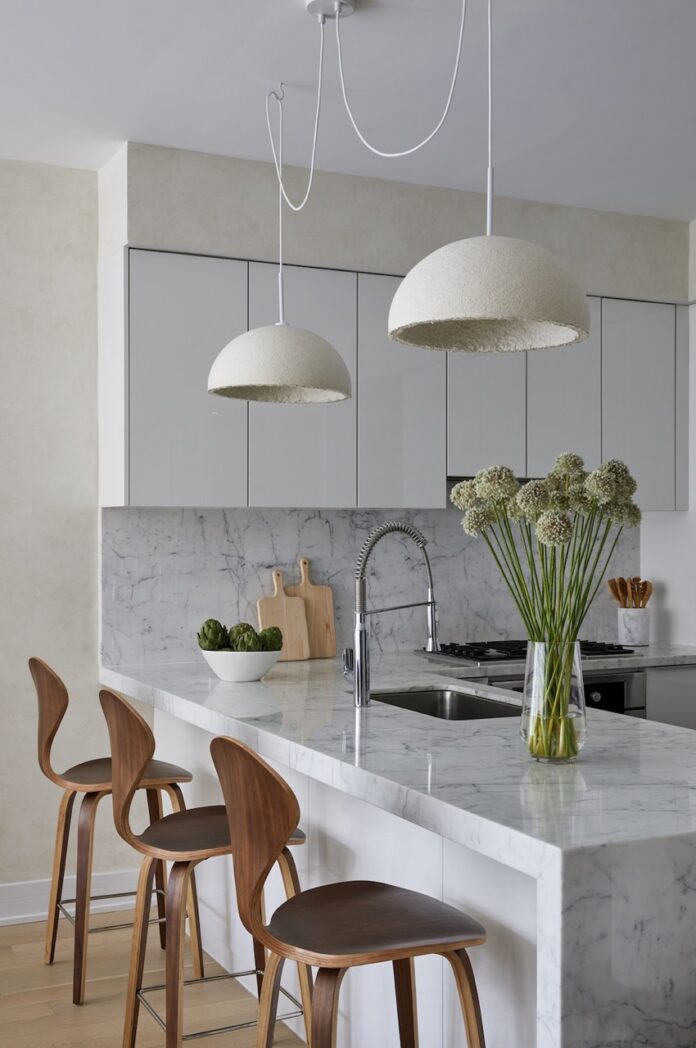
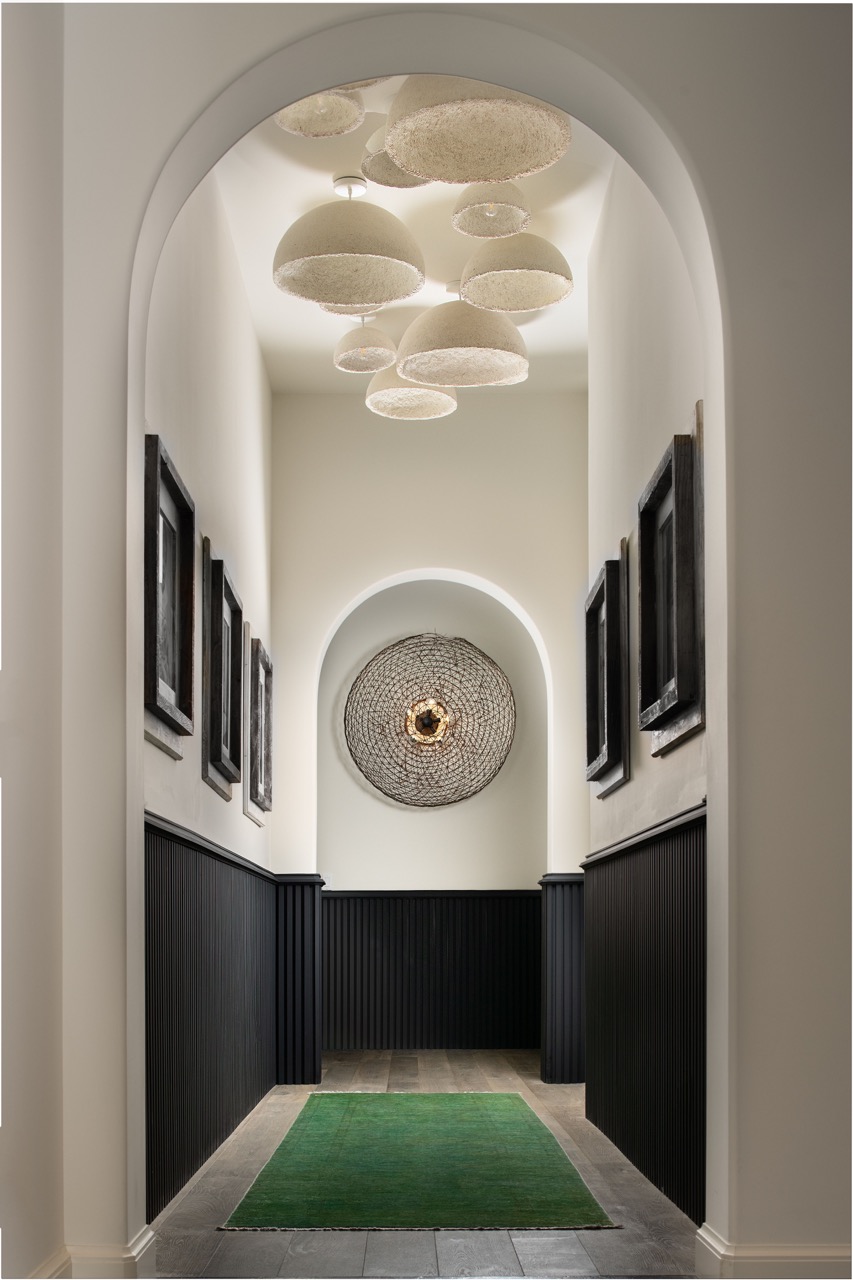
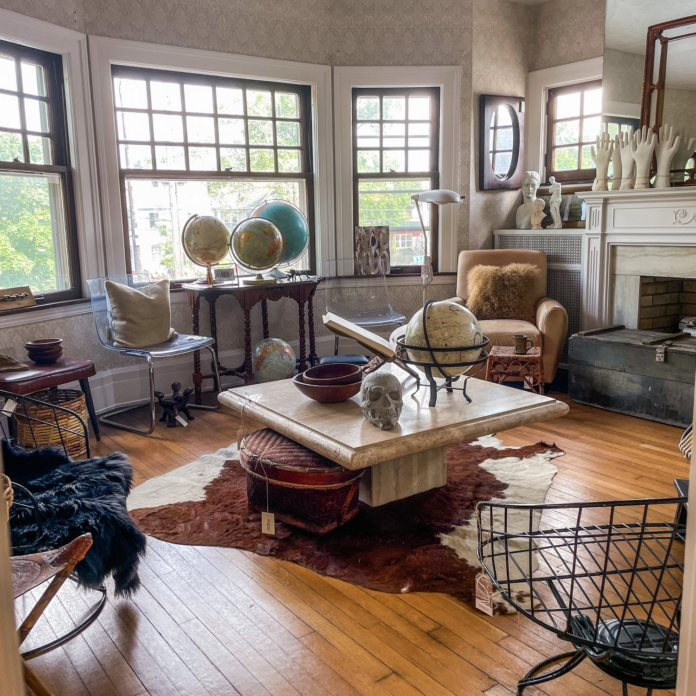
Photo Courtesy of Kirsten Francis for KKB Interiors
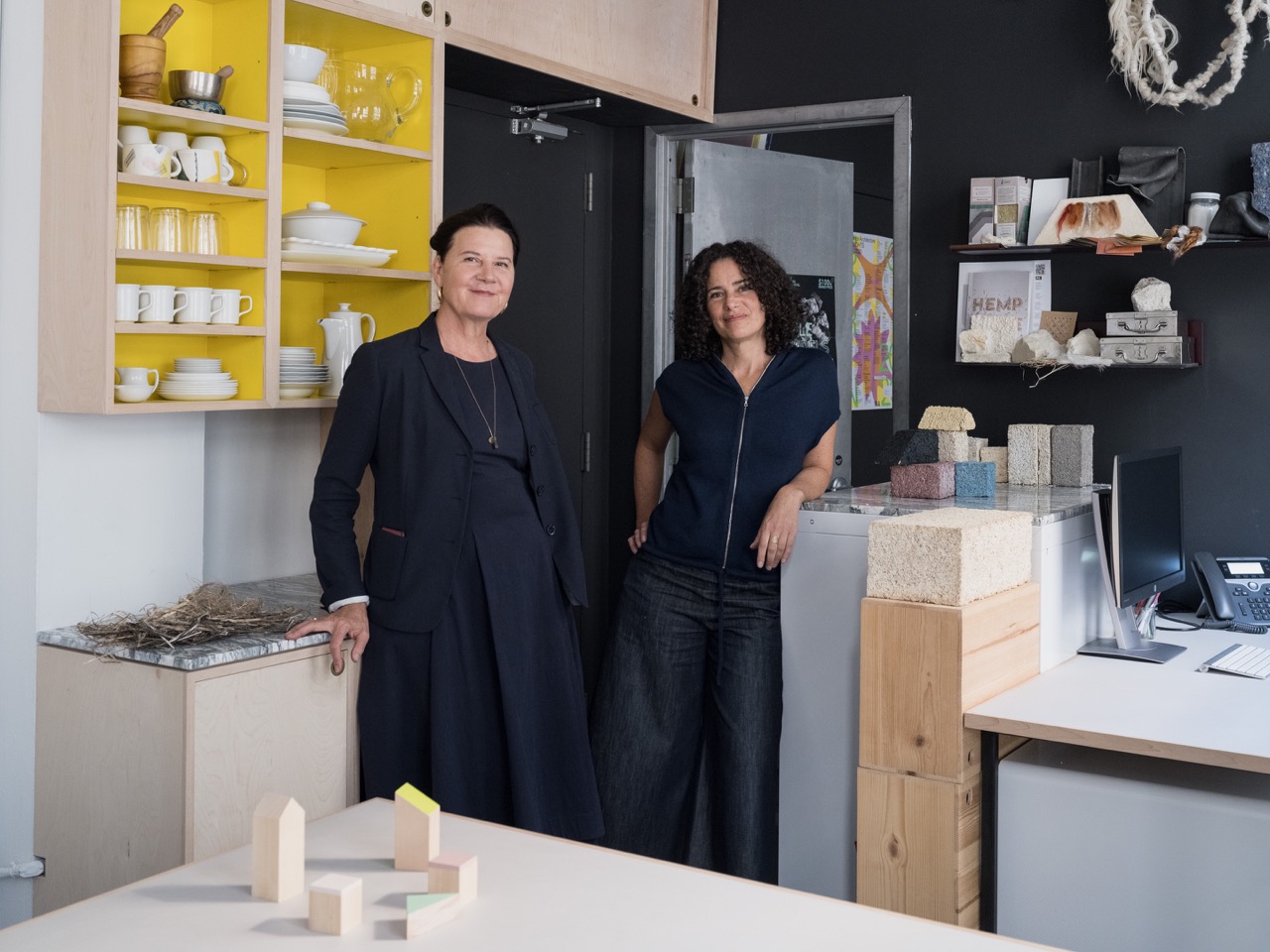
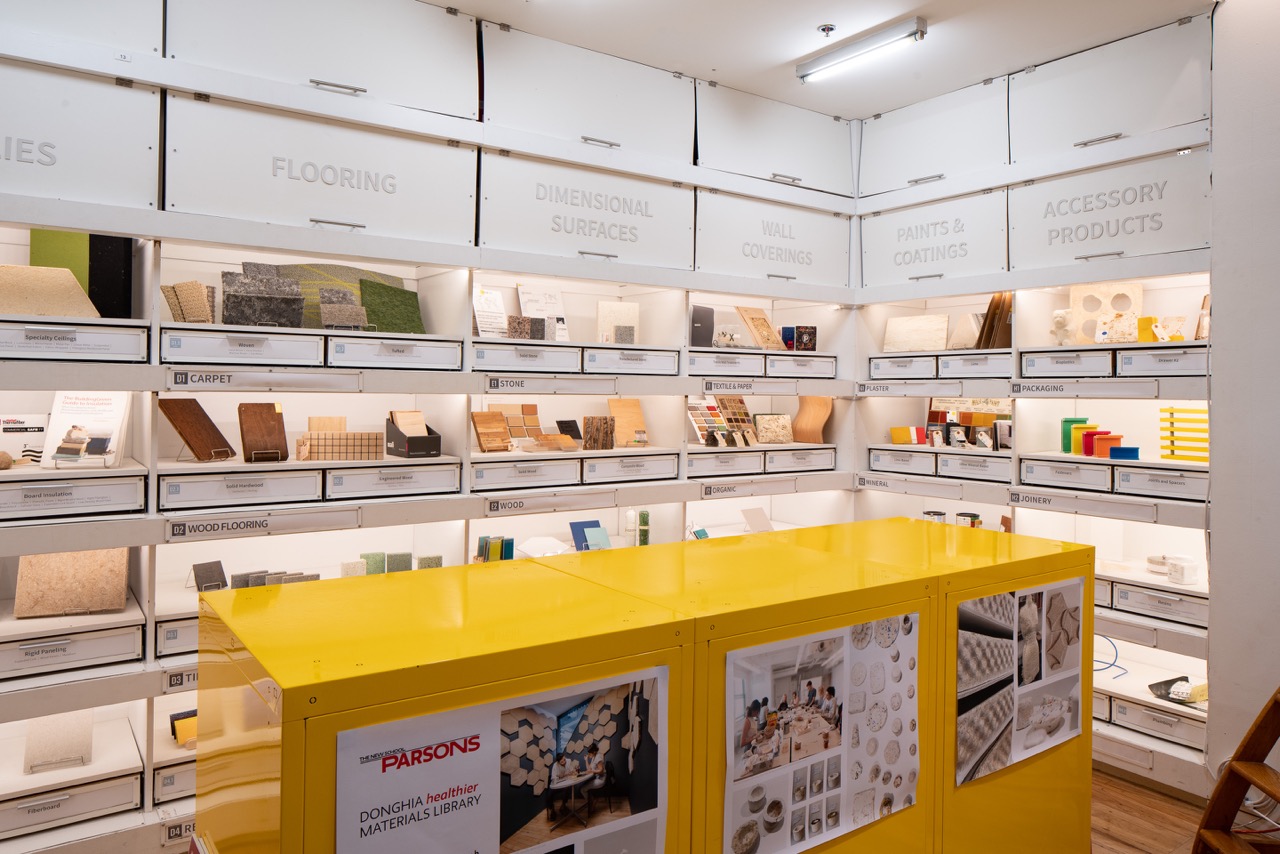
The Healthy Materials Lab, housed at Parsons School of Design, provides the tools to help make our living and working environments healthier through better material choices. Launched in 2015 by Jonsara Ruth and Alison Mears, the program began by addressing the materials used in affordable housing. It has since expanded, and has an attained an international reputation, defining the field of material health within the architecture and design spheres.
Parsons School of Design Encourages Healthier Material Choices
“The chemicals in the products we live with are now inside us. Products off-gas or release particles as dust and are taken into our bodies, either by being absorbed through the skin, inhaled as dust, or even ingested when particles latch onto food,” says Ms. Ruth. She adds that according to medical science that ninety percent of disease in humans is linked to the exposure to our environments, and only ten percent is genetic.
But it’s not all gloom and doom. “We can choose healthier materials,” says Ms. Ruth, “We can choose not to expose people throughout their lifecycle by our purchasing choices, and then we can choose to make healthier homes through what we put in our own homes and our families will be healthier.”
Earth and Human Wellness Through the Healthy Materials Lab
HML provides information to architects, designers, and individuals so they can prioritize both human and planet health in their decisions. There are courses, lectures, and podcasts available both in New York and online, as well as a resources, including a healthy materials collection.
Diligence is importance as even “healthy” choices such as low-VOC or zero-VOC paints can still contain a long list of other toxins. Some latex-free, mineral-based paints not only use fewer toxic materials, they can absorb toxins—and are breathable and able to absorb moisture, releasing it back into the environment when it gets too dry. Swapping out paint is one of the easiest ways to detox your home.
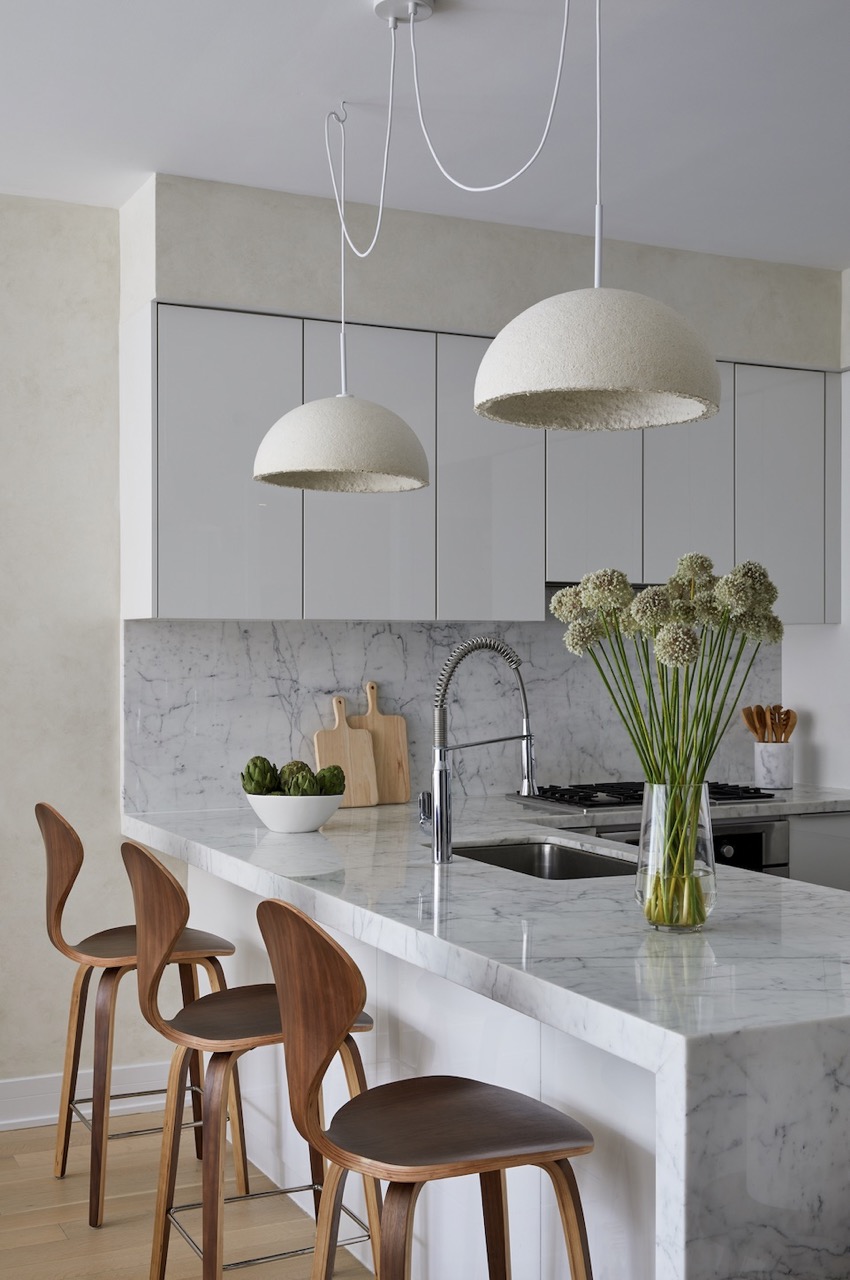
Mush Lume lighting, made of mushroom-derived materials. Photo Courtesy of Kirsten Francis for KKB Interiors
On the construction side, alternatives to foam insulation and standard wall materials can help create energy efficient, healthier homes using materials such as straw and hemp. These have the added benefit of absorbing CO2 from the atmosphere when they grow, so they’re a win win for everyone.
“There are many reasons we need to stop relying on oil-based and plastic materials and shift to plant- and mineral-based materials. There’s some great innovation happening, and one of the things we do at the lab is collect the innovation and share it with other people,” asserts Ms. Ruth.
MushLume Lighting deploys mushroom fibers to create eco-friendly fixtures. Interior by Valarie Britz Interiors. Photo by Galina Coada.
Tips for Making Healthier Design Choices
The resources section at Healthy Materials Lab provides a list of alternative material choices. For everything from flooring and tile to wall boards and insulation, information is also provided about why these innovative items are better for us and the environment.
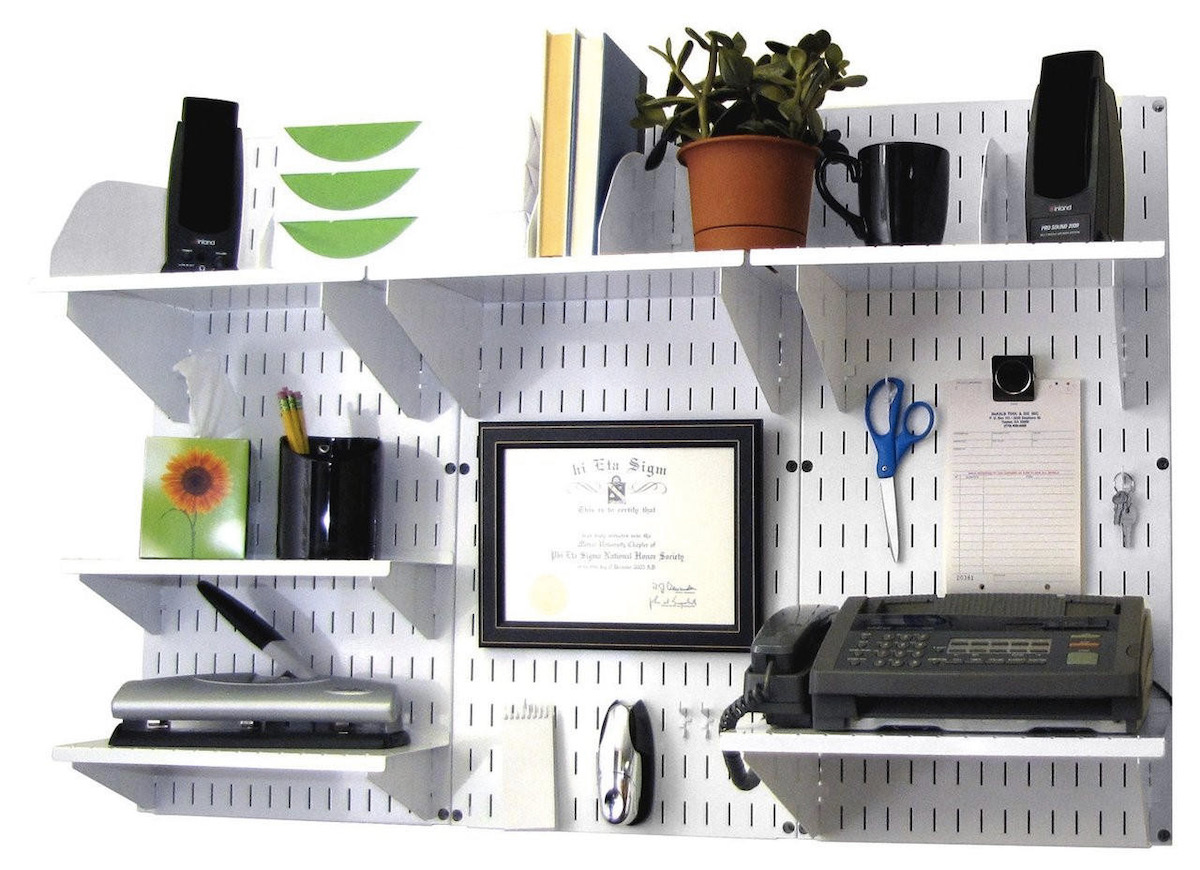
Wall-mounted shelf systems differ from regular shelves in that they are (typically) modular, with removable parts that adapt to your changing needs. These are great wall organizer systems that begin with an anchor that is attached directly to the wall. (Depending on the system, size, and weight, you might need to locate studs to supply adequate support. Always make sure to check how much weight each panel can safely hold.) Different arrangements of shelves, bins, hooks, and more can then be attached to grooves or holes in the anchor.
These systems can be really basic, starting with a simple pegboard and a few hooks. The more complex or upscale versions begin with metal or wood slat panels, onto which you can hang all manor of shelf, drawer, etc. Where they will live will ultimately dictate the model you choose. The garage doesn’t need something as wonderful as the living room, for example.
Pick the Best Wall Organizers with These Mounted Shelves
The Rolls Royce of wall organizer shelving is so attractive and strong it will look great anywhere—and do almost anything. It was designed by Dieter Rams in 1960, and offers sleek shelves, drawers, desks, and more. For those who don’t want to (or can’t) drill into the wall, there is an alternate support pole system.
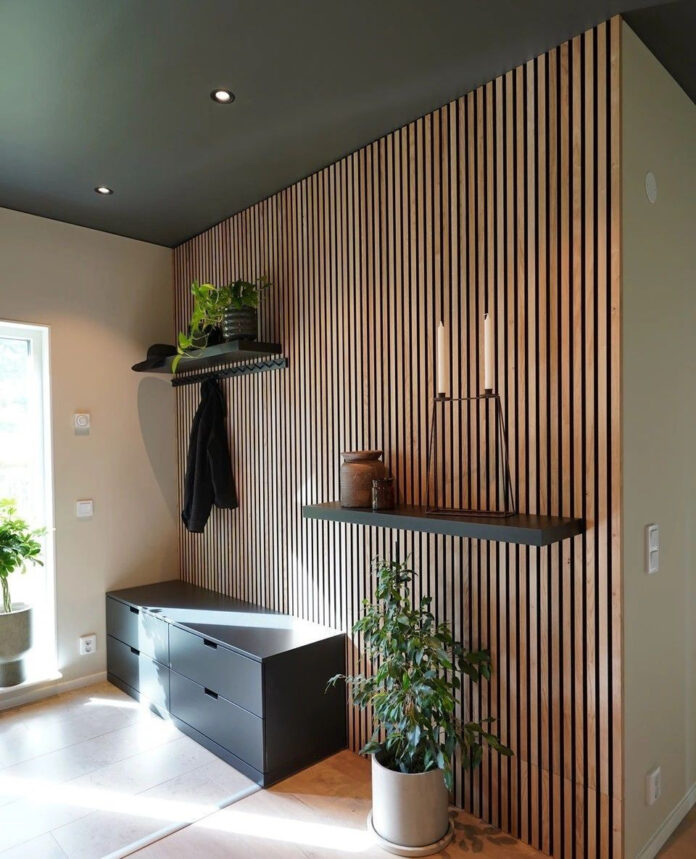
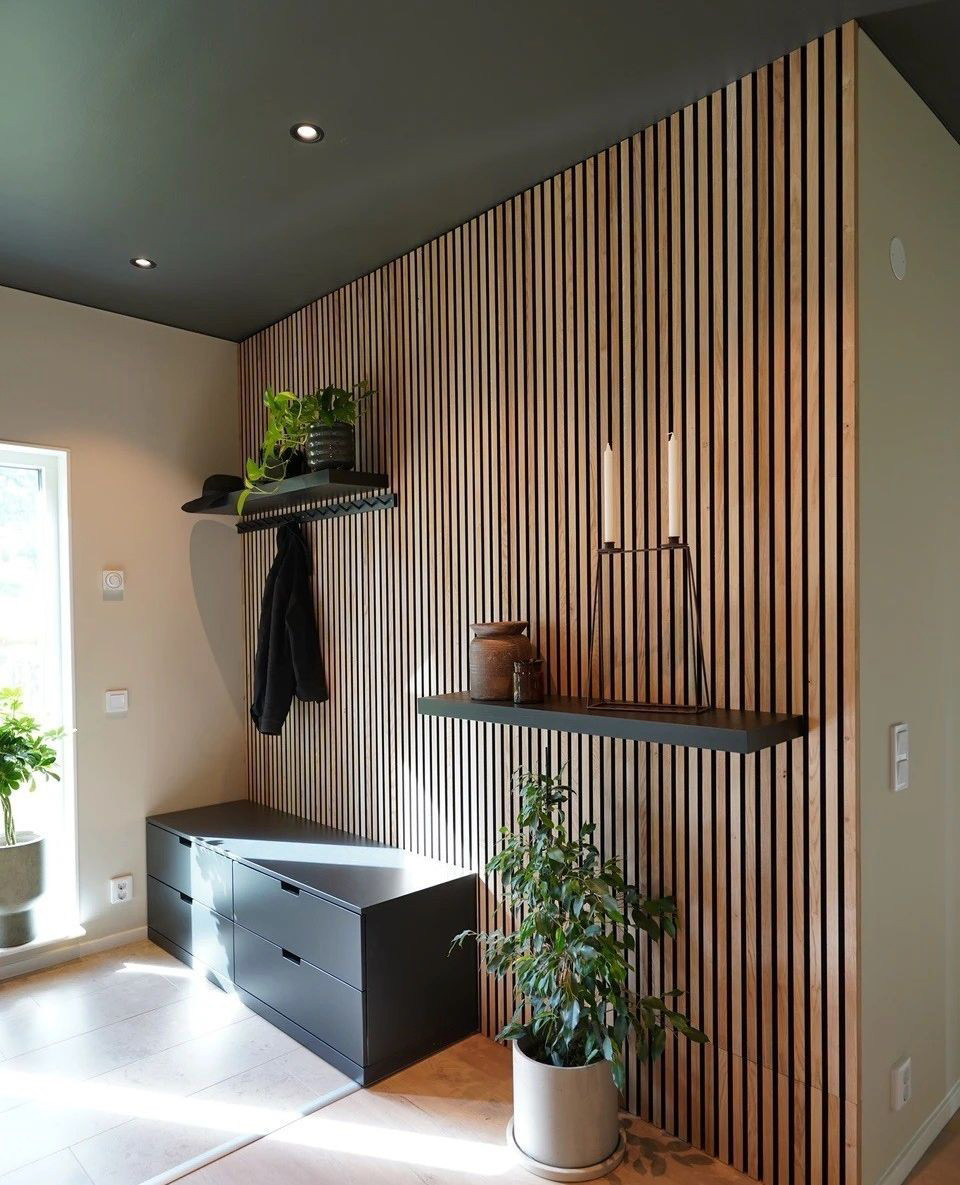
The Create Collection starts with natural or black oak slats with a black felt backing, onto which you can add shelves, hangers/hooks, and special picture hangers in almost any configuration. You don’t need any tools to place the modular pieces, so it’s easy to rearrange them. The Akupanel takes it a step further, adding sound absorption.
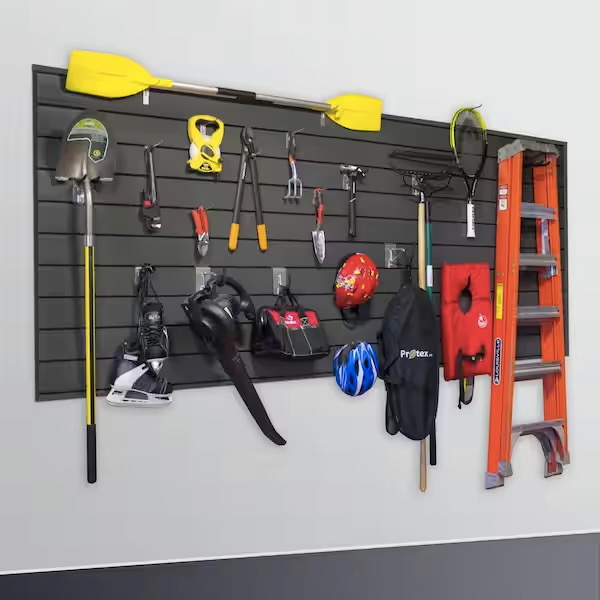
Great for the garage, basement, or other temperature- or moisture-challenged areas of the house. This wall organizer system is made from high density PVC (made from 90% recycled materials) and each panel can hold up to 75 lbs. per square foot. Comes in three sizes and several colors. Accessories include hooks, shelves, and baskets.
French chef Julia Child famously had a pegboard on her kitchen wall outfitted with hooks onto which she hung various pots and pans. This IKEA version allows you to do the same thing. The advantage is that it allows you to hang all sorts of differently-shaped items without fuss. Various hooks and other accessories also available.
Perfect for over a desk, the white, powder-coated steel panels make a clean backdrop for shelves that can hold books, a small printer/scanner, and other supplies and equipment on shelves of various widths and hooks. To add a little something extra, the accessory pieces come in white, black, blue, and red.
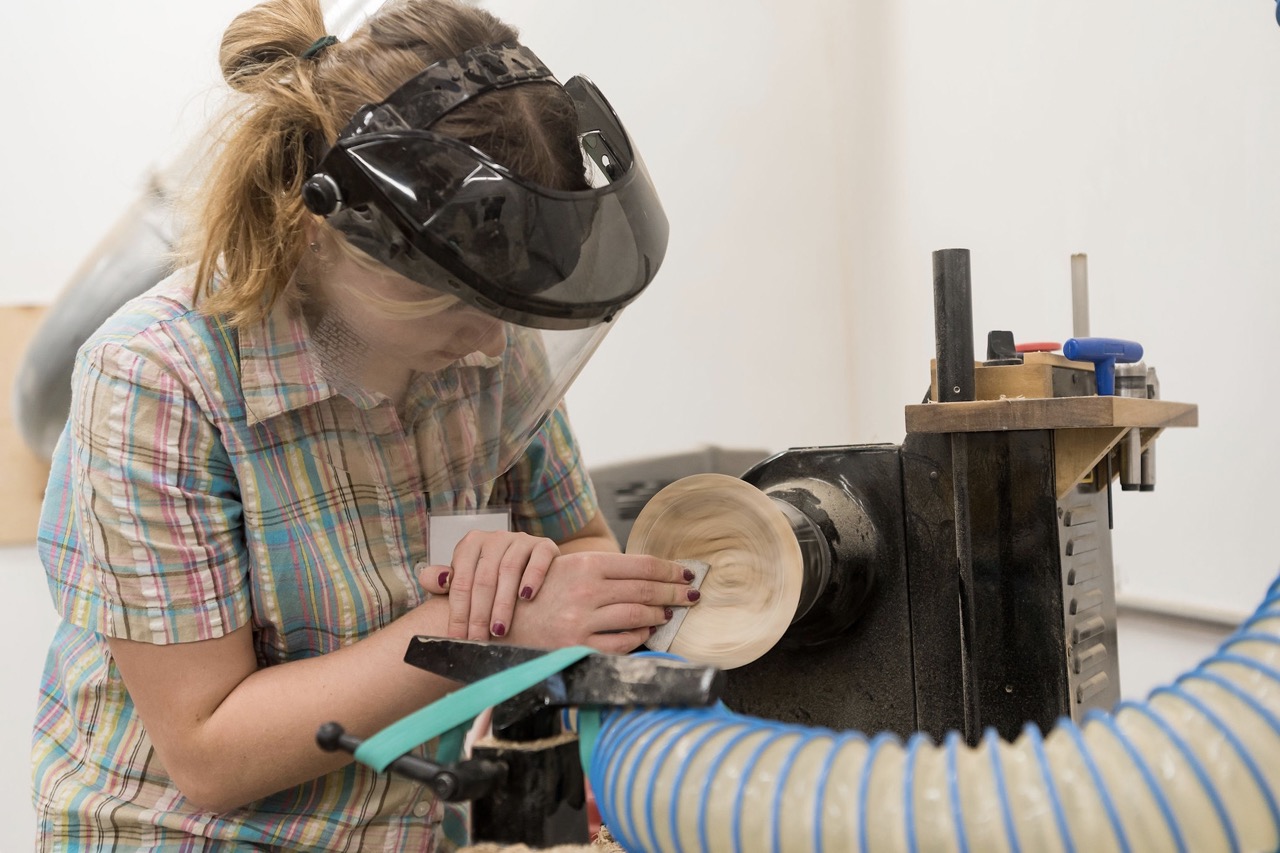
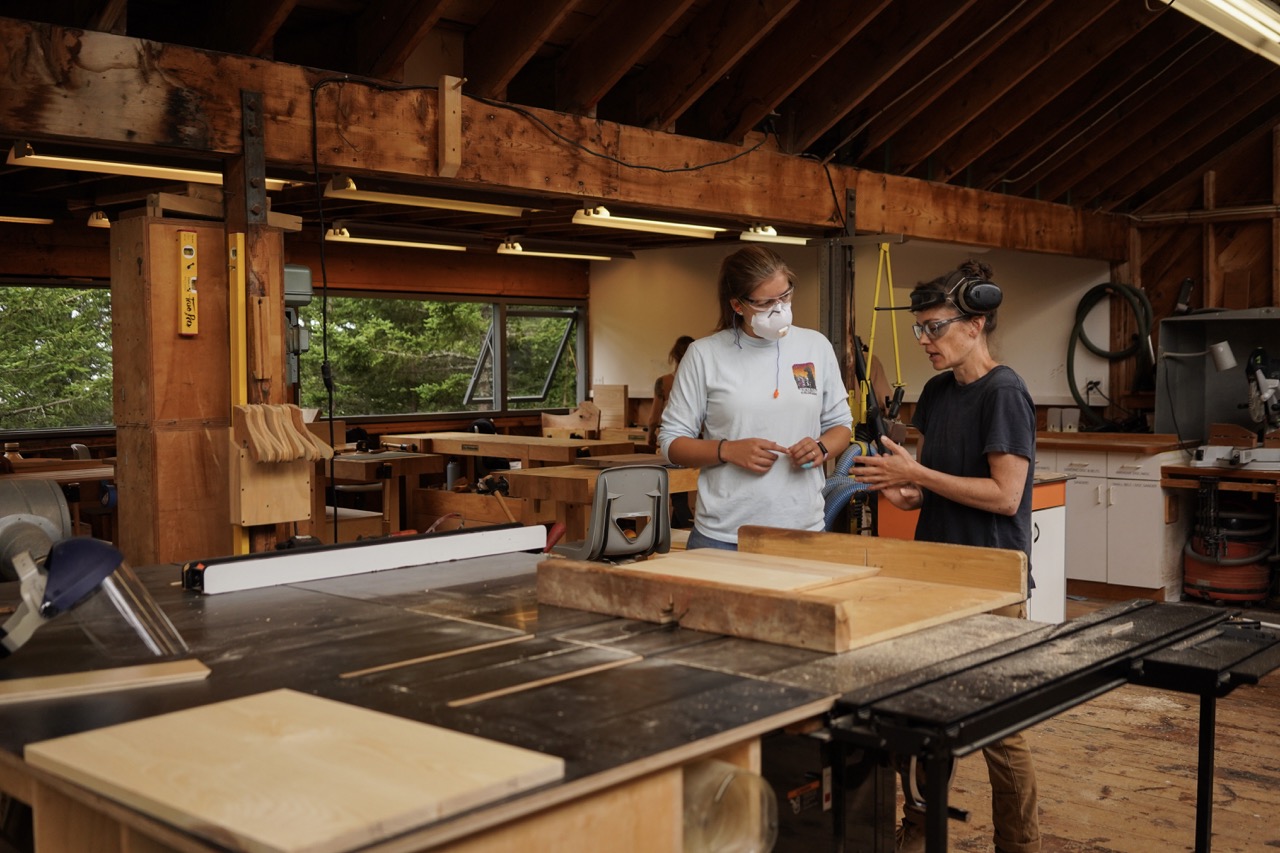
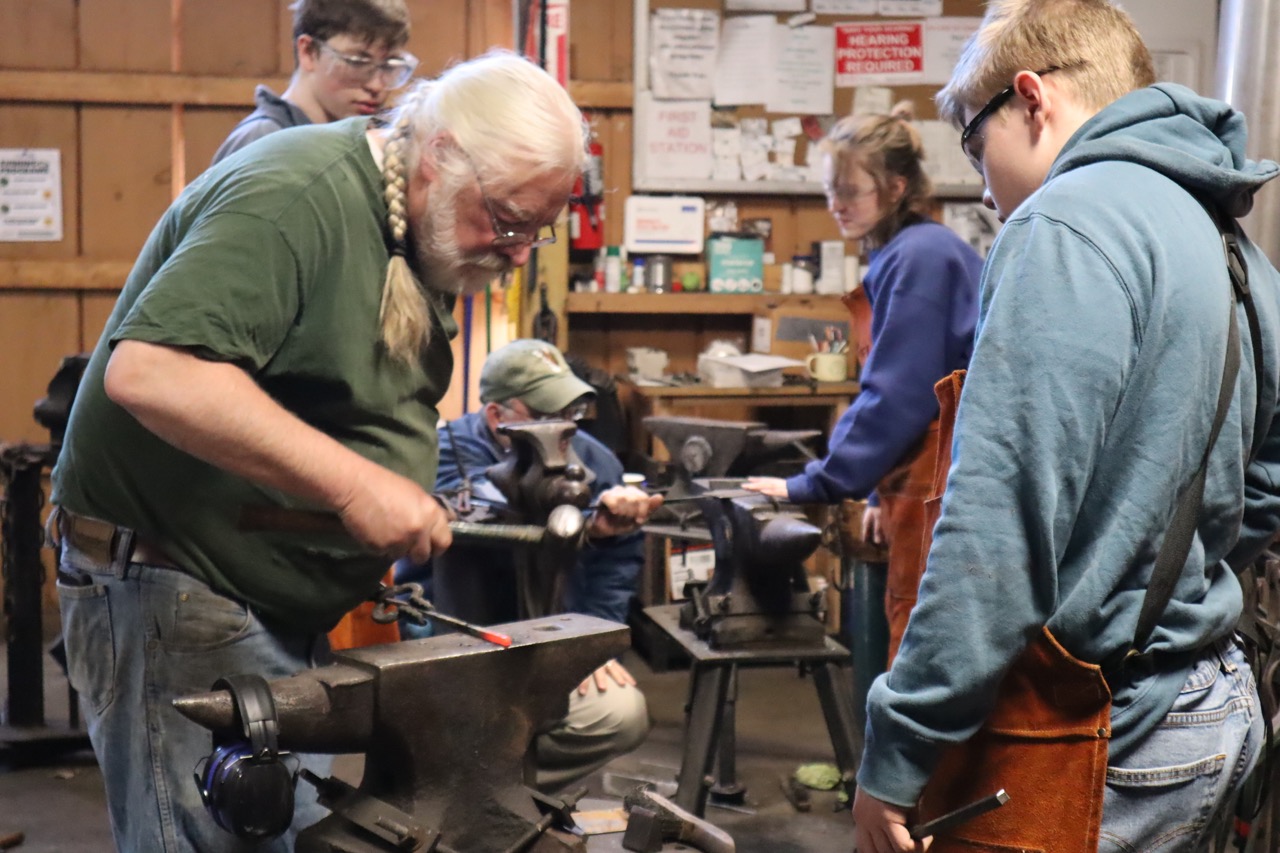
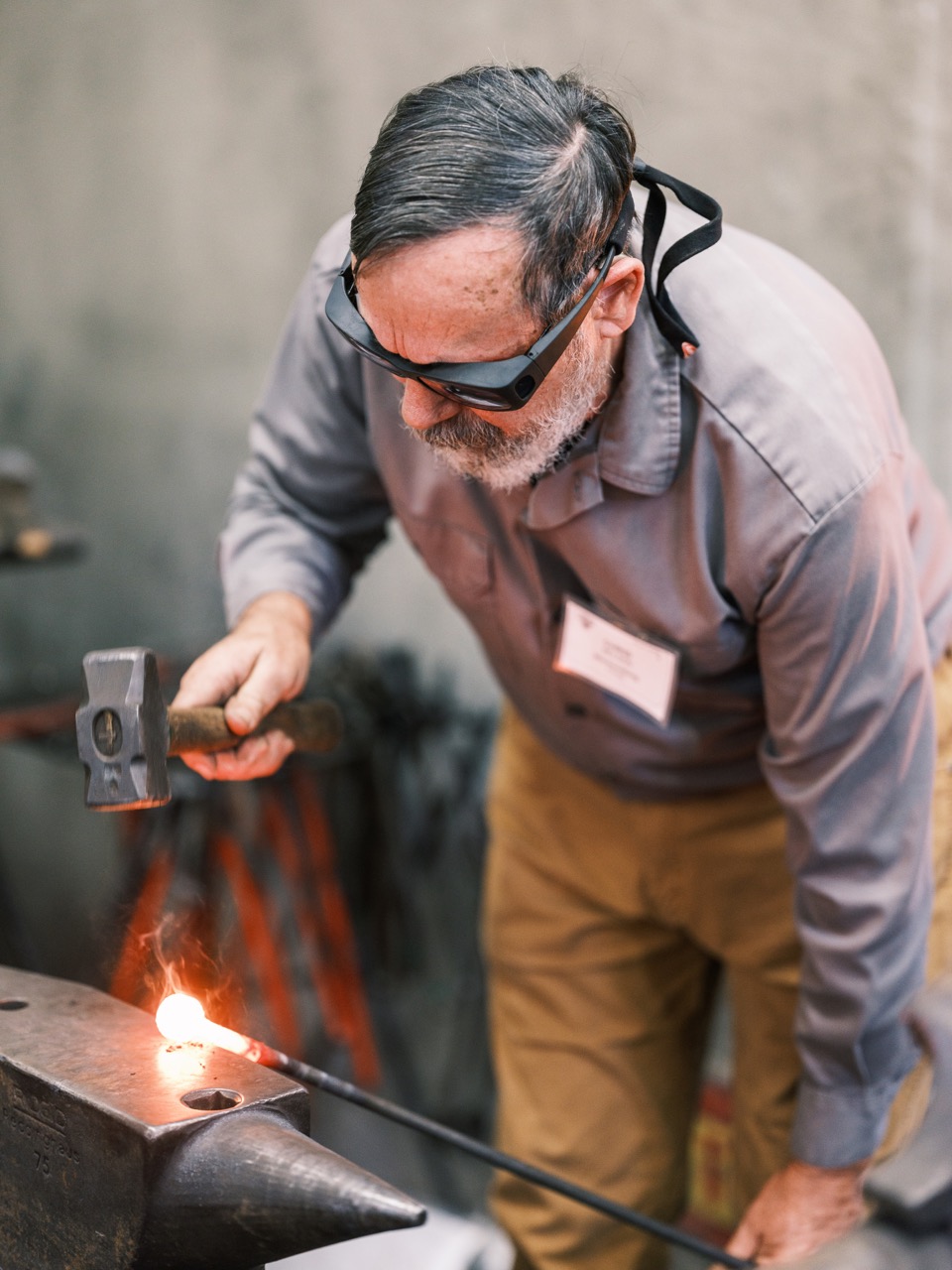
Looking for a getaway that goes beyond sightseeing, shopping, and fine dining? Several excellent craft schools around the U.S. offer immersive experiences and instructions on how to do everything from blowing glass to building your own canoe. Many are in beautiful settings far from the hustle of major cities. Plan ahead and gift yourself personal enrichment and satisfaction ford years to come.
Learn a New Craft at These Classes Around the U.S.
This non-profit residential craft school’s mission is to provide exceptional studio craft and fine art instruction for people of all ages in an inspiring setting. (That’d be the foothills of the Berkshire Mountains, where the school is nestled in a 50-acre property surrounded by trees, pastures, and woodland.) They offer 200 adult programs—including workshops, residencies, and retreats) each year, and host a group of 80 teens (14-18 years old) each July for an intensive summer art camp lasting two weeks.
The offerings at Snow Farm take place in 9 studios: Glassblowing, Flameworking, Flat Glass; Ceramics; Fiber & Baskets; Metalsmithing & Jewelry; Woodworking; 3D & Mixed Media; and 2D & Mixed Media (including painting, drawing, printmaking, and paper/book arts). Classes are small and generally have no prerequisites. Housing is available on site. For people with limited time, they also offer 2- to 5-day workshops.
An international craft school on the Atlantic Ocean in Deer Isle, Maine, about a three-hour drive from Portland. It was founded in 1950 as a research and studio program in the arts, and their mission is to provide the freedom for students to engage with materials and develop new ideas in a supportive and inclusive community. The current campus, designed by architect Edward Larrabee Barnes—whose other projects include the IBM Building in NYC and the Dallas Museum of Art) opened in 1961.
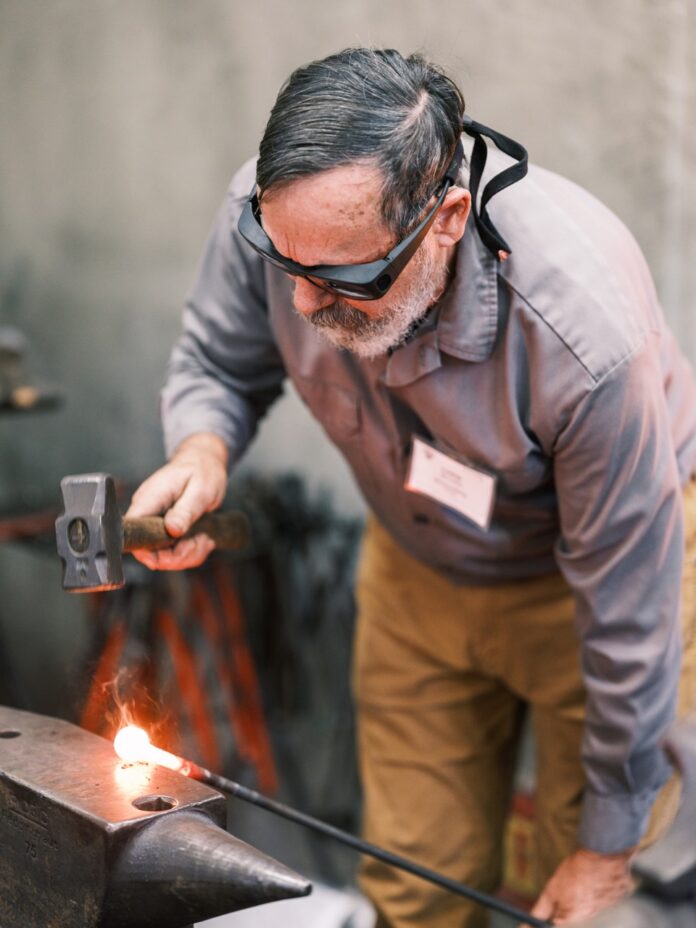
The campus consists of a series of driftwood-colored barn-like buildings in a dramatic setting.) Haystack offers one- and two-week studio workshops in blacksmithing, ceramics, fiber, glass, graphics, metal, and wood, to students of all levels. There is also an Open Studio Residency program. For Maine residents and high school students, there are also shorter programs available.
The Adirondack Folk School, located in Lake Luzerne NY, about an hour drive from Albany, was founded in 2010 by Jim Mandle, who envisioned a folk school with a unique mission: to celebrate and preserve the cultural heritage of the Adirondacks and promote creativity and self-reliance by teaching the arts, crafts, and traditions that define the region—everything from survival skills to basketry.
At the main location, they offer classes including fiber arts, woodworking, ceramics, jewelry making, blacksmithing, herbalism, soap making, and more —and they have an outdoor wood-fired oven for cooking classes. At a satellite location in Lake George, they hold larger classes such as canoe building. They can provide pop-up classes for private groups who can design their own special curriculum. Every summer, they hold a Folk School Summer Festival with artisan demonstrations, food trucks, live music, and children’s activities.
The goal of Folk School is to give students the opportunity to explore their creativity and learn new skills or expand existing ones in a non-competitive atmosphere: “A community that awakens, enlivens, and enlightens the world.” The campus is located in the mountains North Carolina, about a 2 1/2 hour drive from Knoxville, TN. They offer over 800 weeklong and weekend classes in areas such as blacksmithing, pottery, woodworking, jewelry making, dance, cooking, weaving, writing, and photography.
The school was founded was founded in the early 1900s by missionaries John C. and Olive Campbell, who were inspired by rural Scandinavia’s non-competitive folk schools and dreamed of opening such a place in the U.S. John passed away before he could realize their vision, but Olive carried on. The first classes were offered in 1925. A funny and affectionate story about Folk School can be found here.
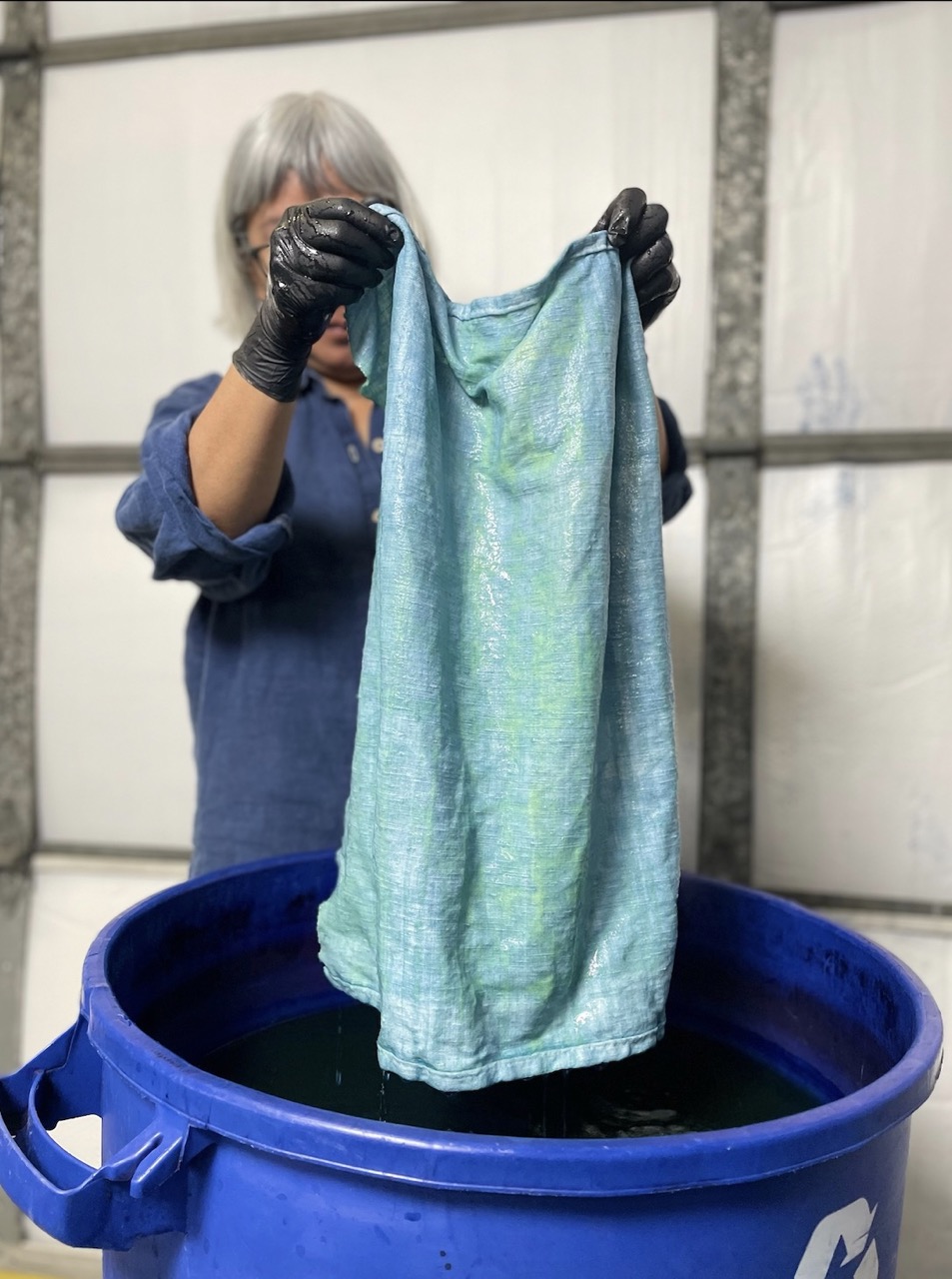
This unique place offers natural dyes and education to textile and fiber arts artisans around the world. But, Botanical Colors goes way beyond workshops and classes. They also support regional farmers, organic farming, regenerative soil, and create new plant-based colors in their Seattle studio. Kathy Hattori found the establishment in 2010. She’s an expert in natural dyes and pigments who has also advised brands and retailers on implementation strategies.
“I wanted to change the textile industry by offering a safe alternative to petrochemical based synthetic colors. My solution was natural dyes: colors that were beautiful, regenerative and non-toxic.” Classes are inventive, with topics including (at the moment) “The Nerd’s Guide to Mordants” and “Block Printing with Indigo Overdye” as well as a trip to Oaxaca to learn Zapotec traditions. The site includes, recipes, instructions, and an archive of informative “Feedback Friday” videos. There’s even a Feedback Friday video featuring TABLE’s Editor in Chief, Keith Recker, and his book on natural color, True Colors.
As the weather cools down, 2024’s fall fashion trends are ready to take over the streets with turtlenecks, blazers, and plenty of fun accessories. Get a peak into what will keep you on-trend this season with warm, rich colors, unique jacket designs, and plenty of other ways to express yourself.
Colors
Deep olive tones, Italian plums, smoldering reds, hunter-greens, and moody shades of burgundy lead the way. One look at the cherry red pantsuits seen on the Jil Sander runway or Bottega Veneta’s draped leather trench in a roasted tomato shade illustrates the evocative, nuanced jewel tones we are seeing everywhere this season.
Leather
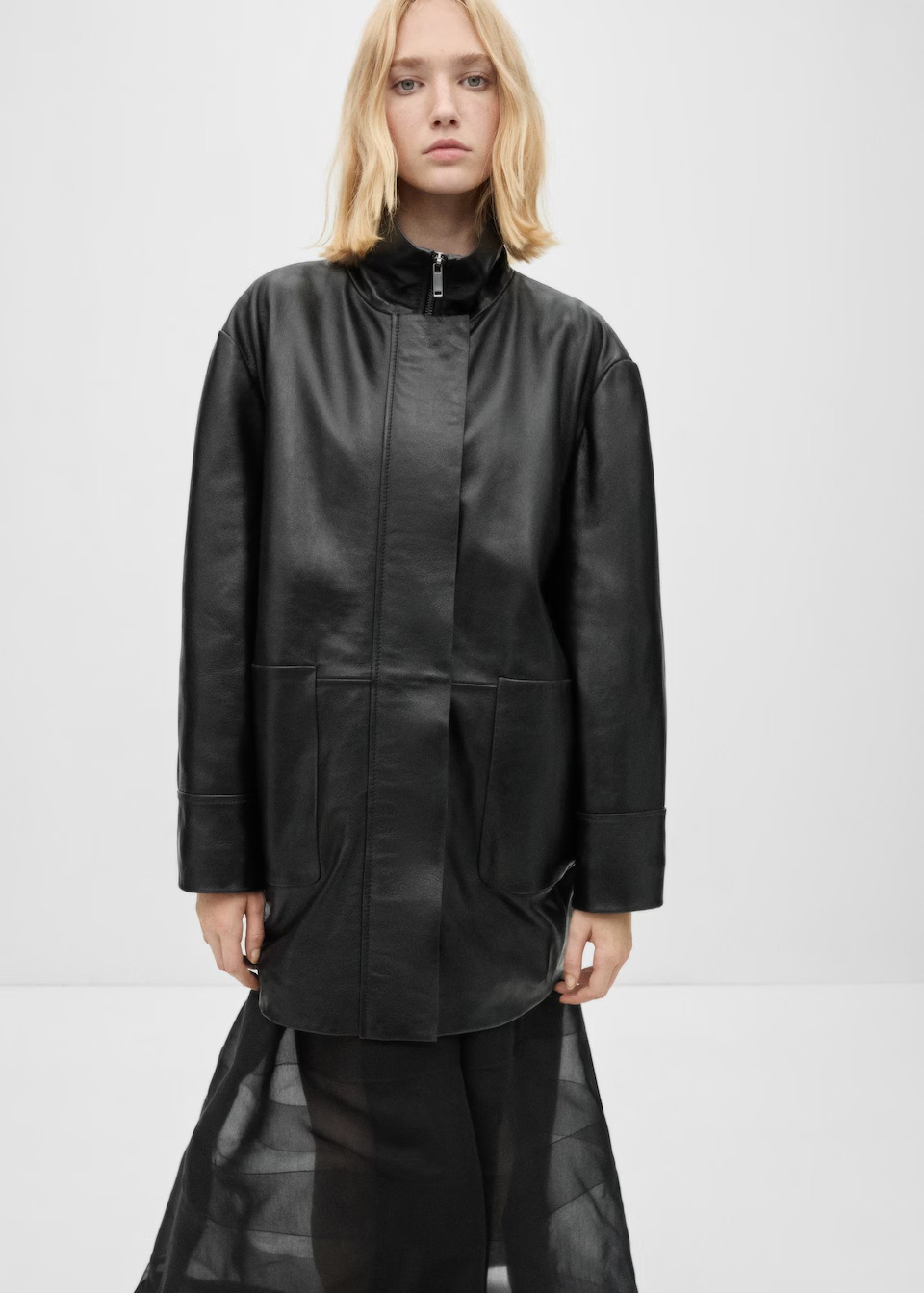
Speaking of leather…designers definitely embraced it as an important material this fall. For example, Mango, a mainstream but fashion-forward European brand, offers a very feminine combination of a long boxy leather jacket paired with a full skirt.
Animal Prints
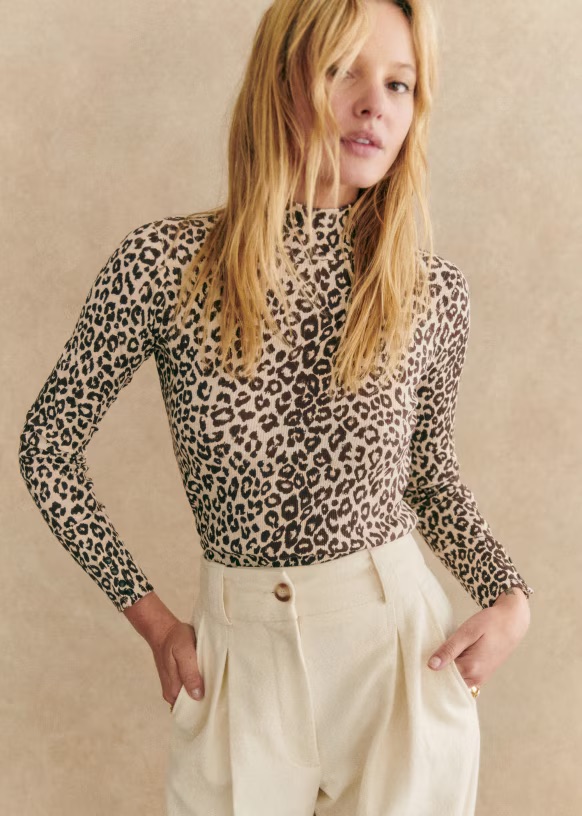
Love it or hate it, the designers paid homage to animal prints of the 1960s and 1970s this season, as well. Brands like Mango and Sèzane have great affordable faux-leopard (like the outfit below) you will keep for a long time. Local boutiques like Reb + Roon boutique also went animal with items like a cool pair of leopard denim pants.
Turtlenecks
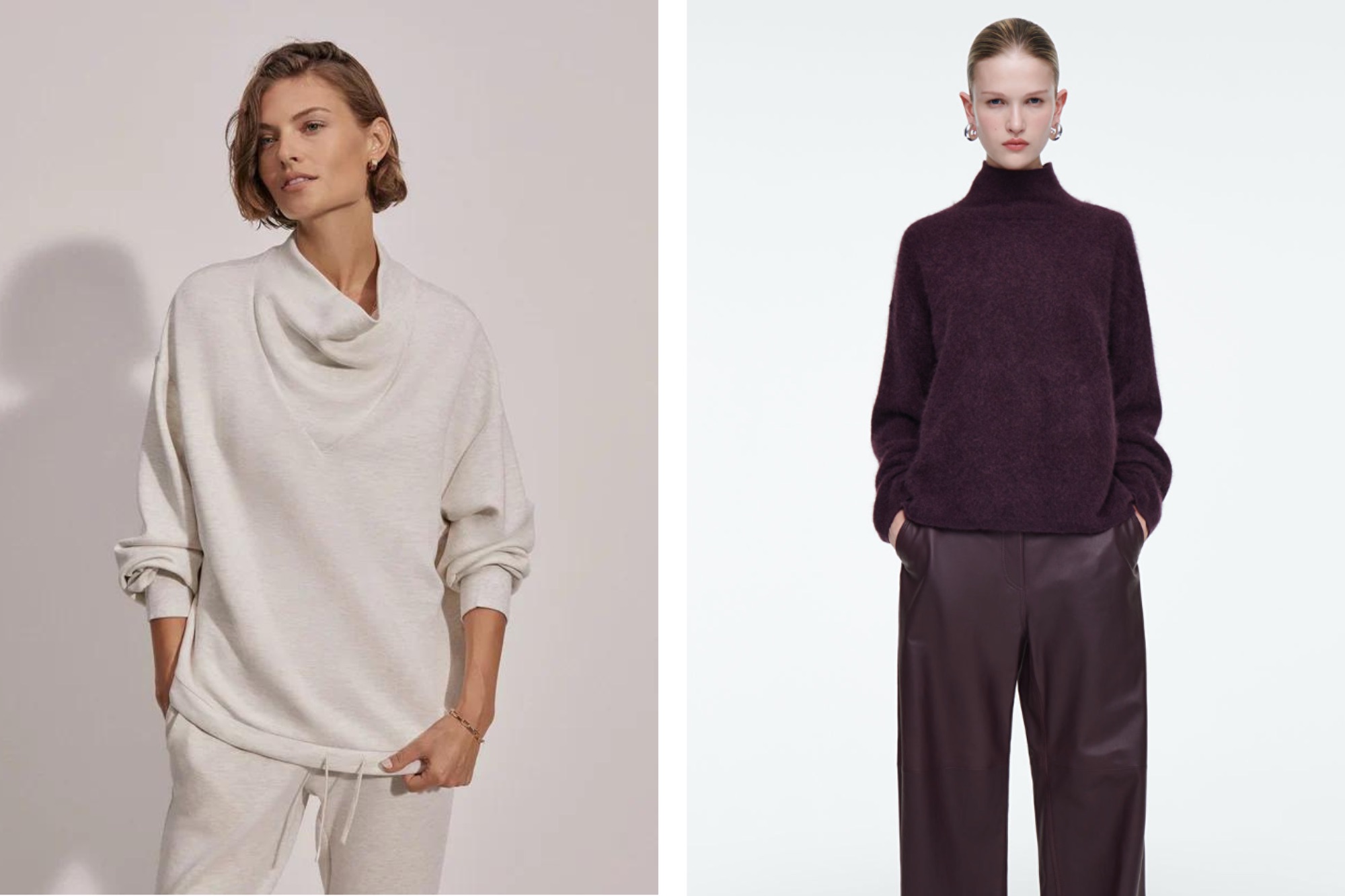
Turtlenecks in a variety different shapes are also in view. Oversized or minimal, draped necks or funnel necks, cropped or long… the turtleneck is a must have this fall season.
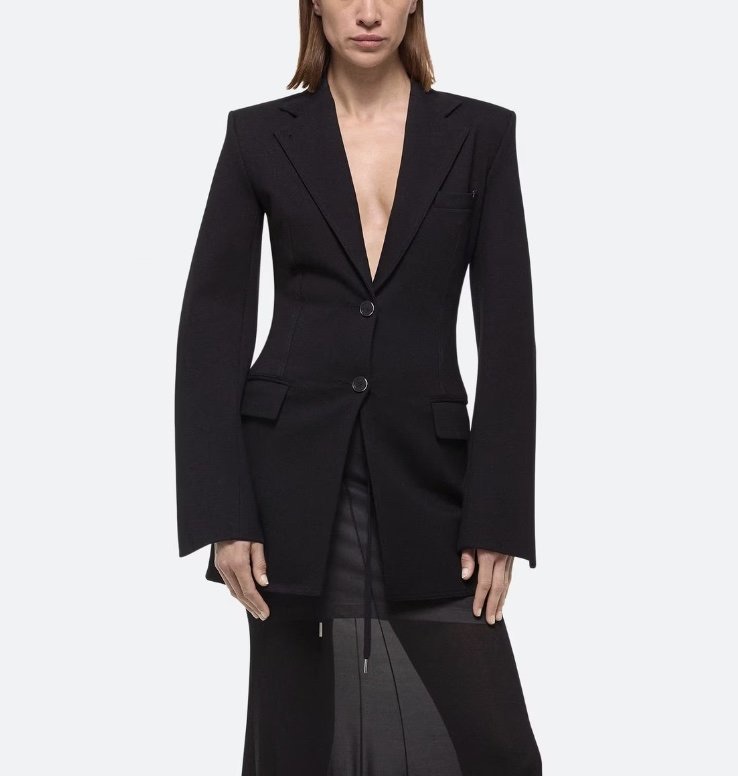
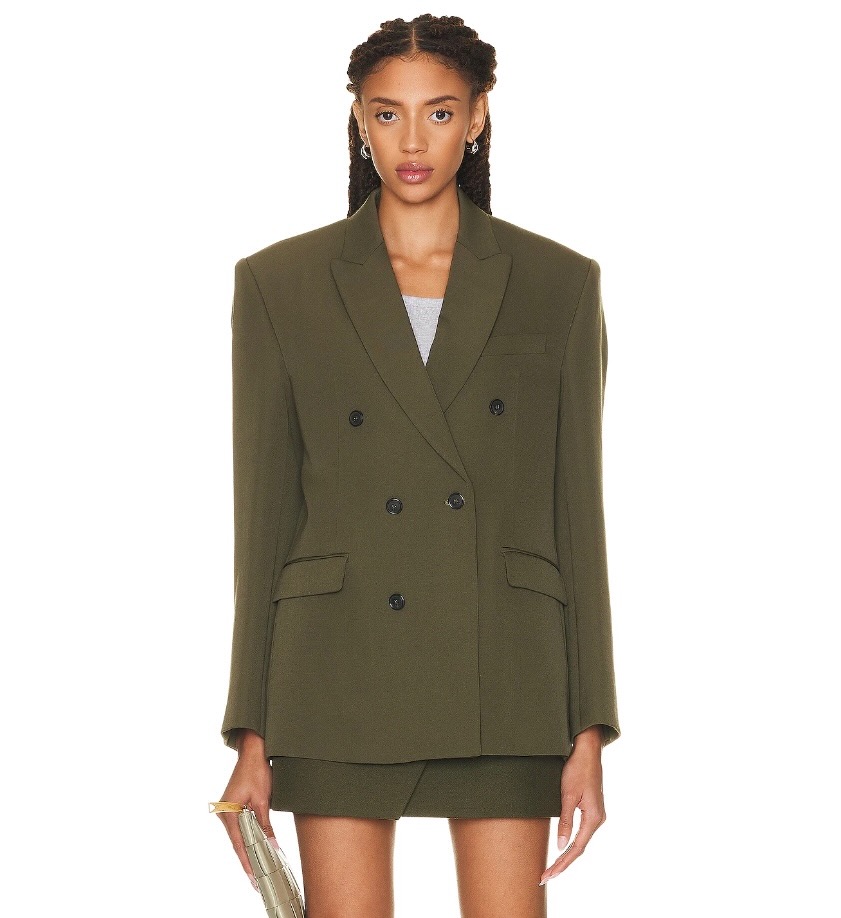
A blazer will always elevate and upgrade your look. As with the turtleneck, the variety of silhouettes is endless this season. We have a Helmut Lang hourglass shaped blazer as seen at Moda Pittsburgh.
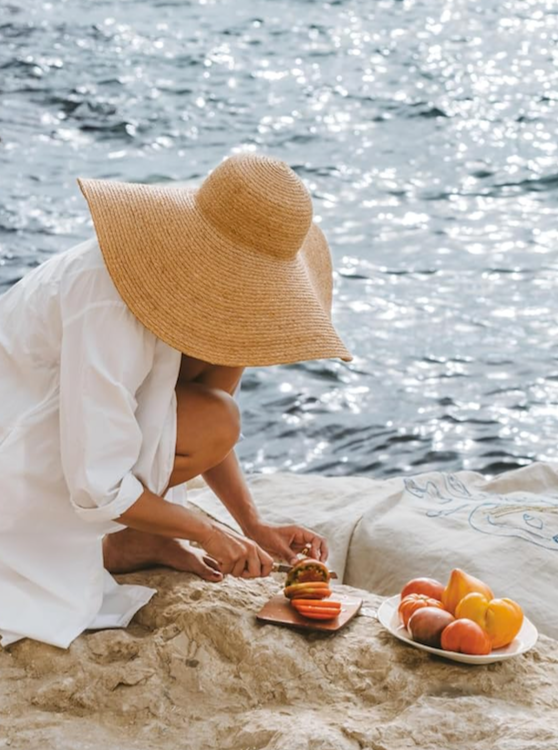
Watching the Paris Olympics this summer in the intense New York heat, my thoughts wandered to the sparkling waters found in the south of France. Places like Nice, St. Tropez, Marseille—the whole of Provence, really—offer an abundance of seafood, rosé (the region is swimming in it), and (once upon a time) the evocative smell of Bain de Soleil. Even if you can’t get there, you can take an armchair trip with a collection of books dedicated to the region. Or, use them to help plan your next excursion.
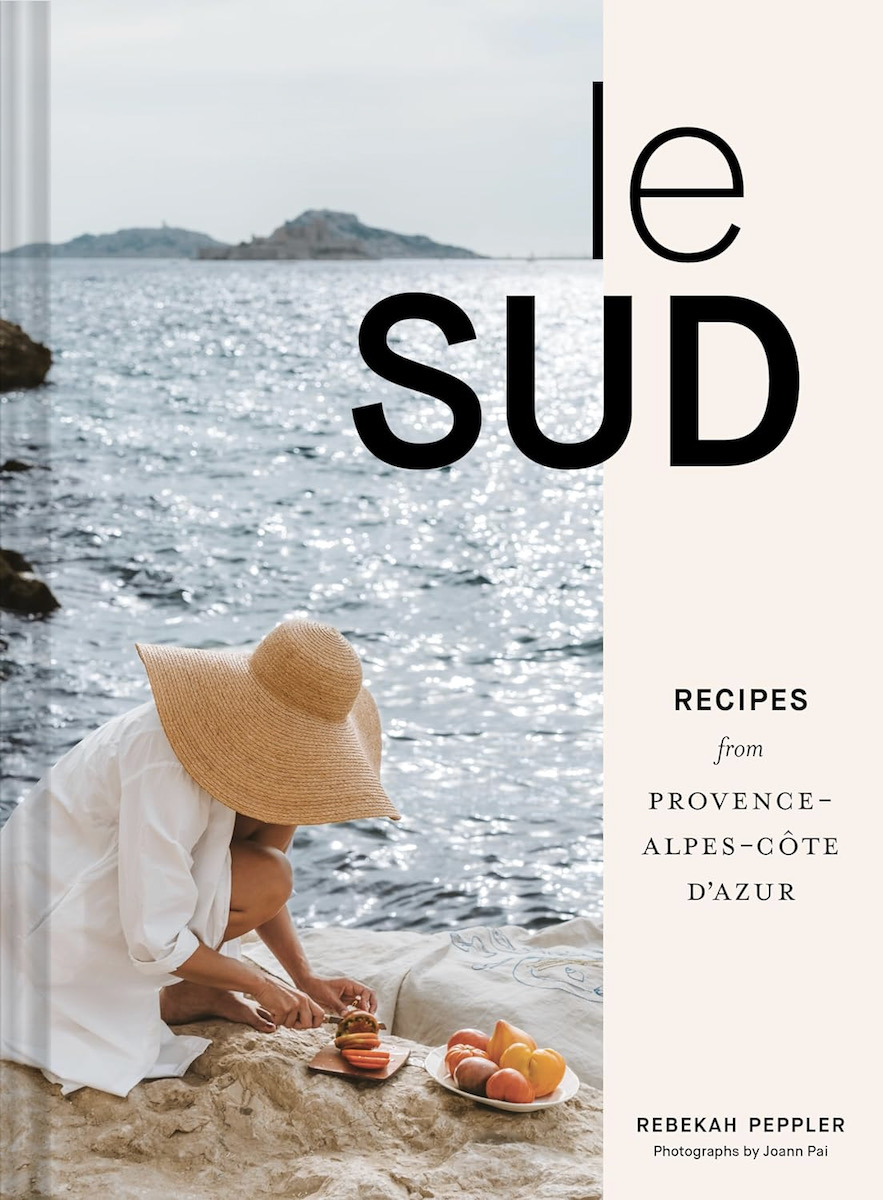
Rebekah Peppler has distilled the essences of the area of The South of France into a cookbook that goes far beyond recipes. Rebekah Peppler’s book shares photographs, stories, and—yes—recipes from the diverse region. There are recipes for typical fare including pissaladière, tapenade, ratatouille, cleverly named dishes such as Market Day Roast Chicken and The Pasta I Crave Every Time I’m Near the Sea.
There are also sidebars detailing the unique ways of eating and drinking in the region. It includes tips from information on local wines or how to assemble a modern cheese plate.
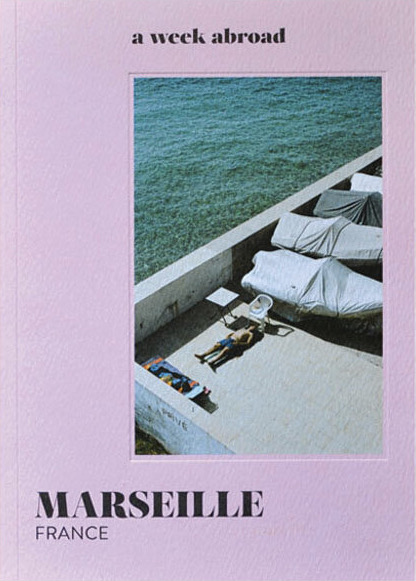
The “A Week Abroad” series’ mission is to reconnect travelers with local cultures by highlighting the expertise of passionate and committed personalities.
In the book dedicated to Marseille, the storied town is seen through the eyes of seven local personalities. It interviews a jeweler, fisherman, chef, artistic director, environmental activist, curator, and perfumer. They reveal their secret addresses, including where to find local products, great restaurants, and nearby must-see secret spots. The book even includes a detachable map to accompany should you eventually make your way there.
Difficult (or very expensive) to find new, but available used and well worth the effort to find it. Nautical style can be a bit twee. But, add a French twist and it becomes a relaxed but upbeat style. French Seaside Style celebrates the vibe of towns along the coasts of France. Sure, there are sand dollars, miniature sailboats, and driftwood. But, there’s also natural wood finishes and crisp fabrics in white with blue accents.
It’s like a holiday by the sea without ever leaving home. And who couldn’t use a little bit of that?
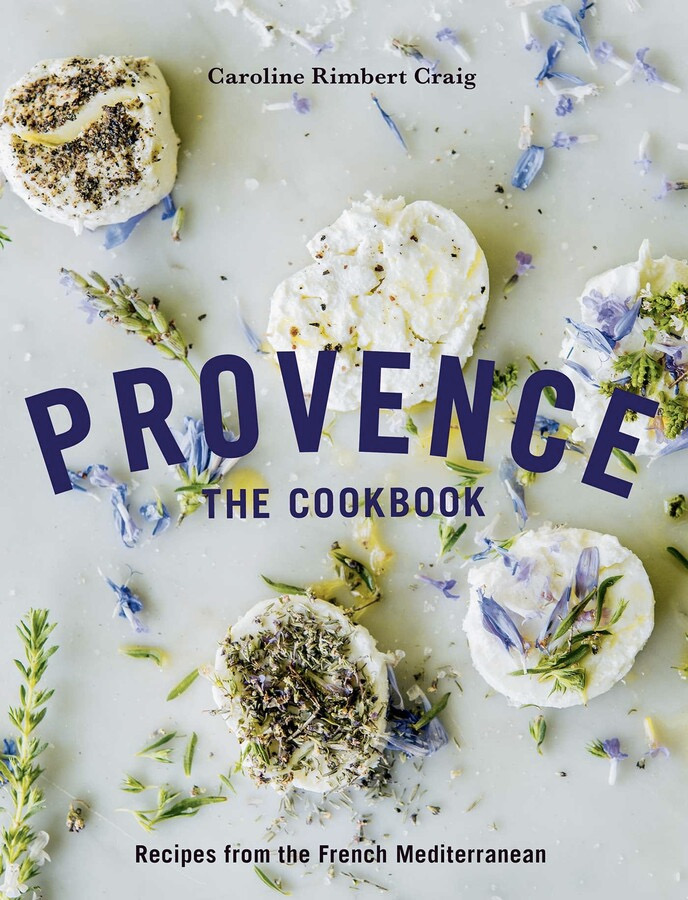
Provence is based on recipes and lore of its author, Caroline Rimbert Craig. Craig’s family has lived, farmed, foraged, and cooked there for generations.
Seasonal and local are terms that get thrown around a lot. But here these terms reflect a passion for sun-dried herbs, abundant fruit, and delicious wines made from grapes grown down the road. A must for anyone who wants to eat well, follow the seasons, and do it with Mediterranean flair.
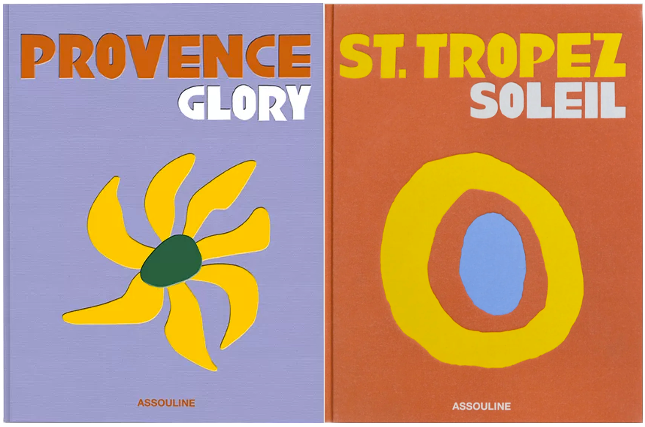
The publisher Assouline has a series of enticing, graphically striking books on places around the world, including St. Tropez and Provence.
St. Tropez has long been the playground for movie stars, artists, and writers, set on the French Riviera. Everyone from Colette and Matisse to Bianca and Mick Jagger has enjoyed its beauty. St. Tropez Soleil takes the reader on a journey from past to present, celebrating the joie de vivre that keeps everyone coming back.
Provence Glory shares the regions charming towns and bustling cities, with excellent swimming, lavender fields, local cuisine including the herb-stuffed bread fougasse. It takes readers on a trip through Roman ruins from the 1st Century and Medieval chateaux, connected by long roads flanked by cypress trees.
Story by Stephen Treffinger / Main photo by Joann Pai
Next time you find yourself in the Forest City (yes, that is its nickname!), take time to explore its many sources for furniture. Most of the Cleveland design stores on this list offer vintage pieces, but new, bespoke, and salvage items are included in the mix. (There’s even a fabulous ceramicist you definitely need to check out.)
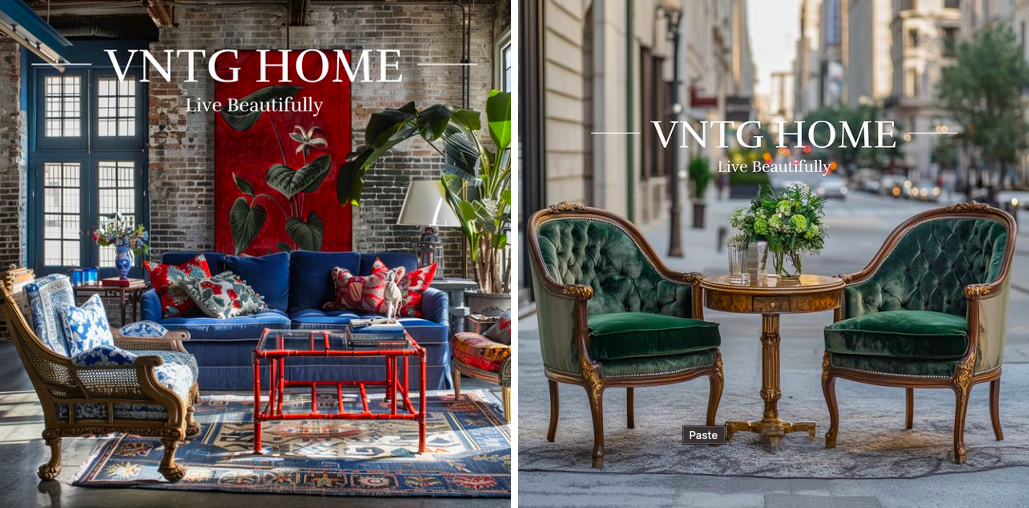
More than just a store, VNTG is also a realtor, restorer, upcycler, auction house, staging service, consignment shop, and design consultancy. Their website also explains the finer points of what they offer, as well as helpful information about environmental practices. Open Thursday to Saturday 10am – 5pm, Sunday 11am – 4pm
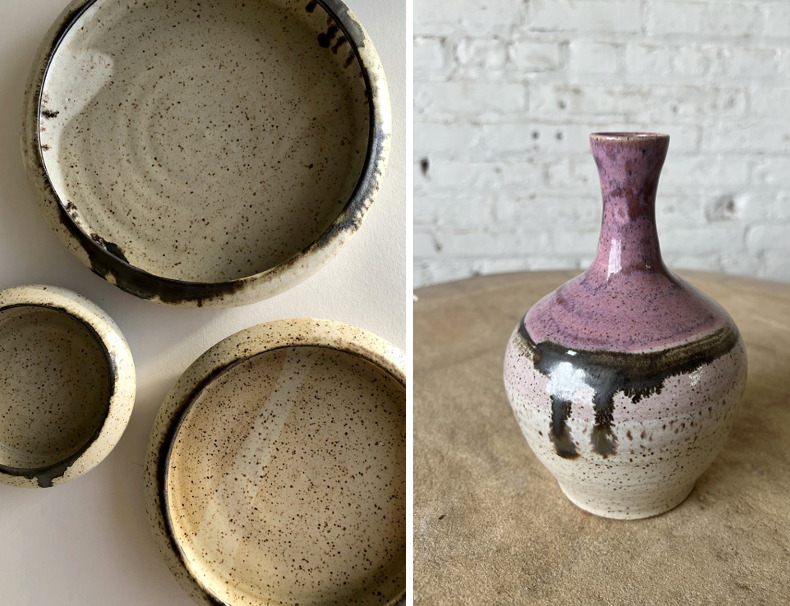
Operating in an old car factory, DeSantis makes earthy pieces that have a primordial vibe, and they are carried by many online and brick-and-mortar retailers. The palette is mostly browns, black, grays, and a deep berry color, so it can all mix and match. Saturday noon – 4pm
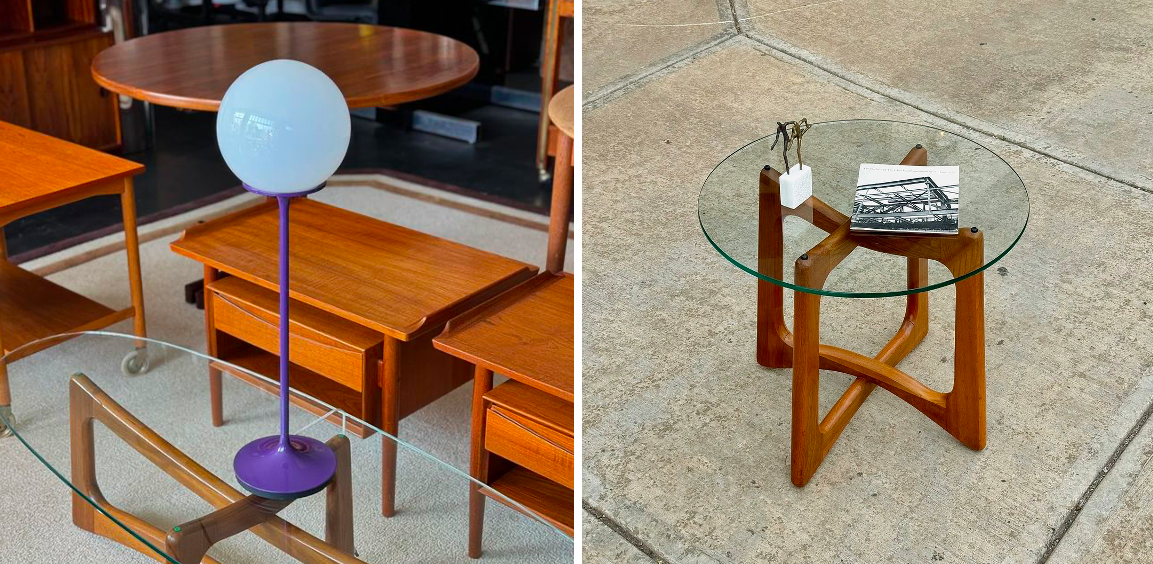
There are lots of places out there offering furniture with a Midcentury vibe, but Rook Modern stands out from the pack. Vintage Norwegian leather chairs rub armrests with a Knoll executive chair from the 1960s near an Adrian Pearsall glass and walnut cocktail table. Wednesday 12pm – 4pm & daily by appointment
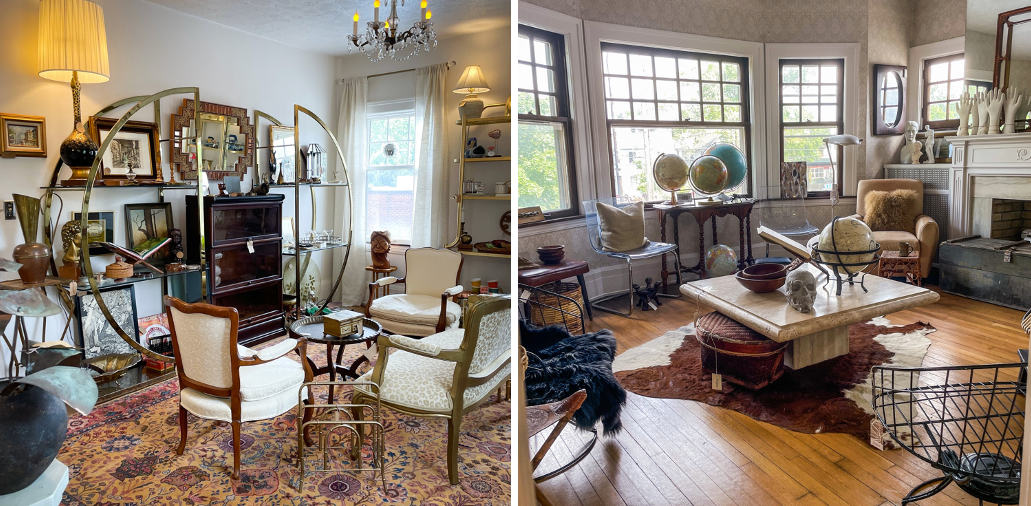
Well, maybe not “all”, but certainly a lot, housed on four floors of a house in Tremont that offers a curated selection of vintage furniture, lighting, art, and accessories. (There’s even clothing and estate jewelry.) The displays are organized by dealers, who bring their individual style. Open Wednesday— Sunday, 11am — 5pm.
Another wonderful emporium for unique (and locally sourced) architectural pieces, salvage, vintage furniture, and lighting—as well as their own original designs. They offer a bespoke design service that can make you pretty much whatever you want. Open Saturdays from 11am – 4pm, or by appointment.
Starting September 5th, Italy has been invading the Big Apple—in the best way possible. The famous department store will be hosting an installation called “Italian Design: from Classic to Contemporary.” It will feature Italian furniture, design, and culture, organized by mega-influential design fair Salone del Mobile, which takes place in Milan.
Italian Design at Bloomingdale’s New York
The display will be housed on the store’s sixth floors in the Home/Furnishing department, and was inspired by Italian painter and sculptor Giorgio de Chirico. The show mixes reality and fantasy, and juxtaposes contrasting designs against a backdrop of wooden screens. The displayed objects will be a Who’s Who of Italian design, including Artemide, Foscarini, Kartell, Molteni&C, Scavolini, and Technogym.
Along with the installation, there will be a series of talks entitled “Conversations about Italian Design.” In addition to luminaries from Salone and Bloomingdale’s, presenters will include Ingrid Abramovitch, Executive Editor of Elle Decor, who will moderate a dialogue about Italian design as an international reference. Artist Francesco Simeti and Stefano Giussani, Partner and COO of Lissoni Architecture New York, will discuss “the relationship between contemporary design and classical Italian culture.”
In addition to the above collaboration, Bloomingdale’s will host a two-month-long series of events and sales. This will including complimentary tastings at the De’Longhi Espresso Bar, Kitchen Demo’s on Saturdays, and a redesigning of a space on the 7th floor by Ginori 1735 with its wallpaper and furniture.
Details of the Collaboration
September 5th – 29th, 2024
10:00 am – 8:00 pm
Bloomingdale’s
1000 Third Ave @ 59th Street
Level 6
New York, NY
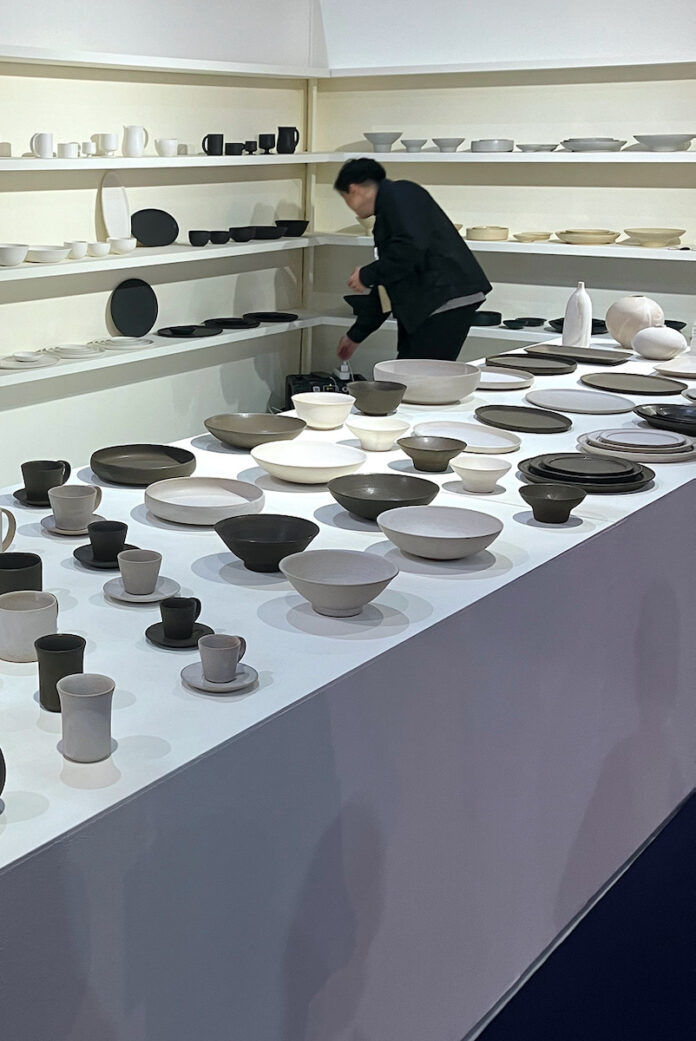
Walking through large design events like Paris Design Week, it’s easy to be drawn to bright colors and intriguing patterns, especially while jet-lagged and being overloaded with visual information.
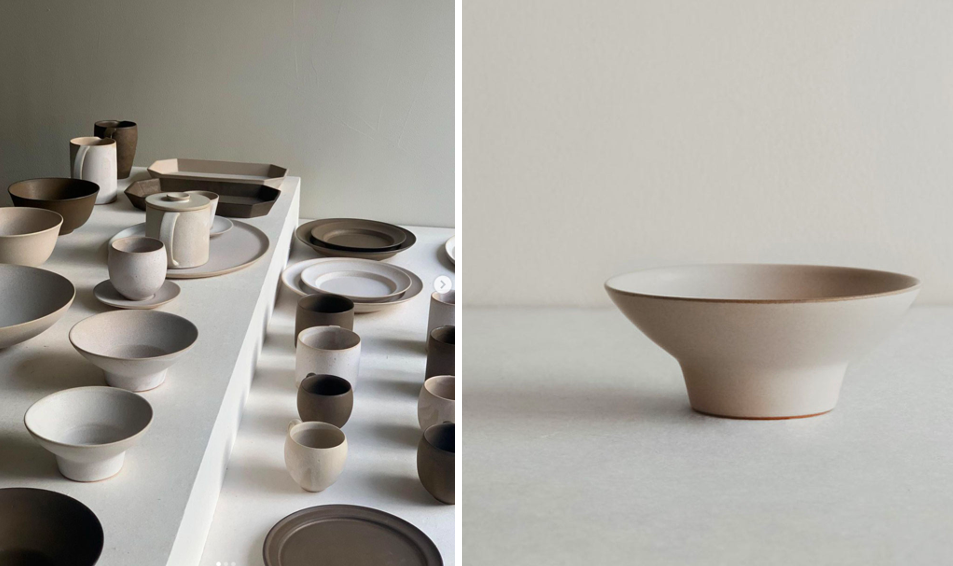
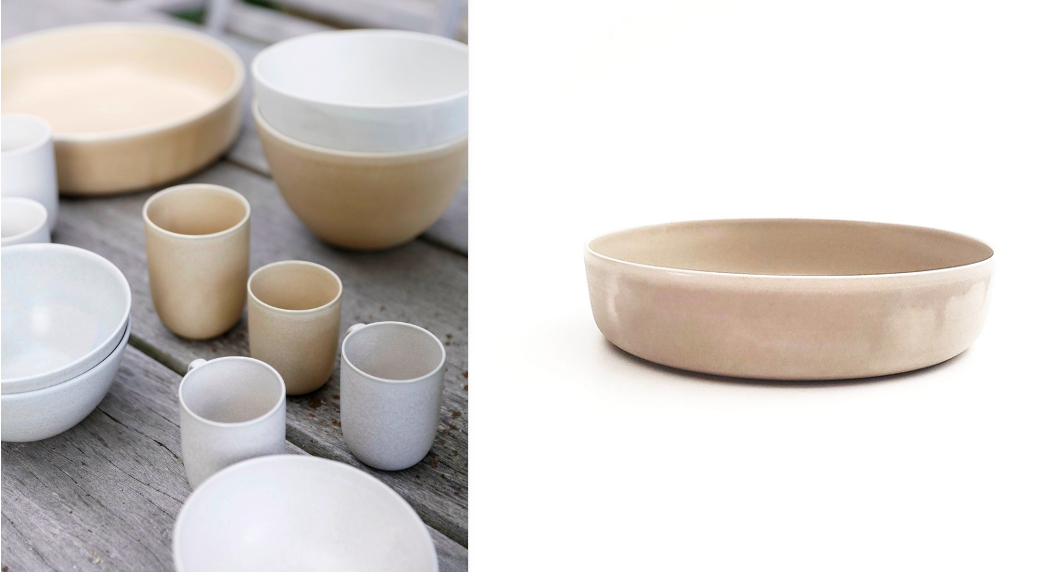
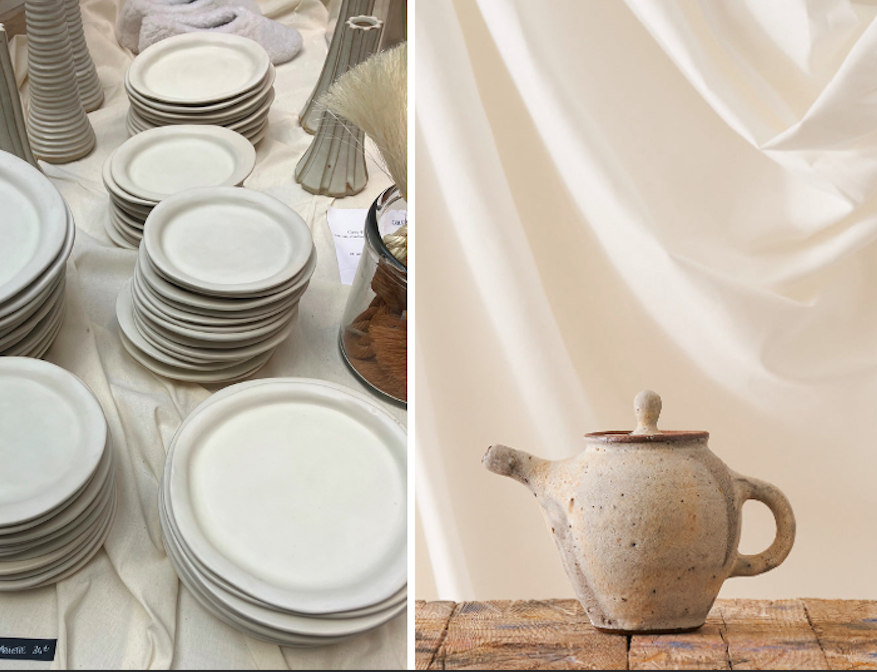
This September, though, during Paris Design Week / Maison et Objet, there were many fine examples of decidedly humble pottery, made with out tricky shapes or trendy glazes.
As always, the best spots in town to find treasures like this are Merci, Empreintes, and Astier de Villate. The latter is quite expensive, but you can find more reasonable options at the other venues. Most are available directly through vendors in the US.
Humble Ceramics Take the Stage at Paris Design Week
The Seoul-based company produces exquisitely simple wares with perfect proportions and muted, neutral off-whites, beiges, and browns. The shapes are basic but perfect. They feel great in the hand and have a timeless vibe. Everything is made by ceramic artist Seungmin Ji in his studio, which he founded in 2014.
With glazes made from natural minerals and oxides, Cécile Preziosa’s ceramics have a matte, subtly textured finish that reflects light beautifully and is sensual in the hand. She trained in a workshop in the Alsace region, and opened her own business in 2013. Preziosa uses the jiggering technique—in a sort of press mold that prevents warping—or hand thrown.
Celebrating natural imperfections is part of the beauty of the humble ceramics work of Benoît Audureau, who works with raw clay from local brickworks. His glazes likewise range from earthy and highly textured to a more serene, matte off-white, using a white magnesian glaze. In addition to plates, tea pots, and bowls, his vessels are also sold as re-fillable.
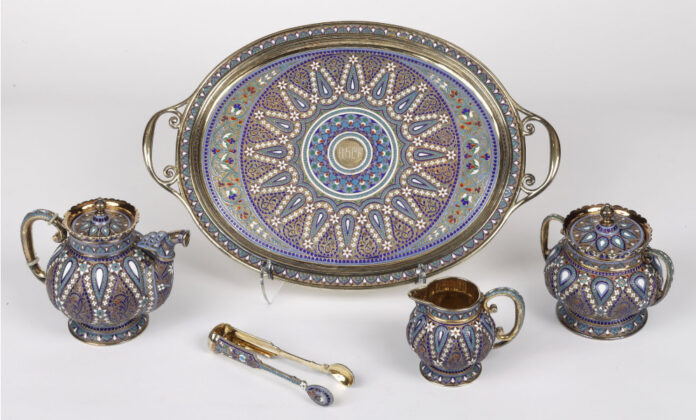
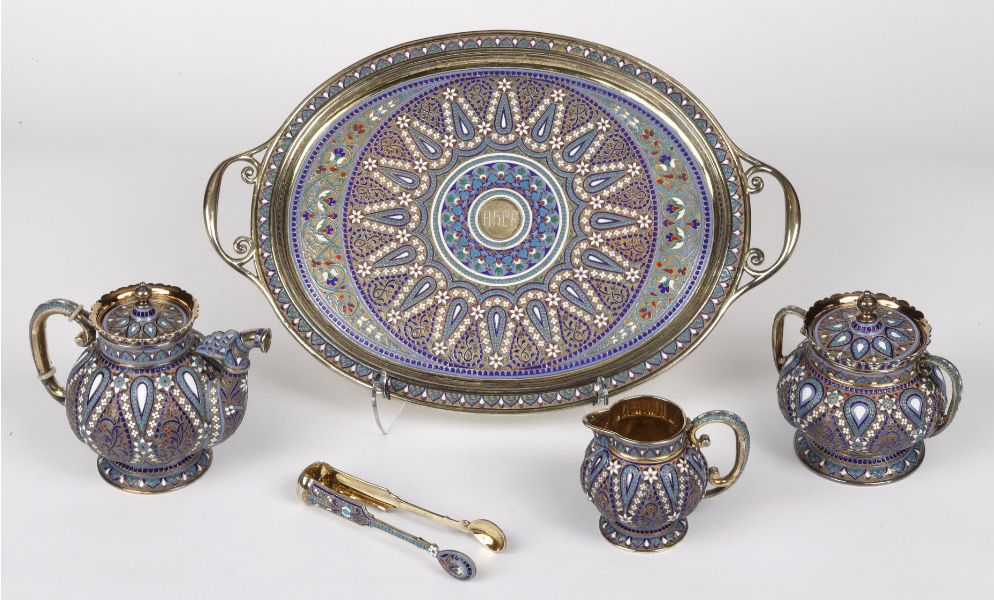
Tea Service, Antip Kuzmichev retailed by Tiffany & Company, circa 1894, From the collection of The Frick Pittsburgh
Strolling through a museum and getting to see beautiful objects, paintings, and furniture can be highly rewarding. It is also time-consuming and sometimes expensive. Also, there are exhibitions all over the country, so something you really want to see might involve an airplane. Fortunately, online exhibits are becoming more and more common, offering an armchair experience that might not be quite as satisfying, but it give you access to far more than you could ever take in in person. (You could go to three separate museums in an afternoon!)
Major museums and large institutions (like the Smithsonian) are great places to start. Occasionally, there is a fee, but these offerings are, more often than not, free. Have a seat, grab a drink, and sink into these educational and enlightening experiences.
Enjoy Art at Home with These 3 Virtual Museum Exhibitions
Tea Service, Antip Kuzmichev retailed by Tiffany & Company, circa 1894, From the collection of The Frick Pittsburgh
These object from the collection of the Frick Pittsburgh are incredible examples of household items, many of them serving pieces for coffee, tea, champagne, punch—plus games, flatware, serving trays, and plates. In this virtual museum exhibition, there are also some furniture and clothing pieces as well as a few oddities, including something called an “annunciator,” which is like an old-style intercom, a smaller-scale version of the bell system on the kitchen wall at Downton Abbey. When someone in the household pushed a button in a particular room, a bell would ring and an arrow indicating where it had come from would turn.
An interactive,virtual walkthrough of an exhibition celebrating the work of Alexander Girard, an architect, designer (interiors, furniture, textiles) born in NYC in 1907. One of his claims to fame was working for Herman Miller, designing fabrics for Charles and Ray Eames, among others. (He was made head of the textiles division of the company in 1952.) He brought colorful textiles, graphics, lounge furniture, and interiors into the airline industry. For a deep dive into Girard, check out the books about him by designer Todd Oldham and (my friend) Kiera Coffee, one published in 2011, the other dropping in October.
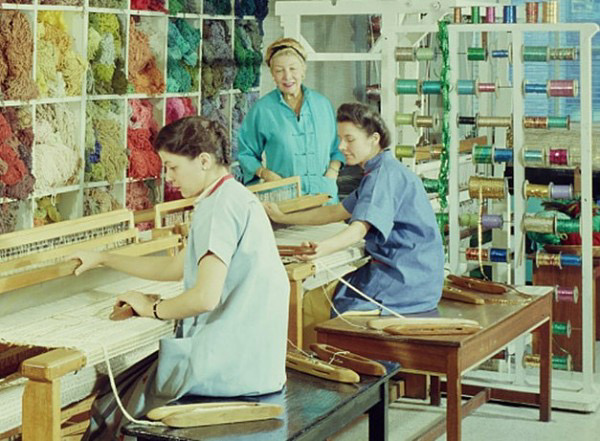
Dorothy Liebes Studio (detail), New York City, ca. 1957; Dorothy Liebes Papers, Archives of American Art, Smithsonian Institution
A well-organized ode to designer, color authority, and weaver Dorothy Liebes (1897-1972) who, despite a major impact on the interiors, transportation, and fashion industries during her lifetime, is not that widely known. (Something this exhibit will begin to rectify!) Her work brought not only lively color but also texture. She collaborated with many famous architects including Frank Lloyd Wright, who used her fabrics for upholstery, curtains, carpets, etc. (Her incredible room dividers can be seen in the Delegates’ Dining Room of the United Nations.) Her work was so influential that the term “Liebes Look” is still used today.
Libra, the seventh sign of the zodiac, marks the autumnal equinox when day and night are perfectly balanced, meaning a well-balanced menu sees this zodiac sign at its best. It is at this point that darkness begins to overtake the night, and so there is often a maturity reflected in this sign that is missing in its equinoctial partner, Aries.
Libra, Mediator of the Zodiac
Libras are often portrayed as the diplomats of the zodiac, with a natural talent for comparison, evaluation, and impartial reasoning. Their excellent communication skills stem from a balanced interplay of emotional and logical ideas, enabling them to offer fair judgments that consider both personal and broader social concerns.
The pursuit of harmony in a world of constant flux is no simple task. Many Librans are acutely aware of interpersonal conflicts and the discomfort that arises when their views clash with others, which can cause some hesitation. Libras are often accused of indecision, but it seems more appropriate to suggest that Libras take their time when deliberating. Once a decision is reached, Libra tends to expect others to get on board fairly quickly – “I’ve done all this thinking, so you don’t have to, and this is the right answer!” – all in the name of bringing everyone together in one course of action.
The image of Libra is a pair of scales, but not the type that stands on a table unsupported. The scales of Libra must be held in human hands – there’s an inherent subjectivity to the weighing process. Justice and fairness are not abstract concepts existing in a vacuum, but principles that must be applied and interpreted by individuals. This human element in Libra’s symbol serves as a reminder that the pursuit of justice and fairness requires constant self-reflection and adjustment. It calls for Librans to acknowledge their own biases, to listen deeply to others’ perspectives, and to remain open to reevaluating their judgments.
Libra & the Seasons
As with the other signs, it’s important to note that the sign of Libra and the constellation of Libra are not the same thing. Constellations are groups of stars visible in the night sky, while zodiacal signs are equal divisions of the Sun’s apparent path throughout the year, known as the ecliptic. The zodiacal signs are linked to the seasons, not the stars themselves.
As a cardinal sign, Libra initiates a new season: autumn, a time of transition, harvest, and preparation for the tougher weather that lies ahead. This period traditionally involved evaluating current events, estimating future needs, and addressing outstanding issues before the harsher winter months.
Libra’s cardinal nature endows it with a powerful will to initiate ideas and activate changes. However, this adaptability to new circumstances can sometimes come at the cost of perseverance. Libras may excel at starting new projects or relationships but might struggle to maintain them when faced with prolonged challenges or conflicts. If this feels like you, dear Libra, you can work this to your advantage by incorporating as a feature of your way of being, rather than a flaw.
New Goals for Libra
Consider your relationship to assertiveness: Practice expressing personal needs and opinions directly, while maintaining respect for others’ viewpoints. Learn to disagree constructively without compromising your principles or avoiding necessary confrontations.
Cultivate decision-making abilities: Work on trusting your judgment and making choices more efficiently, and bringing important people in sooner. Set time limits for deliberation and commit to decisions once made, accepting that perfect solutions are rare.
Calibrate your social rhythm: Recognize your tendency to oscillate between excessive socializing and isolation. Set a consistent weekly schedule that includes both quality time with others and dedicated periods for personal pursuits. For example, allocate specific evenings for social activities and reserve certain mornings for solitary reflection or individual hobbies. This structured approach can help stabilize your social energy and foster a stronger sense of self.
What Qualities Does Libra Have?
As an air sign, Libra is associated with the intellect, communication, and social interactions. Air signs tend to approach life with a rational, logical mindset, often seeking to understand and analyze their experiences. Libra applies this airy nature to the realm of relationships and social harmony, constantly evaluating and adjusting to maintain some equilibrium (real or imagined).
Among the air signs, Libra stands out for its strong focus on partnerships and diplomacy. While all air signs value communication, Librans are especially adept at seeing multiple perspectives and finding common ground between differing viewpoints. This makes them natural mediators and negotiators.
Sanguine types, including Librans, often gravitate towards a varied and balanced diet. They may enjoy foods that are light, refreshing, and socially enjoyable. Salads, fresh fruits, and dishes that combine different flavors and textures often appeal to their desire for harmony and pleasant experiences.
However, the sanguine temperament can sometimes lead to overindulgence in pleasurable foods or social eating. Librans may need to be mindful of maintaining a truly balanced diet, rather than simply a varied one. They might also benefit from paying attention to their kidneys and lower back, areas traditionally associated with Libra in medical astrology.
Best Foods to Balance Libra
For most seasons, these foods are good for supporting the sanguine temperament associated with Libra:
Land: Chicken, turkey, veal, rabbit, lean pork.
Surf: Trout, cod, haddock, halibut, perch, sole, tilapia, and shellfish like shrimp and scallops.
Grains: Wheat, rice (especially white rice), oats, quinoa, millet.
Vegetation: Lettuce, cucumber, melon, grapes, apples, pumpkin, squash, berries, pears, peaches, leafy greens like spinach and arugula.
Dairy: Fresh cheese, milk, cream, yogurt and cottage cheese.
Beverages: Still water, light herbal teas, fresh fruit juices.
Alcohol: Light white wines, wheat beers, gin, vodka-based cocktails.
In the winter months, when the cold is greater and the sanguine temperament may need to consume more heat to stay in good health, it’s advisable to introduce more warming and substantial foods:
Good for year-round, the Cosmopolitan is a vodka-based cocktail that’s bright and balanced. This cocktail is complete with fresh fruit juices like cranberry and lime so that Libra can reach their energetic potential. After all, you cannot solve world problems in partnership with others without inviting everyone out to a drink to exchange views.
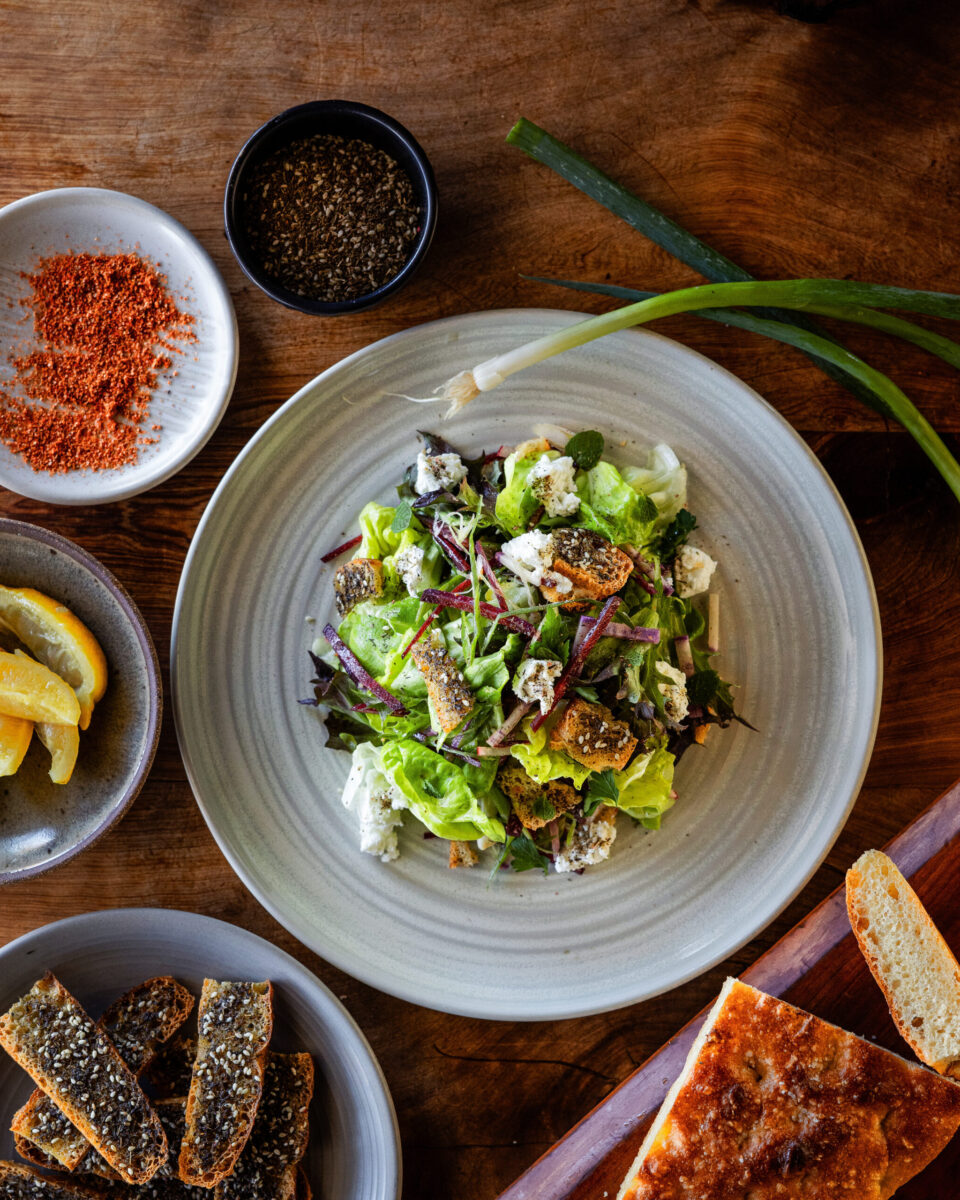
The more leafy greens the better for Libra. In both the warm and cool months, greens are going to leave you feeling full, content, and ready to gift the world with your kindness. This particular salad uses fresh vegetables alongside the warming, tangy spice, Za’atar. Not to mention, the addition of crumbled goat cheese (your choice of aged or fresh depending on the time of year) creates a hearty, full-bodied flavor in each bite.
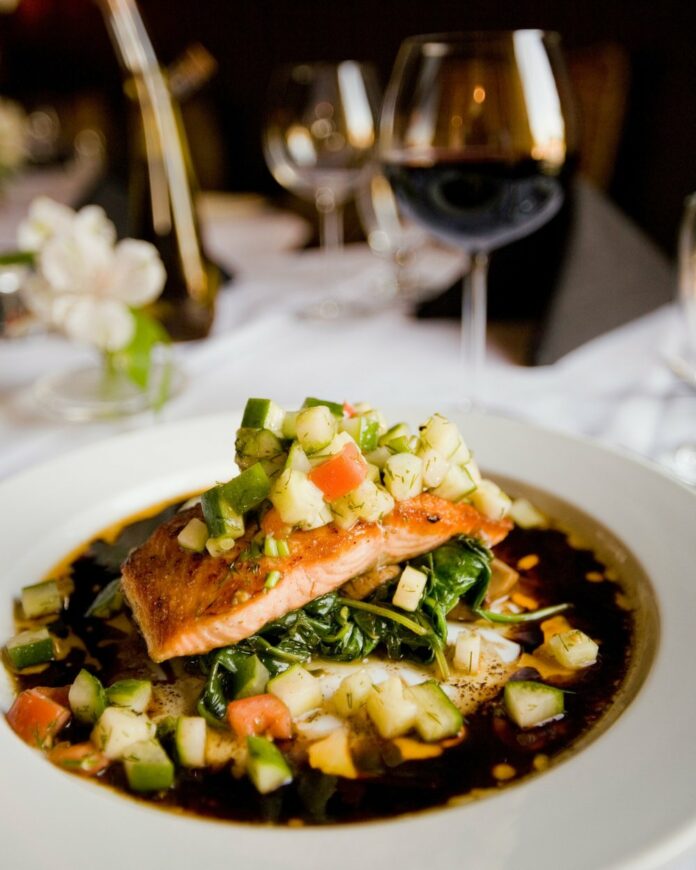
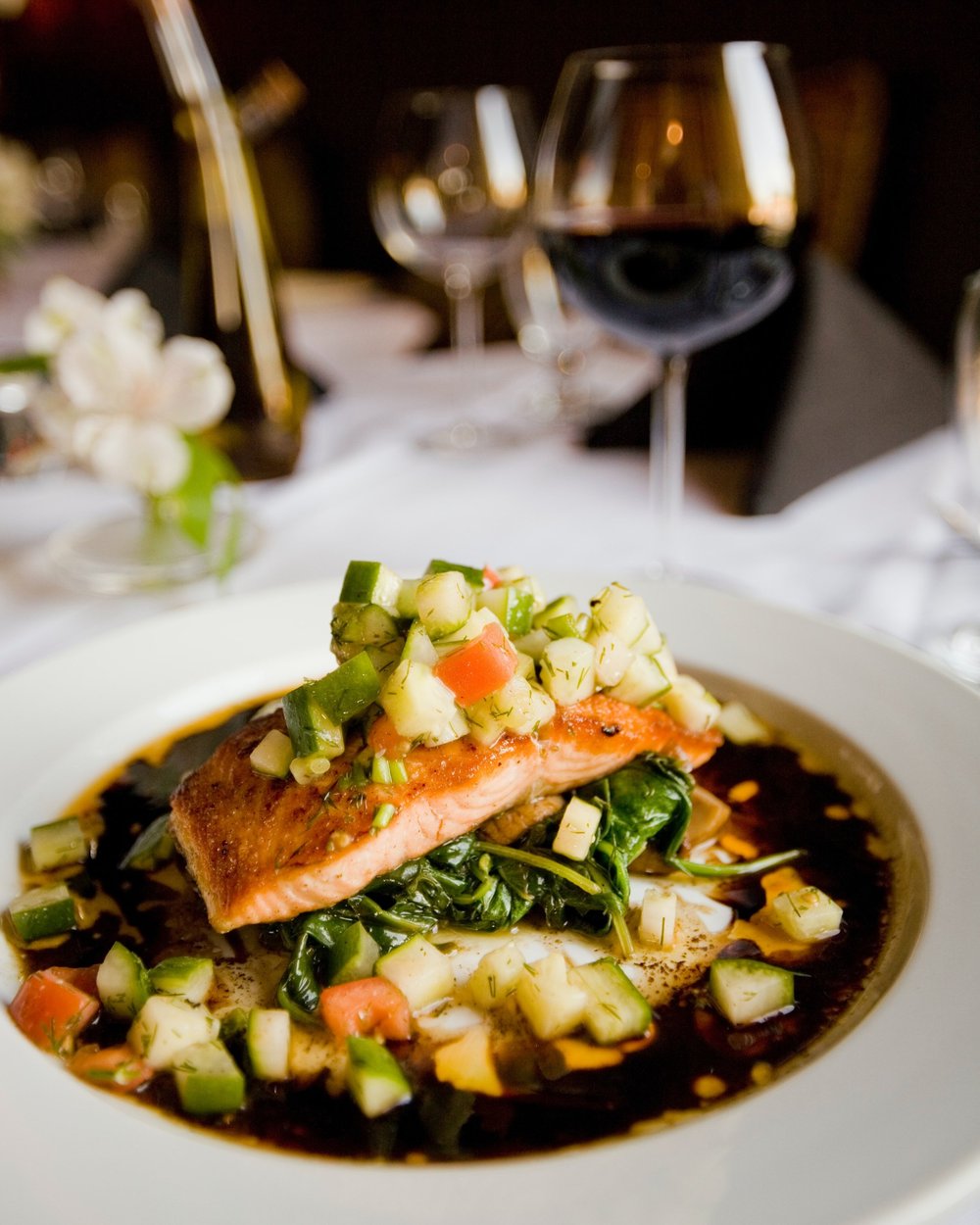
Since we’re transitioning into the cooler time of year, it’s good to keep Libra going with a fillet of Roasted Salmon. We’ve created one of the best dishes for Libra since you’ll find a bed of healthy spinach beneath the salmon. Plus, a relish topping dresses this main dish in a savory mix of zucchini, Roma tomatoes, fresh dill, extra-virgin olive oil, and lemon.
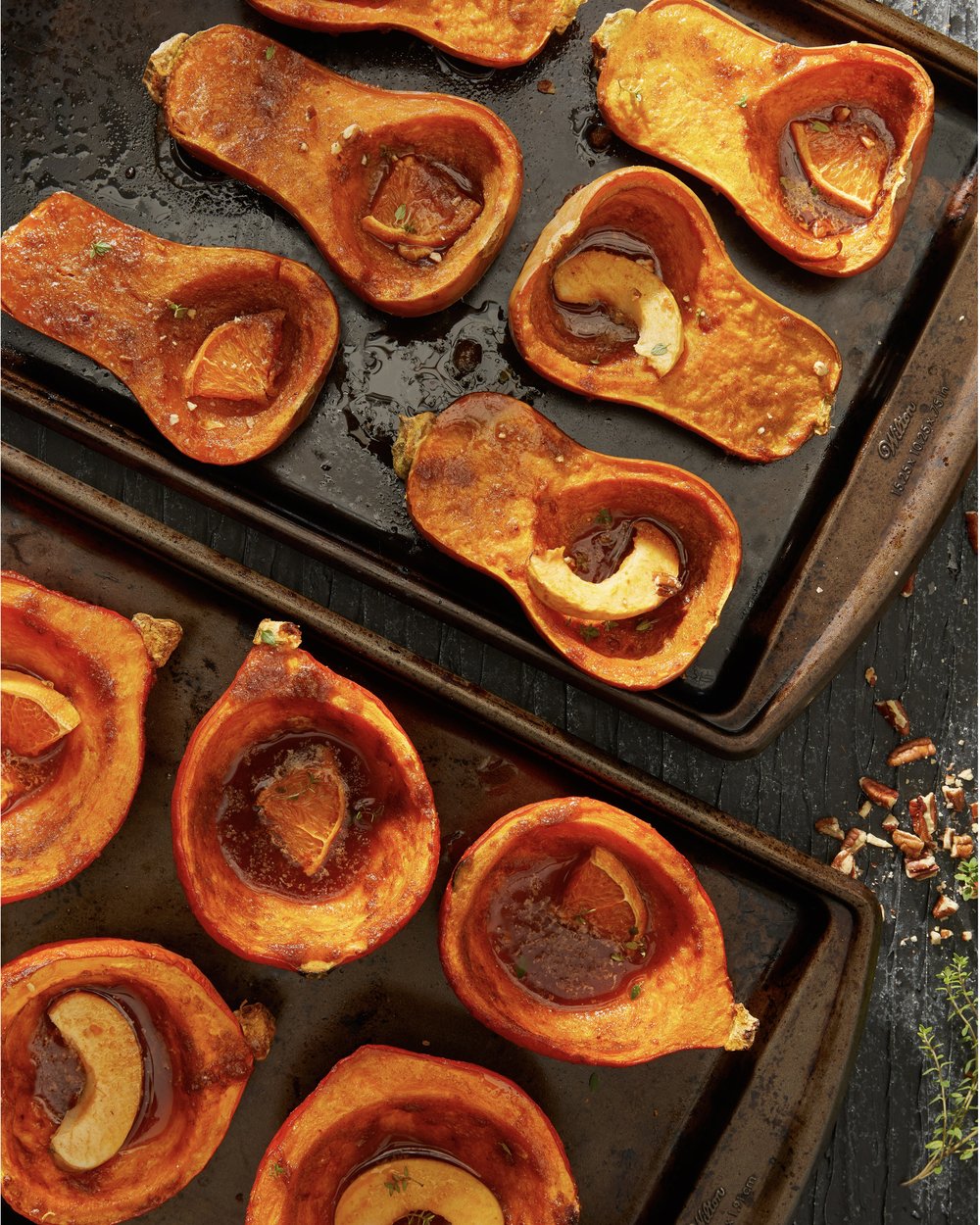
With Libra’s dates signaling in the Fall Equinox, flavors and ingredients found within the season are imperative to making this zodiac sign feel at home. You can even creative with the different varieties of fall squash you use such as butternut and Kabocha. With an even balance of orangey-sweetness and a kick of spice, this side dish is one Libra can identify with.
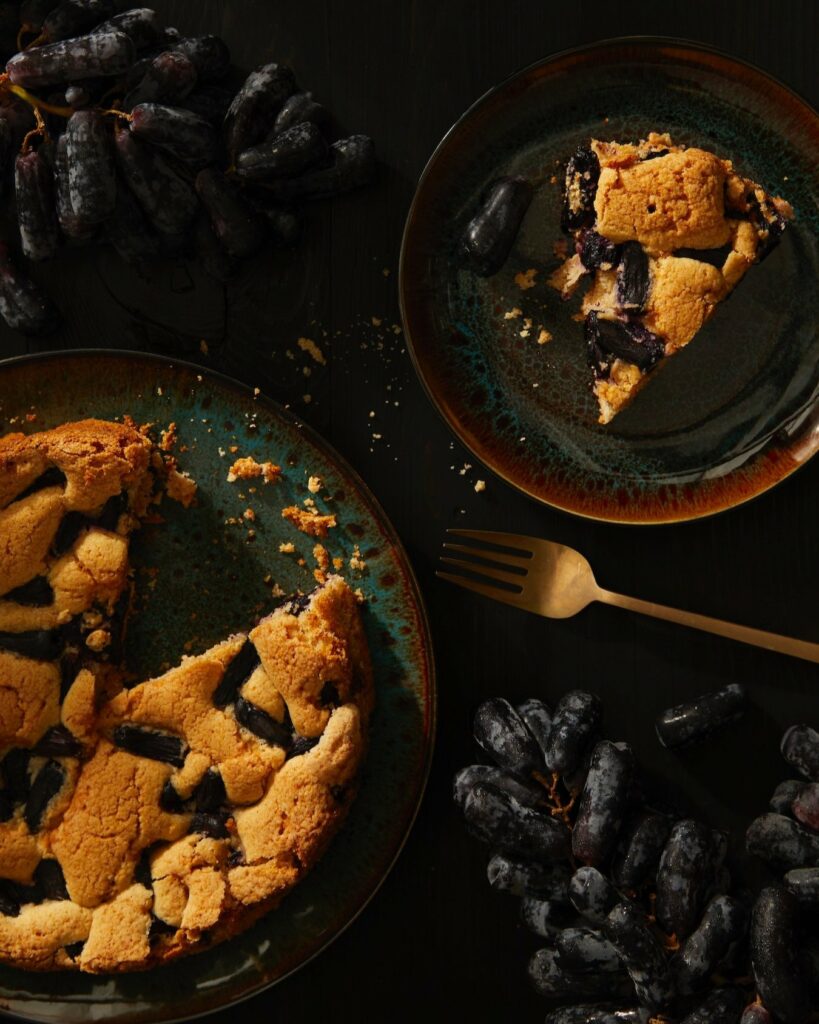
Grapes are one of the most important fruits and vegetables for Libra due to their support with this sign’s sanguine temperament. This dish takes black grapes and cooks them into a warming and comforting spiced crust. Enjoy it beside a glass of wine, light and white, or full-bodied and red depending on the season and what Libra could use most.
Wade Caves, based in Brooklyn, NY, is an astrological consultant and educator specializing in problem-solving applications of astrology. He teaches astrological divination and astronomy at the School of Traditional Astrology. Wade also publishes his work on world astrology through Skyscript’s In Mundo publishing desk and hosts the World Astrology Summit, a conference dedicated to the advancement of astrology for global problem-solving. Website: wadecaves.com • skyscript.co.uk/inmundo. Email: hello@wadecaves.com.