If you spend a lot of time looking at cooking videos on YouTube, the Italia Squisita channel has probably appeared in your feed. This chef-driven series of videos takes you through preparation of familiar dishes (tomato sauce, lasagna, pesto) but turns you into an expert at making them. Then there are more elaborate preparations (seafood risotto, original vs. gourmet, for instance) that help you create elaborate show-stoppers—but makes the process accessible. (That said, some of them take a lot of time and ingredients.)
Cook at Home with Italia Squisita’s Cookbooks
In addition to the YouTube channel, Italia Squisita puts out a beautiful journal and a handful of cookbooks, including a two-volume set on pasta (one book is devoted to fresh, the other to dry), one on rice, and their latest called Original & Gourmet, in which 50 chefs (mostly Italian) share recipes both well-known and esoteric. You’ll learn innovative techniques, learn how to incorporate unusual ingredients, and gain the confidence to become a top notch Italian cook—or to upgrade your skills if you already are one.
The most intriguing aspect of the Italia Squisita brand is that they respect both tradition and innovation, and chefs often discuss that balance between the two. They don’t throw away techniques that produce excellent results, but bring fresh perspectives when they can augment flavor. It’s the best of both worlds—and it’s all very delicious.
Story by Stephen Treffinger / Photo courtesy of Italia Squisita
Whenever the fall farmers’ markets and farms are blooming with fresh produce, this Apple Cider Pumpkin Bread recipe is there to make use of all the market goodies. Pick up a gallon of your favorite apple cider, grab a pie pumpkin for your puree (or opt for premade pumpkin puree), and you’re on your way to a delicious loaf full of warm spices.
How to Make Fresh Pumpkin Puree
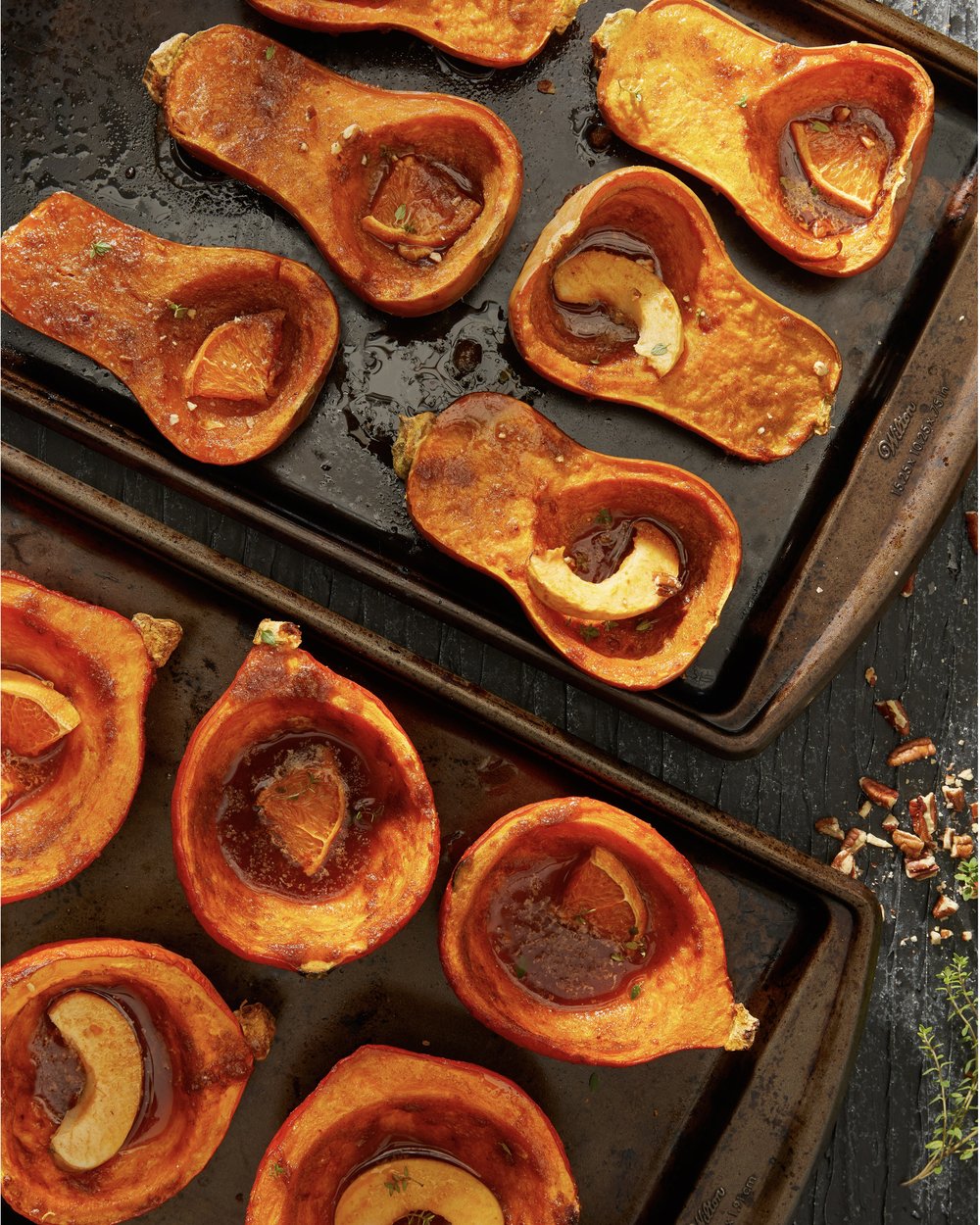
If you want to take your recipe to the next level you can make a pumpkin puree from scratch for the freshest, brightest taste of pumpkin. Start with selecting a pie pumpkin that’s best for baking. Then, cut the pumpkin in half, remove the seeds and stringy bits, and roast in the oven until tender. Once cooled, scoop out the flesh and puree it in a food processor or blender. Strain the puree to remove any remaining seeds or fibers and store in the fridge or freezer.
Remove all ingredients from refrigerator and let them reach room temperature.
Preheat oven to 325.
Butter and flour a 9×5 loaf pan.
In a saucepan, simmer apple cider and pumpkin puree until reduced to 1 cup. Let cool to room temperature.
In a stand mixer, beat butter and sugar until fluffy. Add eggs and vanilla and beat for two minutes.
Gradually add flour, cornstarch, baking powder, baking soda, salt, cinnamon, nutmeg, and ginger. Beat just until combined, scraping down the sides and bottom of the bowl at least twice.
By hand, stir in cranberries until evenly distributed in the batter.
Turn batter into prepared loaf pan.
In a mixing bowl, toss together all topping ingredients except pepitas. Arrange apple slices on top of the batter in the loaf pan. Sprinkle with pepitas.
Bake for approximately 60 minutes or until a wooden skewer emerges cleanly.
Let cool for a few minutes before running a knife around the edges of the loaf pan to separate the loaf from the pan. Let cool to room temperature before removing loaf from pan.
Slice to serve. Have honey, cream cheese and/or soft butter on hand to slather the slices!
Recipe by Keith Recker Styling by Anna Franklin Photography by Dave Bryce
The easy and quick bread recipes we’ve gathered below will have you baking like a pro in no time! While some of these breads may veer more toward the dessert or breakfast category rather than something you’d make a sandwich with, they’re oh so tasty. No matter your baking skills, we promise you’ll be able to have a fresh loaf out of the oven that’ll have you saying goodbye to store-bought bread.
Fall is harvest time, with farm stands and farmers’ markets overflowing with produce. Make a few loaves of this quick bread recipe and freeze them for the long winter ahead.
Who doesn’t love peanut butter and bananas together? This sweet and delicious duo (with the help of chocolatey Reese’s Cups) make a dessert bread you’ll be bringing to your fall festivities. Plus, if you have leftover Halloween candy, this is the perfect recipe to use it up.
If we are being honest, this is more of a chocolate cake with a bit of zucchini. But hey, at least we’re trying to be more nutritious, right?! So while you sip your coffee in the morning and take a bite of this rich and delicious chocolate zucchini bread, you can feel satisfied knowing that you’re also getting a healthy dosage of vitamin A, manganese, and fiber!
TABLE Magazine loves Irish soda bread. Not only is it easy to make, but it’s great with just about any meal, any time of year. We recommend that you enjoy our Buttermilk Soda Bread with Fennel Pollen over breakfast or brunch with butter, preserves, and coffee, or invite it to dinner with lamb stew or your favorite braised meat.
Embrace fall flavors to their fullest by picking up a jug of apple cider and a can of pumpkin puree. Our Apple Cider Pumpkin Bread combines two of the best parts of the season with a handful of autumn spices. Serve it with a smear of honey, cream cheese, or butter on top.
While this recipe relies on mulberries, which are ripe in the summer, it’s worth the wait and it can help you get rid of your extra stock at the end of the season. Plus, all you need is a loaf pan to make this Orange Mulberry Quick Bread with bright flavors.
You can play around with the types of cheeses (as long as they are fairly firm) and what herbs/spices to add in this delicious bread recipe. You could even play around with throwing some zucchini or onions in with the tomatoes before roasting (just adjust for the weight) — or whatever your garden is offering up at the moment.
Looking for a low carb bread option? This Keto-Friendly Lemon Cranberry Quick Bread lets you have a sweeter treat without the guilt after. Try it with a smear of mashed berries or nuts on top.
This quick zucchini bread recipe does not last long. Its delicious sweetness and dense texture make it irresistible. Slather it with room-temperature butter from a local farm, and enjoy every bite.
Nutty as a fruitcake? We’re guilty. How about you? If you’re feeling a touch of holiday insanity, try this delicious quick bread recipe. It’s terrific with coffee. In front of the fire. Nice music floating through the air. You know: like a holiday!
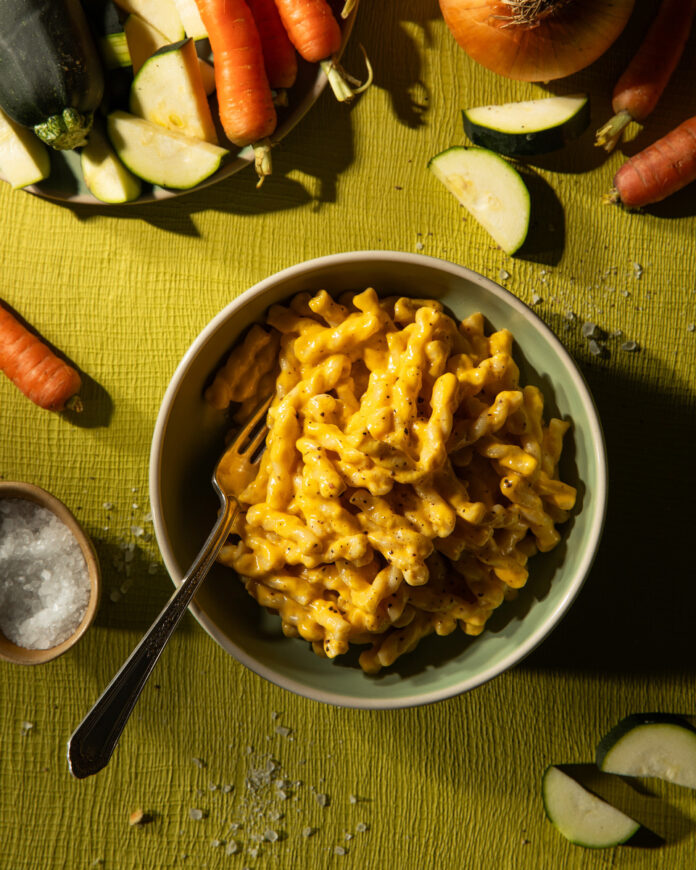
If you’re craving a comforting, creamy dish with a kick, look no further than this Green Chile Mac and Cheese. Cheryl Alters Jamison and Bill Jamison’s vibrant take on the classic comes from their book American Home Cooking. It combines the rich, velvety texture of traditional mac and cheese with the bold, smoky heat of New Mexican green chiles. Each bite delivers a perfect harmony of sharp cheddar and zingy roasted green chiles, creating a dish that’s both familiar and excitingly new. Ideal for a cozy family dinner or as a standout side at your next gathering, this green chile mac and cheese is sure to delight your taste buds and elevate your comfort food game.
Tips for Cooking with Green Chiles
Green chiles can vary in heat, so handle them carefully. Use gloves if you have sensitive skin, and avoid touching your face, especially your eyes, after handling chiles. If you’re using them fresh, wash your hands thoroughly afterward. If you prefer a milder flavor, remove the seeds and membranes from the chiles before cooking. The seeds and membranes contain most of the heat. Conversely, leave them in if you want more heat in your dish. As always…be sure to remove the skins, which are a bit undigestible, prior to adding them to your preparation.
1 cup packed fresh bread crumbs or ¾ cup dried panko bread crumbs
¼ cup (½ stick) unsalted butter
2 tablespoons unbleached all-purpose flour
1 to 2 tablespoons minced onion
1 cup chopped roasted mild to medium New Mexican green chile, fresh or thawed frozen
1 cup whole milk
½ cup buttermilk or plain yogurt
¾ teaspoon salt, or more to taste
6 ounces creamy fresh goat cheese, crumbled
4 ounces Havarti or Fontina cheese, grated
6 ounces aged Cheddar cheese, grated
¾ pound elbow macaroni, cooked according to package directions
Instructions
Preheat oven to 375º F. Butter a shallow medium to large baking dish.
Prepare bread crumbs, first melting butter in a small skillet over medium heat. Stir in bread crumbs and toast them until golden, stirring occasionally. Scrape bread crumbs out of skillet and reserve them.
Prepare cheese sauce, first melting butter in a large heavy saucepan over medium-low heat. Stir flour into butter gradually. When flour is incorporated, mix in onion and cook an additional 2 to 3 minutes, stirring frequently. Add green chile and any juice and cook until heated through. Raise heat to medium-high and gradually whisk in milk and buttermilk and salt.
Bring mixture to a boil and continue to cooking until lightly thickened, stirring occasionally, about 5 minutes.
Stir in goat cheese until melted into sauce. Remove sauce from heat and immediately mix in remaining cheeses, stirring until melted.
Toss macaroni with cheese sauce and spoon into prepared baking dish.
Scatter bread crumbs over the macaroni and cheese sauce. Bake about 30 minutes, until heated through and golden brown and crunchy on top.
Recipes are more than ingredients, they are memories of the past, hope for the future and bring back the joys of family, fun and love. This baked mac and cheese recipe brings back memories of, family, special dinners, Christmas, Thanksgiving, celebrations, holidays and the joy of eating together, and enjoying time with loved ones. This dish is for celebrations!
Tips for Making Baked Mac and Cheese
Mac and cheese is a classic comfort dish that’s hard to mess up, but there are definitely some tips to elevate it from good to great. You can customize this dish a lot based on the crowd you’re serving. If they like spices, don’t skimp on the seasoning. Paprika, black pepper, and even a pinch of red pepper flakes all go well with mac and cheese. If the mac and cheese seems too thick after baking, you can drizzle in a very small amount of milk while the dish is still piping hot and let it absorb before serving.
Boil macaroni noodles as directed on package, drain in colander and rinse well.
There will be three layers to the dish. Spoon 1/3 of the Macaroni noodles into the baking pan, salt and pepper to taste. Cut butter into 8 tablespoons as mark on stick of butter, add 3 tablespoons to bottom layer.
Add 2 cups of grated sharp cheddar cheese, be sure to cover all the noodles with cheese.
Cover with a second layer of macaroni noodles , salt, pepper and butter and add 2 cups of mild cheddar cheese.
Repeat top third layer with macaroni cheese noodles, salt, pepper, butter and top with 2 cups of sharp cheddar cheese. Be sure to cover all noodles with cheese.
Add 3 cups of milk, pour slowly and evenly over macaroni and cheese layers.
Bake at 365 degrees for 60 minutes, macaroni should be brown on top, if milk is still present let cook for additional 30 minutes. Insert knife until the center of knife comes out clean and all of the milk is baked into the macaroni and cheese.
Don’t be fooled by the browning of the top! True test is when the center has no more milk. The final baked mac and cheese dish serves a crowd of at least 10 hungry friends and family.
Recipe by Cheryl Johnson
Photography by Dave Bryce
Photo Courtesy of Kirsten Francis for KKB Interiors
The Healthy Materials Lab, housed at Parsons School of Design, provides the tools to help make our living and working environments healthier through better material choices. Launched in 2015 by Jonsara Ruth and Alison Mears, the program began by addressing the materials used in affordable housing. It has since expanded, and has an attained an international reputation, defining the field of material health within the architecture and design spheres.
Parsons School of Design Encourages Healthier Material Choices
“The chemicals in the products we live with are now inside us. Products off-gas or release particles as dust and are taken into our bodies, either by being absorbed through the skin, inhaled as dust, or even ingested when particles latch onto food,” says Ms. Ruth. She adds that according to medical science that ninety percent of disease in humans is linked to the exposure to our environments, and only ten percent is genetic.
But it’s not all gloom and doom. “We can choose healthier materials,” says Ms. Ruth, “We can choose not to expose people throughout their lifecycle by our purchasing choices, and then we can choose to make healthier homes through what we put in our own homes and our families will be healthier.”
Earth and Human Wellness Through the Healthy Materials Lab
HML provides information to architects, designers, and individuals so they can prioritize both human and planet health in their decisions. There are courses, lectures, and podcasts available both in New York and online, as well as a resources, including a healthy materials collection.
Diligence is importance as even “healthy” choices such as low-VOC or zero-VOC paints can still contain a long list of other toxins. Some latex-free, mineral-based paints not only use fewer toxic materials, they can absorb toxins—and are breathable and able to absorb moisture, releasing it back into the environment when it gets too dry. Swapping out paint is one of the easiest ways to detox your home.
Mush Lume lighting, made of mushroom-derived materials. Photo Courtesy of Kirsten Francis for KKB Interiors
On the construction side, alternatives to foam insulation and standard wall materials can help create energy efficient, healthier homes using materials such as straw and hemp. These have the added benefit of absorbing CO2 from the atmosphere when they grow, so they’re a win win for everyone.
“There are many reasons we need to stop relying on oil-based and plastic materials and shift to plant- and mineral-based materials. There’s some great innovation happening, and one of the things we do at the lab is collect the innovation and share it with other people,” asserts Ms. Ruth.
MushLume Lighting deploys mushroom fibers to create eco-friendly fixtures. Interior by Valarie Britz Interiors. Photo by Galina Coada.
Tips for Making Healthier Design Choices
The resources section at Healthy Materials Lab provides a list of alternative material choices. For everything from flooring and tile to wall boards and insulation, information is also provided about why these innovative items are better for us and the environment.
Wall-mounted shelf systems differ from regular shelves in that they are (typically) modular, with removable parts that adapt to your changing needs. These are great wall organizer systems that begin with an anchor that is attached directly to the wall. (Depending on the system, size, and weight, you might need to locate studs to supply adequate support. Always make sure to check how much weight each panel can safely hold.) Different arrangements of shelves, bins, hooks, and more can then be attached to grooves or holes in the anchor.
These systems can be really basic, starting with a simple pegboard and a few hooks. The more complex or upscale versions begin with metal or wood slat panels, onto which you can hang all manor of shelf, drawer, etc. Where they will live will ultimately dictate the model you choose. The garage doesn’t need something as wonderful as the living room, for example.
Pick the Best Wall Organizers with These Mounted Shelves
The Rolls Royce of wall organizer shelving is so attractive and strong it will look great anywhere—and do almost anything. It was designed by Dieter Rams in 1960, and offers sleek shelves, drawers, desks, and more. For those who don’t want to (or can’t) drill into the wall, there is an alternate support pole system.
The Create Collection starts with natural or black oak slats with a black felt backing, onto which you can add shelves, hangers/hooks, and special picture hangers in almost any configuration. You don’t need any tools to place the modular pieces, so it’s easy to rearrange them. The Akupanel takes it a step further, adding sound absorption.
Great for the garage, basement, or other temperature- or moisture-challenged areas of the house. This wall organizer system is made from high density PVC (made from 90% recycled materials) and each panel can hold up to 75 lbs. per square foot. Comes in three sizes and several colors. Accessories include hooks, shelves, and baskets.
French chef Julia Child famously had a pegboard on her kitchen wall outfitted with hooks onto which she hung various pots and pans. This IKEA version allows you to do the same thing. The advantage is that it allows you to hang all sorts of differently-shaped items without fuss. Various hooks and other accessories also available.
Perfect for over a desk, the white, powder-coated steel panels make a clean backdrop for shelves that can hold books, a small printer/scanner, and other supplies and equipment on shelves of various widths and hooks. To add a little something extra, the accessory pieces come in white, black, blue, and red.
Looking for a getaway that goes beyond sightseeing, shopping, and fine dining? Several excellent craft schools around the U.S. offer immersive experiences and instructions on how to do everything from blowing glass to building your own canoe. Many are in beautiful settings far from the hustle of major cities. Plan ahead and gift yourself personal enrichment and satisfaction ford years to come.
Learn a New Craft at These Classes Around the U.S.
This non-profit residential craft school’s mission is to provide exceptional studio craft and fine art instruction for people of all ages in an inspiring setting. (That’d be the foothills of the Berkshire Mountains, where the school is nestled in a 50-acre property surrounded by trees, pastures, and woodland.) They offer 200 adult programs—including workshops, residencies, and retreats) each year, and host a group of 80 teens (14-18 years old) each July for an intensive summer art camp lasting two weeks.
The offerings at Snow Farm take place in 9 studios: Glassblowing, Flameworking, Flat Glass; Ceramics; Fiber & Baskets; Metalsmithing & Jewelry; Woodworking; 3D & Mixed Media; and 2D & Mixed Media (including painting, drawing, printmaking, and paper/book arts). Classes are small and generally have no prerequisites. Housing is available on site. For people with limited time, they also offer 2- to 5-day workshops.
An international craft school on the Atlantic Ocean in Deer Isle, Maine, about a three-hour drive from Portland. It was founded in 1950 as a research and studio program in the arts, and their mission is to provide the freedom for students to engage with materials and develop new ideas in a supportive and inclusive community. The current campus, designed by architect Edward Larrabee Barnes—whose other projects include the IBM Building in NYC and the Dallas Museum of Art) opened in 1961.
The campus consists of a series of driftwood-colored barn-like buildings in a dramatic setting.) Haystack offers one- and two-week studio workshops in blacksmithing, ceramics, fiber, glass, graphics, metal, and wood, to students of all levels. There is also an Open Studio Residency program. For Maine residents and high school students, there are also shorter programs available.
The Adirondack Folk School, located in Lake Luzerne NY, about an hour drive from Albany, was founded in 2010 by Jim Mandle, who envisioned a folk school with a unique mission: to celebrate and preserve the cultural heritage of the Adirondacks and promote creativity and self-reliance by teaching the arts, crafts, and traditions that define the region—everything from survival skills to basketry.
At the main location, they offer classes including fiber arts, woodworking, ceramics, jewelry making, blacksmithing, herbalism, soap making, and more —and they have an outdoor wood-fired oven for cooking classes. At a satellite location in Lake George, they hold larger classes such as canoe building. They can provide pop-up classes for private groups who can design their own special curriculum. Every summer, they hold a Folk School Summer Festival with artisan demonstrations, food trucks, live music, and children’s activities.
The goal of Folk School is to give students the opportunity to explore their creativity and learn new skills or expand existing ones in a non-competitive atmosphere: “A community that awakens, enlivens, and enlightens the world.” The campus is located in the mountains North Carolina, about a 2 1/2 hour drive from Knoxville, TN. They offer over 800 weeklong and weekend classes in areas such as blacksmithing, pottery, woodworking, jewelry making, dance, cooking, weaving, writing, and photography.
The school was founded was founded in the early 1900s by missionaries John C. and Olive Campbell, who were inspired by rural Scandinavia’s non-competitive folk schools and dreamed of opening such a place in the U.S. John passed away before he could realize their vision, but Olive carried on. The first classes were offered in 1925. A funny and affectionate story about Folk School can be found here.
This unique place offers natural dyes and education to textile and fiber arts artisans around the world. But, Botanical Colors goes way beyond workshops and classes. They also support regional farmers, organic farming, regenerative soil, and create new plant-based colors in their Seattle studio. Kathy Hattori found the establishment in 2010. She’s an expert in natural dyes and pigments who has also advised brands and retailers on implementation strategies.
“I wanted to change the textile industry by offering a safe alternative to petrochemical based synthetic colors. My solution was natural dyes: colors that were beautiful, regenerative and non-toxic.” Classes are inventive, with topics including (at the moment) “The Nerd’s Guide to Mordants” and “Block Printing with Indigo Overdye” as well as a trip to Oaxaca to learn Zapotec traditions. The site includes, recipes, instructions, and an archive of informative “Feedback Friday” videos. There’s even a Feedback Friday video featuring TABLE’s Editor in Chief, Keith Recker, and his book on natural color, True Colors.
As the weather cools down, 2024’s fall fashion trends are ready to take over the streets with turtlenecks, blazers, and plenty of fun accessories. Get a peak into what will keep you on-trend this season with warm, rich colors, unique jacket designs, and plenty of other ways to express yourself.
Colors
Deep olive tones, Italian plums, smoldering reds, hunter-greens, and moody shades of burgundy lead the way. One look at the cherry red pantsuits seen on the Jil Sander runway or Bottega Veneta’s draped leather trench in a roasted tomato shade illustrates the evocative, nuanced jewel tones we are seeing everywhere this season.
Leather
Speaking of leather…designers definitely embraced it as an important material this fall. For example, Mango, a mainstream but fashion-forward European brand, offers a very feminine combination of a long boxy leather jacket paired with a full skirt.
Animal Prints
Love it or hate it, the designers paid homage to animal prints of the 1960s and 1970s this season, as well. Brands like Mango and Sèzane have great affordable faux-leopard (like the outfit below) you will keep for a long time. Local boutiques like Reb + Roon boutique also went animal with items like a cool pair of leopard denim pants.
Turtlenecks
Turtlenecks in a variety different shapes are also in view. Oversized or minimal, draped necks or funnel necks, cropped or long… the turtleneck is a must have this fall season.
A blazer will always elevate and upgrade your look. As with the turtleneck, the variety of silhouettes is endless this season. We have a Helmut Lang hourglass shaped blazer as seen at Moda Pittsburgh.
Watching the Paris Olympics this summer in the intense New York heat, my thoughts wandered to the sparkling waters found in the south of France. Places like Nice, St. Tropez, Marseille—the whole of Provence, really—offer an abundance of seafood, rosé (the region is swimming in it), and (once upon a time) the evocative smell of Bain de Soleil. Even if you can’t get there, you can take an armchair trip with a collection of books dedicated to the region. Or, use them to help plan your next excursion.
Rebekah Peppler has distilled the essences of the area of The South of France into a cookbook that goes far beyond recipes. Rebekah Peppler’s book shares photographs, stories, and—yes—recipes from the diverse region. There are recipes for typical fare including pissaladière, tapenade, ratatouille, cleverly named dishes such as Market Day Roast Chicken and The Pasta I Crave Every Time I’m Near the Sea.
There are also sidebars detailing the unique ways of eating and drinking in the region. It includes tips from information on local wines or how to assemble a modern cheese plate.
The “A Week Abroad” series’ mission is to reconnect travelers with local cultures by highlighting the expertise of passionate and committed personalities.
In the book dedicated to Marseille, the storied town is seen through the eyes of seven local personalities. It interviews a jeweler, fisherman, chef, artistic director, environmental activist, curator, and perfumer. They reveal their secret addresses, including where to find local products, great restaurants, and nearby must-see secret spots. The book even includes a detachable map to accompany should you eventually make your way there.
Difficult (or very expensive) to find new, but available used and well worth the effort to find it. Nautical style can be a bit twee. But, add a French twist and it becomes a relaxed but upbeat style. French Seaside Style celebrates the vibe of towns along the coasts of France. Sure, there are sand dollars, miniature sailboats, and driftwood. But, there’s also natural wood finishes and crisp fabrics in white with blue accents.
It’s like a holiday by the sea without ever leaving home. And who couldn’t use a little bit of that?
Provence is based on recipes and lore of its author, Caroline Rimbert Craig. Craig’s family has lived, farmed, foraged, and cooked there for generations.
Seasonal and local are terms that get thrown around a lot. But here these terms reflect a passion for sun-dried herbs, abundant fruit, and delicious wines made from grapes grown down the road. A must for anyone who wants to eat well, follow the seasons, and do it with Mediterranean flair.
The publisher Assouline has a series of enticing, graphically striking books on places around the world, including St. Tropez and Provence.
St. Tropez has long been the playground for movie stars, artists, and writers, set on the French Riviera. Everyone from Colette and Matisse to Bianca and Mick Jagger has enjoyed its beauty. St. Tropez Soleil takes the reader on a journey from past to present, celebrating the joie de vivre that keeps everyone coming back.
Provence Glory shares the regions charming towns and bustling cities, with excellent swimming, lavender fields, local cuisine including the herb-stuffed bread fougasse. It takes readers on a trip through Roman ruins from the 1st Century and Medieval chateaux, connected by long roads flanked by cypress trees.
Story by Stephen Treffinger / Main photo by Joann Pai