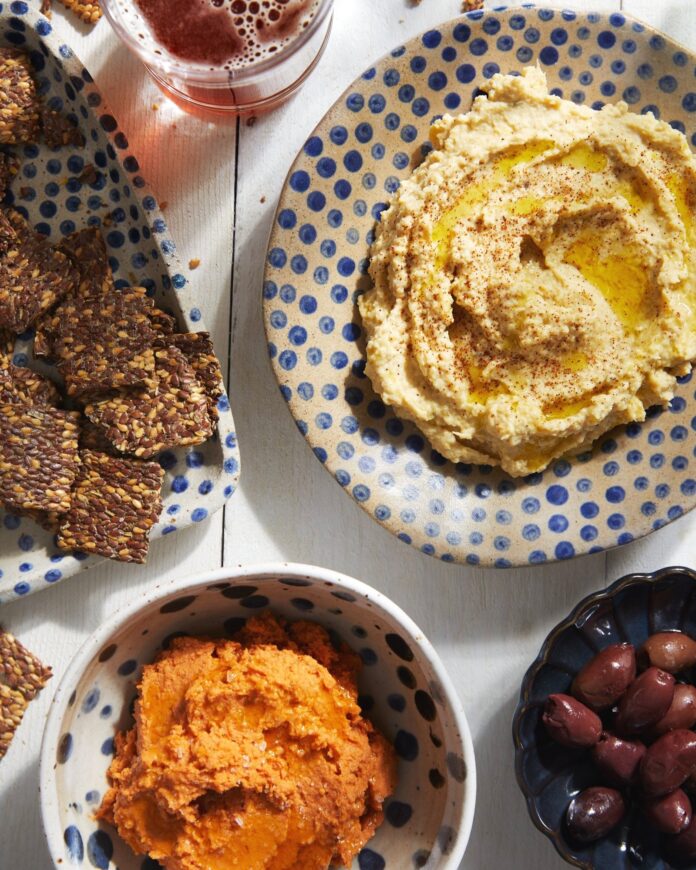
Hummus is one of our favorite dishes because it is delicious, easy to make, and very versatile. There are hundreds of ways to prepare a batch but here are two of our favorites for a great appetizer or afternoon snack.
How Do Chickpeas Turn Into Hummus?
It may be confusing how little chickpeas can transform into a smooth, creamy hummus spread without any dairy. The blending process using a food processor is what breaks down cooked chickpeas for the base. When you then add in tahini, a paste made from ground sesame seeds, and olive oil, the high-speed blending breaks down the chickpeas further and emulsifies the fats from the tahini and olive oil at the same time.
Working as a server, the request for wine with ice such as a chilled red wine always earned a big eye roll. “They asked for ICE with their WINE,” we’d poke fun in the back before cheerily dropping off a glass of red glass wine brimming with crystal-clear cubes to the table.
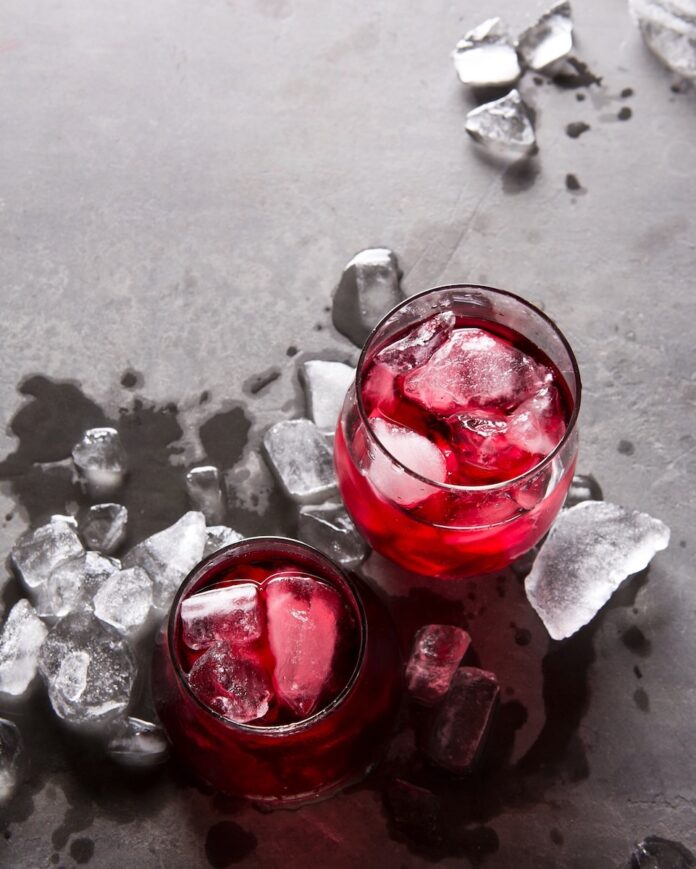
Sipping Chilled Red Wine
It wasn’t until years later, still serving, that I began to understand the benefits of iced – or rather, chilled – red. “Put it in the fridge for a bit before you drink it,” my employer said, handing me a beautiful, fruit-forward Barolo, which became smooth and soft with the cold edge. Inside the restaurant, ice cubes were swapped for a wine fridge, keeping the top-tier bottles at a cool 55 degrees.
Certain wines hold a chill better than others, according to Alyssa McGrath, a wine expert. She recommends looking for lighter-bodied and highly acidic wines. Bottles with notes of red fruit and tart flavors will hold up to a slight chill.
What Wines to Chill
Look for varietals like Pinot Noir from cool and high altitude climates. Alyssa recommends bottles from France and Northern Italy. She’s also a fan of Gamay, Zweigelt and Blaufränkisch varietals from Austria, Lagrein from Alto Adige, Italy, Cinsault from Southern France, and – if you can find a bottle – the rather obscure Pais from Chile. Natural wines, bottles with little to no sulfur added, also respond well to a quick trip in the fridge.
A somewhat elevated version of iced red, called a “chuggable” cocktail, shows up on menus in Spain, combining European not-too-sweet lemon soda (like a San Pellegrino Limonata) and a mild red wine. The addition of soda makes it far less potent and lighter than its tipsy cousin, sangria. Soda and wine might not be for everyone, however.
Chilled red, on the other hand, is. It’s the perfect thing for porch or poolside drinking, especially on a sweltering summer day. Sneak a few bottles in the fridge and thank us later.
Story by Maggie Weaver Photography by Adam Milliron
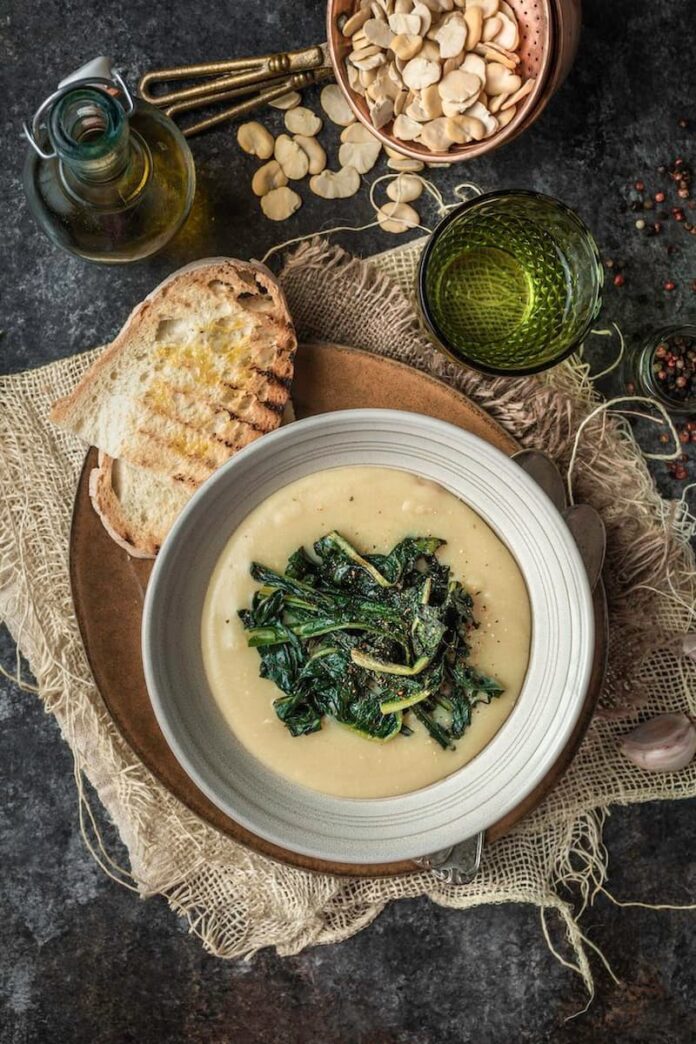
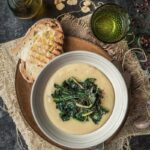
Fava Bean Puree with Sautéed Chicory is simple food at its best. Using ingredients that are typically bountiful in rural settings, it still pleases the stomach and the palate. By combining the sweetness of fava bean with the bitter taste of chicory, the dish appeals to the most sophisticated palates. Try serving it alongside a piece of crusty bread so you can sop up every last drop of goodness.
All About Fava Bean Puree with Sautéed Chicory
Fave e cicoria, meaning Fava Bean Puree with Sautéed Chicory, is a traditional peasant dish from the southern region of Apulia. It uses two humble ingredients that were and still are quite cheap, and using very basic cooking techniques. The dish is also known as macco Pugliese, where macco is a traditional dried fava bean soup from Agrigento, Sicily, which is served paired with different kind of greens depending on the region: chard in Sicily, chicory in Apulia.
Soak fava beans overnight, drain and then place them in a large pot along with potato, onion, carrots, celery, bay leaves and 1 whole garlic clove.
Add enough water to cover the beans and the vegetables by at least 2 inches. Bring to boil, then reduce the heat to simmer and cook, covered, for about an hour, until beans are smashed and tender, adding more water if needed and removing the foam when necessary. Season with salt and then cook for another 2 to 3 minutes to blend the flavor.
Remove onion, carrots, celery and bay leaves, then beat the potato and fava bean mixture with a wooden spoon until smooth, or use a hand immersion blender. Set aside (cooling off, the fava bean puree will thicken quite a bit; if you need to reheat it before serving, add few tablespoons of water).
Trim the chicory and cut it into 2 to 3 inch pieces. Bring a large pot of salted water to a boil, then add the greens and cook until they are soft, about 15 to 20 minutes.
Drain well, squeezing out as much liquid as possible.
Heat the extra-virgin olive in a large pan with the remaining garlic clove and the red pepper flakes. Cook for a minute or two, then add the greens, toss and sauté for a minute or two.
Serve a scoop of fava puree on each plate topped with a spoonful of the sautéed greens. Drizzle with a little extra-virgin olive oil, and sprinkle with cracked black pepper.
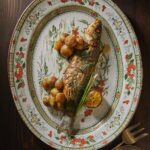
Chef Chris O’Brien from Hyeholde Restaurant in Pittsburgh shares his recipe for a juicy, Whole Roasted Branzini with a fennel salad stuffing, truffle butter sauce, and roasted potatoes.
A Little Hyeholde History
“It began with a romance the day William Kryskill told his bride that someday he would build her a castle on the crest of a cornfield where they stood.” And so begins the fairy tale of Hyeholde Restaurant, a castle-turned-eatery that sits high on a hill in Coraopolis.
The tale continues with Kryskill beginning the seven-year construction of his castle. Its design in 1931 was to be part-living quarters and part-restaurant. The next chapter sees Pat Foy at the helm. He transformed the place into a charming, sophisticated eatery. Soon after, he began constructing a new entry and laynched a nightclub in 1987.
Hyeholde Today and Its Whole Roasted Branzini
The current chapter of Hyeholde is now in the hands of Kryskill’s daughter. It infuses a menu of country French cooking with modern flair, under the eye of Chef Chris O’Brien.
O’Brien brings dishes to his menu that have been “lost over the years,” spicing them up with fresh, seasonal ingredients. Playing off the historic, rustic charm of the place itself, he plates up the comforting, rich flavors and textures of French cuisine, what he calls “simple food done right.”
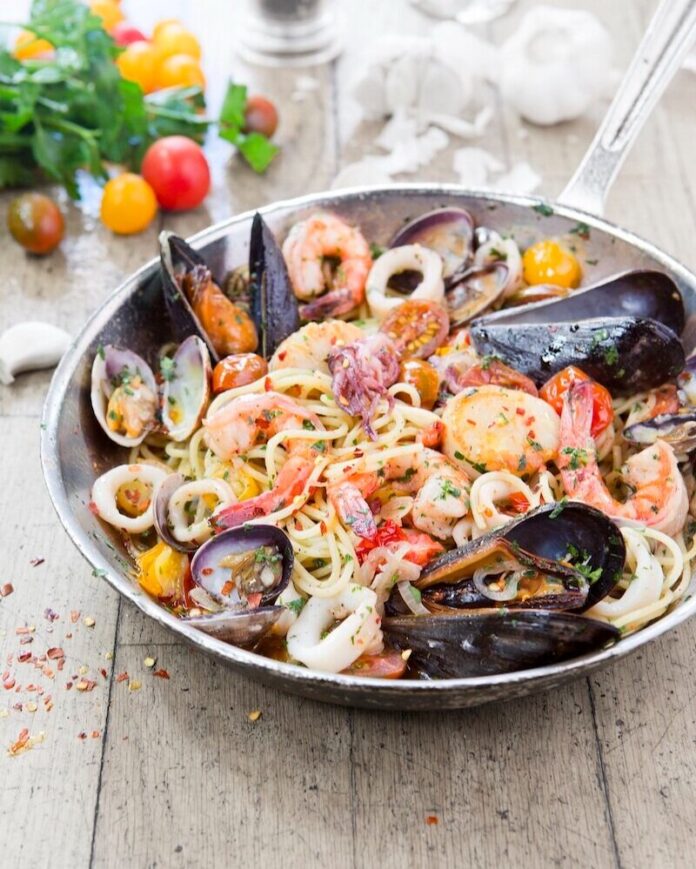
This summer, Seafood Spaghetti is all you need to go all-out al fresco. The fresh, light flavors of seafood mingle with a zing of zesty, in-season cherry tomatoes, and fragrant herbs. We like to think this dish belongs on an outdoor picnic table in the evening rays of sunshine. But, you can always keep it handy for when you’re craving a hearty serving of seafood.
Seafood Spaghetti Perfect for a Mediterranean Diet
Don’t feel the guilt while indulging in this delectable Seafood Spaghetti. This recipe actually aligns beautifully with the guidelines of a Mediterranean diet. Fresh, lean seafood like clams, mussels, and shrimp ensures a dose of protein. Then, nutritious and vibrant in-season tomatoes along with the use of heart-healthy olive oil play into the wholesome choices here. The best part is that it’s a meal that your whole family will enjoy while still adhering to your own dietary needs.
Your usual pasta dish gets a major upgrade with fresh seafood.
Ingredients
Scale
¼ cup olive oil
3 garlic cloves, chopped
3 shallots, chopped
1 lb shrimp, shelled and deveined
1 lb scallops
1 cup dry white wine
1 dozen littleneck clams, scrubbed
1 dozen mussels, scrubbed
1 lb calamari
1 lb spaghetti, cooked
1 cup pasta cooking water
2 cups cherry tomatoes, halved
¼ cup fresh basil, chopped
¼ cup fresh oregano, removed from stems
Instructions
In a large saute pan or paella pan, heat the olive oil. Add garlic and shallots, and sauté briefly. Add the scallops and sauté until just colored on each side. Remove to a large platter. Add shrimp to sauté pan and cook just until pink. Remove to platter.
Bring the wine to a gentle boil in a large pot and add the clams, mussels, and calamari. Cook until shells start to open, about 2 minutes. Remove the seafood to the platter.
Pour the white wine into the sauté pan and deglaze. Reheat the pasta in boiling water, then add to the sauté pan. Add herbs and tomatoes and toss to mix, adding pasta cooking water as needed. Add seafood and mix gently, and season to taste.
Move all to a serving platter and drizzle with extra virgin olive oil before serving.
Recipe by Stephanie Sullivan Photography by Adam Milliron
Tax Day is coming up on April 15, 2025 and just the mention of it can induce a wave of stress. Numbers swirling, forms multiplying, and the ever-looming question: will you owe money or get a refund? But fear not, fellow taxpayer! After a long day of financial wrangling, a cocktail will help ease the stress. You can embrace your feelings of dread with our Black Death Cocktail. Or, you can toast your prospects for a refund with a Classic French 75. Either way, we hope a lovely beverage brings you a little bit of relief on this complicated day.
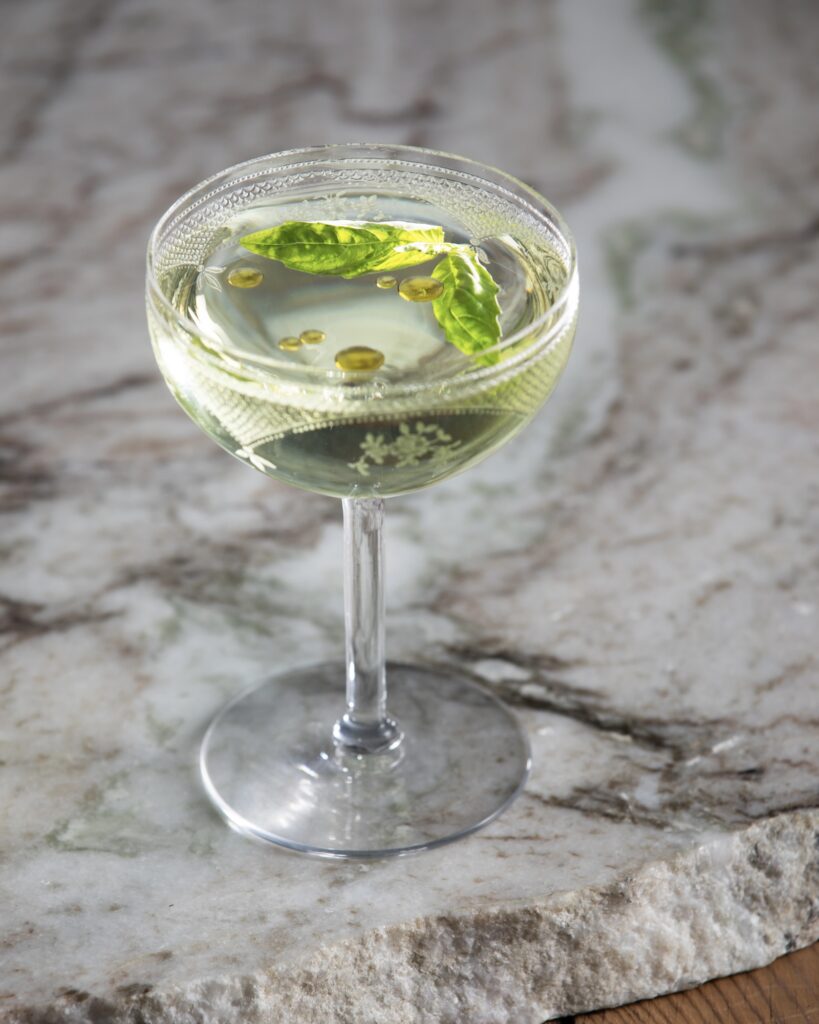
For those who enjoy a bit of herbal sunshine to combat math-induced dullness, the Lemon Basil Martini offers a sophisticated cocktail for your senses. The clean flavors of lemon and basil complement the vodka beautifully, making it an optimistic and satisfying end-of-tax-day drink.
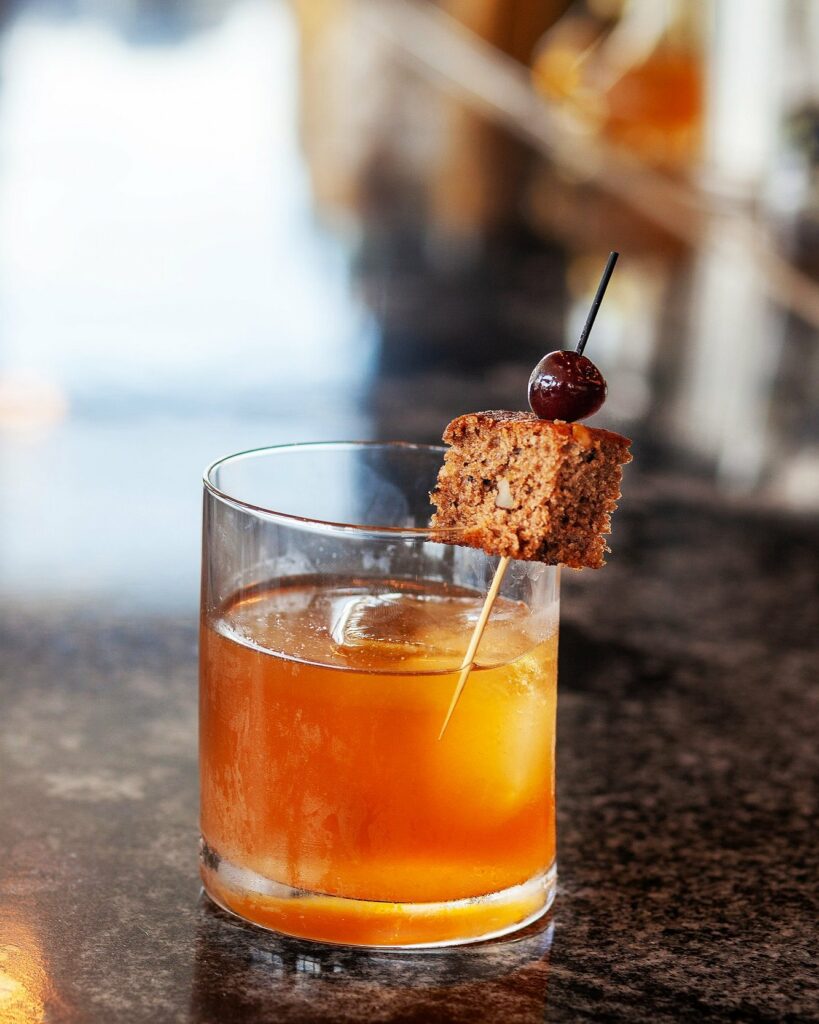
A little bit of comfort goes a long way when you’re stressed out by a maelstrom of numbers. The Banana Walnut Old Fashioned is a unique twist on the classic old fashioned, adding in the flavor of comforting banana bread. Banana liqueur and nutty walnut bitters add unexpected depth to the familiar flavor of whiskey.
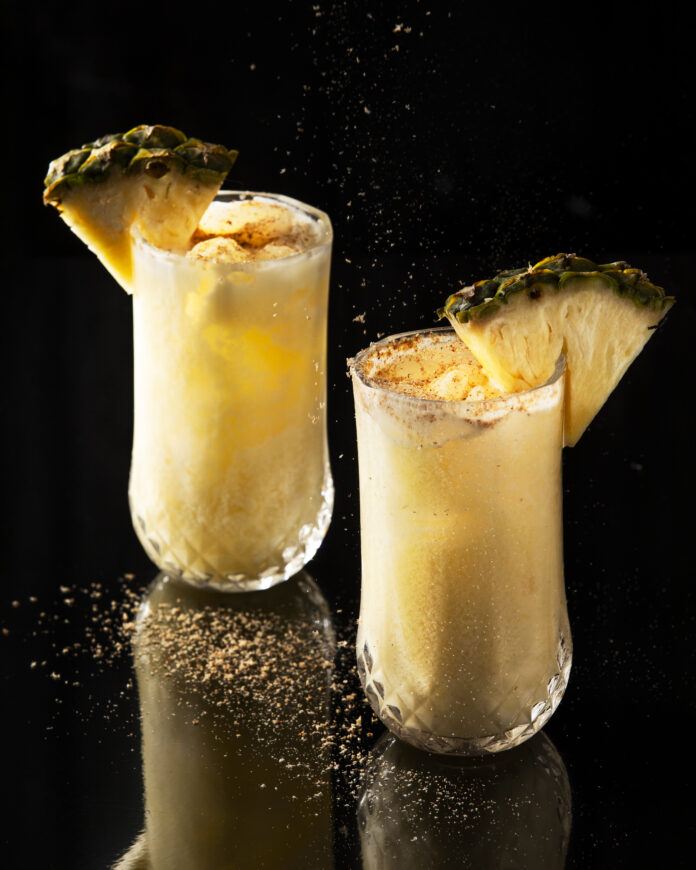
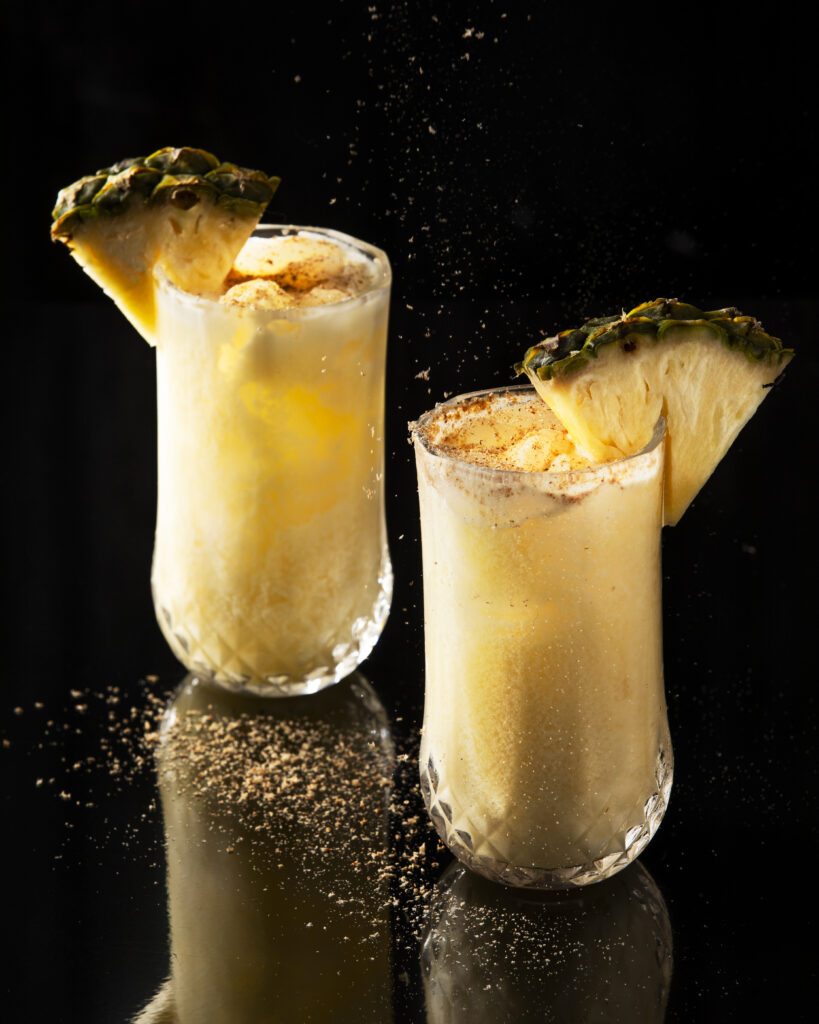
Feeling the tax-day pain? The PainKiller Cocktail, a tropical blend of rum, pineapple juice, orange juice, cream of coconut, and nutmeg, might be the perfect stress reliever or “painkiller”. It’s a bright way to unwind after a day of dealing with endless forms and complicated instructions.
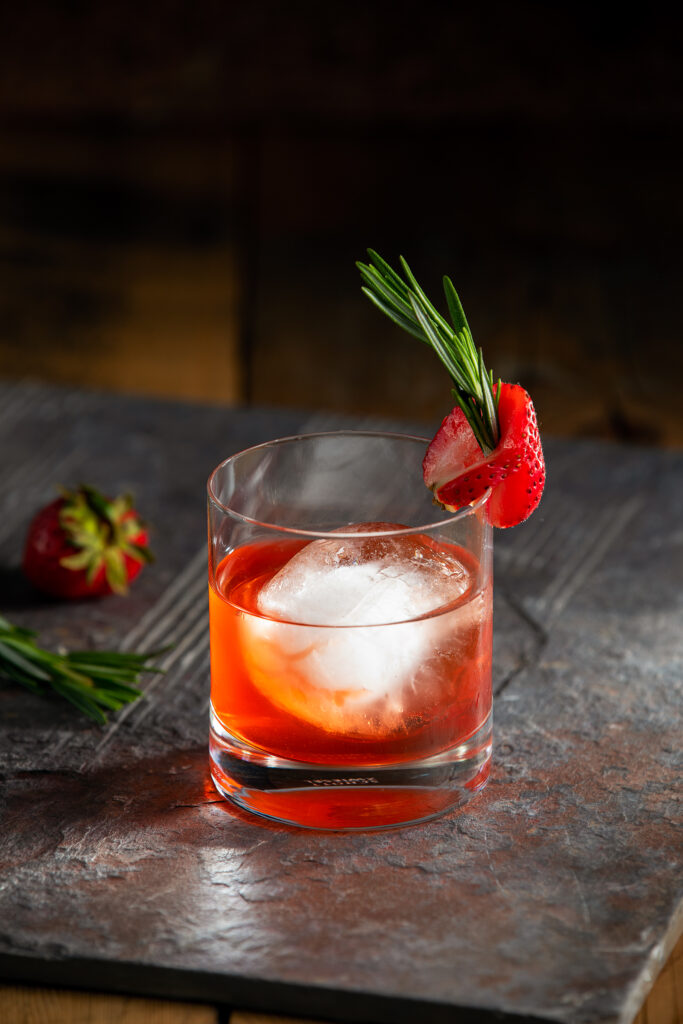
This drink is for when you want something that’s strong and… effective. Our Punch Drunk Negroni uses a fruity simple syrup and a bit of brut champagne combined with traditional negroni ingredients. It’s all too easy to drink so be careful or you might end up with a different kind of non-tax related headache the next day.
While we originally created this cocktail for the 2024 election, when suddenly everyone’s mind was on tiny numerical values and percentage points, Tax Day is one other time of year when margins of error start to seem very important. Maybe your Schedule C business expenses were, shall we say, rounded up by a margin. We won’t tell. Pour this one out to celebrate finishing your forms!
Taxes can be exhausting, especially when you have a full day ahead of you. Get a little energy boost with your stress-relieving cocktail thanks to our Espresso Whiskey Martini. We innovated the usual espresso martini to include whiskey and Frangelico for a sweet, warm sip.
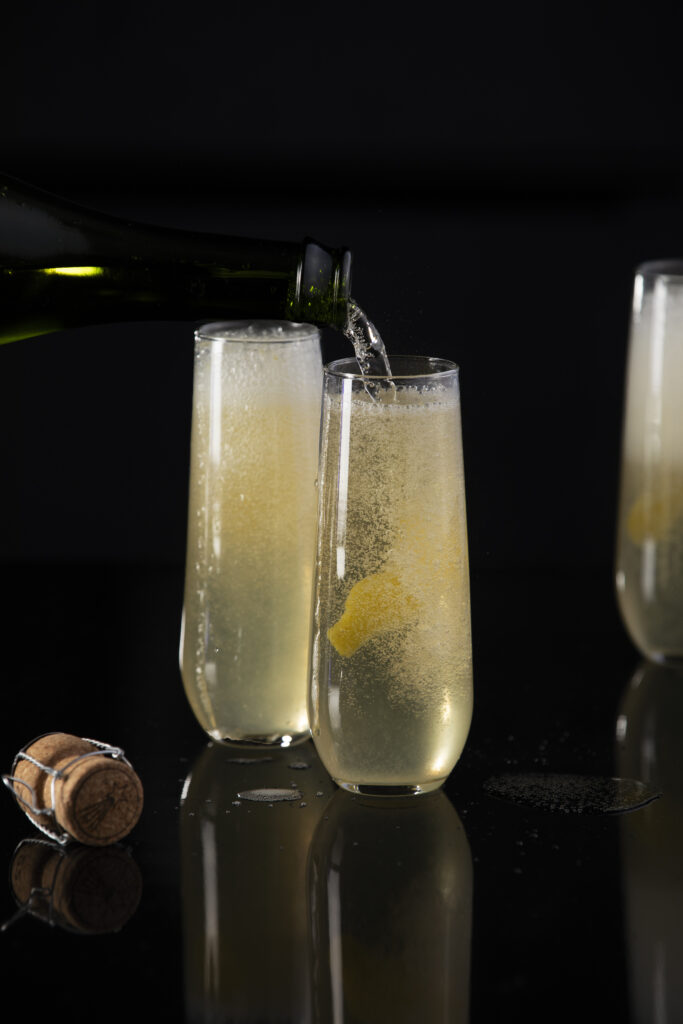
When your forms are complete and you see that big refund hit the screen, celebrate and pop some bubbly with a Classic French 75. This timeless blend of gin, lemon juice, champagne, and simple syrup is as elegant as it is refreshing.
This slow-cooked Lamb Rendang from The Aviary Kinderhook is fork-tender, rich with coconut milk made buttery and smooth in the process, and infused with the indescribably delicious layering of Indonesian flavors. Serve it with sides of sautéed greens and creamy polenta cooked with coconut milk and a bit of salt, and dressed with Indonesian sambal oelek, a ground chili sauce available at many grocers.
How Lamb Rendang Relates to Wine
Rendang is the sort of dish that unfolds as you eat it, inspiring a second helping, another sip of wine, and a long conversation with friends. We open a light but earthy 2019 Beaujolais Château de Fleurie, which plays beautifully with the burnished flavors of the Lamb Rendang.
A bit of coconut milk makes this slow-cooked lamb undeniably buttery.
Ingredients
Scale
2.5–3 whole rack of lamb ribs
3 tbsp canola oil, divided
Kosher salt
Freshly ground black pepper
6 small shallots, peeled and sliced
6 garlic cloves, peeled and sliced
4 oz. fresh red chilies (such as fresnos, red jalapenos, bird’s eye chilies)
1–3” knob fresh ginger, peeled and sliced
3 stalks lemongrass, tender white parts only, smashed
2 tsp ground coriander
1 tsp ground cumin
2 tsp ground turmeric
½ tsp ground cardamom
1 tbsp palm sugar, or more to taste
3 makrut lime leaves
1 cinnamon stick
1 can full-fat coconut milk
1 tbsp tamarind juice
Instructions
To make the rendang paste, process shallots, garlic, chilies, ginger, and lemongrass until finely minced.
In a medium saute pan over med-low heat, add 1 tbsp canola oil and add aromatic paste, spices, palm sugar, lime leaves, and cinnamon.
Cook the spice paste for about 1 hour, stirring occasionally and allowing it to maintain a gentle sizzle as it deepens in color.
Whenever the spice paste starts sticking to the bottom of the pan, add coconut milk a few tablespoons at a time to help dislodge the fond and continue stirring (use up all the coconut milk).
By the end, the rendang paste should be deep brown in color and the coconut oil should have separated from the solids.
Add tamarind juice. Allow paste to cool to room temp before using, or store in the fridge for up to 1 week.
Season lamb rack with kosher salt and black pepper. Heat a large cast iron pan or dutch oven on medium-high and add 2 tbsp canola oil.
When oil just starts to smoke, place lamb rack fat side down in the pan. Turn heat down to med-low and allow fat to render and brown without burning, adjusting heat as necessary (at least 10-15 mins).
Once the fat has rendered, sear the remaining sides until deeply browned.
Remove rack from pan and place onto a sheet tray (cool and save lamb fat for another use). Coat rack generously in rendang paste, and roast at 350F for 15 minutes or until a thermometer probe inside reads 125F.
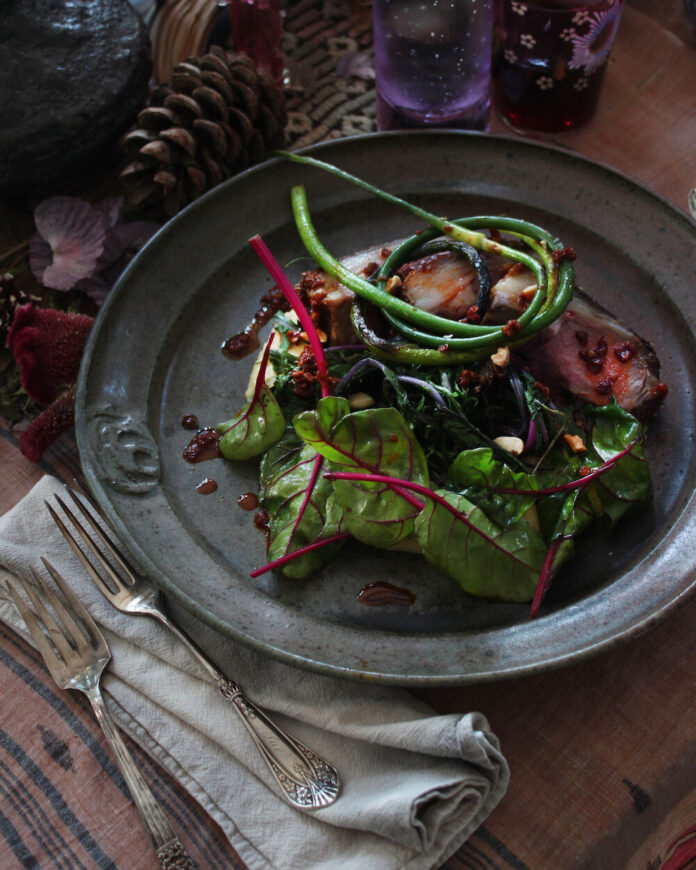
Rest for 10 minutes before slicing. Serve over coconut milk polenta or jasmine rice, simply prepared vegetables (such as garlic scapes, spring onions, swiss chard), and plenty of sambal.
Aniseed, wormwood, and fennel. When talking absinthe, this is the holy trinity. It’s also what makes our Absinthe Gimlet so delicious.
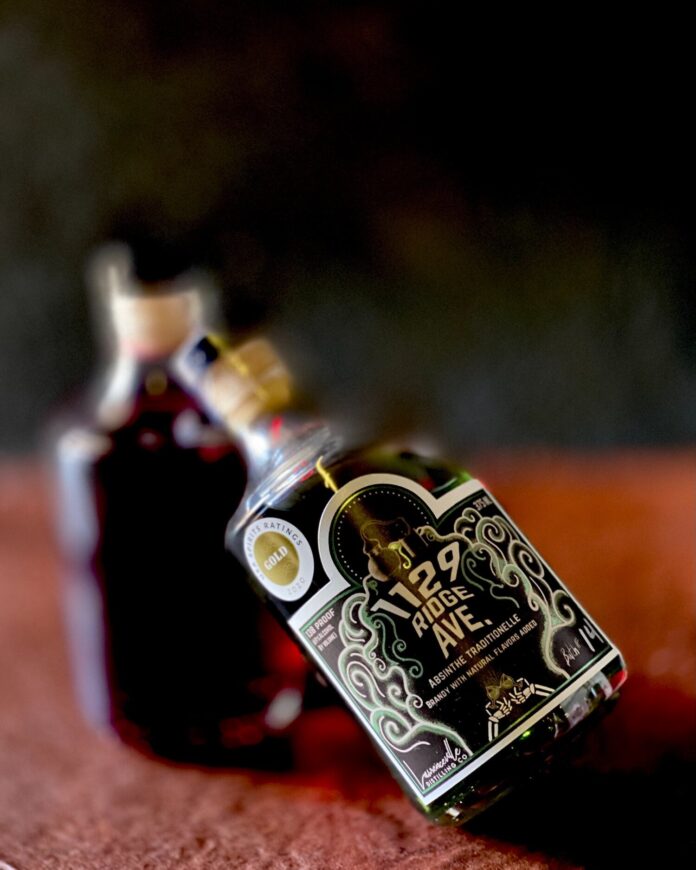
Every bottle of the spirit contains these three botanicals, which gift the green drink its signature, herb-forward, licorice-y taste. In the case of local absinthe-maker Lawrenceville Distilling Co., this holy trio blends with brandy and distills down, making their signature 1129 Ridge Ave. Absinthe Traditionnelle.
Absinthe Education
Though the spirit has experienced a rise in popularity over the last few years, it’s had an eventful past (to say the least). Absinthe, or, as it’s famously known, the “green fairy,” has been rumored to cause hallucinations; it’s even been banned from the U.S. because of its potency and potentially toxic nature.
But, sorry to rain on your parade, absinthe does not induce madness or visions. According to Lawrenceville Distilling Co.’s FAQ page, we now know these false side effects are from alcohol poisoning and poor product regulation, leading to cheap variations with harmful ingredients.
(Another theory is that the wine industry, frustrated that drinkers were trading wine for the green stuff, started a smear campaign against absinthe. Their propaganda claimed that the spirit was responsible for violence, madness, and other dangerous acts.)
Lawrenceville Distilling Co.’s Absinthe
Lawrenceville Distilling Co., who launched their green absinthe in 2019, has even released a variation: Absinthe Rouge. Instead of absorbing chlorophyll from a bundle of hyssop, melissa, and wormwood for color, the spirit’s vibrant, luscious red comes from hibiscus. It gives the rouge spirit a more approachable, floral taste, rather than the powerful herbal qualities of the verte absinthe.
Both have plenty of uses. Try either absinthe the original way, prepared via La Louche, a process that slowly adds water to the absinthe, diluting the spirit and transforming it into a cloudy, floral-forward beverage. (A sugar cube is often in this method. You can pour water over the sugar cube, or it mix it in.)
You can also use absinthe as a rinse to prime glasses for cocktails. The current TABLE favorite, fully showcasing the spirit’s “big flavor,” is a play on the classic gimlet, using absinthe and lime juice.
Spring is in the air and Easter celebrations are hopping into full swing, which means you need selection of cocktails and mocktails to match! We asked five local mixologists to help us toast the season with a lineup of festive cocktails and mocktails inspired by the classic song, Here Comes Peter Cottontail! Their delightful concoctions capture the whimsy and joy of Easter, and you and your guests will have fun shaking, stirring, humming, as well as sipping. Enjoy!
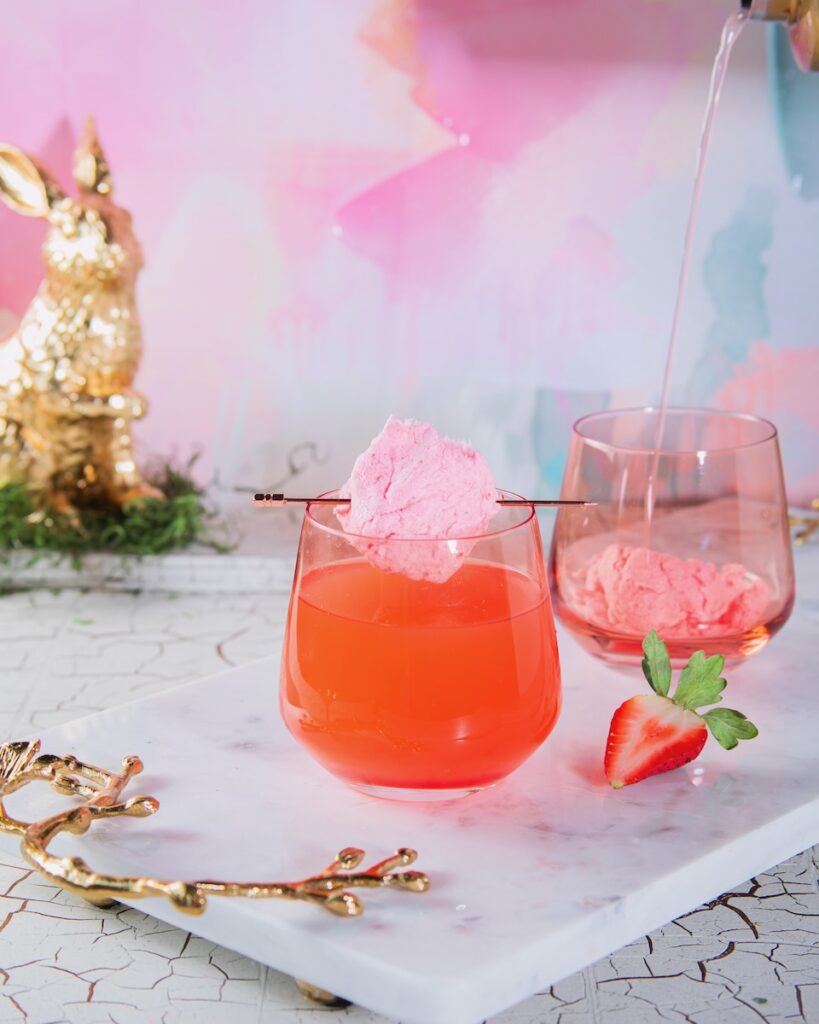
Start your Easter brunch off with Here Comes Peter Cottontail, a refreshing cocktail or mocktail bursting with bright notes of strawberry, lemongrass, and grapefruit. But the flavor experience doesn’t stop there. Vallozzi’s mixologists, Laura Karner and Stephanie Yarup, added more to the drink. “We immediately wanted to make a fun cotton candy cocktail when we heard our assigned line was ‘Here Comes Peter Cottontail’. To welcome spring, we wanted a bright sangria with plenty of fruit and botanicals.” They complete their drink with pure fun: a puff of cotton candy garnish goes in the glass before you pour the cocktail.
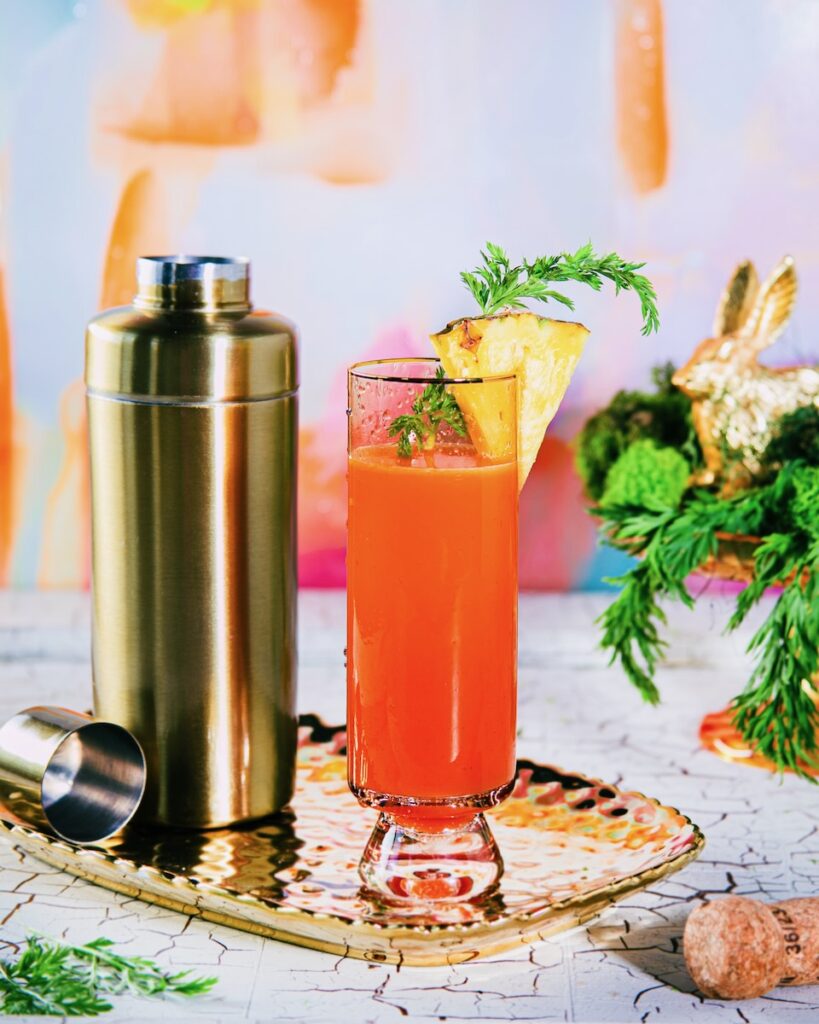
Upon hearing that his assigned lyric involved hopping down the bunny trail, Square Café’s Steven Krall pulled his juicer onto the bar. In it went fresh carrots, ginger, and pineapple. Out came the freshest, most flavorful blend of juices. (Don’t worry; for those who don’t juice, he also specifies store-bought juice equivalents in his recipe.) Then, he adds lime or lemon sparkling water and a healthy dose of prosecco – which, in the mocktail version, is omitted. With or without alcohol, the resulting quaff will have you just as bubbly and jazzed as a buzzed bunny either way.
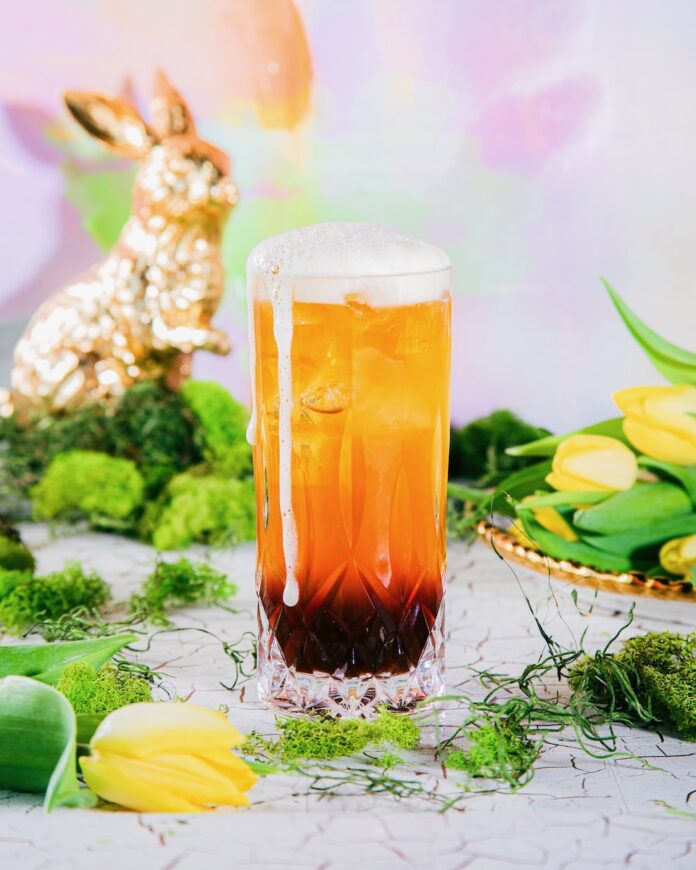
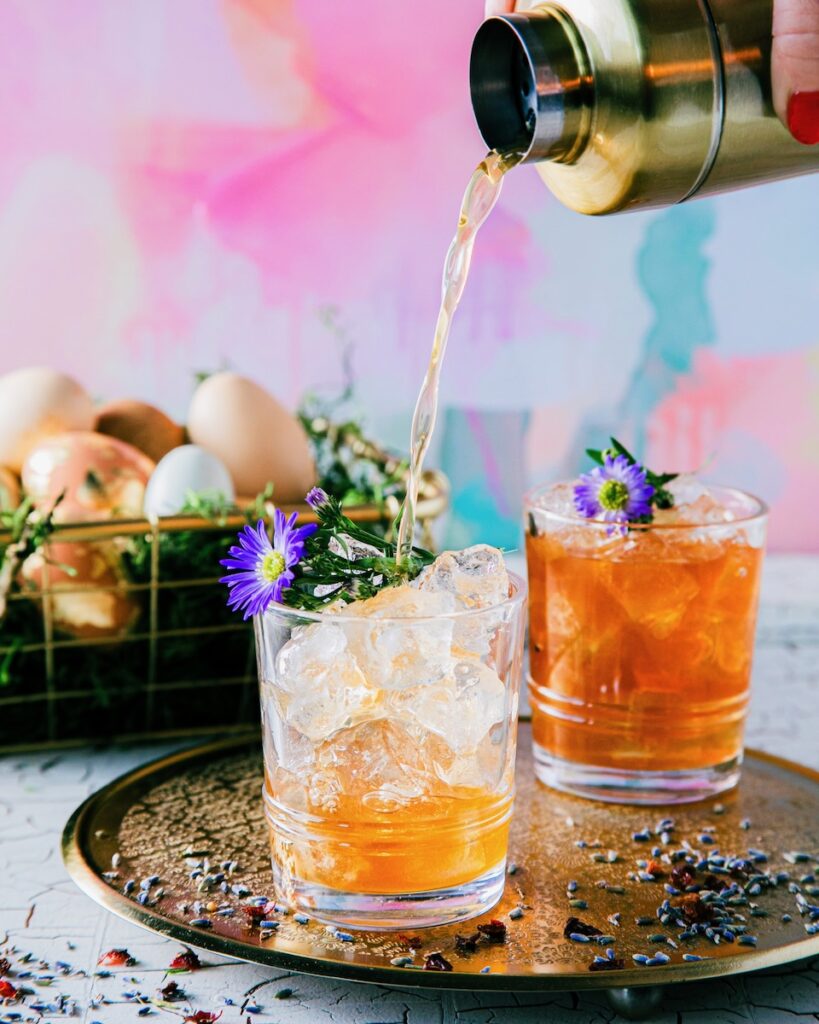
Collin McNamee’s behind-the-bar genius lit up with the idea of capturing the ineffable, entirely magical quality of hippity in a glass. In his view, no doubt inspired by the hallucinogenic interior of Cobra, hippity is poetically linked to the perfumed qualities of rose hip and lavender, so his recipe starts with a colorful tea made from these floral elements. Add lemon juice and strong honey syrup to complete his mocktail version, and also a glug of the botanical notes of gin to bring a cocktail into being. The taste buds will wander happily through this garden of flavors. And, perhaps, you’ll meet the Easter bunny along the way.
Hoppity evoked the seductive appeal of hops for The Commoner’s Blaise Malandra, so a hoppy IPA-based drink was inevitable. Add to that special tingling of the taste buds drops of hopped grapefruit bitters, Cynar, Sfumato, and strawberry syrup…and you get a treat that has all the appeal of jellybeans and Jolly Ranchers, but with a sophistication that’s entirely grown-up and delicious.
What does Peter Cottontail want when he finally reaches that delightful little bar at the end of the Bunny Trail? Carrot juice, of course. Cam Dickson reaches into his stash at Ritual House to add tequila, lemon and lime juice, vanilla syrup, and an egg white. After a hard shake in a cocktail tin, out comes a frothy, tangy, yet still sweet cocktail that would calm the nerves of even the jitteriest, travel-weary bunny. Swap out the tequila for pineapple juice in the mocktail version. Both will refresh and delight you!
Story by Star Laliberte Styling by Anna Franklin Photography by Laura Petrilla
Drinking sake is a lot of fun, school is not. To enter the world of sake, however, you have to learn a little math, a little science, a little vocabulary, and a dash of history. Sake is delicious, but it requires a baseline level of knowledge to figure out what you’re going to like.
Sake 101
Like wine, sake’s story is a mixture of history and science, and you can approach it from wherever you want to start. If you want to nerd out about fermentation, you can do that with sake. If you want to learn about Japanese history, you can also go that way. There’s an endless amount of access points for it, but we’re going to give you a brief overview of how it’s made, what tasting notes to look for, and why it’s so good. School is in session, so take your seat…
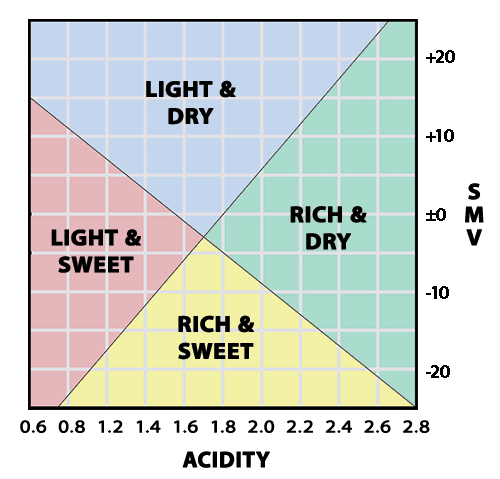
Sake Meter Values & Acidity
There won’t be a lot of math. We promise. You’ll just have to read a graph and remember how x and y axes work. The flavor profile of sake has a special system of measurement—SMV (Sake Meter Value) and then acidity. The graph of these two things gives you the character of what you’re drinking. Will it be dry? Sweet? Light? Heavy? A negative SMV will give you a sweeter character, while a positive one will give you a drier sake.
Courtesy of Sake Hub.
“Nigori, which you’ll find a lot in the domestic market, starts at -10,” beverage director and Skurnik Wines importer Alyssa McGrath explained. This makes it ideal for the end of a meal, since it’s sweeter, like a dessert wine is.
How Do You Make Sake?
As with other types of liquor, producers have to make choices along the way that have far-reaching consequences for what goes into the bottle in the end. Beyond the acidity and SMV scale, the other things that give sake its character are polishing, koji, and whether or not the brewer decides to add in distillate, which is extra alcohol. Adding distillate changes the flavor and consistency of the final brew.
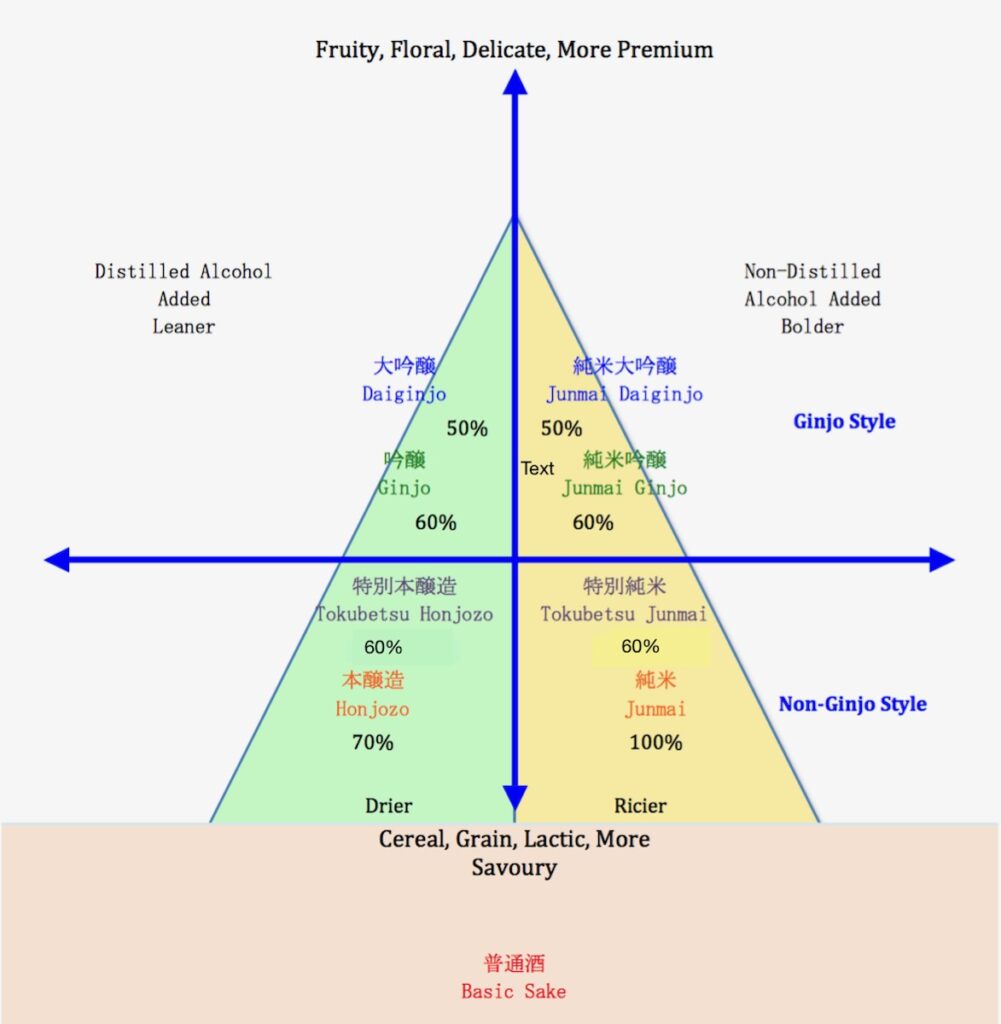
Polishing is the process by which producers mill the rice to get rid of the outer layers. Typically, the higher the polishing rate, the smoother and more delicate the product is. House of Sake produced a diagram to illustrate this concept.
Courtesy of House of Sake.
The percentages refer to minimum rice polishing. The higher up it is on the diagram, the more premium, but the number is lower because it refers to the ratio of un-polished rice to polished rice. So, if you’re looking to impress with sake, you want to look for the lower number, since the lower it is, the more ground-down the rice is. A 50% polishing percentage means the rice is now 50% of its original size.
Along with the math, allow me to break down a brief vocabulary lesson to guide looking at the terms in the triangle:
Junmai means “pure rice.” This indicated that the producer didn’t add any distillate into the sake.
Honjozo will have a bit of distillate added in—so you get a higher alcohol percentage and a leaner body.
Ginjo also has an addition of a distillate, but its polishing is more refined than Honjozo, hence why they are not the same thing. As you go up the pyramid, you see the Tokubetsu (meaning “special”) and Dai (meaning “big”) prefixes to show what’s considered more refined.
There is a sub-style, Junmai Ginjo, that is also a higher polishing level than your typical Junmai but doesn’t have that distillate in it.
Each of the terms tell you how polished the rice is and whether it has distillate. So, looking at all the information nested in the vocabulary words, Junmai Daiginjo is a highly polished, no-distillate sake. Daiginjo is a highly polished sake that does have distillate. Tokubetsu Honjozo will be a 60% polishing percentage with the addition of distillate.
Koji: A Little Mold Goes a Long Way
Koji is a mold, but it’s not the type of mold you’re thinking. It’s what makes sake alcoholic. Normally, the idea of ingesting mold is unappealing. But in this case, koji-kin, a small, harmless to eat mold, is cultivated onto the rice during the sake-making process. All drinks that come from starches require something to break down the starch into sugars, which the yeast in the starch will eat to create alcohol. However, you can’t “malt” rice the way you can with barley. So, something else has to happen in order to create alcohol.
That’s where koji comes in. Producers grow koji is a separate part of the brewery called a koji muro and then sprinkle it onto steamed rice. The koji is in an integral part of the sake-making process and it influences the quality and flavor of the final beverage. Even the material on the walls of the koji muro can make their way into the final beverage’s flavor profile. At the higher end, there’s one more categorization: namazake or unpasteurized sake, which brewers don’t add heat to. That’s the purest form of sake, with the freshest expression of the koji in it.
The History of Sake
Ok, maybe you’re sick of looking at graphs and talking about mold now. What about the history? “Traditions of sake go back hundreds of years. There’s a big focus on the cleanliness and the pristine nature of the water. The water is part of what gives sake its regional character,” McGrath said. The technique of making sake originally came from China but gained prominence in Japan. (There are many such historical and cultural crossovers between Japan and its neighbor, such as the kanji writing system). The first recorded mention of sake in Japan is in the third century, and the first mention of commercial breweries appears in the 1400s.
Sake’s first introduction to the global economy was in 1852, during the Meiji period when Japan opened its borders and entered the international trade market. Sake has taken off from there, and there are now sake producers all over the world. It’s become as prestigious as wine and whiskey, with a separate WSET certification to focus on it.
What is it Like to Drink Sake?
Yeah, yeah, history is cool, science is interesting…but beverages are for drinking. As the graphs earlier showed, sake can be drier or sweeter. Often, you’ll find tasting notes referring to more umami (think mushroom-like savory fullness) or more floral or fruit notes depending on the koji, polishing percentage, and regionality.
Different regions of Japan produce different profiles. Kobe, famous for their beef, also produces a lot of sake. The Kobe style tends to have a fuller-body to stand up to the juicy meats. Sake from Hokkaido, by contrast, will pair well with fish, because seafood is a huge part of that region’s cuisine.
When you see “cloudy” sake, that means it’s Nigori, the sweeter style that has some sediment left over from the brewing process. Nigori sake was actually once banned in Japan, during the Meiji period when the country wanted to modernize. The Japanese government thought the clear style looked classier, so Nigori was out. But now, Nigori is one of the most popular kinds of sake for its sweet taste and relative accessibility.
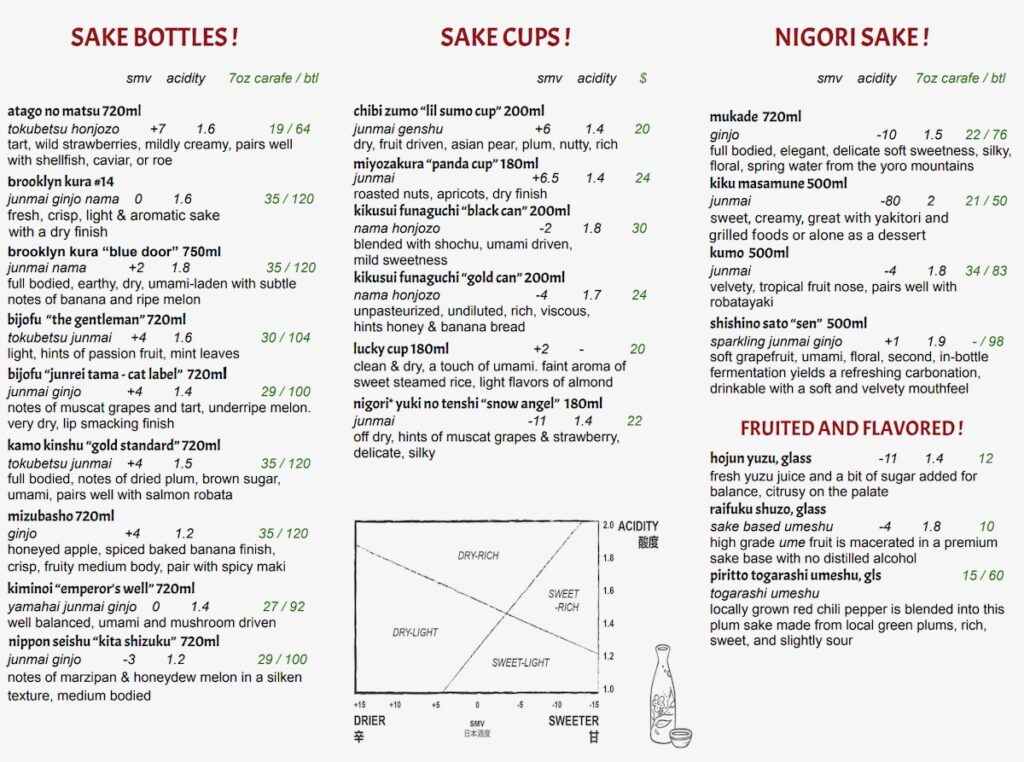
An example menu from Roger Li’s Umami can help you put your knowledge to the test. See if you can recognize the terms and what each one means!
Courtesy of Umami.
A great way to experience sake’s diversity in practice is a sake flight, which most Asian restaurants (including Umami) offer. The differences are dramatic between different cups of sake. McGrath also encourages people to serve sake with non-Japanese food. Often, because the language seems unfamiliar, people don’t make an effort to learn about it. But sake is as versatile as any other liquor. After all of those numbers, I definitely want a carafe of sake. School’s out.
For more, check out the rest of our liquor education series: