Home Blog Page 61

Carbonara with Handmade Charcoal Trenette

0
Three bundles of handmade charcoal trenette made intoa. traditional Carbonara with yellow cheese on top of each pile.

Fiore Moletz, founder of Della Terra and Bur’ghers, brings a ton of personality and flavor to everything he does. He can’t help it. It’s who he is. And thank heavens: when you sit down to a meal you can just relax and let the bravura flavors play out on your palate. He’s already taken care of everything. You’re in good hands. Especially if you try his take on traditional Carbonara. The name refers to coal mining culture, and Fiore puts a literal spin on this classic Italian dish by adding a bit of refined charcoal powder to the pasta recipe.

What is Charcoal Trenette Pasta?

The trenette pasta shape is a staple of the northern Italian regions of Genoa and Liguria. You may recognize a similarity to linguine and fettuccine.

Trenette pasta calls for eggs, which differentiates this recipe from Fiore’s southern Italian orecchiette, which only calls for flour, semolina, and water.

While trenette is traditionally alongside a Pesto sauce, or with potatoes and beans, Della Terra’s interpretation includes the addition of charcoal powder and a traditional Carbonara sauce, a staple of Roman cuisine.

The Meaning Behind Carbonara

There are many theories on the origin of this world-famous pasta sauce. If you were to ask 3 different Italians, you would most definitely receive 3 different answers. However, there is one thing that is universal: never use cream or milk in this sauce! As in never, ever! Instead the creaminess comes from the combination of egg yolk and rendered pork fat and grated cheese, tempered by the gentle heat and starchiness of some pasta water.

The name itself means “the charcoal burner,” and some also believe this filling dish was made to satiate the hardworking coal miners after a arduous day’s work. Fiore’s modern interpretation brings the charcoal into the trenette pasta for an exciting twist on a legendary Italian pasta dish.

Print
clock clock iconcutlery cutlery iconflag flag iconfolder folder iconinstagram instagram iconpinterest pinterest iconfacebook facebook iconprint print iconsquares squares iconheart heart iconheart solid heart solid icon
Three bundles of handmade charcoal trenette made intoa. traditional Carbonara with yellow cheese on top of each pile.

Handmade Charcoal Trenette


  • Author: Fiore Moletz

Description

Learn to make a handmade pasta with care.


Ingredients

Scale
  • 340 gram ’00’ flour or bread flour
  • 4 whole eggs
  • 1/2 tbsp activated charcoal powder


Instructions

  1. Mix flour with charcoal powder. Place flour on work surface and make a well in it. Add the eggs to the well, and begin mixing eggs into flour with a fork.
  2. Once egg has mixed into flour slightly, begin kneading the dough until has become a cohesive ball. Cover and allow to rest for 10 minutes.
  3. Either through a roller or by rolling pin, begin rolling out dough in to thin sheets, until the thickness of a piece of spaghetti.
  4. Cut by hand or by machine into long, thin strands, and dust strand with flour to prevent sticking. Let strands sit for 10-15 minutes before cooking.

Notes

Charcoal powder will darken everything it touches.

Print
clock clock iconcutlery cutlery iconflag flag iconfolder folder iconinstagram instagram iconpinterest pinterest iconfacebook facebook iconprint print iconsquares squares iconheart heart iconheart solid heart solid icon

Carbonara with Handmade Charcoal Trenette


  • Author: Fiore Moletz
  • Yield: 1 serving 1x

Description

A traditional Carbonara with the added touch of Handmade Charcoal Trenette pasta.


Ingredients

Scale
  • 1/4 lb Charcoal Trenette
  • 2 oz pancetta, cut into lardons
  • 1 oz julienned white onion
  • 1 whole egg plus whites of one egg
  • 1 egg yolk
  • Canola Oil for cooking
  • 1/4 cup parmesan cheese, plus more to garnish
  • Fresh black pepper
  • Salt to taste
  • Reserved pasta cooking water


Instructions

  1. Bring cooking water to a boil in large pot and season with salt. It should taste like the sea!
  2. Place pancetta in saute pan over medium-low heat. Once the fat from pancetta begins to render off, add onions to pan.
  3. Continue to cook until pancetta is brown and onions have softened and begin to develop color. The pan should have some color on it as well.
  4. Add 3 ounces of pasta water to pan to deglaze pan and set aside.
  5. Whisk 1 whole egg and egg white together with 1/4 cup parmesan cheese, and black pepper.
  6. Cook 1/4 pound of pasta in boiling salted water, around 3-4 minutes.
  7. Once pasta is cooked, add pasta to pancetta pan and return to medium-high heat. Add egg mixture to pan before it gets too hot and continue to toss pasta together over medium high heat. Make sure to keep pan moving the entire time, otherwise eggs will begin to cook, which you don’t want.
  8. Continue to cook and toss pasta until egg mixture begins to thicken slightly. Add in 1 tablespoons of extra virgin olive oil while tossing pasta. Keep tossing over medium high heat until egg mixture has attained silky texture and has coated the pasta.
  9. Twirl pasta onto plate, making a small well in the top. Grate parmesan cheese over top of pasta to cover the top. Place the egg yolk in the center of the cheese to make it look like an “egg”. Garnish with black pepper and the best olive oil you can find.

Recipe by Fiore Moletz
Story by Justin Matase
Styling by Keith Recker
Photography by Dave Bryce
Videography by Dana Custer and Ariella Furman

Subscribe to TABLE Magazine’s print edition.
Mussels in Broth

0
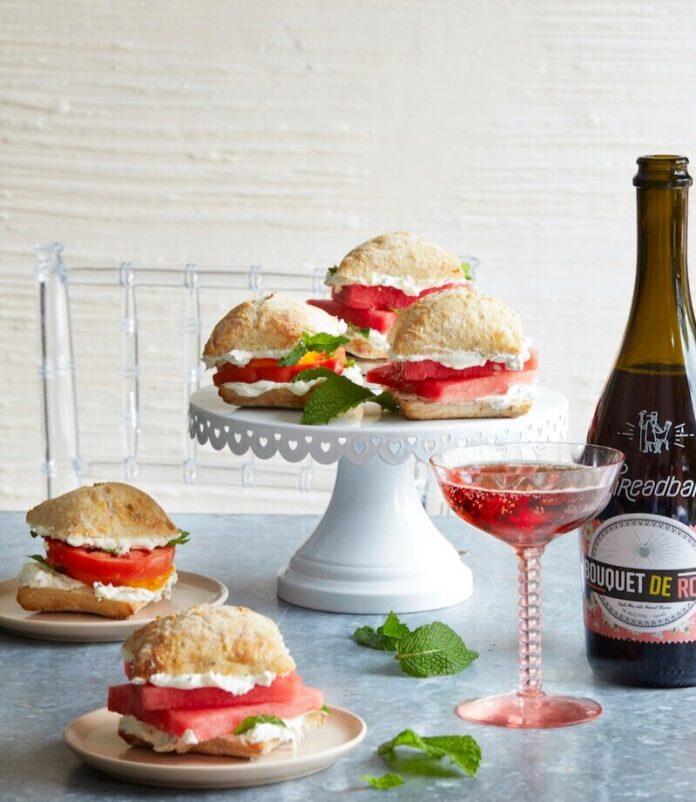
A small bowl hols Mussels in a broth that sit on a plate with two pieces of toasted baguette beside the bowl.

This Mussels in Broth recipe creates a warming dish that infuses this shellfish with spices and dry white wine. Try it with a few pieces of baguettes and you’ll find your next meal delightfully care of. To make this recipe, Blame Her Ranch hosted TABLE Magazine New Mexico for an incredible dinner party under the stars. Chef Leslie Chavez created superb dishes for the occasion that were enjoyed with a selection of Gruet wines and beverages from Leaf & Hive.

What’s the Difference Between Mussels, Clams, and Oysters?

Mussels, clams, and oysters, while all bivalve mollusks, are still distinct in their appearance and flavor. Mussels usually have more of an elongated, dark blue or black shells and attach to surfaces using their strong threads. Clams on the other hand are rounder in their shell shape and burrow in sand or mud, meaning a saltier, chewier texture. Oysters, with their rough, irregular shells, have a briny and sometimes creamy flavor. These differences are the reason why we choose to use mussels with our broth. Their texture is tender while maintaining a sweet, briny flavor too.

Print
clock clock iconcutlery cutlery iconflag flag iconfolder folder iconinstagram instagram iconpinterest pinterest iconfacebook facebook iconprint print iconsquares squares iconheart heart iconheart solid heart solid icon
A small bowl hols Mussels in a broth that sit on a plate with two pieces of toasted baguette beside the bowl.

Mussels in Broth


  • Author: Leslie Chavez

Description

A warm and savory broth with perfectly tender mussels.


Ingredients

Scale
  • 2 tbsp butter
  • 3 small shallots, thinly sliced
  • 4 garlic cloves, finely chopped
  • 2 cups low-sodium chicken stock
  • 1 cup dry white wine
  • 4 lb mussels, cleaned
  • Splash of heavy cream
  • 1/2 cup fresh parsley, roughly chopped
  • Salt and freshly ground black pepper
  • Lemon wedges, for serving
  • 2 baguettes, warmed for serving


Instructions

  1. Melt butter in a large pot with a lid over medium heat. When the butter begins to bubble, stir in the shallots and garlic. Cook until softened, about 5 minutes.
  2. Add the chicken stock, white wine, and mussels, and then give them a good toss. Cover the pot with its lid and cook until all the mussels have opened, 8-12 minutes. If any mussels do not open, discard them.
  3. Remove the pot from the heat, then stir in the cream and parsley. Taste, then add more salt and  pepper to taste.
  4. Cut the baguettes lengthwise and toast.  Rub the toast with a garlic clove for some lovely garlic flavor. Serve in big bowls with lemon wedges and bread to sop up the broth.

Recipes Leslie Chavez
Styling by Robert Nachman
Photography Gabriella Marks

Subscribe to TABLE Magazine’s print edition.
Educate Yourself on Shellfish

0
Various shellfish sit in groups on ice and platters such as raw shrimp, snow crab claws, oysters, scallops, lobster tails, and mussels.

TABLE’s “Food Education” series aims to open up the doors of possibility for some new adventures for the taste buds and first up is shellfish!

Educate Yourself on Shellfish

Tuscan clam soup in a pot.

Clams

Clams can heighten humble recipes to extraordinary heights. We’re partial to northern quahogs, also known as the Atlantic hard-shell clam. Classed by size as topnecks or littlenecks, they come predominantly from the coastal waters of Virginia. Littlenecks are less chewy and can be enjoyed raw on the half shell.

Easy to prepare, clams reward even beginners with an expansive flavor profile and an affinity for absorbing the flavors that surround them. In our direct-from-Italy Tuscan Clam Soup recipe, for example, they offer a briny balance amid the acidy ping of tomato, bouquet of white wine, and aromatic garlic notes. Clams also add a perfect salty bit to pasta, and are at home in most chowders.   

7 roasted oyster with corn and herb garnish on a blue plate and 2 oyster shells and a beer sitting on a dark colored surface. seafood dishes

Oysters

It is fair to compare oysters to wine. As much as the vine’s temperature, soil, and age inform the grape’s complexity, the 200 varieties of oyster are similarly shaped by their aquatic terroir. Shown here are Wholey’s Chesapeake oysters, which are milder in taste than most Pacific, Eastern, Kumamoto, Olympia or European oysters because of the Chesapeake Bay’s brackish mix of freshwater and seawater.

When in the presence of a fine fresh oyster, simplicity is the best option: carefully shuck one, and add just a gentle squeeze of lemon or a dab of cocktail sauce to open the palate. More elaborate oyster dishes, however, are wonderful, such as Roasted Oysters with Cornbread, Leek & Banana Peppers from Chef Sarah Baugher of The Speckled Egg.

Coconut Curry Mussels sit in a big white pot with a small plateful sitting nearby and a baguette in half beside the plate.

Mussels

Coldwater blue mussels harvested from the waters of the Eastern Seaboard coast can be found naturally, but most are farmed on suspended ropes and harvested commercially. Available year-round, this rich and hearty bivalve is a fatty and briny bite strong enough to carry a main dish or subtle enough for a little mystery as part of a more layered recipe, like our Coconut Curry Mussels. A traveling circus of bold yet balanced flavors, this dish is a solid introduction to mussels at home. Remember to avoid mussels with cracked shells…and if it doesn’t smell fresh, it isn’t.

a black table with a round metal pan with clams, scallops, crab legs, lobster, and shrimp

Lobster

In the words of Pittsburgh seafood master, Sam Wholey, “Lobsters are the most delicious and versatile meat.” For the best lobster experience, choose a live lobster: the sweetest, freshest, buttery bite comes from fresh, in-the-tank lobsters. Most folks boil a fresh lobster and dip the cooked meat in drawn butter with a bit of fresh lemon juice. Sam also offers fully cooked lobster claws and knuckle meat which you can use to introduce your family to this delicacy in the form.

Simplicity meets luxury with this flavor-packed crab quiche recipe from Chef Jackie Page.

Snow Crab

You may know something about snow crabs by watching the Deadliest Catch on the Discovery Channel. Entertainment value aside, snow crab is another delicious and versatile gift from the ocean floor. Unlike their burlier king-crab cousins, snow crabs are smaller with a more delicate shell. Their meat is tender and sweet and best enjoyed, in our opinion, in a quick dip of melted butter after a brisk 5- to 10-minute steam bath. You will likely buy frozen since they are harvested in Alaska and Canada between October and January. If you’re searching for a dish in which to include this seafood, try Chef Jackie Page’s Jarlsberg & Crab Quiche.

Brown Butter Scallops on a tray with asparagus in the surroundings. A red chili powder in a small bowl with a spoon on the side.

Scallops

“Like clams and oysters, scallops are bivalves,” says Sam Wholey. “They are active swimmers propelling themselves by clapping their shells together using a muscle called the eye, the part of the scallop that is eaten.” Since they come live from the North Atlantic, they must go through processing and icing immediately. Scallops cook very quickly. If using extra-virgin olive oil, which is ideal, a quick sear beautifully textures the scallop without compromising the oil or its smoke point of 400 degrees. Add them to salad or pasta, and it’s a party. 

Roasted Shrimp, Clams, Asparagus and Leeks on a sheet pan, garnished with lemon wedges. Sheet Pan Roasted Shrimp, Clams, Asparagus and Leeks Recipe

Gulf Shrimp

Fresh from the warm waters of the Gulf of Mexico, Gulf shrimp have a distinctly mild and earthy flavor attributed to low and coastal tides. Shrimpers use a large cone-shaped net to harvest the abundant shrimp along the Gulf Coast waters, yielding about five million pounds each year. Their texture is dense and full of protein, making them perfect for a main course dish, perhaps of a southeast Asian variety, our recipe for Anna Franklin’s Calabrese’s Pan-Roasted Shrimp with Clams, Asparagus & Leeks.

Story by Gabe Gomez
Cover Photo by Dave Bryce
Shellfish Courtesy of Robert Wholey & Co.

Subscribe to TABLE Magazine’s print edition.
Grilled Flank Steak & Pesto with Veggies

0
Grilled Flank Steak & Pesto with Asparagus, Campari Tomatoes, and Fingerling Potatoes

If you’re looking to treat you and your family or partner to an all-out weekend dinner then our Grilled Flank Steak & Pesto with Veggies is here to save the day. Tender, juicy grilled flank steak meets a homemade, nutty pesto but that’s not where the party ends. We also add roasted asparagus, perfectly cooked Campari tomatoes, and crispy fingerling potatoes so both your plate and stomach end up full.

What is Different About Flank Steak?

Flank steak stands out as a versatile cut of beef from the abdominal muscles of the cow. Unlike the cuts that come from the loin or rib areas, flank steak carries a robust, beefy taste. You’ll also see a grain running down through the meat. This grain is actually the key to how it should be prepared and sliced. Most of the time, you’ll want to go against the grain to coax along the tenderness.

Flank steak can be a bit tougher than other prime cuts but it really comes into its own when marinated to tenderize the muscle fibers. It also helps to cook the steak quickly over high heat, such as grilling or pan-searing. The way it absorbs marinades and its satisfying chew both contribute to why it works so well with our pesto sauce and veggies.

Print
clock clock iconcutlery cutlery iconflag flag iconfolder folder iconinstagram instagram iconpinterest pinterest iconfacebook facebook iconprint print iconsquares squares iconheart heart iconheart solid heart solid icon
Grilled Flank Steak & Pesto with Asparagus, Campari Tomatoes, and Fingerling Potatoes

Grilled Flank Steak & Pesto with Veggies


  • Author: Leslie Chavez

Description

This recipe is a must for whenever grilling season comes around.


Ingredients

Scale
  • 1 ½ lb flank steak
  • 1 tsp kosher salt
  • 1 tsp pepper, freshly cracked
  • 2 tsp granulated garlic
  • Zest of 1 lemon

For the pesto:

  • 1/2 cup toasted pine nuts
  • 2 tbsp lemon juice
  • 1 garlic clove
  • 1/4 tsp kosher salt
  • Freshly ground black pepper
  • 2 cups basil leaves
  • 1/4 cup olive oil, more for a smoother pesto
  • 1/4 cup grated Parmesan cheese

For the asparagus and roasted Campari tomatoes:

  • 1 bunch of asparagus
  • Olive oil
  • Kosher salt
  • Freshly ground black pepper
  • Campari tomatoes
  • Garlic
  • Chopped herbs of choice

For the roasted fingerling potatoes:

  • 1 lb fingerling potatoes
  • 4 slices thick-cut bacon
  • 4 tbsp chopped chives
  • Olive oil
  • Salt and pepper


Instructions

  1. Lay flank steak out flat and trim off any extra fat or silver skin. Generously season the steak with salt and pepper.
  2. Grill for 5 minutes on each side for a medium-rare steak.
  3. Let the steak rest for 5 minutes then slice against the grain.
  4. Since flank steak has very little fat and connective tissues, it can become tough when cooked too long at low temperatures. For perfect tender juicy flank steak, grill it hot and fast!

For the pesto:

  • Lay flank steak out flat and trim off any extra fat or silver skin. Generously season the steak with salt and pepper.
  • Grill for 5 minutes on each side for a medium-rare steak.
  • Let the steak rest for 5 minutes then slice against the grain.
  • Since flank steak has very little fat and connective tissues, it can become tough when cooked too long at low temperatures. For perfect tender juicy flank steak, grill it hot and fast!

For the asparagus and roasted Campari tomatoes:

  1. Coat asparagus with olive oil. Add salt and pepper. Roast at 400 degrees for 8-10 minutes, until you see some char.
  2. Quarter Campari tomatoes. Mince garlic. Toss with olive oil, salt and pepper. Roast with asparagus.
  3. Plate with chopped fresh herbs of your choice, preferably sage, basil, and thyme.

For the roasted fingerling potatoes:

  1. Cut fingerling potatoes in half lengthwise. Coat with olive oil and toss with kosher salt, and freshly ground black pepper.
  2. Roast in a 400-degree oven for 30 minutes.
  3. While potatoes are cooking, cut bacon into small pieces and sauté in a frying pan until crispy. When potatoes are ready, remove them from the oven.
  4. Add chopped chives and crispy bacon. Serve.

Recipe by Leslie Chavez of Open Kitchen Santa Fe
Photography Gabriella Marks
Styling by Robert Nachman

Subscribe to TABLE Magazine’s print edition.
Dark and Handsome (Rum Moscow Mule)

0
Two Dark and Handsome Rum Moscow Mules sit in front of a painted brown background with Tajin rims and a lime and orange sitting next to the glasses.

We’ve reinvented a classic Dark & Stormy into a Dark & Handsome (Rum Moscow Mule) with some help from Vara Anejo Rum and a Tajín salted lip for that extra spice in your life.

A great way to learn about a place and their culture is to enjoy its local spirits. It’s incredible what this Rum Moscow Mule cocktail can do to enliven the senses. Not to mention this recipe is perfectly mixed for the heat of summer, expressing the flavors and magic of New Mexico.

What’s So Special About Vara Anejo Rum?

Vara Anejo Rum gets its luscious taste through a their production process. This process starts with the careful refinement of a rich but also balanced dark molasses. Then, artisanal distilling perfects the science of ensures a precise proprietary aging process. The resulting spirit has a smooth character with hints of caramelized sugar and also sweet vanilla. Its forwardness in a sandalwood spiciness layers with wood spice, caramelized sugar, and roasted nuts. It all makes this elevated rum the best pick for making a Rum Moscow Mule since it blends well with the lime and ginger beer.

Print
clock clock iconcutlery cutlery iconflag flag iconfolder folder iconinstagram instagram iconpinterest pinterest iconfacebook facebook iconprint print iconsquares squares iconheart heart iconheart solid heart solid icon
Two Dark and Handsome Rum Moscow Mules sit in front of a painted brown background with Tajin rims and a lime and orange sitting next to the glasses.

Dark and Handsome (Rum Moscow Mule)


  • Author: Gabe Gomez

Description

The Dark and Stormy is about to get an upgrade.


Ingredients

Scale


Instructions

  1. Season glass rim with Tajin.
  2. Add ice and ingredients then gently stir.

Recipe by Gabe Gomez
Photography by Tira Howard

Subscribe to TABLE Magazine’s print edition.
Sangre Sunset

0
Sangre Sunset cocktail sits red in a coupe glass with a toothpick of blueberries floating on top.

The gradual rise and fall of Bishop’s Lodge Road, as it winds towards Tesuque, is as sensual and lyrical as a road can be. The views of the Jemez to the left and the Sangre de Cristos to the right only add to the pleasure. So does the knowledge that one will shortly turn off onto the drive of the Auberge at Bishop’s Lodge for a drink and a nibble at SkyFire, the Auberge’s bar, and restaurant. Completing our work on this debut issue of TABLE Magazine New Mexico has been a journey, and we’re looking forward to a libation.

More on the Sangre Sunset

One of us chooses the Sangre Sunset, a concoction of blueberry lavender vodka, aperol, lime, vermouth rosso, and also grapefruit juice. Another one of us sips at the delicate smokiness of Ilegàl Mezcal with one cube and a slice of orange. The others go for a margarita variation and a prickly pear Collins. Yes, we take a sip from each other’s drinks. Though, we are each happiest with the one we chose for ourselves. Yes, we are very happy indeed to be in this lovely bar, celebrating something wonderful and toasting what we hope is a future as vibrant and bright as the sunset sky over SkyFire’s terrace. Here’s to a great summer for everyone.

Print

clock clock iconcutlery cutlery iconflag flag iconfolder folder iconinstagram instagram iconpinterest pinterest iconfacebook facebook iconprint print iconsquares squares iconheart heart iconheart solid heart solid icon
Sangre Sunset cocktail sits red in a coupe glass with a toothpick of blueberries floating on top.

Sangre Sunset Cocktail Recipe


  • Author: Bishop’s Lodge

Description

Tangy, sweet, and a bit botanical.


Ingredients

Scale
  • 3/2 oz of blueberry lavender vodka
  • 3/4 oz of Aperol
  • 3/4 oz sweet vermouth
  • 3/4 oz grapefruit juice
  • 1/4 oz lime juice
  • Optional spring of lavender garnish


Instructions

  1. Mix all ingredients in a shaker with ice and strain into a coupe glass.

Recipe by Skyfire at Bishop’s Lodge
Photography and Styling by Tira Howard

Subscribe to TABLE Magazine’s print edition.
Lemon Artichoke and Triple Tomato Hummus Two Ways

0
Two bowls of hummus, one lemon artichoke and the other triple tomato sit on a white picnic table with wheat crisps nearby.

Hummus is one of our favorite dishes because it is delicious, easy to make, and very versatile. There are hundreds of ways to prepare a batch but here are two of our favorites for a great appetizer or afternoon snack.

How Do Chickpeas Turn Into Hummus?

It may be confusing how little chickpeas can transform into a smooth, creamy hummus spread without any dairy. The blending process using a food processor is what breaks down cooked chickpeas for the base. When you then add in tahini, a paste made from ground sesame seeds, and olive oil, the high-speed blending breaks down the chickpeas further and emulsifies the fats from the tahini and olive oil at the same time.

Print
clock clock iconcutlery cutlery iconflag flag iconfolder folder iconinstagram instagram iconpinterest pinterest iconfacebook facebook iconprint print iconsquares squares iconheart heart iconheart solid heart solid icon
A lemon artichoke hummus sits in a polka dot blue and white bowl on a white picnic table.

Lemon Artichoke Hummus


  • Author: Keith Recker

Description

Artichokes and chickpeas become the best of friends.


Ingredients

Scale
  • 3 cloves garlic, peeled
  • 1 ½ cups chickpeas (canned or cooked)
  • ½ tsp salt
  • 2 tbsp lemon zest
  • 3 tbsp fresh lemon juice
  • 3 tbsp tahini
  • 1/3 cup Liokareas Lemon Olive Oil
  • 1 ½ cup preserved artichoke hearts (packed in water, drained)
  • 1/8 tsp ground cumin
  • 1/8 tsp cayenne


Instructions

  1. Place all ingredients except artichoke hearts in food processor. Blend until smooth and well-combined.
  2. Add artichoke hearts and pulse until desired smoothness is achieved. Some like this recipe smooth, others chunky.
Print
clock clock iconcutlery cutlery iconflag flag iconfolder folder iconinstagram instagram iconpinterest pinterest iconfacebook facebook iconprint print iconsquares squares iconheart heart iconheart solid heart solid icon
An orange tomato hummus sits in a polka dot and white bowl on a picnic table below another bowl of hummus and a plate of wheat crisps.

Triple Tomato Hummus


  • Author: Keith Recker

Description

Tomato paste and cherry tomatoes contribute to this savory hummus.


Ingredients

Scale
  • 2 cloves garlic, peeled
  • 1 ½ cups chickpeas (canned or cooked)
  • ¼ tsp salt
  • 3 tbsp tomato paste
  • ½ cup cherry tomatoes
  • 1/3 cup Liokareas Sundried Tomato Olive Oil
  • 1 tbsp tahini
  • ¼ tsp harissa (or more to taste)
  • ¼ tsp fresh thyme or oregano


Instructions

  1. Place all ingredients in a food processor. Blend until smooth and well-combined.
  2. Sprinkle with salt before serving. The flavors blossom best if left in the refrigerator overnight.
  3. Add cayenne pepper for a spicier version.

Recipes by Keith Recker
Photography by Dave Bryce

Subscribe to TABLE Magazine’s print edition.
Don’t Knock Sipping Chilled Red Wine

0
Two glasses of chilled red wine with ice cubes in them sit on a grey table with ice cubes scattered about.

Working as a server, the request for wine with ice such as a chilled red wine always earned a big eye roll. “They asked for ICE with their WINE,” we’d poke fun in the back before cheerily dropping off a glass of red glass wine brimming with crystal-clear cubes to the table.

Sipping Chilled Red Wine

It wasn’t until years later, still serving, that I began to understand the benefits of iced – or rather, chilled – red. “Put it in the fridge for a bit before you drink it,” my employer said, handing me a beautiful, fruit-forward Barolo, which became smooth and soft with the cold edge. Inside the restaurant, ice cubes were swapped for a wine fridge, keeping the top-tier bottles at a cool 55 degrees.

Certain wines hold a chill better than others, according to Alyssa McGrath, a wine expert. She recommends looking for lighter-bodied and highly acidic wines. Bottles with notes of red fruit and tart flavors will hold up to a slight chill.

What Wines to Chill

Look for varietals like Pinot Noir from cool and high altitude climates. Alyssa recommends bottles from France and Northern Italy. She’s also a fan of Gamay, Zweigelt and Blaufränkisch varietals from Austria, Lagrein from Alto Adige, Italy, Cinsault from Southern France, and – if you can find a bottle – the rather obscure Pais from Chile. Natural wines, bottles with little to no sulfur added, also respond well to a quick trip in the fridge.

A somewhat elevated version of iced red, called a “chuggable” cocktail, shows up on menus in Spain, combining European not-too-sweet lemon soda (like a San Pellegrino Limonata) and a mild red wine. The addition of soda makes it far less potent and lighter than its tipsy cousin, sangria. Soda and wine might not be for everyone, however.

Chilled red, on the other hand, is. It’s the perfect thing for porch or poolside drinking, especially on a sweltering summer day. Sneak a few bottles in the fridge and thank us later. 

Story by Maggie Weaver
Photography by Adam Milliron

Subscribe to TABLE Magazine’s print edition.
Fava Bean Puree with Sautéed Chicory

0
A creamy and flavorful puree made from fresh fava beans. This vibrant green spread is rich in taste and perfect for adding a burst of freshness to your dishes.

Fava Bean Puree with Sautéed Chicory is simple food at its best. Using ingredients that are typically bountiful in rural settings, it still pleases the stomach and the palate. By combining the sweetness of fava bean with the bitter taste of chicory, the dish appeals to the most sophisticated palates. Try serving it alongside a piece of crusty bread so you can sop up every last drop of goodness.

All About Fava Bean Puree with Sautéed Chicory

Fave e cicoria, meaning Fava Bean Puree with Sautéed Chicory, is a traditional peasant dish from the southern region of Apulia. It uses two humble ingredients that were and still are quite cheap, and using very basic cooking techniques. The dish is also known as macco Pugliese, where macco is a traditional dried fava bean soup from Agrigento, Sicily, which is served paired with different kind of greens depending on the region: chard in Sicily, chicory in Apulia. 

Print
clock clock iconcutlery cutlery iconflag flag iconfolder folder iconinstagram instagram iconpinterest pinterest iconfacebook facebook iconprint print iconsquares squares iconheart heart iconheart solid heart solid icon
A creamy and flavorful puree made from fresh fava beans. This vibrant green spread is rich in taste and perfect for adding a burst of freshness to your dishes.

Fava Bean Puree with Sautéed Chicory


  • Author: Sara Ghedina

Description

Try a dish directly from Southern Italy.


Ingredients

Scale
  • 2 1/2 cups dry fava beans
  • 1 medium-size potato, cubed
  • 1 yellow onion, cut in half
  • 2 carrots, cut in 3 to 4 pieces
  • 1 stalk celery, cut in 3 to 4 pieces
  • 3 bay leaves
  • 2 garlic cloves
  • 1 large bunch chicory (dandelion greens)
  • 2 to 3 tbsp extra-virgin olive oil
  • 1/4 tsp red pepper flakes
  • Salt and pepper to taste


Instructions

  1. Soak fava beans overnight, drain and then place them in a large pot along with potato, onion, carrots, celery, bay leaves and 1 whole garlic clove.
  2. Add enough water to cover the beans and the vegetables by at least 2 inches. Bring to boil, then reduce the heat to simmer and cook, covered, for about an hour, until beans are smashed and tender, adding more water if needed and removing the foam when necessary. Season with salt and then cook for another 2 to 3 minutes to blend the flavor.
  3. Remove onion, carrots, celery and bay leaves, then beat the potato and fava bean mixture with a wooden spoon until smooth, or use a hand immersion blender. Set aside (cooling off, the fava bean puree will thicken quite a bit; if you need to reheat it before serving, add few tablespoons of water).
  4. Trim the chicory and cut it into 2 to 3 inch pieces. Bring a large pot of salted water to a boil, then add the greens and cook until they are soft, about 15 to 20 minutes.
  5. Drain well, squeezing out as much liquid as possible.
  6. Heat the extra-virgin olive in a large pan with the remaining garlic clove and the red pepper flakes. Cook for a minute or two, then add the greens, toss and sauté for a minute or two.
  7. Serve a scoop of fava puree on each plate topped with a spoonful of the sautéed greens. Drizzle with a little extra-virgin olive oil, and sprinkle with cracked black pepper.

Story, Photography, and Recipes by Sara Ghedina

Subscribe to TABLE Magazine’s print edition.
Whole Roasted Branzini

0
A whole roasted branzini with fingering roasted potatoes sits on a white decorated plate with bits of orange and green flowers.

Chef Chris O’Brien from Hyeholde Restaurant in Pittsburgh shares his recipe for a juicy, Whole Roasted Branzini with a fennel salad stuffing, truffle butter sauce, and roasted potatoes.

A Little Hyeholde History

“It began with a romance the day William Kryskill told his bride that someday he would build her a castle on the crest of a cornfield where they stood.” And so begins the fairy tale of Hyeholde Restaurant, a castle-turned-eatery that sits high on a hill in Coraopolis. 

The tale continues with Kryskill beginning the seven-year construction of his castle. Its design in 1931 was to be part-living quarters and part-restaurant. The next chapter sees Pat Foy at the helm. He transformed the place into a charming, sophisticated eatery. Soon after, he began constructing a new entry and laynched a nightclub in 1987.

Hyeholde Today and Its Whole Roasted Branzini

The current chapter of Hyeholde is now in the hands of Kryskill’s daughter. It infuses a menu of country French cooking with modern flair, under the eye of Chef Chris O’​Brien.

O’Brien brings dishes to his menu that have been “lost over the years,” spicing them up with fresh, seasonal ingredients. Playing off the historic, rustic charm of the place itself, he plates up the comforting, rich flavors and textures of French cuisine, what he calls “simple food done right.”

Print
clock clock iconcutlery cutlery iconflag flag iconfolder folder iconinstagram instagram iconpinterest pinterest iconfacebook facebook iconprint print iconsquares squares iconheart heart iconheart solid heart solid icon
A whole roasted branzini with fingering roasted potatoes sits on a white decorated plate with bits of orange and green flowers.

Whole Roasted Branzini


  • Author: Chef Chris O’Brien

Description

The addition of a fennel salad stuffing and truffle butter sauce put this dish above the rest.


Ingredients

Scale
  • 1 bulb fennel, shaved and chopped
  • 1/2 red onion, shaved
  • Olive oil
  • 1 lemon, juiced and zested
  • Salt and pepper, to taste
  • 4 whole branzini (11 ¼ each), scaled, deboned with backbone removed

For the truffle butter sauce:

  • 1 cup white wine
  • 2 bay leaves
  • 2 tbsp thyme
  • 1 shallot
  • 1 lemon, juiced and zested
  • ½ cup cream
  • ½ lb butter
  • 23 tbsp truffle oil
  • Salt, to taste


Instructions

For the branzini and fennel salad stuffing:

  1. On a mandolin, thinly shave fennel and red onion into a mixing bowl. Chop fennel tops and mix with shaved salad.
  2. Lightly coat salad with olive oil, zested lemon and juice of one lemon. Season to taste with salt and pepper.
  3. To finish, season inside of fish with salt and pepper. Stuff with shaved fennel salad.
  4. Heat Teflon sauté pan with oil, place fish in pan over medium heat, two fish per pan at a time so as not to overcrowd pan.
  5. Cook over medium heat for 3-6 minutes per fish side.
  6. Finish in oven for 5-8 minutes at 375 degrees.
  7. Remove from pan and serve with roasted potatoes and butter sauce.

For the truffle butter sauce:

  1. Reduce white wine, bay leaves, thyme, chopped shallot, and lemon juice by two-thirds. Add cream and reduce until thick.
  2. Mount with butter and truffle oil. Add salt to taste and more lemon if needed.
  3. Strain and serve with fish.

For the roasted potatoes:

  1. Blanch fingerling potatoes in boiling water until tender. Cool potatoes.
  2. In sauté pan heat with oil brown the potatoes. Season with salt and pepper and finish with butter and chopped parsley.

Recipe by Chef Chris O’Brien of Hyeholde Restaurant
Story Maggie Weaver
Styling Keith Recker
Photography Dave Bryce

Subscribe to TABLE Magazine’s print edition.
Create a free account, or log in.

Gain access to read this content, plus limited free content.

Yes! I would like to receive new content and updates.

Table Magazine wants to know your location.
TABLE Magazine operates regional sites - Knowing your location helps us route you to the appropriate site for the best experience.