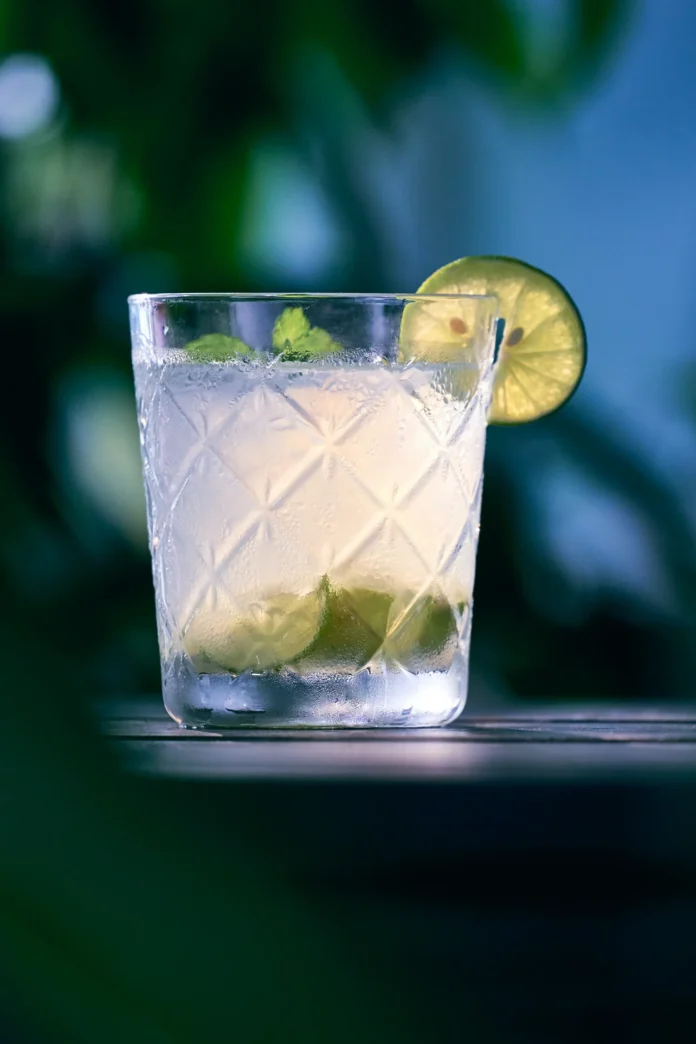
It’s no secret Ernest Hemingway enjoyed his liquor, hence the name of the Hemingway Daiquiri recipe. Though he swore he never drank while he wrote (“You’re thinking of Faulkner,” he once said when accused by a reporter), he was no stranger to the bottle, and his literature often featured alcohol consumption of some kind, from café sipping to full on benders.
The History of the Hemingway Daiquiri
While living in Cuba in the 1940s he became a regular at the El Floridita, home of the famous bartender Constantino Ribalaigua Vert, who locals called “El Rey de los Cocteleros,” or The King of the Cocktails. Because Hemingway fell in love with the daiquiri there, Ribalaigua (who is also famous for inventing more than 200 drinks and adapting dozens of others) created a modified version of the classic.
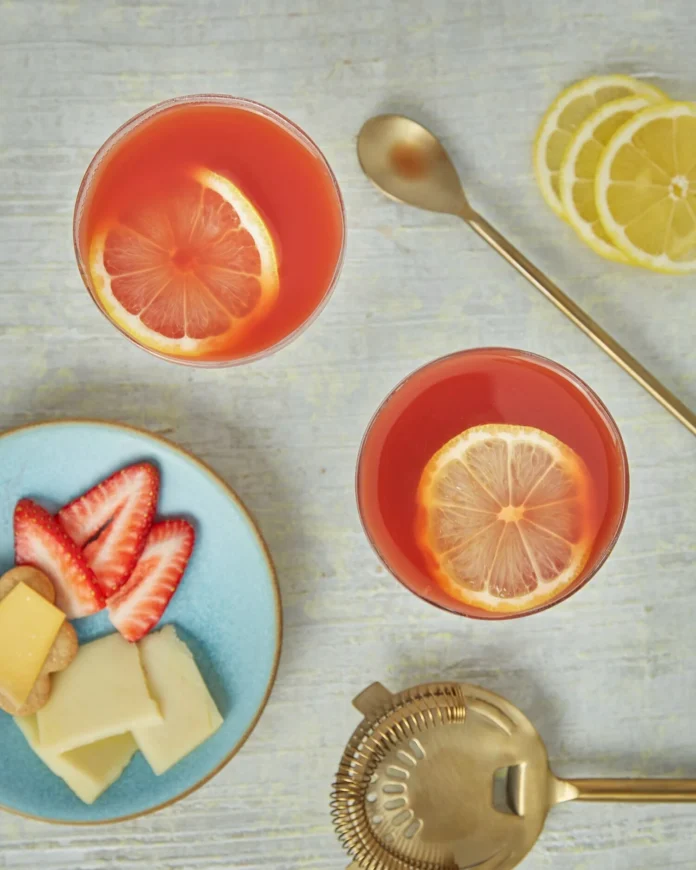
The story goes that when stopping into El Floridita to use the restroom one day, Hemingway heard people talking about how good the daiquiris were. Curious, he decided to order one. After one sip he asked for another, but with ‘less sugar and more rum’— and so the Hemingway Daiquiri was born, with Ribalaigua adding grapefruit juice and a few drops of maraschino liqueur to two jiggers of light rum and the juice of a fresh lime.
As legend has it, Hemingway downed 17 of these babies over the course of one afternoon in 1942. While we strongly advise against trying to beat his record (speaking of ‘Death in the Afternoon’…), we do recommend trying this recipe out at home using BLY Silver Rum, a smooth and flavorful base for this legendary drink.
Cancer’s season opens the door to summer evenings – the kind that last longer than you expect, with heat still in the air and time moving a little more slowly. There’s pleasure in the pace. Not everything needs to be scheduled, not everything needs to be loud. The window stays open, a bowl of fruit is cooling in the fridge, and someone’s coming by later, probably with stories.
This is a sign that pays attention to atmosphere. It tracks how people are feeling, remembers how they take their drinks, keeps ice at the ready and herbs growing near the windowsill. Cancer drinks to relax the body and soften the mood. It prefers slow builds to sudden shifts – something infused, something poured from a chilled bottle, something stirred in a glass you’ve held onto for years.
The Cancer bar cart carries the rhythm of the kitchen: steady, familiar, and just a little improvisational. It doesn’t need to impress. It’s ready to serve, to comfort, and to leave room for pause. Below are five essentials to help create that mood – cooling, versatile, and always within reach.
What Should the Zodiac Sign Cancer Have on Their Bar Cart?
Chamomile-Honey Syrup
A soft herbal base with a touch of sweetness. Chamomile offers calm without adding weight. Brewed strong and blended with honey, it becomes a smooth syrup that cools the system and rounds out the sharper edges of citrus or spirit. It’s ideal for early evenings – just a spoonful into sparkling water or white vermouth is enough to change the pace.
This herb often gets treated as strictly for bedtime, but that’s not the full picture. Chamomile doesn’t sedate – it steadies. When used as a syrup, it provides ease without dullness, and when paired with something bright or bubbly, it keeps its edge. If a guest raises an eyebrow, reassure them: they’re not being tucked in, they’re being settled in. Make the recipes below and put your chamomile-honey syrup to the test.
A chamomile cordial is a chamomile and honey syrup that mellows out the tangy nature of grapefruit. It’s a little fun, a little sophisticated, and a lot tasty.
Another cocktail that uses a chamomile cordial, this one mixes up gin, lemon juice, and bitters. Plus, a mist of yellow chartreuse to top things off adds another calming ingredient of nature.
Aromatic Aperitif
Low-proof, gently bitter, easy to dress up or down. Keep a bottle of Cocchi Americano, dry vermouth, or Lillet Blanc close at hand. These aperitifs are designed to open the body to food and ease the transition into evening. They’re low in alcohol and infused with botanicals – herbs, barks, peels, roots – that add lift and edge without crowding the palate. The result is a light bitterness that sparks appetite (hence aperitif) and invites slower sipping.
They’re perfect on their own, chilled with a twist of citrus or a few muddled grapes. These drinks match Cancer’s rhythm: subtle, intuitive, open to variation. They can be poured straight or dressed into a longer spritz with soda and mint.
An aperitif instantly shifts the tone of a drink. Even a simple pour becomes something composed, a little more adult, a little more aware of its context. The bitterness isn’t there to challenge; rather, it’s there to mark the shift from one part of the day into another. And there’s quiet satisfaction in getting it just right. No need for showmanship, just a well-built drink that feels considered and lands gently. Shake up your aperitif choices with these cocktail recipes.
Lillet Blanc contributes to a sweet pea syrup that bright and smooth. A bit of gin and lime juice meld with these flavors for a balanced cocktail that Cancer will love.
Expertly made Astrologist Bourbon meets and a sweet vermouth and Aradia Aperitivo. Create further elegance with Gentian liqueur, grapefruit bitters, and a grapefruit peel twist garnish.
A pink and pretty cocktail that Cancer can appreciate, The Archer is a fruity and easy-sipping drink. A homemade strawberry syrup matches a squeeze of lemon, vodka, dry vermouth, and an egg white for the perfect foam.
Pressed Glass or Mismatched Crystal
Glassware with a little weight and a little story. Cancer is drawn to objects that feel familiar – things you’ve held a hundred times and still notice each time. Pressed glass offers that texture. Its patterns catch the light, its weight feels good in the hand, and it carries a softness that cut crystal doesn’t always manage. These are glasses you actually want to use: durable, price accessible, full of detail.
You don’t need a matched set. In fact, it’s sometimes better if you don’t. Choose pieces one at a time – at estate sales, flea markets, antique shops, even a friend’s cabinet cleanout. Look for coupes with weight, tumblers with cut edges, or colored stemware that brings a little mood to the table. If a piece makes you smile, take it home. That’s how a Cancer bar cart comes together: slowly, personally, with affection.
Let each glass serve a role: one for water, one for wine, one for whatever you’ve just mixed on instinct. Some may become showpieces in their own right, not because they match a set but because they carry personality and memory. You reach for them precisely because they’ve earned a place in the ritual.
Fresh Fruit: Cucumber, Melon, White Grapes
Hydrating, cooling, and ready to infuse. These fruits align perfectly with Cancer’s season. They carry water, stay crisp in the fridge, and offer gentle sweetness without sharpness. Cucumber brings clarity to a glass – clean, cooling, and easy to layer with herbs. A few slices in sparkling water can reset a whole afternoon.
Cold grapes work well muddled into a spritz or floated on top of a drink that needs texture and lift. Even without alcohol, they add something celebratory. Melon – especially cantaloupe or honeydew – pairs beautifully with chilled sake, dry prosecco, or lightly sweetened green tea. The fruit doesn’t overwhelm. It supports the drink’s mood, filling in the middle without crowding the finish.
Keep a few on hand in the fridge: sliced, washed, and ready to go. These ingredients cool, soften, and round out what you’re drinking, offering hydration and a little moment of refreshment that feels both casual and intentional. After a trip to your local farmers market, try making these cocktails that incorporate fresh fruit.
Refreshing and full of the spirit of summer, watermelon was made to be in a spritz. We’re combing this fruit with the simplicity of honey, Singani63, lemon juice, and your choice of sparkling rosé.
An easy recipe making enjoying the cocktail even better for Cancer. All you need is vodka, cucumber, simple syrup, and soda water to be relaxing in a flash.
In case you’re being health conscious but still wanting something flavorful, try The Green Beast. The highlight of cucumber juice and slices blend into Hendrick’s, Cointreau, Génépy, thyme syrup, cucumber juice, lime juice, tonic, and a spray of absinthe.
Using fresh cantaloupe you can make a simple syrup that delicately flavors this cocktail 75. The other ingredients are that of your typical French 75: gin, lemon juice, and sparkling wine.
A Ceramic Pitcher
For serving something that’s already been prepared. A pitcher shifts the pace. It moves the bar cart from moment-to-moment mixing into something steadier and more thoughtful. It holds what you’ve already prepared – an herbal tea blend, a chilled wine spritz, a simple fruit-infused water – and brings it to the table with quiet confidence.
There’s an ease to this kind of hosting. Instead of building drinks on the spot, you’re reaching for something that’s already been given shape, already been considered. It allows the gathering to settle, to become less about the task and more about the time.
Look for a ceramic form with a wide mouth and enough heft to feel balanced in the hand. Soft glazes, muted earth tones, and textured finishes work especially well here. These pitchers don’t need to coordinate with your glassware or fit into a theme. Their presence matters more than their placement.
A Note on Storage
Keep things where you’ll actually use them. Aperitifs and syrups should live close to the action – on a tray, a shelf, or the corner of the counter you always drift toward. Glassware can be stacked or nested, but keep your favorites in reach. A small knife, a board, and a cloth for wiping down the pitcher deserve a home nearby too.
Cancer’s bar cart is less about display and more about readiness. Everything has a place because everything has a role. You’re not curating for effect. You’re arranging for ease so that the act of offering a drink feels natural, relaxed, and complete.
Author
Wade Caves, based in Brooklyn, NY, is an astrological consultant and educator specializing in problem-solving applications of astrology. He teaches astrological divination and astronomy at the School of Traditional Astrology. Wade also publishes his work on world astrology through Skyscript’s In Mundo publishing desk. He even hosts the World Astrology Summit. A conference dedicated to the advancement of astrology for global problem-solving. Website: wadecaves.com • skyscript.co.uk/inmundo. Email: hello@wadecaves.com.
Story by Wade Caves Photo Courtesy of Karthik Sridasyam
Brighten up your day with the Isle of Palms cocktail. Created by Cat Cannon and Cecil Usher of Mindful Hospitality Group, this easy-to-love drink mixes rum, Maggie’s Farm Falernum, pandan syrup, and orange bitters. Topped with fresh mint and a twist of orange peel, it’s sweet, citrusy, and full of tropical flavor. Sip it and feel like you’ve escaped to an island — no travel required. If you are looking to find more great cocktails that you can travel for, check out our “6 Cocktails Worth Traveling For” article, offering cocktails from all over the globe!
What is Pandan Demerara Syrup?
Pandan demerara syrup is a sweet, fragrant syrup made by infusing pandan leaves into rich, golden demerara sugar syrup. Pandan, a tropical plant often called the “vanilla of Southeast Asia,” adds a unique aroma and a slightly nutty, grassy flavor that pairs beautifully with cocktails, desserts, and even coffee. Its deep sweetness and subtle complexity make it a great twist on classic simple syrup.
You can learn more about pandan and how to use it here at The Spruce Eats.
The Isle of Palms cocktail blends rum, falernum, pandan demerara syrup, and orange bitters into a sweet, citrusy, and subtly spiced drink perfect for brightening your day.
Mixologist Alyssa McGrath dreamed up a pretty little Pisco Sour for us. Pisco is a refreshing, light-colored brandy from Peru! The best-known variations of this cocktail use the Peruvian brandy; but a little experimentation shows how versatile the basic concept can be. Try another brandy and see how it tastes.
The drink is said to promote versatility. On a trip to Peru, the taxi driver who took me to my hotel asked if I spoke Spanish. When I confessed that I did not, he informed me confidently that everyone speaks Spanish after two Pisco Sours. Drink up, amigos.
How is Pisco Different From American Brandy?
Peruvian Pisco starkly differs from American brandy because makers only distill it once and never age it in wood, preserving the pure essence of its grape. The product is a clear, highly fragrant spirit with floral or fruity notes. American brandy, in contrast, can be produced anywhere in the United States from various grape types. It is almost always aged in oak barrels for varying periods of time. This aging process is what gives it the distinct flavors of vanilla, caramel, spice, and wood. Meaning American brandies carry a smoother, richer, and often mellower profile
The sunset comes earlier and earlier whenever we get into fall. The trees change color and the songbirds birds start to say goodbye. That nighttime chill calls out for a comforting dish like our publisher Justin Matase’s delicious Seafood Chowder. Once you’ve shopped for the ingredients at one of our terrific local grocers, it’s simple to make. Serve with a fresh salad. We also recommend a fresh loaf of bread from your favorite local bakery.
Pancetta vs. Bacon
Pancetta and bacon seem so similar because they are both cured pork products that come from the belly of a pig. However, these two differ in their preparation, flavor, and what they are typically used for. Bacon gets its flavor from curing and smoking (hence the distinctive smoky flavor) the meat. It’s sliced and then cooked until crispy as a breakfast meat for its smoky, salty punch. Pancetta, on the other hand, cures the meat with salt, pepper, and at times other spices. But, pancetta is not smoked. Instead, makers usually air-dry or age the meat, resulting in a savory, slightly sweet flavor that’s a bit more like pork.
You’ll feel right at home with just one spoonful of this Seafood Chowder.
Ingredients
Scale
1 lb fresh cod
1 lb scallops (jumbo or bay – your choice)
4 oz pancetta, chopped
4 potatoes, medium, finely chopped
1 qt cherry tomatoes (12 to 15 tomatoes, cut in half)
3 sticks celery, sliced thin
2 leeks, sliced thin
2 cloves of garlic, minced
8 oz chopped clams in juice
2 tbsp tomato paste
1/4 cup fresh dill, chopped
1 tbsp salt
1 tbsp ground black pepper
1/2 cups white wine
1/4 cups all purpose flour
6 cups seafood stock
3 cups water
Instructions
Begin by seasoning fish and scallops with salt and pepper. Add a few tablespoons of oil in a frying pan, and place over high heat. When hot, add scallops and sear for 2 minutes on each side. Remove from pan and set aside. Add more oil and lightly pan fry cod fish until a light brown crust begins to appear. Stop before it begins to flake apart.
In the same pan, add pancetta. Cook for 4-5 minutes on a low to medium heat so the pancetta releases fat but doesn’t become crunchy. Remove the pancetta and add to your stock pot.
Add finely chopped potatoes, with salt and pepper, to the rendered pork fat and sauté until they are light brown, about 6-8 minutes. Remove from heat and add to your stock pot.
Again, in the same pan, add celery, leeks, cherry tomatoes and garlic with some salt and pepper. Cook until the tomatoes release their water and you start to see a glaze on the bottom of the pan, 10-12 minutes. Add white wine to deglaze the pan. Cook for 2 minutes and add to stock pot.
Finally, add clams and juice to the hot pan. Cook for 4-5 minutes until your clams are no longer translucent and add to your stock pot.
With a medium flame unit the the stock pot, add seafood stock, tomato paste, 1 cup of heavy cream and fresh dill. Bring to simmer and cook for 30 minutes. Whisk together flour and 3 cups of water until smooth. Add to stock pot to thicken the broth. Add salt and pepper to taste.
Finally, transfer to a bowl and place your scallops and cod on top. The heat from the soup base will bring your fish back to temperature. Garnish with fresh dill and a sprinkling of sliced cherry tomatoes.
Here’s an almost-effortless suggestion for dessert: a Naked Buttercream Cake. It looks casual, tastes delicious, and will be the hit of a happy party.
Naked cakes can be made with any cake and any frosting. It’s about letting the cake shine and letting the frosting provide mere back-up. Here we use a basic vanilla cake and buttercream frosting, but use your imagination! For instance, we suggest brushing elderflower syrup, or other flavored simple syrup, over the tops and around the edges of each cake layer before you assemble and frost it.
What’s the History of Naked Cakes?
Naked cakes have exposed sides and minimal frosting, but surprisingly, these cakes are actually a newer venture in baking. While bakers have been layering cakes for a long time, the trend of intentionally leaving the sides visible did not come till the early to mid-2010s. At the time, rustic, bohemian, and minimalist aesthetics in weddings and events were on the rise. In order to meet that aesthetic, the heavy frosting went away and in its place a more formal, light option came to light. It also gives bakers a chance to dress their cakes with natural decor like flowers, herbs, and other worldly ingredients.
Let the beauty of a simple, all natural cake shine!
Ingredients
Scale
For the cake:
You can used boxed cake mix, but if you wish to make this rustic beauty from scratch, you can’t go wrong with this one adapted from a perennial favorite… Betty Crocker herself.
2 2/3 cups all-purpose flour
3 tsp baking powder
½ tsp salt
¼ tsp baking soda
1 ½ cups butter or margarine, softened
1 ¼ cups granulated sugar
2/3 cup butter milk (or regular milk)
1 ½ tsp vanilla
4 eggs
For the buttercream:
Buttercream frosting is one of the easiest things to make. The simplest form includes only 2 ingredients – butter and confectioner’s sugar. The trick is sifting the confectioner’s sugar and not over-beating!
Other recipes add in flavorings, such as vanilla, liqueur, or other flavor extracts, as well as dairy to enhance the texture.
1 cup butter cold butter (2 sticks), preferably unsalted, cut into 1-tbsp pieces
3 cups confectioners’ sugar
1 tsp vanilla extract
1 to 2 tbsp whipping cream
Instructions
For the cake:
Heat oven to 350°F. Grease bottoms and sides of 3 (9-inch) round cake pans with shortening; lightly flour. In small bowl, mix flour, baking powder, salt and baking soda; set aside.
In large bowl, beat 1 1/2 cups butter and the granulated sugar with electric mixer on high speed, scraping bowl occasionally, until fluffy. On medium speed, beat in flour mixture, milk, 1 1/2 teaspoons vanilla and the eggs until blended. Beat 2 minutes longer. Pour evenly into pans.
Bake 25 to 30 minutes or until toothpick inserted in center comes out clean. Cool 10 minutes; remove from pans to cooling racks. Cool completely, about 1 hour.
Wrap cake layers individually in plastic wrap; freeze for at least 1 hour, but ideally 4 to 6 hours. Frozen layers are easier much easier to work with and helps keep crumbs from breaking off into the icing.
For the buttercream:
In a standing mixer fitted with a whisk or paddle, mix together sugar and butter. Mix on low speed until well blended and then increase speed to medium and beat for approximately 3 more minutes.
Add vanilla and ½ of the cream; continue to beat on medium speed for 1 more minute, adding more cream as needed to reach your desired consistency.
To assemble:
When ready to frost the cake, remove layers from freezer and unwrap. Level any uneven layers with a serrated knife if necessary.
Place 2 tablespoons of frosting in the center of your cake plate (this will keep your cake from sliding!). Put the first cake layer on top of frosting.
Spoon a little less than 1/3 of the frosting directly on top of first layer; using an offset spatula, spread the frosting evenly over the top and just past the edges of the first layer.
Place the second cake layer upside-down on top of the first layer and repeat frosting with another scant 1/3 of the frosting.
Place the third cake layer on top and spread the remainder of the frosting over the top layer and slightly over its edge. Using the offset spatula, barely frost the sides of entire cake utilizing the frosting that you left over the edges of each layer. The idea is to have the sides almost “naked”, with just enough frosting to leave the layers largely exposed.
Put the fully assembled and frosted cake back in the freezer for 20-30 minutes to allow the icing to set before serving.
Earthy, nutty roasted sunchokes meet a fragrant bed of herbed couscous in this cozy yet elegant dish. Crispy, golden bites of sunchoke pair with toasty pearled couscous simmered in savory chicken broth. Fresh parsley, green onion, and a hint of serrano pepper brighten the flavors. This Roasted Sunchokes and Herbed Couscous recipe works beautifully as a side or a light, vegetarian-friendly main. It brings together rustic flavors and vibrant herbs for a satisfying plate. If you enjoy dishes with couscous, check out another one of our recipes here!
What Are Roasted Sunchokes?
Sunchokes—also known as Jerusalem artichokes—are the knobby, edible tubers of a sunflower relative, native to North America. Despite their name, they’re not actually related to artichokes or Jerusalem. When roasted, their thin skin crisps up while the inside becomes creamy and slightly sweet, with a flavor somewhere between a potato and a nutty water chestnut. The natural sugars in sunchokes caramelize in the oven, creating a richly earthy and satisfying side dish that’s both unique and comforting. Click here to learn more about Roasted Sunchokes!
This roasted sunchokes and herbed couscous recipe combines nutty, caramelized Jerusalem artichokes with fragrant, toasty couscous tossed with fresh herbs, peppers, and onions for a flavorful dish.
Ingredients
Scale
For the couscous:
2 cups pearled couscous
1 qt chicken broth
1 tbsp butter
¼ cup parsley, chopped
2 green onions, sliced
1 serrano pepper, thinly sliced
For the sunchokes:
1 pound sunchokes, cut into bite-sized pieces
2 tbsp extra virgin olive oil
salt and pepper to taste
Instructions
Directions
Toss sunchokes in a bowl with olive oil, salt, and pepper.
Transfer to a parchment-lined baking sheet and roast at 400 degrees until the sunchokes are golden and start to get crispy about 20 minutes
In a large pot, add butter and dry couscous and cook over high heat until the pieces of couscous start to brown and smell toasty. Add in chicken broth and reduce heat to low, cover and slowly simmer the couscous until it is just cooked through, about a half-hour.
Once cooked, toss in parsley, green onion, and Serrano pepper. Serve sunchokes on top of couscous
Recipe and Styling by Anna Franklin Photography by Dave Bryce Wooden plates from Living Threads
This Mexican-inspired Negroni, created by Cecil Usher of Mindful Hospitality Group, gives the classic cocktail a bold twist. Smoky tequila takes the place of gin, blending perfectly with the bitter-sweet flavors of Campari and vermouth. The result is a drink that’s simple, balanced, and full of character. Cecil’s inventive touch makes this Oaxacan Nights Negroni an easy choice when you want something familiar but with a little more edge.
Who is Mindful Hospitality Group?
Cat Cannon and Cecil Usher created Mindful Hospitality Group to bring fresh, thoughtful drinking and dining experiences to Pittsburgh. They focus on creativity, quality, and genuine connection. Their team reimagines neighborhood bars, designs inventive cocktails, and crafts menus that feel both comforting and exciting. Every space they touch reflects care, personality, and a love for good hospitality.
What is a Negroni?
The Negroni is a timeless cocktail that combines equal parts gin, Campari, and sweet vermouth, stirred over ice and finished with an orange twist. Known for its balance of bitter, sweet, and herbal flavors, it’s become a favorite for both casual drinkers and cocktail enthusiasts. Originating in Italy in the early 20th century, the Negroni has inspired countless variations around the world — like the Oaxacan Nights Negroni — proving that this classic is endlessly versatile while still unmistakably iconic. Check out our article that deep dives what goes into a Perfect Negroni!
The Oaxacan Nights Negroni blends smoky tequila, spicy ancho chili–infused Campari, sweet vermouth, and mole bitters for a bold, flavorful twist on the classic cocktail.
Ingredients
Scale
1.5 oz tequila
.75 oz ancho chili-infused Campari
.75 oz sweet vermouth
4 dashes mole bitters
Instructions
Shake all ingredients with ice, pour, and serve.
Recipe by Cecil Usher Photography by Michael Parente
Cool off and kick back with the Maggie’s Farm Puka Punch — a tropical, rum-forward cocktail that’s bold, bright, and refreshing. First, Maggie’s Farm dark and spiced rums form a rich base. Then, tangy passion fruit, fresh lime, and warm brown sugar round it out for a balanced, flavorful sip. Best of all, it’s dangerously easy to drink. Whether you serve it as a single showstopper or batch it in a punch bowl, it’s perfect for your end-of-summer backyard barbecue. With each layer of tropical flavor and a sneaky kick, the Puka Punch brings vacation vibes straight to your glass. For more party-ready drinks, check out this Market Alley Gin Punch.
Maggie’s Farm Rum
Founded in Pittsburgh in 2013, distiller Tim Russell brought Pennsylvania’s rum tradition back to life. At Maggie’s Farm, they craft spirits in copper pot stills using Louisiana turbinado cane sugar and Caribbean yeast. Since then, the distillery has earned the title of America’s most-awarded rum, winning over 100 medals, including Best-in-Show from the American Craft Spirits Association and Best Overall Rum in San Francisco.
Their lineup features white, spiced, aged, and their signature 50/50 Dark Rum — all made without artificial flavors or added sugar. In 2023, they expanded with a new 22,000‑square‑foot distillery in Upper St. Clair. This space includes a full bar, a restaurant, and an 800‑gallon still, yet they continue to honor their independent craft roots.
This tropical Puka Punch, made with Maggie’s Farm rums, passion fruit, and spices, is a bold, breezy cocktail perfect for batching at your end-of-summer party.
Passion Fruit nectar comes in varying levels of sweetness. Ingredients can be swapped out in this recipe depending on if you are using a premade Passion Fruit syrup, adding sugar to pulp or diluting nectar. We use the latter. Just be sure to add a smaller amount first and taste test as you go. Goya makes the most readily available version of this which comes in a 12 oz frozen can. To make the syrup noted in the recipe:
Thaw a 12 oz can of Goya Passion Fruit nectar blend with 12 oz of water.
Syrup can be refrozen for later use.
For the brown sugar syrup:
Heat 8 oz of filtered water to a boil.
Reduce heat and slowly dissolve 8 oz of dark brown sugar into water while consistently stirring.
Drop heat to a simmer and allow to simmer for 10-15 min.
Syrup will keep in the fridge for up to a month.
For the cocktail:
Combine all ingredients in a shaker tin and pack full of ice
Shake until the outside of the tin has frost accumulation.
Serve in fun glassware with the ice from your shaker tin.
The recipe is perfect for your end-of-summer backyard barbecue! Find more about crafting your summer barbecue here.
Notes
This recipe is easy to batch for a party and packs a sneaky punch (no pun intended) so it can take a good amount of dilution if you are doing a punch bowl situation.
Recipe by Maggie’s Farm Rum Photography by Maggie Weaver
Cherries and berries made the summer time go round with their vibrant, colorful, juicy sweetness (or sometimes tartness). We use these berries in savory dinner recipes, sweet dessert treats, and then everything in between. If you want to make sure you have a berry good summer season, join us in serving up these iconic cherry and berry recipes.
It doesn’t take a pastry chef to craft this homemade galette dough that cradles fresh cherries in a sweet and tangy glaze. The best part is that no matter how you shape this galette, you’ll still achieve a rustic yet sophisticated look.
Start your day off with your favorite breakfast treat that gets a lot better when it’s home made. The dough uses buckwheat, whole wheat, and brown rice flour for a healthy addition to the cherry pie-type filling as well as a dreamy chocolate sauce drizzle on top.
Maraschino cherries and their juice infuse these pistachio cookies with a bit of sweetness. These Cherry Pistachio Sandwich Cookies showcase elegance in a small and layered presentation.
While this Spiced Cherry Upside Down Cake accommodates frozen cherries, we recommend fresh cherries from your local market or farm stand. The simple, brown sugar batter recipe also lets the cherry topping shine.
The dense nature of brownies makes them a perfect cushion for cherries and orange zest. These Luxardo Buttercream Frosted Brownies cut the rich chocolate with a tart cherry and tangy orange layer.
A buttery, brown sugar oat crust covers a warm, ultra gooey filling of sour cherries. With just seven ingredients, this recipe is one where the hardest part is waiting for its goodness to come out of the oven.
While the Cauliflower Steaks take up majority of this plate, it’s the Red Wine Cherry sauce that makes it so decadent. Sweet dark cherries cook down with red wine, yaji spice, curry leaf oil, balsamic vinegar, ginger, shallots, and then dark brown sugar.
Combining two of our favorite summer berries, this Cherry Blueberry Pie is truly the best of both worlds. A star cut out crust lets the decadent, cherry and blueberry purple filling peak through. It’s a pie that’s so gorgeous you may just have a hard time breaking the crust.
Sure you could go to the store and buy the first blackberry jam you see on the shelf, but this recipe from Glendorn proves the care of hands make things better. Head out to pick your blackberries then return home to make a jam you can spread on croissants, sandwiches, eggs, toast, and more.
For those trying to eat healthier, buckwheat is a great introduction to lowering your cholesterol as well as keeping blood sugar afloat. We’re making these griddle cakes more scrumptious with a blackberry sauce over the stack and then a scoop of vanilla cream.
A lemon cream pie is one of the pinnacles of summer but adding blueberries to the mix just makes the season even brighter. A graham cracker crust holds a cream cheese lemon filling with a blueberry lemon topping and pie crust flowers also form around the edge.
Cheesecake is now for vegans! You heard that right, cashews and macadamia nuts make up for the lack of cheese, creating a similar texture and taste. Above the filling you’ll find a berry swirl made from strawberries, raspberries, as well as blueberries.
Lamb patties bring a flavorful touch to the burger game but what if we upgrade it even further with a Raspberry-Mint Vinegar Drizzle? Make your own raspberry vinegar at home then add it to mint leaves, white wine vinegar, and sugar for burger perfection. Consider bringing out the drizzle recipe the next time you roast lamb for Sunday supper: it works beautifully there, too!