Home Blog Page 47

Martha Stewart-Inspired Stacked Eggplant Parmesan 

0
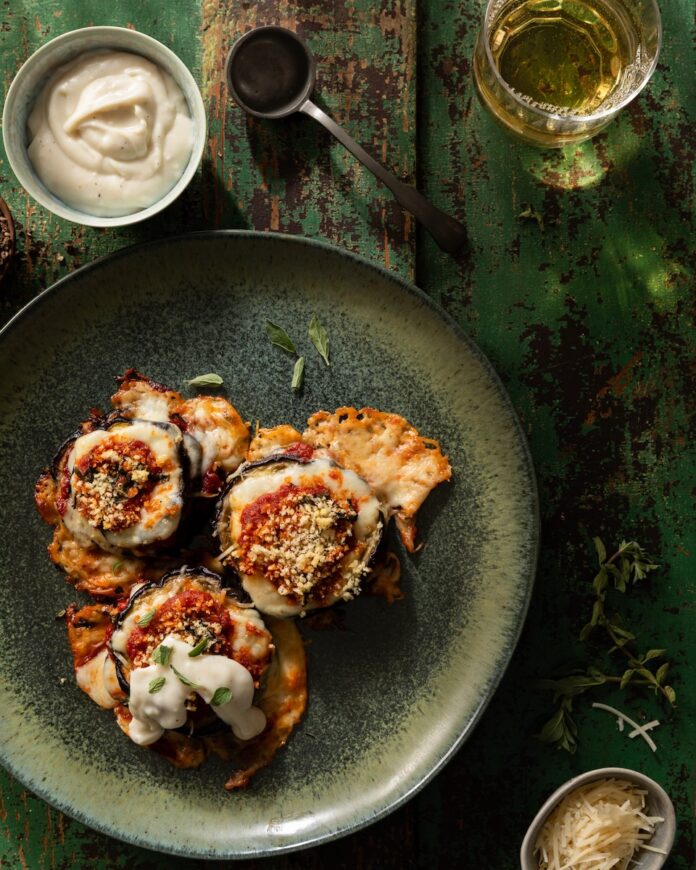
A green plate with Martha Stewart-Inspired Stacked Eggplant Parmesan individually on a plate with a beschamel sauce off to the side.

Eggplant Parmesan is a classic dinner recipe that has been filling up stomachs and satisfying taste buds for decades. As the years go on, more variations of this Italian staple continue to develop. One of our favorites is Martha Stewart’s Eggplant Parmesan Stacks. These crispy stacks consist of thinly sliced eggplant, savory tomato sauce, parmesan, mozzarella, and basil, along with a homemade béchamel sauce. As you slice into our Martha Stewart-Inspired Stacked Eggplant Parmesan, you’ll see exactly how well the goodness stacks up in the recipe.

What is a Béchamel Sauce on These Eggplant Stacks?

Béchamel sauce is a classic white sauce and one of the five French “mother sauces.” It’s a simple yet versatile sauce that comes from a nicely cooked roux of butter and flour, to which milk is gradually added while whisking to create a smooth consistency. You can add seasonings and herbs like garlic, salt, pepper, and nutmeg into the mixture. It’s is a fundamental building block in many dishes due to its mild, savory flavor and its comforting consistency. The Béchamel sauce in this recipe for Eggplant Stacks adds a creamy component without overpowering the other flavors.

Print

clock clock iconcutlery cutlery iconflag flag iconfolder folder iconinstagram instagram iconpinterest pinterest iconfacebook facebook iconprint print iconsquares squares iconheart heart iconheart solid heart solid icon
A green plate with Martha Stewart-Inspired Stacked Eggplant Parmesan individually on a plate with a beschamel sauce off to the side.

Martha Stewart-Inspired Stacked Eggplant Parmesan 


  • Author: Veda Sankaran

Description

Crunchy and cheesy with a tomato and bechamel sauce on top.


Ingredients

Scale

For the eggplant parmesan:

  • 2 eggplants (each weighing approximately 1 ¼ lb) enough for 24 rounds
  • 1/2 cup of olive oil, divided
  • 8 oz fresh mozzarella
  • 2 oz parmesan, grated
  • 2 cups tomato sauce
  • 1 cup of canned san marzano tomatoes, hand crushed
  • 1 lemon, zest only
  • 2 anchovy fillets in oil
  • Calabrian chili paste to taste
  • ¾ cup thinly sliced fresh basil
  • 1 cup panko breadcrumbs
  • 1 tbsp olive oil
  • Salt
  • Pepper
  • Italian seasoning
  • Fresh oregano for garnishing

For the bechamel sauce: 

  • 2 tbsp unsalted butter
  • 2 cloves of garlic sliced
  • ¼ cup of all purpose flour
  • 1 1/4 cups whole milk
  • Salt to taste
  • Black pepper to taste
  • Nutmeg, a few pinches


Instructions

For the tomato sauce: 

  1. Using a mortar and pestle, crush the anchovy, the zest of 1 lemon, and however much Calabrian chili paste you want, until combined.
  2. In a small saucepan, heat 1/4 cup olive oil. Place in the crushed anchovy, lemon zest, calabrian chili mixture. Stir and cook for 30 seconds.
  3. Crush the San Marzano tomatoes with your hand directly into the saucepan. Simmer for a few minutes. Then add store bought tomato sauce of your choice. Simmer until flavors all combine, approximately 10-15 minutes. Season with salt to taste.

For the eggplant: 

  1. Slice the eggplant into 1/4 to 1/2 inch rounds. Salt and place the rounds in a bowl. Refrigerate overnight if possible or at least for 5 hours.
  2. Once you remove the eggplant from the refrigerator, rinse and pat dry.
  3. Line two large baking sheets with parchment paper. Place the eggplant rounds in a single layer on the baking sheets. Brush both sides with olive oil.
  4. Then, place in a preheated 400 degree oven for 12 minutes. Open and flip the eggplant slices and continue cooking for an additional 10 to 13 minutes, checking to make certain they don’t burn.

For the breadcrumbs: 

  1. Combine the panko breadcrumbs with the olive oil, salt, pepper, and Italian seasoning and set aside.

To assemble:  

  1. Preheat the oven to 350 degrees.
  2. Reline baking sheets with fresh parchment paper. Place a third of the rounds in a single layer. Sprinkle each eggplant slice with the shredded parmesan cheese, then a layer of the fresh mozzarella. Top this with a spoon of the tomato sauce and sliced basil, Season with salt and pepper. Place an eggplant round on top and repeat the steps.
  3. For the last round, switch the cheese and sauce, so that you end with the cheese on top. Sprinkle on the seasoned breadcrumbs and bake for 20-25 minutes or until the cheese is melted.
  4. Drizzle on the bechamel sauce before serving. Garnish with fresh oregano leaves.

For the bechamel sauce: 

  1. Melt the butter in a saucepan. Place in the sliced garlic and simmer for 2 minutes to let the garlic infuse the butter. Remove the slices of garlic before proceeding to the next step.
  2. After removing the garlic, sift in the ½ cup of flour, stirring continuously for about 3-4 minutes or until sand colored. Do not let the flour brown.
  3. At this stage add in the cold milk, whisking continuously so as to combine and break up any lumps. Simmer for 5 minutes, whisking constantly until the sauce coats the back of a spoon.
  4. Remove from the heat and season with salt, pepper, and nutmeg.

Recipe and Styling by Veda Sankaran
Photography by Dave Bryce

Subscribe to TABLE Magazine’s print edition.
One Pot French Onion Soup

0
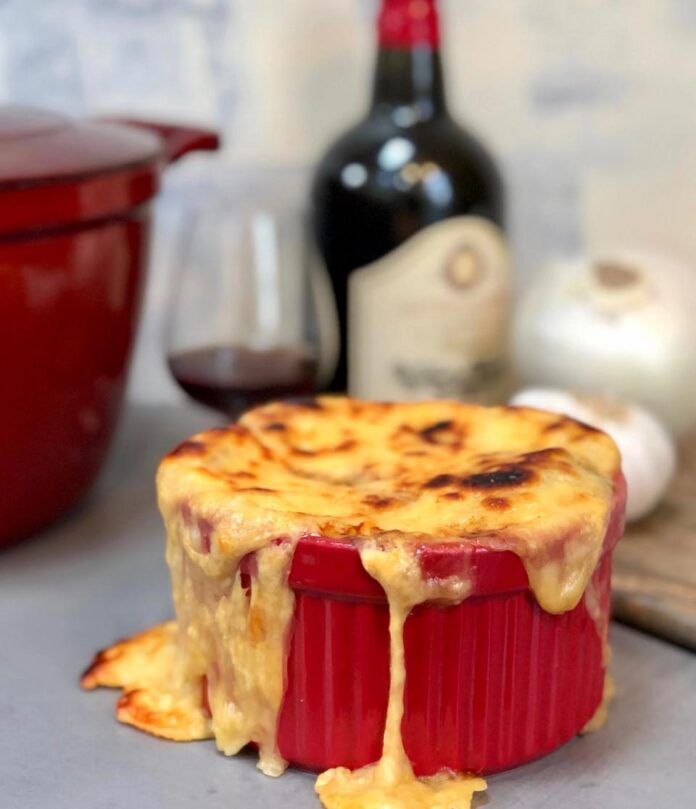
A single serving of French onion soup in a red crock with melted cheese overflowing the sides, a bottle of red wine and a wine glass, and a large onion and garlic clove in the background.

When warm afternoons give way to chilly evenings, the soup pot beckons. Paired with a fresh green salad and a glass of red wine, this One Pot French Onion Soup is a delicious family meal.

Is French Onion Soup Really French?

Yes, indeed. French onion soup is really French. It’s a bit of la Belle France in a bowl! Onions were inexpensive and plentiful, and this soup emerged as a staple of French households everywhere. The much-loved version we know today comes about in the 19th century, but its roots are older.

Its story stretches back to the 17th century, when onions were plentiful and inexpensive, sustaining both peasants and city dwellers. Early recipes were simple broths, but by the 19th century, the dish took on the form we know today: slow-caramelized onions simmered in rich beef stock, crowned with toasted bread and melted cheese.

This gratinéed presentation became a hallmark of Parisian bistros, especially around the bustling Les Halles market, where the soup was celebrated as both fortifying breakfast for workers and a legendary cure for long nights of wine. Its balance of sweetness from onions, savoriness from stock, and indulgence from bubbling Gruyère is uniquely French.

Though onion soups exist worldwide, the French transformed it into culinary heritage. Each steaming bowl still carries the essence of Paris—rustic, soulful, and timeless.

Print
clock clock iconcutlery cutlery iconflag flag iconfolder folder iconinstagram instagram iconpinterest pinterest iconfacebook facebook iconprint print iconsquares squares iconheart heart iconheart solid heart solid icon
A single serving of French onion soup in a red crock with melted cheese overflowing the sides, a bottle of red wine and a wine glass, and a large onion and garlic clove in the background.

French Onion Soup


  • Author: Justin Matase

Description

A rich and comforting French onion soup made with caramelized onions, beef broth, and wine, topped with sourdough bread and melted Swiss cheese.


Ingredients

Scale
  • 4 onions, large, sliced into 1-inch matchsticks
  • 1/2 cup butter
  • 2 cloves of garlic, minced
  • 8 sprigs of fresh thyme, divided
  • 3/4 cup Madeira wine
  • 1/2 cup red wine
  • 8 cup beef broth
  • 1/4 lb Swiss cheese, thickly sliced
  • 1 loaf of sourdough bread
  • 1 tsp salt
  • 1 tsp pepper
  • Additional salt and pepper to taste


Instructions

  1. In a thick-bottomed pot over medium heat, cook onions, six sprigs of thyme with leaves removed from the stems, garlic, salt, pepper and butter to your pot for approximately 30 minutes, until the onions are caramelized.
  2. Add red wine and madeira wine and simmer for 3 minutes. When you can no longer smell the alcohol evaporating, add beef stock and remaining 2 whole sprigs of thyme and simmer for 45 minutes to 1 hour. Remove the thyme sprigs before serving.
  3. Ladle onion soup into an oven-proof bowl,  and top with a piece of sourdough bread and swiss cheese. Place under broiler set to low for three to five minutes. Watch carefully and remove when the cheese is bubbling and slightly browned. Serve immediately with a glass of hearty red wine.

Recipe by Justin Matase

Subscribe to TABLE Magazine’s print edition.

Martha Stewart-Inspired Taco Casserole 

0
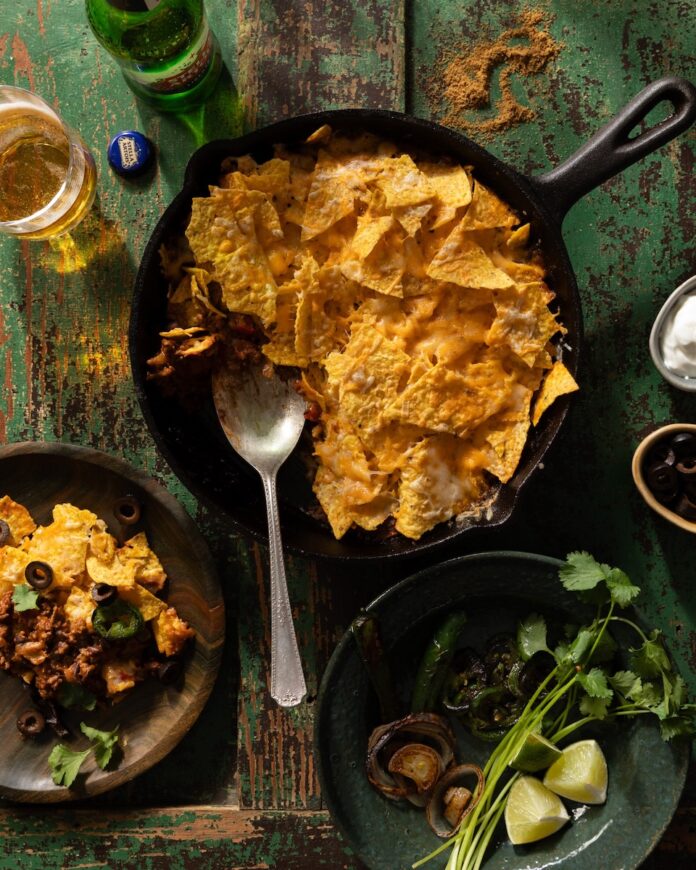
A skillet full of Taco Casserole with cheese, nacho chips, and taco meat.

Get ready to shake up your taco night party with a little help from the queen of entertaining herself, Martha Stewart. Inspired by Martha Stewart’s recipe, this Taco Casserole is a fun, fiesta-in-a-pan that takes all the bold, zesty flavors you love and bakes them into one easy meal. Layers of savory ground beef, salsa, and cheese, meet a golden, crunchy corn chip crust on top. Say goodbye to all the time and mess it takes to prep your taco and spend your time eating this meal instead.

Why Do I Need a Cast Iron Skillet for This Taco Casserole?

A cast iron skillet is the perfect way to cook this Taco Casserole since this versatile cookware houses every step of the recipe. Its heat retention and heat distribution ensure that the casserole bakes evenly. Plus it also gifts you that bubbly, browned crust on top. You can sear the ground beef directly in the skillet on the stovetop then just add in the rest of your ingredients. And because of its durability, the cast iron skillet can go straight from the oven to the table, keeping the casserole warm the whole way.

Print
clock clock iconcutlery cutlery iconflag flag iconfolder folder iconinstagram instagram iconpinterest pinterest iconfacebook facebook iconprint print iconsquares squares iconheart heart iconheart solid heart solid icon
A skillet full of Taco Casserole with cheese, nacho chips, and taco meat.

Martha Stewart-Inspired Taco Casserole 


  • Author: Veda Sankaran

Description

Why struggle with messy tacos when you can have a Taco Casserole instead?


Ingredients

Scale
  • 1 lb ground beef
  • Salt and freshly ground pepper
  • 23 tbsp neutral oil
  • 2 small or 1 large bay leaf
  • 1” piece cinnamon stick or a few pinches of cinnamon powder
  • 4 cloves of garlic, finely minced
  • 1/22 serrano chilies, finely chopped (based on your preferred heat level)
  • 1 small green bell pepper, diced (3/4  cup)
  • 1 small red bell pepper, diced (3/4 cup)
  • 1 medium white onion, diced (1 ½ cups)
  • 1/2 tsp dried oregano
  • 1/2 tsp paprika
  • 1/2  tsp ground cumin
  • 2 tbsp tomato paste
  • 1 can (14.5 oz) diced tomatoes
  • Pinch of sugar
  • 1 cup beef broth
  • 1 can (15 oz) black beans, drained and rinsed
  • ¾ bag (approximately 4 cups) yellow corn tortilla chips, slightly crushed
  • 1 ¼ cup freshly shredded Monterey jack cheese (5 oz)
  • 1 ¼ cup freshly shredded sharp cheddar cheese (5 oz)
  • Thinly sliced radish, thinly sliced jalapeno, grilled red onions, sliced black olives, sour cream, and fresh cilantro leaves for serving


Instructions

  1. Preheat the oven to 425 degrees.
  2. Heat a 10 inch cast iron skillet on the stovetop. Place in the ground beef, sprinkle with salt and pepper and cook, breaking up the meat into small pieces until the meat browns. Take off the heat and drain in a colander to remove excess oil.
  3. In the same skillet, add enough oil to coat the bottom of the skillet. Once heated, add in the bay leaves and cinnamon. Once fragrant but before the whole spices burn, add the garlic and serrano chilies. Stir and cook for 30 seconds before placing in the diced peppers and onions, along with the oregano, paprika, and cumin.
  4. Stir and sauté until the vegetables are softened. Remove cinnamon stick and bay leaf, before adding the tomato paste and diced tomatoes with a pinch of sugar. After 2 minutes, place in the black beans and beef broth and simmer for 3 minutes or so.
  5. Place the browned beef back into the skillet and simmer together until all the flavors combine, 5-7 minutes. Taste and add salt and pepper.  Adjust seasonings as necessary. Remove from heat and set aside.
  6. Place the chips in a large bowl and toss with 1 cup each of the Monterey Jack and Sharp Cheddar cheeses. Top the ground meat mixture with the chips and sprinkle on the remaining ¼ cup each of the cheeses.
  7. Place the skillet in the preheated oven and bake until the cheese is melted and golden, approximately 3 minutes. Serve with accompaniments.

Recipe and Styling by Veda Sankaran
Photography by Dave Bryce

Subscribe to TABLE Magazine’s print edition.

Martha Stewart-Inspired Whole-Lemon Pound Cake with Pomegranate Glaze

0
A sliced into pieces whole lemon pound cake sits with a pomegranate glaze on top with pink flowers and pomegranate seeds as decor.

If you’ve never had the delight of enjoying Martha Stewart’s Whole-Lemon Pound Cake with Pomegranate Glaze, then you’ve been missing out. The perfect mix of sweet and tangy, this pound cakes infuses bright lemon with tart pomegranate. Featuring a pink glaze on top, it’s a pound cake that you might hesitate to eat because of how beautiful it looks. But, after your first bite, its moist texture makes a second bite inevitable. Maybe you’ll serve it for breakfast, brunch, or for dessert. No matter when it’s served, you’re sure to be lost in the tastiness.

What Makes a Pound Cake?

Originally, pound cake was defined by its traditional recipe, which uses a pound each of butter, sugar, eggs, and flour. This equal-weight ratio creates a dense, rich, and moist cake with a fine crumb. Though, nowadays many modern versions (such as our Martha Stewart Pound Cake) tend to alter these proportions or add leavening agents like baking powder or soda to make the cake lighter and more tender. Either way, it’s known for its straightforward formula that makes baking easy and simple for all.

Print
clock clock iconcutlery cutlery iconflag flag iconfolder folder iconinstagram instagram iconpinterest pinterest iconfacebook facebook iconprint print iconsquares squares iconheart heart iconheart solid heart solid icon
A sliced into pieces whole lemon pound cake sits with a pomegranate glaze on top with pink flowers and pomegranate seeds as decor.

Martha Stewart-Inspired Whole-Lemon Pound Cake with Pomegranate Glaze


  • Author: Veda Sankaran, Adapted from Martha Stewart

Description

A light and moist lemon pound cake meets a pink pomegranate glaze.


Ingredients

Scale

For the cake: 

  • 1 lemon
  • 1 stick (1/2 cup) unsalted butter, room temperature, plus more for pan
  • 1 8 oz brick of Philadelphia cream cheese
  • 1 2/3 cups unbleached all-purpose flour, plus more for pan
  • 1 1/2 tsp baking powder
  • 1 tsp kosher salt or ¼ tsp sea salt
  • 1 1/4 cups granulated sugar
  • 2 full sprigs rosemary
  • 4 large eggs, room temperature
  • 1 tsp vanilla extract
  • 1 tsp lemon extract 

For the glaze: 

  • 1 cup confectioners’ sugar, sifted
  • 4 tsp (or more if needed) 100% pomegranate juice
  • 1/3 cup pomegranate seeds


Instructions

For the cake: 

  1. Preheat the oven to 325 degrees. Prepare a standard sized loaf pan by buttering all sides and dusting with flour, shaking off any excess.
  2. Combine flour, baking powder, and salt in a medium sized bowl and set aside for later.
  3. Place a whole lemon in a medium sized saucepan with enough water to generously cover. Boil the lemon for 30 minutes or until softened. Once the lemon has reached this state, turn off the heat, drain, and let cool. Then roughly chop, removing all seeds and place in a food processor to pulse until finely chopped. Set this aside for later.
  4. Next prepare the rosemary sugar by placing the sugar along with the rosemary leaves in a food processor. Briefly pulse just enough to finely chop the leaves. Set aside to use later.
  5. Using an electric mixer, beat the butter on medium-high speed for 1 minute until softened. Then place in the chunks of the cream cheese a little at a time, beating until incorporated with the butter. Next, add the rosemary sugar, beating until butter lightens in color. This will take approximately 4-5 minutes. Add eggs one at a time. Pour in both extracts beating for another minute to incorporate everything. Scrape down the sides.
  6. Turn the mixer to low speed and add half the flour, followed by half the finely chopped lemon. Repeat by adding the other half of the flour and remaining chopped lemon. Beat only until everything is incorporated. Do not overbeat.
  7. Pour the batter into the prepared loaf pan smoothing the top gently. Place in the preheated oven and bake for 1 hour and 25 minutes, checking after 1 hour and 10 minutes, as some ovens run hotter than others.
  8. After removing the cake, let cool on a baking rack for 10 minutes in the loaf pan, then loosen and place the cake directly on the baking rack to continue cooling for an additional 20 minutes.

For the glaze: 

  1. Place the confectioner’s sugar in a medium bowl and add 2 teaspoons of pomegranate juice, whisking as you add the juice.
  2. You can continue adding more pomegranate juice or milk (for a lighter pink color) a 1/2 teaspoon at a time until the consistency is thick but still pourable.
  3. Once the cake is cooled completely, pour the glaze, top with pomegranate seeds, and let sit at least 30 minutes for the glaze to set.

Recipe and Styling by Veda Sankaran, Adapted from Martha Stewart
Photography by Dave Bryce

Subscribe to TABLE Magazine’s print edition.
White Bean and Cashew Hummus with Zhoug

0
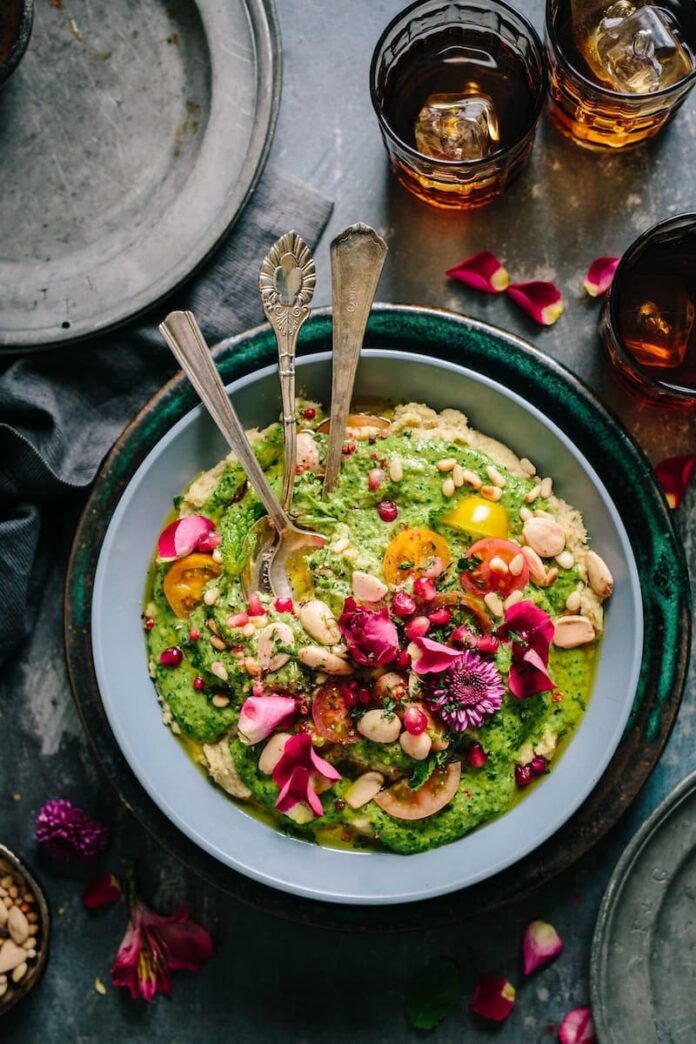
White Bean and Cashew Hummus with Zhoug served in a bowl with three spoons inside and rose petal toppings

White Bean and Cashew Hummus with Zhoug is a series of unexpected twists and turns and the perfect accompaniment to an inspired Meatless Monday. A lightly spicy zhoug sauce adds a bit of heat to the depth of creamy, nutty, and zesty profiles of the hummus. Enjoy this recipe with endive leaves for that touch of a bitter finish or with your favorite flatbread instead.

What is Zhoug?

Hailing from Yemen but also popular in Israel, zhoug is a fresh-made sauce for Middle Eastern staples. It mixes mainly cilantro, parsley, and peppers but you can also add in other spices as we do in our recipe below. For instance, we use garlic, coriander, cumin, blood orange zest, lemon juice, and brown sugar to explore the complexities of our White Bean and Cashew Hummus. The best zhoug is thick and spreadable, so it should be more of a chunky sauce.

Print
clock clock iconcutlery cutlery iconflag flag iconfolder folder iconinstagram instagram iconpinterest pinterest iconfacebook facebook iconprint print iconsquares squares iconheart heart iconheart solid heart solid icon
White Bean and Cashew Hummus with Zhoug served in a bowl with three spoons inside and rose petal toppings

White Bean and Cashew Hummus with Zhoug


  • Author: Veda Sankaran

Description

Get your pita, crackers, or flatbread ready for dipping!


Ingredients

Scale
  • 1 15.5 oz great Northern beans
  • 1 cup raw cashew pieces
  • 2 large cloves of garlic, peeled and crushed
  • ½ lemon, zest and juice
  • ½ tsp ground white pepper
  • ½ tsp coriander powder
  • ½ tsp cumin powder
  • 2 tbsp olive oil
  • ½ tsp salt (or to taste)

For the zhoug:

  • 1 tsp cardamom pods
  • 1 tsp cumin seeds
  • 1 tsp coriander seeds
  • 3 Serrano chilies, finely chopped
  • 4 large cloves of garlic, crushed
  • ½ small blood orange or navel orange, zest and juice
  • ½ lemon, juice
  • ¼ tsp salt
  • ¼ tsp brown sugar
  • ½ tsp sumac
  • 1 ½ cups cilantro, coarsely chopped
  • 1 cup parsley. coarsely chopped
  • ⅓ cup olive oil


Instructions

  1. First, drain the beans, reserving the liquid to use later. Then, place the cashew pieces in a bowl and cover them with hot water. Let soak for at least 10 minutes.
  2. Once the cashews have soaked, place them in a food processor, reserving the water to use later. Blend until the cashews begin to form a thick paste.
  3. Then, pour in ¼ cup of the reserved cashew water and ¼ cup of the reserved bean water and blend to a smooth paste.
  4. Next, add the crushed garlic, lemon zest, lemon juice, drained beans, white pepper, coriander, cumin, salt, and olive oil.
  5. Blend until everything is combined. Taste and adjust the seasoning as needed.

For the zhoug:

  1. First, lightly toast the cardamom, cumin, and coriander in a small skillet. Let cool completely and then grind in a spice grinder or crush with a mortar and pestle until powdered. Set this aside.
  2. In a blender or food processor, pulse the serrano chilies, garlic, and the spice mixture a few times. Then add the zest and juice of the orange and the juice of the lemon, along with the salt, brown sugar, and sumac.
  3. Next, add the cilantro and parsley and pulse a few times to combine everything. Make sure to not blend it too much as you want some texturer to the zhoug.
  4. Finally, add the olive oil and pulse twice. Taste and season with more salt if necessary.
  5. To serve, place the hummus in a bowl, top with the zhoug, and drizzle olive oil to taste. Add toasted cashews, pomegranate seeds, almonds, etc to garnish.

Recipe by Veda Sankaran
Photography by Brooke Lark

Subscribe to TABLE Magazine’s print edition.

Pittsburgh Bars Keeping the Renaissance Festival Vibe Alive

0
two women at the Pittsburgh Renaissance Festival. they stand in glass and face each other smiling

The Pittsburgh Renaissance Festival kicks off at the end of August, letting people of all ages live out their childhood wonder of centuries gone by. One of the best parts of the festival is enjoying a mug of mead or beer in the jaunty atmosphere. But where do you go after the festival ends to find that type of vibe? Thankfully, Pittsburgh has a number of bars and cider houses prepared to take the knight in you back to ye olden days. 

Pittsburgh Bars with Ren Faire Vibes

Arsenal Cider House 

Mead, cider, and more mead, oh my! Mead is a central part of medieval times and the more mead selections, the better. Arsenal Cider House has a rotating menu of delicious meads with a lively venue to match. Their Lawrenceville location even has a bar outside, so you can become one with nature.

Mullaney’s Harp and Fiddle

Nothing screams medieval like an Irish pub. Located in the heart of the Strip District, this hopping pub sets the perfect ambiance with authentic beer, food, and even live music. Stop by late for a pub sing-along with a classic Guinness in hand. 

KingView Meadhouse and Winery

Set back in the hills of Mt. Lebanon, this is the place to feel like a true medieval Viking. Whether you’re enjoying one of their 40 beers, ciders, or meads on tap or digging into a hot bowl of soup, this candle-lit tavern will make you feel right at home and back in the Middle Ages all at the same time. 

The Woods House

The historic Scottish pub vibe is the whole point of The Woods House in Hazelwood’s historic neighborhood. Built inside the old John Woods House, the pub has various Scottish delicacies and plenty of beer on tap. However, this pub’s decor is the best part, with fireplaces, stone walls, and low lighting to deepen the “olde tyme” atmosphere.  

The Speakeasy

The closest modern equivalent to a dark dungeon bar is probably a speakeasy, and this one in the basement of the Omni William Penn Hotel is simply gorgeous. The Speakeasy carries a variety of local brewed beers and ciders on tap, and plenty of liquor choices. It’s not exactly ancient, but the low lights and luscious seating will make you feel like a king. 

The Storyville Lounge

Walking into The Storyville Lounge of Dr. Tumblety’s takes you immediately back in time to an antique parlor. This lounge with aesthetic lighting, vintage furniture, and high barback shelves feels like home after leaving the ren faire. Plus, you may even find burlesque shows and other entertainment on specific nights.

Shakespeare’s Restaurant and Pub

If you’re willing to make a short drive to Ellwood City, it’ll be worth it to drink in the castle that is Shakespeare’s Restaurant and Pub. An old world charm takes over the medieval-esc booths that line their pub. Plus, their outdoor landscape leaves you to explore statues and plenty of Pennsylvania woodlands.

Story by Kylie Thomas
Photography by Chef Sarah Baugher (@sarah_baugher) and Jassimyn Broe (@jassimyn)

Subscribe to TABLE Magazine’s print edition.

Chilled Cauliflower Soup

0
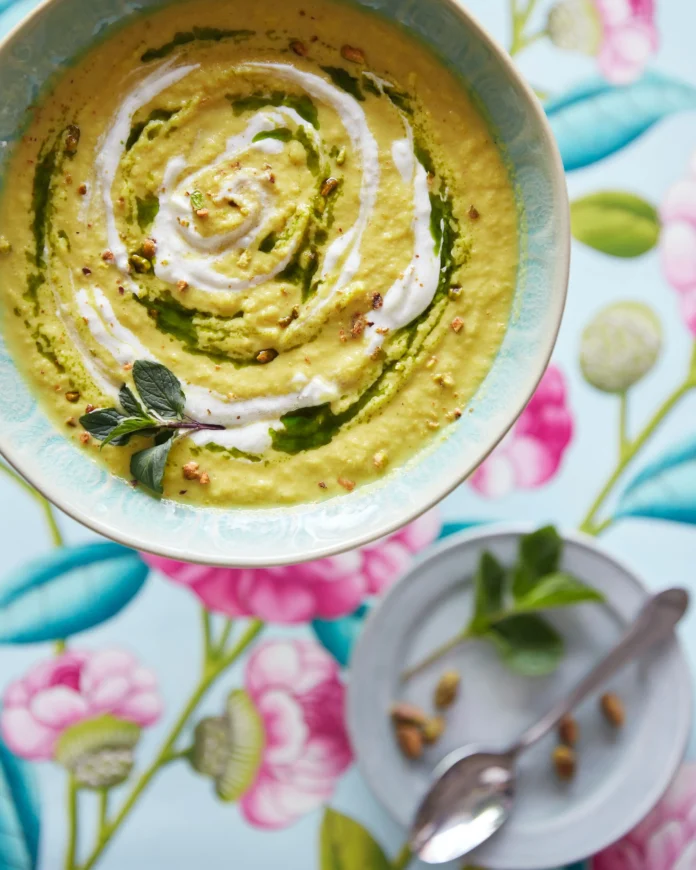
An above shot of a bowl filled with a yellow, Chilled Cauliflower Soup.

Cauliflower’s versatility is unparalleled, and it shows off especially well in this chilled cauliflower soup recipe that highlights its natural creaminess and subtle nutty flavor.

This humble brassica has an incredible ability to adapt to any cooking method or flavor profile. Fry it until golden and toss it in a sweet-and-spicy glaze for the Indo-Chinese favorite Gobi Manchurian, and it becomes addictively crispy and bold. Boil and blend it with a touch of garlic and olive oil for a light and fluffy alternative to mashed potatoes—comforting, but with fewer carbs. Throw thick slices on the grill, and you’ve got cauliflower “steaks” that char beautifully, holding their own as a hearty vegetarian main. Thanks to its mild, earthy flavor and firm texture, cauliflower effortlessly soaks up spices, stocks, and sauces, making it a go-to base for soups, stews, purees, and more.

Print
clock clock iconcutlery cutlery iconflag flag iconfolder folder iconinstagram instagram iconpinterest pinterest iconfacebook facebook iconprint print iconsquares squares iconheart heart iconheart solid heart solid icon
An above shot of a bowl filled with a yellow, Chilled Cauliflower Soup.

Chilled Cauliflower Soup with Lemon Yogurt Drizzle and Cilantro Mint Oil


  • Author: Veda Sankaran

Description

Cauliflower’s versatility is unparalleled.


Ingredients

Scale

Soup Ingredients

  • 1 medium head of cauliflower (approximately 7 cups of florets)
  • 1/2 sweet onion, diced into ½-inch pieces
  • 1 tsp cumin seeds
  • 1 tsp coriander seeds
  • ¼ to ½ tsp white peppercorns
  • ½ tsp turmeric
  • 1 tbsp fresh ginger paste (approximately 2-inch piece of ginger root)
  • Salt, to taste
  • 2 tbsp oil
  • 1 cup + 2 cups chicken or vegetable broth
  • 1 tsp dark brown sugar

Lemon Yogurt Ingredients

  • ¾ cup full-fat Greek yogurt
  • 2 cloves garlic, finely minced or grated on a microplane
  • 1 lemon, zested
  • 1 tbsp lemon juice
  • 2 tbsp olive oil
  • Pinch of salt, to taste

Cilantro Mint Oil and Garnish Ingredients

  • 1 ¼ cups loosely packed cilantro, 1 inch of the stem ends trimmed off
  • ¾ cup loosely packed whole mint leaves
  • ½ cup neutral oil, such as rice bran or grapeseed
  • Salt
  • Crushed pistachios


Instructions

  1. Preheat the oven to 400 degrees.
  2. Core and cut the cauliflower into florets. Peel, then dice the sweet onion into ½-inch pieces.
  3. Heat a small skillet and lightly toast the cumin, coriander, and white pepper. Transfer to a plate to cool completely, before grinding to a powder in a spice or coffee grinder.
  4. In a bowl large enough to hold the cauliflower and onions, mix the turmeric, roasted spice mix, ginger paste, salt and oil together.
  5. Add in the cauliflower florets and diced onion and stir to coat evenly with the marinade. Place on a parchment-lined baking sheet and roast in a 400-degree oven for about 30 minutes, stirring it once halfway through the cook time.
  6. Remove from the oven, let cool completely and then puree in a blender with 1 cup broth until smooth. Pour the puree into a pot and add in the remaining 2 cups chicken or vegetable broth.  Sprinkle in 1 tsp dark brown sugar, stir to combine and simmer for 15 to 20 minutes.
  7. Remove from the heat and let cool for 15 minutes. Transfer the soup to a covered container and refrigerate for at least 30 minutes, before serving.
  8. To make the lemon yogurt, simply stir together the yogurt, garlic, lemon zest, lemon juice, and olive oil. Add salt to your preferred taste.
  9. To make the herb oil, bring a pot of water to boil. Prepare an ice bath, by placing 10 to 12 ice cubes in a bowl with cold water.
  10. Blanch the herbs for 15 or so seconds and then place immediately in the prepared ice bath. After about 10 seconds, remove the herbs with a sieve or slotted spoon, gently squeeze out any excess water, and place on a paper towel-lined baking sheet to dry.
  11. Once dry, puree the herbs with the oil until very smooth. You have two options after this stage: either pour the herb oil through a cheesecloth or coffee filter-lined sieve and wait for a few hours for the oil to drip through, or pour it directly through the sieve, using a spoon to push the oil through, throwing away any herb slurry that is still attached to the sieve. The first method will give you a more clarified oil, while the second will be faster and give you a bit more texture.
  12. To serve, ladle the soup into a bowl and add the yogurt drizzle and herb oil on top. Sprinkle with the crushed pistachios and enjoy!

Story by Maggie Weaver
Photography by Dave Bryce
Food Styling by Veda Sankaran
Prop Styling by Keith Recker
Recipe by Veda Sankaran
Wallpaper: Serendib by Manuel Canovas, Courtesy of Cowtan & Tout

Heirloom Tomato Tripoline

0
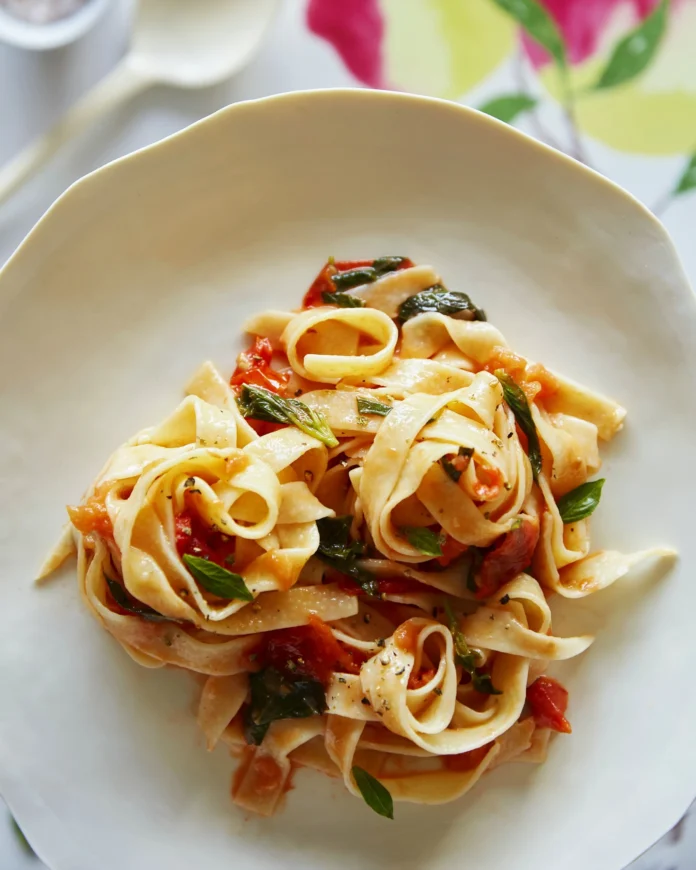
An above shot of a white plate that holds pasta, Heirloom Tomato Tripoline

Tomato season is something we look forward to all year at DiAnoia’s Eatery. Our Heirloom Tomato Tripoline pasta is a dish that we bring back year after year, and it continues to be one of our most popular seasonal dishes. Using the tomato’s natural pectin as a binder, the sauce is created with just tomatoes, butter, and basil. The sauce is both rich and refreshing, filling and light at the same time. Always source the freshest tomatoes possible. A farmers’ market is the best option, but grocery store tomatoes will work as well. –Tyler England, director of kitchen operations, DiAnoia’s Eatery.

Print
clock clock iconcutlery cutlery iconflag flag iconfolder folder iconinstagram instagram iconpinterest pinterest iconfacebook facebook iconprint print iconsquares squares iconheart heart iconheart solid heart solid icon
An above shot of a white plate that holds pasta, Heirloom Tomato Tripoline

Heirloom Tomato Tripoline


  • Author: Tyler England

Description

The sauce is both rich and refreshing, filling and light at the same time.


Ingredients

Scale
  • ½ lb of your favorite dry long pasta (tripoline if you can find it – if using fresh pasta use ¾1 inch)
  • 1 lb tomatoes, cored and quartered
  • 1 bunch of basil, picked
  • ¼ to ½ lb cold butter (the higher the quality, the better)


Instructions

  1. Start by bringing a medium pot of water to a boil. Once the water is boiling, add all of your pasta at once, stirring occasionally.
  2. In a separate sauté pan, use your hands to crush the tomatoes in the pan. Add the basil and ¼ pound cold butter and turn the heat to medium. As the tomatoes and butter heat up, stir them together, crushing the tomatoes even more as you go. The goal is to get the tomatoes to release as much of their natural liquid as possible.
  3. Bring the sauce to a simmer and let it cook for around 5 minutes; you should notice the butter and the tomato water start to emulsify into the sauce. If the sauce seems too loose, you can add more butter. If the butter starts to separate from the sauce, add a little bit of pasta water at a time; this should re-emulsify the sauce.
  4. Once the pasta is cooked to your liking, reserve 1/2 cup pasta water then drain the rest. Add your pasta to the sauce and coat the noodles.
  5. Again, if you notice the sauce starting to separate, just add a little bit of the pasta water at a time, stirring constantly until you get a nice creamy sauce.

Story by Maggie Weaver
Photography by Dave Bryce
Food Styling by Veda Sankaran
Prop Styling by Keith Recker
Recipe by Tyler England
Wallpaper: Guermantes by Manuel Canovas, Courtesy of Cowtain & Tout

Raw Dry-Aged Beef Ssäm

0
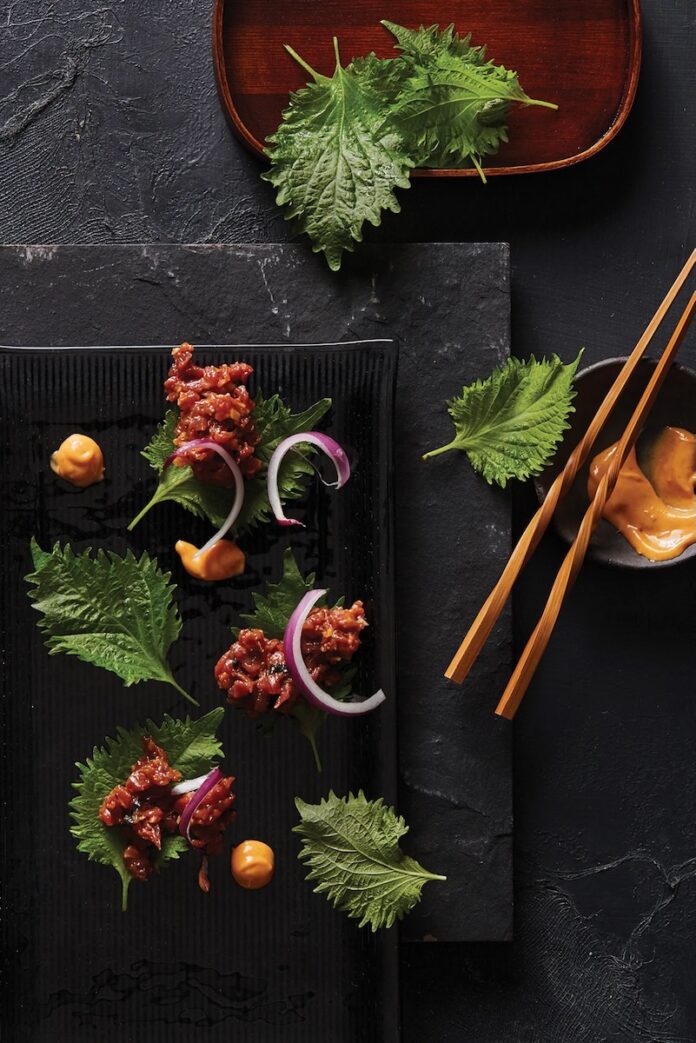
Various bites of raw dry-aged beef Ssam with leafy greens and small pieces of beef as chopsticks sit off to the side.

Raw Dry-Aged Beef Ssäm is the Korean dish you’ve been missing. Do as Dan Kern does and show off for company by using shiso (in the mint family) to serve dry-aged beef. Kicky gochujang (fermented red chili paste) will also go a long way in this recipe as will fresh ginger. Sit down with those you love and then let the delicious fun begin.

What is Ssäm?

Ssäm is a Korean culinary tradition that literally translates to “wrapped.” this refers to the practice of wrapping a filling—most often a grilled protein like pork belly or dry-aged beef in our case—in a fresh, leafy vegetable. The filling is highly customizable and typically includes a variety of condiments and side dishes (also known as banchan), such as rice, garlic slices, kimchi, and savory dipping sauces. The wrapper is usually a large lettuce leaf or a sesame leaf (kkaennip) but we also use shiso as our savory cabbage. The practice of ssäm is a fun, interactive, and highly communal way of eating that encourages a perfect, personalized balance of flavors and textures in a single, delicious bite.

Print
clock clock iconcutlery cutlery iconflag flag iconfolder folder iconinstagram instagram iconpinterest pinterest iconfacebook facebook iconprint print iconsquares squares iconheart heart iconheart solid heart solid icon
Various bites of raw dry-aged beef Ssam with leafy greens and small pieces of beef as chopsticks sit off to the side.

Raw Dry-Aged Beef Ssäm


  • Author: Chef Dan Kern
  • Yield: Serves 4

Description

A Korean tradition featuring dry-aged beef or other protein in a leafy vegetable wrapping.


Ingredients

Scale
  • 1 head savoy cabbage (can also sub shiso or sesame leaf)
  • 1 piece of 8 oz dry-aged premium quality beef, diced finely (wagyu, prime, etc.)
  • 1/2 tsp mirin
  • 1 tbsp naturally brewed soy sauce
  • 1 tsp sesame + 3 tbsp sesame
  • 1 tsp gochujang (fermented red chile paste)
  • 1 small knob fresh ginger, finely diced
  • 1 pinch Katsuobushi (smoked and dried skipjack tuna)
  • Olive oil, sea salt and pepper, to taste
  • Mayonnaise
  • 1 sheet nori, finely julienned
  • 1 small shallot, thinly sliced


Instructions

  1. In a pot of boiling water. blanch whole cabbage leaves for 30 seconds and shock in ice water. Using a hole-punch, punch circular-shaped holes from the leaves, cut in half, and set aside on a paper towel.
  2. In a bowl, mix the beef, mirin, soy sauce, 1 tsp sesame, gochujang, ginger, Katsuobushi, olive oil, sea salt, and pepper. Set aside to come to room temp.
  3. In a spice grinder, blitz 3 tbsp sesame and mix with mayonnaise; add to squeeze bottle.

To assemble:

  1. Carefully place savoy cabbage on a tray or serving plate.
  2. Spoon the beef mixture onto one side and garnish with nori and shallot.
  3. On the opposite side, a generous dot of sesame mayo.
  4. Have your guests roll and enjoy!

Recipe by Chef Dan Kern
Styling by Ana Kelly
Photography by Adam Milliron

Subscribe to TABLE Magazine’s print edition.

Bourbon Paloma

0
An above shot of two glasses filled with an orange liquid, Bourbon Paloma.

Introducing the Bourbon Paloma.

The traditional Paloma — bright, bubbly, and built with tequila, grapefruit, and soda — is a staple of warm-weather sipping. But what happens when you trade distilled agave for oak-aged depth. You get the Bourbon Paloma: a rich, citrus-forward cocktail that bridges the gap between southern swagger and Mexican sunshine…and extends the Paloma into fall and winter.

Think of it as the love child of an Old Fashioned and a Paloma — just four simple ingredients, yet full of complexity. The bourbon brings notes of vanilla, caramel, and spice, which mingle effortlessly with the tangy bite of grapefruit and a whisper of lime. A touch of sweetener balances the citrus, making each sip smooth, zesty, and slightly smoky.

This combination of an Old Fashioned and a Paloma is bound to become your go-to for warm-weather happy hours.

Print
clock clock iconcutlery cutlery iconflag flag iconfolder folder iconinstagram instagram iconpinterest pinterest iconfacebook facebook iconprint print iconsquares squares iconheart heart iconheart solid heart solid icon
An above shot of two glasses filled with an orange liquid, Bourbon Paloma.

Bourbon Paloma


  • Author: Justin Matase

Description

Bound to become your go-to for cold-weather happy hours.


Ingredients

Scale
  • 2 oz bourbon
  • Fresh grapefruit juice
  • Fresh lime juice
  • A bar spoon of simple syrup


Instructions

  1. Fill a tall glass with ice. Pour in the bourbon, followed by the juices and simple. Mix and enjoy.  For a slight variation, add two dashes of Angostura bitters.

Recipe by Justin Matase
Photography by Dave Bryce
Styling by Keith Recker

Create a free account, or log in.

Gain access to read this content, plus limited free content.

Yes! I would like to receive new content and updates.

Table Magazine wants to know your location.

TABLE Magazine operates regional sites - Knowing your location helps us route you to the appropriate site for the best experience.