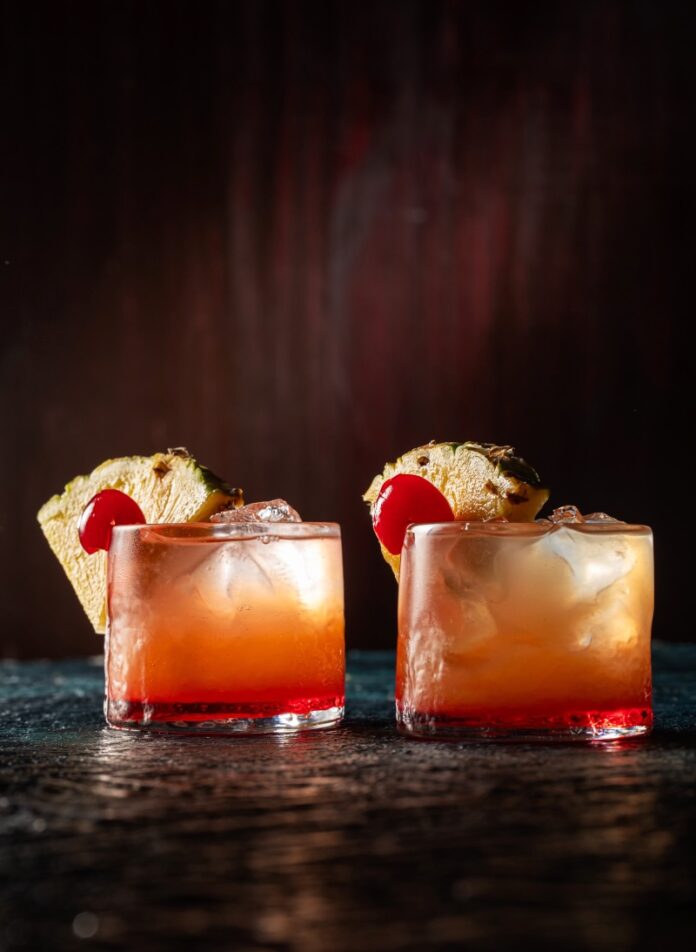
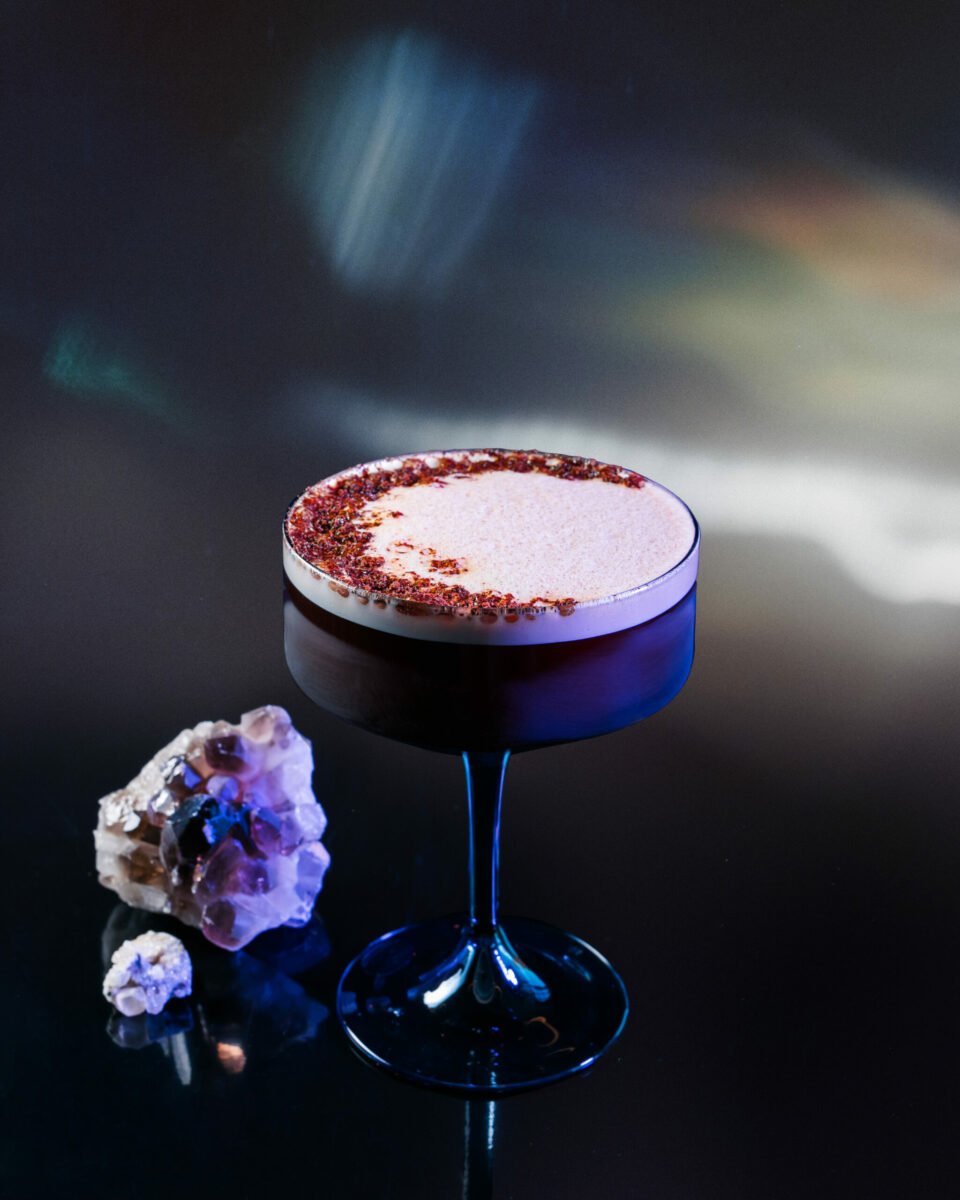
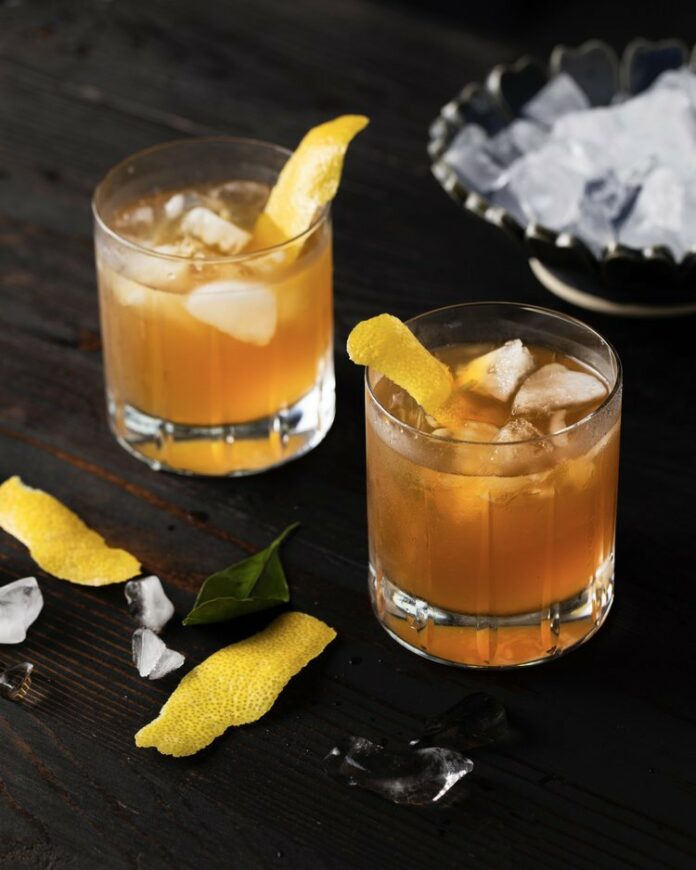
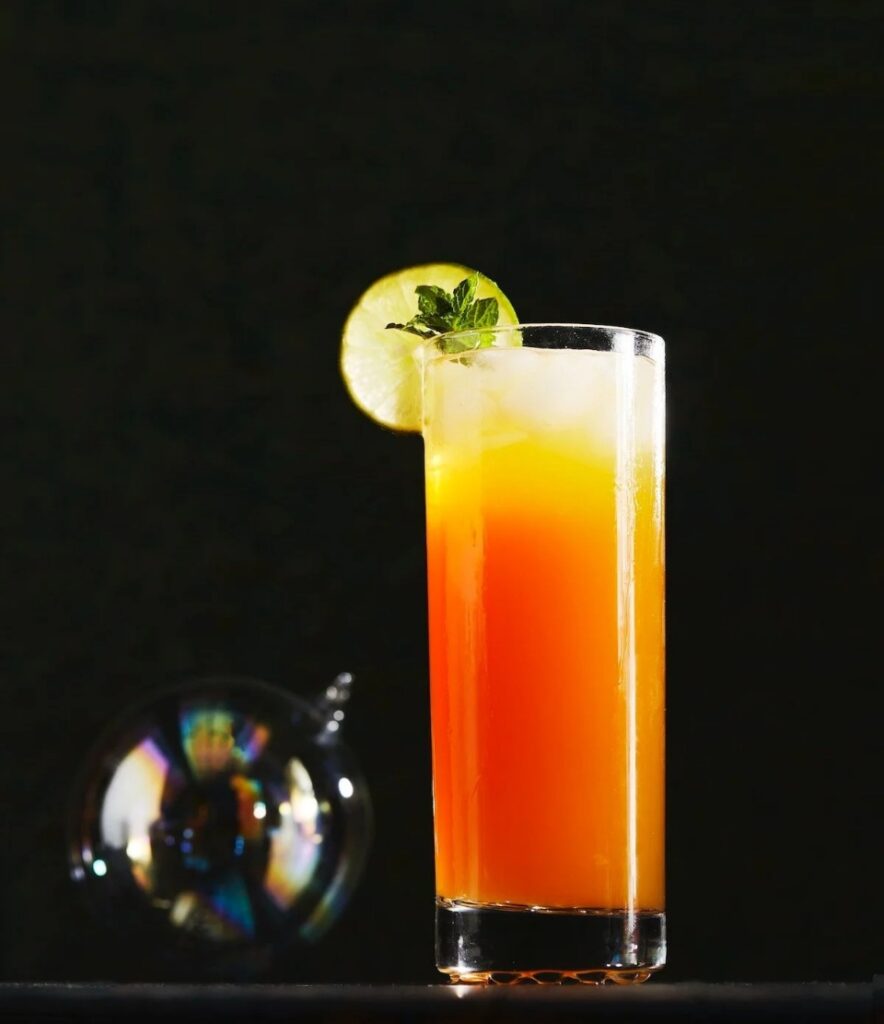
The world has been waiting in anticipation since 2022 for the last and final season of Stranger Things and finally the time has come. Dive into season five of this global phenomenon with The Upside Down cocktail. This haunting cocktail channels the otherworldly dimension of Stranger Things as well as the flavor of a pineapple upside down cake. We’re blending the comforting taste of vanilla vodka with tropical pineapple juice. Then we layer a striking red splash of grenadine, reminding us that few come back from the Upside Down. As you settle in for the release of part one on November 26, part two on Christmas, and the final episode on New Year’s Eve, mix up this cocktail to savor every last moment (and cross your fingers your fav makes it out alive).
What Happens in Stranger Things Season 5?
The epic finale of Stranger Things is not to be missed. In the fall of 1987 the entire town of Hawkins is under military quarantine as the Upside Down merges with the real world. This last season’s core plot will come full circle as Will Byers (Noah Schnapp) faces his villain again, Eleven (Millie Bobby Brown) heads back into hiding while preparing for the final confrontation, and new character, Dr. Kay (Linda Hamilton) chases after Eleven throughout it all.
Get ready for a caffeine high as we celebrate National Espresso Day on November 23 with delicious espresso recipes. This day is a tribute to the rich, bold essence of highly concentrated coffee that often gets us through our days. Whether you’re enhancing the chocolate notes in a fudgey brownie, adding a layer of depth to a creamy filling, or simply elevating your traditional cocktail, espresso is the perfect secret for sophistication and fun. We’re featuring recipes that take you beyond your morning mug of coffee, showcasing how this mighty innovation can go a long way
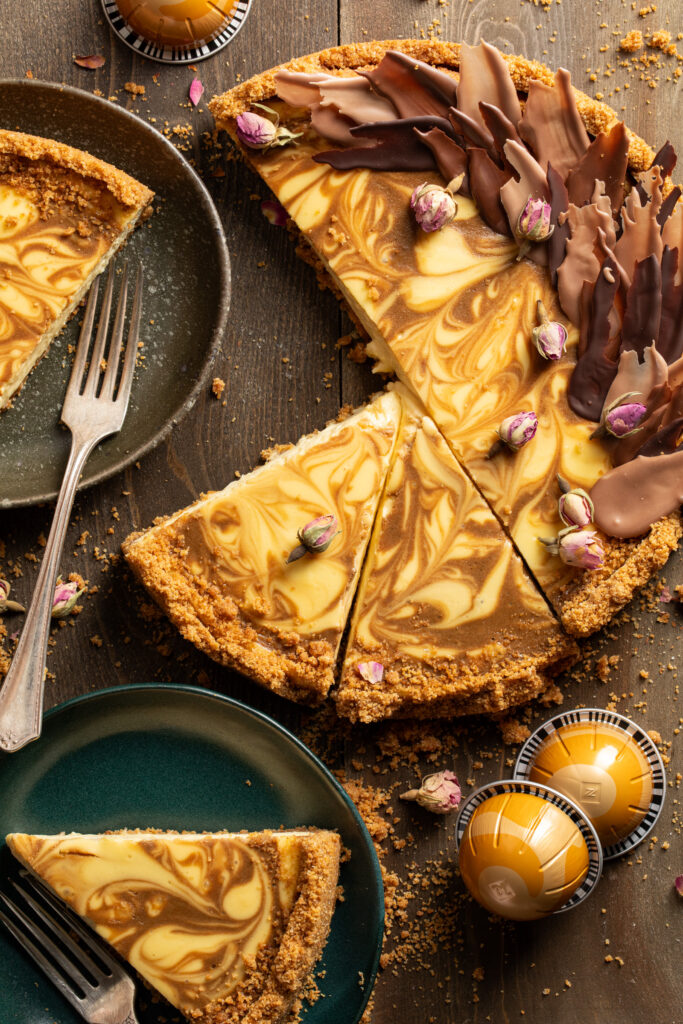
Imagine one of your favorite desserts combined with the flavors of rich, decadent espresso. Our Espresso Swirl Cheesecake is made simple with the use of leftover Nespresso pod grounds. Bite into a homemade graham cracker crust and creamy, pillowy filling with a kick. We even include cheesecake baking tips so you can create a successful product regardless of your skill level.
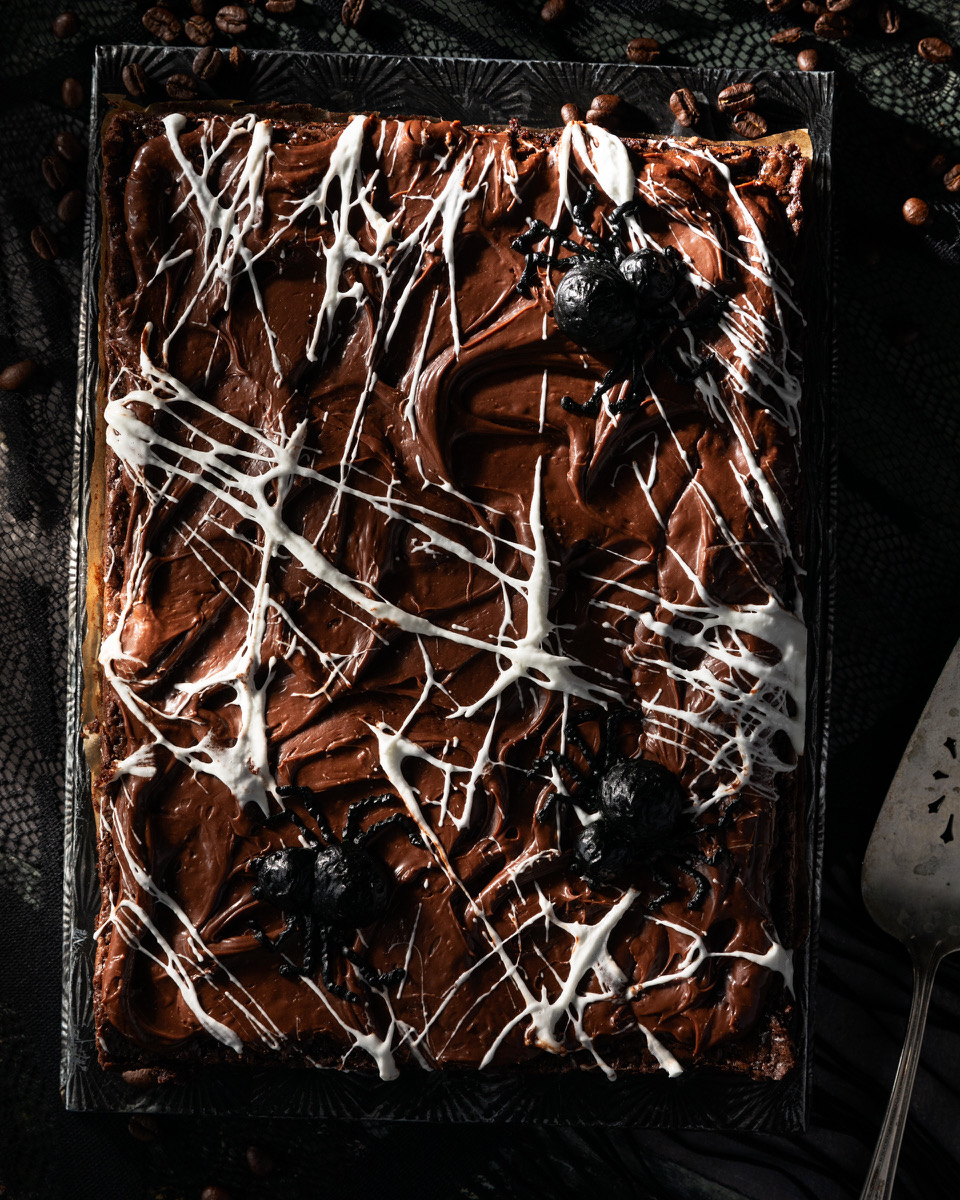
While it isn’t quite October, we think September 29 is close enough so why not celebrate National Coffee Day and spooky season at the same time? Plus, you don’t have to decorate these Espresso Brownies in spider webs. Instead, customize them for any event, the rich flavor is enough to keep you coming back.
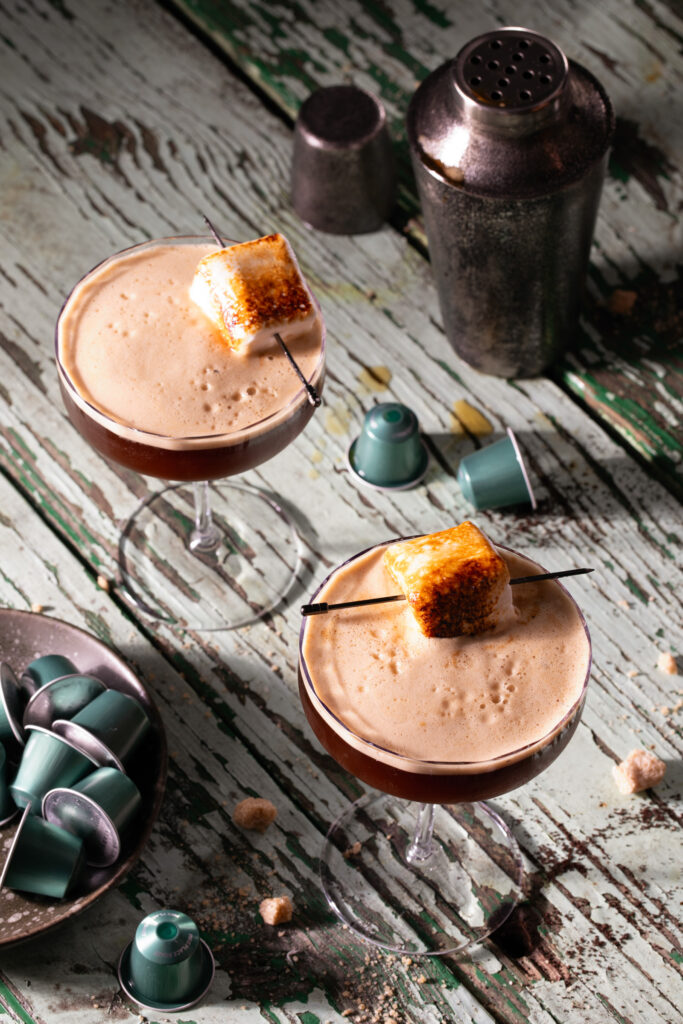
When the evening has settled and the guests have gone, break out this Toasted Marshmallow Espresso Martini for a relaxing, nostalgia trip in a glass. We’re upgrading the classic espresso martini to include a toasted marshmallow simple syrup that you can use in other drinks as well. Top it all off with an actual roasted marshmallow and let yourself slip into the mindset of sitting by a campfire.
An Espresso Martini is not just for Sagittarius but it does help if you have their expressive energy. This classic recipe uses coffee liqueur, vodka, and espresso to make the cocktail of your dreams. It’s strong, sweet, and a bit bitter all at once.
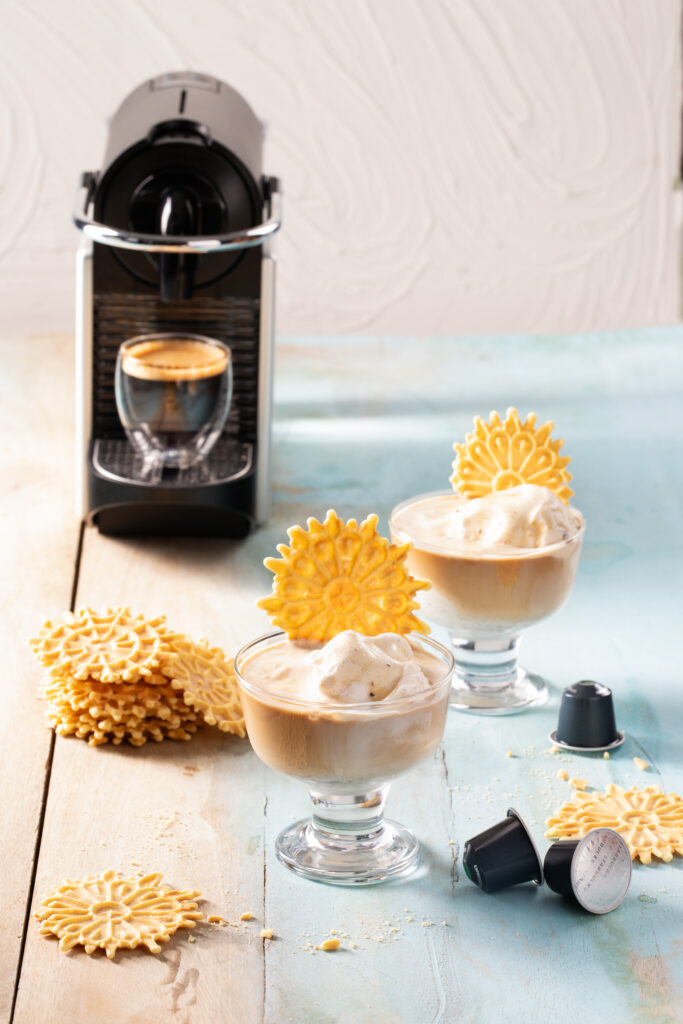
Italy’s espresso, dessert infusion is getting made even simpler with our Nespresso Affogato. All it takes is a scoop of your favorite ice cream and quick brewing by Nespresso to have the perfect affogato in mere seconds. No more complicated instructions to receive that indulgence of hot and cold, bitter and sweet. Plus you can customize your recipe with different varieties of Nespresso pods.
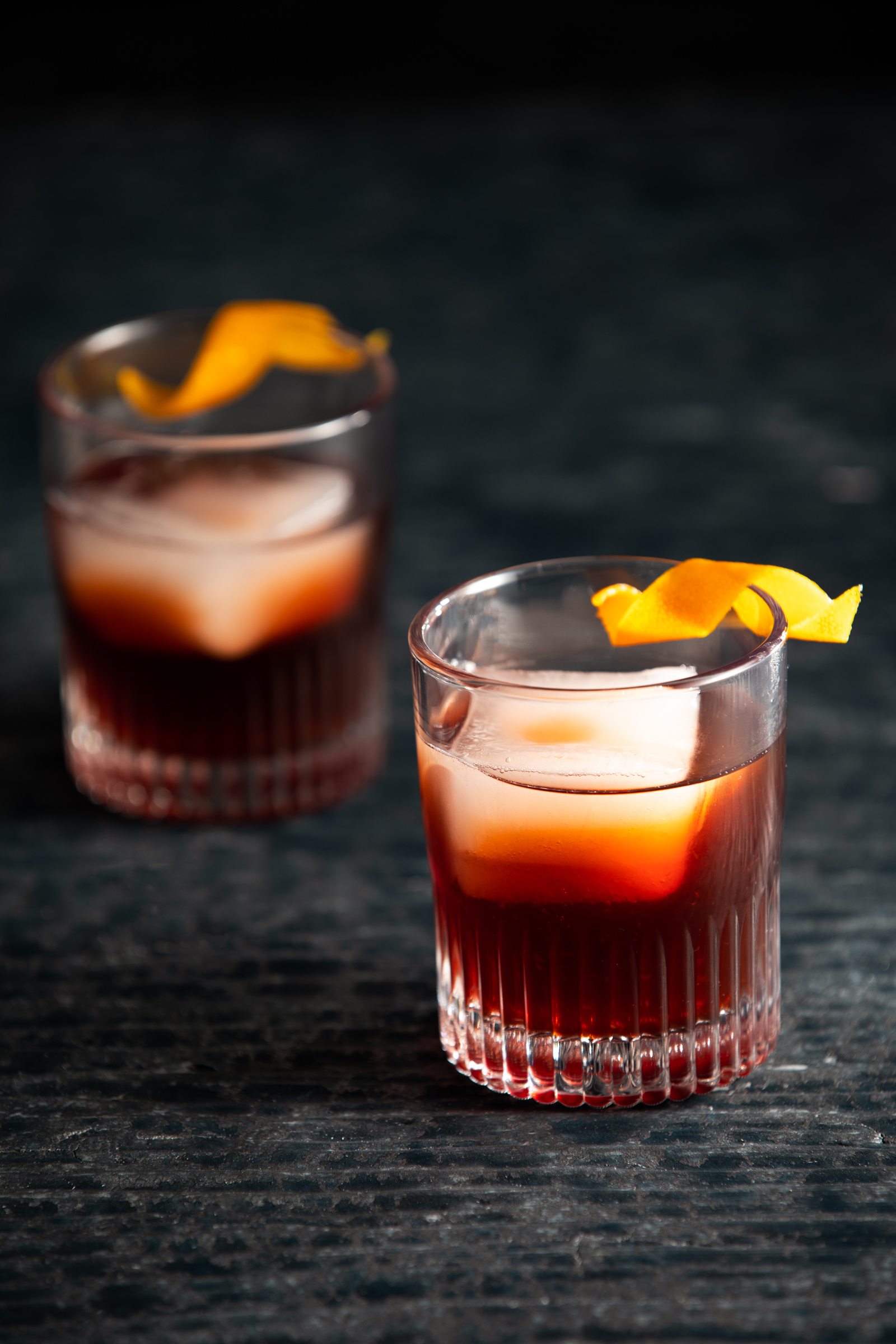
We won’t be leaving the Negroni lovers out of National Coffee Day. This aperitif or after-dinner drink gets you buzzing with a dose of espresso followed by the classic taste of a Negroni. The Espresso Negroni is like the Espresso Martini and Negroni had the perfect child!
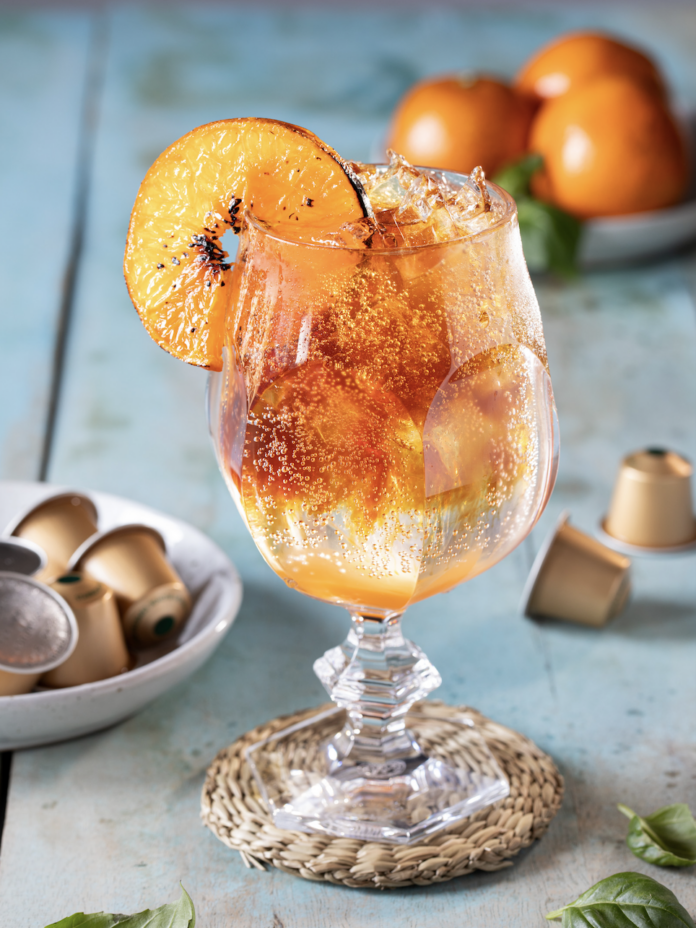
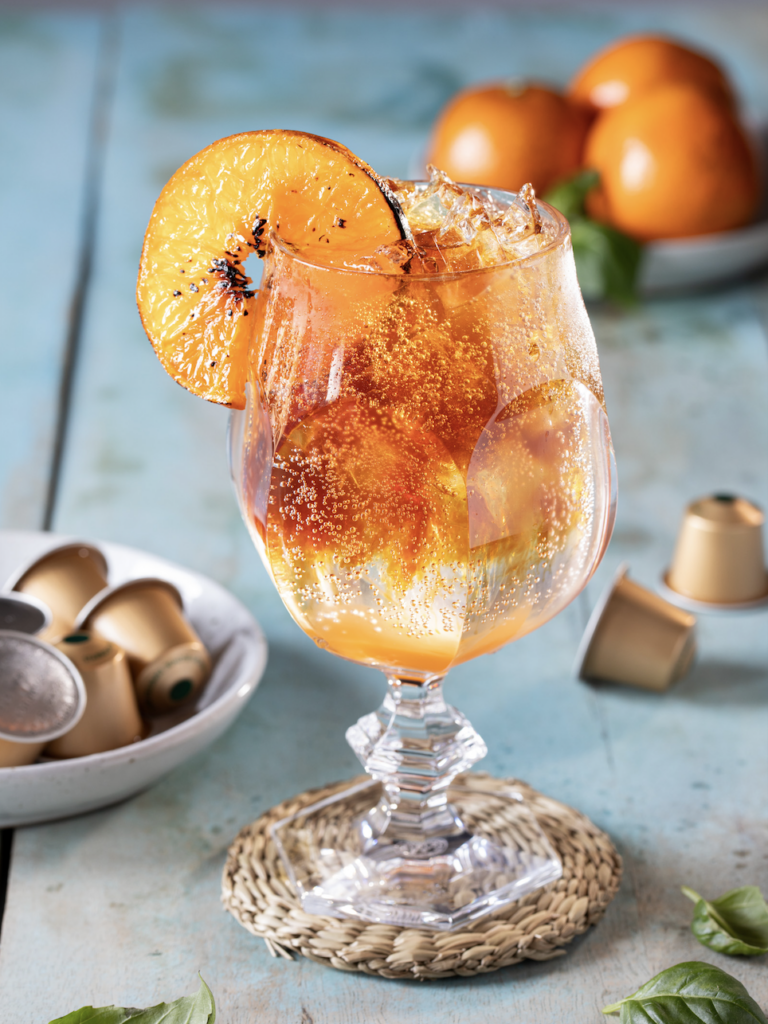
When relaxing on a hot day, cool yourself down with our Espresso Spritz. This refreshing mixture of espresso and tonic can help you kickstart your day or give you an evening pick-me-up. Plus, the splash of fresh orange juice adds a citrusy touch that brings the espresso and tonic together. Or, you can experiment with your own favorite cocktail additions to modify the flavor.
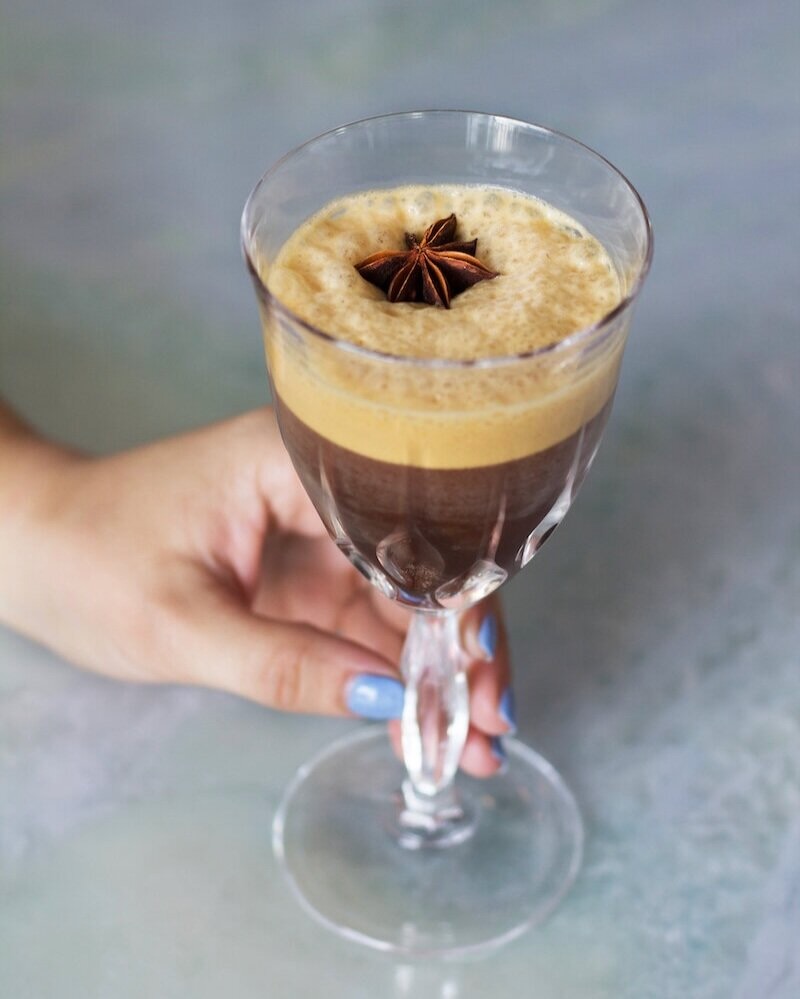
If you are not a martini or vodka fan, mix up an Espresso Whiskey Martini for an extra kick. This cocktail hits harder than a regular Espresso Martini. Plus, you’ll find the addition of sweet, hazelnut-y Frangelico as a happy welcome.
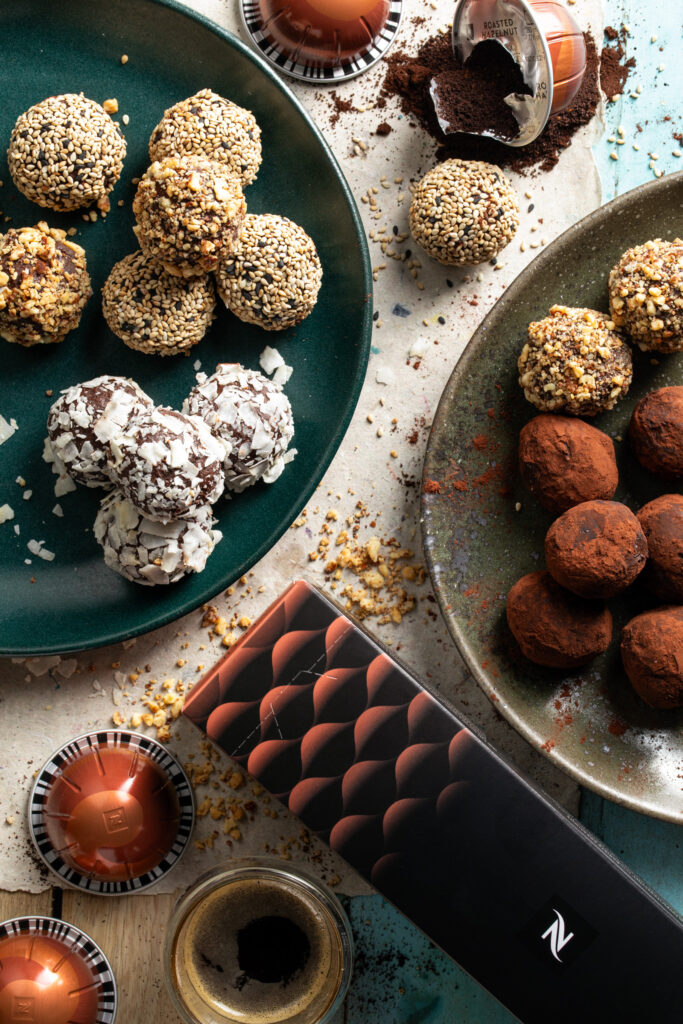
Did you know Mocha Truffles can be a tasty, sugar-free treat to serve at your next gathering? The recipe engages simplicity too with just five ingredients being all your need and easy instructions. They’re also sure to relieve your sweet tooth when rolled in topping of unsweetened cocoa powder, chopped nuts, or freeze dried fruit.
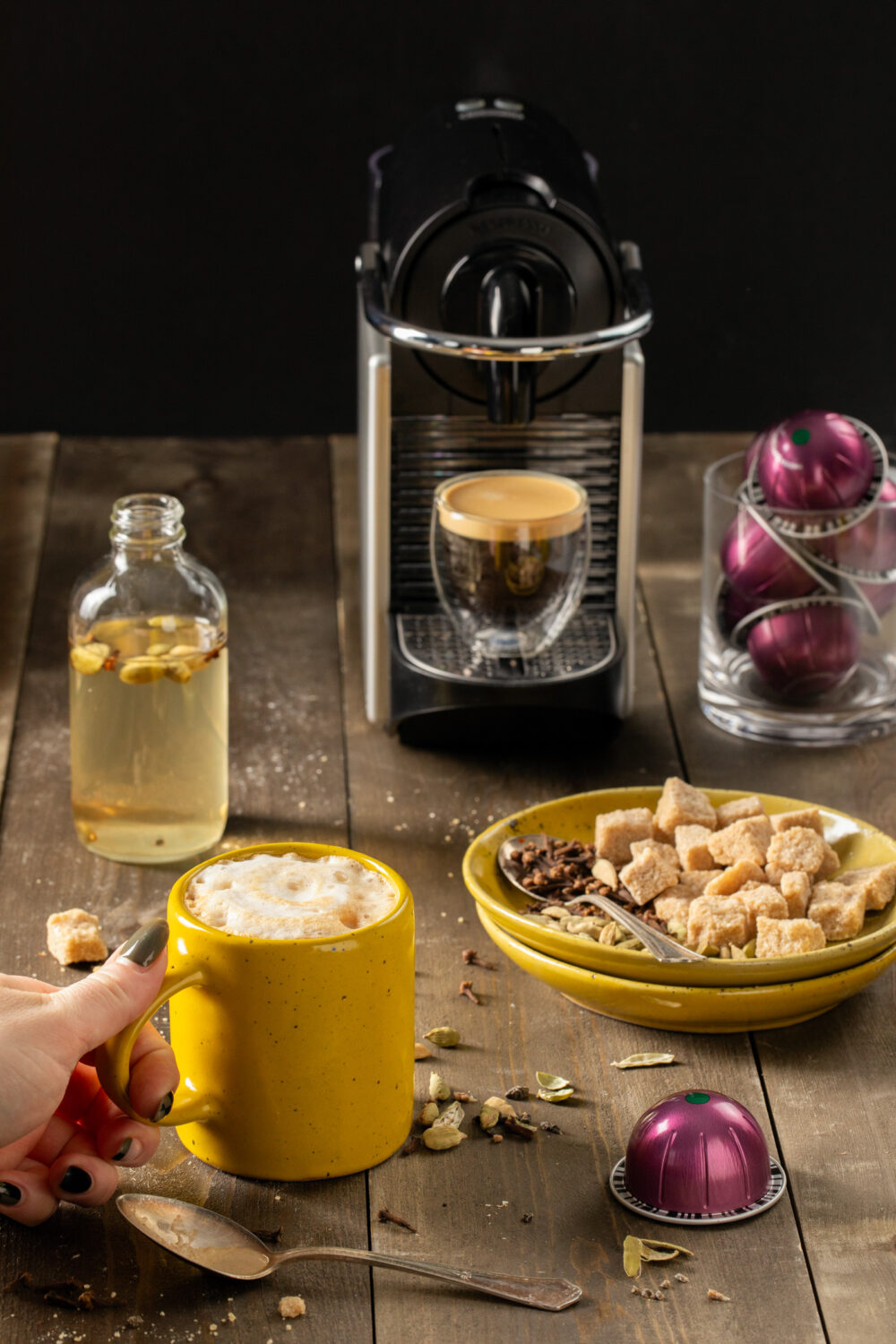
Let the spices of fall and winter join your morning coffee routine. This Cardamom and Clove Oat Milk Latte helps you wake up with warming flavors and a creamy finish. The best part is learning to make a Cardamom and Clove Simple Syrup that you can use in cocktails as well.
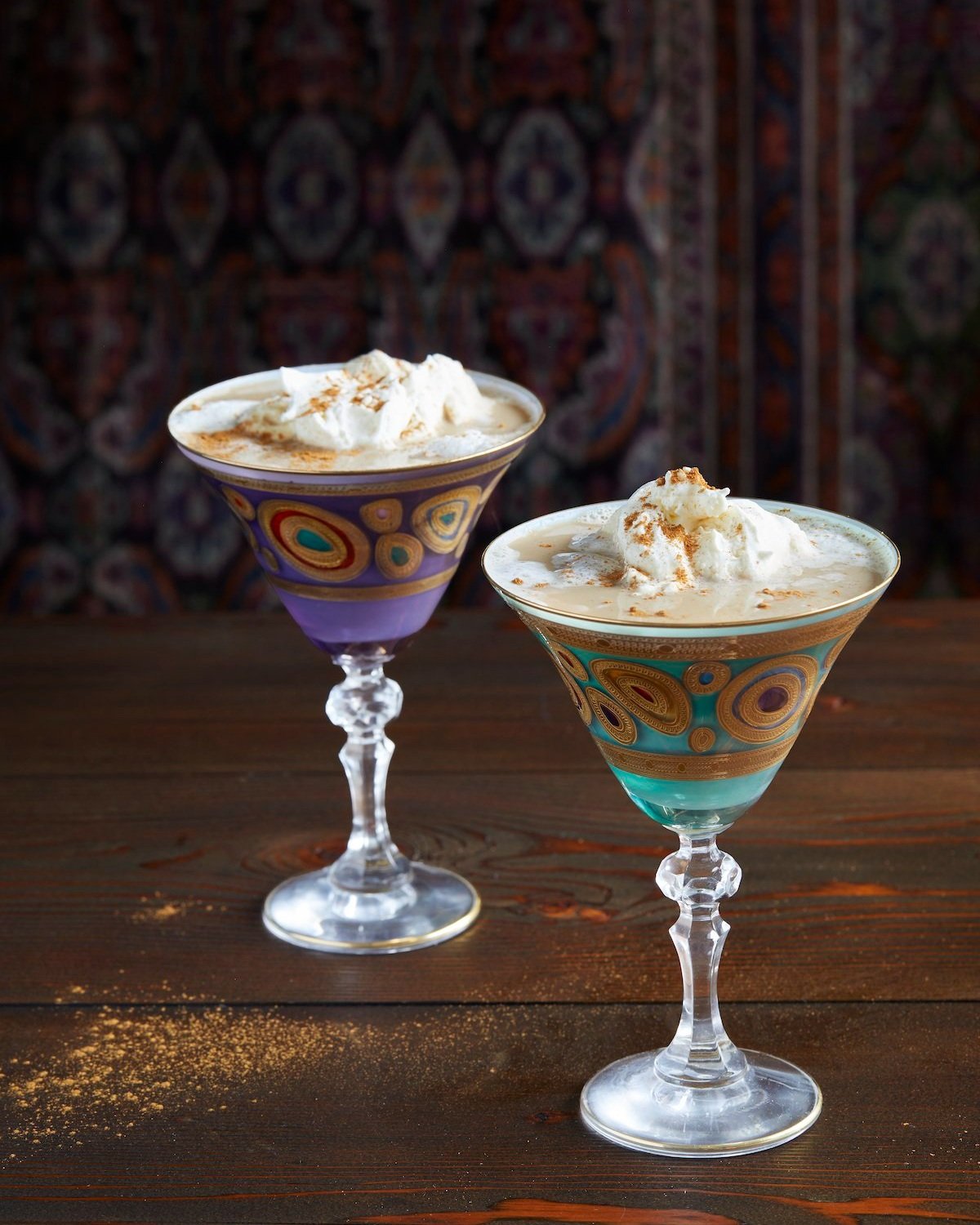
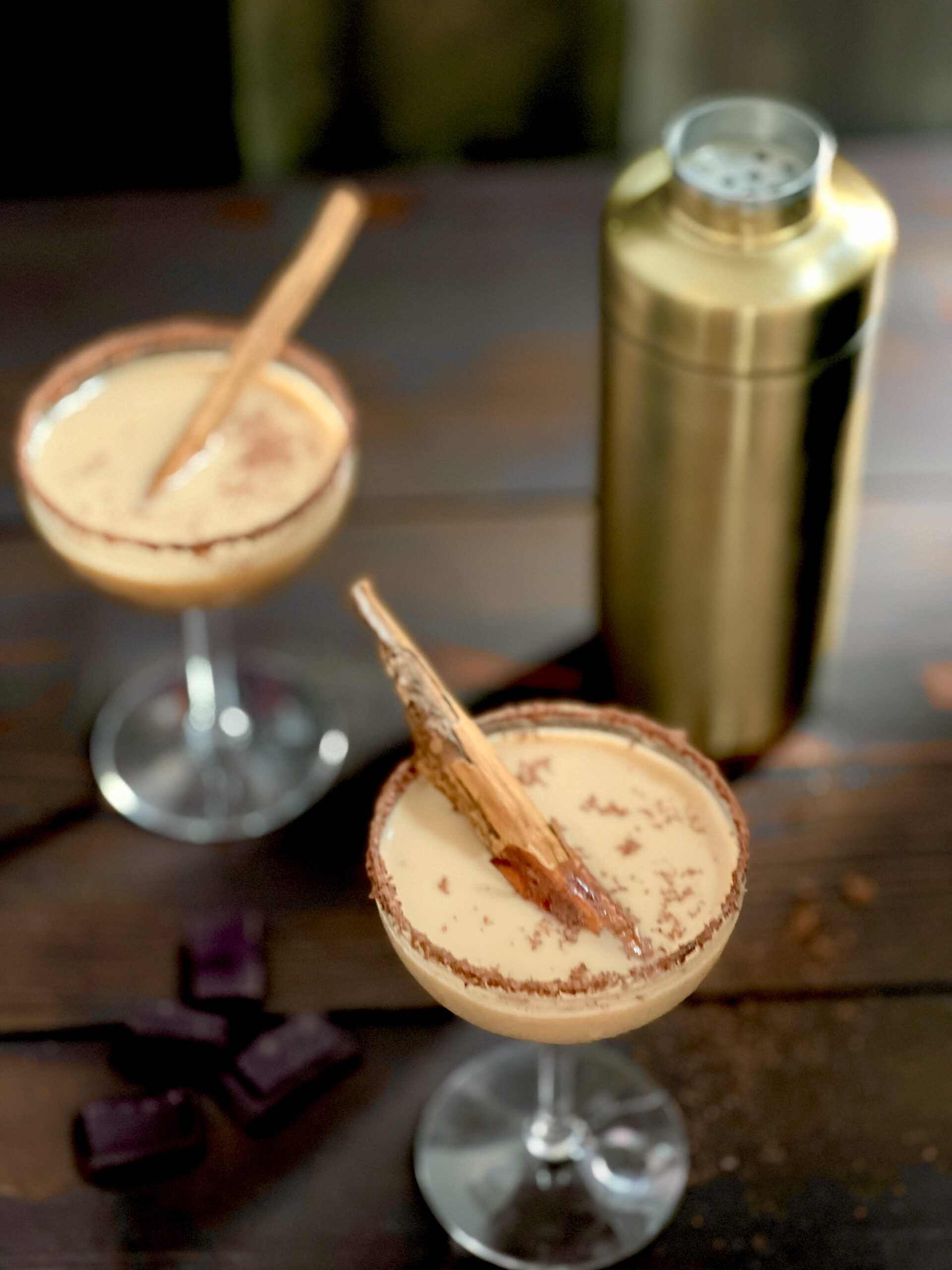
We couldn’t have an ode to National Coffee Day without the number one drink, the Pumpkin Spice Latte. Our martini version is perfect for those hard days after work where you need a little pick me up and a little comfort.
You have the choice to customize your own Shakerato with either limoncello, Sambuca, or Amaretto. Depending on the flavor profile you prefer then this simple mix of espresso and simple syrup either takes on citrusy, anise, or nutty notes.
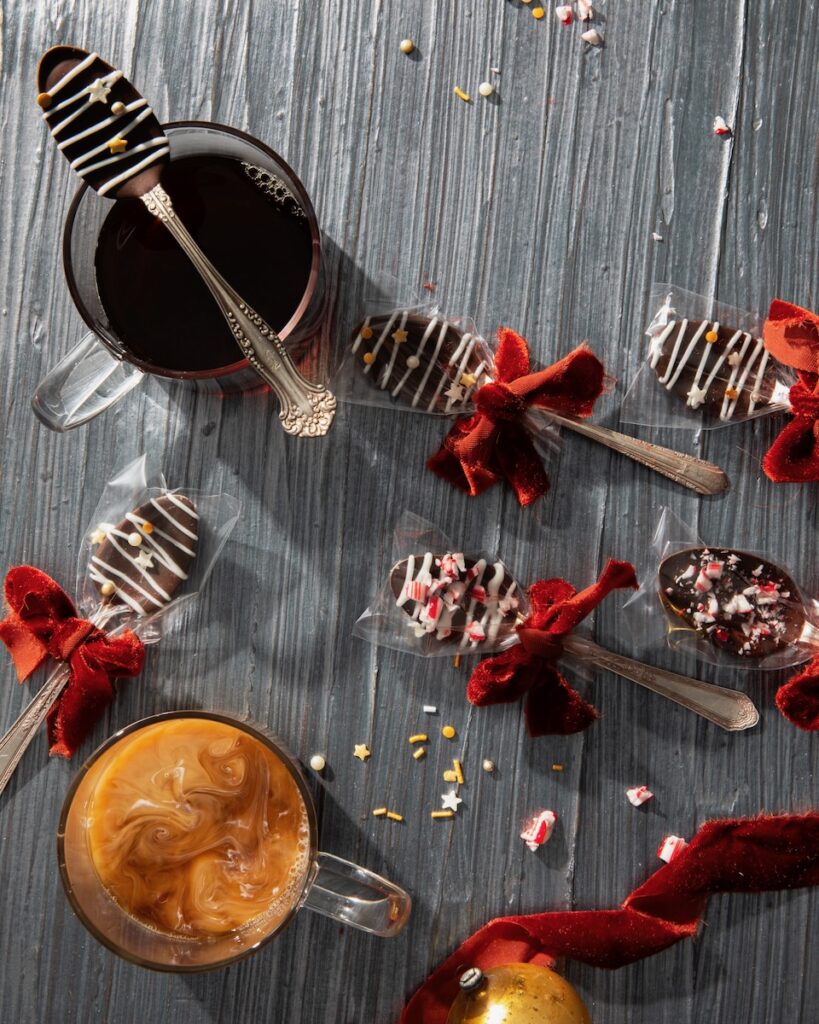
A little DIY project can turn into a coffee day or week gift for your friends and family. A couple of spoons from Dollar Tree, melted chocolate, and instant espresso powder can take your morning cup of coffee to the next level. Simply let your spoon rest in a cup of hot milk and voila!
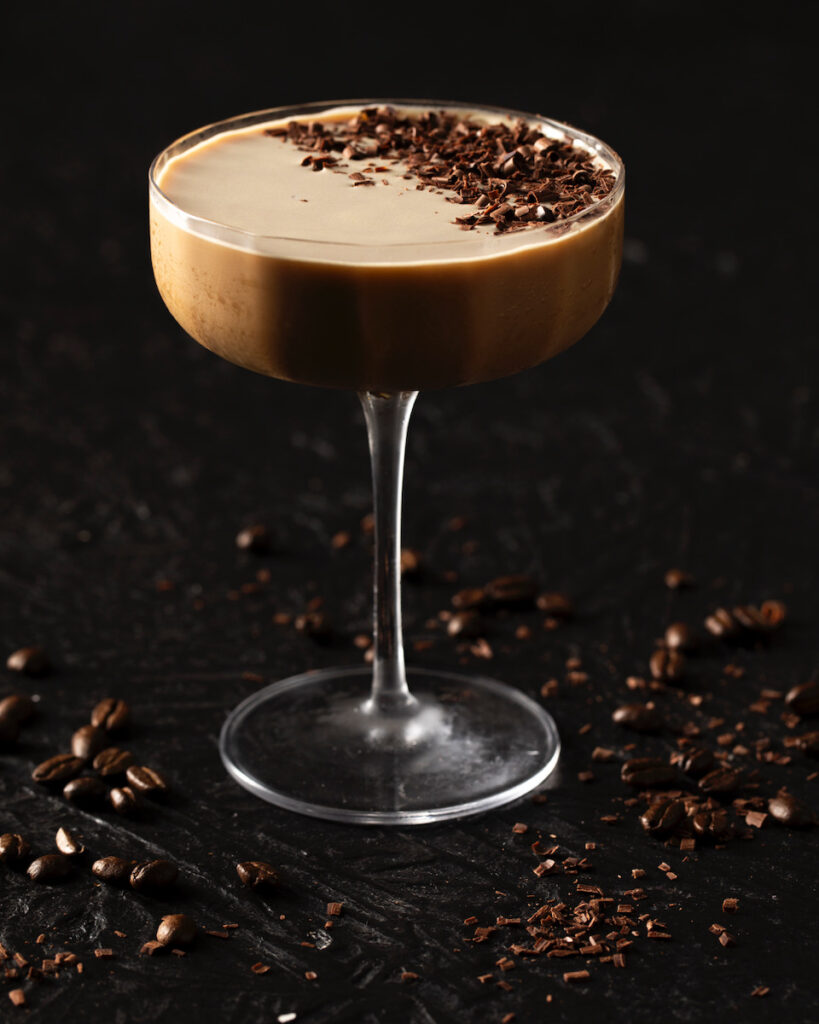
Take your Espresso Martini up a notch by using freshly brewed espresso and Dirty Chocolate Cream Liqueur. Don’t forget the extra shavings on top for a smooth, chocolatey finish.
Thanksgiving is a time of sharing, especially when it comes to the dessert table. While pumpkin pie is essential to Thanksgiving, there are plenty of other dessert recipes you can make instead. Or, you can even make these recipes in addition to your holiday favorites just to add a little something new to the table. Whether it’s a batch of sweet, decadent pumpkin cookies or a cake full of spice and tart cranberries, we’re sure your guests will enjoy a delectable treat to end the feast. Just be sure not to eat too much during dinner, you’ll want to save room for dessert.
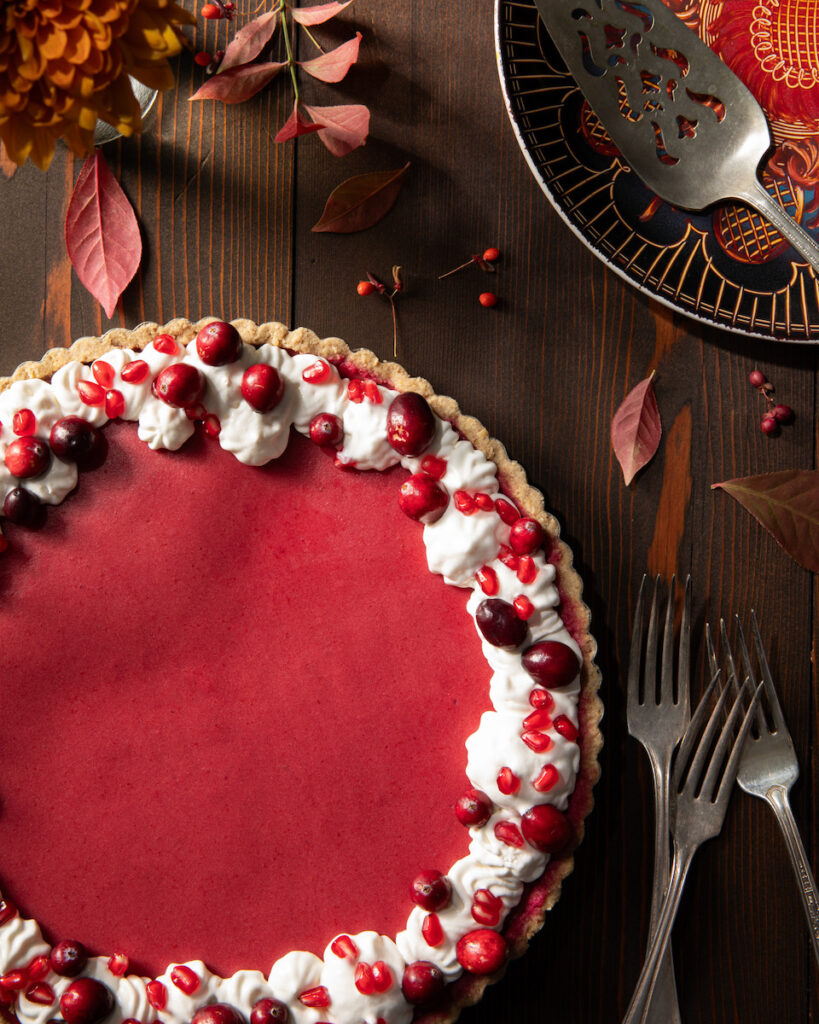
If you don’t have a tart on your dessert table then this recipe is the perfect addition. Cranberry season is a gift to our taste buds and we’re taking full advantage of this time. Our Spiced Cranberry Tart takes this winter staple ingredient and blankets it in a crunchy, oat-based crust and cinnamon.
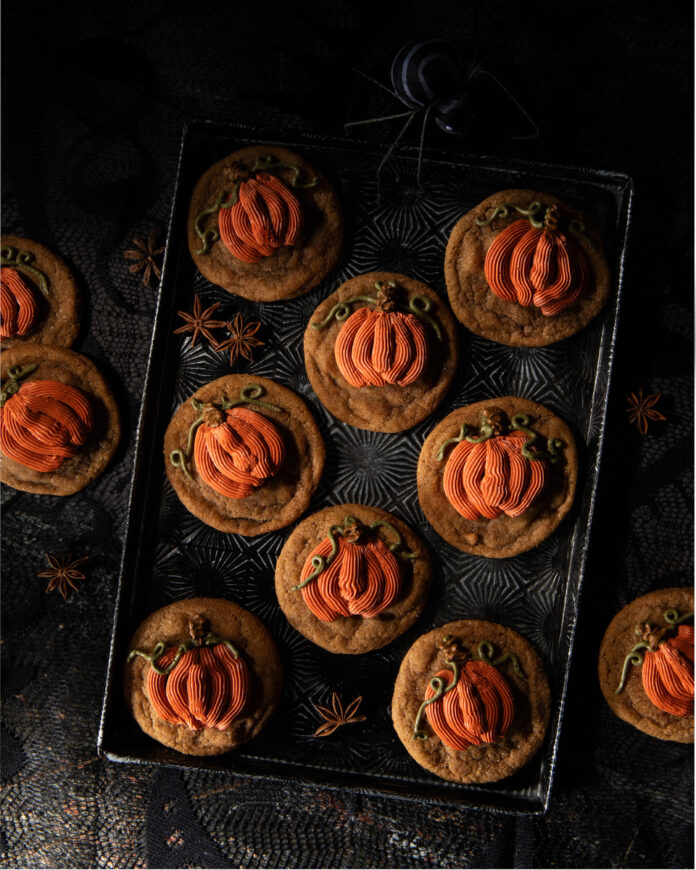
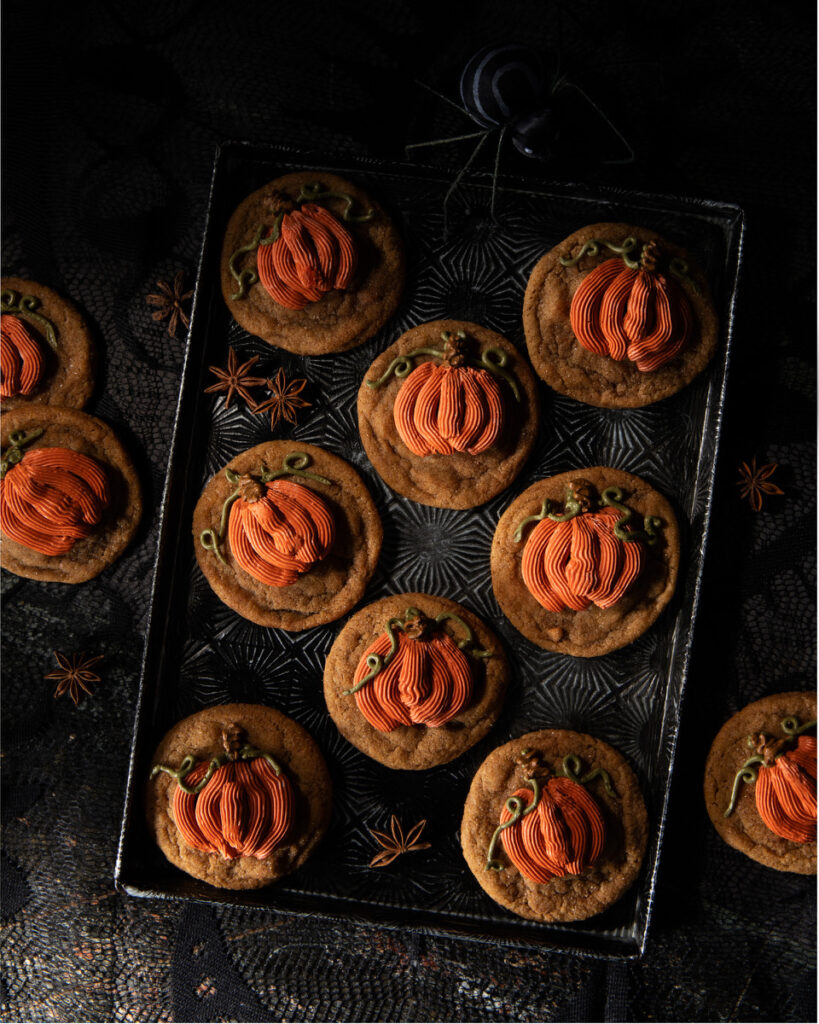
Can’t decide between cheesecake and pumpkin pie? Turns out you don’t have to if you make our Pumpkin Cheesecake Cookies. These flavorful cookies have a smooth and luxurious cheesecake center that leaves you needing more than one. Plus when you decorate these cookies with pumpkins on top, it makes for a festive centerpiece to any table.
If you choose to go more traditional this holiday season, make up an Apple Crisp that’s warm and gooey, fresh out of the oven. Here, fresh orchard-picked apples join a medley of brown sugar, pecans, and cinnamon for a bite of fall in every spoonful. If you really want to treat your guests, you can add a scoop of ice cream on the side.
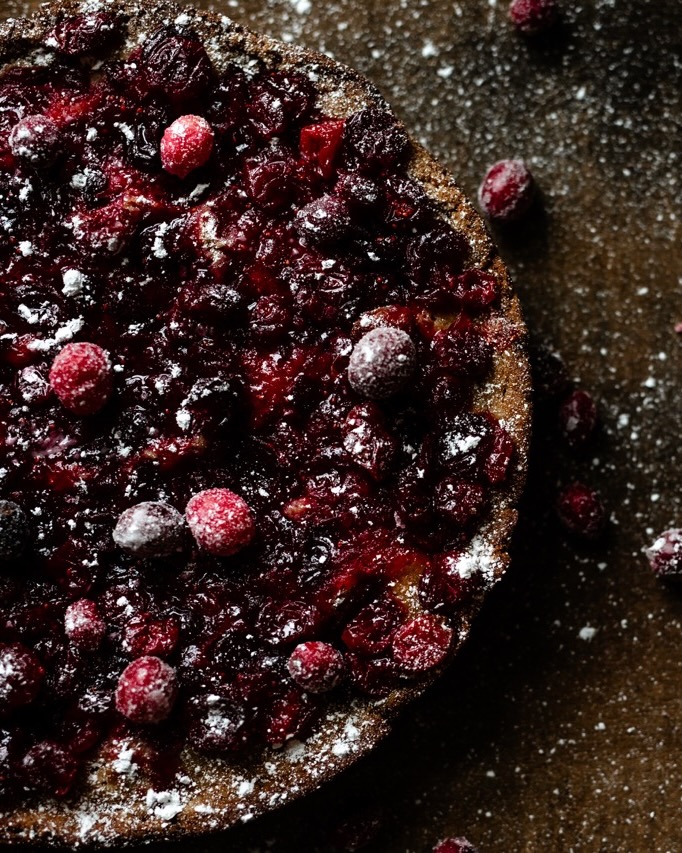
Store bought cakes or box mix just won’t work for this special gathering of friends and family. Bake up a Spiced Mascarpone Cranberry Cake that truly infuses all the essential ingredients of the transition to winter. Think cinnamon, orange zest, nutmeg, mascarpone cheese, and of course, plenty of cranberries. Not to mention, the presentation of this dessert is simply gorgeous.
Rather than sweet potato pie, try a Sweet Potato Cheesecake instead. It’s got a combination of sweet potato and pumpkin pie spice along with cream cheese to make a mouthwatering filling. The crust is also made of gingersnap cookies to add a little extra spice and some crunch to each bite you take.
Pie and the holidays go together like peanut butter and jelly. This Dutch Apple Pie with a Twist uses sour cream to create a creamy, tangy apple filling unlike any pie you’ve had before. Though, we have to say, the crumbly, crispy topping may be our favorite part of this warm slice of deliciousness.
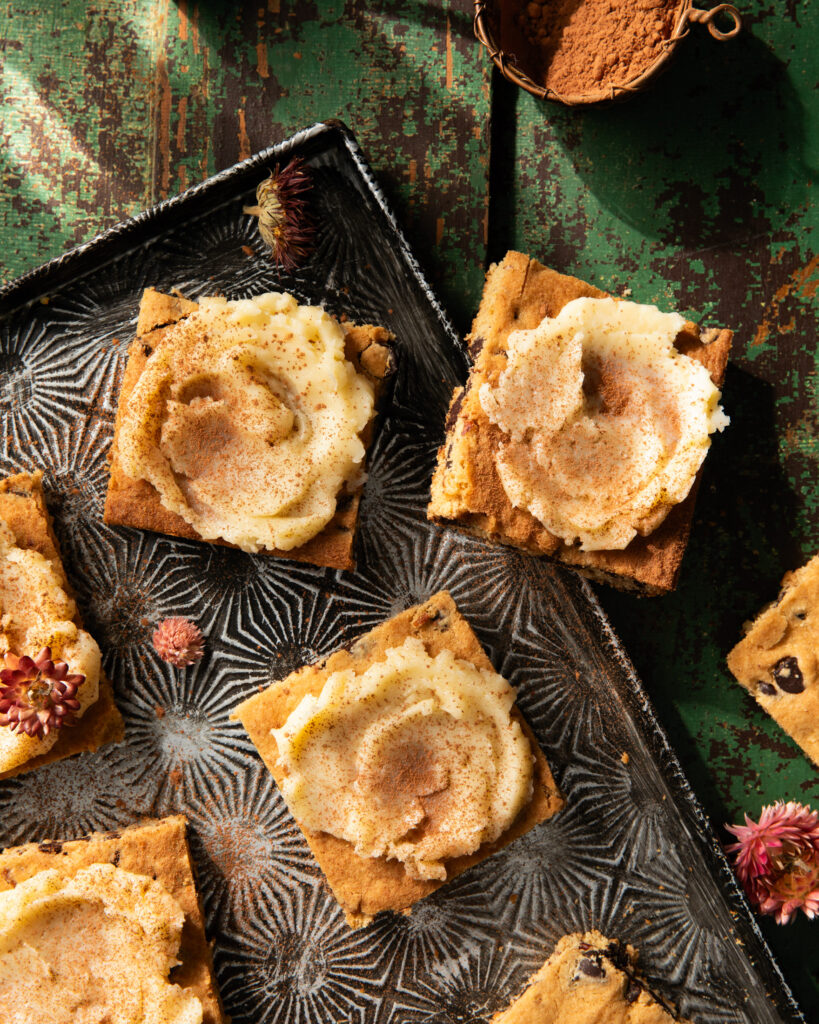
These Dark Rum Blondies offer a rich and sophisticated twist on the classic dessert bar, making them an ideal, grown-up treat for Thanksgiving. The chewy, buttery blondies are infused with dark rum, which deepens the sweetness of this treat.
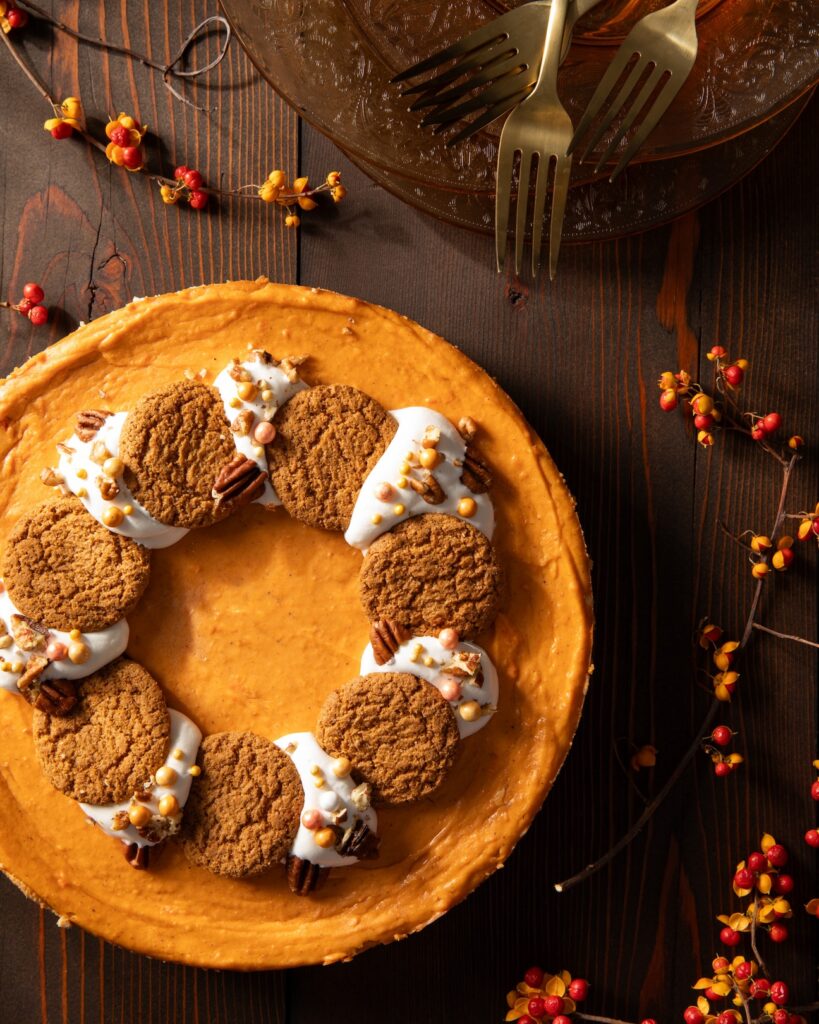
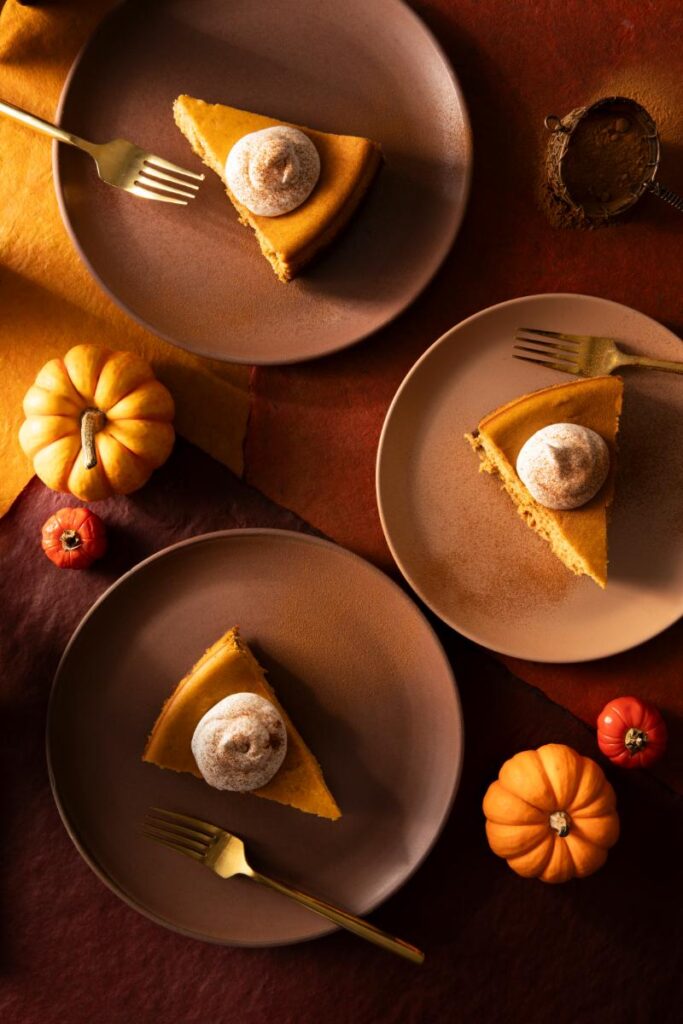
Forget the pie this year, our Pumpkin Cheesecake with Gingersnap Crust is the elegant, spiced centerpiece your holiday table needs. A velvety, pumpkin cream cheese filling cushions the warm, aromatic embrace of classic fall spices and a buttery crust made of gingersnaps.
Inspired by Martha Stewart, these Soft and Chewy Chocolate Chip Cookies are a quintessential holiday dessert. After all, who doesn’t love a chocolate chip cookie? But in case you want to switch things up there’s also a recipe here for a white chocolate strawberry version.
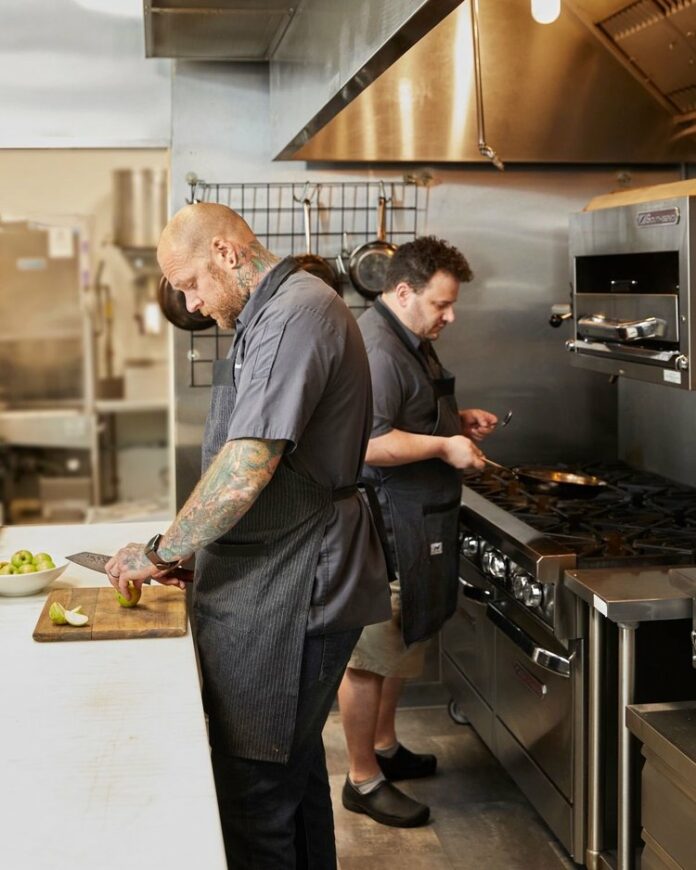
For some, the best part of Thanksgiving is the food. Others put family, whether found or biological, at the heart of the holiday. Others, like chef Cory Hughes of Fig & Ash, choose a combination of both as long as the holiday ends with a nap.
“Thanksgiving is our first cold-weather holiday,” the chef says, “and I want warm, nourishing, stick-to-your-ribs kind of food… warm comfort food that is going to give me a nap afterward.”
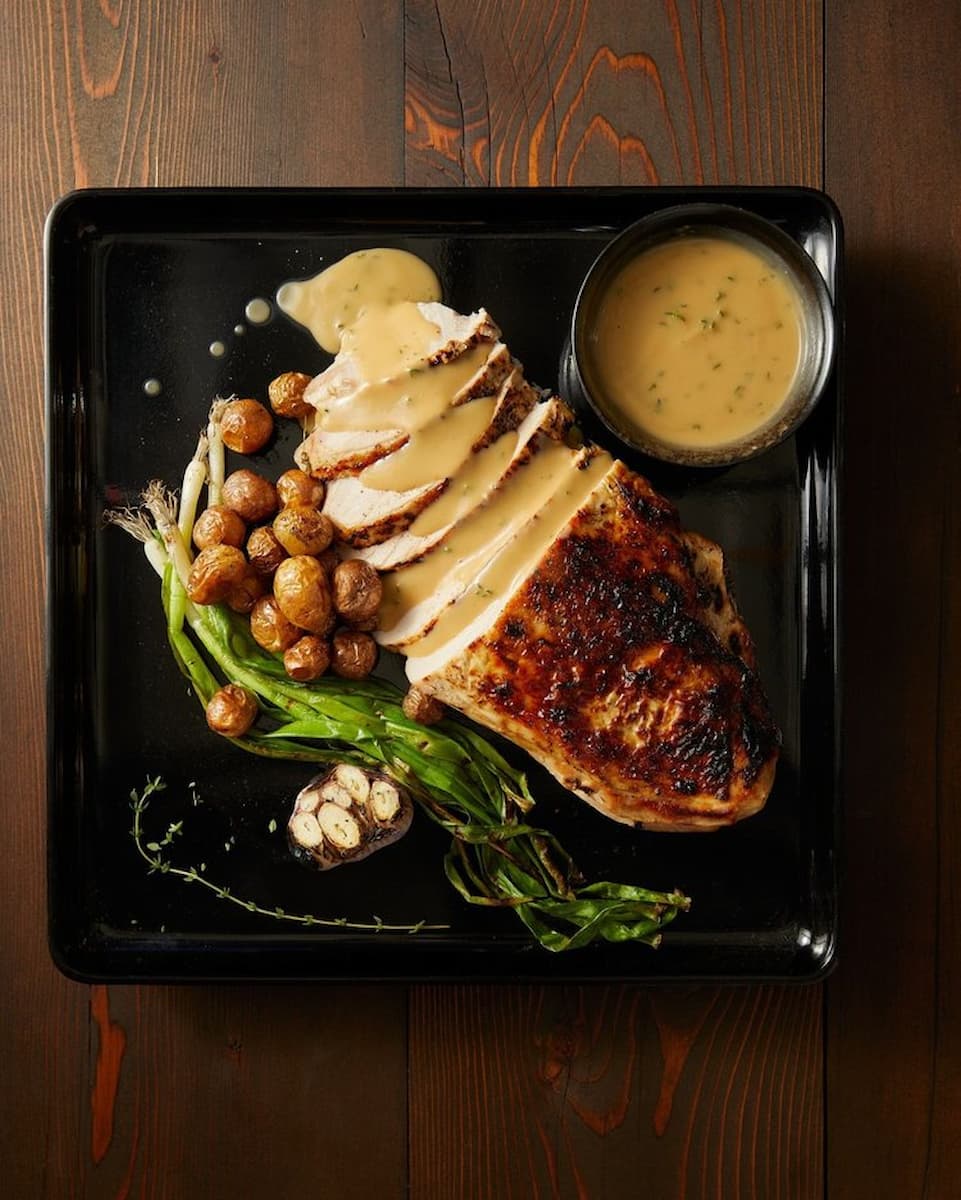
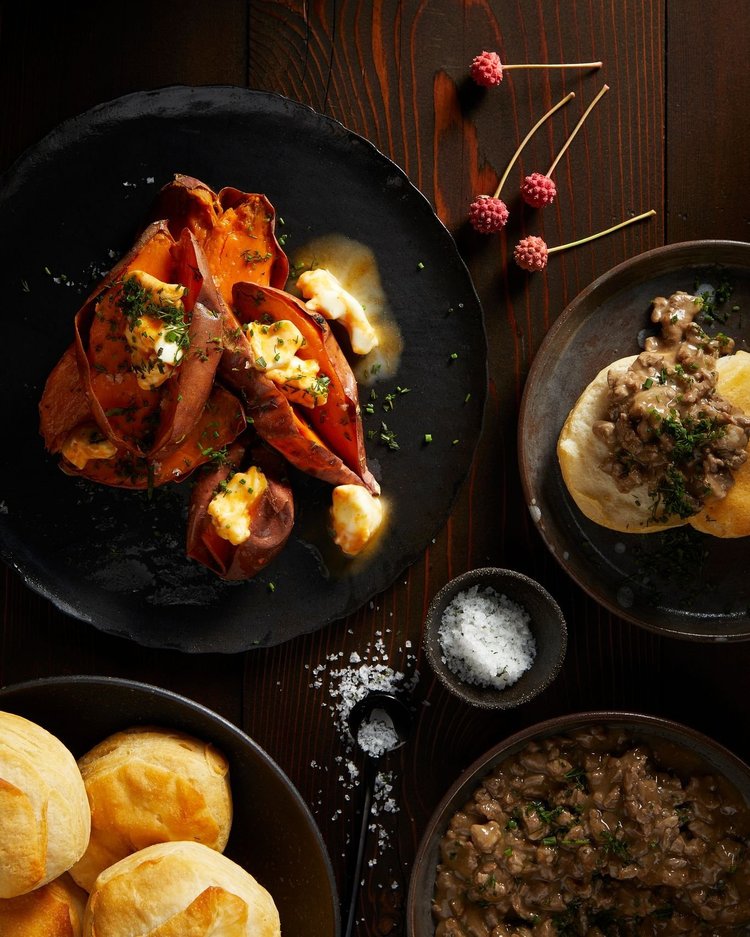
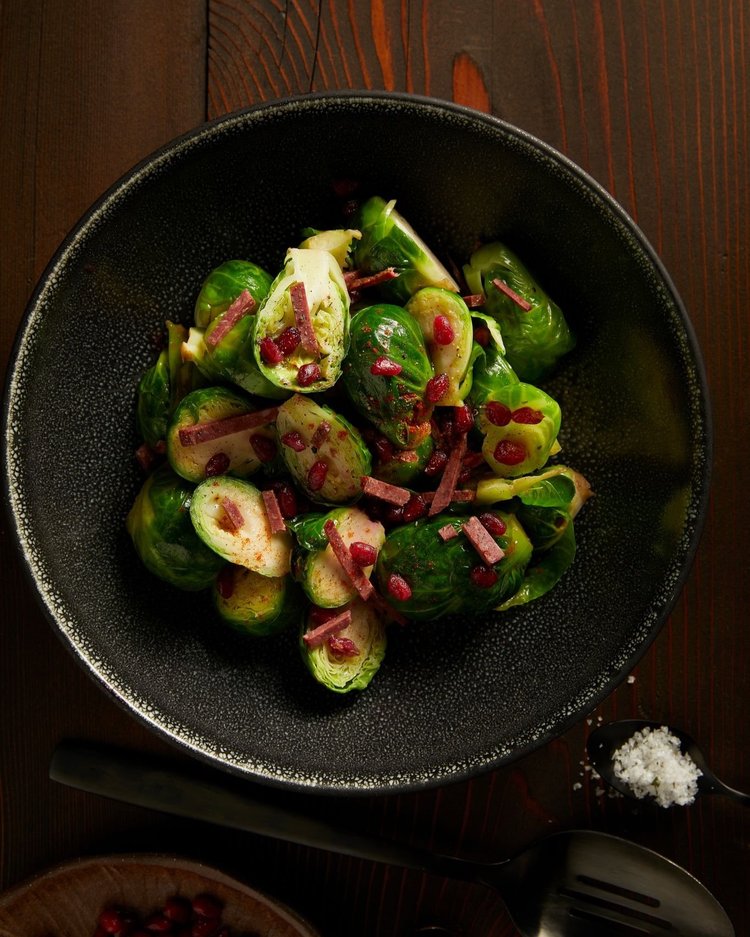
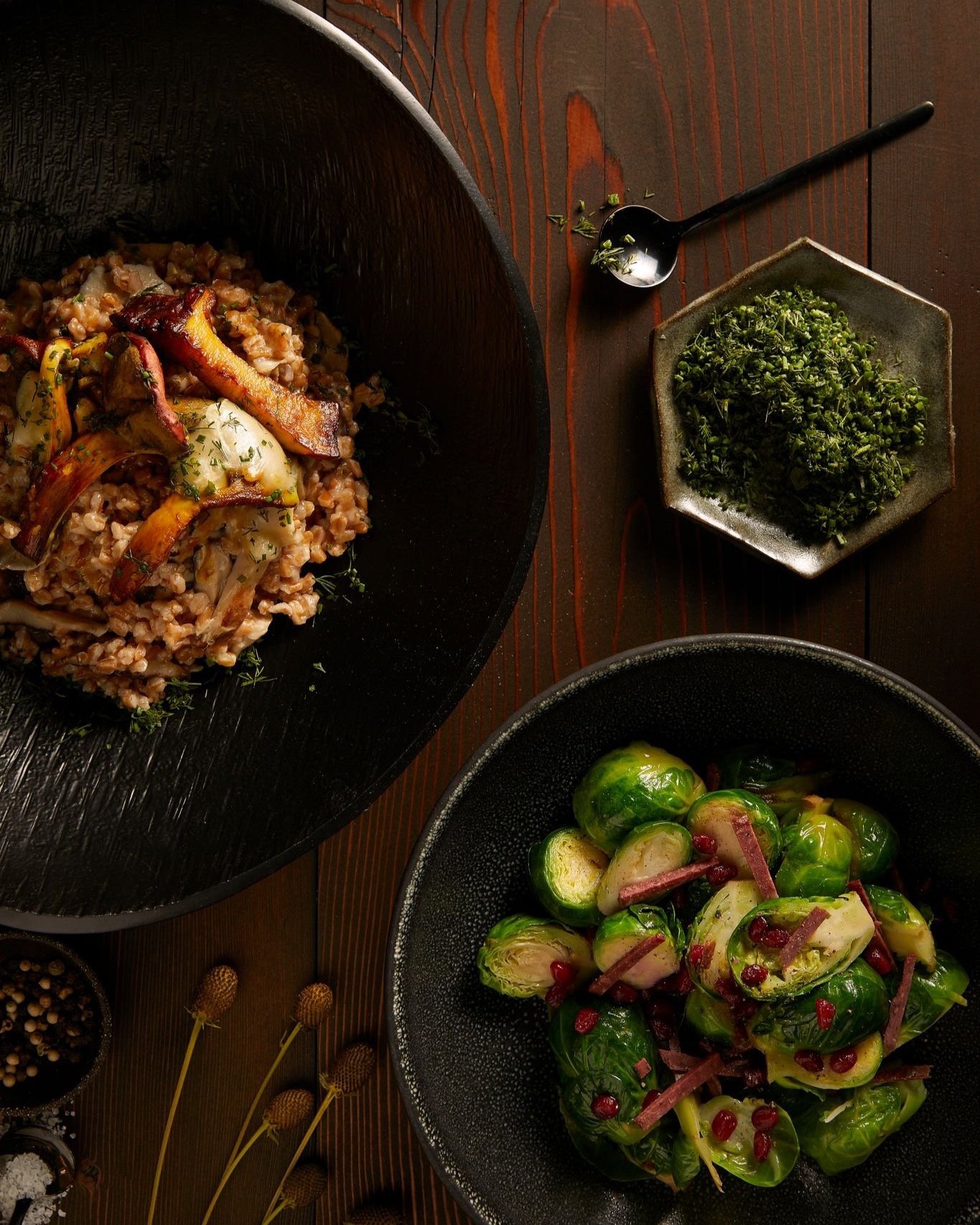
Warm, earthy, delicious food is exactly what you’ll find in the Thanksgiving recipes Cory shares with TABLE readers. His menu of favorites includes classic dishes elevated by sporting twists like the turkey breast that takes a dip in the sous vide or the savory, earthy addition of squash to his turnover riff on apple pie. The chef’s layered flavors shine in delicious, creamy risotto and Brussels sprouts studded with salty, savory bites of venison jerky. A spicy hint of maple-chipotle butter adds a new level of taste to oven-roasted sweet potatoes.
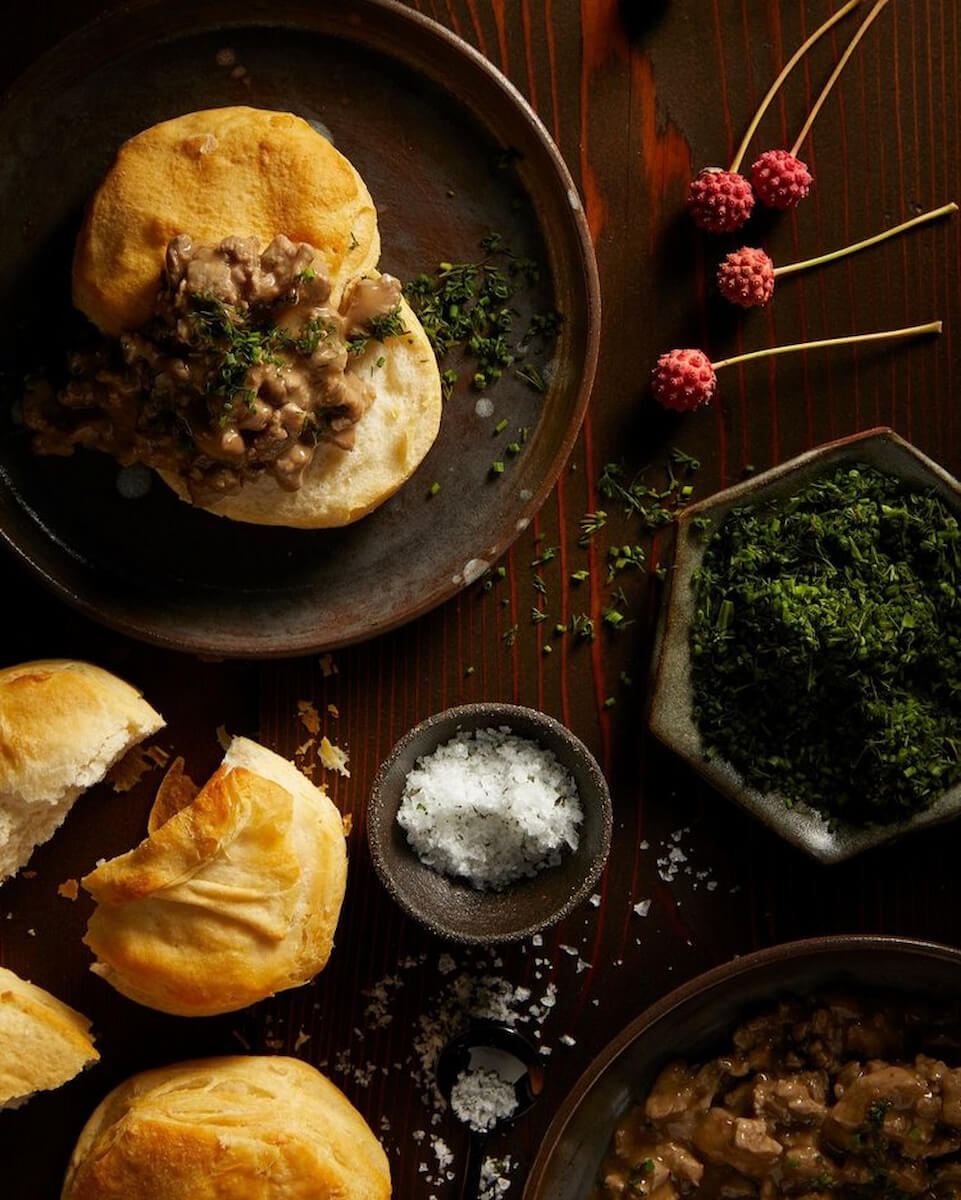
And, Cory says, this menu makes the perfect post-Thanksgiving sandwich. “A little tiny turkey sandwich on a biscuit with gravy and a little cranberry sauce? That’s a dream.”
Next Level Thanksgiving Recipes with Chef Cory Hughes
Roasted to perfection, these tender and flavorful Brussels sprouts make a delightful side dish, featuring a harmonious blend of earthy flavors and a hint of sweetness, complemented by a subtle smoky undertone.
A wholesome and farro risotto made with earthy mushrooms, and indulgent Taleggio cheese, creating a delicious and satisfying dish with a rustic and comforting appeal.
Still prepping your Thanksgiving feast? Check out our other recipes to make this holiday the best yet.
Apple cider recipes are the best way to keep the flavor of an autumn orchard going all season. Cider adds a mellow sweetness and a gentle tang to everything from soft muffins to a glazed pork tenderloin to a cozy cocktail. These nine recipes range from breakfast bakes to holiday dinners and drinks, and none of them is complicated or overly time-consuming. Every one has been tested in the TABLE studio and tasted by our crew.
Maybe you can’t drink any more apple cider this season. Or maybe you’re simply looking for recipes to incorporate that wonderful spiced autumn flavor. From a mouthwatering chocolate cake to a somewhat healthy cocktail with kombucha, we’ve selected a few recipes to make use of the season’s abundance of apple cider.
Where to Find Fresh Apple Cider (and What to Look For)
The best cider for these recipes is fresh, and fall is the season to find it. Orchards, cider mills, farm stands, and farmers markets across Western Pennsylvania and other apple-growing regions press cider in the fall, and buying it there puts your money directly into the hands of the people who grew the apples. Apples, pumpkins, cranberries, and fresh herbs are all at their peak this time of year, so a single trip can stock your kitchen for most of these recipes.
Ask about pasteurization. Packaged cider that hasn’t been pasteurized has to carry a warning label, but cider sold by the glass at orchards, roadside stands, and farmers markets doesn’t have to, so ask if it’s unclear. Children, older adults, pregnant women, and people with weakened immune systems are at higher risk from untreated cider. If you’re serving any of them, or making the no-cook drinks below, choose pasteurized cider.
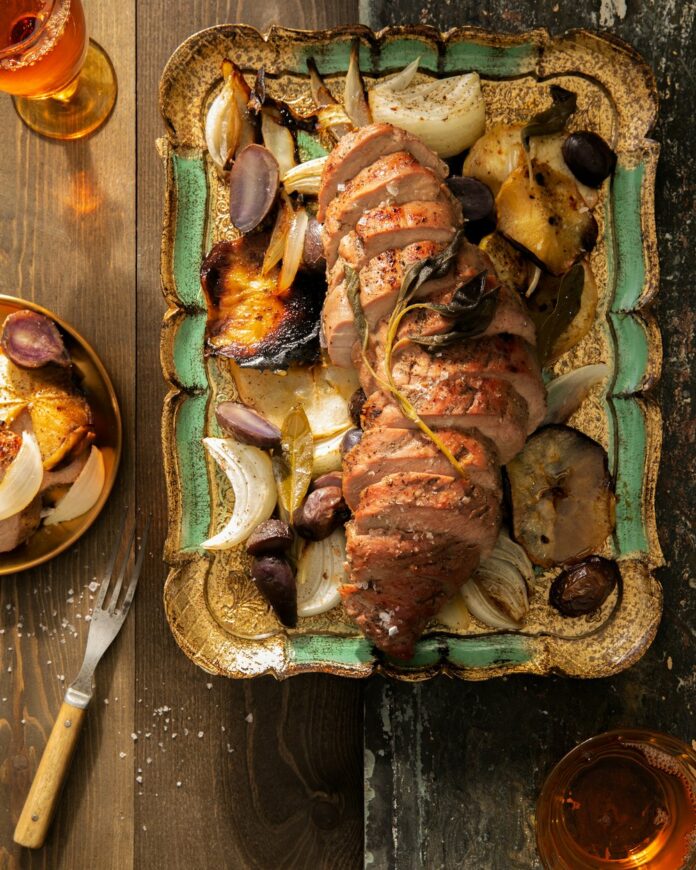
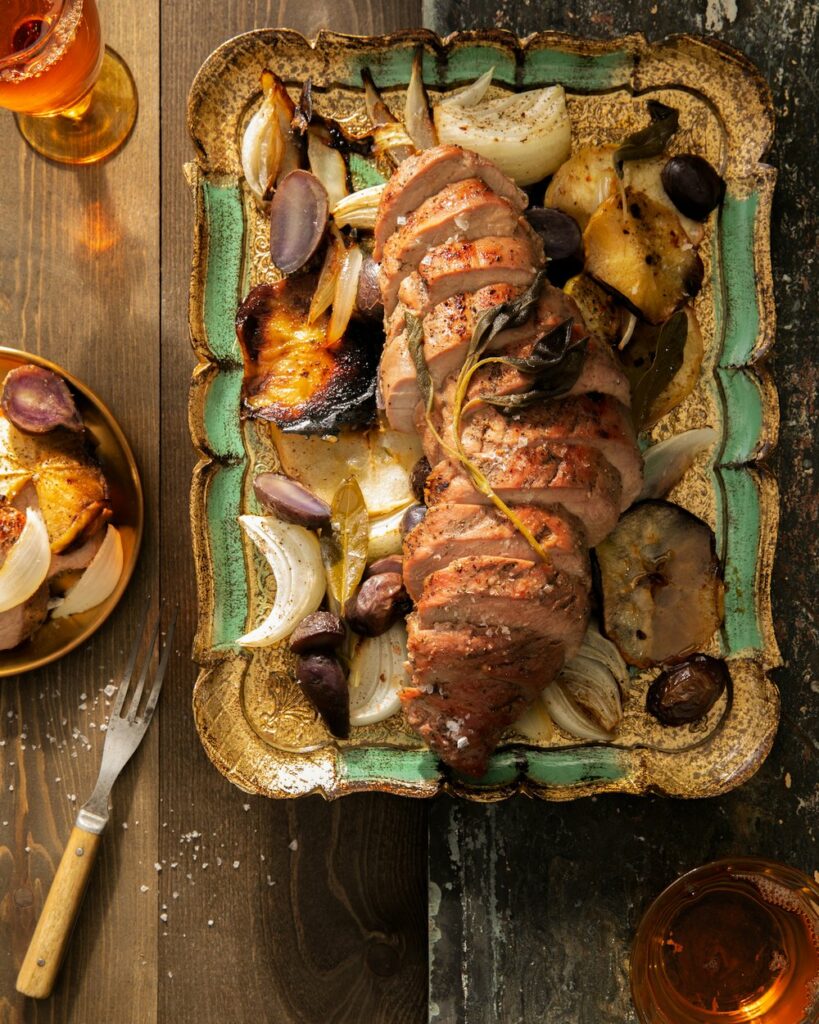
A simple glaze of apple cider, brown sugar, sage, and a bay leaf, reduced until it’s thick like honey, turns pork tenderloin into a dinner that’s easy enough for a weeknight and special enough for Sunday. It roasts alongside sliced Honeycrisp apples, sweet onion, and mini purple potatoes, so it’s a good excuse to fill your basket at the farmers market.
Cranberry, kombucha, apple cider, and rum come together in a colorful punch that livens up the gray of the year’s dimmest season. The layers of color and fresh, lively flavors make it a showpiece for a crowd. Plus, kombucha, so it must be healthy too?
Best for:holiday celebrations and gluten-free guests
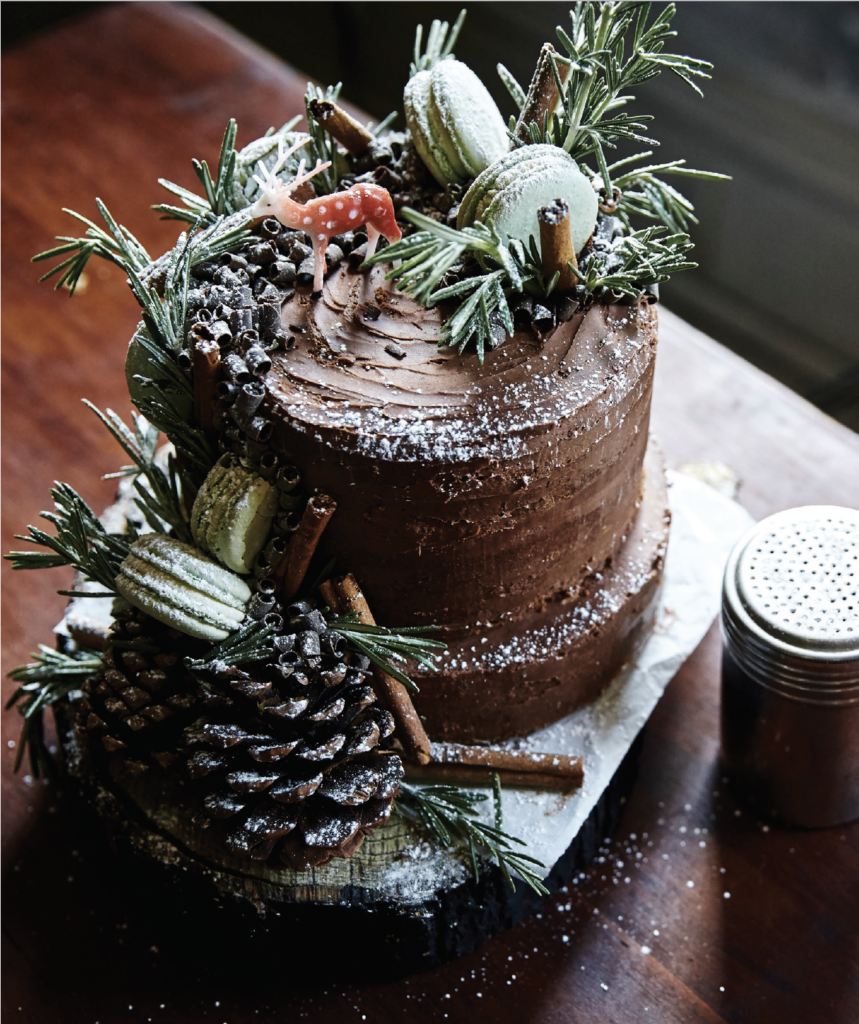
Classic holiday spices and a hint of whiskey meet a moist apple cider cake with a dark chocolate frosting. It’s gluten-free, so it pleases a holiday crowd. The cake in our photo was festive with garnishes, but it stands on its own if you’re not feeling so ornate.
Best for:a holiday side dish or a light dinner for one or two
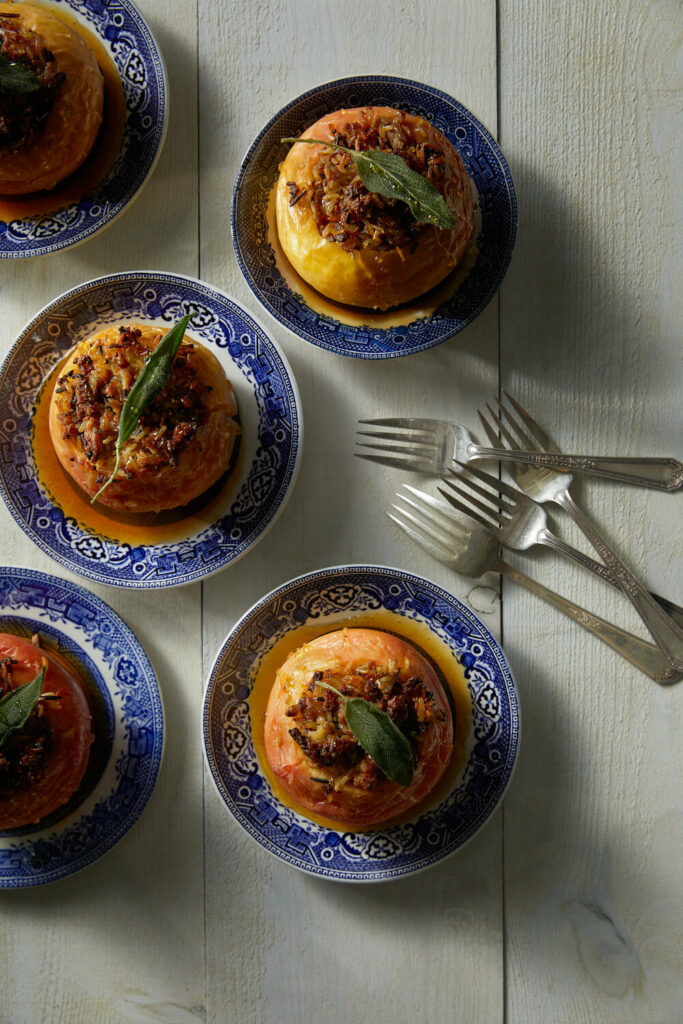
This allergy-free savory stuffed apple recipe works as a side dish for your holiday dinner or as a festive standalone meal for one or two. Traditional Thanksgiving ingredients, including apples, turkey, wild rice, and lots of fresh herbs, make it nostalgic and whimsical, and a cider reduction ties it together. Your guests will feel like they’re getting extra-special treatment.
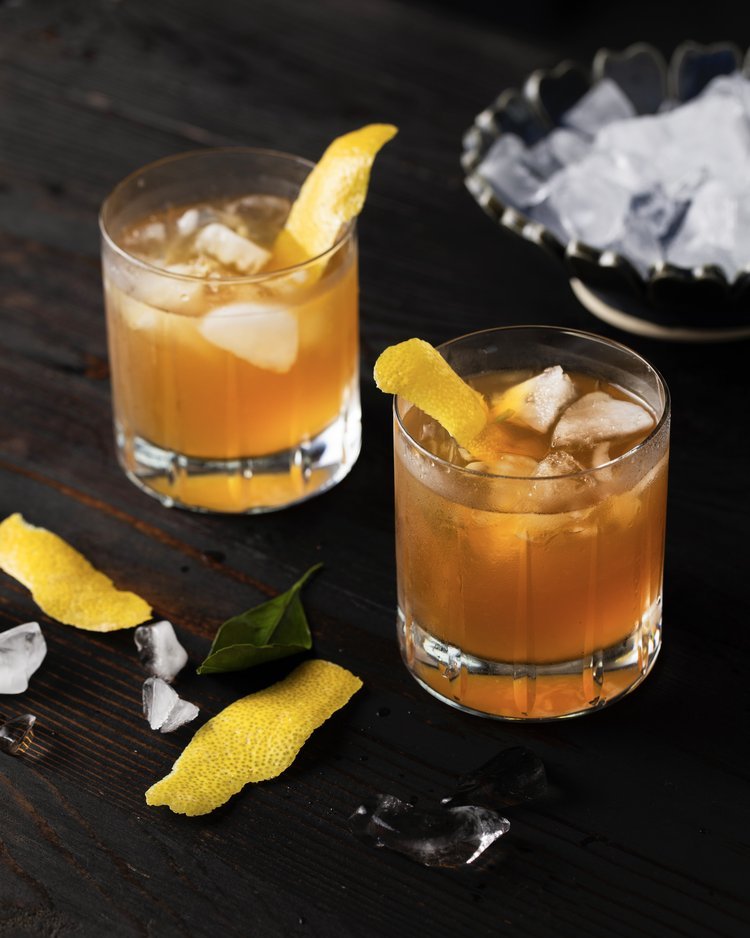
This cozy, bourbon-infused twist on the classic Negroni swaps the traditional gin for bourbon and adds apple cider. The result is a smooth, pleasantly sweet, and slightly smoky cocktail that’s perfect for chilly nights.
Best for:breakfast, brunch, or a fall treat to share
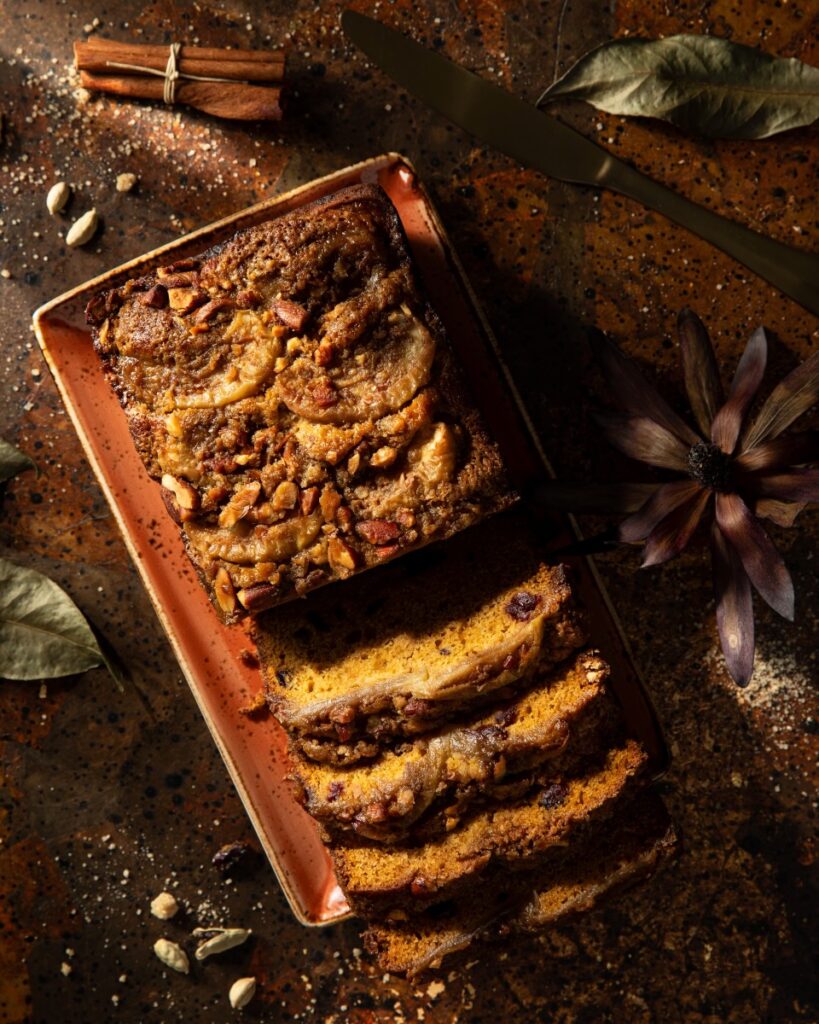
This quick bread combines fresh pumpkin and sweet apple cider and keeps you warm with cinnamon, nutmeg, and ginger. A topping of sliced Gala apples, brown sugar, ginger, and chopped almonds crusts perfectly on top.
The traditional Manhattan gets a new face when fresh apple cider balances the bourbon and winter spices. It combines whiskey, red vermouth, apple cider, fresh lemon juice, and Angostura bitters. It’s a little less potent and a lot more delicious.
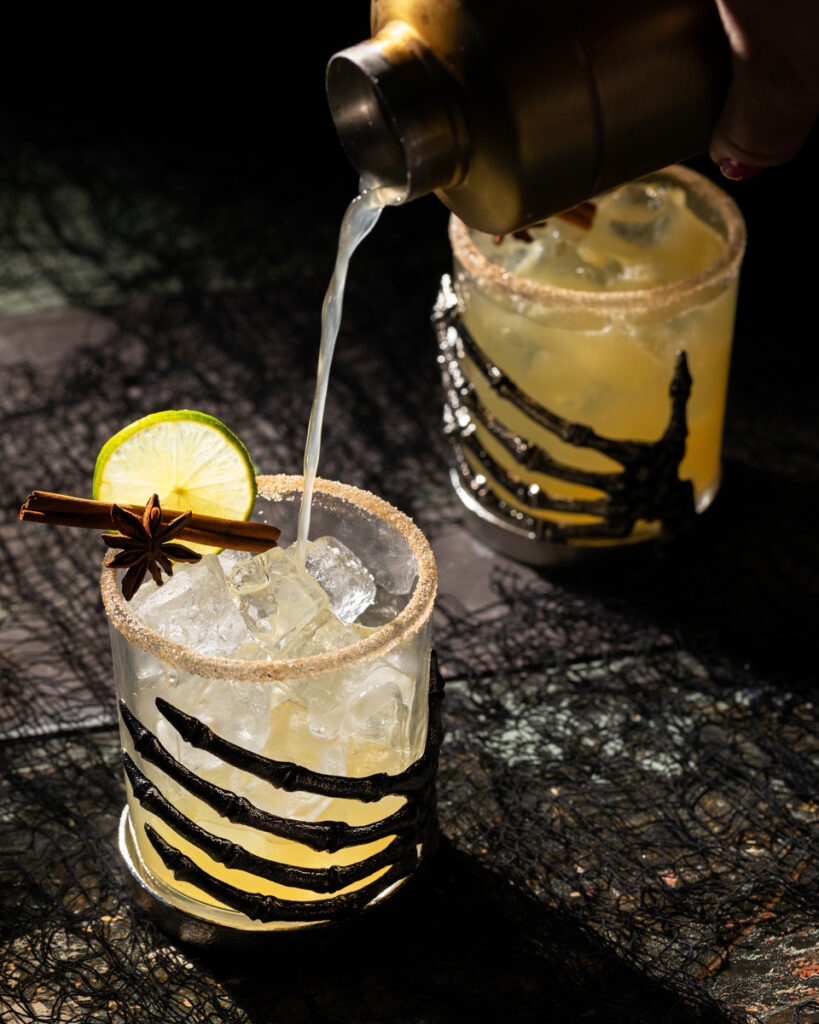
The refreshing tang of lime and the citrus notes of Cointreau are the perfect match for sweet apple cider. Finish it off with tequila, orange juice, and mulling spices, and you get the fall season in a glass.
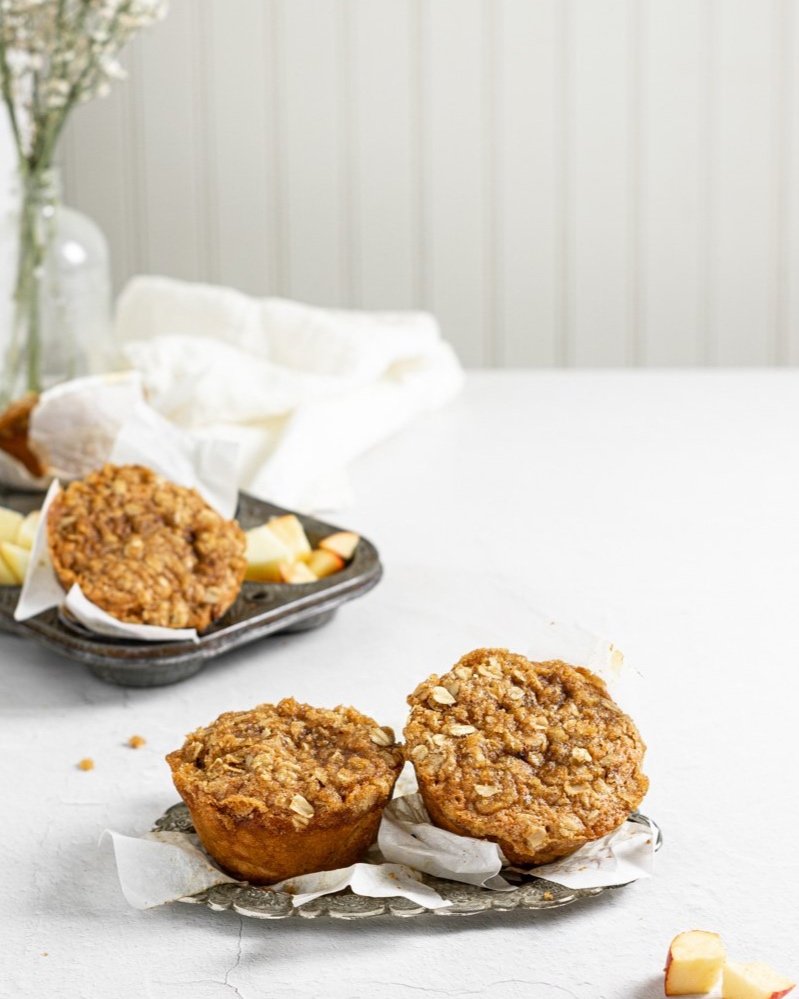
Soft, fluffy, and oil-free, these vegan muffins are full of chunky apples and cinnamon spice, which makes them a natural way to use the apples you bring home from a local orchard. They’re delicious fresh out of the oven and even better finished with a streusel topping.
Tips for Cooking with Apple Cider
Use plain, non-alcoholic cider. Save hard cider for cocktail hour.
Let the cider do the work in glazes and sauces. The pork tenderloin glaze and the stuffed-apple reduction both use the cider’s natural sweetness to balance savory ingredients like pork, turkey, and herbs.
Bake with it. In the muffins, cake, and pumpkin bread, cider adds moisture and a mellow apple flavor, so look for fresh apples and cider from the same farm if you can.
Balance the cocktails. In the Manhattan, cider softens the bourbon and winter spices, and in the margarita, it sweetens the lime and Cointreau.
Ingredient Notes: Cider, Gala Apples, and the Negroni
Apple cider. Fresh cider is typically unfiltered and cloudier than clear apple juice. Cider was once an American staple.
Gala apples. The Gala apple in the pumpkin bread topping came out of New Zealand. Orchardist J.H. Kidd raised it in the 1930s by crossing Kidd’s Orange Red with Golden Delicious. It surpassed Red Delicious as the most-produced apple in the U.S. in 2018.
The Negroni. The most widely told story credits Count Camillo Negroni, who in Florence around 1919 asked a bartender to strengthen his Americano with gin instead of soda water. Here, bourbon and apple cider give it an autumn twist. Like many cocktail histories, the origin is debated.
National Apple Cider Day on November 18
Each year on November 18, you’ll want a jug of cider on hand for National Apple Cider Day. Any of the recipes above makes a delicious celebration.
Apple Cider Recipes FAQs
What can you make with apple cider?
You can bake with it (muffins, pumpkin bread, and layer cake), cook with it (a pork tenderloin glaze and a stuffed-apple reduction), and mix it into cocktails like a Negroni, a Manhattan, and a margarita.
When is National Apple Cider Day?
National Apple Cider Day is November 18.
Should I use pasteurized or unpasteurized cider?
Ask when you buy. Packaged unpasteurized cider carries a warning label, but cider sold by the glass at orchards and farmers markets may not. If you’re serving children, older adults, pregnant women, or people with weakened immune systems, choose pasteurized cider.
Are these recipes hard or time-consuming?
No. Every recipe here has been tested in the TABLE studio and tasted by our crew, and none is complicated or overly time-consuming.
Where can I buy fresh apple cider?
Look for it at local orchards, cider mills, farm stands, and farmers markets in the fall.
Jordan Snowden is a Pittsburgh-based writer and editor and a former Online Editor at TABLE Magazine. She writes The Plot Thickens, a monthly crime fiction column for The Seattle Times, and contributes to Pittsburgh City Paper, where she previously served as Music Editor. She is also Marketing Specialist at Pittsburgh Arts & Lectures and shares her reading life on Instagram as @jord_reads_books.
Thanksgiving has its worries: stressful travel, too-familiar foods, and maybe a few contentious relatives. It’s not quite the full blast of Christmas, and the fun of Halloween has run its course. And if you don’t like turkey…you’re out of luck. But for your next Thanksgiving gathering, consider putting a new spin on the holiday by making one of these Thanksgiving drinks. Both cocktails and mocktails abound, so everyone can enjoy. Making a creative seasonal drink, prepared with care, is one way to show your guests you’re thankful for their presence at your table.
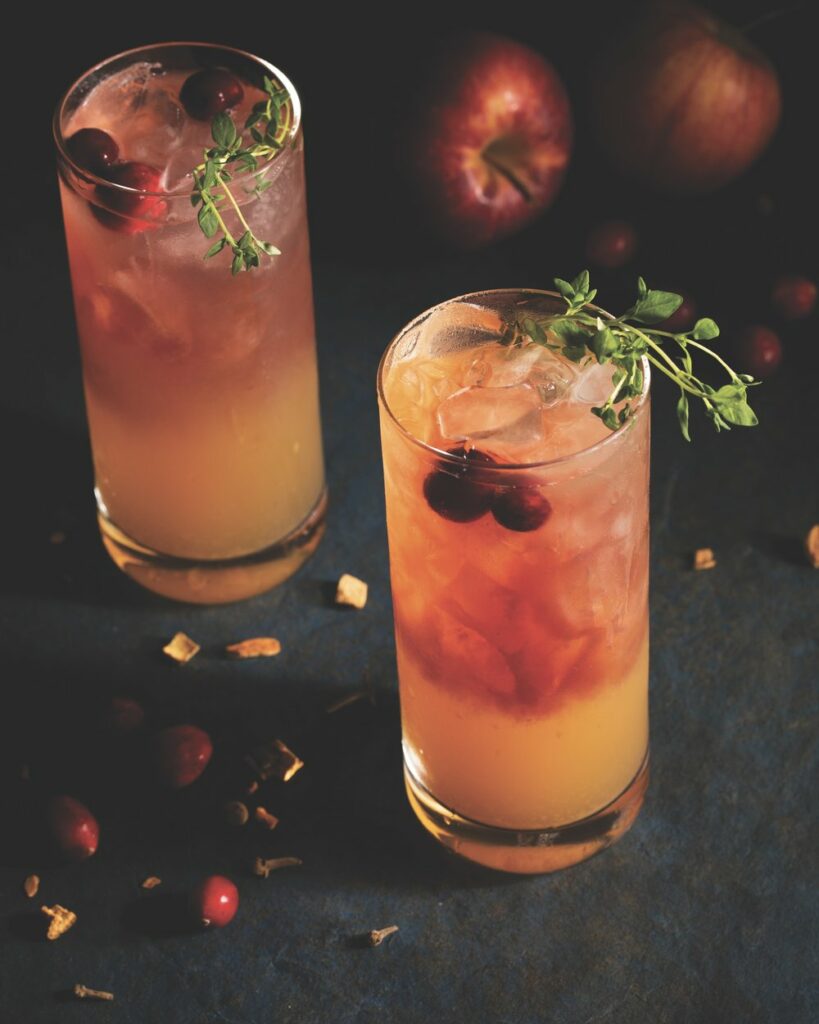
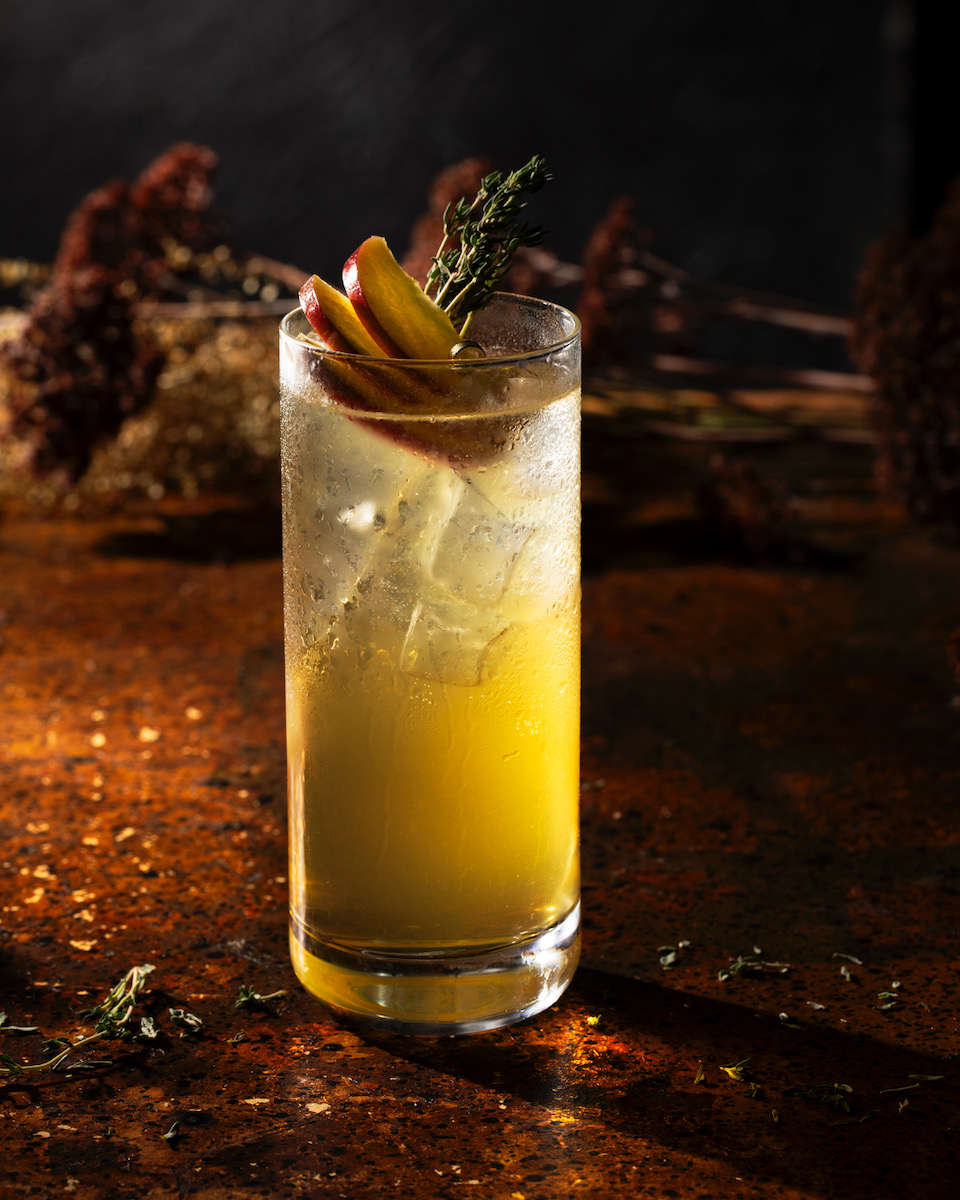
We designed this Thanksgiving cocktail with apple, thyme, vodka, and sparkling apple cider specifically for a fall gathering. It’s easy to make and uses ingredients you most likely already have in your kitchen!
Indulge in autumnal flavors with this delicious Manhattan. You can sub out the Dubliner whiskey we used for any whiskey of your choosing. Also, one benefit is that the dilution of apple cider in this Manhattan means that guests can have more than one of these at a dinner party and not feel guilty!
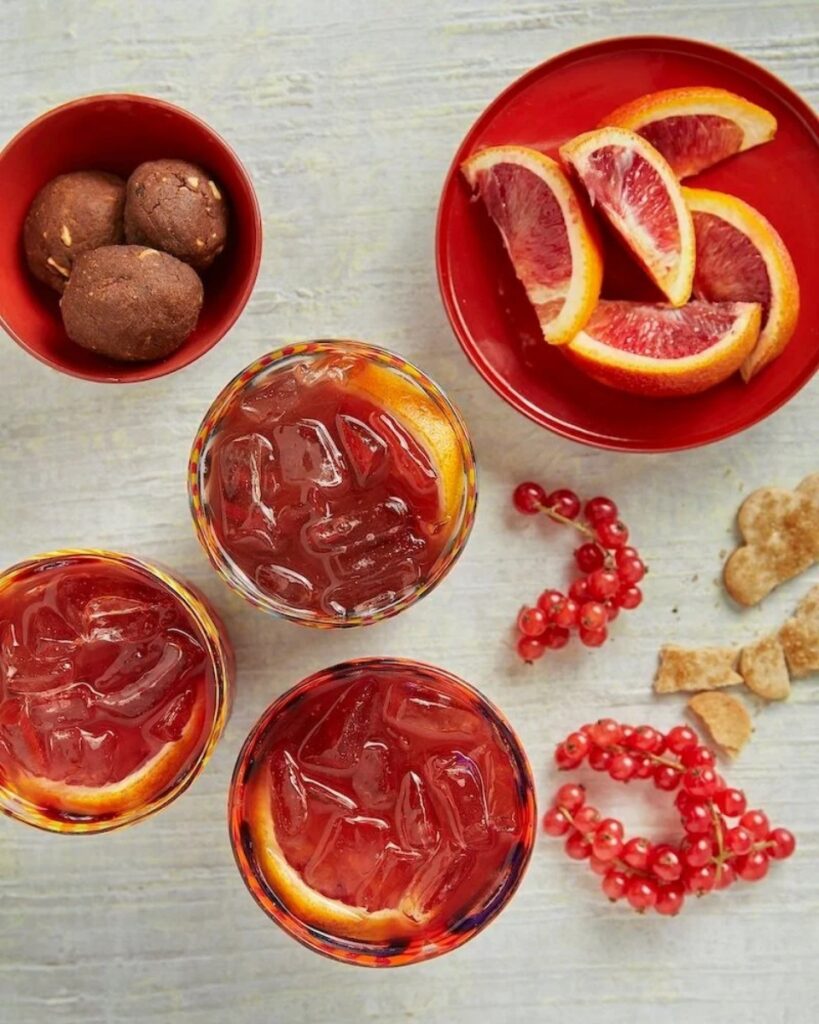
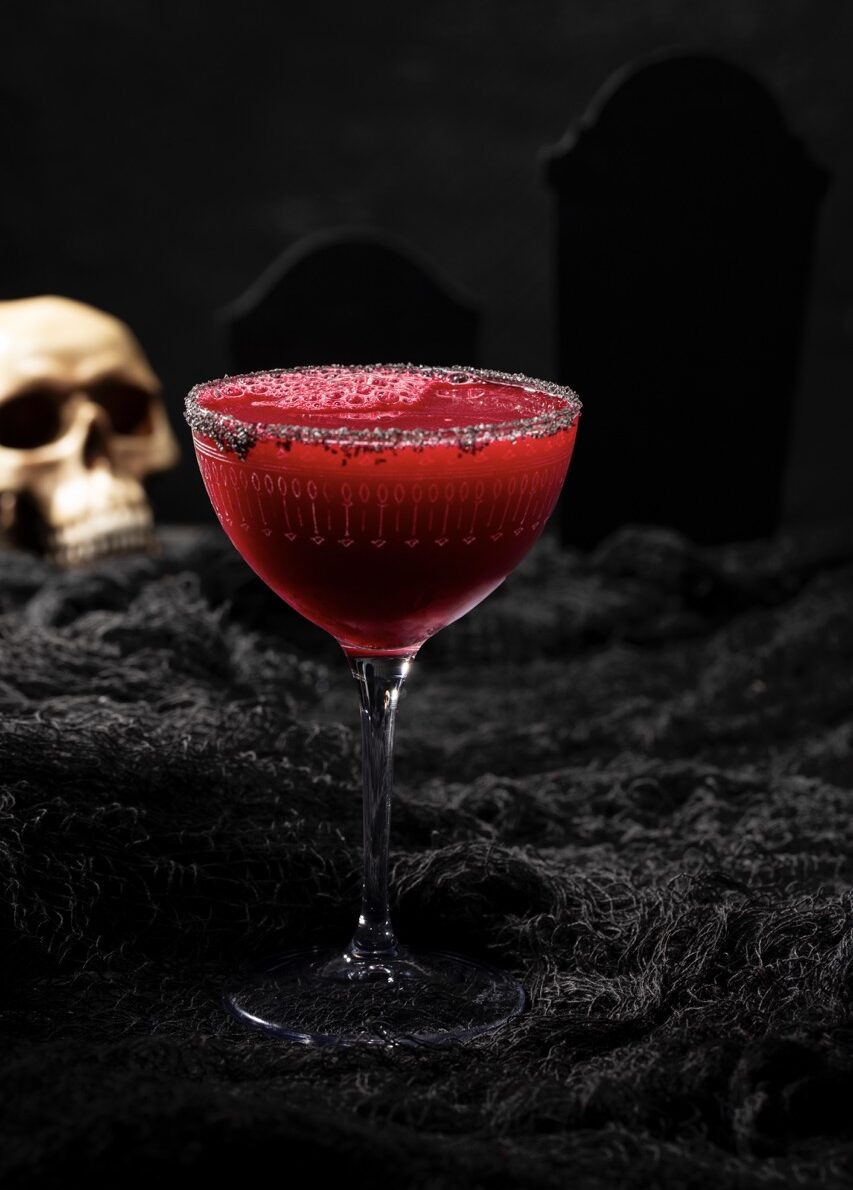
This was originally imagined as a Halloween recipe, but its ruby color works just as well to celebrate the fall season. A beautiful drink that everyone can enjoy!
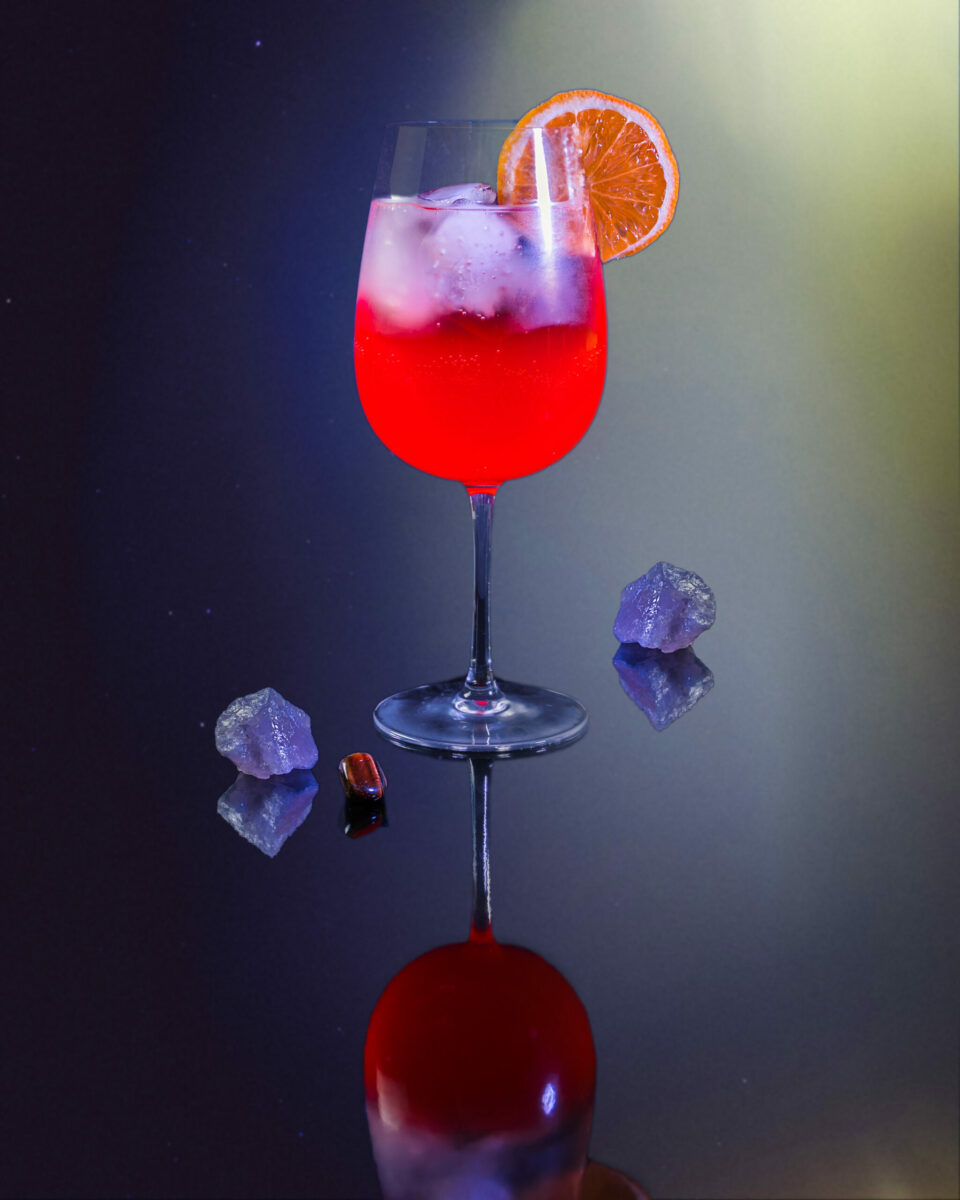
Nothing says appreciating the little things in life like sipping on an aperol spritz any time of year. Aperitivos encourage you to slow down and enjoy your food. A plate of olives, cheese, prosciutto, and some spritzes is a great way to start off a more upscale Thanksgiving dinner.
If you want to lose the booze this Thanksgiving, it doesn’t mean giving up quality gathering time around the Thanksgiving table. A non-alcoholic twist on the Thanksgiving drink menu, this Smokin’ Apple will be a crowd-pleaser among kids and adults like.
A martini is a great cocktail for any gathering, but making this fall-inspired version of it can show off your home bartending skills. Maybe pair it with a slice of pumpkin pie for dessert!
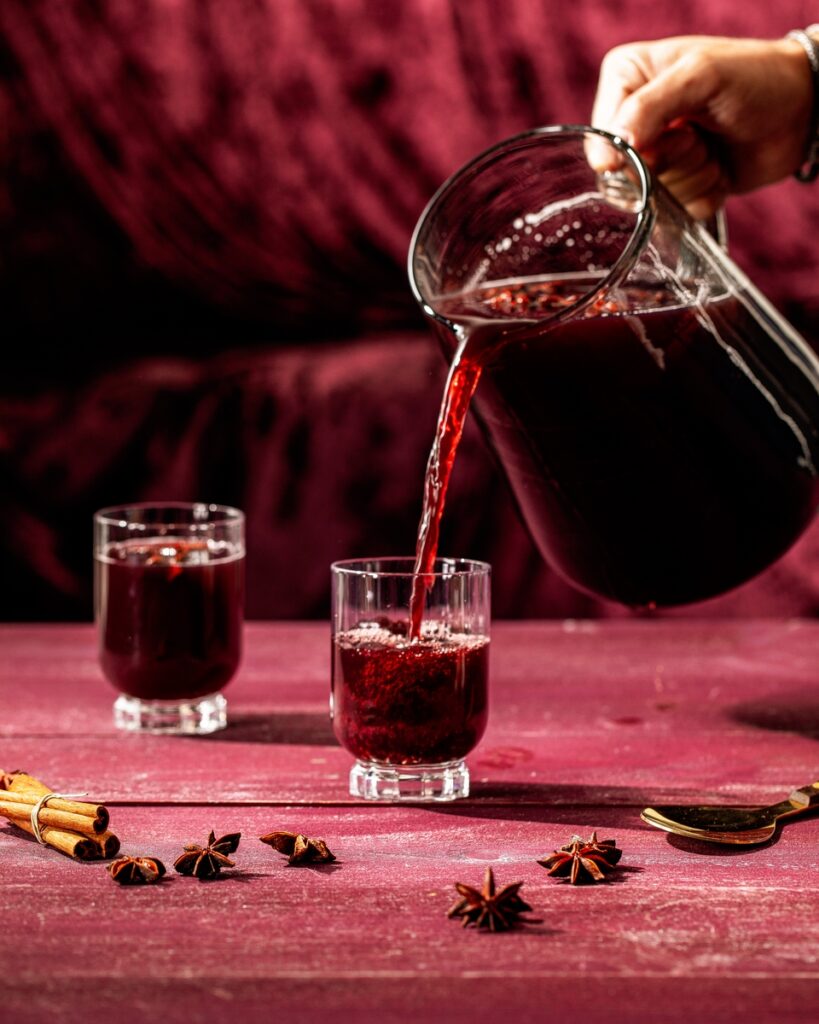
Need a cocktail that you can batch easily for your giant family gathering? This Spice is Nice Sangria comes together with Cabernet wine, chai tea, Giffard vanilla, and star anise. Choose to make it by single serving ingredients or batched to handle 40 guests at once.
Don’t leave the kiddos out of the Thanksgiving celebration! this Kid’s Choice Mocktail puts the flavors of fall into a spirit-free refreshment. Simply mix together brown sugar, water, cinnamon, apple cider, lemon juice, and lemon soda. Plus you can make this a cocktail for the adults with the addition of your favorite vodka, whiskey, or rum.
Mac and cheese is a classic for a reason. From the boxed mac and cheese you ate in college to the baked mac and cheese you bring to potlucks, mac and cheese is one of the best-loved comfort foods with the most longevity out there. It’s easy, adaptable, and a crowd-pleaser for picky eaters. If you’re looking for some mac and cheese recipes to try out, we’ve compiled some of our favorites for a cozy comfort food kitchen.
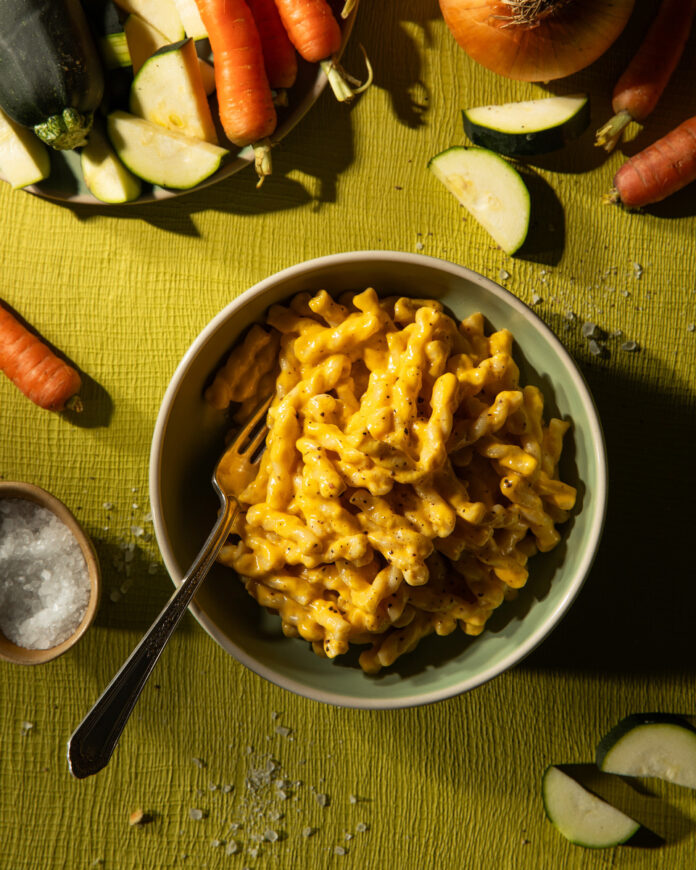
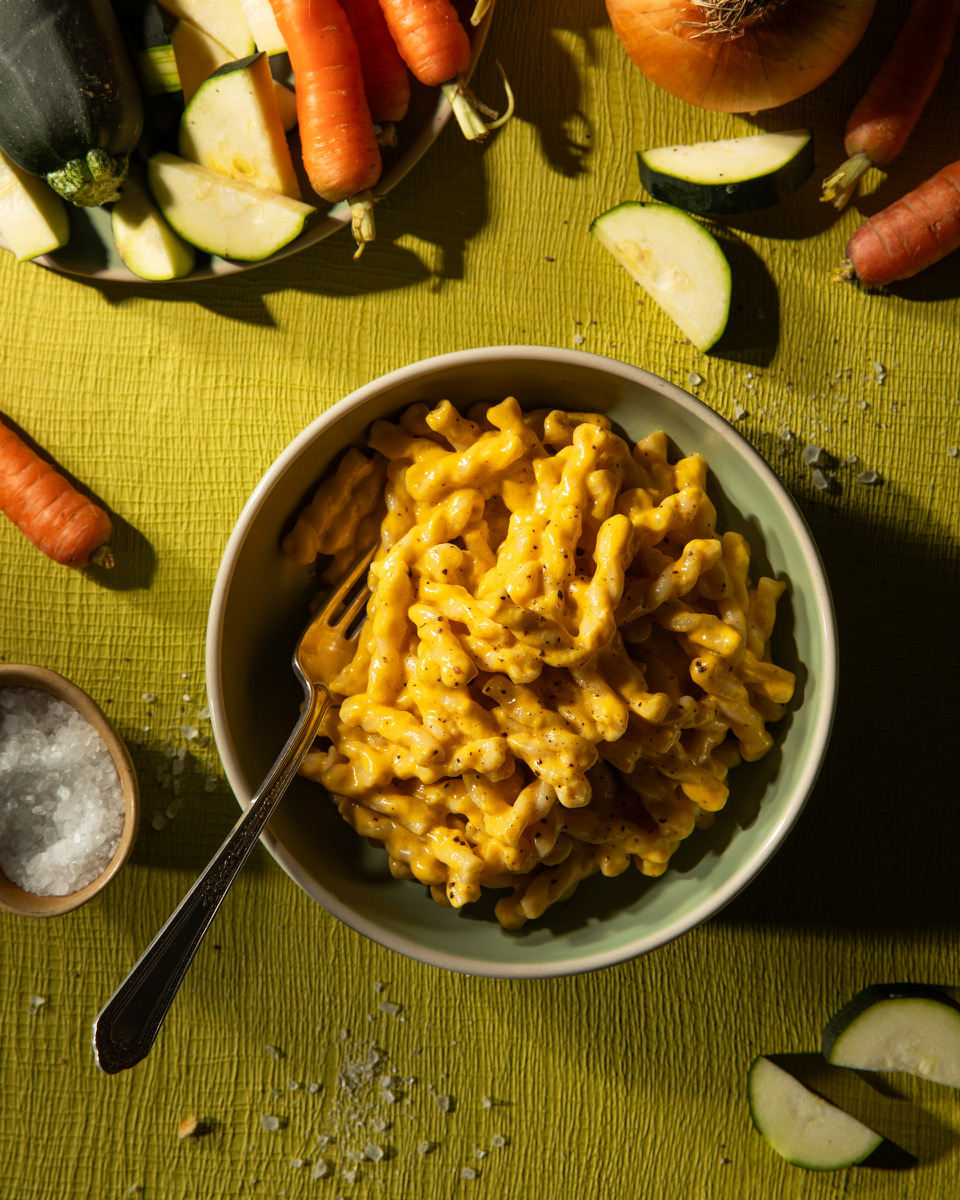
This recipe uses bone broth to pack some protein into the otherwise carb-forward mac and cheese. The veggies might be hidden, but they still bring some delicious flavors into the mixture. Maybe a good strategy for getting kids to eat their vegetables on the down-low?
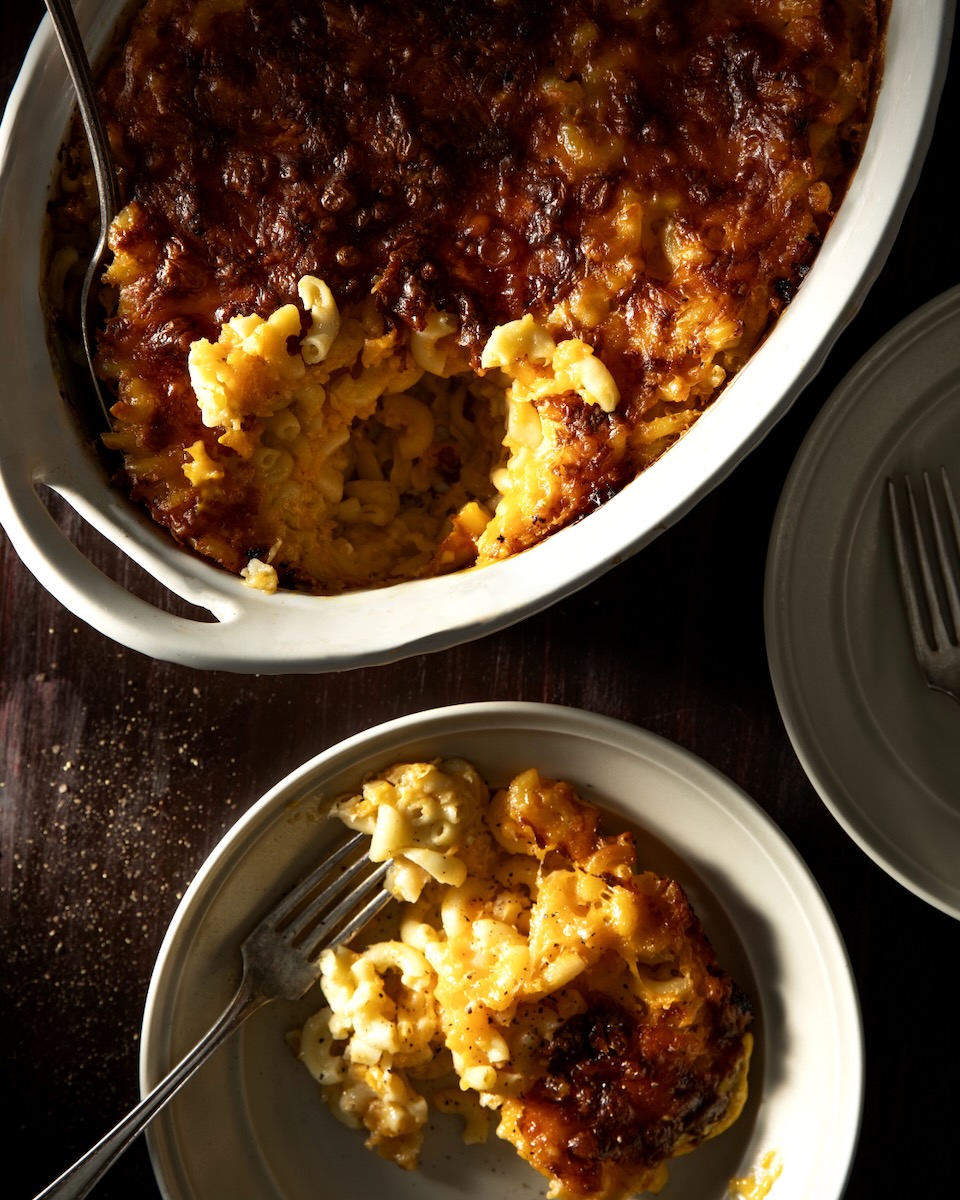
People had better come hungry for this recipe. It will make you the most popular person at any gathering, serving a crowd of at least ten people depending on how you proportion it out. You can customize it with spices and different recipes.
The Netflix series ‘High on the Hog’ made us look at this classic dish with new eyes.
One interesting fact about mac and cheese is that James Hemings, an enslaved man on Thomas Jefferson’s Monticello plantation, may have been the chef who originally popularized it in America. Hemings’s technique was to cook the mac and cheese in half-milk half-water, which TABLE tried, to a delicious result.
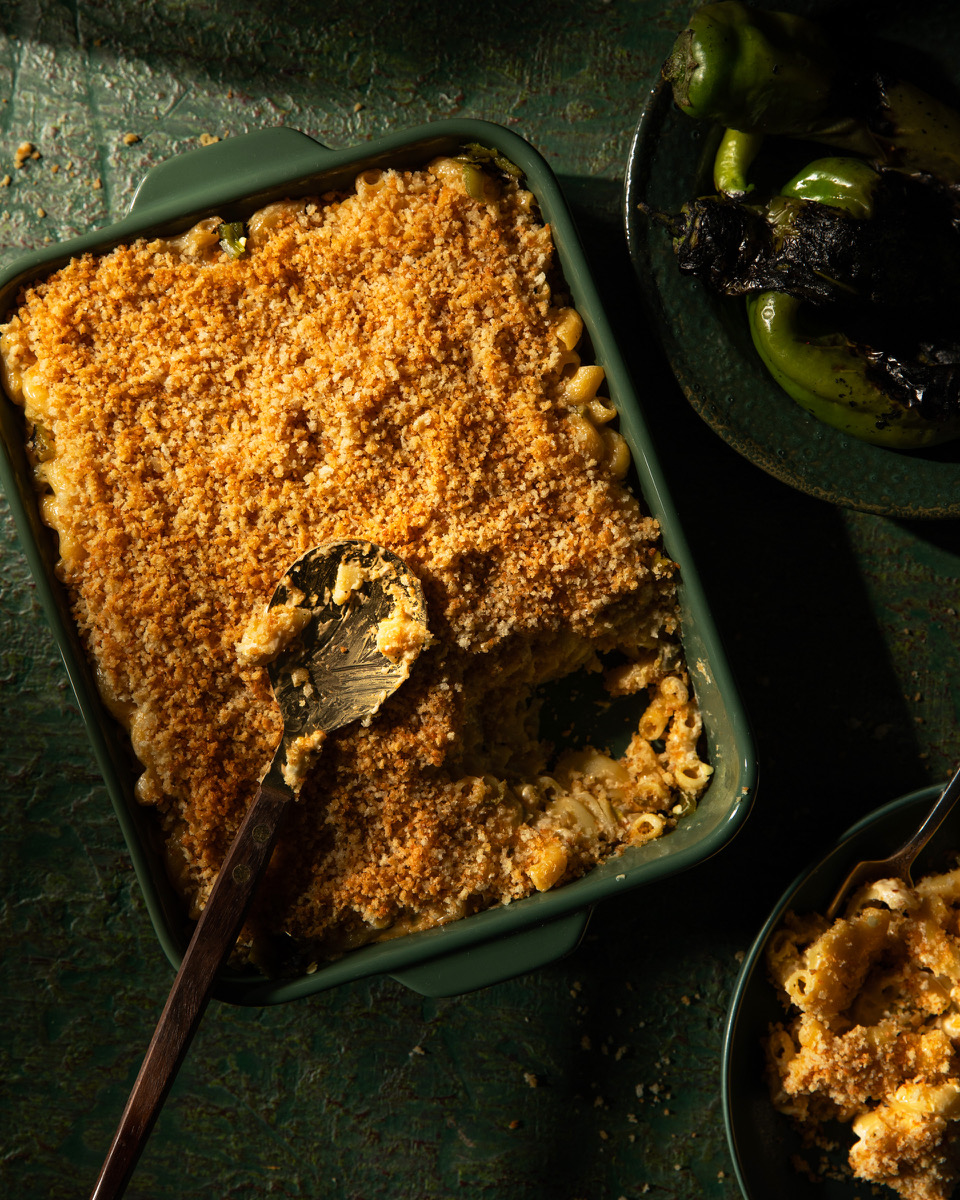
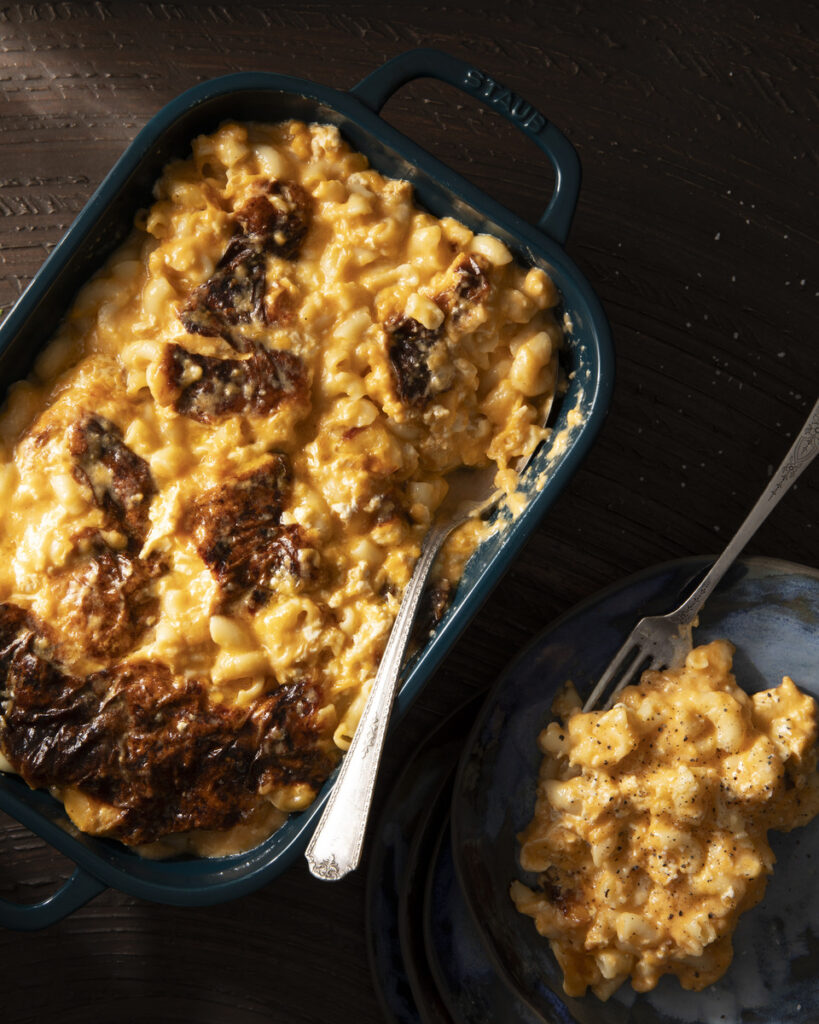
Try a Southwestern spin on mac and cheese! This recipe from James Beard-nominated chef Cheryl Alters Jamison uses three different cheeses, a top layer of bread crumbs, and New Mexico green chile to give it a kick.
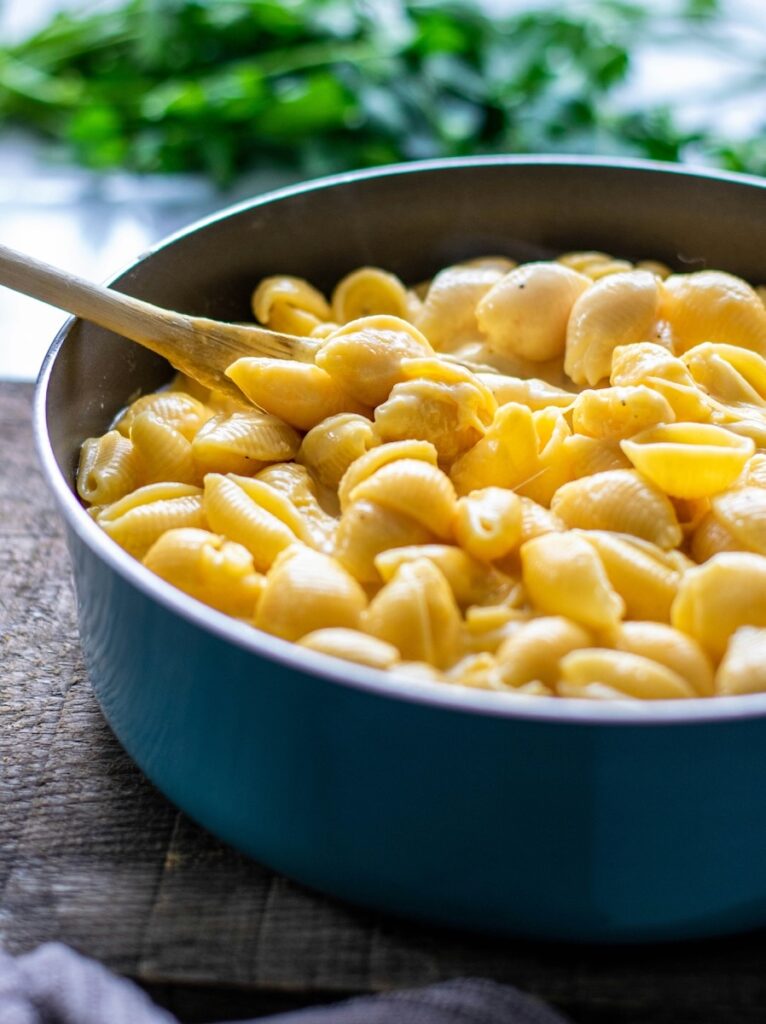
If you need a classic cheddar mac and cheese then this recipe is for you. We think shells are the best pasta for making mac and cheese since the shape lets the cheesy sauce seep inside. Plus, feel free to top this traditional recipe with pulled pork, mushrooms, or bacon.
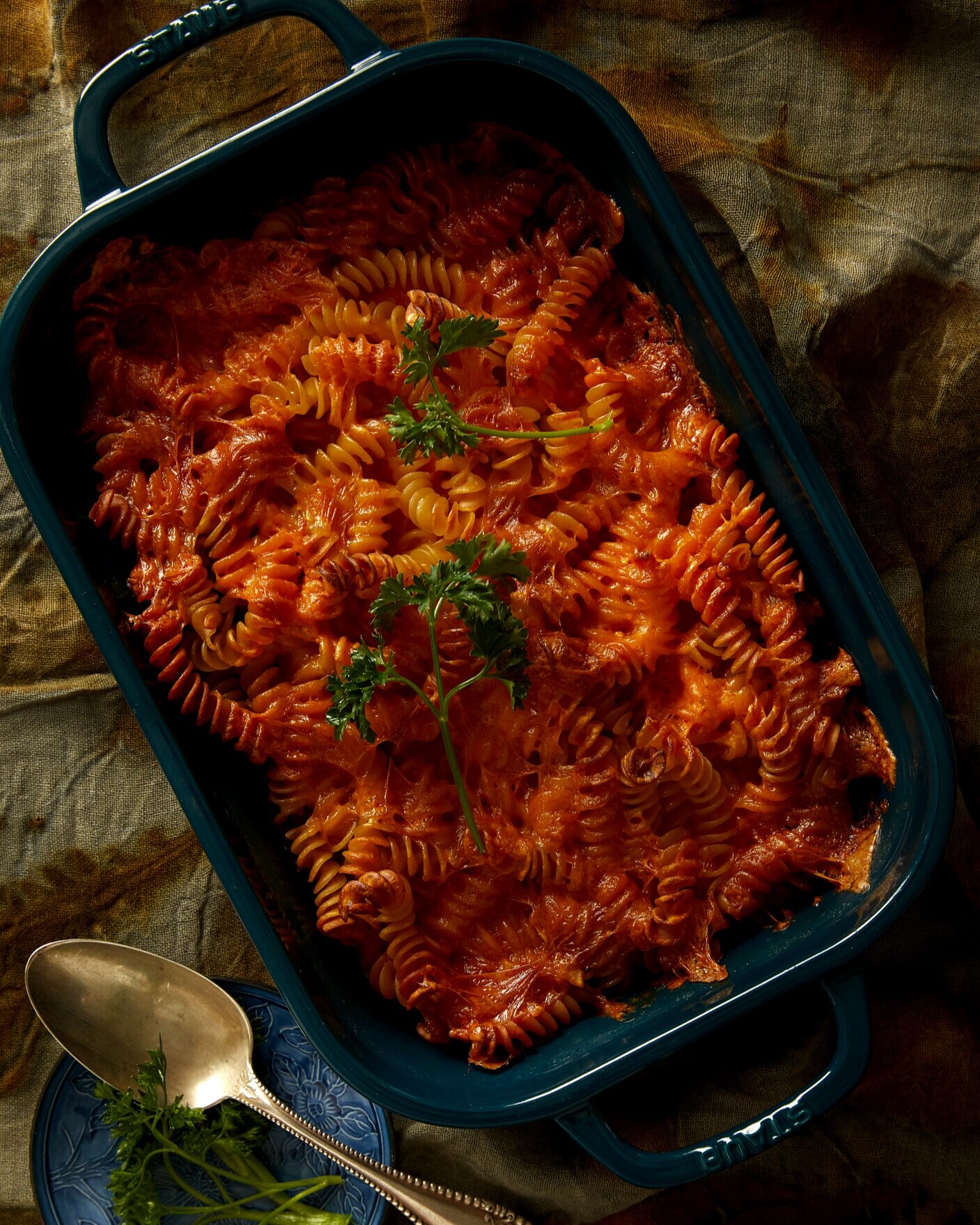
Mac and cheese is best whenever you load is up with a variety of cheese that each bring a different flavor profile. For this Homemade Mac and Cheese recipe we’re using sharp cheddar, pepper jack, mozzarella, Gruyere, and Gouda.
While November has just begun, it’s never too early to start celebrating the holidays. Spend the festive season doing some good for a local nonprofit, going out with friends and family, or just picking out what you’re grateful for this year with these Thanksgiving events in Pittsburgh.
Stay Busy with These Pittsburgh Thanksgiving Events
The ever-popular monthly themed “flight night” that allows guests to taste four mini bites with four spirit pairings returns for a Thanksgiving edition. This fall, taste savory seasonal flavors along with selected liquors from Kingfly.
Need help deciding what wines to serve at your Thanksgiving table? PA Market invites you to sample various types of wine to pair with your turkey and even your favorite side dishes. All bottles are available to purchase at PA Market making your grocery trip an easy one.
Anyone in the LGBTQIA+ community or allys beyond can come together to feast and gather with others. Not only does your ticket include a full Thanksgiving feast but you’ll also party along to a live DJ and drag show, meet others through friendship icebreakers, and just simply be who you are in a judgement-free zone for the holidays.
Carnegie Library of Pittsburgh Mt. Washington, November 22
Connect with those from all walks of life this Thanksgiving. PGH Women’s Sip & Support invites you to bring a favorite potluck dish, share the story behind your recipe, and reflect on the Indigenous traditions that make Thanksgiving what it is. Most importantly, the event collects non-perishable food donations for the Council of Three Rivers American Indian Center Food Bank to support Native Pittsburgh families in need.
Celebrate the transition from Thanksgiving to the holiday season with Pittsburgh’s Light Up Night. It’s an evening filled with tree and building lightings throughout the city. Plus, enjoy holiday markets, ice skating, live entertainment, and more fireworks than ever before.
Do you need a flower arrangement to adorn your dining table or living room area? Why not create your arrangement yourself and ensure it’s exactly how you like it? You’ll turn a regular pumpkin into a masterpiece with burgundy, yellow, and orange blooms. Plus you can bring along your favorite snacks and beverage to enjoy during your class.
Nothing will make your feel better than telling guests your centerpiece was made by yours truly. Unleash your inner florist in this engaging, three-hour class where you’ll design a luscious fall centerpiece perfect for any holiday table. Soto, an FDI certified floral designer, will guide attendees through the fundamentals of floral design, element placement, and flower care. No matter your skill level, everyone leaves with a beautiful, custom arrangement and new floristry talents.
Kick off the holiday season early at a Thanksgiving Eve celebration full of music and fun. Hosted at Velum Fermentation, this daytime party invites guests to relax, sip, and enjoy good company before the holiday rush begins. With craft drinks and festive vibes, it’s the perfect way to start the long weekend. We recommend taking this time to bring together all your friends who are home for the holidays to warm things up.
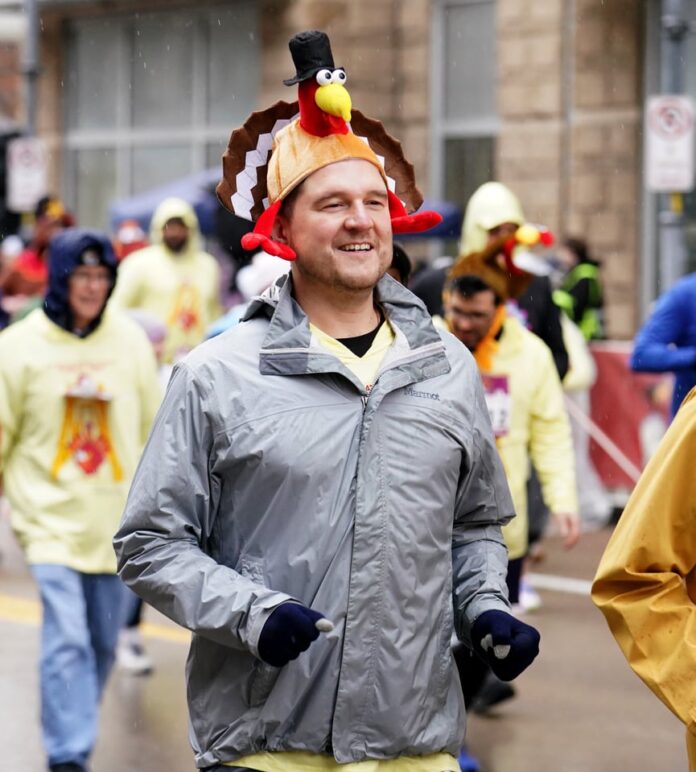
Every year, members of the Pittsburgh community race through the city to help fight food insecurity. Participants are encouraged to bring needed non-perishable food donations to the event, which are given to the Greater Pittsburgh Community Food Bank. This year, races include a 1-mile family fun race, a 5k race, a 5-mile race, and a Double Gobble 5K plus 5-mile race.
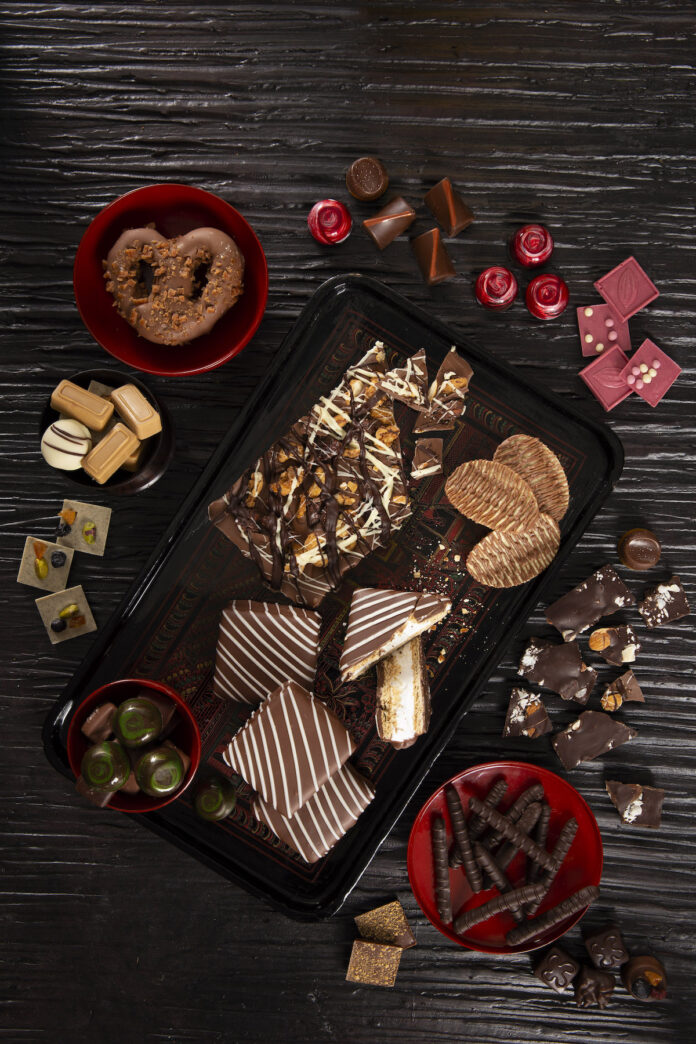
Pittsburgh’s family-owned chocolate makers satisfy our cravings with sugar and spice and everything nice. Perfect for holiday gifts, birthday presents, or just a sweet treat for yourself!
Making their gourmet handmade chocolates since 2011, Sinful Sweets is a go-to for classics like truffles and pretzels but breaks the mold with funky bars like their viral “Angel Hair” which marries white chocolate with delicate cotton candy strands. “My family owns a traditional chocolate-making business in Chicago, and I’m always breaking the rules a little bit. I love making candy for kids and families, and supporting Pittsburghers with this business,” says founder Chris Wreck. Sinful Sweets has a primary location in Beaver Falls and secondary locations at both Ross Park Mall and South Hills Village Mall.
Ever try a banana caramel or a matcha bonbon? Comforting indulgence meets a sense of wonder with Nancy Tabbara reviving three generations of family tradition. Her exquisitely crafted chocolates blend the sophistication of mid-century Beirut with contemporary flavor and design. Classics like chocolate-covered macadamia clusters and candied orange peel join modern fantasies like beautiful-to-behold chocolate bonbons filled with passion fruit or raspberry jelly and vanilla ganache. Check them out for seasonal and holiday themed assortments, too. Think tiny ghosts for Halloween and autumn leaf-inspired color palettes for fall.
Founded by Frank Sarris about 60 years ago, and now run by his son, Bill, and other family members, Sarris Candies is all about quality and generosity. Well-known for their philanthropy and for empowering the fundraising efforts of schools and organizations around the country, the company is also a source of a vast variety of delicious sweets. Their chocolate-covered pretzels and potato chips are popular salty-and-sweet crowd-pleasers. A true “all-occassion” shop, find themed BashCakes® or browse their yearly editorial-level holiday catalog. But the big picture is much broader, and best experienced with a visit to the flagship Sarris store in Canonsburg.
Toffee lovers, this one’s for you. All in Good Taste Productions founder and award-winning chef Bob Sendall started this chocolate line in 2004 with his signature Toffee Taboo. The recipe? Start with toffee-encrusted almonds and cashews in dark Belgian chocolate. Top with kosher salt and drizzles of white and dark chocolate. Infuse the combo with Sendall’s always upbeat, always sunny energy, and you have one of Pittsburgh’s most delectable sweet treats. Handmade to order, you might even find seasonal variety available around the holidays for a limited time.
Run by Pittsburgh natives since 1914, The Milkshake Factory, a modern twist on the old-fashioned soda shop, features flavors including Peanut Butter Brownie, Bananas Foster, and Chocolate Raspberry Truffle. Limited edition items appear every season, including creamy Hot Chocolate and festive shakes. They even have dairy-free options and note a commitment to sustainable cocoa sourcing. At locations in and around Pittsburgh, enjoy a selection of hand-dipped strawberries, chocolate barks, cake pops, and more. The company went national in 2023, offering its delicious chocolate treats to sweets lovers across the U.S.
Shelby Ortz began her exploration of tempting flavors and beautiful food compositions in the pastry kitchens of Eleven and Soba. She struck out on her own in 2013 with Lux Artisan Chocolates, her all-handmade, all-natural line of chocolate bars, bonbons, and more. Her bonbons truly look like a work of modern art and you get in on the creativity yourself by designing your own chocolate bar with a selection of ingredients ranging from sesame brittle to dried mission figs. We’re big fans of her bars ourselves, and there are several hidden in drawers around the office. Our favorites? Dark chocolate with macadamia, almond, and coconut.
Run by third generation chocolatier Dick Pollak, Pollak’s Candies recently took home a gold spot on the Trib Live’s Best of the Best list. Boasting an impressive mix of traditional and timely treats, Pollaks offers a selection that can meet any craving or occasion. Explore classic meltaways, cordials, creams, and truffles or get a little adventurous by trying their Dubai chocolate cups. Perfect for gifting or hosting, these candymakers are always offering beautifully decorated seasonal barks, brittles, caramels, and more. They even have a stunning 48-piece truffle assortment that we’d be absolutely tickled to receive ourselves.
If you find yourself north of the city, stop into downtown Butler to grab a treat from Peter’s Chocolate Shoppe, winner of the Butler Eagle’s 2025 Best Candy Shop. Unique to Peter’s is their generous selection of sugar-free chocolates that they offer alongside their sugary classics. Started by the Meliotis family in 1938 and bought by the Steinheiser family in 1999, this still-family-run shop (or should we say “shoppe”) maintains small-batch production with the finest ingredients and has even maintained some vintage equipment. Find an assortment of creams, meltaways, turtles, nougat, and holiday selections like molded chocolate bunnies and advent calendars.
Story and Styling by Keith Recker Photography by Dave Bryce
Few desserts bring as much joy as a warm batch of chocolate chip cookies, fresh from the oven. For the holidays, Chef David Haick of Glendorn shares his take on this timeless favorite. The recipe is simple, comforting, and perfect for sharing with family and friends. With rich butter, sweet vanilla, and plenty of chocolate chips, these classic cookies never go out of style.
How to Make the Perfect Chocolate Chip Cookie
This easy cookie recipe combines the perfect balance of crisp edges and soft, chewy centers. Why? Both brown sugar and granulated sugar give the cookies a deep, caramel-like flavor while keeping them tender. A generous amount of chocolate chips ensures that every bite is filled with melty goodness. As a result, these cookies become irresistible whether enjoyed warm from the oven or saved for later.
Perfect for holiday gatherings, cookie swaps, or simply enjoying with a glass of milk by the fireplace, these classic chocolate chip cookies are a must-have on your baking list. Chef David Haick’s recipe is straightforward enough for beginners yet delivers bakery-quality results that everyone will love. It’s the kind of treat that makes the holidays feel extra special.