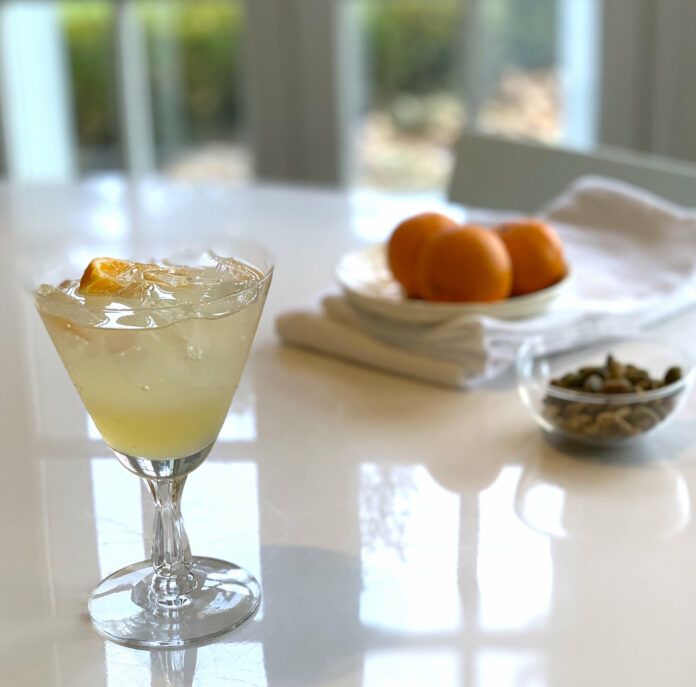
This creamy Snow Miser Cocktail boasts the luscious flavors of vanilla, cinnamon, and the earthiness of butterfly pea tea, which balances out the sweetness of the RumChata quite nicely. Sip on this dreamy winter cocktail when you’re snowed in on a cold winter day or anytime you’re in the mood for a spicy-sweet nip.
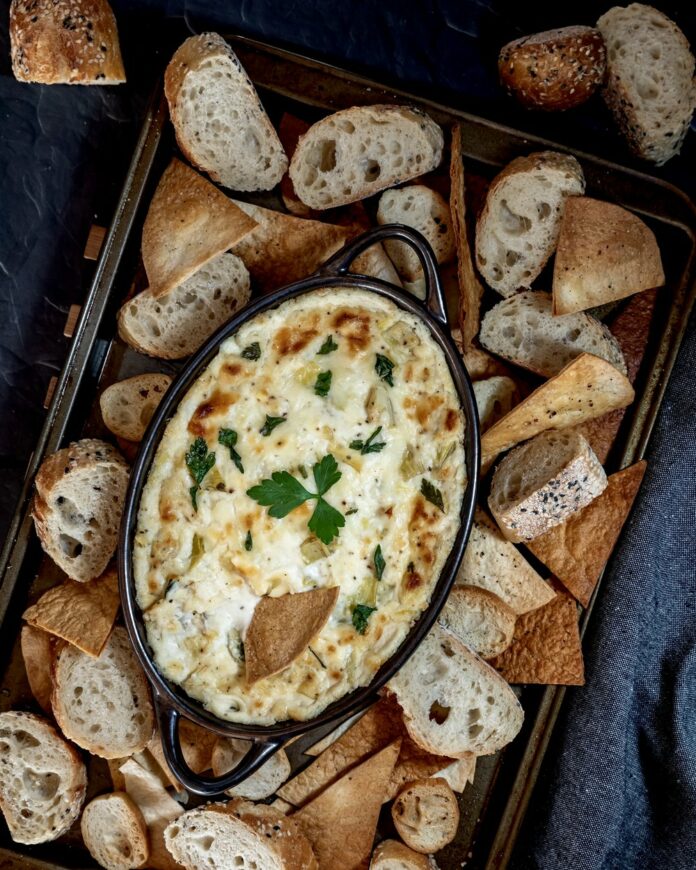
It’s that irresistibly creamy bowl of goodness that draws you, like a magnetic force, to just one more bite, over and over again. Our friend and TABLE contributor Kristin Kovacic shares a family-favorite dip recipe with our readers. For her family, Aunt Puddy’s Artichoke Dip has become a central part of family gatherings, often turning into the main entree.
Aunt Puddy typically doubles this artichoke dip recipe and serves it in a glass pie plate or a ceramic quiche dish, depending on the crowd.
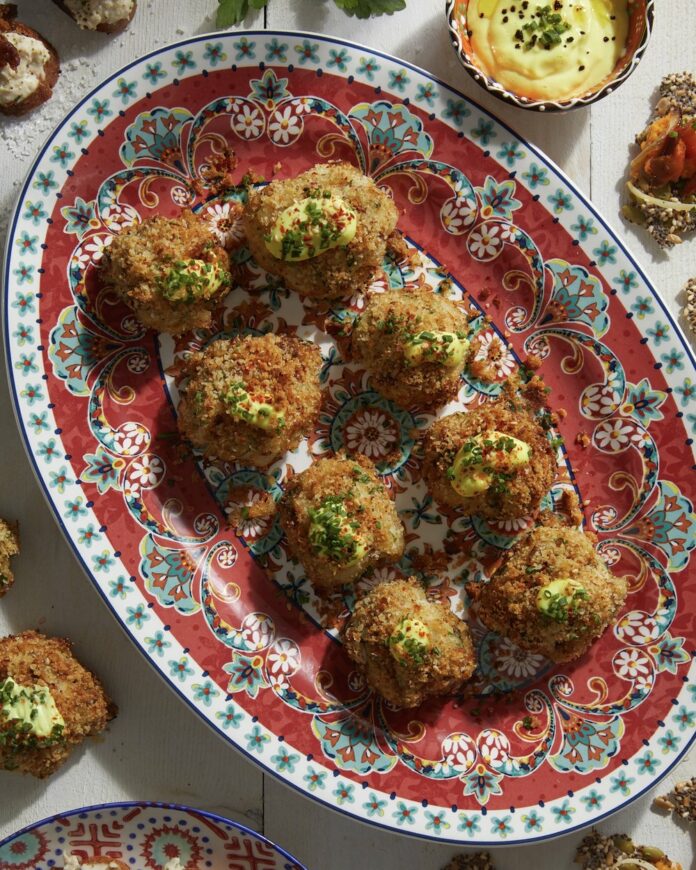
Chef and caterer Kate Romane of Black Radish Kitchen shares her recipe for crab cake bites with our readers. Size your mounds as 2 ounce minis for an elevated appetizer that’s the perfect bite size. Or, form larger 4 ounce patties to serve as a main dish instead. Just be sure to use quality jumbo lump crab like this one from Wholey’s. It’s true that quality matters when it comes to seafood and it can even make the difference between these being the best Crab Cakes you ever have and ones of average quality.
What Should I Dip My Crab Cakes In?
While Crab Cakes don’t require any dipping, it adds a nice nuance to this classic you know and love. A simple choice is a creamy tartar sauce, which adds a tangy and slightly sweet flavor, or butter. Though, if you prefer a spicier option, you can make a sriracha mayo at home or a purchase fiery chili sauce. But, if you’re like us and fall for the elegant things in life, consider a lemon-dill aioli or a truffle aioli to accompany your crab cake bites.
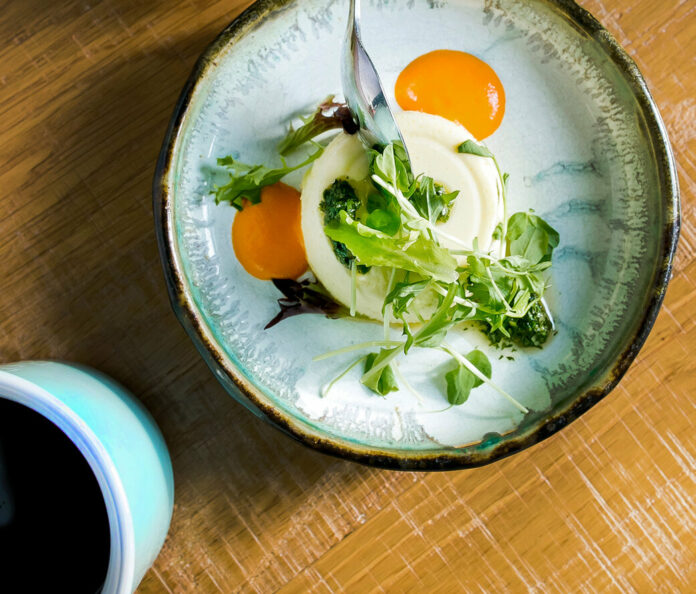
The mind of a chef is rarely off, perhaps on vibrate at times, but a creative impulse veiled underneath the surface is usually ready to pounce. In the case of Chef Jamilka Borges, inspiration rang one day from her childhood to realize a savory twist from her own story… corn flan; a dish irreverent as it is rooted in place, innovative in its tradition.
“I grew up in Puerto Rico, where, in most restaurants, there are two choices for dessert: flan or tres leches cake. This dish is very personal; it is who I am,” says Borges.
Corn Flan Recipe
INGREDIENTS
Yield: 10 (4-ounce) portions
1 teaspoon butter
2 shallots, minced
2 cloves garlic, minced
1 sprig of thyme
3 cups sweet corn
6 cups heavy cream
6 whole eggs
2 teaspoon salt
6 egg yolks
Special equipment: Vitamix or food processor
INSTRUCTIONS
Melt butter in a large pot. Add shallots, garlic, and thyme. Cook for about 2 minutes, until the shallot becomes translucent.
Add corn and heavy cream, and season with salt. Cook 15 to 18 minutes, until the cream starts to thicken and the corn is soft and starting to caramelize.
Remove the thyme and puree in a Vitamix or food processor. Add egg yolks, followed by eggs (do this quickly to prevent curdling). Add salt, if needed.
Pour mixture in greased ramekins. Bake, covered with foil, in a water bath at 325 degrees for 35 minutes or until flan is slightly jiggly.
Let cool and loosen with a small spatula. Invert, allowing flan to land on the serving plate. Serve with fresh tomatoes, basil, and salt, or fresh greens.
Recipe by Jamilka Borges / Photography by Laura Petrilla
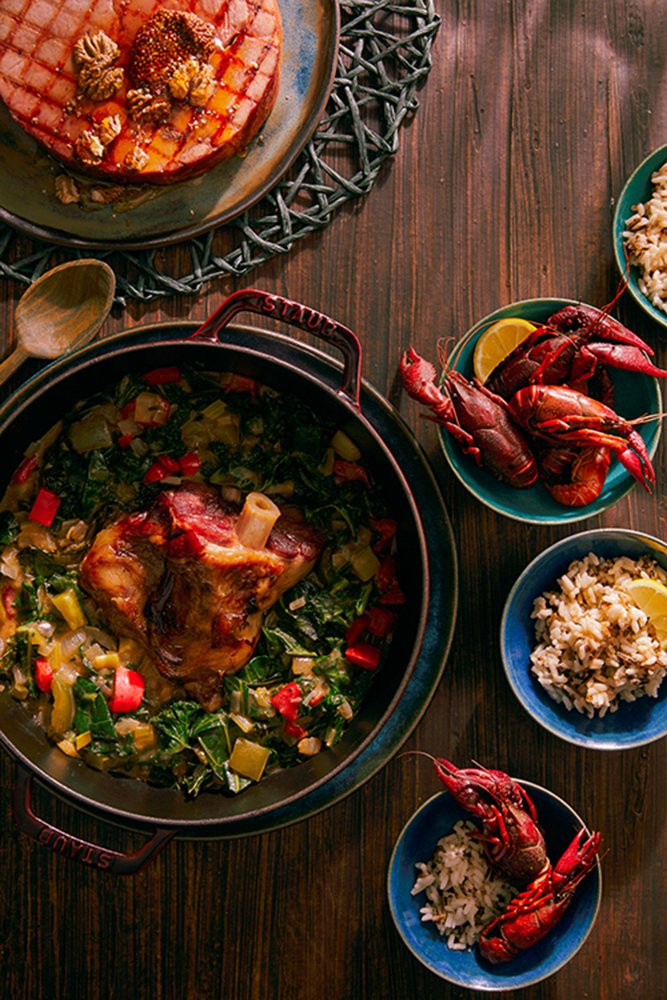
When served in the Lenten season, this dish is traditionally meatless. In the wintertime, however, ham and andouille sausage enrich its flavors. Gumbo filé powder lends its unique character to the affair, and it’s worth trying for that reason alone. For a true Creole-style feast, serve this easy gumbo recipe with a side of white or dirty rice, alongside grilled ham and boiled crawfish.
Origins of Gumbo
Gumbo has rich origins tied to the Creole cultures of the Southern United States, mixing together West African, French, Spanish, and Native American culinary influences. The term “gumbo” is believed to derive from the West African word “gombo,” referring to okra. Okra is a key thickening agent in many gumbo recipes (though we don’t use it in this one) and it highlights the contributions of African cooking techniques and ingredients. The dish often simply incorporates whatever is available, leading to a wide variety of recipes. There are many different ways to enjoy gumbo, and this is just one. So once you’ve mastered this easy gumbo recipe, experiment with putting whatever you want in your one-pot gumbo.
1 lb smoked andouille sausage, slab bacon, or tasso ham, optional
4 large garlic cloves, minced
1 large red onion, small-diced
1 large yellow sweet onion, small-diced
1 small head celery heart, small-diced
1 large each red and green bell peppers, small-diced
2 tablespoons tomato paste
1 teaspoon cayenne
2 tablespoons gumbo filé or any Cajun-Creole spice that includes filé powder
2 tablespons dried shrimp, optional
1 bunch curly kale, cut into small strips
1 bunch collard greens, cut into small strips
2 teaspoons Tabasco sauce
For the stock:
1 knuckle smoked ham hock or slab bacon
4 qt water
6 bay leaves
1 tbsp whole black peppercorns
1 tsp whole allspice berries, optional
For the roux:
1 cup AP flour
1 cup unsalted butter
Instructions
For the gumbo
Heat a heavy-bottom casserole or cast-iron pot. If using andouille or other smoked meats, sauté briefly with a little oil and allow the fat to render and set aside, about 5-8 minutes.
Adjust to medium-high heat and add garlic, sautéing until lightly browned about 3 minutes.
Add onions, celery, and peppers; sauté and stir frequently until soft, about 18-20 minutes. Add tomato paste, cayenne, gumbo filé, and dried shrimp (if using) and cook for an additional 3-5 minutes.
Next, add kale and collards and cook briefly until they start to wilt, about 5-8 minutes. Add stock and bring to a boil. Reduce to a steady simmer and place the lid on the pot with a small gap to allow steam to escape.
Braise for 45 minutes to an hour until greens are tender. Stir the roux and gradually add into the stew to thicken as needed: it should be slightly runny and thinly coat the back of a spoon. Add the cooked meats back into the pot and cook for an additional 5 minutes.
For the stock:
Combine all ingredients and bring to a boil; reduce to a low simmer and cook until 1 quart less, about 1 ½-2 hours.
Let cool and strain; pick meat from ham and set both aside. There should be about 3 quarts of stock; you can use your preferred alternative stock for the same volume instead of using smoked ham hocks.
For the roux:
Combine flour and butter and cook under medium heat, stirring frequently until golden brown.
Remove from heat and allow to carry over cooking until room temperature. Set aside.
Recipe, Story, and Styling by Rafe Vencio Photography by Dave Bryce
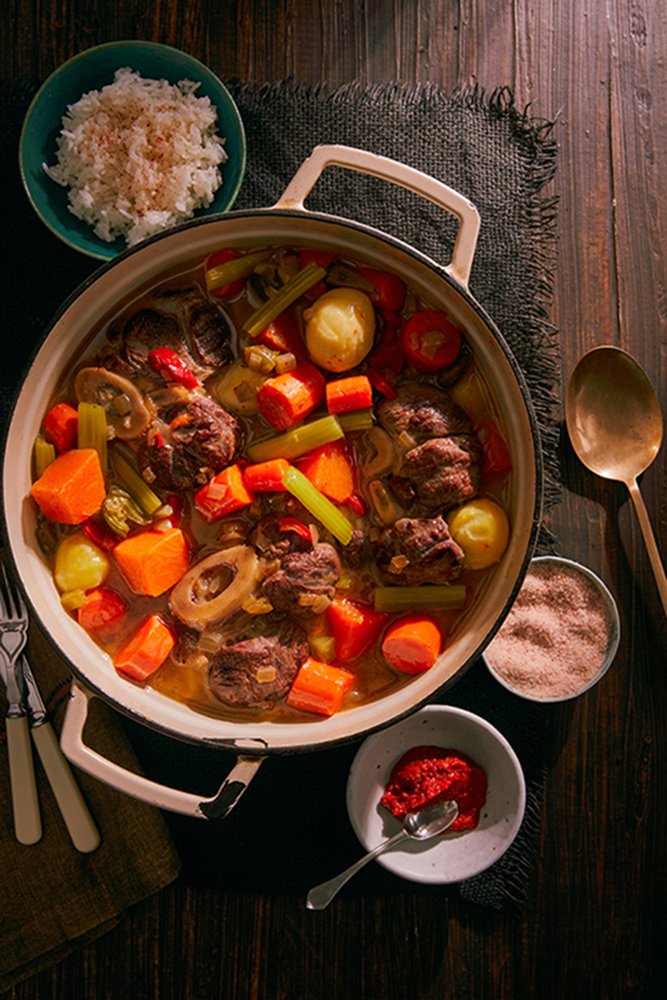
As the name indicates, this Philadelphia Pepper Pot Stew shares roots with a Caribbean pepper stew. The original version used various cuts of meat and offal with root vegetables like cassava. The traditional version associated with Philadelphia typically includes a variety of peppers, spices, root vegetables, beef tripe, herbs, and leafy greens. Don’t turn away from the tripe: it settles into the stew to create a wonderful umami flavor. Get ready for big flavor in a little bowl that’ll also keep you warm in the winter season.
Philadelphia Pepper Pot Soup, a hearty and flavorful stew, has its roots in the colonial era. It is believed to have originated in the early 18th century, evolving from a simple broth that’s in a Caribbean pepper stew to a more complex dish. The name “pepper pot” refers to the generous use of black pepper, which was a valuable and sought-after spice at the time. This distinctive soup, with its unique blend of spices and rich flavors, has since become a beloved culinary tradition of the Philadelphia region.
Something to keep you warm and full in the winter!
Ingredients
Scale
2 lb beef honeycomb tripe or beef shanks
1 lb andouille, tasso ham, or smoked kielbasa
4 cloves garlic, minced
1 large yellow onion, small-diced
1 each large red and green bell peppers, small-diced
1 habanero, minced
1 Scotch bonnet, minced
1 small celery heart, cut into 1-inch pieces
4 large bay leaves
½ tsp allspice, ground
¼ tsp cloves, ground
½ tsp smoked paprika
½ tsp cayenne
1 tsp garlic powder
1 tsp onion powder
Sprig of thyme or 1 tsp dry
Sprig of oregano or 1 tsp dry
3 qt meat stock
1 bunch collard greens, cut into small strips
2 lb carrots, peeled and cut into 1-inch pieces
2 lb Yukon Gold potatoes, cubed
2 lb pumpkin or squash (butternut or Hubbard), cubed
Salt and fresh ground black pepper to taste
½ cup unsalted butter
1 tbsp flat-leaf parsley, finely chopped
Instructions
Place tripe in a large pot and fill with water until submerged; bring to a boil and reduce to simmer. Cook for 16-20 minutes; let cool, drain, and set aside. Cut tripe into small strips
Heat a Dutch oven and render bacon until crisp, set aside. If using beef shanks, season with salt and pepper then brown on both sides on the pan; if using sausages or other smoked meats, sear until browned and render a little fat, set aside.
Sauté garlic and lightly brown. Add onions, peppers, and celery, cooking until soft for about 15-18 minutes. Add bay leaves with all the dried spices and cook until fragrant for about 3-5 minutes.
Return the shanks and cover with stock to braise on low heat for an hour before adding the rest of the ingredients; if not using meat, just bring stock to a boil; add collards, carrots, potatoes, and pumpkin. Braise for an hour under low heat. Season with salt and pepper to taste.
Before serving, stir and melt butter in the stew and garnish with parsley.
Recipes, Story, and Styling by Rafe Vencio Photography by Dave Bryce
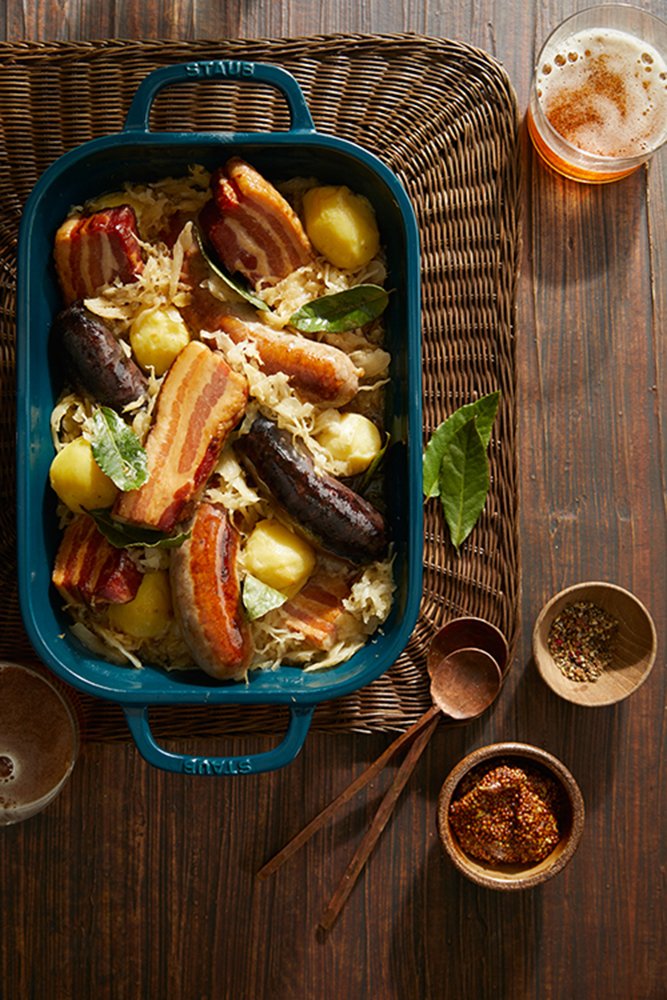
Made with a lovely and large dose of Riesling, this choucroute garnie recipe, an Alsatian-inflected version of braised sauerkraut, will satisfy devotees and convert skeptics. Rich with sausages and salted meats, it will warm you up, and keep you warm, even on the coldest nights. Serve with various types of mustard and some crusty bread.
What Is Choucroute Garnie?
Choucroute garnie translates to “dressed sauerkraut” or “garnished saueurkraut” and comes from the mixture of German and French culinary influences. When Alsace became part of France in 1648, the Germans brought their cooking with them and French chefs became enamored with saueurkraut. It may sound high-falutin’, but it’s a one-pot recipe that’s easy to make at home
2 lb salted and/or smoked meats: slab bacon, boneless ham
1 ½ cups Riesling or your choice of white wine; can substitute amber ale if only option
2 cups chicken stock or your preference
Instructions
Preheat oven to 350 degrees.
Boil the potatoes and peel, set aside.
Using a Dutch oven or ovenproof casserole, sauté garlic until lightly browned, about 5 minutes; follow with onions and sauté until translucent, about another 5 minutes.
Add caraway seeds, bay leaves, juniper berries (if using), black pepper, and sugar. Sauté until fragrant, about 3 minutes.
Add sauerkraut and arrange the meats. Deglaze with wine and stock. Cover with a lid and bake in the oven for 25 minutes.
Remove from the oven and add potatoes. Cover with lid and return to the oven to reheat the potatoes, about another 10-15 minutes. Serve with assorted mustards.
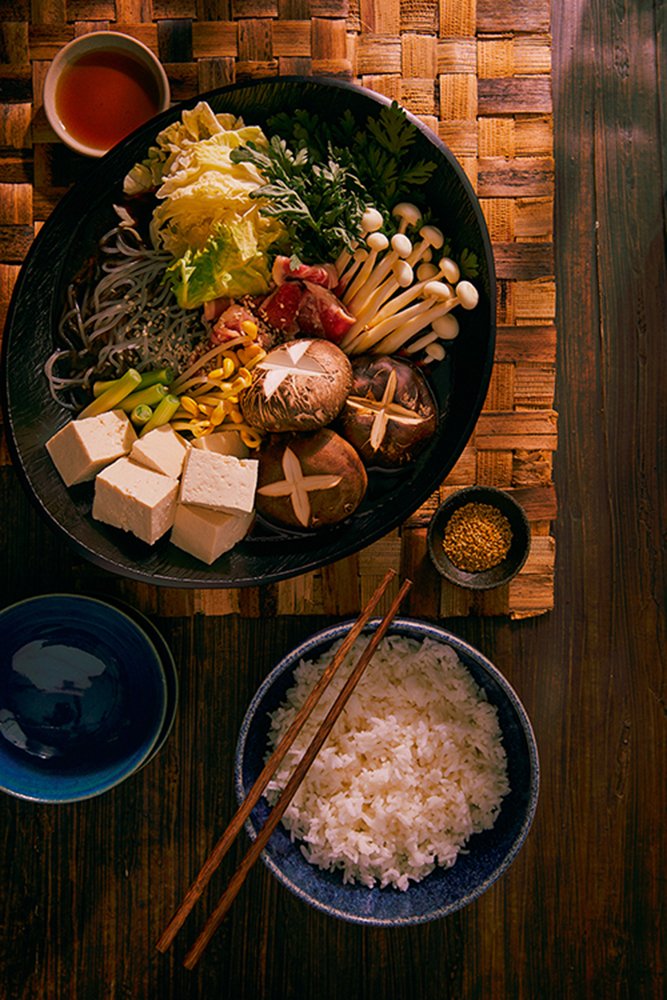
This recipe for sukiyaki, a traditional Japanese winter one-pot dish, is prepared nabemono, Japanese hot pot-style. Traditionally, you serve it with a bowl of raw beaten egg in which you can dip your bits of meat and vegetables. However, if vegan is your persuasion, you can skip that step (as well as the beef). Serve with white rice and enjoy the warming simplicity of the flavors.
About Sukiyaki
Sukiyaki is s commonly found at bonenkai, year-end parties in Japan, as a hearty winter dish to be shared among guests. I’ll never forget touching down in Japan as a teenager, jet-lagged out of my mind after fourteen hours of travel, and sitting down to a steaming pot of sukiyaki with my host family. I was borderline delirious, but the dish was even more delicious. It’s said to have originated in the Meiji era, when Japan was just opening itself up to other cultural influences. There are two main styles, the Kanto style from eastern Japan and Kansai style from western Japan, differentiated by the meat getting cooked in the pot before everything else in the Kansai style. No matter how you make it, hot-pot recipes are one of Japan’s greatest inventions.
8 oz dry shirataki or udon noodles (or clear noodles like sweet potato or mung bean)
1 small head napa cabbage, cut into 1-inch pieces
1 ½ lb beef sirloin, or your choice, sliced thin
8 oz firm tofu, cut into 1-inch cubes
8 oz shiitake mushrooms
1 package enoki mushrooms
1 bunch scallions, cut into 1-inch pieces
6 oz bean sprouts (mung bean or soybean)
6 oz chrysanthemum greens (can substitute mustard greens)
Toasted sesame seeds and oil for garnish
For the broth:
2/3 cups mirin
2/3 cups soy sauce or tamari
1 2/3 cups dashi or any preferred stock
2 tbsp brown sugar or to taste
Instructions
Arrange all ingredients except broth in an earthenware pot or hot pot; if using a hot pot, serve ingredients on a platter or individual portions.
Add broth and bring pot to a boil and drop to a simmer, cook for 8-10 minutes; if using a hot pot, bring broth to a boil and leave on a steady simmer to dip ingredients.
Garnish with sesame seeds and oil. Serve with a side of white rice; raw egg dip optional.
Citrus fruits and ginger come together in this delicious ginger cocktail, which you can also turn into a mocktail! Citrus are at their peak in winter, and their sunny tang does a body good. So does the bite of vinegar and the heat of ginger.
Ginger Cocktail or Ginger Mocktail?
The word shrub entered the English language through the Arabic word “sharab,” which means drink or beverage. The word may derive from an ancient Sanskrit word for distilled alcohol. Shrub recipes all have three things in common: sugar, fruit, and vinegar. The best (at least we think so) also include something aromatic to delight the nose and the tastebuds. Cook one of these up and serve it as a mocktail with sparkling water, or as a ginger cocktail with sparkling wine. You can even pack a double old-fashioned glass with ice, drizzle it with syrup and finish it with your favorite vodka.
A healthy, heartwarming drink that can be enjoyed with or without alcohol.
Ingredients
Scale
6 lemons juiced and two zested
2 tbsp white balsamic vinegar
2 cups water
2 cups sugar
3/4 cups ginger root, roughly chopped
5 cardamom pods
Instructions
Combine juice, zest, 1 tablespoon of vinegar, water, sugar, ginger, and cardamom in a non-reactive pot and boil for 15-20 minutes. Let cool. Add remaining 1 tablespoon of vinegar. Pass through a fine mesh strainer into a jar.* Use fresh or keep in the fridge, where it will be usable for months.
For a lemon ginger mocktail: start with a highball glass or small tumbler. Fill 1/3 with ice. Add 5 tablespoons of shrub. Top with club soda or sparkling water.
For a lemon ginger cocktail: In a wine glass or champagne flute, add 3 or 4 tablespoons of shrub, and top with sparkling wine. (Hint… it doesn’t need to be expensive.)
Or follow the vodka suggestion above with 4 tablespoons of shrub.
Notes
*If you like, save the ginger, chop it very fine, and add it to your favorite Oatmeal Cookie recipe
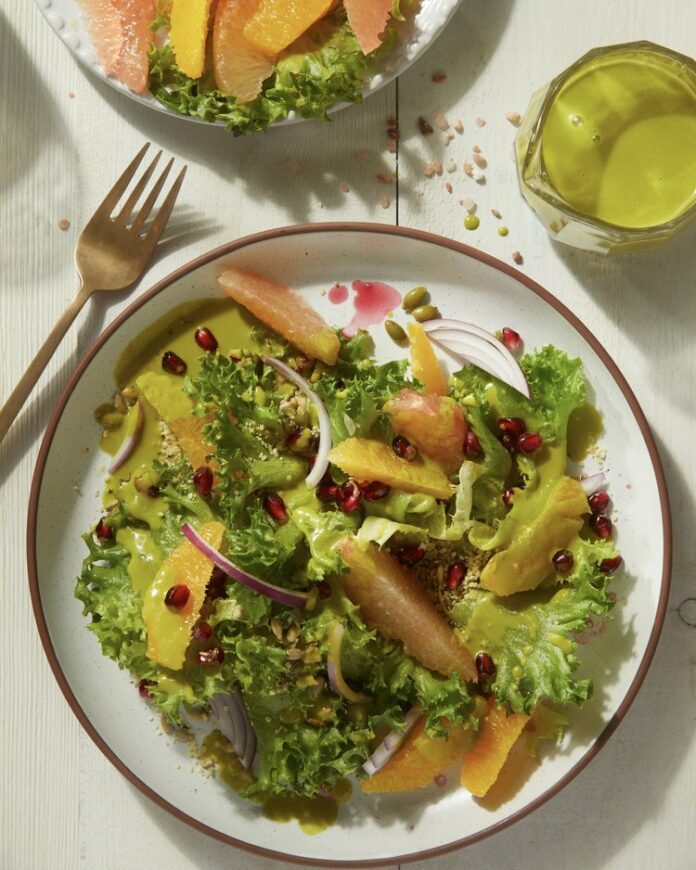
It’s a pretty rare occurrence when the sun shines over Pittsburgh during the winter months. Fortunately citrus season falls at the same time. The bright flavors in this citrus salad with basil vinaigrette by TABLE Magazine contributing editor Anna Franklin will add a little sunshine to your plate and rescue you from the winter blues. For more salads, check out our best salads of this past year.
Which Seeds Did We Use in Our Citrus Salad?
Though seed usually are in the ground, not on your plate, they have many health benefits and add a little bit of crunch to a salad mixture. This salad’s full seed roster is combination of pepitas, pomegranate seeds, hemp hearts, and sunflower seeds in it. Sometimes, salads rely too heavily on the spring mix, but this citrus salad with basil vinaigrette is balanced out by the burst of the pomegranate seeds. Seeds are great sources of healthy fats, vegetarian protein, fiber and antioxidant polyphenols.