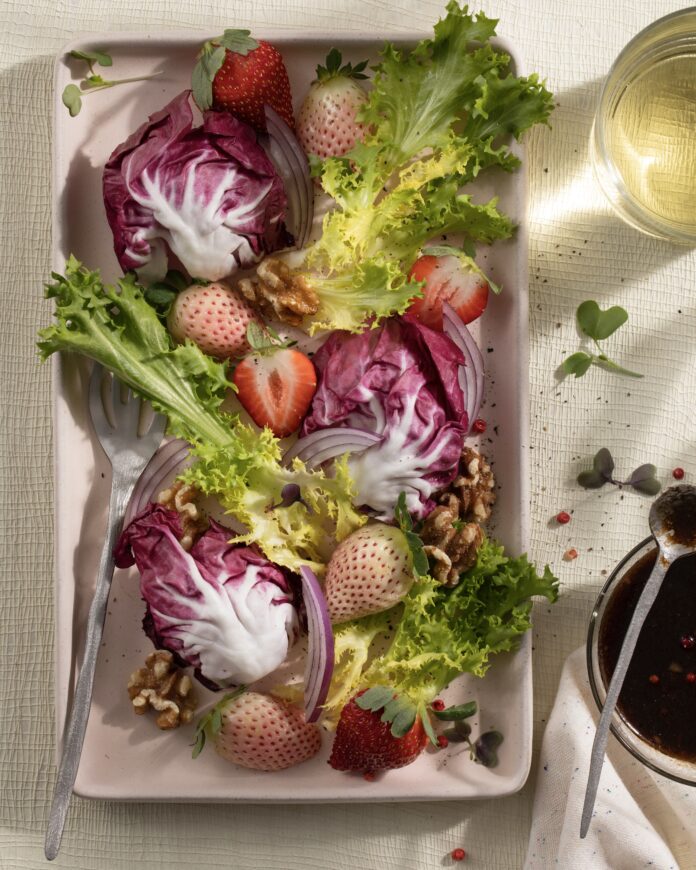
Strawberry Salad and Rhubarb Balsamic Vinaigrette, yum! No one really wants to hear this … but swimsuit season is coming. Perhaps it’s time get lean by leaning seriously into salad? This gem was made with white and red strawberries from lettuces from one of our favorite farmers, The vinaigrette is made with a local farm we loves’s Strawberry Rhubarb Jam. Look for farms near you for the freshest possible ingredients.
When is Rhubarb Season?
Rhubarb season is from April to June, so before summer really gets into gear, you can get your rhubarb fix for all your salads needs. Look for firm, crisp stalks of it at your local farmer’s market, and avoid the ones that look limp or floppy. You can also homemake rhubarb jam for this strawberry rhubarb salad if you so choose, using a mixture of sugar, water, and rhubarb for the freshest possible outcome.
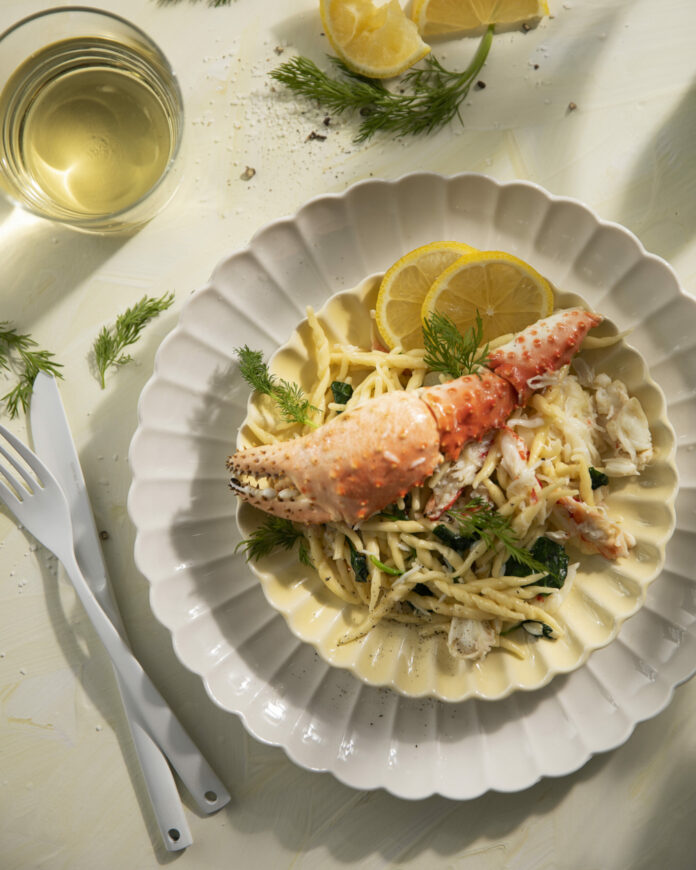
It’s the local ingredients that make this Crab Pasta with Lemon and Dill White Wine Sauce special. A handful of fresh spinach from Tiny Seed Farm melds with green onion, dill, farm butter, and cream from Brunton Dairy at Sewickley Confectionery… and, of course, fresh crab from Strip District institution, Wholey’s. A splash of white wine from Gibsonia’s Narcisi Winery completes the sauce. This crab pasta is a winner!
Why Do Crab and Pasta Go Together?
Seafood might not be your first thought to pair with pasta. But Italy, where pasta originates from, has an incredibly rich seafood culinary culture. Particularly in the southern provinces, fresh-caught fish is a frequent delicacy. If you prepare it right, crab and pasta together can be delicious and refreshing. Tip: Though most pasta is great with cheese, combining seafood and cheese is an unspoken no-no. The flavors don’t combine well, and butter is better for creating creaminess in seafood pasta dishes.
Bring a large pot of heavily salted water to a boil. Add pasta and cook until al dente, about 3-5 minutes. Reserve 1 cup of pasta water for later. Strain and set aside.
In a sauté pan, add stick of butter and melt over medium heat. Add crab and spinach just until the crab is warmed through. Add pasta water and white wine.
Add pasta and heavy cream and gently toss, making sure all the pasta is coated in the sauce. Garnish with dill, sprouts, lemon juice and zest, and green onion.
Recipe and Styling by Anna Franklin
Photography by Dave Bryce With Support from Buy Fresh Buy Local Western PA /TABLE Magazine is proud to partner with Farm to Table and Buy Fresh Buy Local Western PA
As part of their mission to support and uplift local farms, they help us find farms, farm shares, farmers’ markets, and retailers who carry local farm products in our area. Visit farmtotablepa.com for more information.
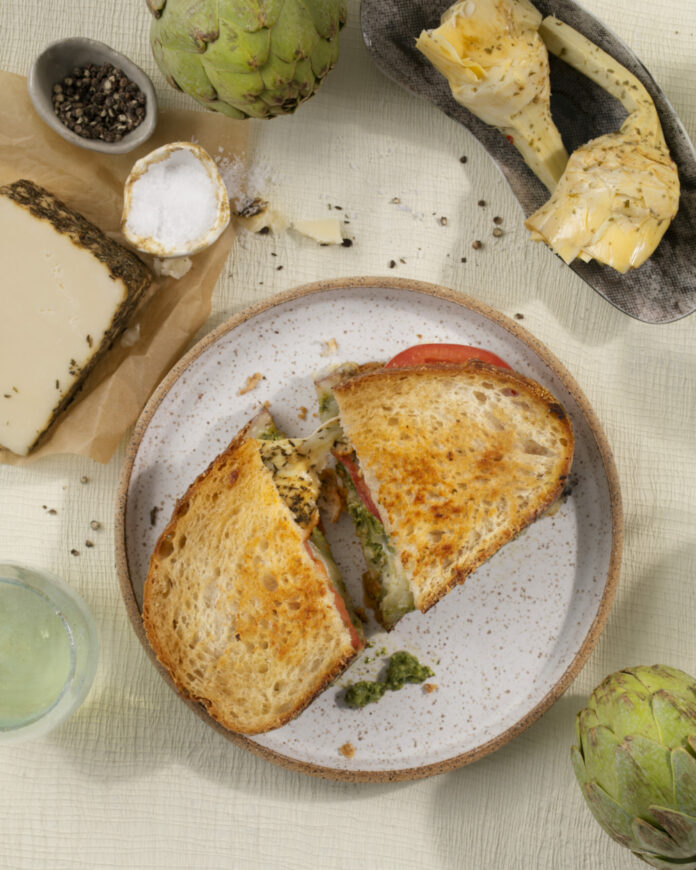
Great ingredients make great food. It follows, of course, that we started off this grilled cheese with fantastic bread from Mediterra Bakehouse. In search of cheese, we chose Goat Rodeo, a local farm and cheesemonger working with a herd of 100 Alpine and Nubian goats. We chose Wild Rosemary, a mixed-milk cheese whose exterior is finished with rosemary and extra-virgin olive oil. Just a quick toast-up under the broiler and a slather of artichoke pesto and we bit into a little bit of heaven.
TABLE Magazine is proud to partner with Farm to Table and Buy Fresh Buy Local Western PA
As part of their mission to support and uplift local farms, they help us find farms, farm shares, farmers’ markets, and retailers who carry local farm products in our area. Visit farmtotablepa for more information.
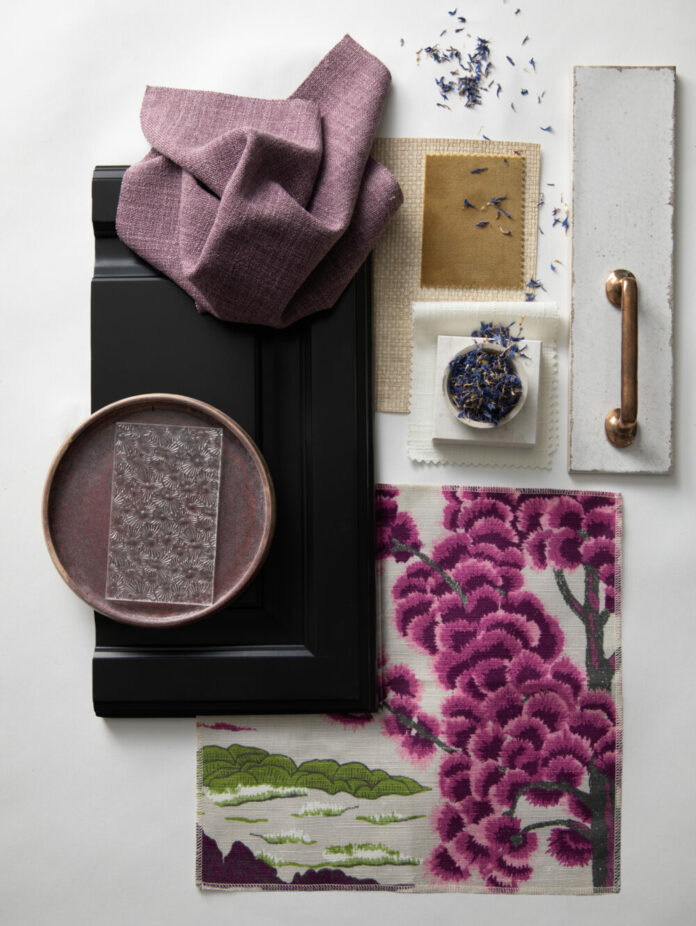
A sign of romance, opulence and eccentricity, purple is a wonderful post-pandemic color. Every shade seems to encourage us to fall in love, enjoy life, and just be yourself.
Interior designer Susan Muschweck gathered purple-inflected pops of color, pattern, and texture around Benjamin Moore‘s classic Caviar black paint. The fuchsia-patterned fabric adds a shot of brightness and whimsy, while the woven wallpaper adds another layer of texture. The purple plate is from local ceramist Frank DeFabo. It all comes together like an evening affair organized by experienced hosts in a location where you want to linger.
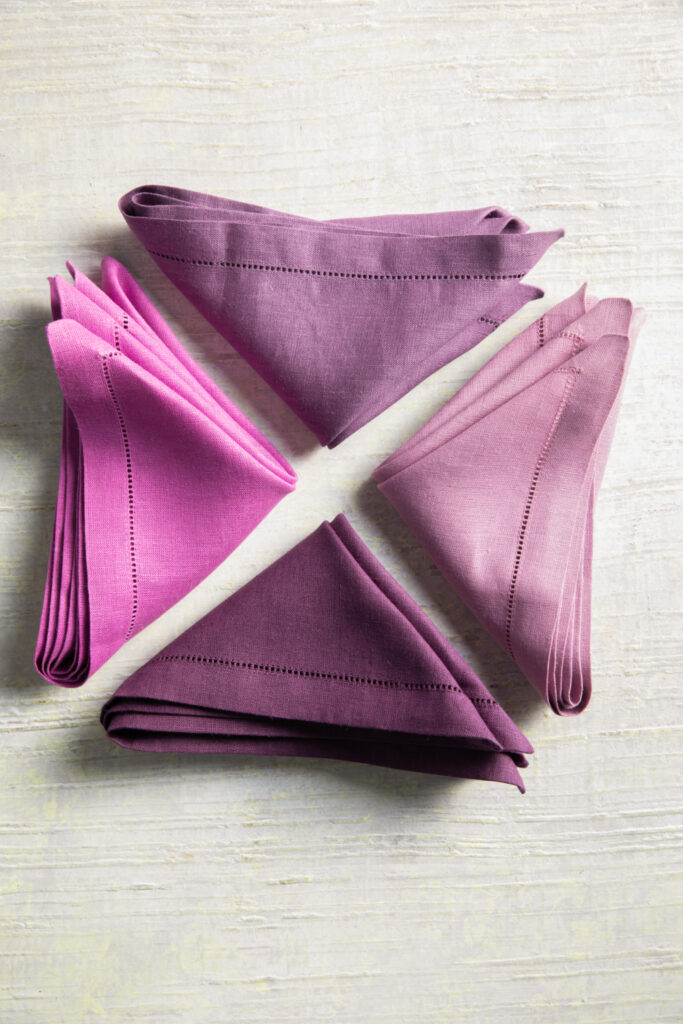
Luscious Linens Pure linen. Curated color. Perfect hemstitch details. Sferra makes them in many colors, but we chose to mingle a quintet of purples. Available at Glassworks.
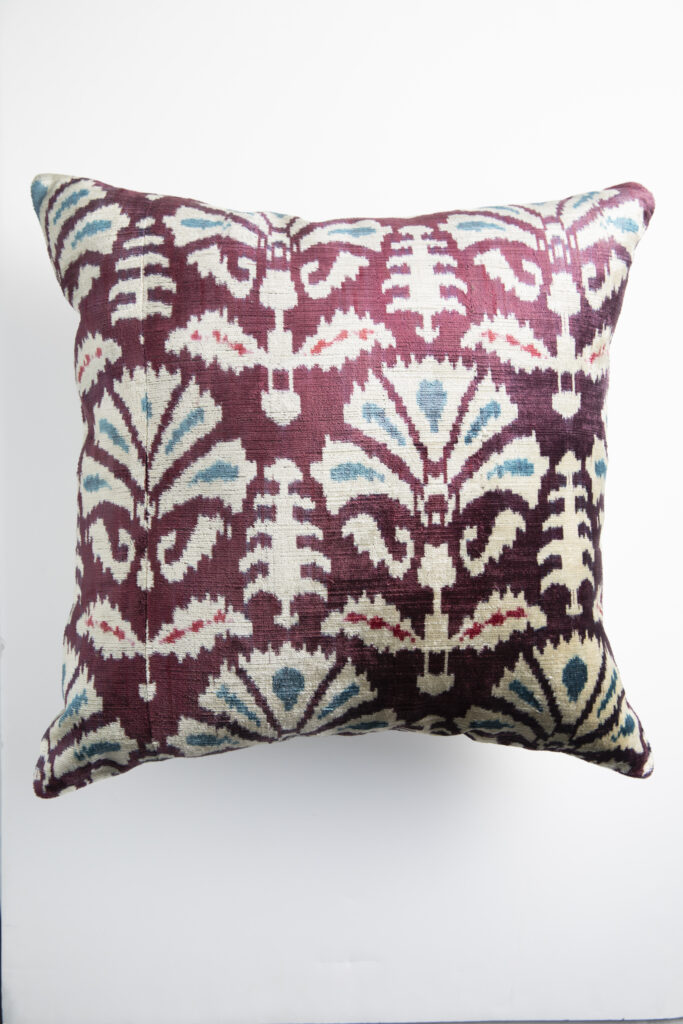
Poetically Purple Ikat is the ancient art of tie-dyeing patterns into warp and weft threads before weaving. In Central Asia, cut-velvet techniques add tactility. This plummy work of art is available at Carte Blanche.
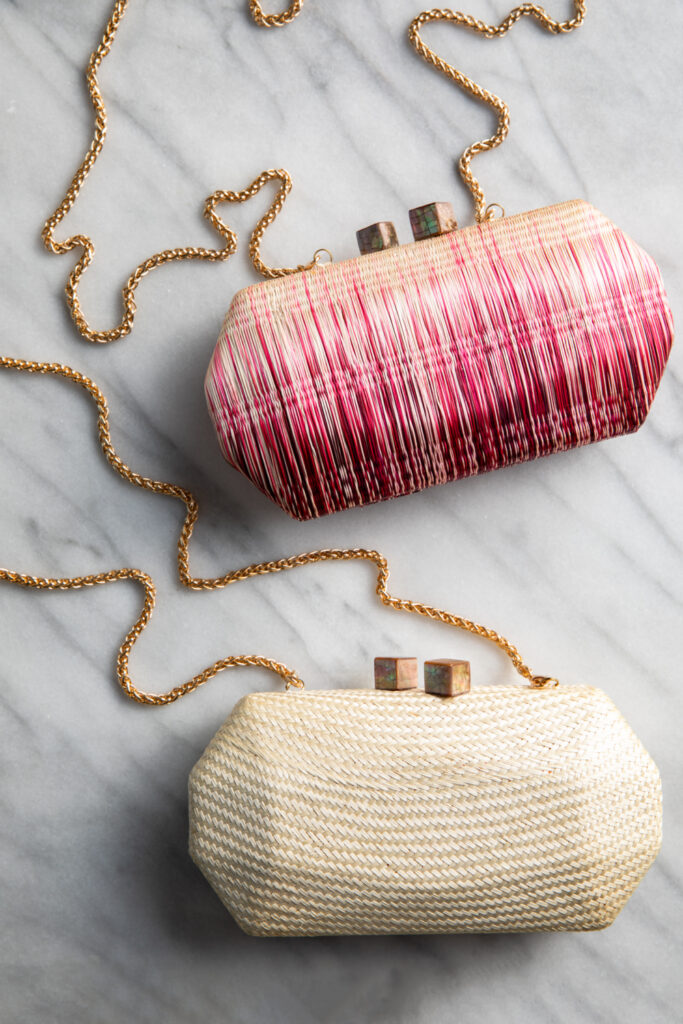
Handwoven artisan bags from the Philippines available at Kristi Boutique.
Natural Elegance Handwoven natural fiber hugs the beveled contours of these stylish handbags made by artisans in the Philippines. Available at Kristi Boutique.
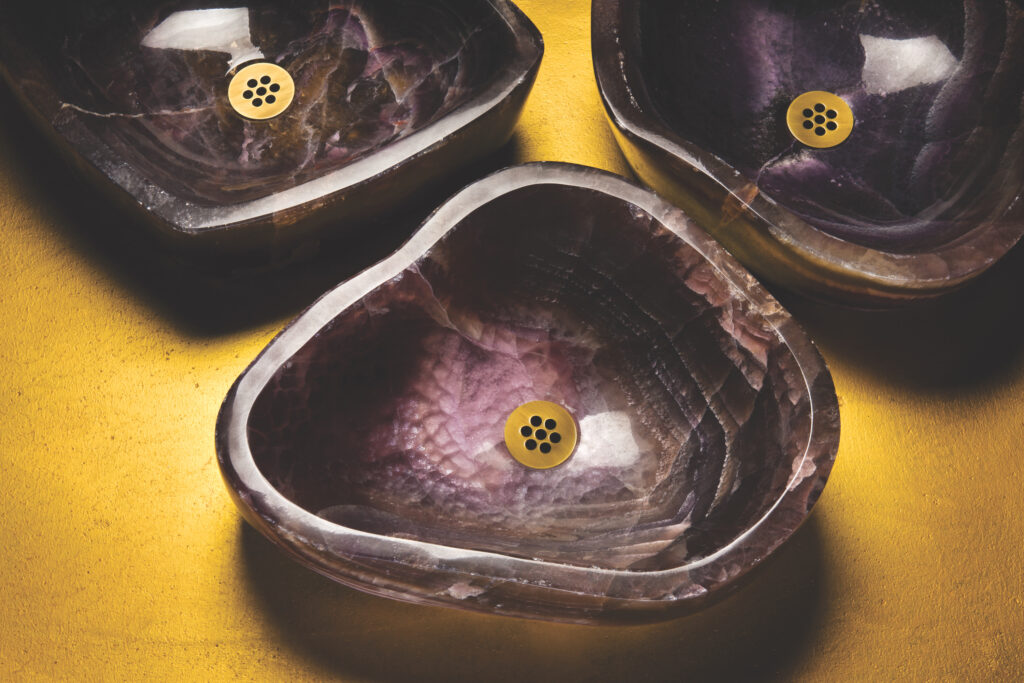
Purple Onyx Wabi sink bowls by Stone Forest available at Splash.
Purple Onyx Wabi Sink Made by Stone Forest: these one-of-a-kind sinks are hand-carved from small boulders of purple onyx. As the artisan shapes the stone, each vessel develops its own unique character. Available at Splash.
Story and Curation by Keith Recker and Stephen Treffinger / Principal Photography by Laura Petrilla and Dave Bryce
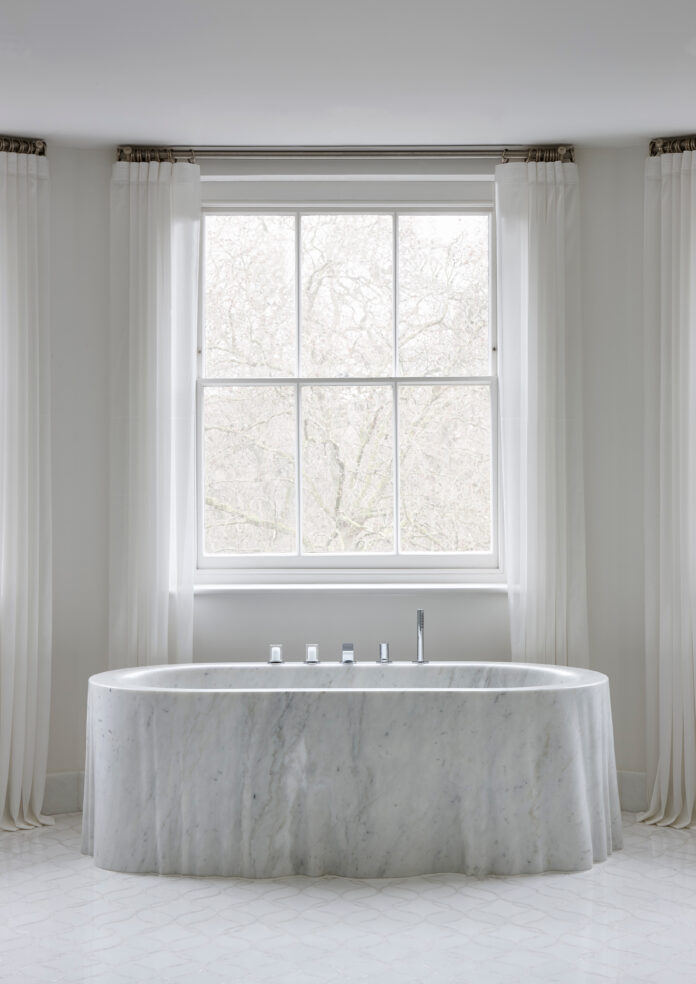
This bespoke bathtub has the look of draped fabric.
THE COOLER BRANCH OF THE NEUTRAL COLOR FAMILY IS HAVING A POST-PANDEMIC WAVE OF POPULARITY, AS IT DID AFTER THE SPANISH FLU EPIDEMIC OF THE EARLY 20TH CENTURY. WHITE’S MESSAGES OF HYGIENE, PARTICULARLY IN STONE AND CERAMIC, REASSURE US. GRAY IS MAKING A COMEBACK TOO, ESPECIALLY IN ARTISANAL METALS AND CONCRETE FINISHES.
Ancient and Modern
Hand-carved and finished from a solid block of Carrara Bianco marble, this bespoke bathtub has the look of draped fabric, which gives the stone the illusion of softness. Available at Ancient & Modern.
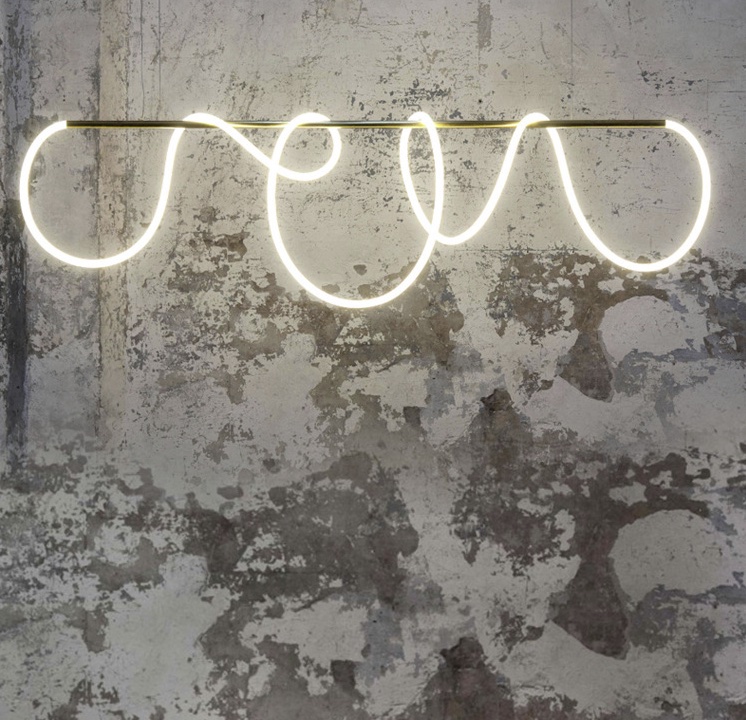
This flexible silicone tube chandelier is dramatic but softens a raw space.
Curves Ahead
Undulating LED fixtures like this flexible silicone LED tube chandelier are dramatic but also softens a raw, industrial space. The brass support bar also brings just a touch of warmth. Available at Lighting4Home.
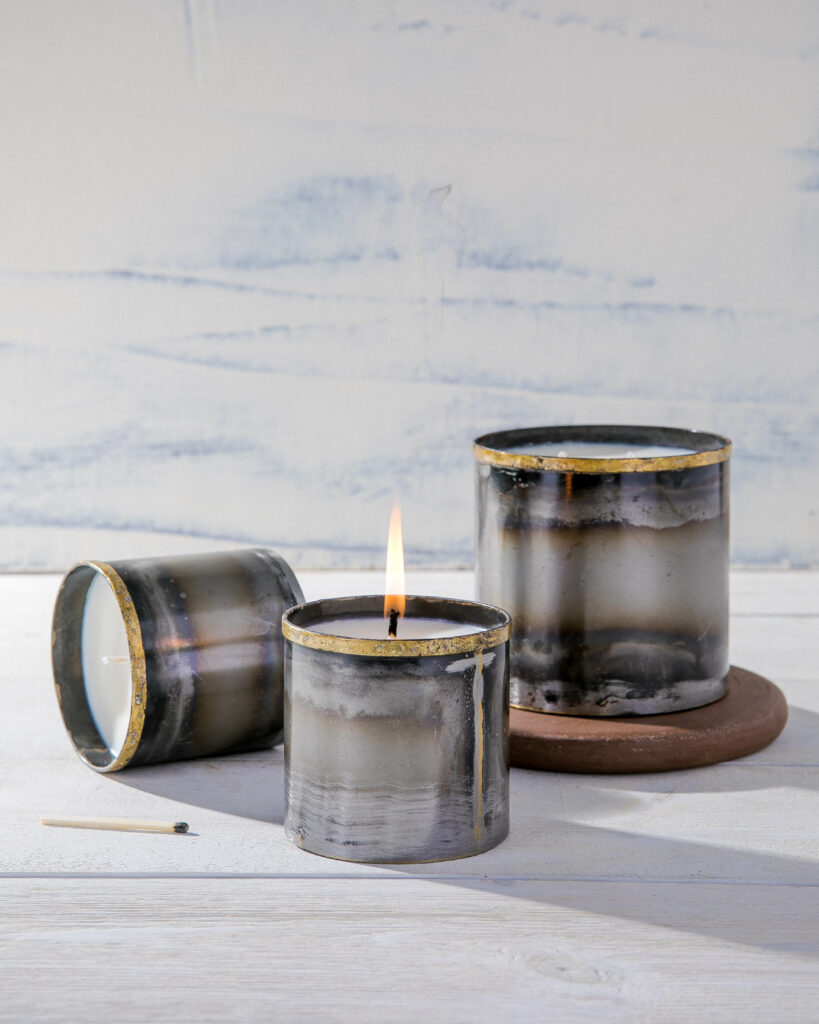
Soy candles from Rosie’s Workshop.
Gleam & Glow
Soy candles. Subtle fragrances. Burnished metal containers with golden seams and edges. The warmth of candlelight. Perfect. Available at Rosie’s Workshop.
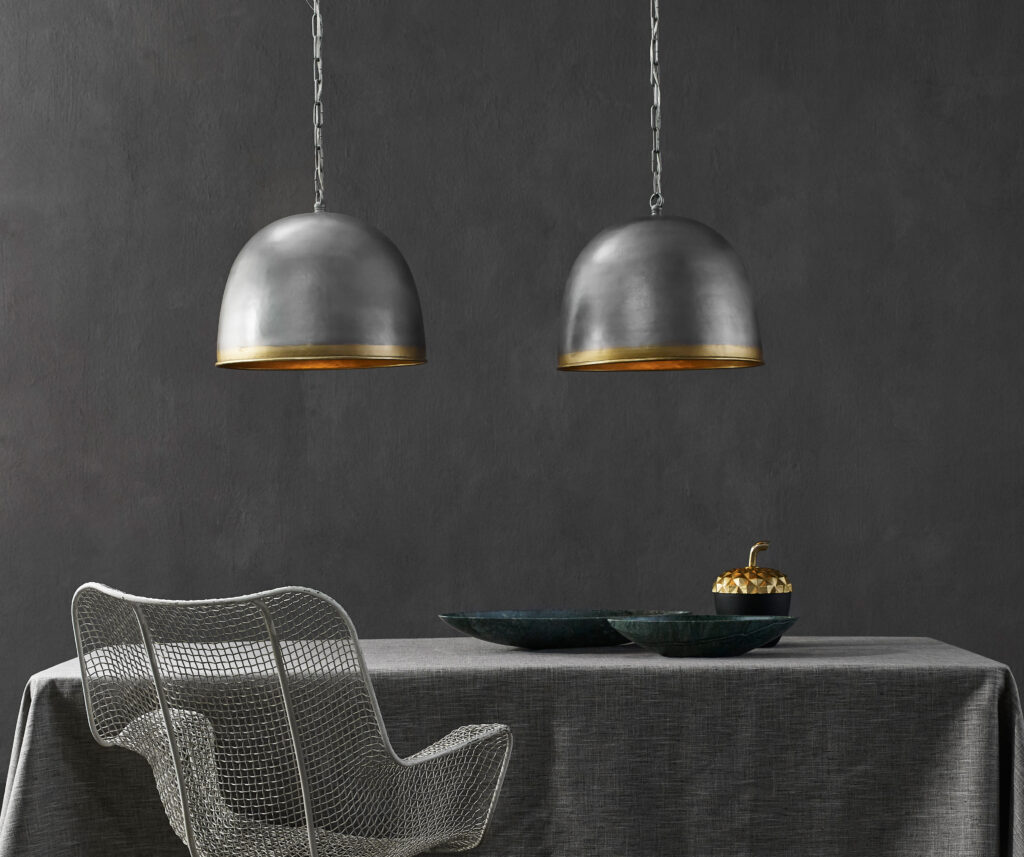
Matute pendants from Currey & Company.
Mixed Metals
Brushed pewter with a brass ring on the bottom edge gives you both cool and warm metal tones. These adjustable-height Matute pendants bring an appealing glow to a monochromatic interior palette. Available at Currey & Company.
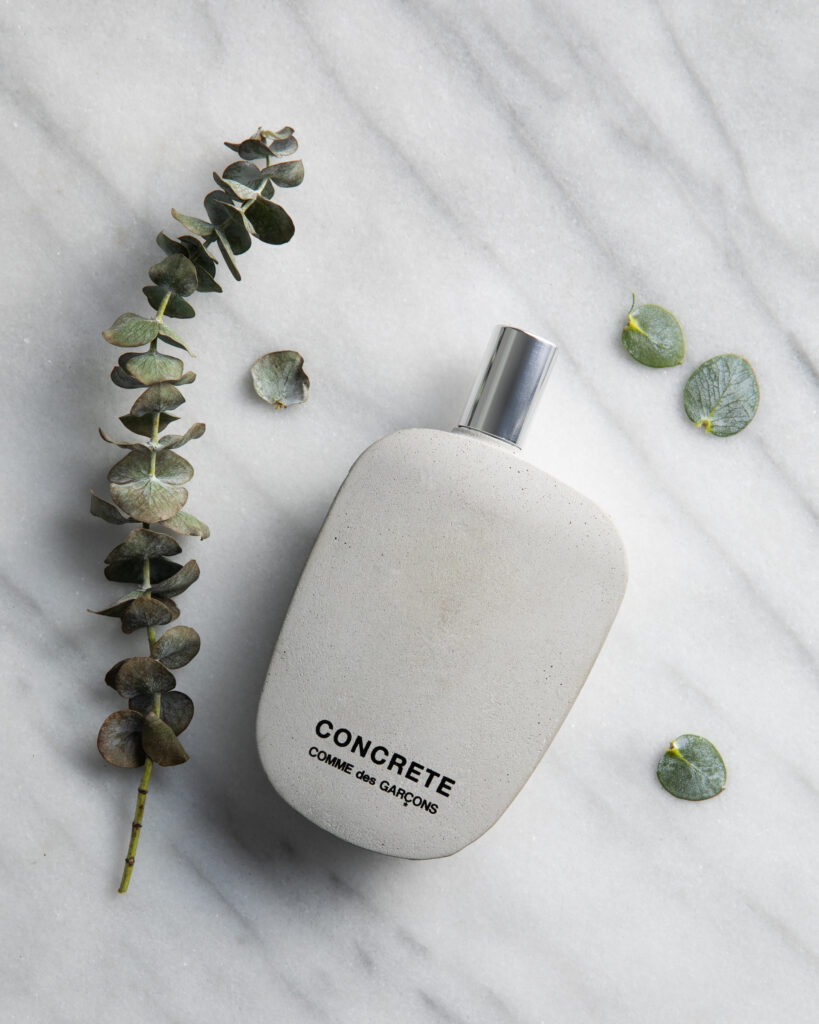
Concrete fragrance is philosophical and experimental.
Conceptual and Sensual
Comme des Garçons Concrete fragrance is philosophical and experiential, just like their clothing. Enjoy its notes of sandalwood, rose, cumin, coriander, jasmine, cedarwood and musk. Available at TONS.
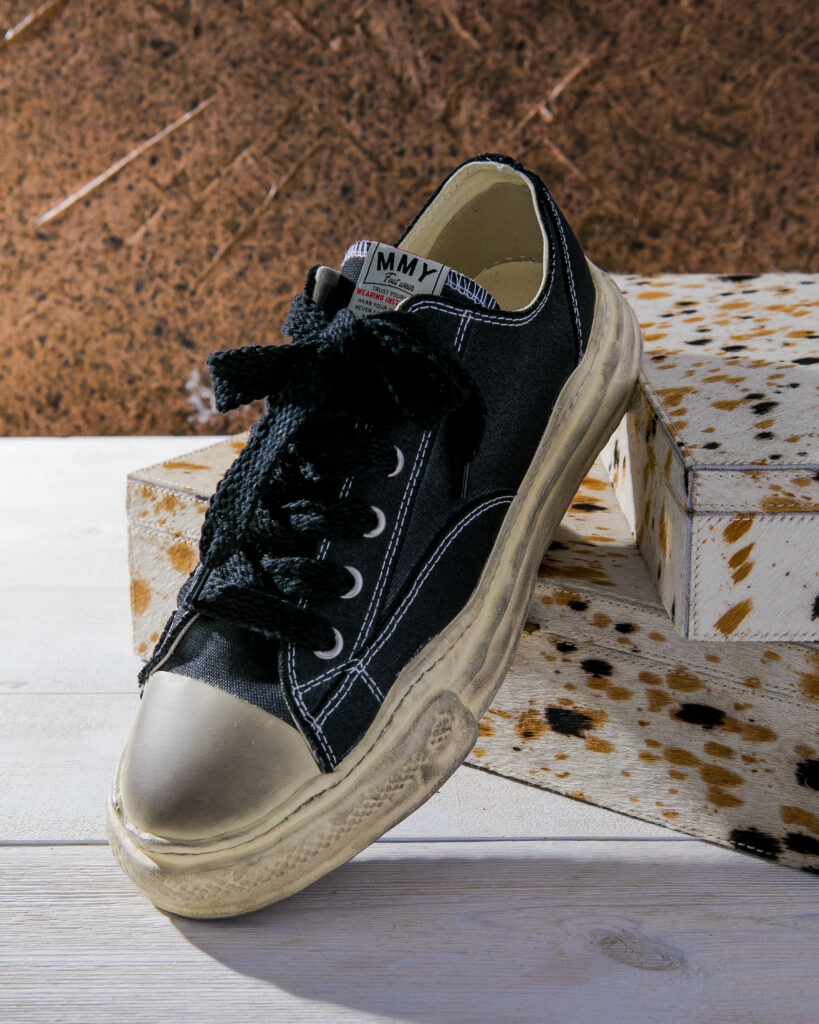
Mihara Yasuhairo and Molly Singer available at TONS.
Sneaking Around
Mihara Yasuhiro takes on the classic American sneaker is equal parts ’50s nostalgia and dystopian futurism. Details like the wide, woven laces and cunningly dark rubber trims speak volumes. Shown here withMolly Singer Design‘s calf-hair-clad Atticus boxes. Available at TONS.
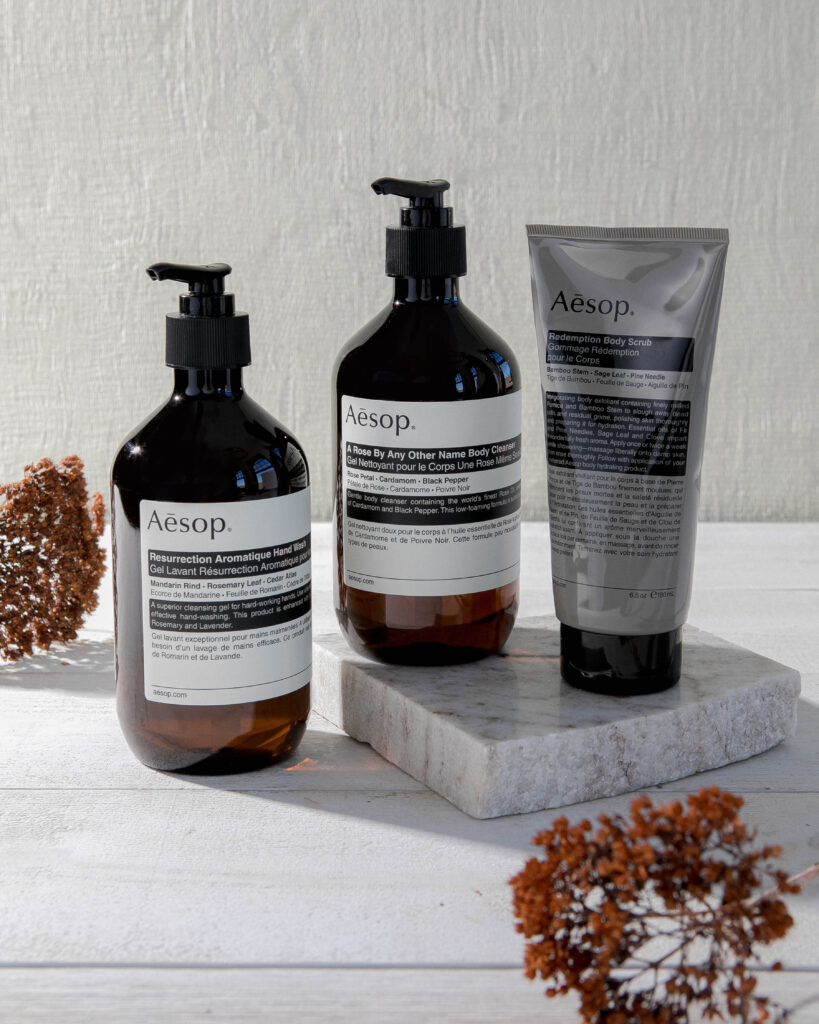
Aesop self-care products available at TONS.
Take Care
Aesop, Australia’s pre-eminent self-care brand, puts principles first: safety, effectiveness, and nature. (The clean, crisp packaging is pretty nice, too.) Available at TONS.
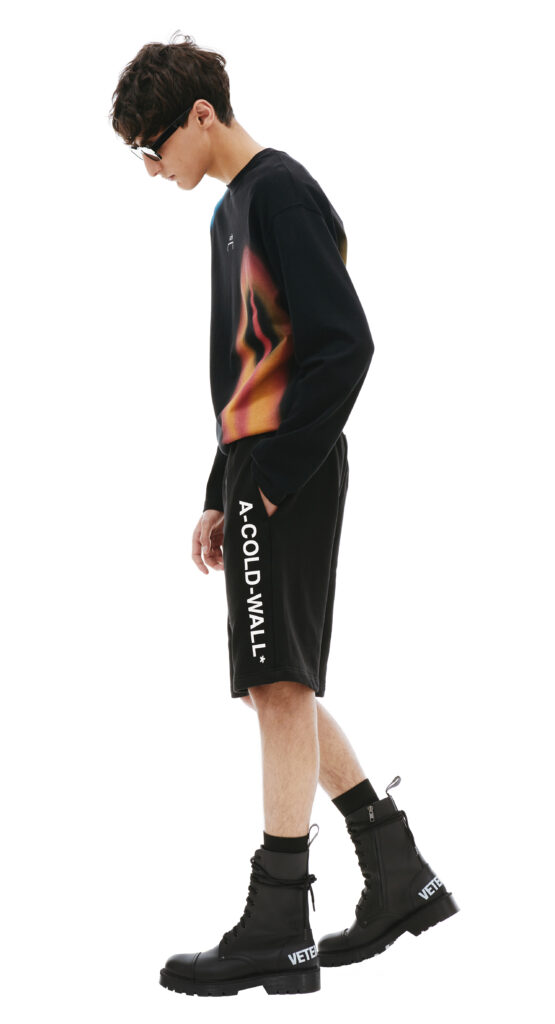
A Cold Wall logo sweat-short and LS t-shirt available at TONS.
City Streets
A-Cold-Wall‘s Essential Logo sweatshort is paired with their Hypergraphic LS t-shirt for a look as hot as a summer stroll in the city. Available at TONS.
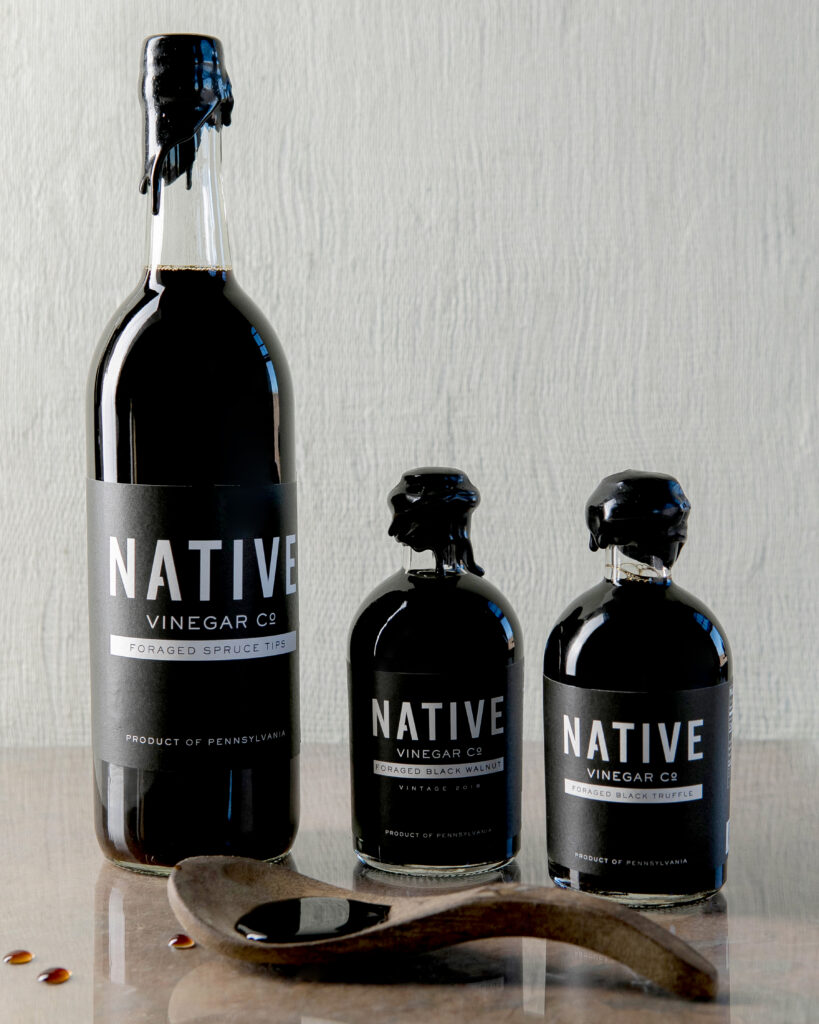
Fermented Locally
Native Vinegar Co. forages and sources local ingredients to make vinegars that speak to a Western PA terroir. Try their Foraged Spruce Tips in a summery salad. You’ll never go back to store-bought. Available at Native Vinegar Co.
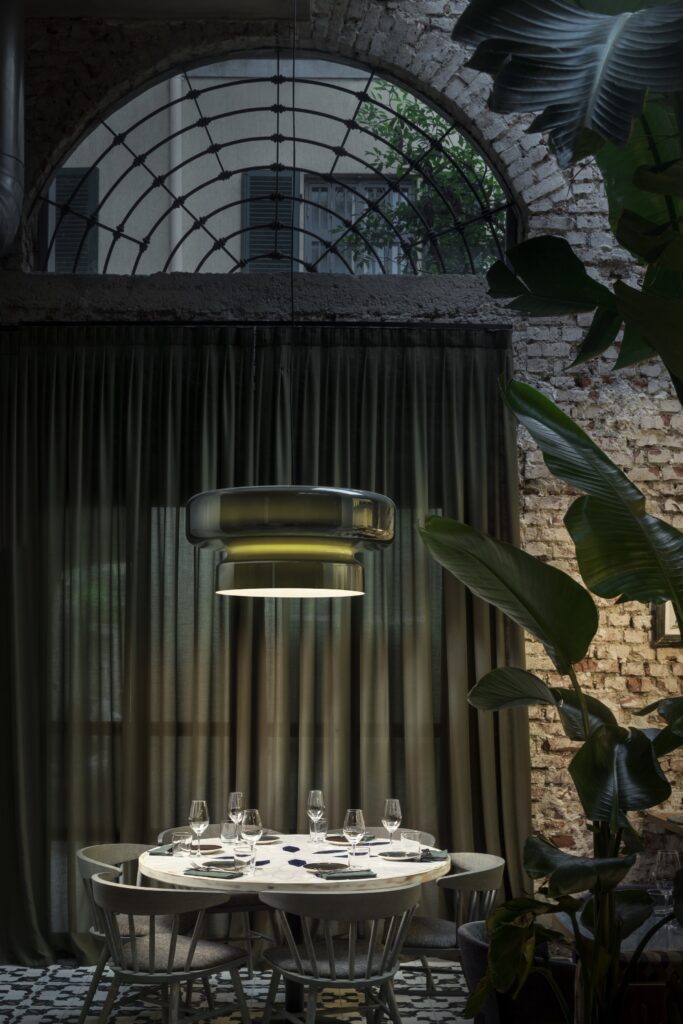
The Bohemia pendant lamp has a truly commanding presence.
Green Light
Designed by Joan Gaspar for Marset, the Bohemia pendant lamp is richly colored and over 30 inches in diameter so it has a truly commanding presence. Available in green, violet, and amber at twentytwentyone.
Story and Curation by Keith Recker and Stephen Treffinger / Principal Photography by Laura Petrilla and Dave Bryce
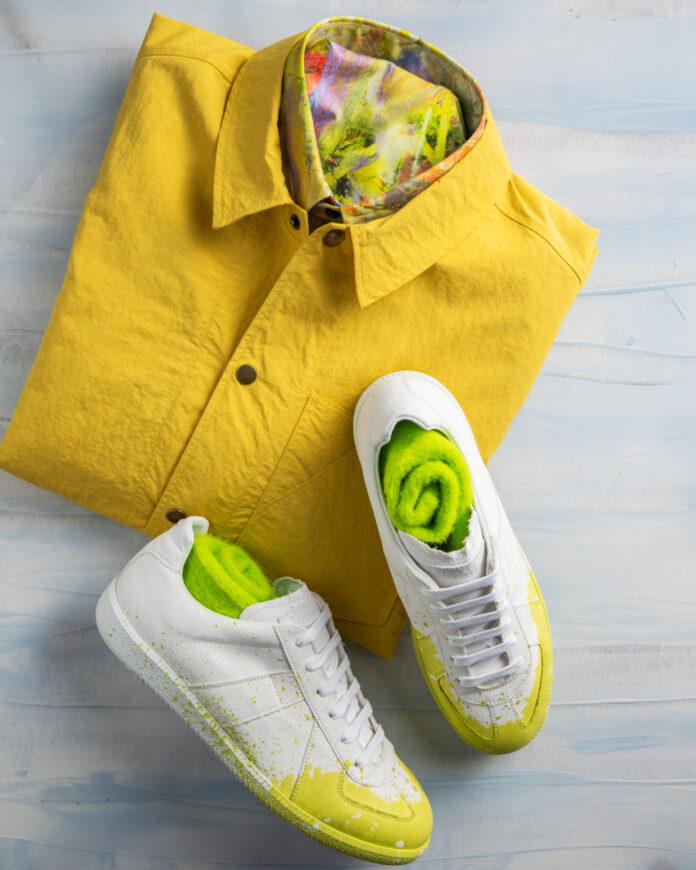
Windbreaker, shoes, and neon green socks available at Moda.
WESTERN PENNSYLVANIA’S 59 DAYS OF SUNSHINE LEAVE MANY OF US NEEDING ADDITIONAL DOSES OF BRIGHTNESS TO BRING US ALIVE.
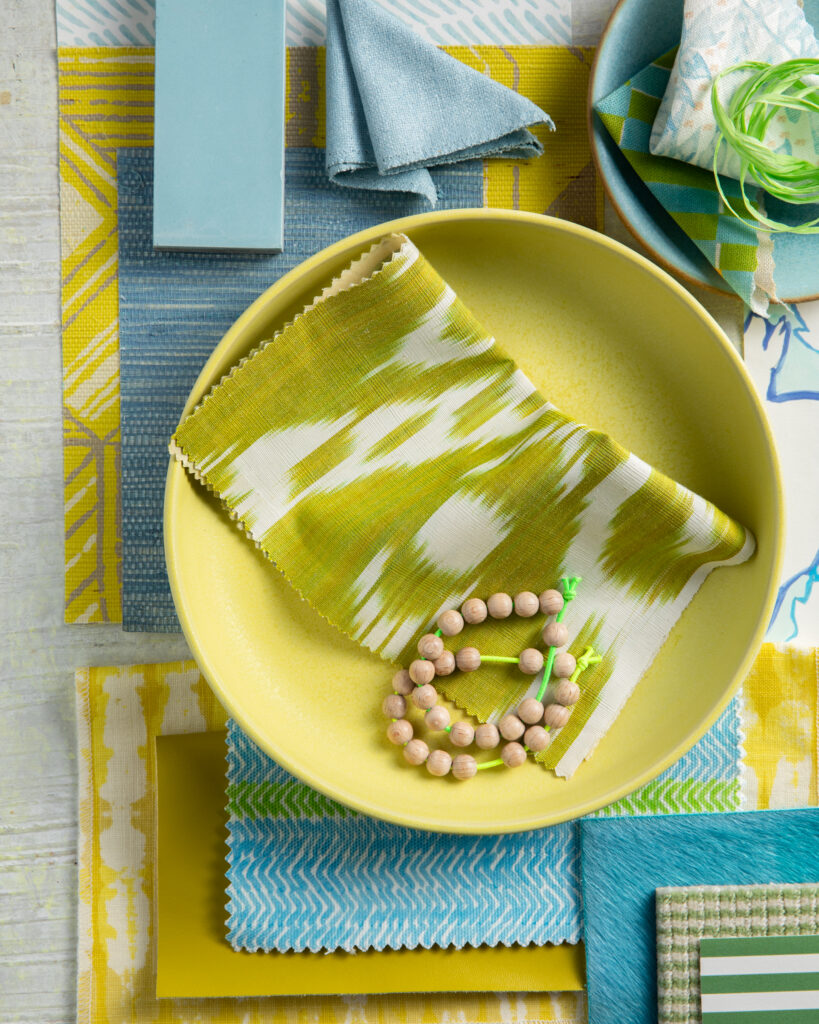
SOLAR ENERGY
Interior designer Colleen Simonds generated this upbeat palette to feel “energized, optimistic, and maybe a little tropical,” she says. We agree that it is rather like a fabulous vacation, and who wouldn’t want to come home to that feeling every day?
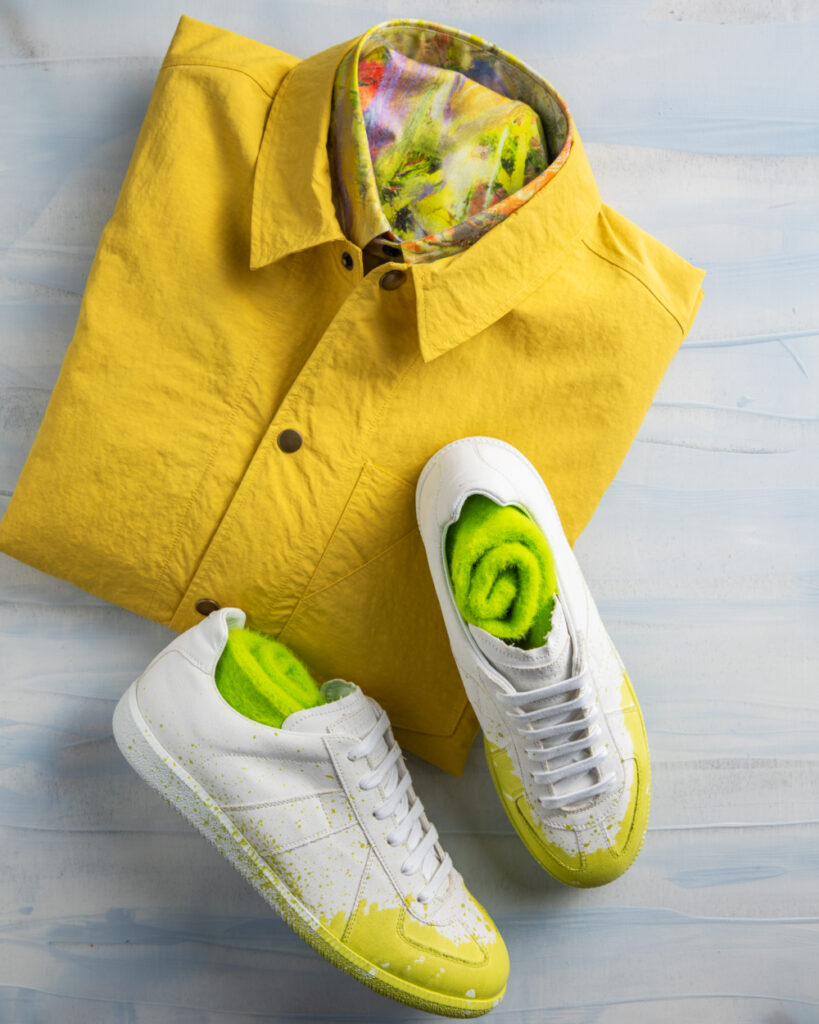
Windbreaker, shoes, and neon green socks available at Moda.
STEP INTO THE LIGHT
Billy Reid‘s Carrabelle Windbreaker brings the sunshine of the Alabama Gulf Coast to your closet even as it prepares you for inclement weather. Tucked inside the jacket are an Italian-made shirt and t-shirt from Diesel in a yellow-green paint print. The shoes are classic canvas brought into the 21st century with a spray of gilet jaune neon green by the clever people at Maison Margiela. Happy Socks tucked inside. All available at Moda.
Story and Curation by Keith Recker and Stephen Treffinger / Principal Photography by Laura Petrilla and Dave Bryce
Designer Tom Caldwell combines natural materials and modern sensibilities. Available at Currey & Company.
KHAKI AND ITS UNPRETENTIOUS, BREEZY MESSAGE OF SPORTY COMFORT IS MAKING A COMEBACK. SISTER TONES IN THE TAN AND OLIVE CATEGORIES ARE SHOWING UP TO PLAY, TOO.
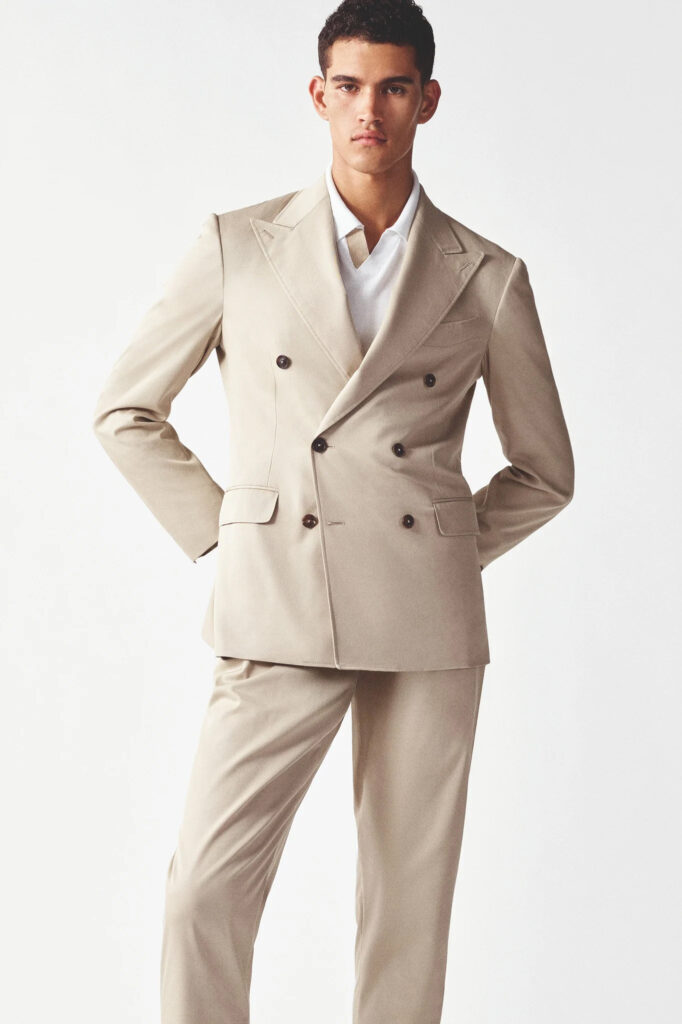
A Canali double-breasted suit available at Larrimor’s.
Impeccable Vision
A Canali double-breasted suit in tan will bring your warm-weather wardrobe up-to-date for everything from meetings to evenings out. Skip the necktie and this look goes beautifully casual, too. Available at Larrimor’s.
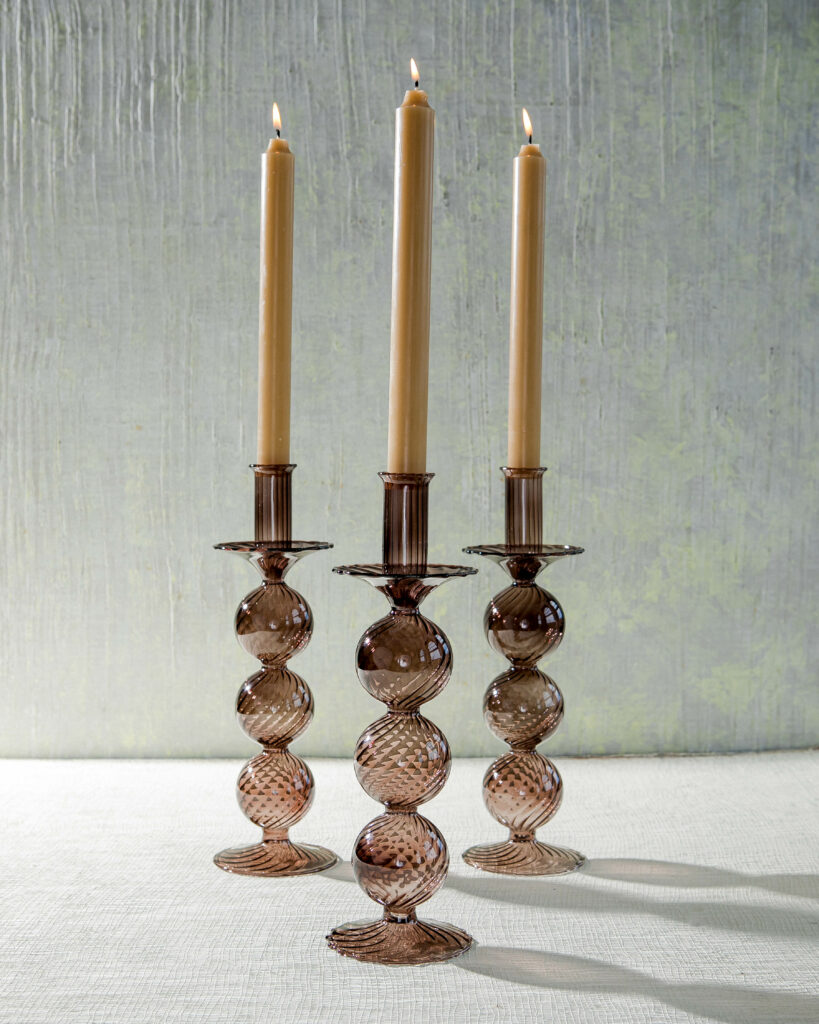
Artisan-glass taper holders in a smoky tan from Carte Blanche.
Smoke & Flame artisan-made glass in a smoky tan. The glow of tall tapers. Your evening will be elevated and gorgeous. Available at Carte Blanche.
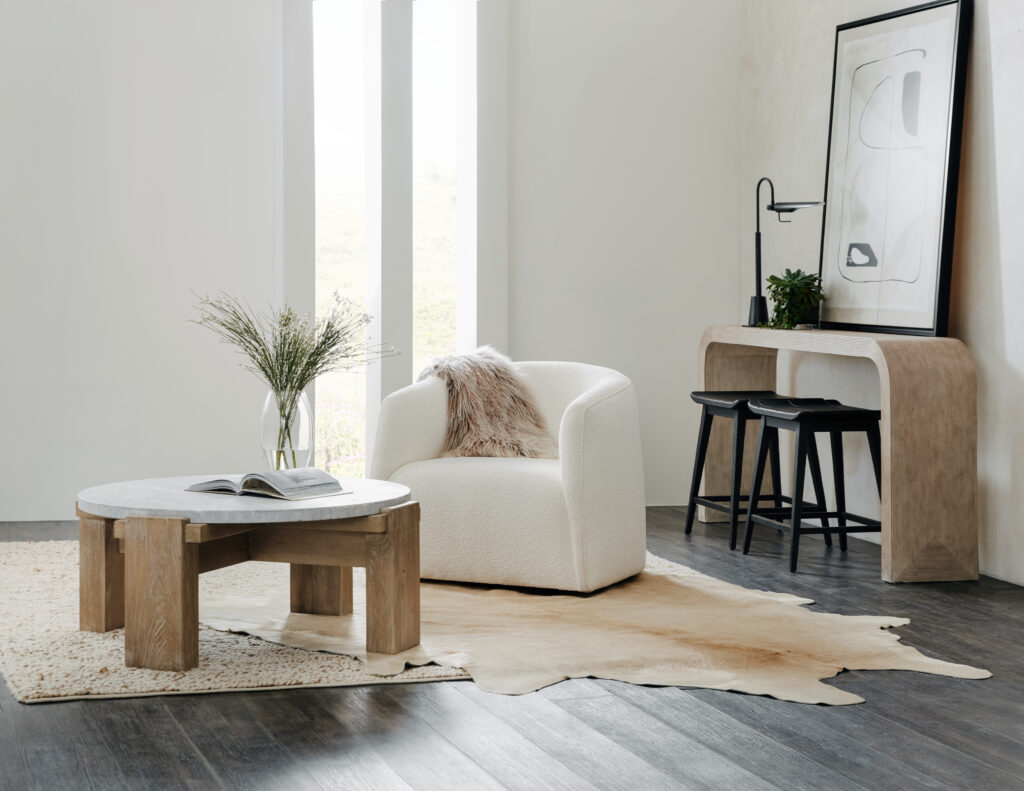
This fresh, bouclé-clad look is available at Today’s Home.
Natural Spin
The Nova Swivel chair from Sam Moore is multifunctional to the core and beautiful from every angle. This fresh, bouclé-clad look freshens up any room. Available at Today’s Home.
Designer Tom Caldwell combines natural materials and modern sensibilities. Available at Currey & Company.
Natural Light
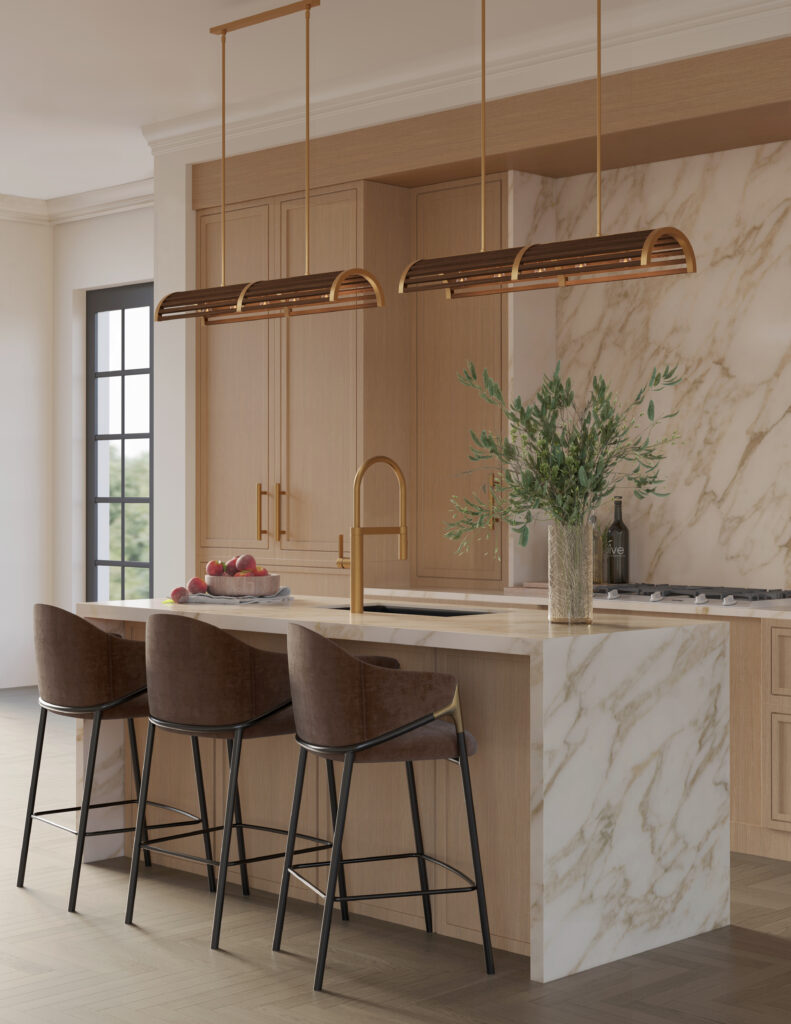
Designer Tom Caldwell combines natural materials and modern sensibilities in his Woodbine rectangular chandelier. At home in farmhouses, loft apartments, and earthy, transitional spaces, it’s available from Currey & Company.
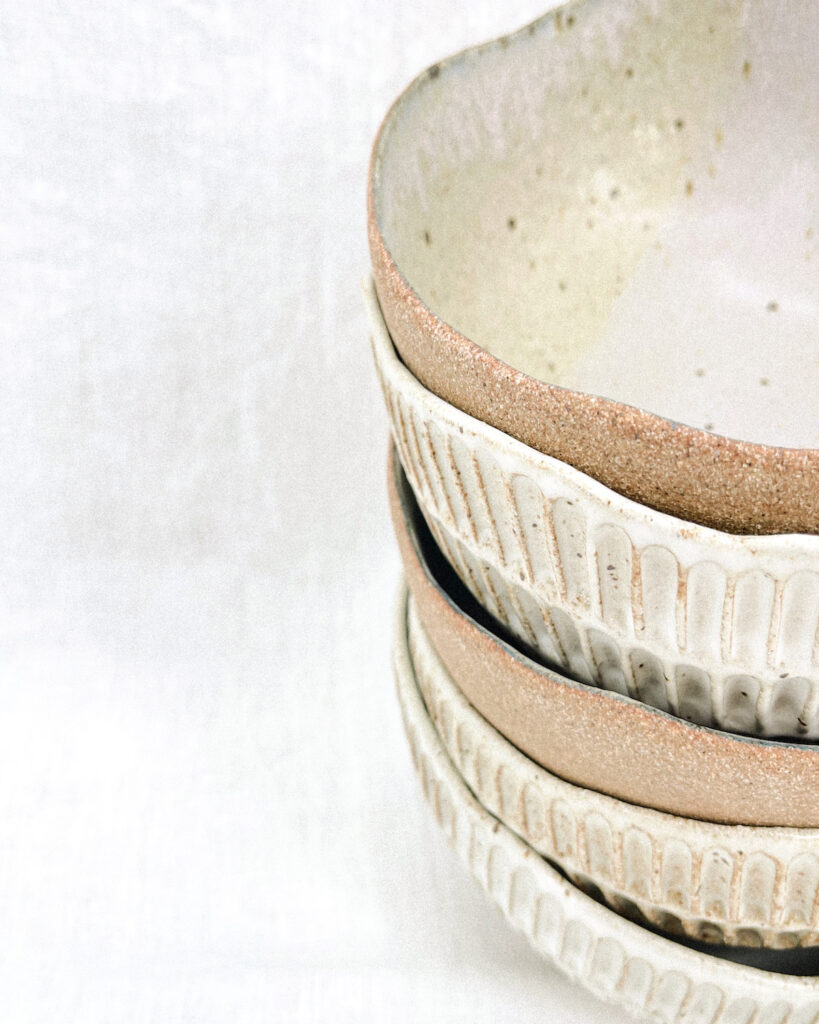
Perfect as gifts, and even better as a treat for your own table.
Bountiful Bowls
Locally made. Rich with texture. Subtle in color. Perfect as gifts, and even better as a treat for your own table. Available at Alma Mercantile.
A limited-edition artisan bowl from Portugal.
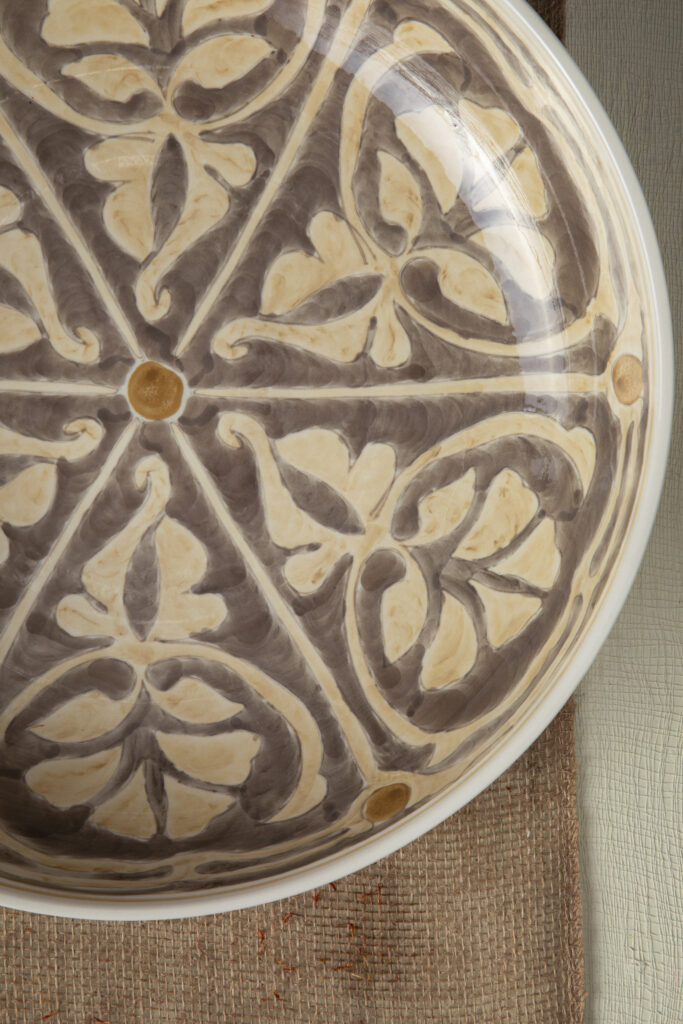
Artful Table
Drawn and tinted by hand in Portugal, this limited-edition serving bowl’s shallow profile beautifully cradles a wide range of foods. Available at Carte Blanche.
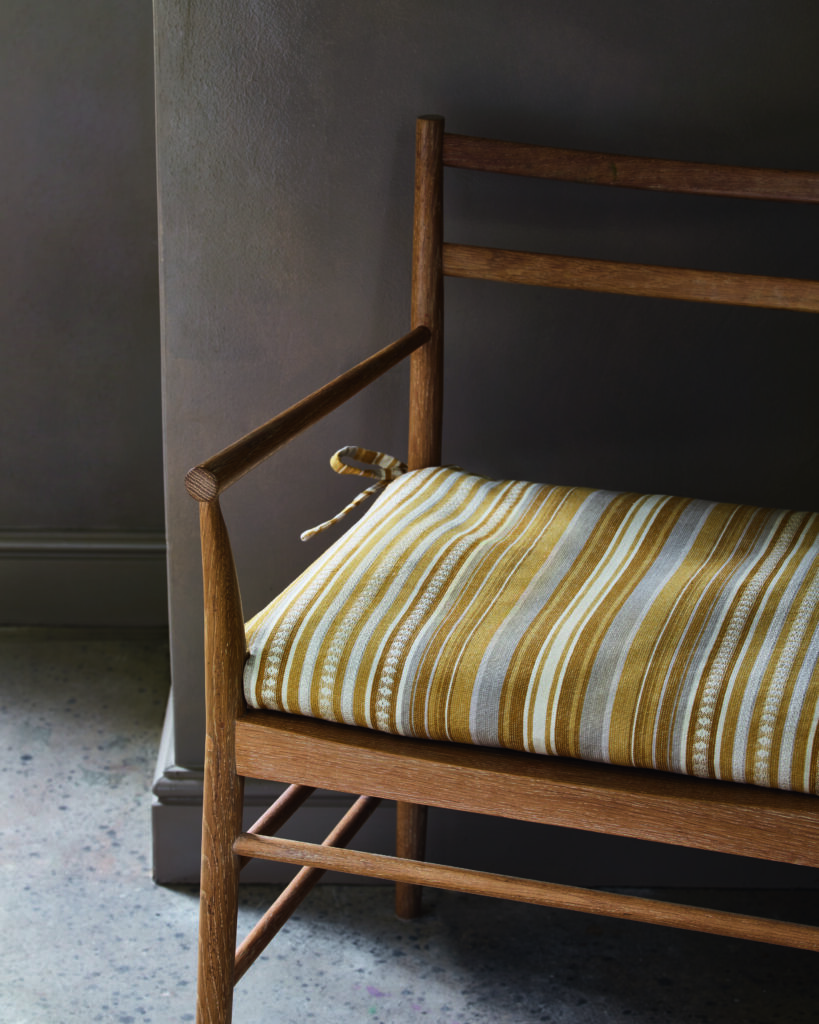
A woven-striped fabric available to the trade at Cowtan & Tout.
Smart and Subtle
This Seville woven stripe is enhanced by highlights of patterned detail and softened with a subtle ombré. To the trade at Cowtan & Tout.
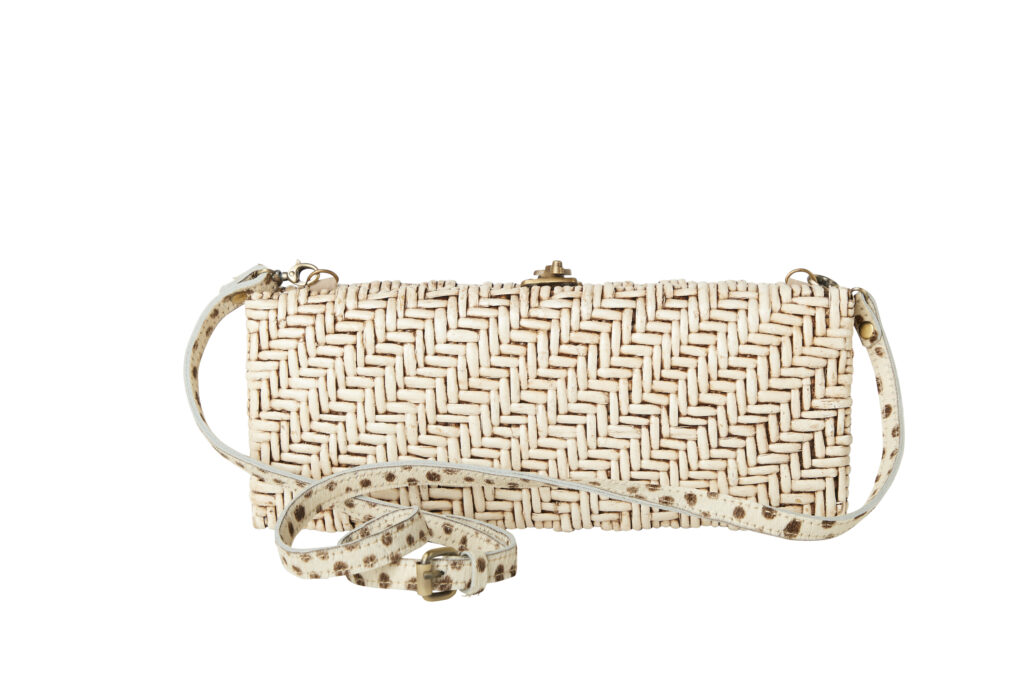
Sarah Stewart handbag available at Kristi Boutique.
Crafted to Carry
Designer Sarah Stewart draws upon the ancestral handicrafts of artisan collaborators to create intriguing handbags. Available at Kristi Boutique.
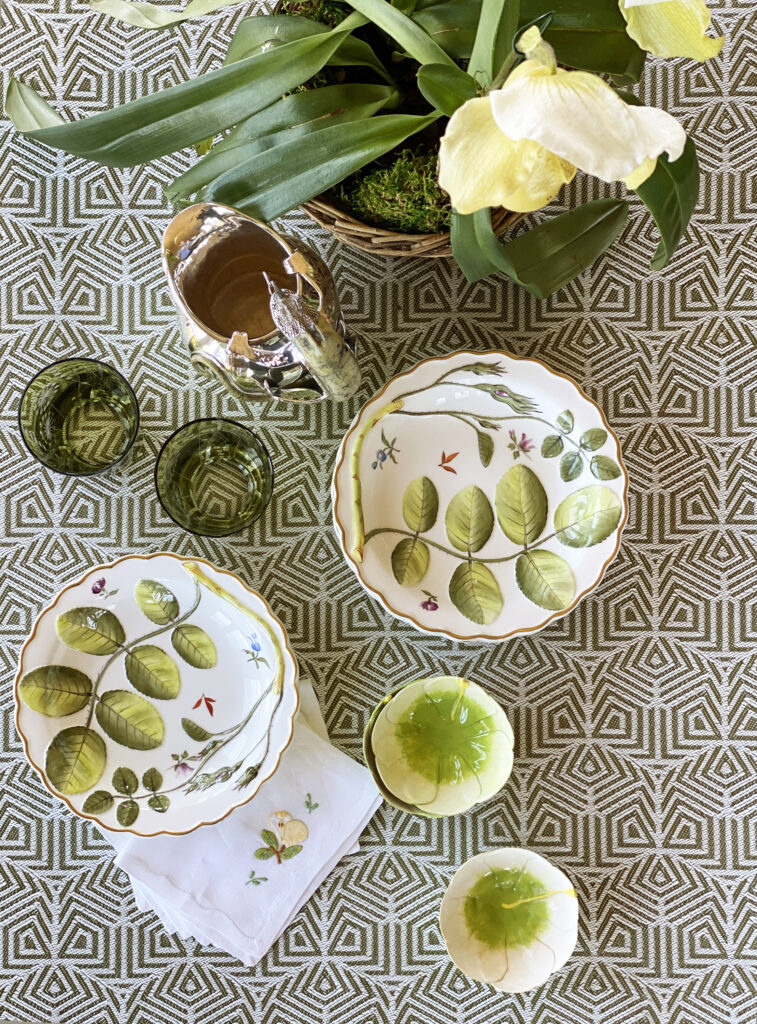
Kaleidoscope fabric by Suzanne Tucker Home.
Natural Phenomena
The fabric is Kaleidoscope from Suzanne Tucker Home. As mesmerizing as its namesake, this go-anywhere textile is woven with 100% solution-dyed, colorfast polypropylene: perfect for high-traffic, pet-friendly, and outdoor usage. Shown with vintage Royal Worcester Blind Earl china, which is a story in and of itself. Available to trade at Suzanne Tucker Home.
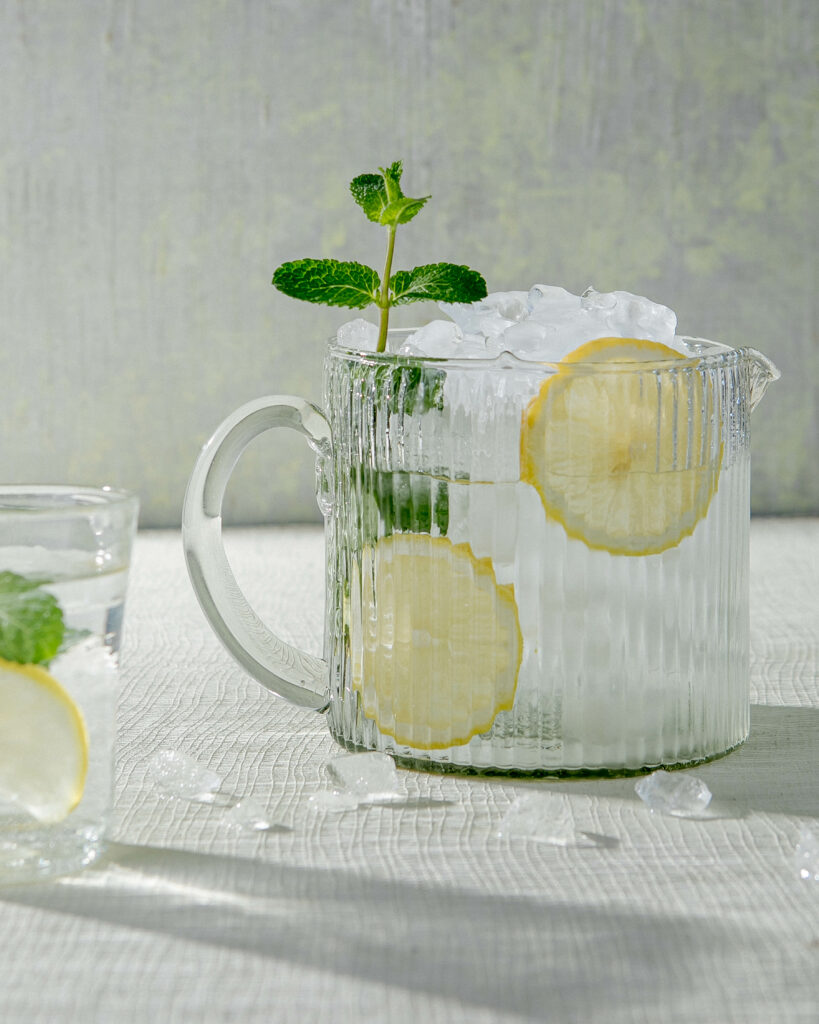
A clear glass pitcher for cool beverages available at The Nue Look.
Clearly Appealing
Keep a recycled glass pitcher of your favorite beverage in the fridge all summer long. This one is available at Zelienople’s The Nue Look.
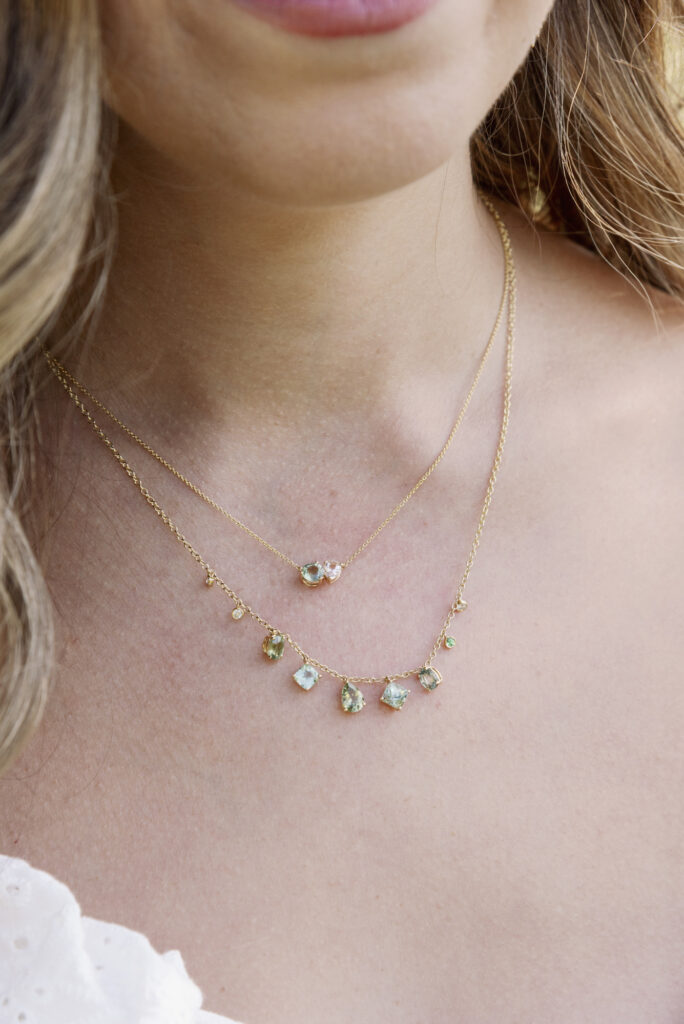
Sparkling green gem necklaces from Henne Jewelers.
Wearing of the Green
The most precious greens (morganite, green sapphire, green tourmaline, and green garnets) sparkle together in two necklaces from Henne Jewelers.
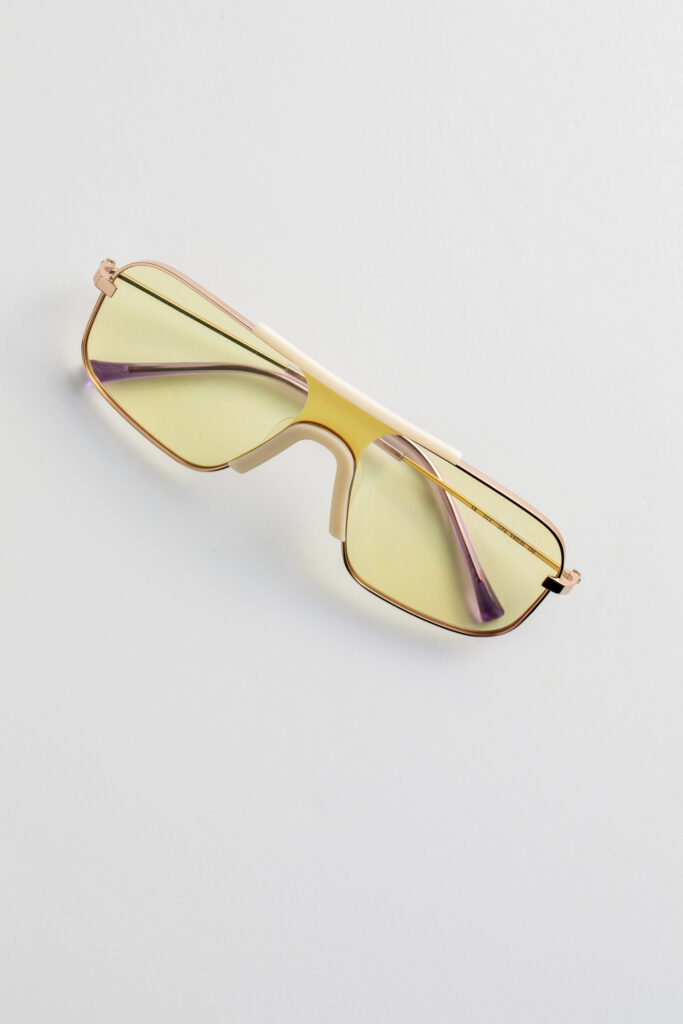
Projekt Produkt sunglasses from Korea available at TONS.
Modern Sensibilities
Projekt Produkt sunglasses from Korea blend minimalism and sensualism in every design. Here, SC2 sunglasses available at TONS Pittsburgh.
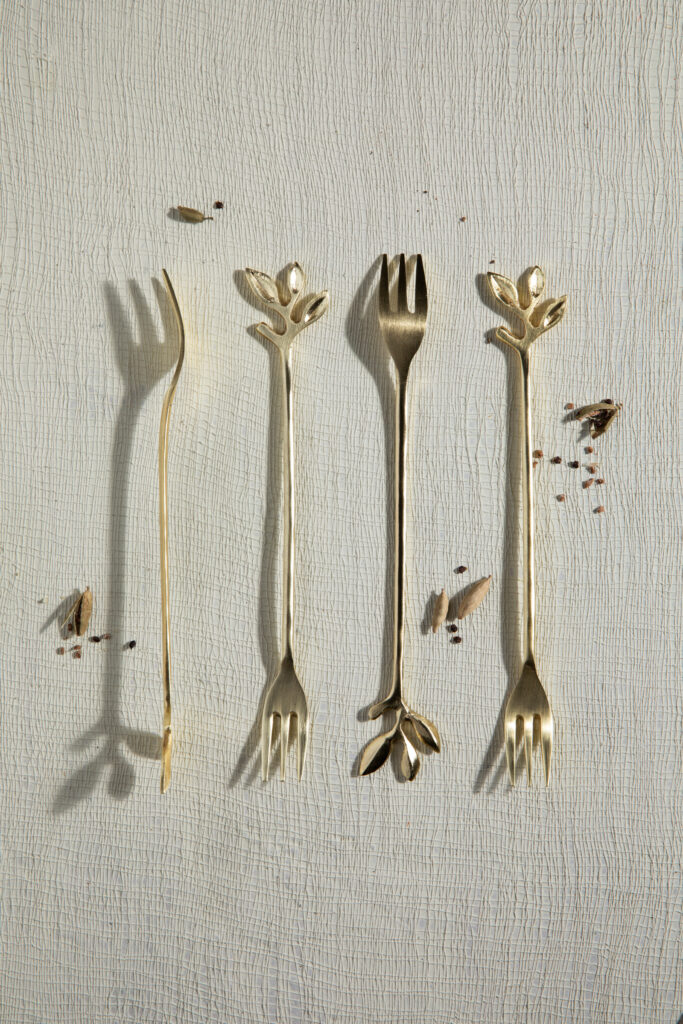
Leafy gold-tone metal forks at Splurge.
Light Touch
Slender and elegantly elfish, these leafy gold-tone metal forks are lovely for salads or desserts. Available at Splurge.
Story by Keith Recker and Stephen Treffinger / Photography by Laura Petrilla and Dave Bryce
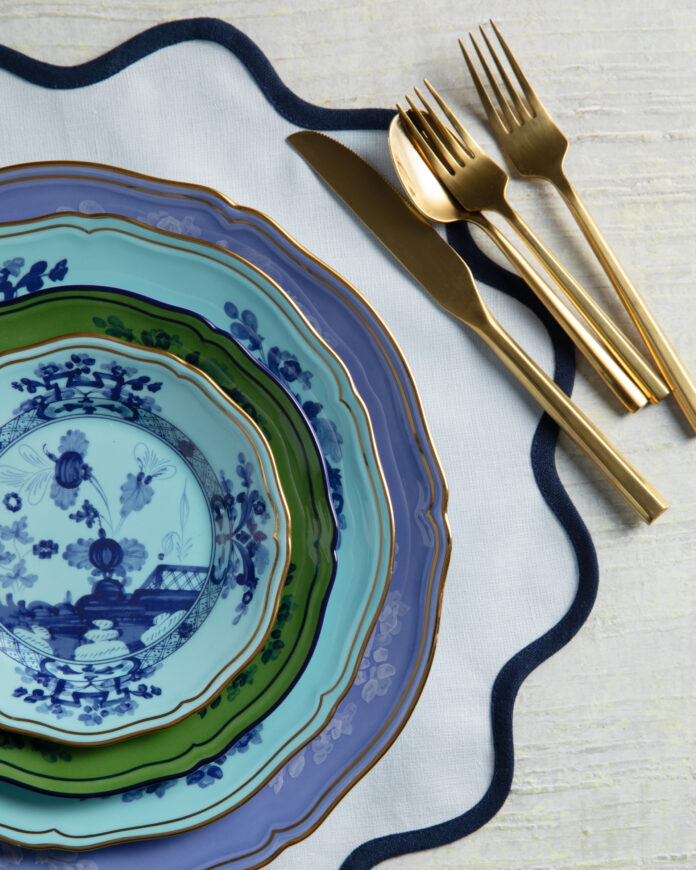
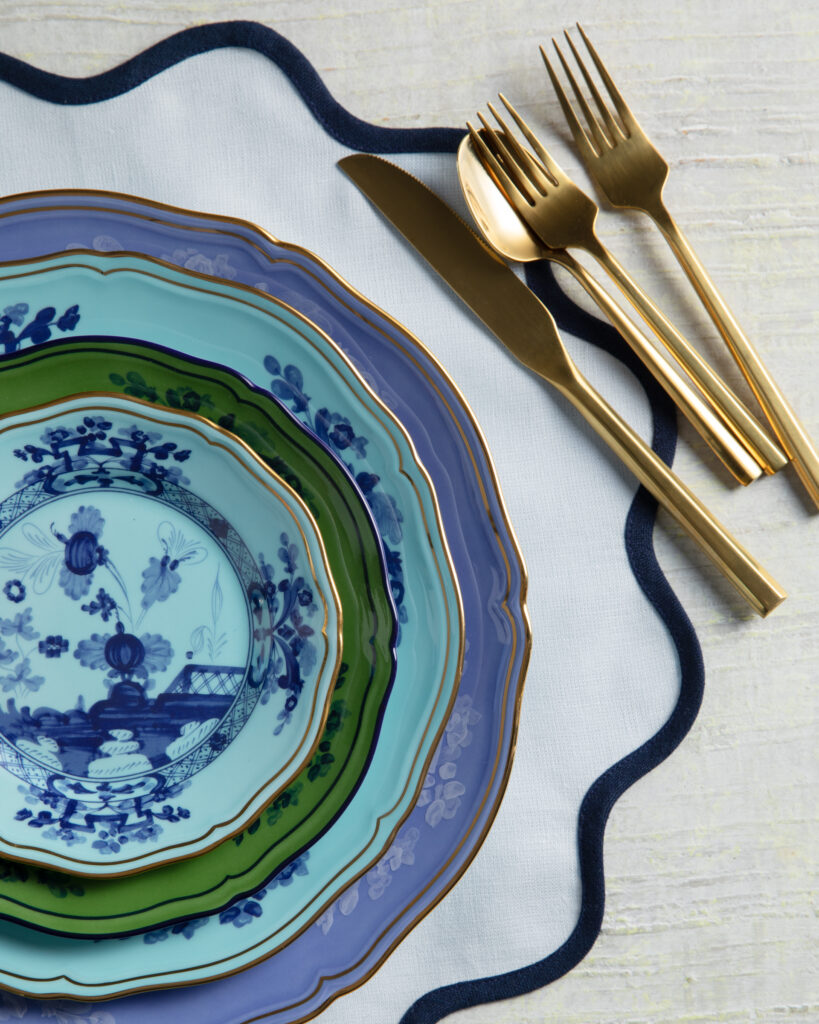
Ginori's Oriente dinnerware pattern is said to have been brought back from China by Marco Polo himself. Updated in the 1940s by legendary designer Gio Ponti, it's an evergreen classic in several colors
Expressive blues and greens are the favorite colors of many cultures around the world. Blue takes the lead. Long revered as the color of the sky and for a few centuries as the color of water, it often soothes the senses without dulling them. Green, in second place, signifies growth and health and freshness. Together, this unbeatable pair brings both classic satisfaction and modern energy to designs for home and wardrobe.
Ginori’s Oriente dinnerware pattern is said to have been brought back from China by Marco Polo himself. Updated in the 1940s by legendary designer Gio Ponti, it’s an evergreen classic in several colors.
Unusual Origins
Richard Ginori‘s Oriente dinnerware pattern is said to have been brought back from China by Marco Polo himself. Updated in the 1940s by legendary designer Gio Ponti, it’s an evergreen classic in several colors. All of them available at Glassworks.
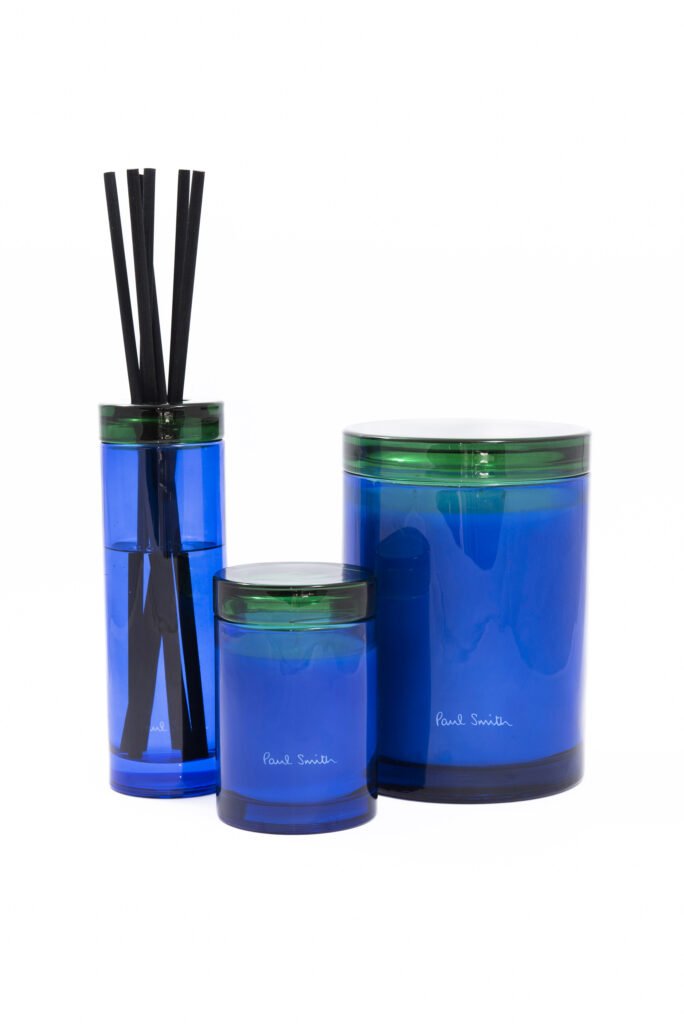
Home fragrances by Paul Smith, available at Moda.
Synesthesia
British design legendPaul Smith explores the intersection of color, memory, and emotion in a line of four home fragrances. The blue of Early Bird smells like springtime rain, cloudy mornings, and soft suede. Available at Moda.
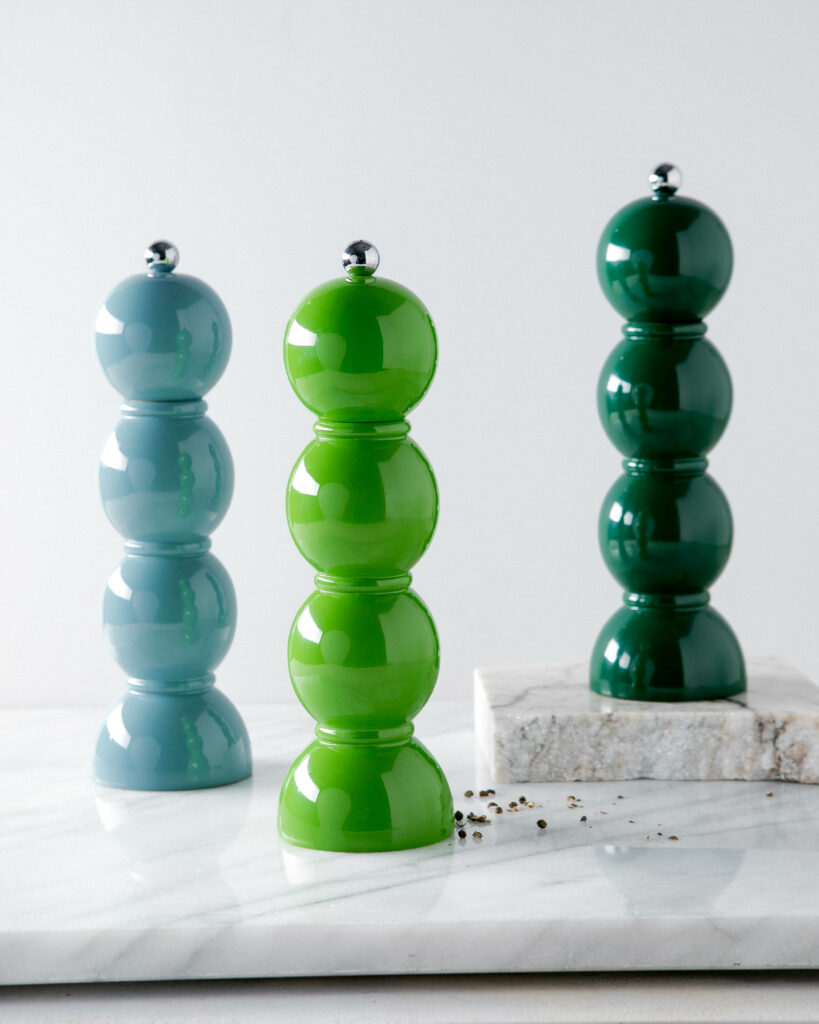
Wood and lacquered salt and pepper grinders from Molly Singer Home.
Freshly Ground
Made of wood and lacquered in several delectable colors, salt and pepper grinders bring flavor to both food and kitchen. Available at Molly Singer Home.
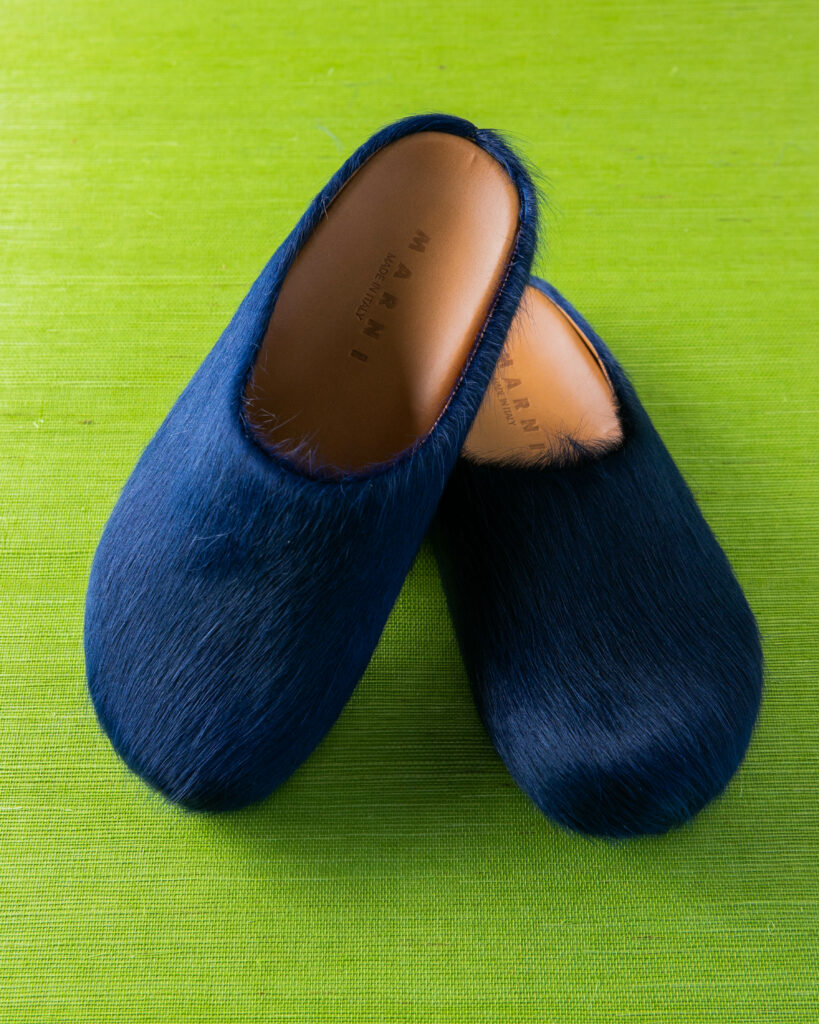
Comfortable and stylish sabots available at Moda.
Slip into the Blue
Go about your day stylishly with a pair of MarniFussbett Sabots. Cobalt blue calf-hair uppers. Molded leather footbeds. Comfortable ribbed rubber soles. Available at Moda.
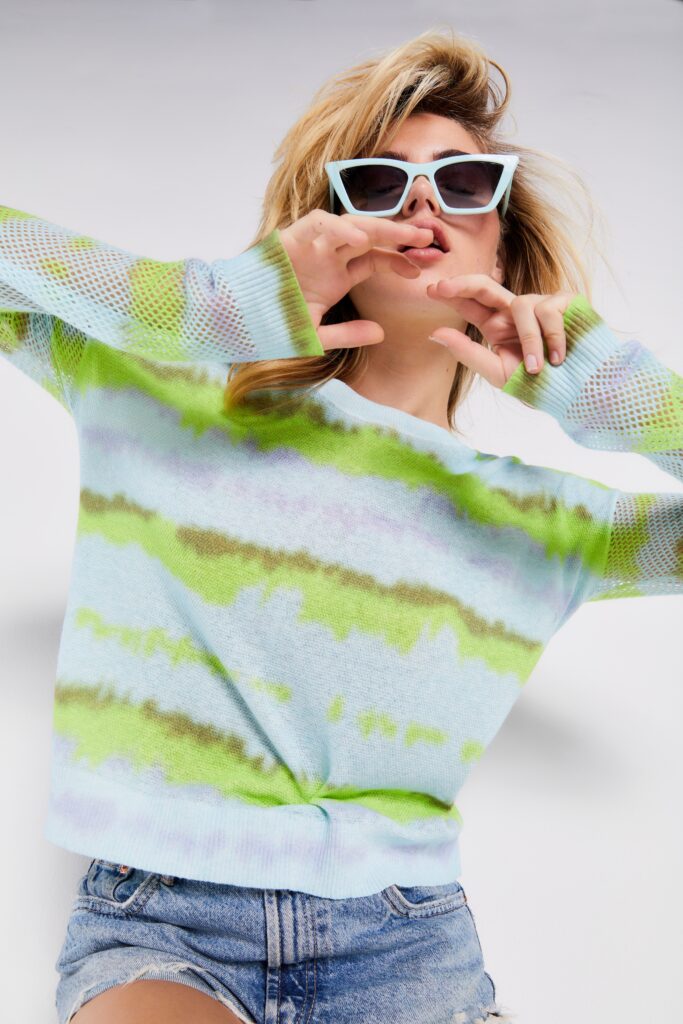
Lisa Todd knit top at Carabella.
Summer Skies
Designer Lisa Todd knows her way around pretty knits. This summer-perfect top is available at Carabella.
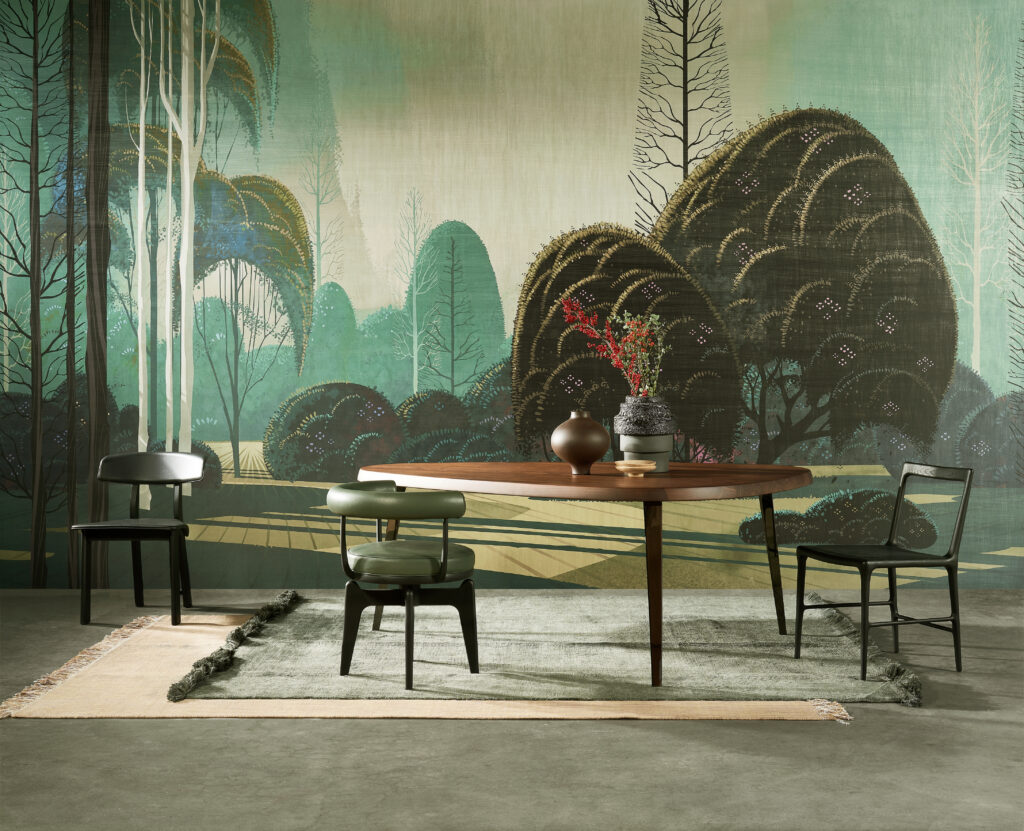
Jardin Mystique wall pattern by Arte available at Shoppe B.
Enchanted Forest
Arte wallcoverings designed their Jardin Mystique pattern just so that you wander and dream in a magical place … your own home. Available at Brenda Friday’s Shoppe B.
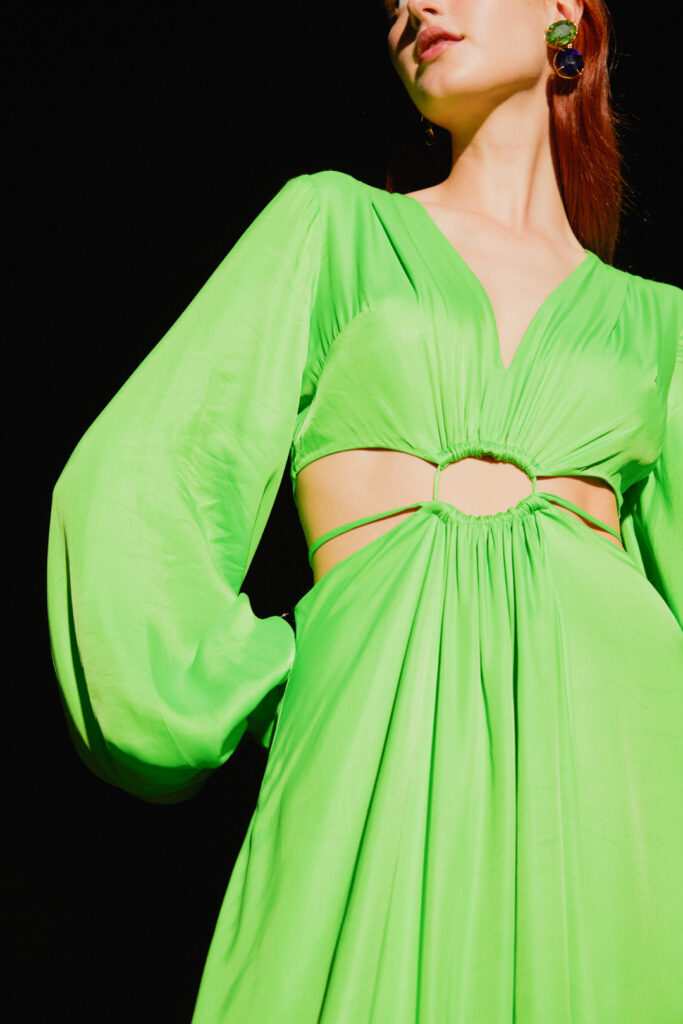
Farm Rio cut-out maxi dress at e.b. Pepper.
Limeade
Farm Rio‘s Lime Green Cut Out Maxi Dress is the sunny solution to the ever-present question: What should I wear? Available at e.b. Pepper.
Jane Churchill Sirious pattern available at Cowtan & Tout.
In Complete Harmony
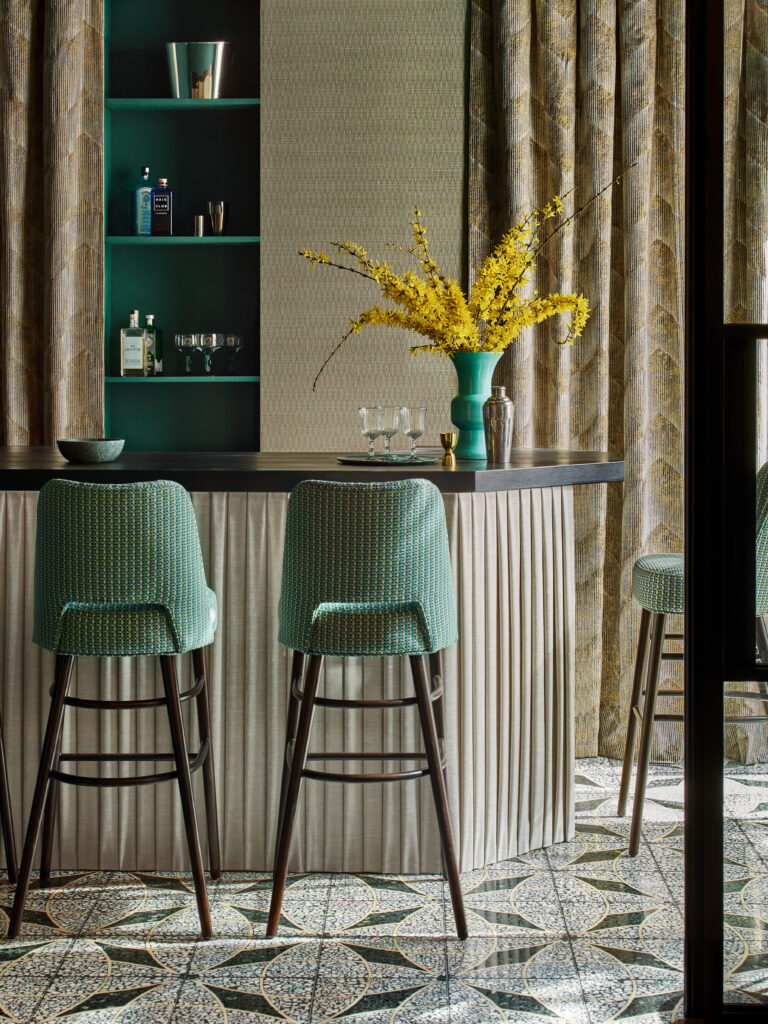
Greens and neutrals intermingle successfully at home, just as they do in nature. Here, a grove of teal barstools in Jane Churchill‘s woven Sirius pattern holds center stage. The Jane Churchill curtain fabric, called Escher, suggests the dappled light of a young forest, with wallpaper Kari as a sumptuous neutral backdrop. The bar is covered in pleats made of Jane Churchill’s Palma. Available to trade at Cowtan & Tout.
Jane Churchill embroidered Peacock Leaf pattern at Cowtan & Tout.
Green Room
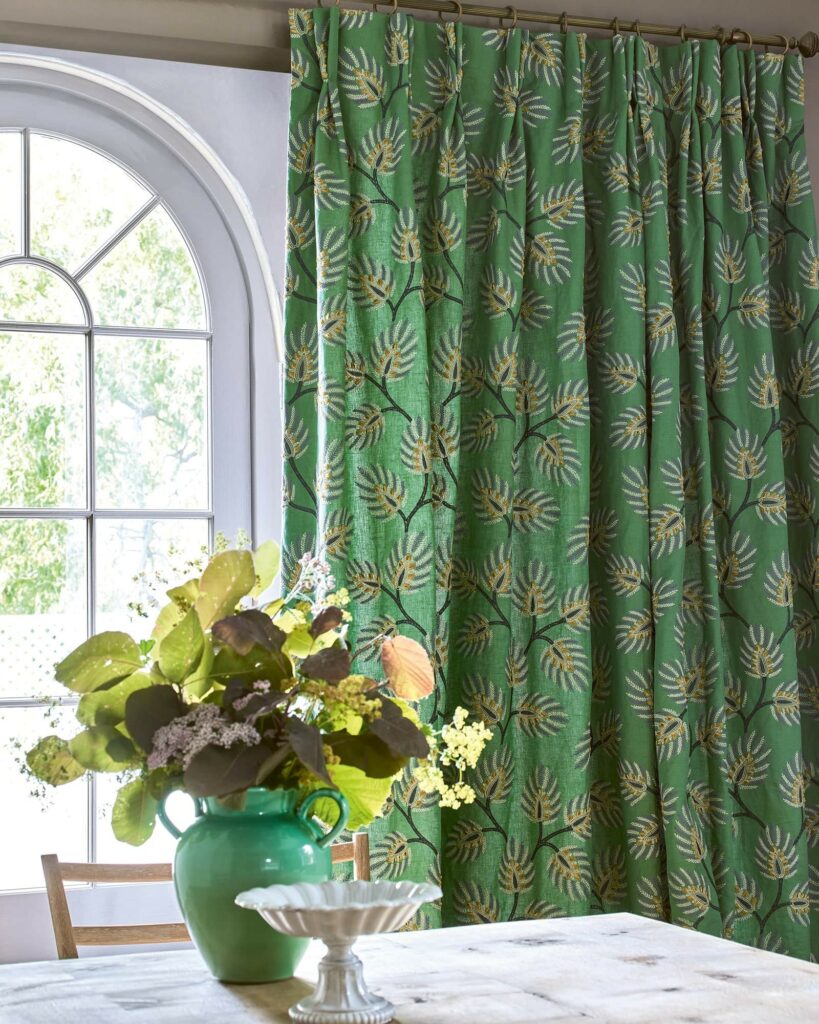
Succumb to the charms of Jane Churchill’s exuberant embroidered Peacock Leaf pattern, rendered in a variety of decorative stitches and embellished by raised flashes of cutwork. To trade at Cowtan & Tout.
Annie Selke cotton chenille striped rug.
Forest Floor
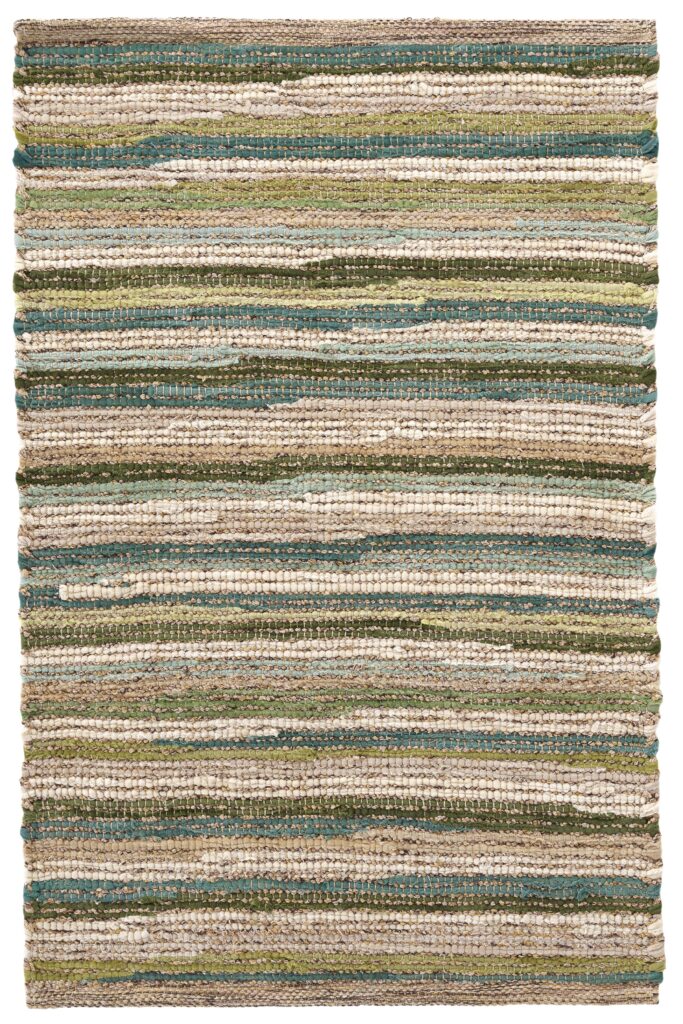
Walk on soft cotton chenille yarns of evergreen, moss, and juniper crafted into rugs by artisan workshops committed to fair-labor practices. Available online at Annie Selke.
Terrain: The House Plant Book by Melanie Lowrie.
Alive and Well
Build a stronger relationship with your houseplants with the expert advice of Melissa Lowrie, author of Terrain: The Houseplant Book (Artisan Books, 2022). Inspiring photos by Kate Jordan show you how to achieve maximum beauty. Available online and at your favorite bookshops.
Available at Hot Haute Hot.
Light Touch
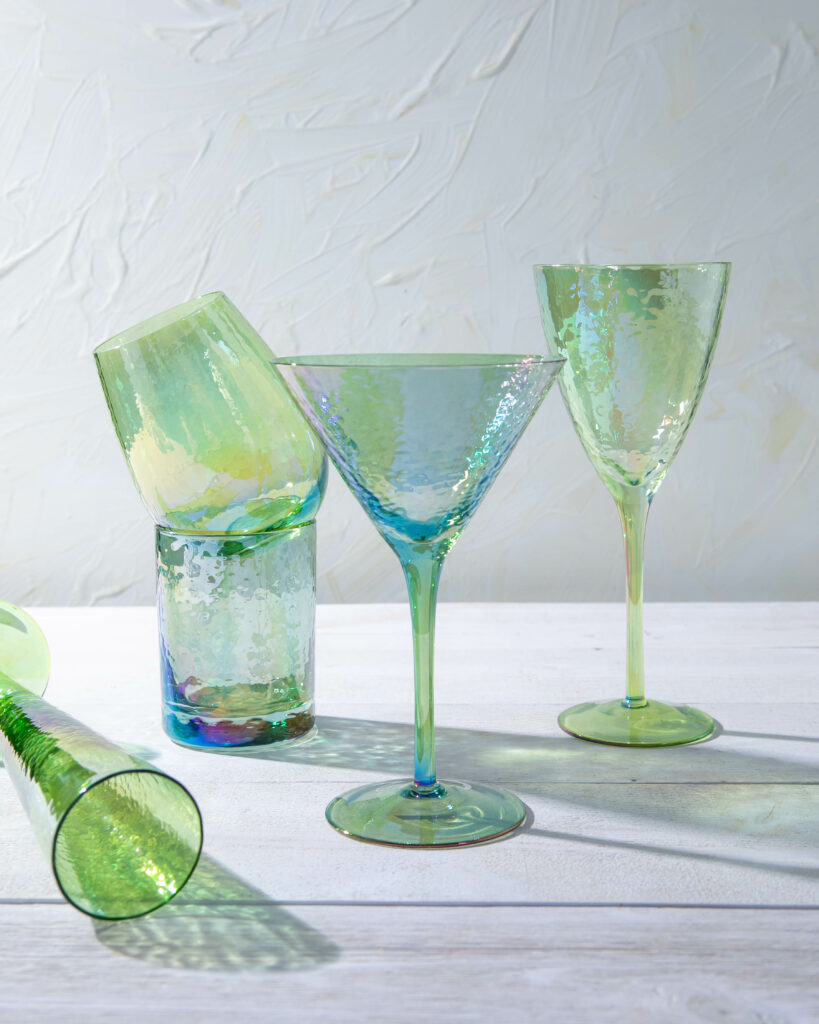
A suite of ethereal green glasses will freshen your table with thoughts of leaves and other lovely living things. Available at Hot Haute Hot.
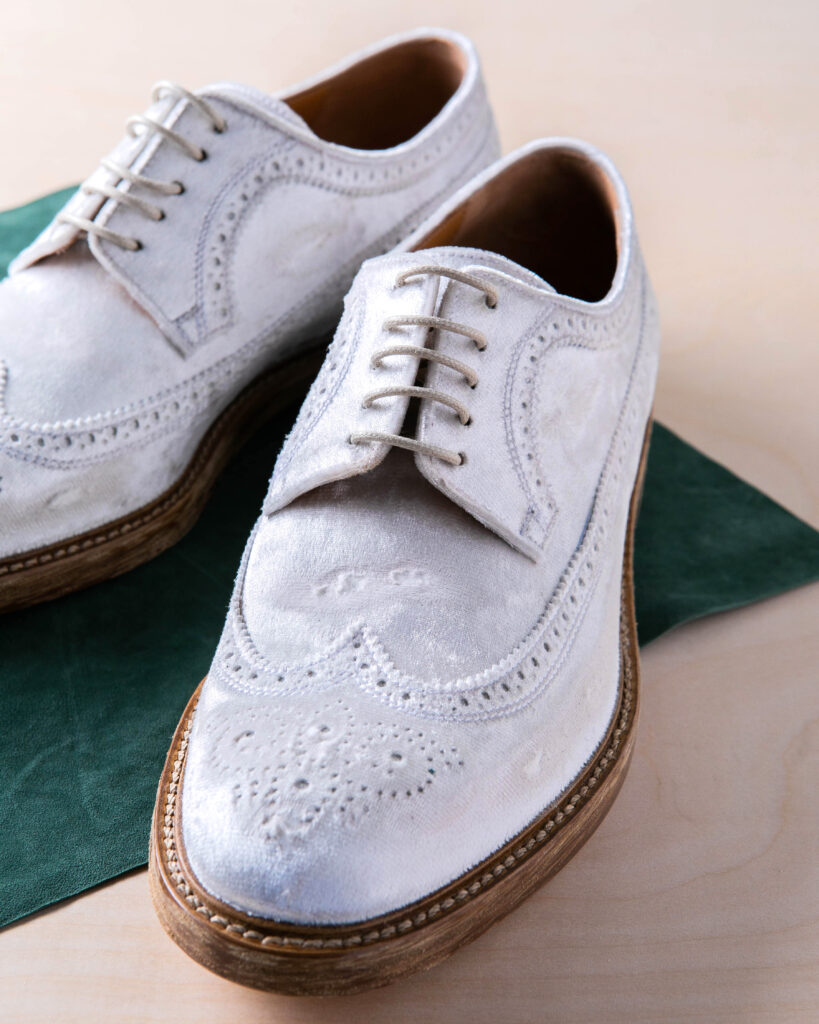
Stone scuffed velvet oxfords at Moda.
Moda
Stone-scuffed, synthetic velvet oxfords from Maison Margiela are both dressy and lived-in: perfect for every summer occasion that requires a bit of verve. Available at Moda.
Story by Keith Recker and Stephen Treffinger / Principal Photography by Laura Petrilla and Dave Bryce
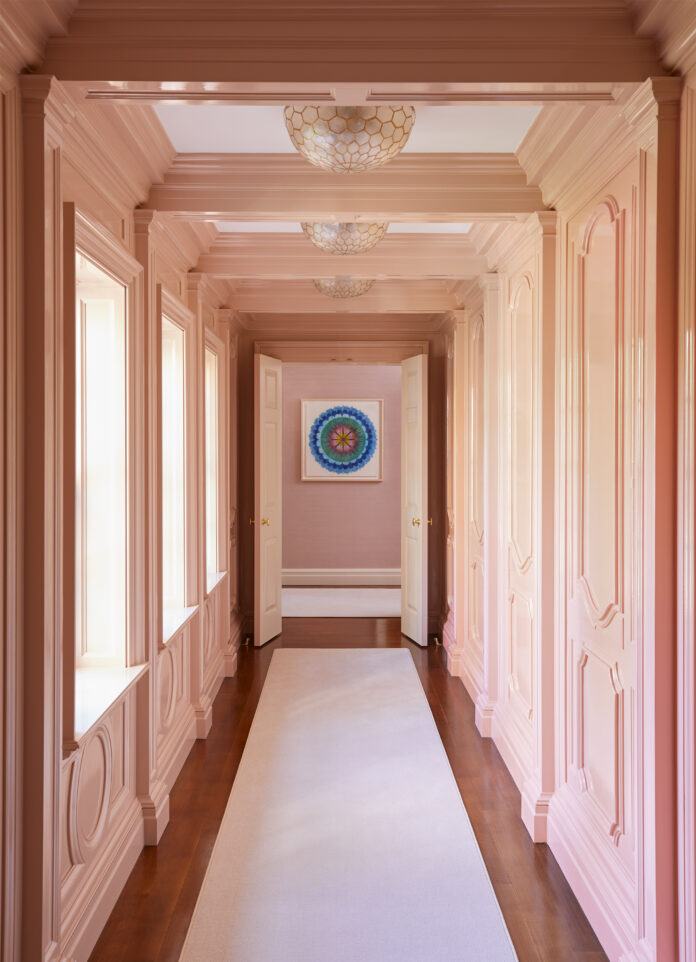
Interior designer Colleen Simonds regularly has pink on her mind.
THE GENTLER SIDE OF HUMAN NATURE GLOWS IN SOFT PINKS AND PEACHES. THEY’RE KIND COLORS THAT STEP BACK A BIT TO ALLOW US TO TAKE CENTER STAGE.
Interior designer Colleen Simonds regularly has pink on her mind.
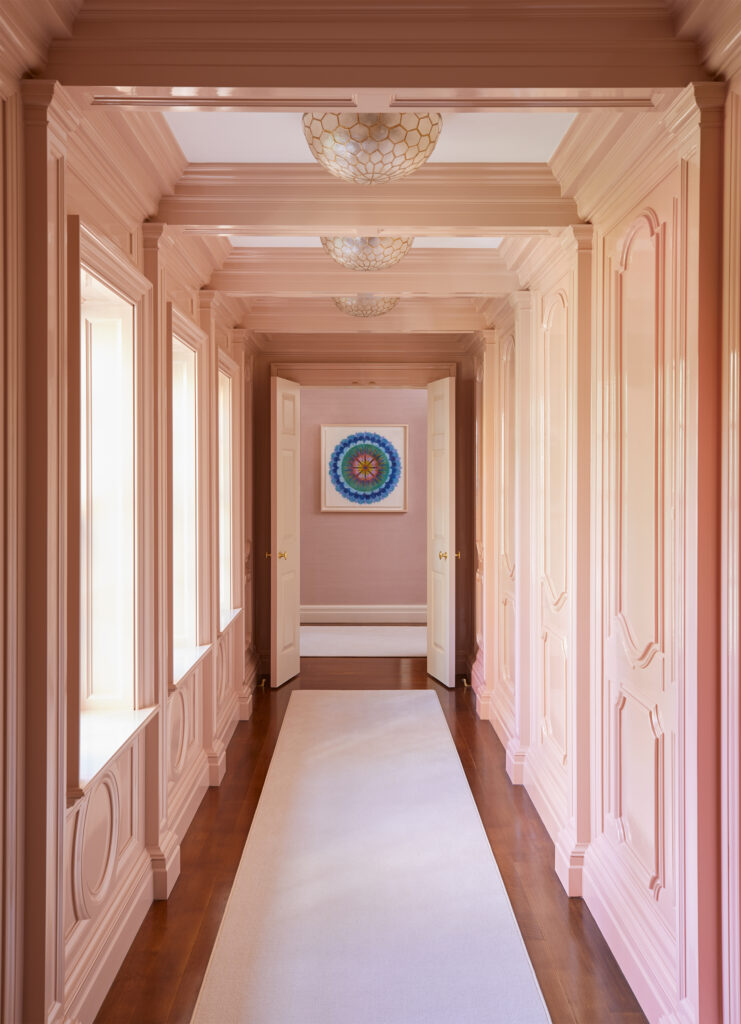
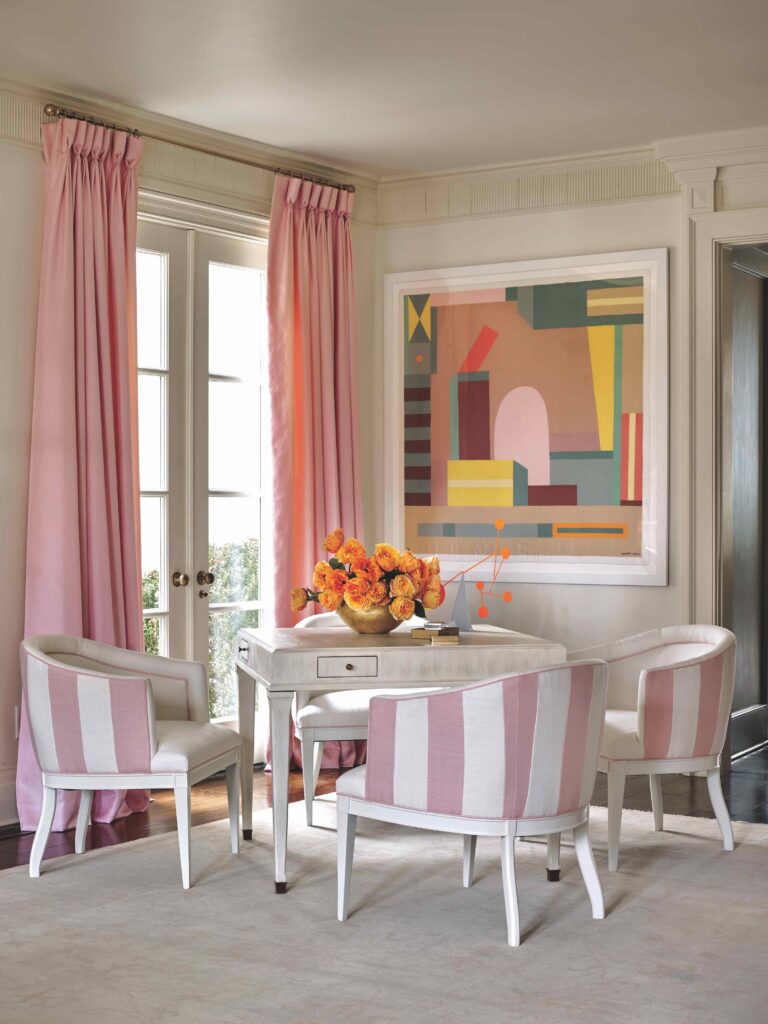
Interior designer Colleen Simonds regularly has pink on her mind. As a result, her favorite paint color these days is Setting Plaster by Farrow & Ball, available at Aspinwall’s Carte Blanche, deployed in this stunning corridor at full gloss. What draws her to the color? It casts a flattering glow and a positive vibe on everyone in reach. These are the color equivalent of candlelight, mellowing our mood and encouraging us to relax and get comfortable.
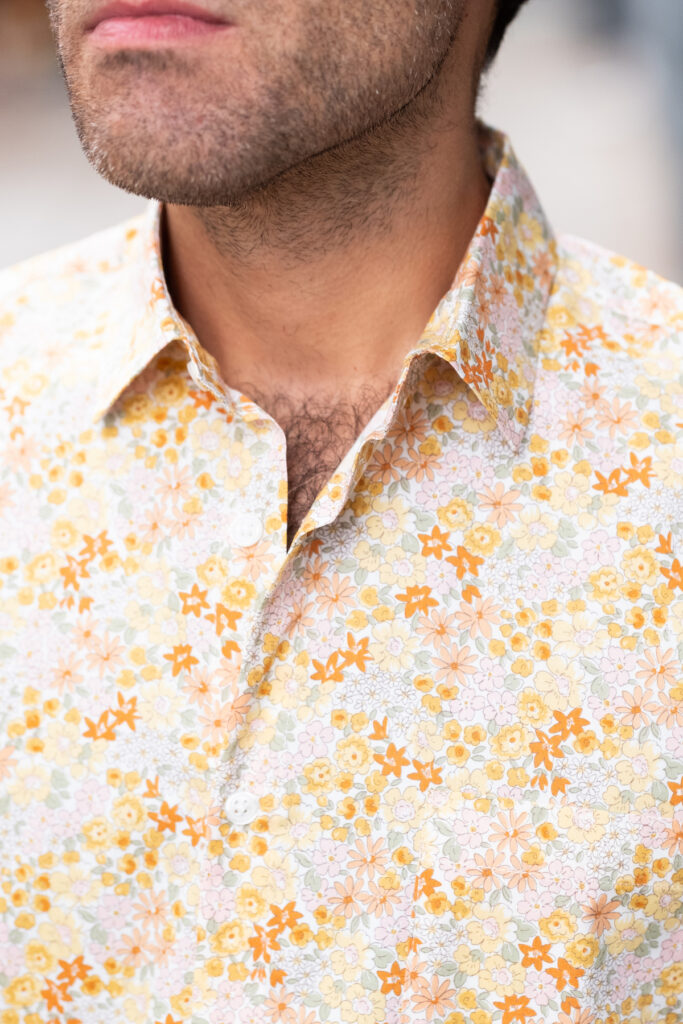
A ’60s-style Japanese floral print shirt made exclusively for Vestis.
Vestis x Sock Hop Shirt A ’60s-style Japanese floral print is made into a Vestis-exclusive by fourth-generation tailors in NYC. Available at Vestis.
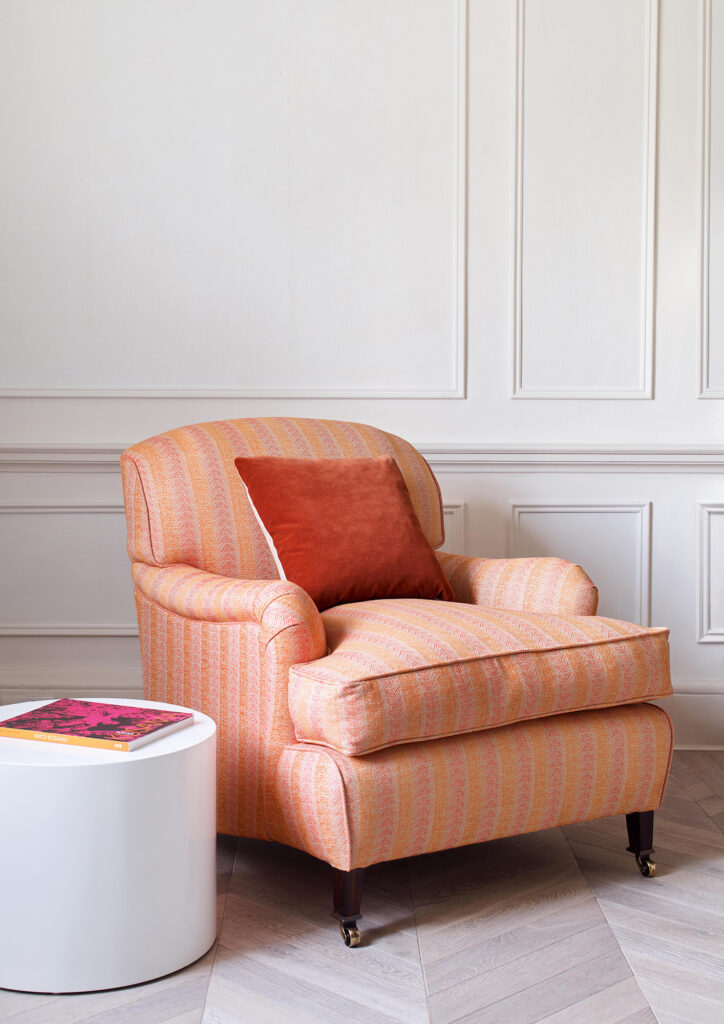
Who wouldn’t love a moment of peace in this chair?
Positively Blushing Affirmingly upholstered in Jane Churchill’s Holt fabric in red-orange, with a pillow made of Emile in orange, who wouldn’t love a moment of peace in this chair? Holt’s herringbone chevrons are made in eight colors, and Emile in 30 new shades including saffron and ochre. Available to the trade at Cowtan & Tout.
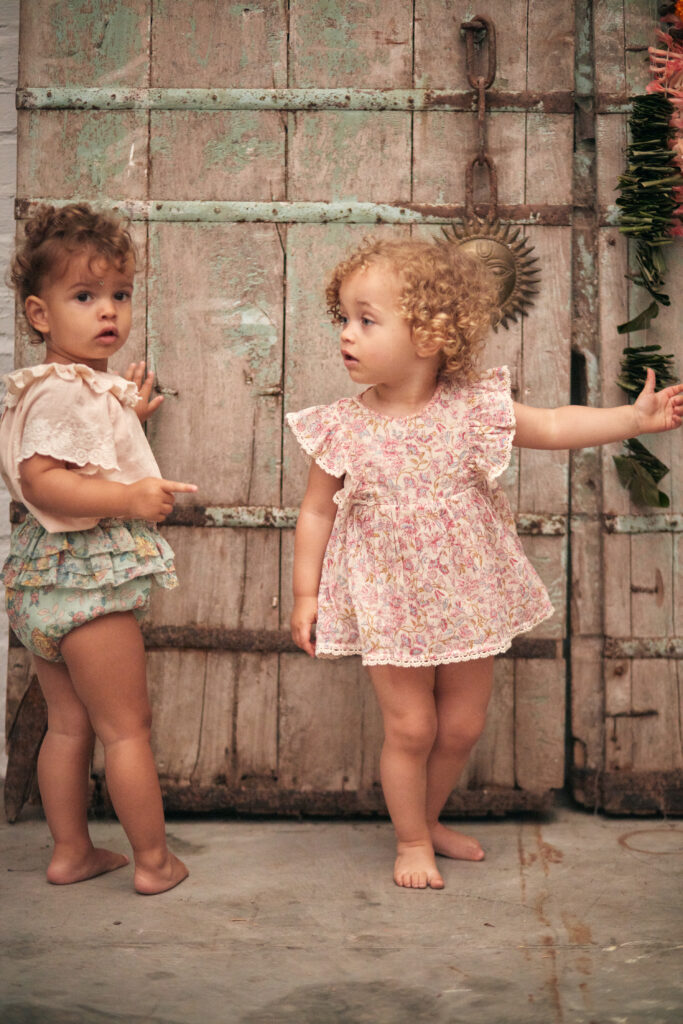
Gorgeous clothing for the wee ones by French designer Louise Misha, available at The Picket Fence.
Pretty Posies Refreshingly gorgeous clothing for the wee ones by French designer Louise Misha ruffles its way into your heart. Made of organic cotton. Available at The Picket Fence.
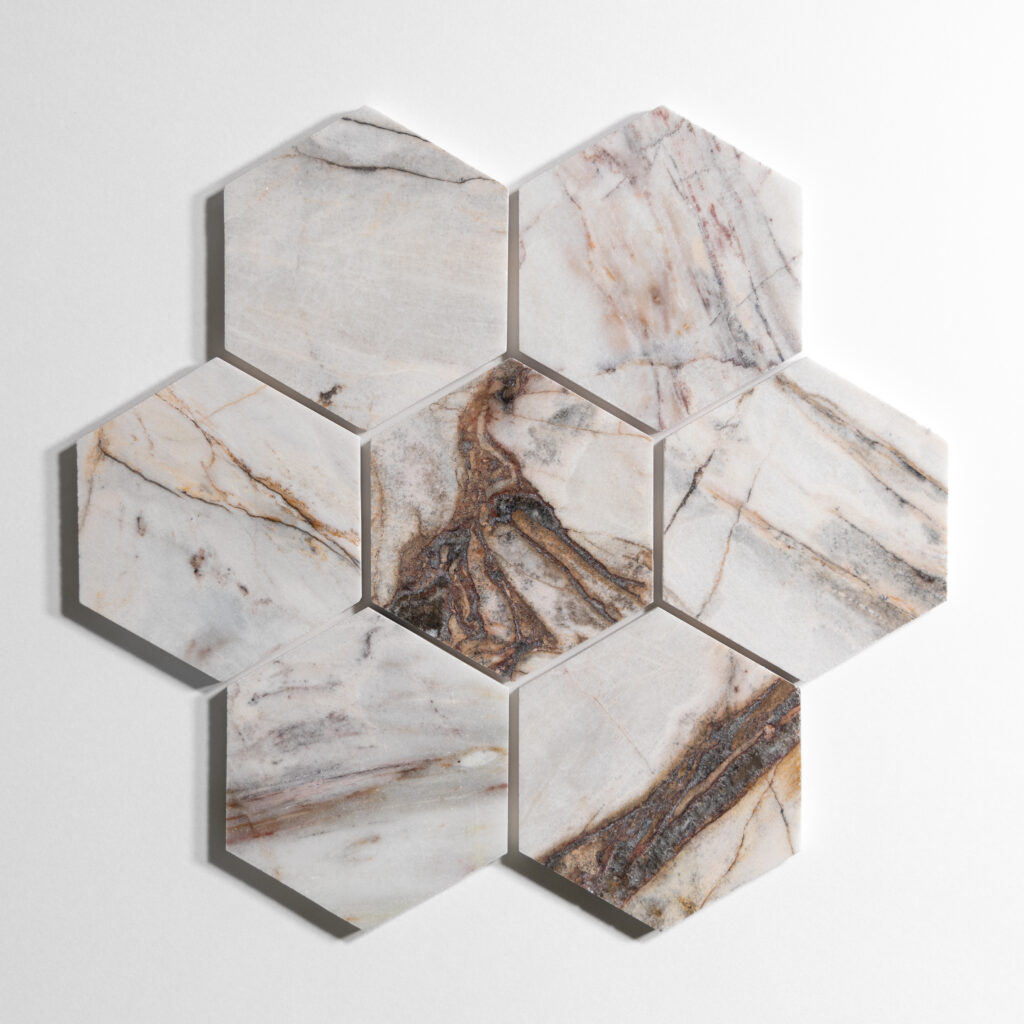
Rosewood marble sourced in Mexico.
Moody Marble Rosewood marble, sourced in Mexico, is a new product developed in response to new color trends by Castelli Marble. Strong enough to be used on the floor and in both bathroom and kitchen. Available in polished and honed finishes and tumbled edges. Available at Splash.
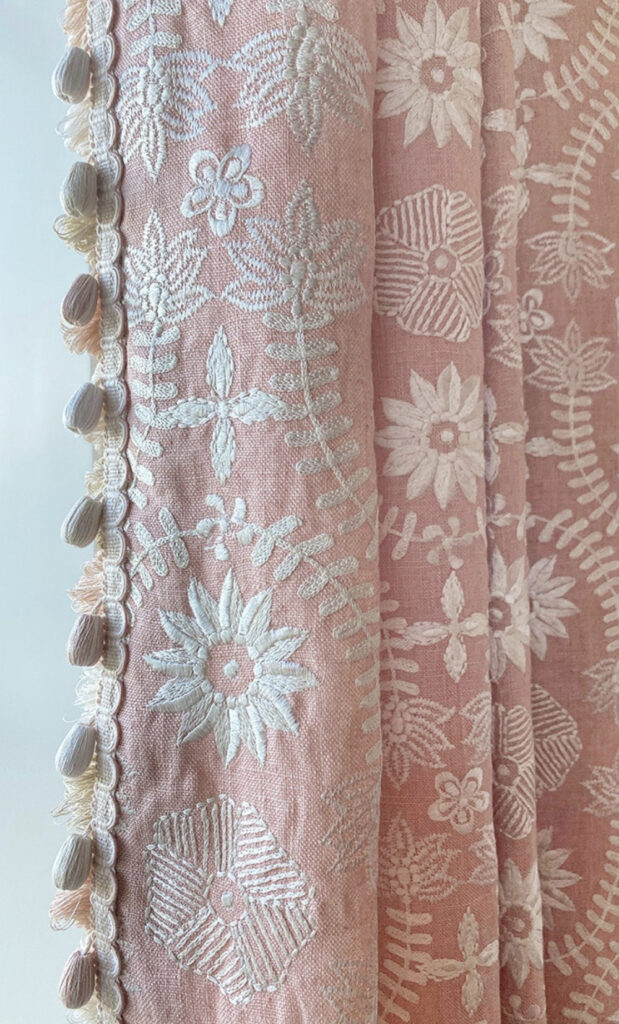
Embroidered linen-blend curtains by Suzanne Tucker Home.
Pretty in Pink The florals of interior designer Suzanne Tucker’s Latika are rendered in masterful embroidery on a linen-blend ground. Available in six colors, Latika is the perfect alternative to a floral print. Available to the trade at Suzanne Tucker Home.
Designed by Suzanne Kasler for Hickory Chair.
Designed by Suzanne Kasler for Hickory Chair with both traditional and modern interiors in mind, the Bennett chair’s shapely barrel back looks wonderful upholstered with fabric that contrasts with its seat. Cluster four around Kasler’s Julien game table. Made of solid maple, the table features a small drawer at the left corner on all four sides. Available at Antiquarian Shop.
Carte Blanche co-founder Rachel Shaffer’s curated home items in peachy pinks.
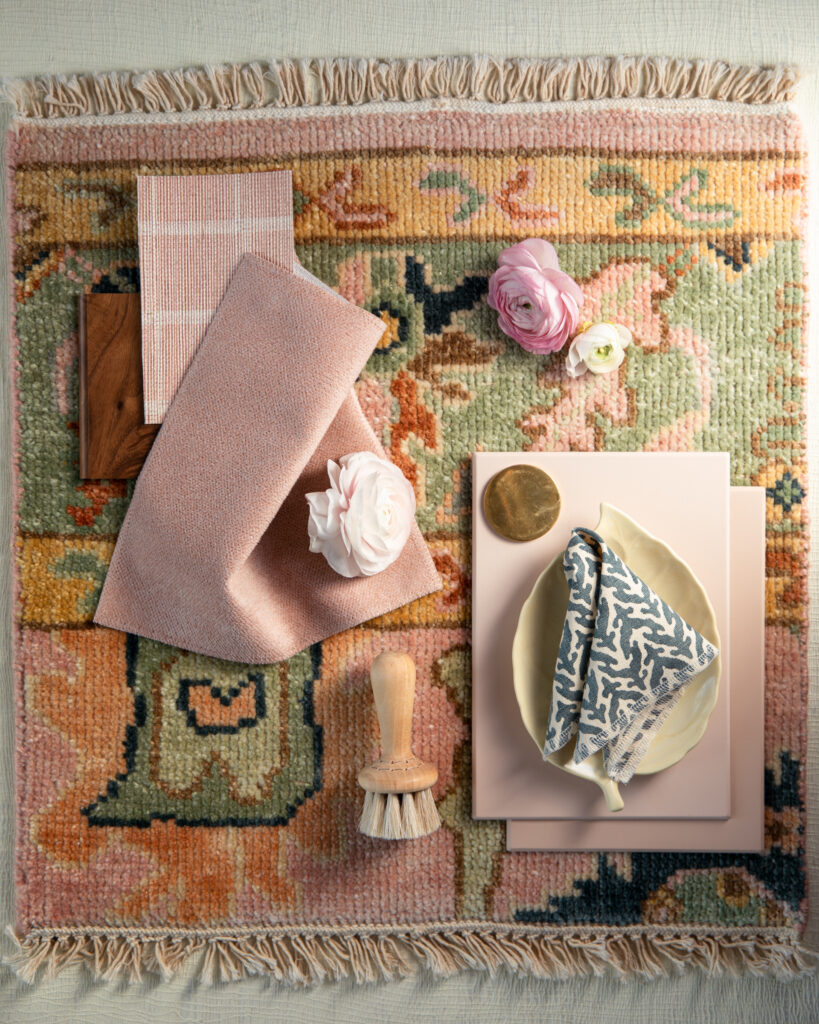
English Rose Carte Blanche co-founder Rachel Shaffer developed this rosy room scheme for a young professional with a passion for tailored and colorful British country house interiors. Farrow & Ball‘s delicious Hague Blue was the starting point, and time-honored pinks emerged as a feminine counterpoint for the living room. The Surya rug certainly became essential to this soft but not saccharine look, with upholstery choices enhancing the pastel appeal. Available at Carte Blanche.
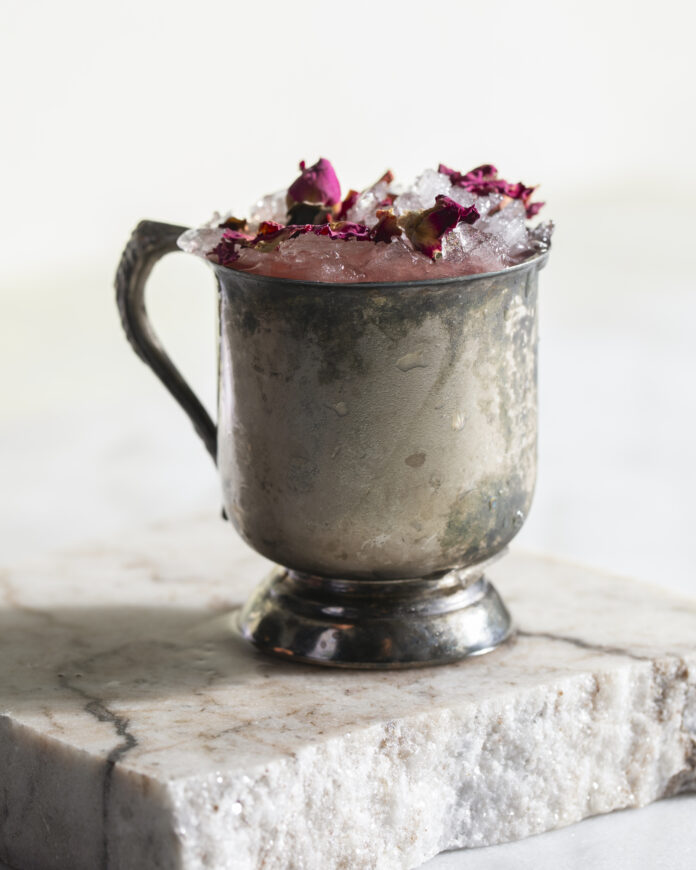
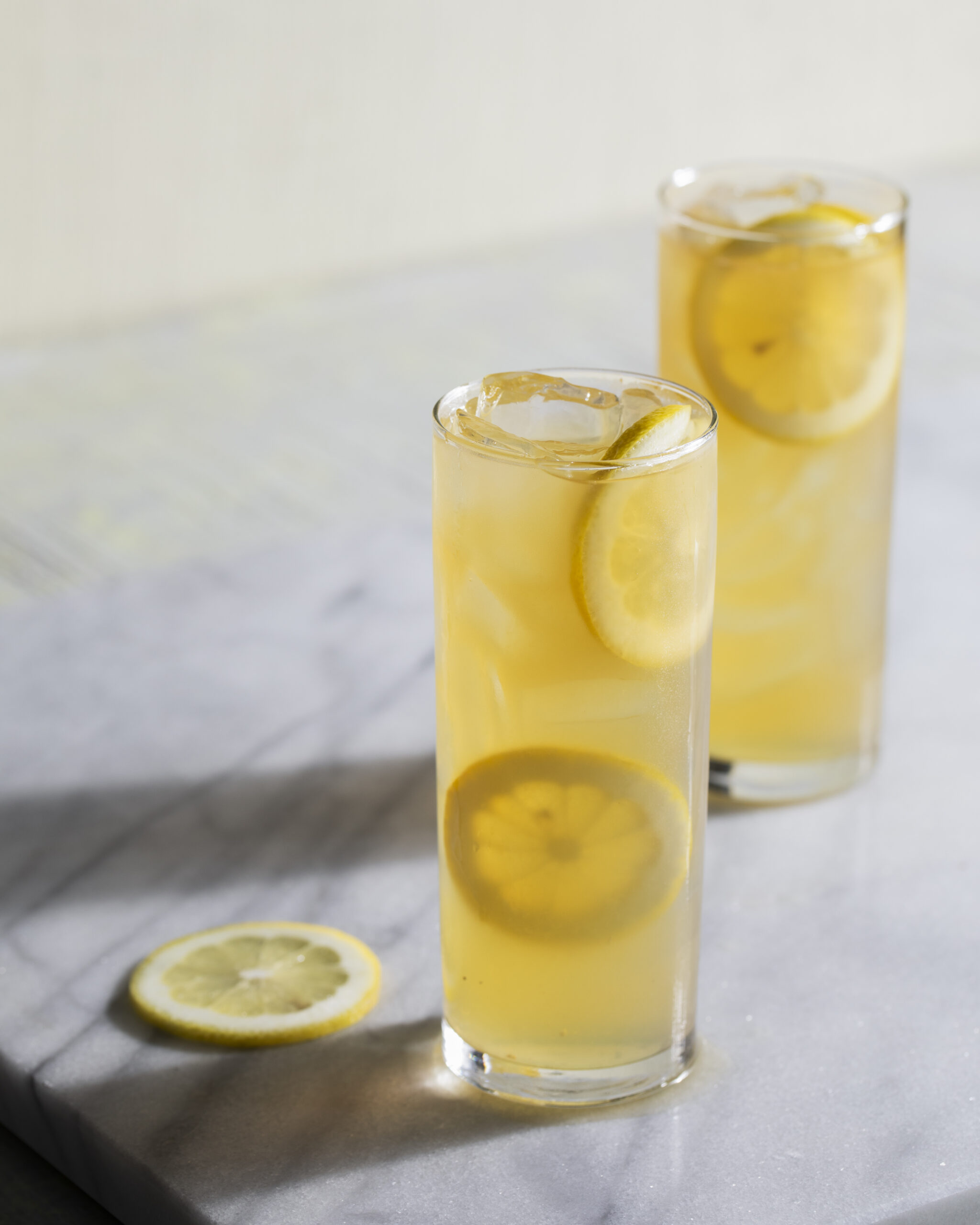
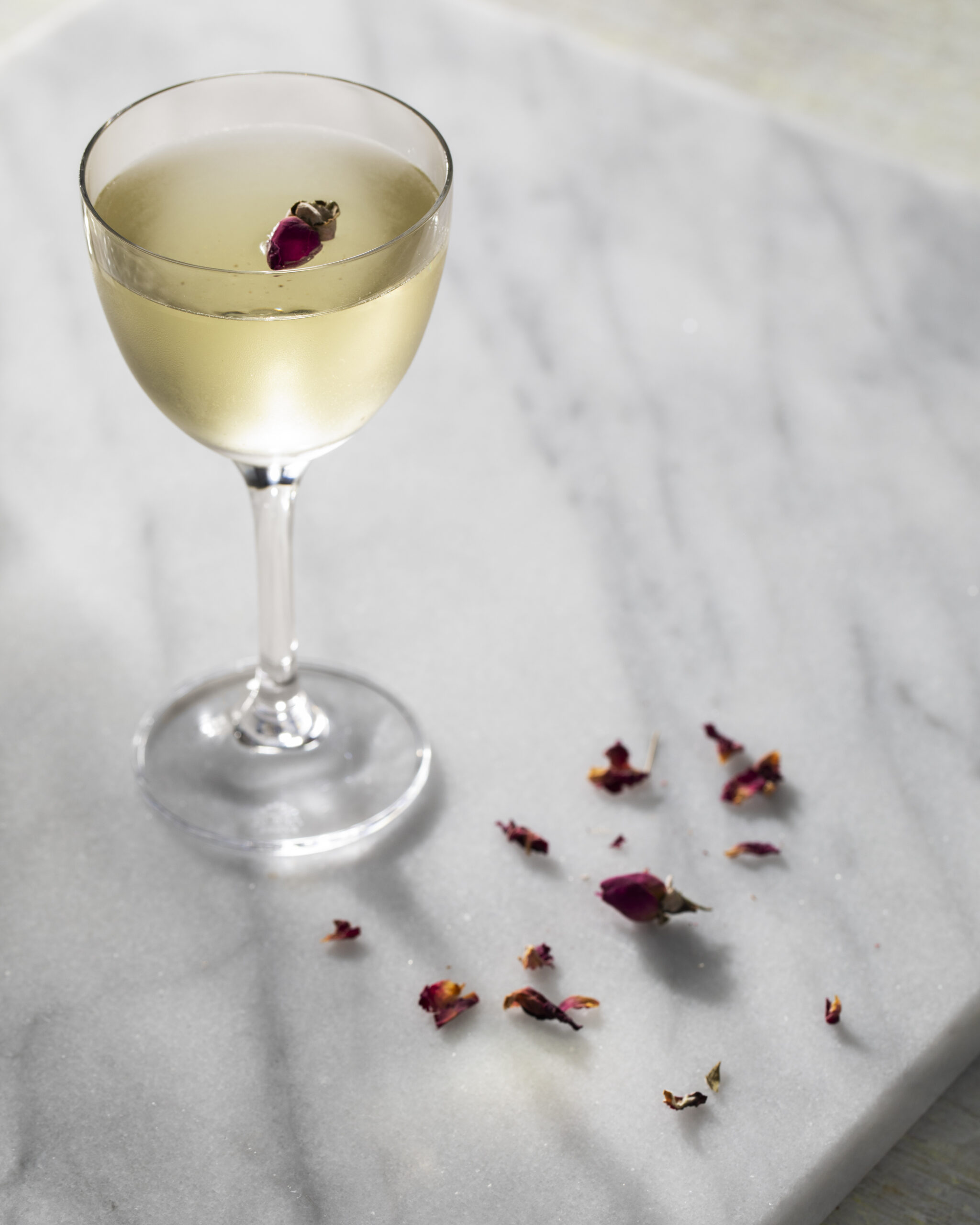
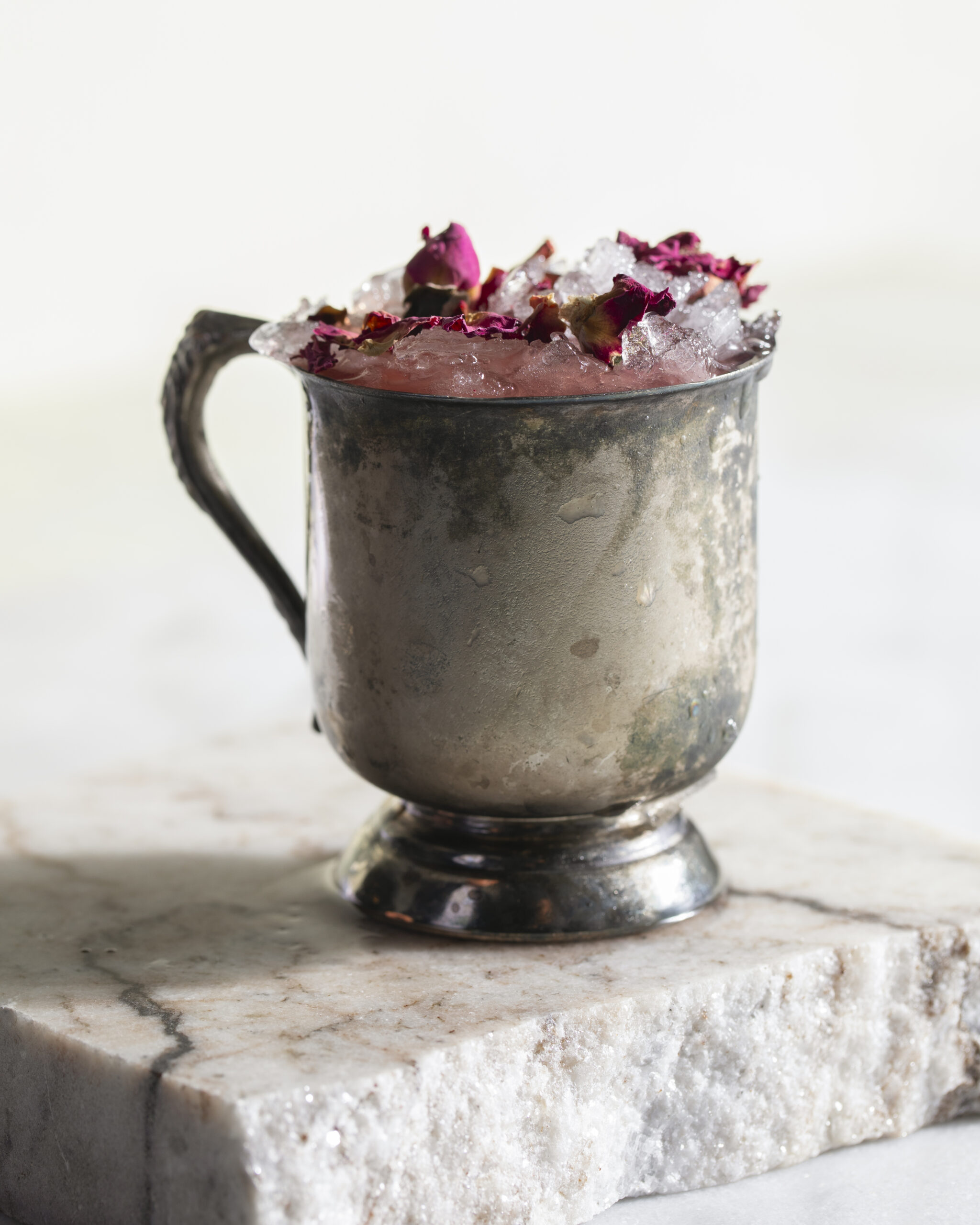
This Parfait Amour Gulab cocktail is inspired by the Indian dessert Gulab Jamun.
There are so many ways to celebrate Earth Day. You can make a habit of buying your produce from local farms. You can attend local events and gatherings aiming to both educate and entertain the community. Perhaps you plant a tree or volunteer and a local nursery. Every act, no matter how big or small, makes an impact on the planet. You can drink locally, too.
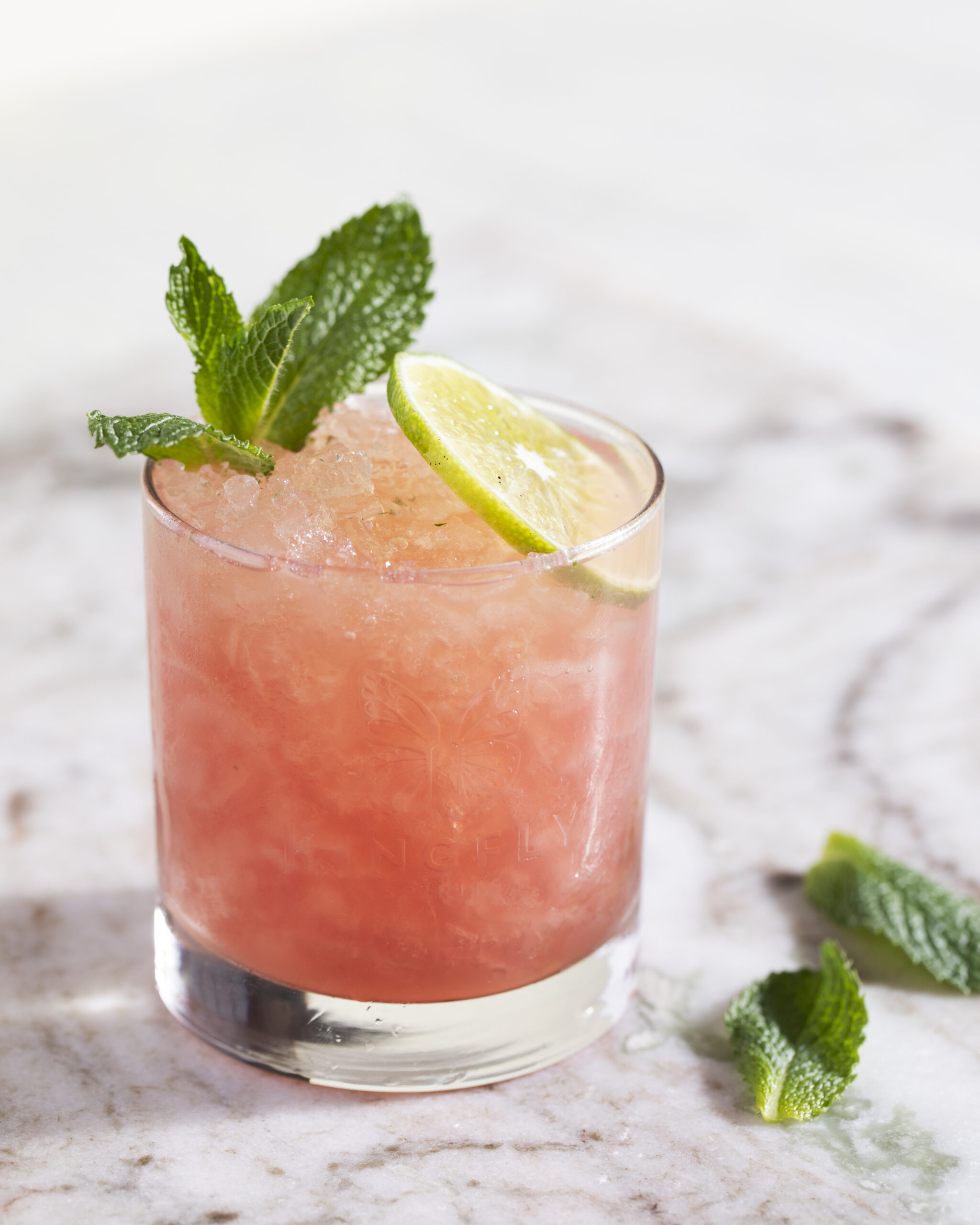
One idea that can be implemented during Earth Day celebrations and beyond is using local ingredients in your food and drink recipes. If you’re in the mood for a refreshing cocktail as the weather warms, we suggest trying one of the following spring drinks created by Kingfly Spirits’ Raoul Segarra — his creations utilize the local distillery’s spirits in innovative and delicious ways.
As the head distiller at Kingfly, Raoul pays attention to the nuances of spirits as they move from the raw ingredient stage all the way to maturity. With his attentive nose and refined palate, it’s no surprise that he’s just as interested in what happens when the spirits go from the bottle to the cocktail glass. Here he shares some springtime cocktails with TABLE readers. Each one is a poetic riff on a well-known classic. Make the one that seems most tempting to you—or head to Kingfly’s Strip District headquarters and let them fulfill your “drink locally” mission.