Home Blog Page 139

Flyaway, a New Take on the Jungle Bird Cocktail

0
A gradient of orange and red cocktail with a spiral on top on a black background

“What’s it called?” we asked mixologist Darelle Canada when he pushed his stunning drink across the counter. “See the red at the bottom? It’s a deconstructed Jungle Bird cocktail. I call it Flyaway” he said. A fitting name because it blew us away. Great to look at. Delicious to drink.

What is a Jungle Bird? 

The Jungle Bird cocktail originates in Malaysia, at the luxurious Kuala Lumpur Hilton where the hotel bar served it as a welcome drink to guests. That hotel bar was called the Aviary Bar, which is where the “bird” part of the cocktail’s name comes from. You could actually watch real life birds from the Kuala Lumpr Hilton’s bar. We have mixologist Jeffrey Ong to thank for the Jungle Bird, which people all over the world have enjoyed since its 1973 debut.

How to Make Rose Honey

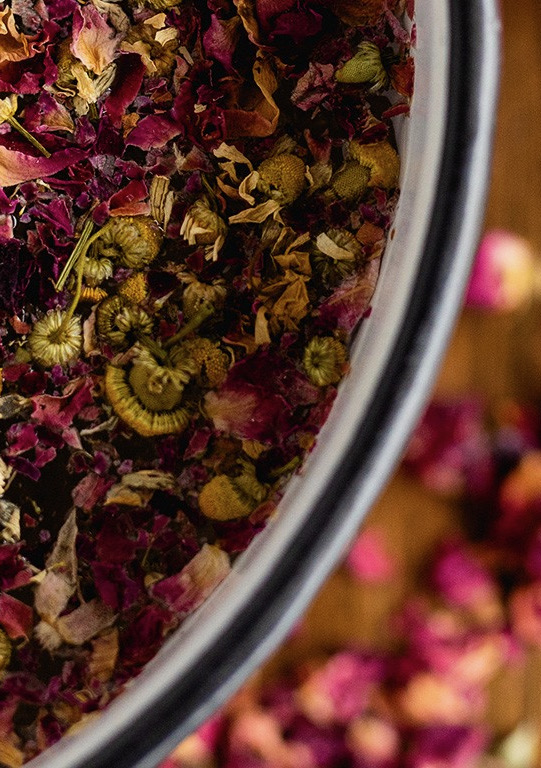
For rose-honey, one of the ingredients in this drink, blend approximately 16 oz each of honey and hot water. Add 30 grams of fresh rose petals or dehydrated roses. Let steep for 24 hours. Pro tip: You can cut that to 10 minutes of you’re using a whipped cream dispenser.

Print
clock clock iconcutlery cutlery iconflag flag iconfolder folder iconinstagram instagram iconpinterest pinterest iconfacebook facebook iconprint print iconsquares squares iconheart heart iconheart solid heart solid icon
A gradient of orange and red cocktail with a spiral on top on a black background

Flyaway, a New Take on the Jungle Bird Cocktail


  • Author: Darelle Canada

Description

A creative take on one of the industry’s most decadent cocktails.


Ingredients

Scale
  • 1 oz Maggie’s Farm 50/50 Dark Rum
  • .5 oz mezcal
  • .25 oz Cointreau
  • .25 oz Campari (see below)
  • .5 oz pineapple juice
  • .75 oz lime juice
  • .5 oz rose honey (see above)
  • Spiraled lime peel for garnish


Instructions

  1. In a cocktail shaker with ice, shake and double strain all ingredients except the Campari into a stemmed, cocktail glass.
  2. *To float the Campari, slowly pour a quarter ounce into the edge of the glass directly from the jigger.

Recipe by Darelle Canada
Photography by Joey Kennedy

Subscribe to TABLE Magazine‘s print edition.
A Deep Dive into London Pubs

0
The facade of a London pub in summertime
Image courtesy of The Old Shades

London pubs have a storied history. If, like a young me, you expect all pubs in London to be quaint, family-owned taverns with worn leather bar stools and a crackling fireplace, you may have to adjust. Pub ownership in the United Kingdom has been consolidated a great deal recently by large companies–with mixed outcomes for the pub industry and for pubgoers. The changes, however, should not deter you from experiencing the great British pastime of sipping a beer with your mates. This guide will give you enough knowledge about pubs to make you feel confident walking into one while wandering the streets of London.

Pub Chains

The first thing to understand is the difference between a tied house and a free house. A tied house is a pub that has to buy at least a portion of its beer from a certain brewery or pub company. A free house on the other hand has the ability to purchase from any supplier it chooses. Though tied houses date back to the 17th century, in the late 20th century and beyond, they have become very influential in the public house scene.

Competition between brewers led those with capital to buy independent locations to secure a market for their beer. The growth of tied houses led to formation of pub chains. These chains range in size with some owning 200 pub locations. The largest owns over 3,100 locations throughout the United Kingdom.

Tenanted vs. Managed Chains

Tenanted pubs may be owned by a brewery or corporation, but the publican (or pub manager) is able to maintain the pub independently by choosing how they decorate, the food they serve, and how the pub is run. A managed house is run like a franchise with the corporation making all decisions about what is served, activities that take place, and how the pub looks.

Walking the streets of London on numerous occasions, I have identified five major pub chains which offer varied experiences of modern pub culture. Knowing what these five, and other major players, have to offer will help you decide what pub might be right for you.

The Ultimate Deep Dive Guide to London Pubs

The exterior of the Lamb, a pub with green tile outside, and a chalkboard describing its menu offerings
The Lamb

Young’s

Best locations: The Lamb (94 Lamb’s Conduit St) The Old Shades (37 Whitehall), The Spread Eagle (224 Homerton High St)

 My personal favorite of the five most visible pub chains is Young’s. This chain of public houses has clearly chosen to focus on the tenant model of management and therefore boasts beautiful locations that offer unique experiences and a wide array of menu options. If you enjoy their beer selection, you could choose a different Young’s pub each day and have a different experience.

Or, if you prefer to forgo the beer, head to The Old Shades for a proper Pimm’s Cup (a popular cocktail with gin)  The one item you will unfailingly find on a Young’s menu is their Aspall Cyder Fish & Chips. These pubs are a great option if you hope to experience a “Sunday roast,” a classic British meal, during your visit. On my last trip, I visited The Lamb for an excellent Sunday roast where I felt as though I were a cherished regular.


The flowery outside of Churchill Arms pub in London
The Churchill Arms

Fuller’s

Best locations: The Holly Bush (22 Holly Mt), The Lamb and Flag (33 Rose St), The Churchill Arms (119 Kensington Church St)

Next on my list of recommended pub chains is Fuller’s. They can pour you a pint of my favorite ale, London Pride. They also have a bit more noticeable curation as a chain. Within the Fuller’s brand, you can find elevated pub food at locations like the Holly Bush or cozy taverns with a classic feel and fare like the Lamb and Flag. Fuller’s also has some tenanted options like the gorgeous Churchill Arms. There, you can buck tradition and have Thai food in an English pub.


The interior of Shakespeare's Head pub, with a checkered floor and a dimly lit bar
Shakespeare’s Head

J.D. Wetherspoon’s

Best locations: The Half Moon (93 Lower Richmond Rd), Shakespeare’s Head (64-68 Kingsway), The Rochester Castle (143-145 Stoke Newington High St)

When I was attending University in London, my friends and I would frequent pubs in the Wetherspoon’s chain. We ate there often because we could get a burger and a beer for £8 and go to the club right after. Wetherspoon’s combination of affordable food and drink makes it ideal for students. These are also good pubs for families who need a larger variety on the menu or ease of service as you order through an app at your table.


The exterior of The Two Chairmen on a sunny day, with dark teal wood slats and classic windows
The Two Chairmen

Greene King or Nicholson’s

Best locations: The Two Chairmen (39 Dartmouth St), The Elephant and Castle (119 Newington Causeway), The Mudlark (Montague Cl)

Both the Greene King and Nicholson’s chains offer nearly the same menu at each of their respective locations. The most variety you’ll get is whether the location has a larger or smaller menu selection. Both these chains have ownership over some historic locations and offer classic British dishes. Feel free to venture into one on your trip. If you like the food, you’ll know what to expect on subsequent visits. However, if you’re looking for variety, you won’t want to visit more than one.

A street view of the French House, with people lining up out the door onto the curb
The French House

Independent Pubs

Best locations: The King’s Arms (251 Tooley St), The Black Dog Beer House (A7 Albany Rd). The Southampton Arms (139 Highgate Rd), The French House (49 Dean St), The Ivy House (40 Stewart Rd)

 Many of the pubs you come across in London will bear the name of one of the aforementioned chains. And yet, you will come across many who do not. This does not always mean you have stumbled upon an independently owned pub. Likely you will come across many that are owned by larger companies, but don’t display their chain affiliation. If you wish to avoid these, deals on “2-for-1” cocktails are often a giveaway.

If you truly wish to seek out the gem that is an independently owned free house, each of these offers something different when it comes to drink, food, and atmosphere that are great for exploring what the modern pub scene has to offer.

Story by Kirsten Chervenak

A footer photo with a black background and subscribe info and buttonSubscribe to TABLE Magazine‘s print edition.

Spiral-Cut Zucchini Summer Salad

0
An aerial shot of a colorful summer salad on a yellow plate sitting on wooden slates purple in color and surrounded by flowers and herbs. Summer Salad Recipe

For this refreshing summer zucchini salad recipe, first, visit your local farmers’ market and stock up on zucchini, cucumbers, and tomatoes. Then proceed to the cutting board to chop your way toward a fresh and healthy farm-to-table meal.

How Do You Spiral-Cut Zucchini?

To spiral-cut zucchini for this salad recipe, you’ll typically use a spiralizer. First, trim both ends of a firm zucchini. If using a tabletop model, secure one end of the zucchini onto the prongs of the spiralizer and press the other end against the blade. Then, simply crank the handle while applying gentle pressure. For handheld spiralizers, you often twist the zucchini into the tool, like sharpening a pencil. While a spiralizer is the most efficient method for consistent curls, you can also create zucchini ribbons with a vegetable peeler (for wider, flatter noodles) or julienne strips with a mandoline slicer for a different texture.

Print
clock clock iconcutlery cutlery iconflag flag iconfolder folder iconinstagram instagram iconpinterest pinterest iconfacebook facebook iconprint print iconsquares squares iconheart heart iconheart solid heart solid icon
An aerial shot of a colorful summer salad on a yellow plate sitting on wooden slates purple in color and surrounded by flowers and herbs. Summer Salad Recipe

Spiral-Cut Zucchini Summer Salad


  • Author: Anna Franklin

Description

Whenever you spiral-cut zucchinis it opens up a new world of recipe possibilities.


Ingredients

Scale
  • 1 large zucchini, spiralized
  • 1 cup mini cucumbers, chopped
  • 1 cup cherry tomatoes, chopped
  • 1 cup assorted olives
  • 1/4 cup olive oil
  • 1/4 cup white balsamic vinegar
  • 1 tsp Dijon mustard
  • Salt and pepper to taste
  • Basil leaves for garnish


Instructions

  1. In a large bowl, add all the vegetables together and set aside.
  2. In a Mason jar, add all your dressing ingredients and shake until combined.
  3. Pour over your summer salad and gently toss. Garnish with basil leaves.

More Summer Salad Ideas

Recipe and Styling by Anna Franklin
Photography by Dave Bryce

Subscribe to TABLE Magazine‘s print edition.

Perini Ranch Steakhouse: One Darned Delicious Destination

0
A dusky sky over Perini ranch

Perini Ranch Steakhouse is not on the way to anywhere. Despite this, or perhaps more accurately, because of it, the Perini Ranch and its four decades-old Texas steakhouse are among the most delectable destinations on any continent.

Outdoor dining experience at Perini Ranch Texas
A sunset over Perini Ranch.

Americana shines in the decorations.

Where the Hell is Buffalo Gap?

Perini Ranch is just outside of Buffalo Gap, a speck of a village just south of Abilene, Texas. The ranch spreads across the northwest edge of Texas Hill Country where it meets the high plains of the Llano Estacado. It nestles in the saddle of the Callahan Divide, a scenic mini-mountain range with a gap between two of the area’s hefty mesas. Long ago, during migrations, bison thundered through the open space, the source of Buffalo Gap’s name.

A two-lane ribbon of highway leads from the live oak-dotted town past the ranch’s entrance. Turning in, you soon spy the restaurant—all corrugated tin and weathered wood that’s been converted from an old hay barn. Tom Perini transformed the structure into a steakhouse after a valued family friend counseled him that the ranch operation would likely be more profitable with beef on the plate rather than on the hoof. He had been catering occasional events from a 19th century chuck wagon at other ranches in the area.

<yoastmark class=

A flag over a rooftop with two red stars on either side and a white horse jumping on a black background
Tom and Lisa Perini. Welcoming guests in with a western flag.

On The Menu

Perini went “all in” on a full restaurant, with a menu focused on the mesquite-grilled or smoked steaks and other beef he had served at catered events. He accompanied the beef with hearty and homey sides. Some of his creations include roasted cowboy potatoes and hominy zipped up with cheddar and green chile.

From his Italian family heritage he added tomato-laced Zucchini Perini. Soon, Lisa came into Tom’s life, eventually becoming his wife, and added more dishes to the menu. Lisa also brought an emphasis on fine wines along with cocktails.

Desserts are notable here too, and may transport you back in time. If you like Tom, had a grandma who could whip up strawberry shortcake built upon tender sugar biscuits, he has a dish for you. Someone at the dinner table must order the bread pudding too—packed with sourdough, Texas pecans, and blanketed in bourbon sauce.

Delectable sugar biscuits are the base of Perini’s strawberry shortcake.

Small plates of zucchini mixed with roasted vegetables
The Zucchini Perini.

Getting There

Perini Ranch Steakhouse can be found at: 3002 Farm to Market Road 89, Buffalo Gap, TX 79508. Restaurant reservations also available through Resy.com, lodging reservations: (800) 367-1721 and email info@periniranch.com.

Guests often drive the 2½ hours from the Dallas-Fort Worth metro area and Dallas Fort Worth International Airport to the restaurant. However, the Abilene Regional Airport, about 20 miles from Perini Ranch, has regular service to DFW on American Airlines. The food and the ambience are well-worth the trek!

A rustic series of cabinets on a wall
The inviting decor of Perini Ranch.

Diners enjoy an outdoor summer meal at Perini Ranch.


Story by Cheryl Alters Jamison / Photography by Wyatt McFadden

A footer photo with a black background and subscribe info and buttonSubscribe to TABLE Magazine‘s print edition.
5 Cocktails for Your Paris Olympics Watch Party

0
In a cocktail glass sits a redish beverage with lemon slices inside.

The Paris Olympics kick off with the opening ceremony on July 26, 2024. Whether you’re watching judo, fencing, curling, or new categories like breakdancing and skateboarding, the Olympics, like all great events, can also be an excuse to drink with your friends. We’ve got some cocktail suggestions to throw a fun party to celebrate this ancient athletic tradition.

Where and When to Watch the Paris Olympics

The Olympics website is, frankly, somewhat confusing to navigate. But once you wade through all of the links, the Paris 2024 Olympic committee helpfully provides this schedule to see when each sport is competing. Nothing is as annoying as frantically Googling “where to watch Olympics online free from USA” at the last minute, so stream them on NBC or on Peacock with ease while you sip on any of these beverages.

5 Cocktails for Your Paris Olympics Watch Party 

3 champagne flutes being filled with Cognac and Cardamom French 75 cocktails on a Cambria surface with a white background

Cognac and Cardamom French 75

One of the best things about food and beverages is the way it can connect you to other places and times. So, as you cheer on Olympic athletes in Paris, allow a French 75 to take you there, too. We also have a classic version if you want to skip the cognac and cardamom.

An absinthe spritz on a white background

Absinthe Spritz

If you want to get into the French spirit without champagne, try a more Bohemian angle with our Absinthe Spritz. Absinthe originated with the Parisian artists and poets and is now widely popular among aficionados and casual bar-goers alike. A classy drink that will set your party apart from a basic aperol.

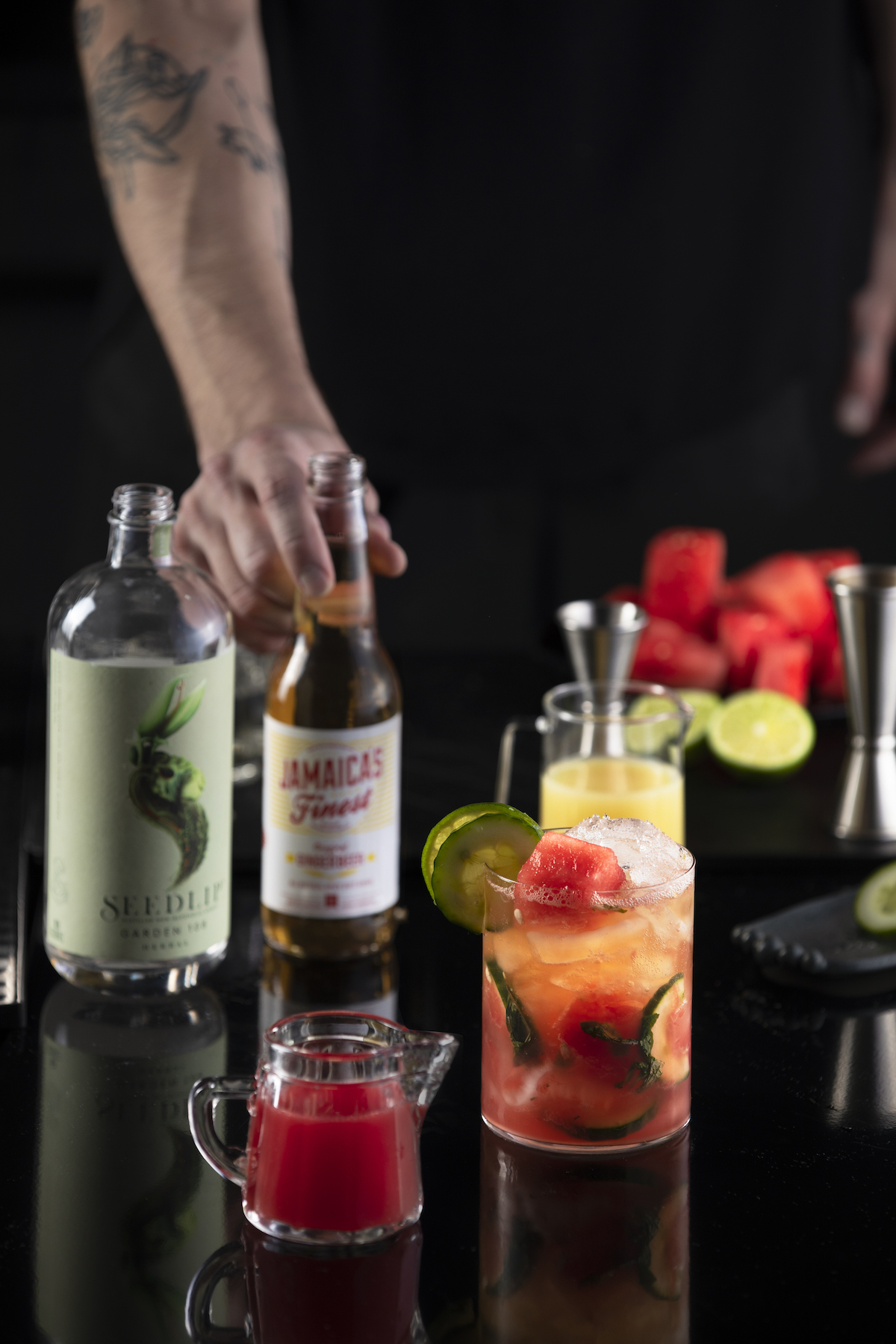
A white man's hand hold a bottle of ginger beer as it sits on a black table. Next to the soda sits a mojito mocktail orange in color.

If watching athletes at the top of their game in the Paris Olympics makes you feel uneasy about the health risks of drinking, here’s one non-alcoholic option to serve. This watermelon drink uses summer flavors and makes a great party drink. Stay cool without having to worry about being too tipsy to pay attention to the games!

Bleeding Heart

Defeat may be agony, but the sweetness of this cocktail can lessen the blow of your favorite athlete not making it to the podium. Not everybody can get a medal, but you can assuage any bruised expectations with this delicious cocktail with edible glitter in it. Rooting for the underdog is a noble endeavor. Heave a sigh…and then get right back out there and root for the next hopeful.

Champagne overflows into a glass with golden colored liquid and a sprig of rosemary.

The Gold Medal

Our specialty cocktail to celebrate the Paris 2024 Olympics is simple, with only a few ingredients, but sure to impress guests. We’ve used champagne, cognac, orange juice, and a sprig of rosemary garnish harkening back to the crown of laurels Olympic winners received in ancient Greece.

 Story by Emma Riva / Photography by Dave Bryce

A footer photo with a black background and subscribe info and buttonSubscribe to TABLE Magazine‘s print edition.
When in Rome, Where Do Real Romans Eat?

0
The exterior of Pesciolino

A tourist walking the streets of any given European city must avoid a few pitfalls. Carrying too much cash, for example; letting the lack of tap water dehydrate you beyond repair; perhaps being sprayed with that elusive water if you’re in Barcelona. Unfortunately, we at TABLE magazine can’t help much with those pitfalls. We can, however, help with the most egregious pitfall of all: falling prey to the tourist trap restaurant, where you find yourself paying out the nose for mediocre food ordered from menus plastered with pictures and printed in English. If wandering the streets aimlessly fails to bring you to the trattoria of your dreams, let TABLE step in as your local friend with an unbeatable list of recommendations of where to eat in Rome, like a local.

These six of the best restaurants in Rome are the hidden gems with menus on chalkboards and websites in Italian that give you an opportunity to explore a town just outside Rome.  Some have traditional Roman food, and some are more innovative, merging tradition with ideas anew. All, however, use the freshest of ingredients to create their own masterpieces in their own ways. So, if you’re looking for where to eat in Rome, andiamo.

TABLE Magazine’s Guide to Where to Eat in Rome

Pro Locol DOL in Rome

Proloco Centocelle

Via Domenico Panaroli, 35, 00172

Pizza, pasta, meat and cheese are the specialties of this locally-sourced deli and restaurant located thirty minutes outside of the city center, in Centocelle. The mildly cluttered, rustic dining room is traditionally Italian without trying too hard to be. It’s perfect for families and small groups searching for where to eat in Rome. Squint to see the chalkboard menu and you can’t go wrong with its traditional Lazian offerings like pizza cooked in a sheet pan with pancetta, apples, and onions. For drinks, choose between local craft beers and a myriad of affordably priced wines from around Italy. And make the most of your chance to get outside the city by exploring the surrounding neighborhood with an after-dinner walk.

The exterior of the restaurant Menabó

Menabò Vino e Cucina

Via delle Palme, 44 D, 00171

An elegant vision of a true Italian trattoria also in the Prenestino-Centocelle district, Menabò Vino e Cucina offers beautifully plated versions of traditional dishes. It’s neither overly homey nor overly designed. The brothers that own it have managed to create a casually chic, surprisingly airy atmosphere. All this is in a small space using rustic shelves and powder blue accents. Don’t miss their elevated takes on classics like Fusilloni con Pesto di Zucchine, and pair your meal with a selection from their extensive wine list. Reservations are always a good idea.

Taverna Trilussa

Via del Politeama, 23/25, 00153

Wood beams on the ceiling, wrought iron gates amongst tables, and an assortment of vintage paintings on the wall make Taverna Trilussa’s indoor seating area feel eclectic. The ivy-draped outdoor patio is its romantic redemption. Tucked away in the Trastavere neighborhood, expect traditional Roman pasta dishes theatrically served straight out of the pan, and meat and cheese plates that take up much of the table. Reserve in advance, be patient, don’t look too hard at the prices, and you will be rewarded with pasta deemed universally delicious.

The interior of Dar Parucca Biosterria

Dar Parucca Biosterria

Via Macerata, 89, 00176

This Pigneto tavern is so traditional it doesn’t even have a website — just an Instagram page. It’s got fantastic tiramisu, traditional Roman dishes like pasta amatriciana, and owners that have a room-filling personality. But tradition does not make owners Luca and Alessandro compromise on quality. They source organic meat from two hours outside the city and vegetables from a workers’ cooperative farm. You won’t hear about it on many other “Where to Eat in Rome” articles. But, the fact that Dar Parucca Biosterria hasn’t quite been discovered makes it even more worthwhile.

The interior of Pesciolino

Pesciolino

 Via Macerata, 89, 00176

Walking into Pesciolino feels like entering a beautifully decorated submarine. All blue and gold and fish wallpaper, the tiny restaurant in the heart of Rome is perfect for a simple lunch, aperitif, or refined dinner. Depending on the season, try oysters served with lemon foam and black pepper or ribbons of fresh cuttlefish with tomato sauce. Pesciolino is on the more upscale end of this list, and alas, the menu does have English translations, but the extensive seafood selection, carefully sourced from the French coast, will not leave a palate unsatisfied.

An outdoor lunch scene at Santa Lucia

Ristorante Santa Lucia

Largo Febo, 12, 00186 

You might recognize the terrace of this ristorante from the classic lunch scene in Eat, Pray, Love. Its stint in the spotlight has done nothing to diminish its charm. Santa Lucia serves “flavor, tradition, character”; fresh oysters, tartare, rigatoni. Though it is located on one of the most touristy streets in the city, its courtyard, full of almost-too-small tables tucked behind Piazza Navona and surrounded by ivy, makes for a beautiful setting. Arrive early or make a reservation and prepare to practice your Italian like you’re Julia Roberts herself.

Story by Mitra Nourbakhsh

A footer photo with a black background and subscribe info and buttonSubscribe to TABLE Magazine‘s print edition.
6 Chefs of Color to Travel For

0
Two hands at work on a dish at Dakar NOLA
Photo Courtesy of Dakar NOLA

Food writer, recipe developer, and stylist Monifa Dayo takes us on a trip around the US to visit six food industry professional chefs of color whose work earns praise from locals and visitors alike. Pack your bags…and let’s eat!

6 Chefs of Color to Travel For

Staff at Bombera stand outdoors, posing for a photo

Dominica Rice of Bombera

Oakland, CA

More than just a chef, Dominica Rice is a storyteller, weaving her culture into every dish she serves. Each meal invites you to journey into the richness and diversity of Mexican cuisine. Her cuisine does a masterful two-step with quintessential California and authentic Mexican traditions. From the first glance, Bombera transports you to the vibrant open-air markets of Tulum with the colorful zigzags of papel picado.

Rays of sunlight stream through floor-to-ceiling windows to kiss the faces of fashionable bar guests engaged in conversation over an equally stylish pomelo cocktail. It’s definitely a vibe. The open kitchen invites you into the process of fresh tortilla making while rotisserie chicken roasts, all with chef Dominica at the helm. She’s like your favorite auntie: full of life and bursting with the excitement of seeing you. “Bombera means firewoman,” she says. Because the building is a newly renovated vintage fire station, it’s a fitting name. 

What matters most to Dominica? Neither fame nor fortune appeared in one of her top three answers. However, culture, tradition, and a dedication-to-process were standouts. Hailing from a Mexican American lineage of migrant farmers where family and devotion to elders are paramount, and community is a fundamental value too. “For us it’s very personal,” says Rice. You feel this sentiment in her unconventional green mole, the development of which required dedication. To build and sustain trust with her following, Dominica shared that, “You have to listen to what people want and need.” No doubt her six-year tenure at the notable Chez Panisse under the tutelage of famed conservationist, Alice Waters, bolstered her confidence to cook food that is straightforward, tasty and full of integrity. 

Chef Christian Hunter of Atelier, a black man with dreads in a yellow apron, stands with crossed arms

Christian Hunter of Atelier

Chicago, IL

Step into the mind of a culinary creative whose existence unfolds at the diasporic intersectionality of Southern fare and New American cuisine. Christian Hunter draws inspiration from his origins nestled afoot his grandfather in summer gardens tending to stubborn Kentucky weeds. Or, his line cook days delicately plating dishes boasting cured salmon roe and soft herbs. This paradox is expressed with great beauty at Atelier. It’s a 650-square-foot fine-dining, folk-cuisine restaurant nominated in 2024 for a James Beard Award as Best New Restaurant for the Midwestern Region. When you visit, leave your personal preferences at home and relax into chef’s New American fare infused with unexpected global influences. For instance, the first four dishes of his twelve course prix fixe menu require the use of hands as utensils. 

Lauded executive chef Christian believes that, “Black food is American food.” Such a direct and unapologetic statement demonstrates his belief that, “ . . . no one controls who cooks whose food.” Paying homage differs from culinary appropriation. To ensure his philosophy can affect positive change, the only natural progression for Christian was to become a part of Atelier’s ownership group at the tender age of thirty-four. His first order of business is a passion project in tribute to his mother called La Verne’s, a brasserie-style, seasonal, à la carte menu featuring more options and a softer price point. Think Atelier’s younger, hotter sister — footloose and fancy free. 

Staff at Dakar NOLA stand in front of a kitchen window

Serigne Mbaye of Dakar NOLA

New Orleans, LA 

When you look up multi-tasker in the dictionary, Serigne Mbaye’s charming-yet-stern face should claim a dominant space in bold. With four languages and a few dialects under his belt—shapeshifting is second nature. He uses his variations in speech as an effective tool to, “ . . . understand diversity in a way that others can’t.” As chef and co-owner of Dakar NOLA, Serigne’s Senegalese heritage poses as the engine while the trademark seafood of New Orleans is the pirogue-style vessel. “[Dakar and New Orleans] are like long related cousins” he says.

On any given night a delectable bite encompasses crispy on the outside yet soft on the inside yuca donned with a delicate, salmon tartare punctuated with cured, salmon roe and oniony chives. Before making a sought-after reservation, take my advice and acutely study the website. There are zero modifications granted to the seven-course pescatarian menu that prides itself on highlighting “in-season” versus seasonal provisions. In what can be interpreted as a confident move, it makes sense for Serigne because, “Seafood requires much more love,” which in turn grants, “happiness for people, honesty, [a] nurturing of people, positivity and more love.” 

Maya-Camille Broussard, a seated black woman, samples one of her pies while wearing a pink dress

Maya-Camille Broussard of Justice of the Pies

Chicago, IL

I met Maya-Camille Broussard on the red carpet of the James Beard Awards in 2022. Then, she was a finalist for the coveted Outstanding Baker Award. She wore a metallic, hot pink ruffled dress with leather fringe earrings that touched her collarbone. “Good design comes from problem solving,” she said. Maya-Camille understands this as a dancer, classically trained actor, and creative professional whose job as a trendsetter in the pastry field requires her to sometimes work backwards. Situated on the South Side of Chicago, Justice of the Pies makes you feel like you’re on the set of a popular Netflix show like Bake Squad. Maya-Camille was a stylish cast member for two seasons.

When she’s not producing standout pies like lemon-espresso set in chocolate crust or salted caramel peach pie, she’s leaning into philanthropy by way of her, “I Knead Love Workshop,” a program geared towards ending food insecurities in lower income communities. However, what might be the most interesting fact about Maya-Camille is that she is hard of hearing. This explains her work ethic: “I feel like I have something to prove,” says Broussard. Looking to the future, Maya-Camille has the desire to expand the awareness of people living with disabilities which will promote fairness and equality. 

Landon Hayes of ramen shop stands in front of his kitchen, arms crossed

Landon Hayes of Ramen Shop

Oakland, CA

Vintage-clad hipsters vie for counter seats at the now infamous Ramen Shop for an opportunity to experience a Californian take on Japanese classics. Pickled plates of acidic napa cabbage, briny turmeric daikon, and sour kohlrabi spark intrigue among elevated donburi dishes jam-packed with peak-season produce and responsibly raised meat rations. But the secret to Ramen Shop rests in the charming, kind, self-proclaimed, “purveyor of relationships,” Landon Haynes—the general manager.

Drawing from his Mississippi and Italian roots, Landon’s knack for hospitality comes naturally. His creative and fresh ideas spark innovative concepts that involve his diverse and queer staff. Building an inclusive and safe work environment is just as important as the contemporary architecture or private karaoke rooms that Ramen Shop boasts. As stated by Landon, “I feel a responsibility to hold a space of my queer staff and of my community where we can learn, educate and grow each other in positive and loving space.” 

Chef Marcus Woods at work in his kitchen at Sylvia's

Marcus Woods of Sylvia’s Harlem Restaurant

New York, NY

According to the Woods family, the secret sauce to mounting a restaurant empire requires three ingredients: love, family, and ownership. A little luck goes a long way too. Sylvia’s is situated in the iconic Harlem neighborhood of New York City. The restaurant is a recipient of the prestigious James Beard America’s Classics Award. If love is all we need, then it makes sense why Sylvia’s is overflowing with abundance. Executive chef (and Sylvia’s grandson) Marcus Woods, a kind, ambitious soul, lives by the motto “lead with love.” He aims to cultivate his staff and uphold his grandmother’s secret and not-so-secret recipes.

Being a 100% Black owned family business, Sylvia’s evaded the dramatic effects of gentrification by direct ownership of the full city block they occupy. However, what makes Sylvia’s even more noteworthy is its philanthropic arm in the community. They also offer financial and emotinal support to the community via their Sylvia and Herbert Woods Scholarship Fund. Kenneth Woods, co-owner and son of matriarch Sylvia Woods, expressed that he would like to see Sylvia’s go down in history as a recognized Black institution for the generations to come. “This [what we have built here] is yours!”

Story by Monifa Dayo / Photos courtesy of Bombera, Atelier, Dakar NOLA, Justice of the Pies, Ramen Shop, and Sylvia’s

A footer photo with a black background and subscribe info and buttonSubscribe to TABLE Magazine‘s print edition.
Glendorn Blackberry Jam

0
A person slathers Glendorn blackberry jam on a croissant.

The Lodge at Glendorn pairs awe-inspiring natural beauty with the tender-loving-care of a world-class resort. Abundant blackberries on the property ripen in August, and the combination of foraging and fine dining is one of many reasons to go and experience the place for your yourself. In honor of blackberry season, Executive Chef David Haick shared his recipe for Glendorn Blackberry Jam.

How to Pick the Best Blackberries for Jam

Selecting the perfect blackberries for jam is crucial for a delicious result. Opt for berries that are plump, juicy, and deep purple in color. Slightly underripe blackberries tend to have higher pectin content, which aids in jam setting. Avoid berries that are soft, mushy, or moldy. For the most intense flavor, consider using wild blackberries if available, as they often possess a richer taste. Whether you choose cultivated or wild, ensure your blackberries are fresh and free from blemishes for the best possible jam.

Print
clock clock iconcutlery cutlery iconflag flag iconfolder folder iconinstagram instagram iconpinterest pinterest iconfacebook facebook iconprint print iconsquares squares iconheart heart iconheart solid heart solid icon
A person slathers Glendorn blackberry jam on a croissant.

Glendorn Blackberry Jam


  • Author: Chef David Haick

Description

Succulent homemade jam for your breakfast topping.


Ingredients

Scale
  • 1.1 oz pectin
  • 7 cups granulated sugar
  • 2.1 lb blackberries, washed
  • 2 tbsp fresh lemon juice


Instructions

  • Combine pectin with sugar, mix well.
  • Combine blackberries and lemon juice in a nonreactive pot.
  • Mash with potato masher, and mix in sugar mixture.
  • Bring to a boil and cook until 220 degrees using a candy thermometer.
  • Place into jars, and proceed to can the jam.

Recipe by Executive Chef David Haick, The Lodge at Glendorn
Photography by Jeff Swensen

Subscribe to TABLE Magazine‘s print edition.
Glendorn Blackberry Crème Brûlée

0
A white plate holds a blackberry creme brulee with a blackberry swirl around the plate and a small scoop of ice cream.

In honor of blackberry season, Glendorn Executive Chef David Haick shares some of the favorite recipes that he makes at The Lodge using their freshly farmed blackberries. In this  Blackberry Crème Brûlée he turns juicy berries into a deliciously, awe-inspiring recipe. Abundant blackberries on the property ripen in August, and the combination of foraging and fine dining is one of many reasons to go and experience the place for your yourself.

What is Crème Brûlée?

Crème brûlée is a decadent French dessert featuring a silky smooth custard base topped with a layer of hardened, caramelized sugar. The contrast between the cool, creamy custard and the crisp, sweet crackly top is what makes this dessert so irresistible. Traditionally using vanilla, crème brûlée can also be use other flavors like lemon, chocolate, or in our case, blueberries. It’s often served slightly chilled, allowing the heat from the caramelization to gently warm the top of the custard while keeping the center cool.

Print
clock clock iconcutlery cutlery iconflag flag iconfolder folder iconinstagram instagram iconpinterest pinterest iconfacebook facebook iconprint print iconsquares squares iconheart heart iconheart solid heart solid icon
A white plate holds a blackberry creme brulee with a blackberry swirl around the plate and a small scoop of ice cream.

Glendorn Blackberry Crème Brûlée


  • Author: Chef David Haick
  • Yield: 6 Ramekins 1x

Description

Impress your guests and even yourself with this dessert!


Ingredients

Scale
  • 4 egg yolks
  • 2 whole eggs
  • 3 oz brown sugar
  • 1.75 cups heavy cream
  • 1/3 tsp kosher salt
  • ¾ tsp vanilla extract
  • 1 pt blackberries, washed
  • Turbinado sugar


Instructions

  1. Mix yolks, whole eggs, and brown sugar; do not whip.
  2. Scald cream and add into egg mixture slowly to temper.
  3. Add salt and vanilla.
  4. Place blackberries into ramekins, and ladle mixture into dishes, dividing equally.
  5. Bake in a water bath at 350 degrees for 25 minutes or until custard sets.
  6. Cool at room temperature in water bath and chill overnight.
  7. Place a generous amount of turbinado sugar on top and torch to caramelize.

Recipe by Executive Chef David Haick, The Lodge at Glendorn 
Photography by Jeff Swensen

Subscribe to TABLE Magazine’s print edition.

Muscovy Duck Breast with Blackberry Glaze, Sweet Potato, & Fennel

0
Slices of duck breast sit on a white plate surrounded by greens and a blackberry sauce.

The Lodge at Glendorn is known for their expertise at incorporating blackberries into their menu. Abundant blackberries on the property ripen in August, and the combination of foraging and fine dining is one of many reasons to go and experience the place for your yourself. In honor of blackberry season, Executive Chef David Haick shares his recipe for Muscovy Duck Breast with Blackberry Glaze, Sweet Potato, & Fennel.

Two duck breasts sit on a white plate with fennel and a blackberry sauce.

Tips for Cooking Duck Breast

Cooking duck breast can be intimidating, but mastering it is simpler than it seems and gives flavorful results. The key is to achieve perfectly crispy skin and tender meat. Start by scoring the skin to allow the fat to render evenly. Then, cook the duck skin-side down in a cold pan over low heat to slowly melt the fat. Once the skin is golden and crisp, increase the heat and sear the other side. For optimal results, finish cooking the duck in a preheated oven to ensure even doneness. Remember, it’s crucial to let the duck rest before slicing to allow the juices to redistribute.

Print
clock clock iconcutlery cutlery iconflag flag iconfolder folder iconinstagram instagram iconpinterest pinterest iconfacebook facebook iconprint print iconsquares squares iconheart heart iconheart solid heart solid icon
Slices of duck breast sit on a white plate surrounded by greens and a blackberry sauce.

Muscovy Duck Breast with Blackberry Glaze, Sweet Potato, & Fennel


  • Author: Executive Chef David Haick, The Lodge at Glendorn

Description

A savory dinner worth talking about.


Ingredients

Scale
  • 2 Muscovy duck breasts, trimmed and scored fat side 
  • Coriander seed, crushed, as needed 
  • 1 pt blackberries, washed 
  • 1 oz apple cider vinegar 
  • 2 oz granulated sugar 

For the sweet potato puree:

  • 1 large sweet potato
  • 2 tbsp whole unsalted butter
  • 1 ½ tbsp real maple syrup
  • 1 tsp sherry vinegar
  • Salt to taste

For the blackberry sauce: 

  • 1 shallot, minced
  • 5 fresh thyme sprigs
  • 1 bay leaf
  • 2 oz high-quality bourbon such as Buffalo Trace or Maker’s Mark
  • 3 cups unsalted beef broth
  • 1 cup blackberries, washed


Instructions

  1. In a cold pan, place seasoned duck breasts fat-side down, and begin to render fat over medium-high heat. 
  2. Once the fat begins to render, begin to baste the breasts; if needed add 1 tablespoon butter. 
  3. Continue to baste for 10 minutes; place into a 350-degree oven for 5-6 minutes. 
  4. Carefully remove pan, and baste for 2 minutes. 
  5. Remove duck from pan. Let rest 5 minutes. 

For the blackberry glaze:

  1. Combine all ingredients, mix well. 
  2. Place into a small sauce pot, bring to a boil. 
  3. Stir occasionally and then reduce slowly until liquid is thickened, approximately 10 minutes. 
  4. Blend until smooth, and strain to remove seeds. 

For the sweet potato puree:

  1. Roast sweet potato until soft in a 350-degree oven, approximately 30 minutes.  
  2. Carefully remove skin and discard. Place potato into a bowl. 
  3. Add butter, syrup, and vinegar. Blend until smooth in food processor. 
  4. Season with kosher salt. 

To make the blackberry sauce: 

  1. Sweat shallot on low heat, add thyme, and bay leaf. Cook until shallots are clear, 3-4 minutes. 
  2. Add bourbon and reduce until almost dry and evaporated. 
  3. Add broth and berries. Simmer for 15 minutes and reduced by half. 
  4. Strain and mash berries through strainer.  

To sssemble:

  1. Brush duck breasts with blackberry glaze, and sprinkle with coriander seeds. 
  2. Place sweet potato purée onto a warm plate. 
  3. Add any vegetables of choice. Suggestions are beet greens and sliced raw fennel. 
  4. Slice duck breasts in half, arrange on plate. 
  5. Serve with blackberry sauce.  

Recipe and Styling by Executive Chef David Haick, The Lodge at Glendorn 
Photography by Jeff Swensen

Subscribe to TABLE Magazine‘s print edition.
Create a free account, or log in.

Gain access to read this content, plus limited free content.

Yes! I would like to receive new content and updates.

Table Magazine wants to know your location.

TABLE Magazine operates regional sites - Knowing your location helps us route you to the appropriate site for the best experience.