Home Blog Page 78

Swordfish with Pork Belly

0
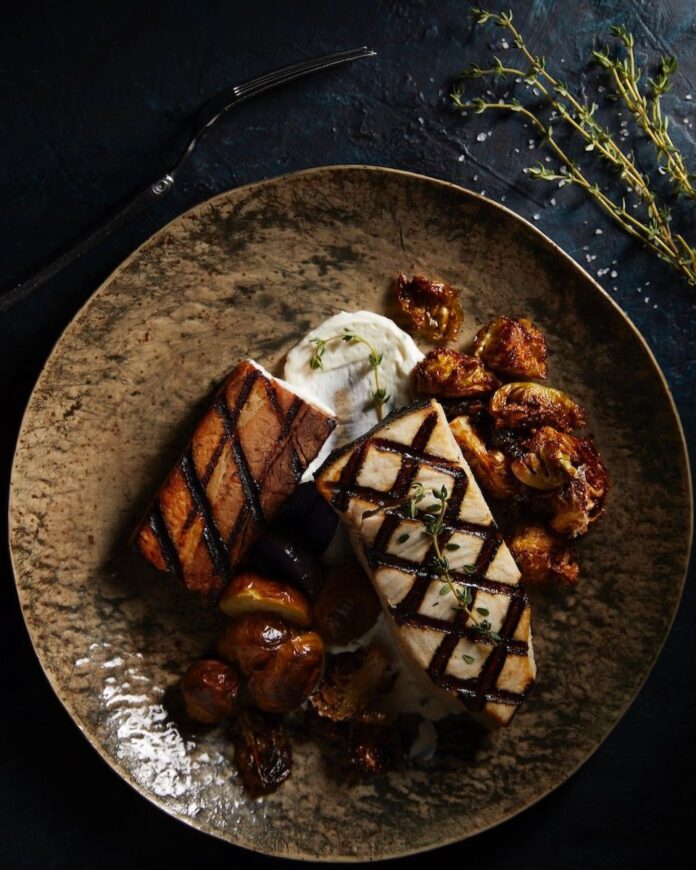
A swordfish with pork belly dish on a black plate.

Glenn and Lisa Hawley have been at the helm of Off The Hook since 2013, with an outlook as fresh and vigorous today as it was on the first day. Off the Hook is just outside of Pittsburgh, but sources its ingredients from all over the world. Glenn is, by his own admission, never satisfied. He keeps the menu and plating at a high level. And, of course, the service has to be attentive, knowledgeable, and professional. Executive Sous Chef Sean Karpuzi shared one of his freshest gems, Swordfish with Pork Belly, with TABLE.

Health Benefits of Swordfish

Known for its impressive size and quirky appearance in the ocean, swordfish is a versatile and luxurious fish. The fish’s dense, steak-like texture makes it ideal for grilling, and it holds up well to marinades and seasonings. But beyond its great taste, swordfish also has a variety of health benefits. Because of its nutrient density and low-calorie profile, swordfish is an excellent option for those looking to maintain a balanced diet. It’s a perfect choice for a healthy dinner that provides essential nutrients without the added fats found in many other protein sources. Combining it with pork belly means that the best elements of both can shine.

Print

clock clock iconcutlery cutlery iconflag flag iconfolder folder iconinstagram instagram iconpinterest pinterest iconfacebook facebook iconprint print iconsquares squares iconheart heart iconheart solid heart solid icon
A swordfish with pork belly dish on a black plate.

Swordfish with Pork Belly


  • Author: Sean Karpuzi

Description

A delicious fish dish.


Ingredients

Scale
  • 2 oz pork belly (brined 1 day before)
  • 2 oz goat cheese
  • ¼ cup heavy cream
  • 5 thyme sprigs
  • 6 oz fingerling potatoes
  • 4 oz Brussels sprouts
  • 8 oz center-cut swordfish


Instructions

For the pork belly brine: 

  1. Brine pork belly in 1 cup apple cider vinegar, ¼ cup sugar, and ¼ cup salt. Leave submerged overnight and remove from brine in the morning.
  2. Smoke pork belly with applewood chips for 2 hours.</li>

For the swordfish:

  1. In a mixer place the goat cheese, heavy cream and thyme, mix at a slow speed for 5 minutes, and then gradually pick up the speed until it’s a smooth mousse consistency. Set aside cheese mixture until plating.</li>
  2. Cut fingerling potatoes in half
  3. Lightly toss potatoes in vegetable oil and lightly season with kosher salt.
  4. Place potatoes on sheet tray and cook in oven for 25 minutes at 400 degrees.
  5. Brussels Sprouts (two options): Finely julienne and flash-fried or cut in half and bake for 25 minutes at 400 degrees.
  6. Cut 1-inch strip of pork belly and char-grill lightly for flavor and to heat.
  7. Lightly season swordfish with salt and pepper to taste and char-grill for approximately 4 minutes on each side at medium temperature.
  8. Plate the goat cheese, spread across the bottom of the plate, add fingerling potatoes and Brussels sprouts, top with swordfish, and finish with pork belly.

Recipe by Sean Karpuzi
Styling by Keith Recker
Photography by Dave Bryce

Subscribe to TABLE Magazine’s print edition.
Dandelion Artichoke Dip 

0
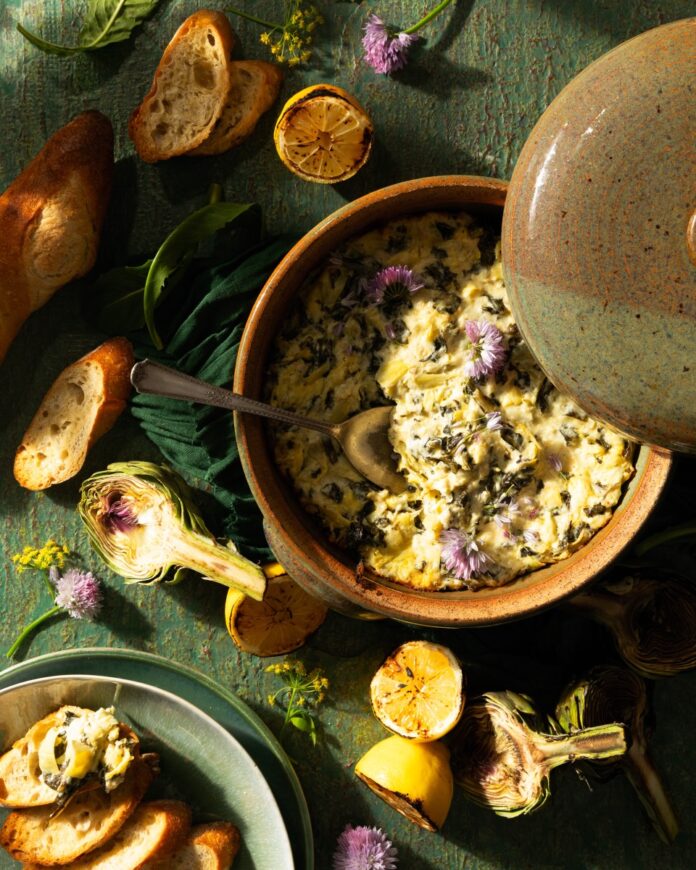
A brown bowl full of Dandelion Artichoke Dip with a spoon in it and crusty bread laying around the dish.

Everyone at TABLE loves the fresh, bitter appeal of springtime dandelion greens, especially in an artichoke dip. This recipe wilts them with shallots and garlic, and mellows them with mozzarella, mayonnaise, parmesan, and canned artichokes. After a quick bake in the oven, spread the bubbly dip directly onto crisps and crackers. Or, try this Dandelion Artichoke Dip as a spread on your favorite lunchtime sandwich or wrap. Just be sure to sip a lovely white wine and let your mind wander in the process… perhaps all the way to summer, since it’s right around the corner.

What Are Dandelion Greens?

Dandelion greens are the leafy part (not the stem!) of the common dandelion plant you see growing outside. Some see it as a weed but in many cultures it’s actually a valuable food source. These greens show off distinctive, serrated edges and carry a slightly bitter, peppery flavor, which intensifies as the plant matures. The best part of indulging in dandelion greens is that they include vitamins A, C, and K, as well as calcium and iron. You can eat these leaves raw such as in salads or sauté and steam them to add to soups and stews.

Print
clock clock iconcutlery cutlery iconflag flag iconfolder folder iconinstagram instagram iconpinterest pinterest iconfacebook facebook iconprint print iconsquares squares iconheart heart iconheart solid heart solid icon
A brown bowl full of Dandelion Artichoke Dip with a spoon in it and crusty bread laying around the dish.

Dandelion Artichoke Dip 


  • Author: Anna Franklin

Description

You’ll want to have this dip available at your next picnic.


Ingredients

Scale
  • 1 shallot, minced
  • 2 cloves garlic, minced
  • 1 tbsp butter
  • 1 block cream cheese
  • 1 cup grated mozzarella cheese
  • 2 cans artichokes
  • 2 cups Italian dandelion greens, chopped
  • 1 cup mayonnaise
  • 1/2 cup finely grated parmesan cheese


Instructions

  1. In a sauté pan, sweat the minced shallot and garlic with 1 tbsp butter, until translucent. Try not to brown. Remove from pan and set aside.
  2. In the same pan, add dandelion greens and sauté until just wilted. Set aside.
  3. In a large mixing bowl, add all of the ingredients together and mix with a paddle attachment for about 2 minutes, or until all the ingredients are evenly mixed together.
  4. Transfer to a baking dish and bake at 350 degrees for about 30 minutes, or until the dip is bubbling around the edges. Serve with crusty bread.

Recipe and Styling Anna Franklin
Photography by Dave Bryce

Subscribe to TABLE Magazine’s print edition.
Pomegranate Molasses Roasted Lamb Shoulder

0
Lisa Theuer stands in front of her Pomegranate Molasses Roasted Lamb Shoulder in a white-walled kitchen.

Growing up, we always had tons of food on Easter. My mom would make lasagna, ham, turkey, potatoes, salad, and desserts. When you are young, you don’t really understand how much effort goes into that, but now that I cook a lot more for myself and know what it takes to put a meal together, I appreciate it fully. This inspired me to develop a stress-free recipe for Pomegranate Molasses Roasted Lamb Shoulder that would allow me to spend time hanging out with my mom and enjoying spending time with family.

What is Pomegranate Molasses?

Pomegranate molasses is a thick, dark syrup made by reducing pomegranate juice with sugar and sometimes lemon juice. It has a sweet and tangy flavor, with a hint of tartness. Pomegranate molasses commonly appears in Middle Eastern cuisine, in dishes like fattoush or makaanik. The seasoning adds a complex flavor to dishes like salads, marinades, stews, dressings, and even cocktails. Its unique balance of sweetness and acidity makes it a versatile ingredient in savory recipes like this Pomegranate Molasses Roasted Lamb Shoulder.


Print
clock clock iconcutlery cutlery iconflag flag iconfolder folder iconinstagram instagram iconpinterest pinterest iconfacebook facebook iconprint print iconsquares squares iconheart heart iconheart solid heart solid icon
Lisa Theuer stands in front of her Pomegranate Molasses Roasted Lamb Shoulder in a white-walled kitchen.

Pomegranate Molasses Roasted Lamb Shoulder


  • Author: Lisa Theuer

Description

A lamb dish to celebrate Mother’s Day, Easter, or just appreciation for your family and friends.


Ingredients

Scale

For the lamb: 

  • 56 lb bone in lamb shoulder
  • Pomegranate molasses

For the spice rub:

  • 2 tbsp cumin
  • 2 tsp pepper
  • 45 ish tsp salt
  • 1 tsp nutmeg

For the garnish:

  • 1 1/2 cups fresh pomegranate arils
  • 3/4 cup toasted pine nuts
  • 5 or 6 sprigs of fresh cilantro

For salad dressing:

  • 1/2 cup extra-virgin olive oil
  • 1/2 fresh lemon juice
  • Salt and pepper to taste
  • 1 1/2 tbsp Dijon mustard
  • 1 tbsp honey
  • 2 tbsp white wine vinegar
  • 1 large clove garlic, grated


Instructions

  1. Cover the lamb in the spice rub and put in roasting tray, dutch oven or similar pan, covered with a lid or foil. Bake at 300 for 3 to 3 1/2 hrs, then brush the lamb with ½ cup pomegranate molasses and bake another 30-40 minutes uncovered at 375. The lamb should be tender inside and will pull apart easily with a fork, but crispy on the outside from the higher bake temp.
  2. After cooking, rest the lamb for 20-30 minutes prior to slicing.
  3. Place thin slices on a platter and garnish with pomegranate seeds, toasted pine nuts, and fresh cilantro.
  4. Serve with a leafy salad of mustard greens, arugula, radicchio, and diced shallot, dressed with a imple dressing you can make ahead of time by whisking the above listed ingredients together.


Traditional wine recommendation
: Bordeaux Blend

Experimental pairing: Tinta Del País Ribera del Duero Gran Reserva

Recipe by Lisa Theuer
Wine Pairing by Camila Alarcón Cordón
Styling by Keith Recker
Photography by Dave Bryce

Subscribe to TABLE Magazine‘s print edition.

Cheesy Grits with Springtime Mushrooms

0
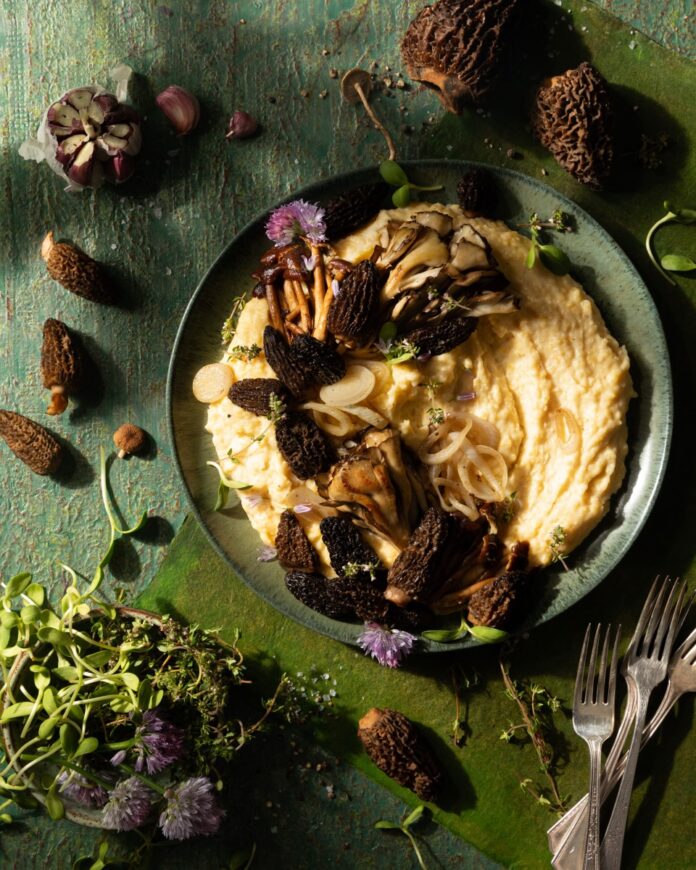
A green bowl on a green table holds cheesy grits inside mixed with small blossoms and springtime mushrooms with uncooked mushrooms all around the bowl.

Yes, summer may be near, but with some chilly evenings remaining on the calendar for a few weeks to come you’re going to want a dish that brings you joy. Warm yourself up with a plate of Cheesy Grits brought to life with plenty of shredded cheese and the complex and wonderful umami of sautéed mushrooms. Plus, flowering herbs and chive blossoms complete this beautiful and oh-so-satisfying dish.

What Are the Different Types of Mushrooms in Our Cheesy Grits?

Morel Mushrooms: A honeycomb-like structure builds the outside of morel mushrooms. It’s a little earthy and a little nutty with a firm, meaty texture, making it a great replacement for bacon in regular grits.

Hen of the Woods Mushrooms: Also known as grifola frondosa or maitake, the hen of the woods mushroom follows in the footsteps of the morel mushroom. Other than a slight spice, it’s also a nutty and meaty variety of mushroom.

Brick Cap Mushrooms: This type of mushrooms has an endless list of names but what you need to know about it is that they grow in clusters. Besides their unique clump-shape, they’re often mild, maybe slightly bitter in taste.

Print
clock clock iconcutlery cutlery iconflag flag iconfolder folder iconinstagram instagram iconpinterest pinterest iconfacebook facebook iconprint print iconsquares squares iconheart heart iconheart solid heart solid icon
A green bowl on a green table holds cheesy grits inside mixed with small blossoms and springtime mushrooms with uncooked mushrooms all around the bowl.

Cheesy Grits with Springtime Mushrooms


  • Author: Anna Franklin

Description

Comforting and warming, this dish will remind you of home.


Ingredients

Scale
  • 1 tbsp butter
  • 2 cloves garlic, minced
  • 1 qt chicken stock
  • 1 cup coarse cornmeal
  • 1/2 cup shredded cheese of your choice
  • 1/4 cup heavy cream
  • 5 tbsp butter, divided
  • Salt to taste
  • 2 cups fresh morel mushrooms
  • 1 cup hen of the woods mushrooms
  • 1 cup brick cap mushrooms
  • Flowering thyme
  • Chive blossoms


Instructions

  1. In a large saucepan, sauté garlic in one tablespoon of butter until fragrant.
  2. Add chicken stock to the pot and bring to a boil, then add the cornmeal, stirring away any clumps that may form.
  3. Simmer for about 30 minutes or until the cornmeal is thick and creamy.
  4. Remove from the stovetop and add Wild Rosemary cheese, heavy cream, 3 tbsp of butter and salt to taste. Stir until the cheese and butter is completely melted.
  5. In a large sauté pan, sauté all the mushrooms with 1 tbsp of butter and season with salt and pepper. You can add other herbs and spices to this step if you’d like, but let the flavors of the mushrooms be the star of the show!
  6. Serve the sautéed mushrooms on top of a bed of cheesy grits and garnish with flowering thyme and chive blossoms.

Recipe and Styling Anna Franklin
Photography by Dave Bryce

Subscribe to TABLE Magazine’s print edition.

Spring Chicken with Fava Shoot Pesto 

0
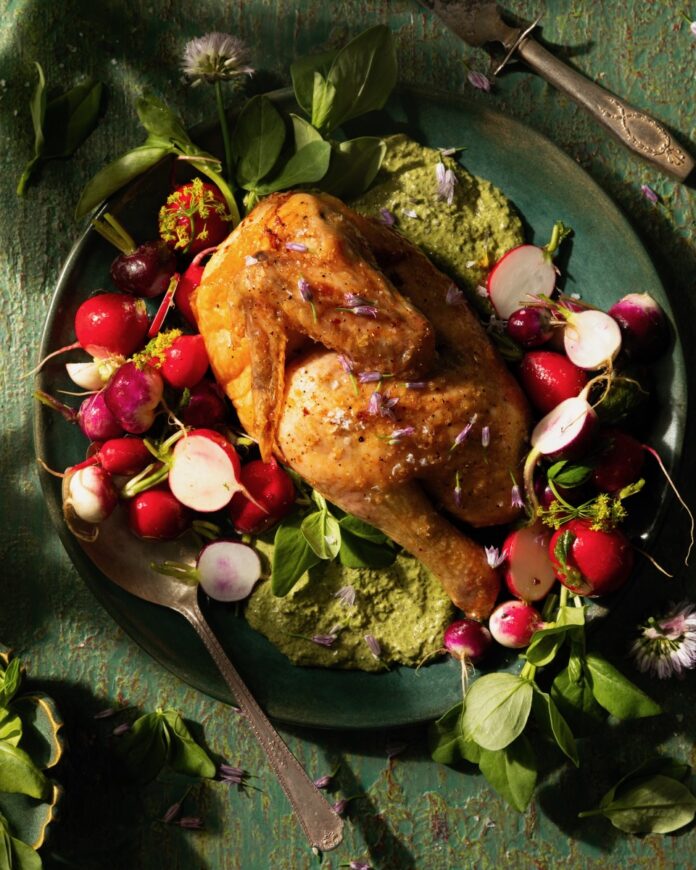
A green plate on a green surface plates spring chicken with a fava shoot pesto and half-cut radishes.

The proverbial spring chicken is young and tender. Follow the recipe here to roast it tenderly and crisp up its skin in the final moments. Along the way, fresh pesto and roasted radishes make their way into the process, bringing in their variously herbaceous, garlicky, and bittersweet flavors. The sum is much greater than the parts; you’ll delight with each bite of fava shoot pesto-covered meat and veg. Serve with a side of Cheesy Grits with Springtime Mushrooms and sips of your favorite dry, sparkling wine.

What Does Fava Shoot Pesto Taste Like?

Fava shoot pesto is a bright, herbaceous pesto that has a subtle sweetness and a nutty undertone. The fava bean shoots themselves contribute the fresh, green or earthy taste that’s reminiscent of peas or young spinach. The addition of pecans lends a richer, more mellow nuttiness compared to the sharper bite of pine nuts in classic pesto. The lemon zest finishes things off with a citrus lift, cutting through the richness of the butter, olive oil, and garlic. Basically, fava shoot pesto is going to be less pungent and more delicate than traditional basil pesto.

Print
clock clock iconcutlery cutlery iconflag flag iconfolder folder iconinstagram instagram iconpinterest pinterest iconfacebook facebook iconprint print iconsquares squares iconheart heart iconheart solid heart solid icon
A green plate on a green surface plates spring chicken with a fava shoot pesto and half-cut radishes.

Spring Chicken with Fava Shoot Pesto 


  • Author: Anna Franklin

Description

This recipe screams springtime with fresh ingredients from chicken to pesto.


Ingredients

Scale
  • 1/2 chicken
  • 3 tbsp softened butter
  • Salt and pepper to taste
  • 2 cups whole radishes

For the pesto: 

  • 1/2 stick butter, softened
  • 1/2 cup fava shoots (or basil) (Save extra for garnish)
  • 1/4 cup pecans
  • 1 tsp salt
  • Zest of one lemon
  • 1 small clove of garlic
  • 1/4 cup extra virgin olive oil


Instructions

  1. Pat the chicken dry with paper towels and rub with softened butter. Season with salt and pepper and roast in the oven at 350 degrees until the inside of the chicken is 165 degrees.
  2. Set oven to broil and broil for 5 minutes until the skin gets extra crispy.
  3. While the chicken is roasting, combine all the pesto ingredients in a food processor and blend until you get a smooth, thick pesto. Season with salt and pepper to taste.
  4. Halfway through roasting, add the 2 cups of radishes to the roasting pan.
  5. Once chicken is fully cooked, transfer the chicken and radishes to a serving platter and serve with pesto. Garnish with fresh fava or basil shoots.

Recipe and Styling Anna Franklin
Photography by Dave Bryce

Subscribe to TABLE Magazine’s print edition.

Springtime Succotash

0
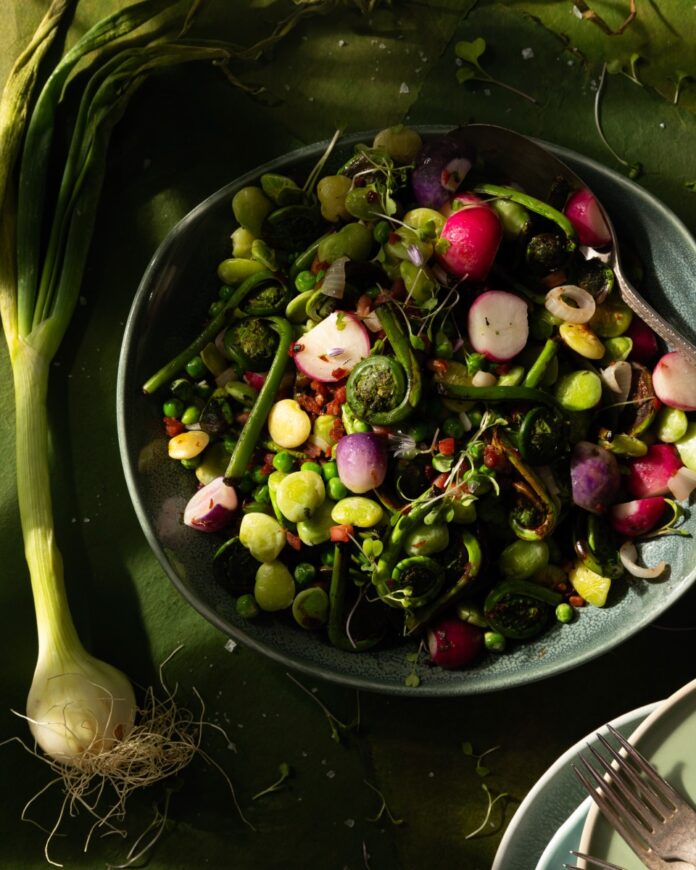
A big teal bowl of springtime vegetable succotash using radishes and various green sprouts as a green onion sits to the left of the bowl.

Some of us remember succotash from our childhoods. It’s basically just a mixed veggie sautée. The combination of fresh vegetables means a meal that’s low-cost to make and still provides a nutritious lunch or dinner. This version brings the dish into the 21st century with the addition of fresh fiddlehead ferns, fresh radishes, and chive flowers. These spring vegetables are the perfect way to transition into the season and make the most of the harvest. Oh, yes—don’t forget some delicious Italian pancetta from your most trusted butcher. Its flavor adds richness to the plate.

Where Does Succotash Come From?

Succotash gets its origins from early America, somewhere between 1745 and 1755. The word itself comes from the Indigenous Algonquian language and quite literally means “boiled whole kernels of corn.” The reason this dish became so popular was because of the way corn, lima beans, and squash (found in the original recipe) would help each other grow year-round. Called “the three sisters” in the Southwest and Mexico, the corn supports the growth of the beans while the squash suppresses the weeds and the beans also enrich the soil. Later on down the line, this dish also supported citizens during the Great Depression whenever food was scarce and filling meals like this one meant a big deal.

Print
clock clock iconcutlery cutlery iconflag flag iconfolder folder iconinstagram instagram iconpinterest pinterest iconfacebook facebook iconprint print iconsquares squares iconheart heart iconheart solid heart solid icon
A big teal bowl of springtime vegetable succotash using radishes and various green sprouts as a green onion sits to the left of the bowl.

Springtime Succotash


  • Author: Anna Franklin

Description

A healthy and nutritious mix of fresh springtime vegetables.


Ingredients

Scale
  • 1 cup pancetta, diced
  • 1 onion, chopped
  • 2 cloves garlic
  • 2 cups fiddlehead ferns
  • 1 bag frozen lima beans, defrosted to room temperature
  • 2 cups fresh or frozen peas, defrosted to room temperature
  • 2 cups radish, diced
  • Chive blossoms


Instructions

  1. In a large sauté pan, add the pancetta and cool until crispy. Add the onion and garlic and sauté for about 1 minute until fragrant.
  2. Add the fiddlehead ferns, lima beans, fresh peas, and radish. Cook until all the vegetables are tender, season with salt and pepper, garnish with chive blossoms and serve.

Recipe and Styling Anna Franklin
Photography by Dave Bryce

Subscribe to TABLE Magazine’s print edition.
Rhubarb Frangipane Tart 

0
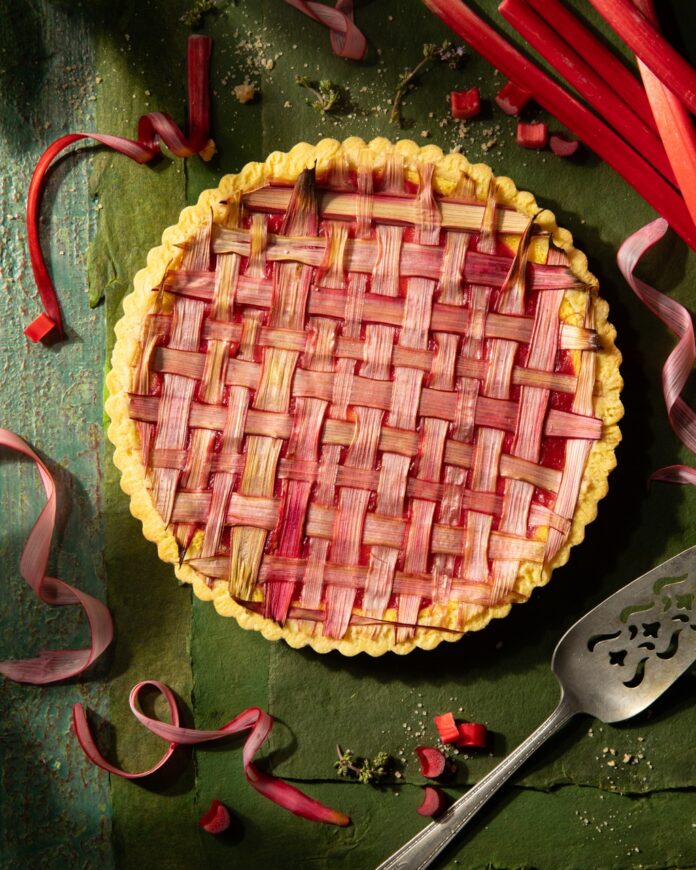
A whole Rhubarb Frangipane Tart with latticed rhubarb slices on top sitting on a green table with a pie spatula nearby.

Don’t let the photo scare you: you DO NOT have to weave your rhubarb slices to enjoy this Rhubarb Frangipane Tart. You could lay them on top of the delicious almond-based frangipane filling any-which-way and the flavor would be just as delicious. If you’re brave, however, and willing to spend a little time slicing stems of rhubarb on a mandoline, it is much easier than it looks. We promise. Head to your local farmer’s market to pick up rhubarb and you can even look for locally made flour as well. In both cases, fresh and local flavors add to the impact on the tastebuds.

What is Frangipane?

Frangipane is a sweet custard cream which uses almonds. It’s a base for various pastries and desserts. This blend of butter, sugar, eggs, and ground almonds creates a rich but also dense filling with a moist, slightly chewy texture. Due to its texture, frangipane usually maintains its shape during baking, making it ideal for tarts, cakes, and pastries. Especially in the case of our Rhubarb Frangipane Tart, it adds a distinctive nutty flavor and smooth consistency that takes this recipe over the top.

Print
clock clock iconcutlery cutlery iconflag flag iconfolder folder iconinstagram instagram iconpinterest pinterest iconfacebook facebook iconprint print iconsquares squares iconheart heart iconheart solid heart solid icon
A Rhubarb Frangipane Tart with a slice taken out of it featuring latticed rhubarb on top and around the tart on the green table.

Rhubarb Frangipane Tart 


  • Author: Anna Franklin

Description

A tart that takes inspiration from the flourishing produce at farmer’s markets.


Ingredients

Scale

For the crust: 

  • 4 1/2 oz butter, softened
  • 3 oz confectioner’s sugar
  • 2 egg yolks
  • 1 tbsp heavy cream
  • 2 tsp vanilla extract
  • 1/4 tsp Kosher salt
  • 8 oz all-purpose flour

For the frangipane filling: 

  • 2 1/2 oz ground almonds
  • 1 1/2 oz confectioner’s sugar
  • 1/4 tsp Kosher salt
  • 1 3/4 oz butter, softened
  • 1 egg yolk
  • 2 oz heavy cream

For the rhubarb topping: 

  • 2 cups rhubarb jam
  • 30 thinly sliced pieces of rhubarb


Instructions

  1. In a stand mixer with the paddle attachment, beat the butter and sugar together at medium speed until creamy, 2 minutes. Add the egg yolks, cream, vanilla and salt, and beat for another minute at medium speed.
  2. Add flour and mix on low until just incorporated. Make into a dough with your hands.
  3. Lightly press the tart dough into your tart pan.
  4. Use your hand and fingers to press it around and up the sides of the pan. Make sure to get the dough the same thickness all over. Place tart pan on a baking sheet and freeze for about 20-30 minutes.
  5. For the filling, in a stand mixer with the paddle attachment, beat the ground almonds, sugar, salt and butter until creamy and lighter, 2-3 minutes.
  6. Add the egg yolk and cream and beat again until incorporated, about 1 minute.
  7. Scrape mixture out of stand mixer bowl and into cooled tart shell. Then add the 2 cups of rhubarb jam and spread evenly.
  8. Top with thinly sliced pieces of rhubarb. (We choose to lattice the pieces, but you can arrange these any way that you’d like.)
  9. Preheat the oven to 350°F.
  10. Bake until the frangipane is just set, 25-30 minutes. Leave to cool on a wire rack.
  11. Eat warm or cold!

Recipe and Styling Anna Franklin
Photography by Dave Bryce

Subscribe to TABLE Magazine’s print edition.
Spring Overture Bee’s Knees Variation Cocktail

0
A bee's knees cocktail on a black background.

Bartender Dan Ball of Pittsburgh-based fine dining staple Hyeholde takes a different approach to the classic Bee’s Knees, subbing out gin for the mix of sweet whiskeys, Tullamore DEW Irish Whiskey and Kinsey Single Hive Honey Whiskey. The result is a delicious springtime cocktail that has a fuller, sweeter body as opposed to an ordinary Bee’s Knees.

What is a Bee’s Knees Cocktail?

The name “Bee’s Knees” itself is an old slang term from the 1920s, meaning something is super cool—just like this timeless drink. It’s a classic cocktail that comes out of the Prohibition Era, typically made with a combination of gin, honey, and lemon. Bartenders had to get creative with how they presented things, because the “bootleg” liquor was often low-quality. The gin probably was not exactly top-shelf, so the honey and lemon would mask the lower-quality taste. However, Dan’s variation uses honey whiskey and honey syrup to make a more complex version, because, thankfully, liquor standards have evolved since Prohibition.

Print
clock clock iconcutlery cutlery iconflag flag iconfolder folder iconinstagram instagram iconpinterest pinterest iconfacebook facebook iconprint print iconsquares squares iconheart heart iconheart solid heart solid icon
A bee's knees cocktail on a black background.

Spring Overture Bee’s Knees Variation Cocktail


  • Author: Dan Ball

Description

  • 1 ½ oz Tullamore DEW Irish Whiskey
  • 1 ½ oz Kinsey Single Hive Honey Whiskey
  • ½ oz honey syrup (honey and water)
  • ½ oz fresh lemon
  • 3-4 drops of absinthe

Ingredients

To make the syrup:

  1. Combine equal parts honey and water in a saucepan, and heat until honey is dissolved.
  2. Store in an airtight container.

For the cocktail: 

  1. Combine all ingredients together in a shaker, then shake and strain into a rocks glass filled with ice.
  2. Garnish with a lemon wedge, a sprig of lemon balm, and enjoy!


Recipe by Dan Ball
Styling by Keith Recker
Photography by Dave Bryce

Subscribe to TABLE Magazine‘s print edition.

Platypus Raspberry Ginger Cocktail

0
A red cocktail on a black background from Dan Ball of Hyeholde.

Dan Ball, bartender from Pittsburgh’s fine dining spot Hyeholde, brings simple, bold flavors to this ginger cocktail, the Platypus. Like the quirky mammal that doesn’t quite fit into any one category with its furry body, webbed feet, and adorable duck bill, this cocktail mixes disparate elements together to create a unique whole. It’s the perfect spring cocktail, with a hint of spice from the Domaine de Canton Ginger Liqueur and a botanical body from Hendrick’s Gin. For another warm weather cocktail from Hyeholde, try their Porch Rocker Summer Spritz.

About Hendrick’s Gin

Hendrick’s is one of the most unique gins out there. Brand representative Vance Henderson described Hendricks’s strategy as “to zig when other brands zag.” Hendrick’s rose and cucumber as botanicals in gin as opposed to the traditional juniper. While gin’s center is juniper and most tend to use similar pinier herbs, Hendrick’s pairs well with the raspberry and ginger in this cocktail recipe because of its less herby, springier botanicals. The combination of lemon, raspberry, gin, and ginger and a little mint garnish is perfect for springtime on the porch.

Print
clock clock iconcutlery cutlery iconflag flag iconfolder folder iconinstagram instagram iconpinterest pinterest iconfacebook facebook iconprint print iconsquares squares iconheart heart iconheart solid heart solid icon
A red cocktail on a black background from Dan Ball of Hyeholde.

Platypus Ginger Cocktail


  • Author: Dan Ball

Ingredients

Scale
  • 1 ½ oz Hendrick’s Gin
  • ½ oz Domaine de Canton Ginger liqueur
  • 2 oz raspberry syrup
  • 1 oz fresh lemon juice


Instructions

  1. Shake all ingredients together, then pour into a tall glass with ice.
  2. Garnish with fresh raspberries and mint.

Recipe by Dan Ball
Styling by Keith Recker
Photography by Dave Bryce

Subscribe to TABLE Magazine‘s print edition.

Market Alley Gin Punch

0
A glass of Market Alley Gin Punch on a black backgroound.

Dan Ball of Hyeholde shows his love for cocktail fun with this Market Alley Punch, featuring a house-made blueberry syrup and Market Alley Gin. This one is for all the party punch lovers out there, perfect for spring and summer gatherings when the blueberries are ripe and the drinks are flowing. For another blueberry gin cocktail, try our Blueberry French 75.

About Market Alley Gin

Market Alley is a Pennsylvania original from Thistle Finch Distilling. The flavor of this new American style gin has a mixture of traditional botanicals, citrus accents, and other local flavors. Thistle Finch distills their gin in small batches in the heart of Lancaster, the rolling hills of central Pennsylvania. They produce rye whiskey, bourbon, rum, and vodka along with gin, so there’s a spirit for everyone.

Print
clock clock iconcutlery cutlery iconflag flag iconfolder folder iconinstagram instagram iconpinterest pinterest iconfacebook facebook iconprint print iconsquares squares iconheart heart iconheart solid heart solid icon
A glass of Market Alley Gin Punch on a black backgroound.

Market Alley Gin Punch


  • Author: Dan Ball

Ingredients

Scale
  • 2 oz Thistle Finch Market Alley Gin
  • 2 oz blueberry syrup
  • 1 oz fresh lemon juice
  • 2 oz ginger beer


Instructions

  1. To make the syrup, bring a 1/2 cup water to a boil, then add ½ cup sugar and ¼ cup blueberries. Strain and store in an airtight container.
  2. Shake the syrup, juice, and gin together. Strain into a tall glass with ice, and top with pickled hibiscus and a blueberry skewer. Enjoy!

Recipe by Dan Ball
Styling by Keith Recker
Photography by Dave Bryce

Subscribe to TABLE Magazine‘s print edition.

Create a free account, or log in.

Gain access to read this content, plus limited free content.

Yes! I would like to receive new content and updates.

Table Magazine wants to know your location.

TABLE Magazine operates regional sites - Knowing your location helps us route you to the appropriate site for the best experience.