Home Blog Page 272

Selima Dawson

0

Sponsored by The Pittsburgh Foundation and Opportunity Fund, the Exposure Artists Program (EAP) is guided by a shared belief in the need to support creative practice, to cultivate and fund diversity, and to advocate for racial justice in the arts community. EAP aims to elevate the work of artists through activities that create/generate/enhance visibility for the creative process, artwork and social issues of our time. Selima Dawson is a 2022 EAP honoree.

In February 2022, The Pittsburgh Foundation awarded over $200,000 in funding to recipients of its inaugural Exposure Artists Program. This award is designed to support creative practice, and promote diversity and racial justice within the arts community. TABLE contributor Jasmine Zavala sat down with four awardees, each awe-inspiring and tenacious, who shared the impact that this grant has had on their lives and their artistry. One common theme: space. Whether physical, emotional or aspirational, each artist discussed how this award granted them more room to continue expanding their craft. Jasmine hopes that their stories inspire you to save a little art in your heart by attending one of their upcoming events, lingering at that mural a little longer, or even whipping up a sketch of your own. After all, as artist Clara Kent says, “Art is for all of us.”

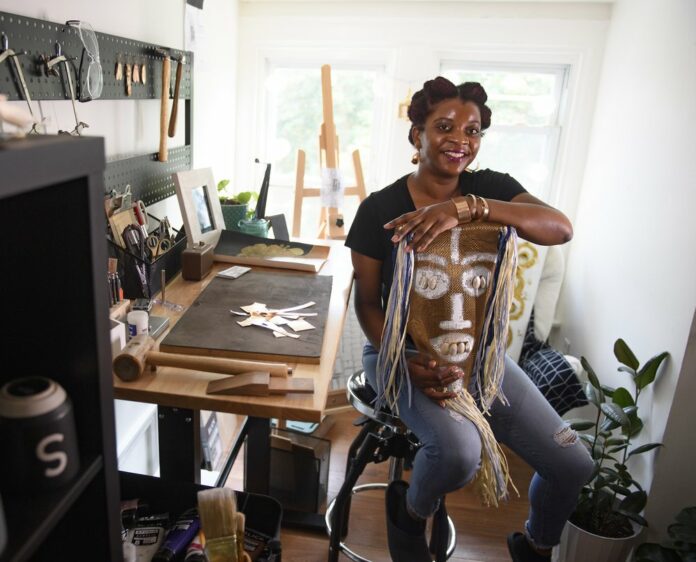
As she lifts up a piece of gilded wire mesh and runs her fingers along the carefully placed wood and shell beads, I feel in awe of the task that visual artist Selima Dawson has ahead of her. Dawson is owner and metalsmith of Blakbird Jewelry, a line comprised of sleek, hand-cut bronze accessories. With pieces like bean pod hoops and ginkgo leaf dangle earrings, it’s hard to imagine how Dawson manages to make such a strong material look and feel so light.

“It’s the toughest thing I’ve ever worked with, and I think I really like that. There’s a certain amount of strength you have to put into working with metal,” she says.

Selima’s smithing is well-known in Pittsburgh, but she has recently felt the call to shift to something that hits a little closer to home. Her current project involves using genetic memory to study African ancestry, by combing through her old family photos, conducting research at the Schomburg Center in New York, and having conversations with newly found loved ones. The end result? Pieces that share her family’s complex story, preserve their memories, and deepen her connection with her late parents.

“My dad [a painter] had a show in Paris and I found a self-portrait that he took at Notre Dame. I showed my nephew that photograph and it turned out that nobody in the family had seen it before. It’s interesting because it seems like this is something that’s meant to be. You know? That my dad wanted me to have this picture so I can share it with my family,” says Selima.

Embarking on this artistic journey has allowed Selima to connect with her father’s relatives, share stories about his life, and make new memories together. “I was actually able to give my nephew one of my dad’s prints because he didn’t have any of his work and it really, really means a lot,” she says.

 As the daughter of two artists, Selima learned early on to listen to her intuition and to start creating with what she had. “My mother was a seamstress, she was a quilter. She was just always doing things with her hands. There’s a lot of things that I actually didn’t see my dad do, but my mom would tell me about the way that he worked. He definitely used everything that he had. He would make something out of nothing,” she says.

Selima’s father passed away when she was 10 years old, but she still finds a way to connect with him through her artistry. “Art was a way that we connected before he passed away, but that’s also a connection that I’ve maintained with him because as I’ve grown up. I’ve learned more about him as an artist and have taken things from that,” she says.

With the grant from the Exposure Artists Program, Selima has pivoted from producing new jewelry for Blakbird. Her current project, The Memoranda Project, has prodded her to expand her artistry through the utilization of new techniques, and to meld her metal craftsmanship with her visual art background.

“It’s a very intuitive process that I’m still figuring out how to do, but I know that I’m supposed to be doing it,” she says.

I scroll through her social media page and find handwritten letters worn at the edges, a lovingly framed photo of her mother whose eyes she shares, and small metallic paintings that depict snapshots of what is to come. Each post provides a heartfelt reflection of the complex emotions that she unravels at this stage in the process. I ask Selima what receiving this award means to her. “It’s just very validating. It is confirmation of being on the right path and it’s nice that somebody was interested in my story. They thought it was something that they wanted to see more of.”

To witness what Selima refers to as “An Artistic Tribute to [Her] Ancestors,” follow her Instagram @thememoranda. The vignettes that she provides into her creative process are just as awe-inspiring as the story that she is unfolding about her family.

Read about other 2022 Exposure Artist Program honorees:

LaVerne Kemp

Winston Bell

Clara Kent

STORY BY Jasmine Zavala/PHOTOGRAPHY BY Jeff swensen

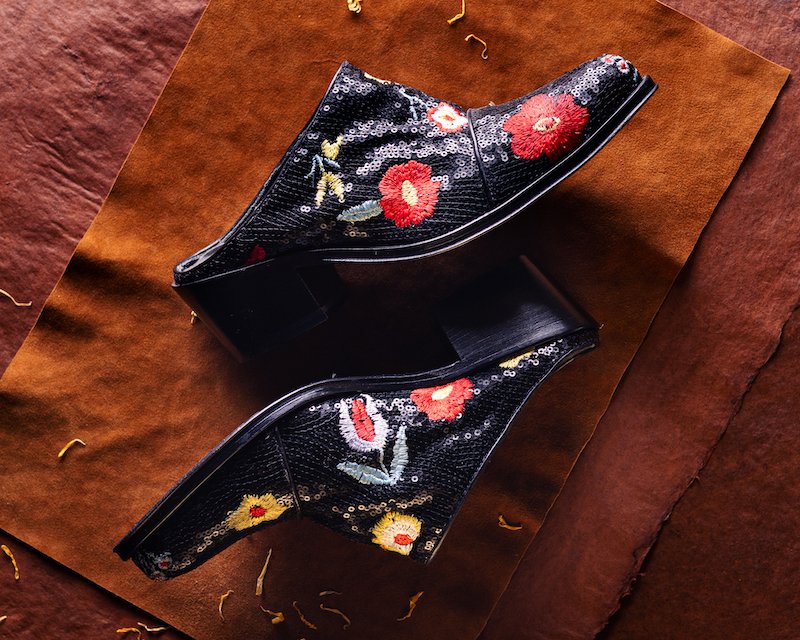
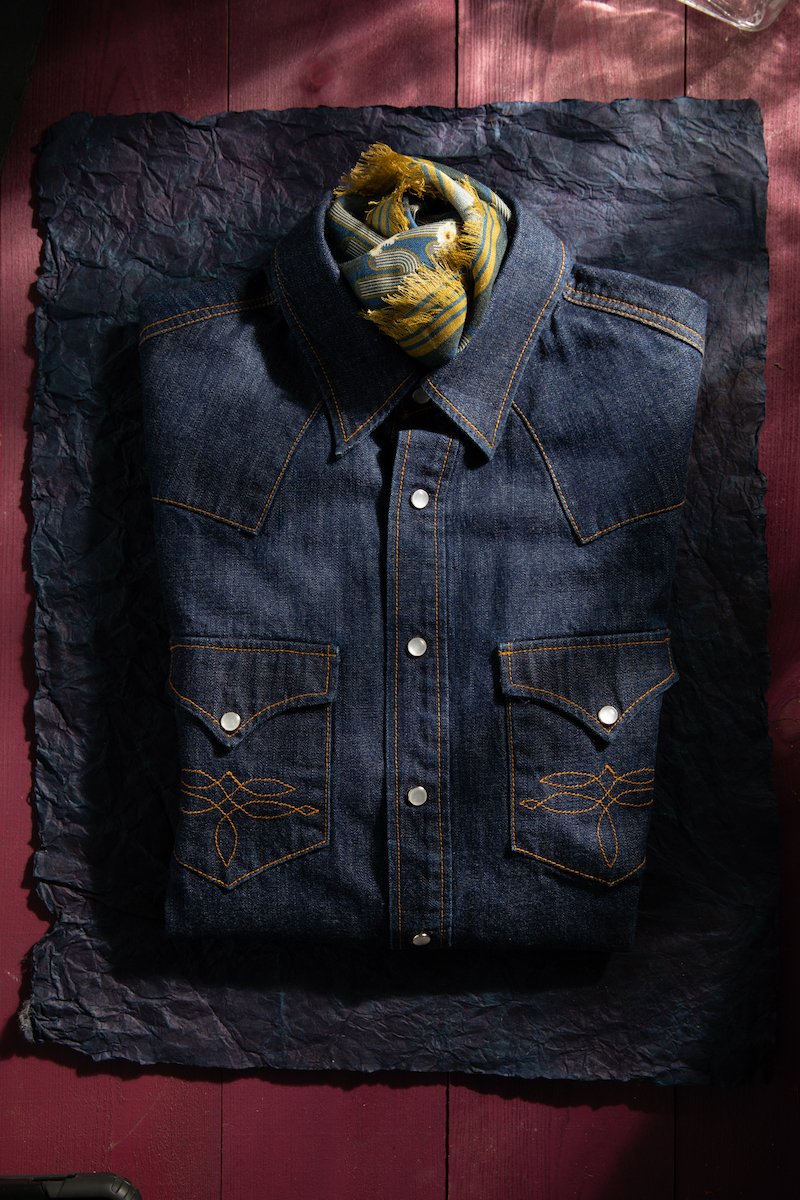
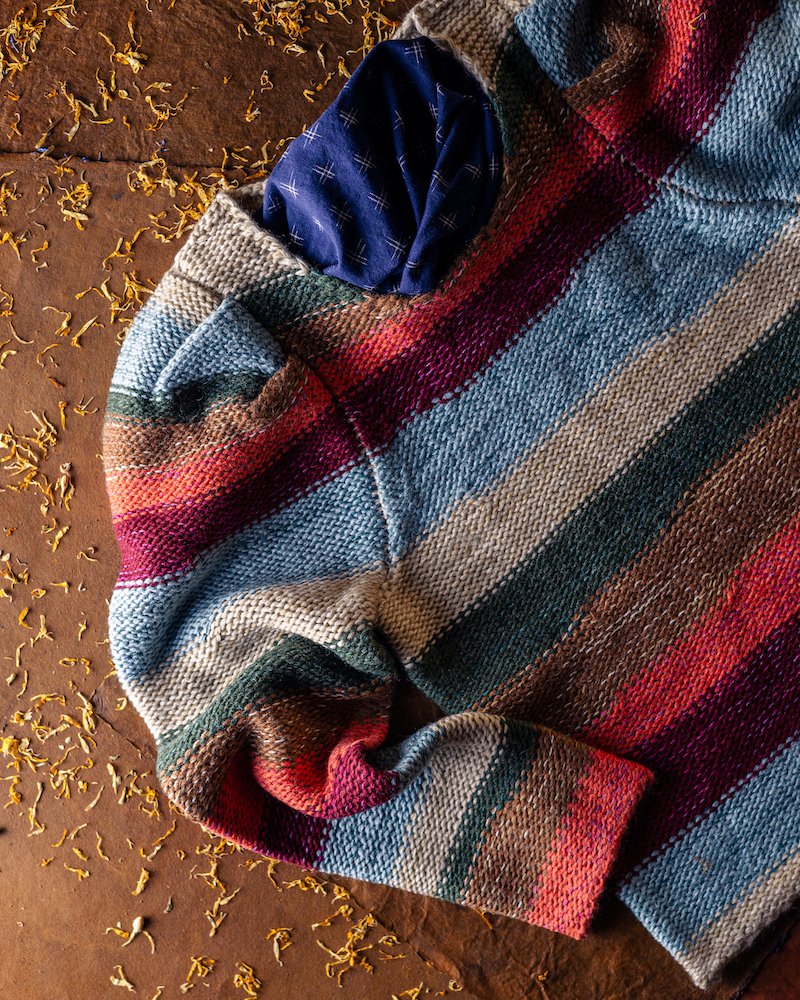
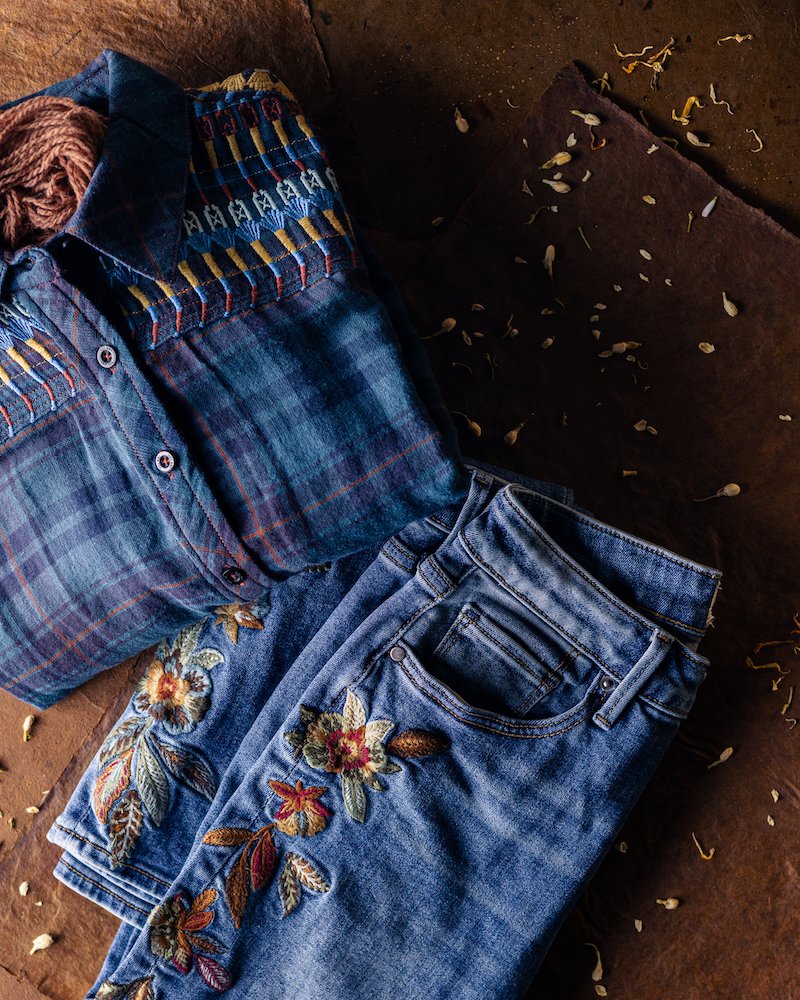
New Mexico Gift Guide | Fashion & Jewelry

0

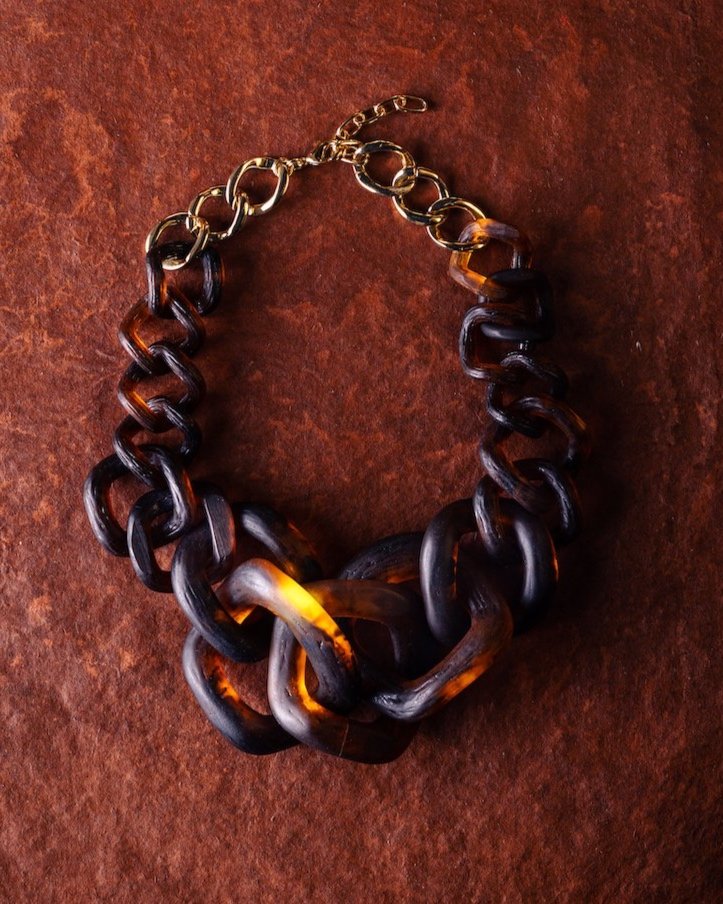
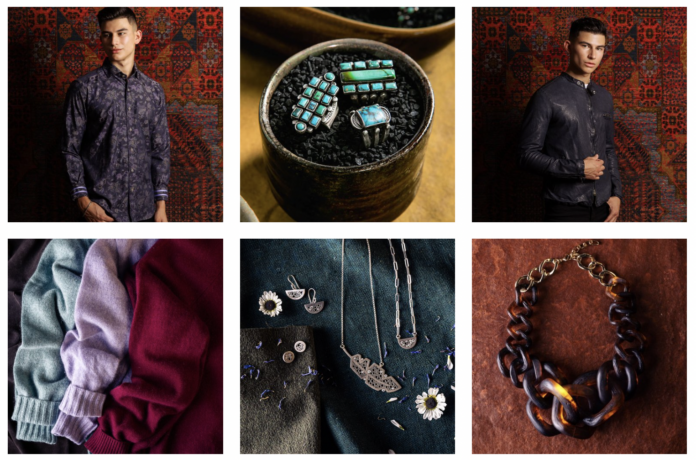
NEW MEXICO GIFT GUIDE: FASHION AND JEWELRY

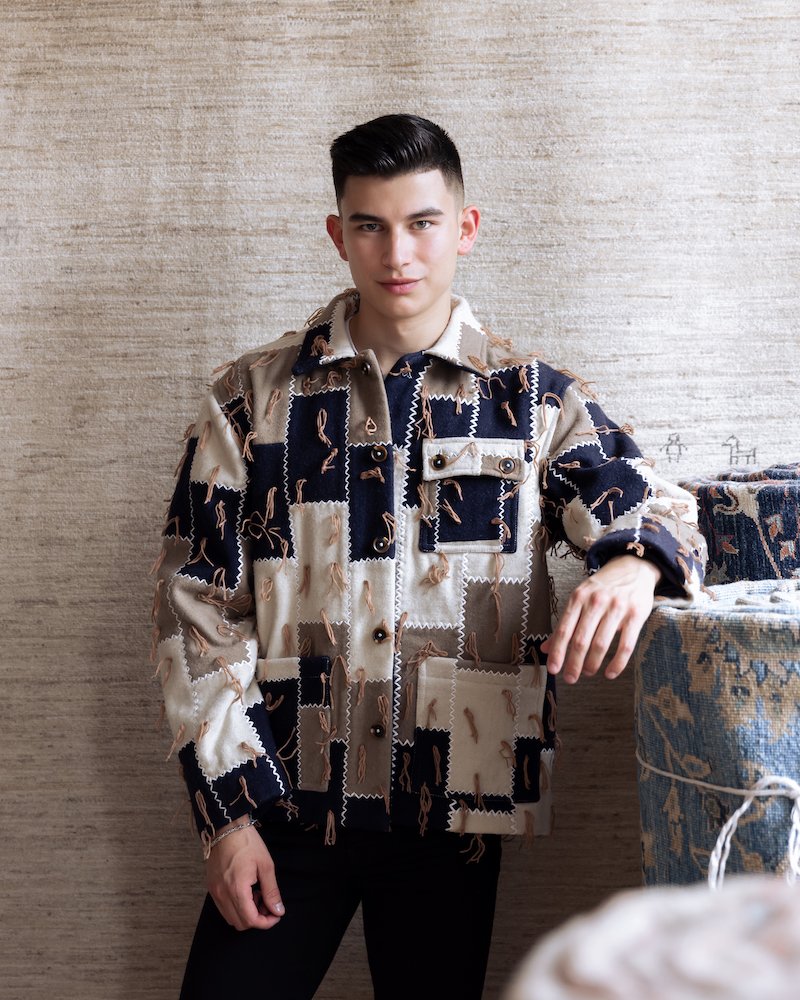
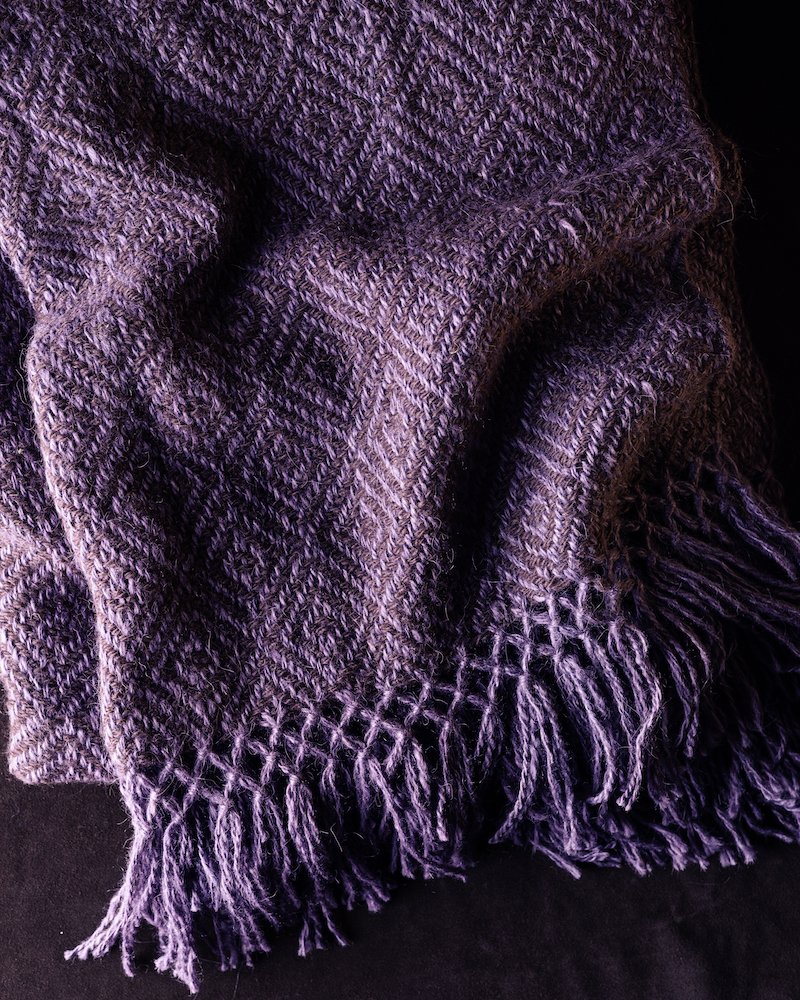
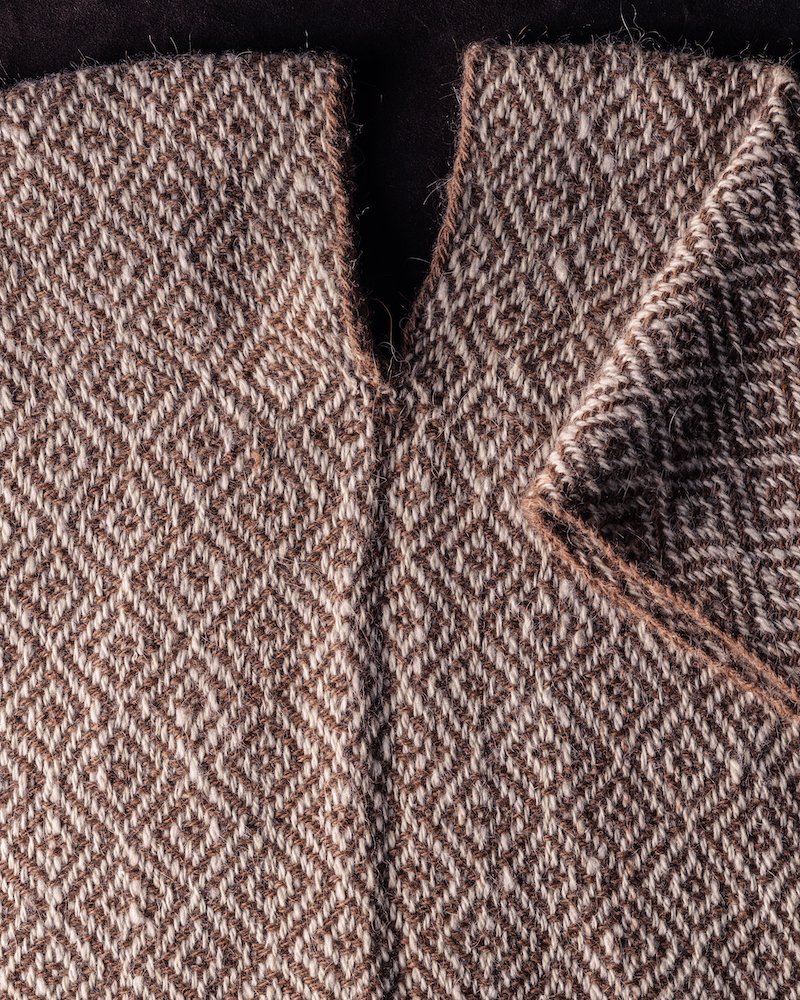
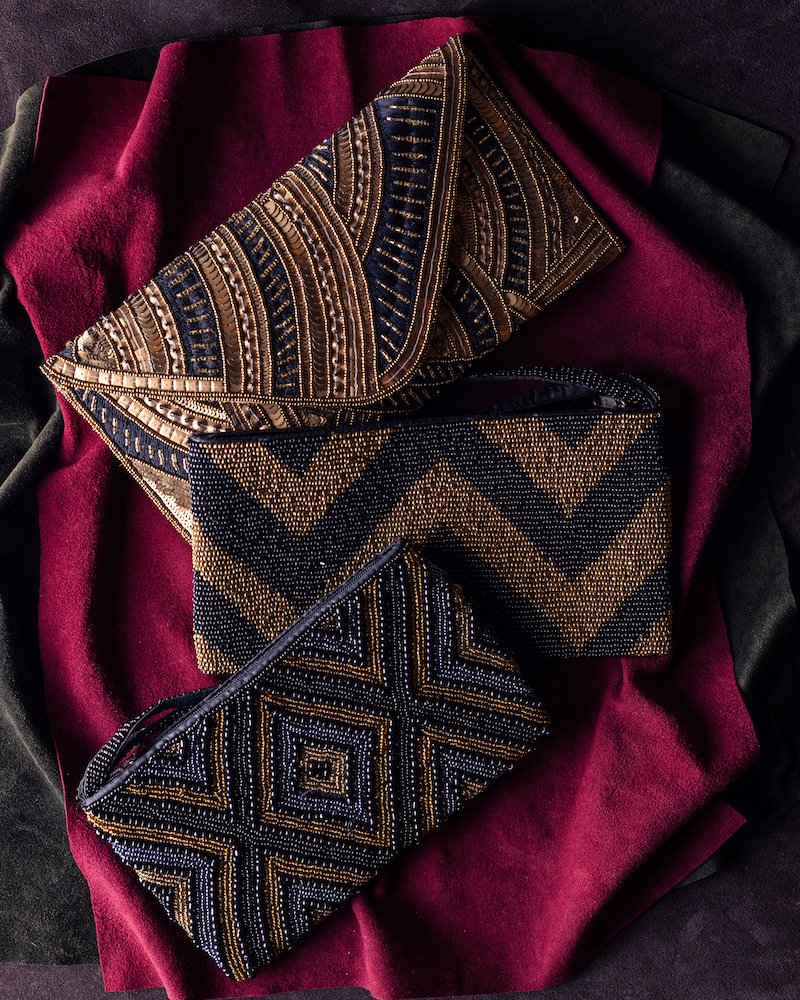
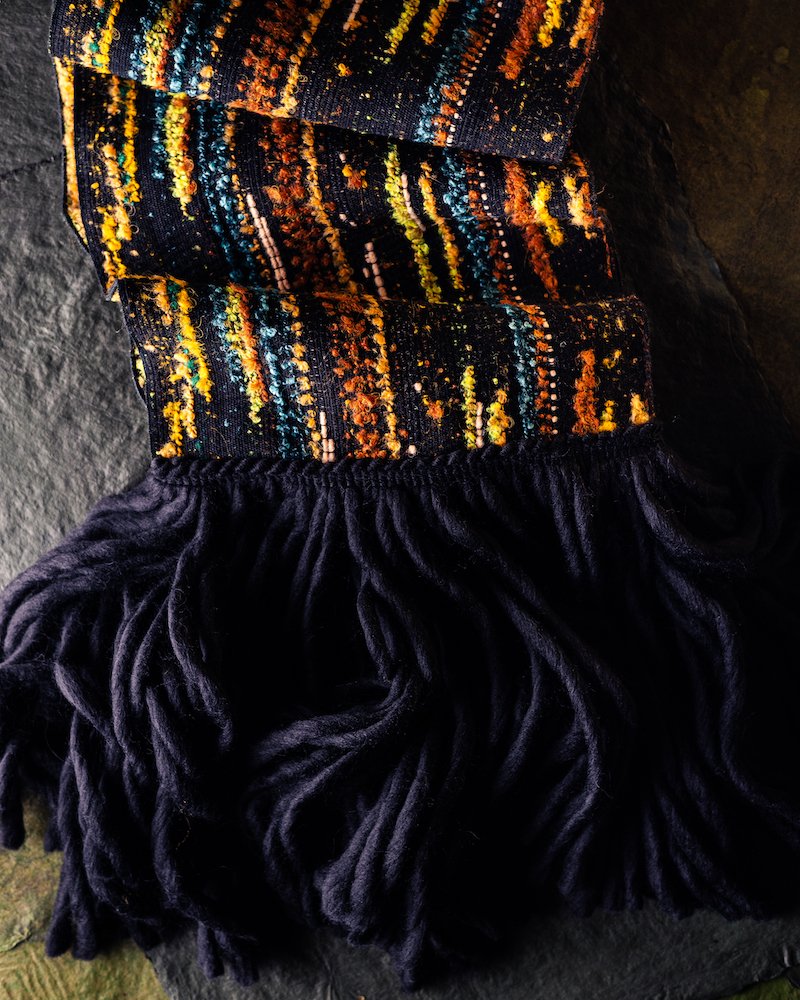
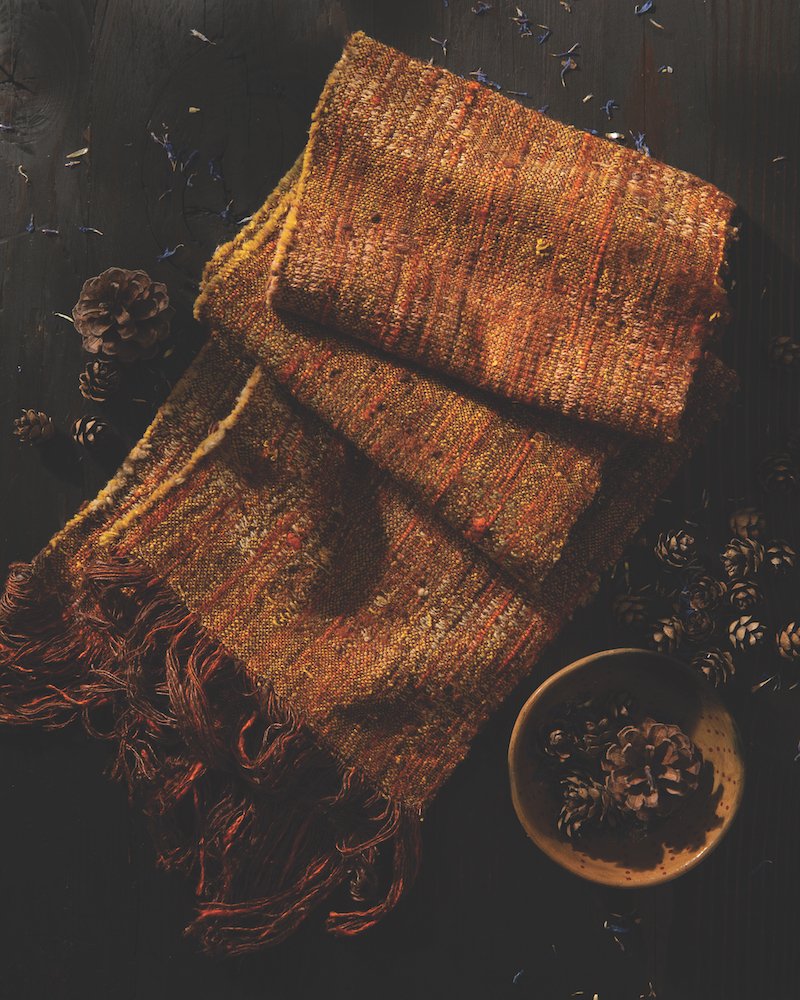
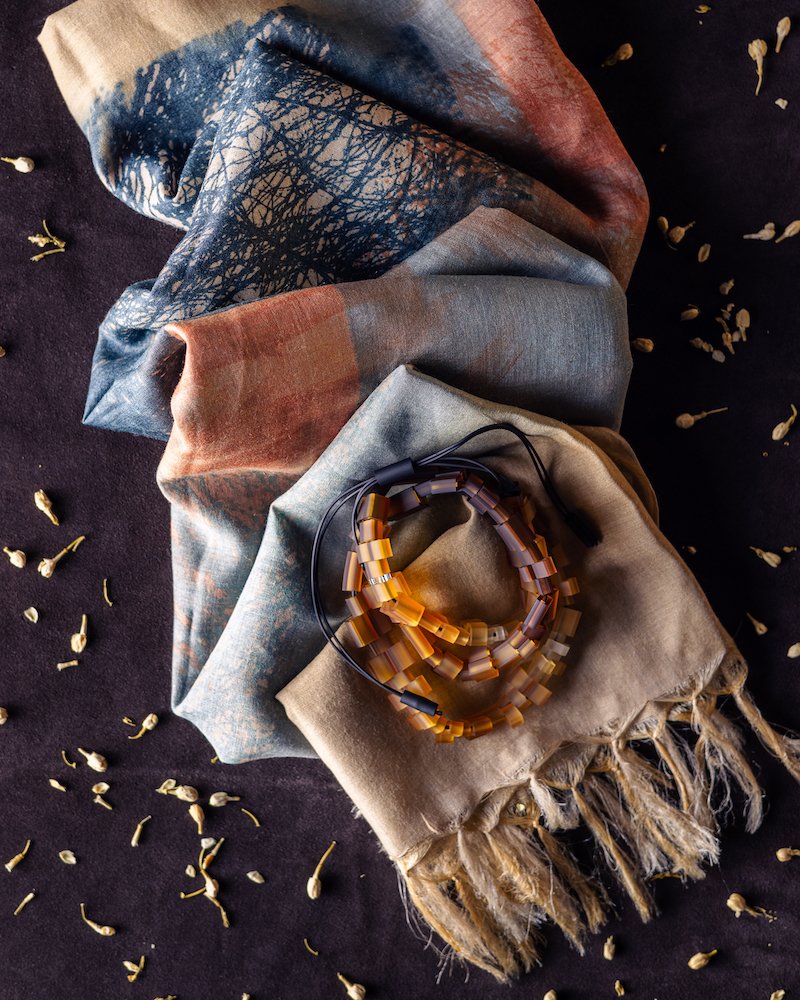
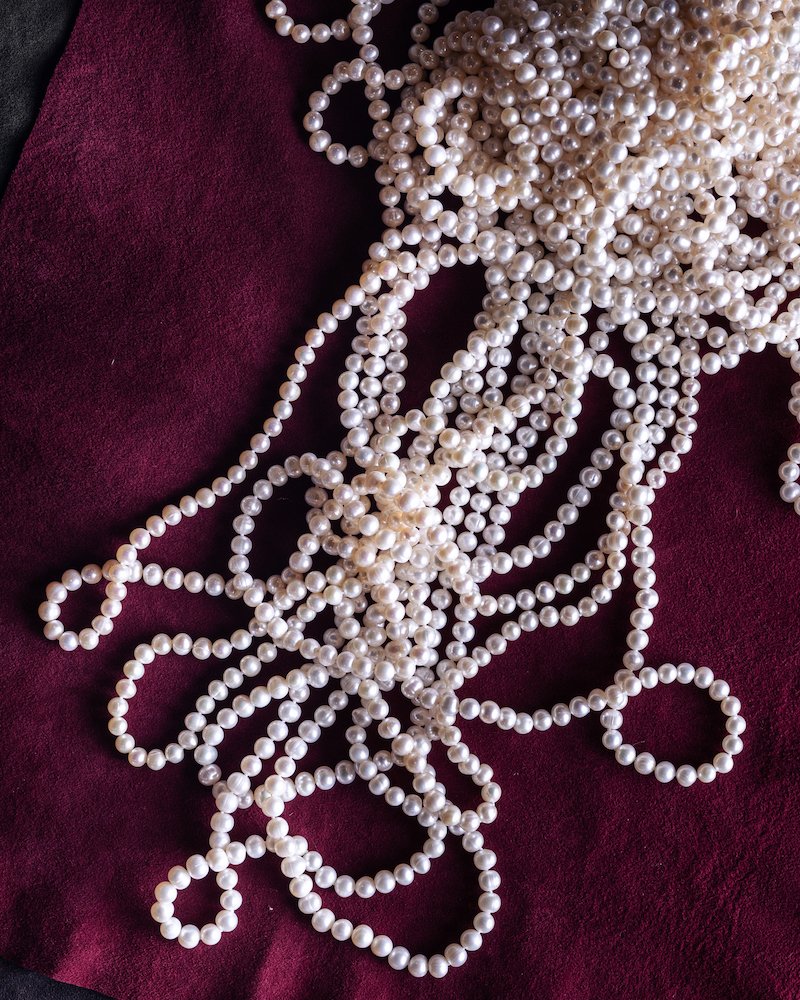
Our local boutique owners are expert curators of what we want, need, and have to have. They’re also integral to what makes our streets lively and beautiful. Let’s get out there and buy local this winter: you’re sure to find a gem within every doorway…not to mention a warm welcome.

Story by Keith Recker
Photography by Tira Howard
Model Marcos Leyba shot on location at Arrediamo, arrediamo.com
Still lives shot on location at Open Kitchen, openkitchenevents.com

Don’t miss a single delicious thing:

Subscribe to TABLE Magazine here!

Annual Holiday Gift Guide

0

Our local boutique owners are expert curators of what we want, need, and have to have. They’re also integral to what makes our streets lively and beautiful. A few strolls around historic Santa Fe, as well as driving tours through Albuquerque and Taos, revealed the splendor in store for you when you keep your shopping local.

Let’s get out there and buy local this winter: you’re sure to find a gem within every doorway…not to mention a warm welcome.

Fashion and Jewlery

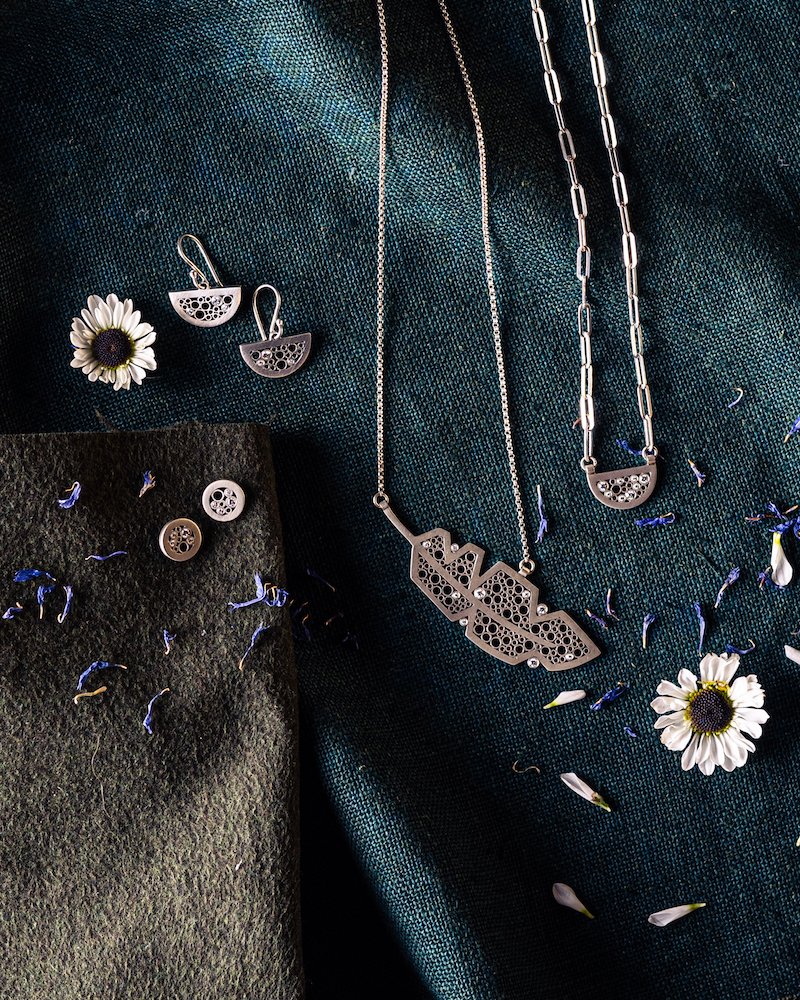
Fashion jewelry gift ideas

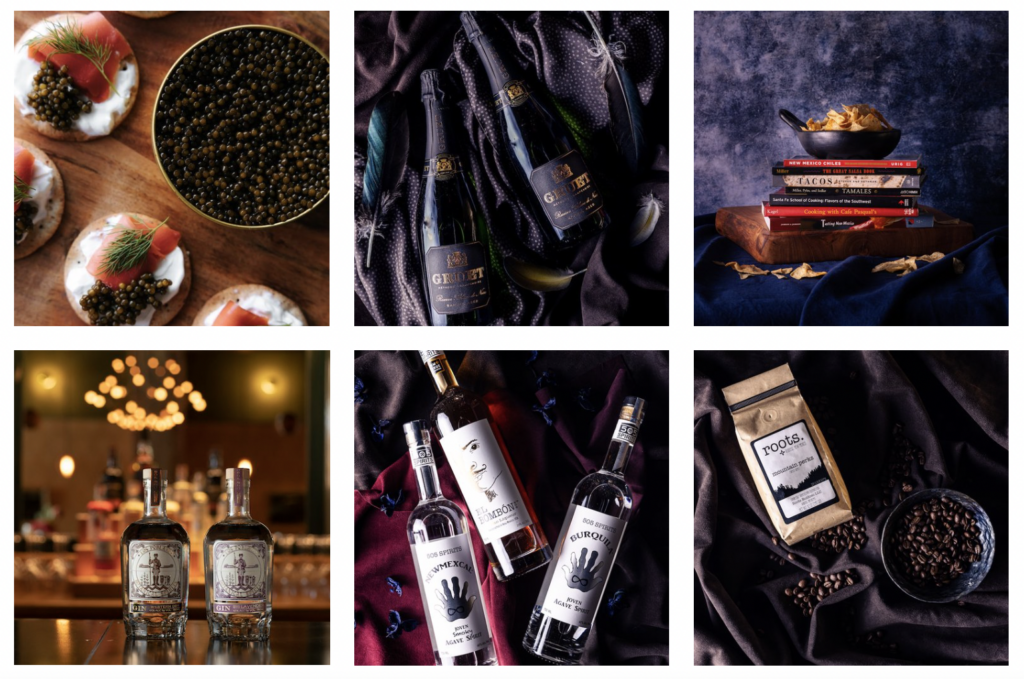
FOOD & DRINK GIFT INSPIRATION

Curated product selection featured in online lifestyle gift guide layout

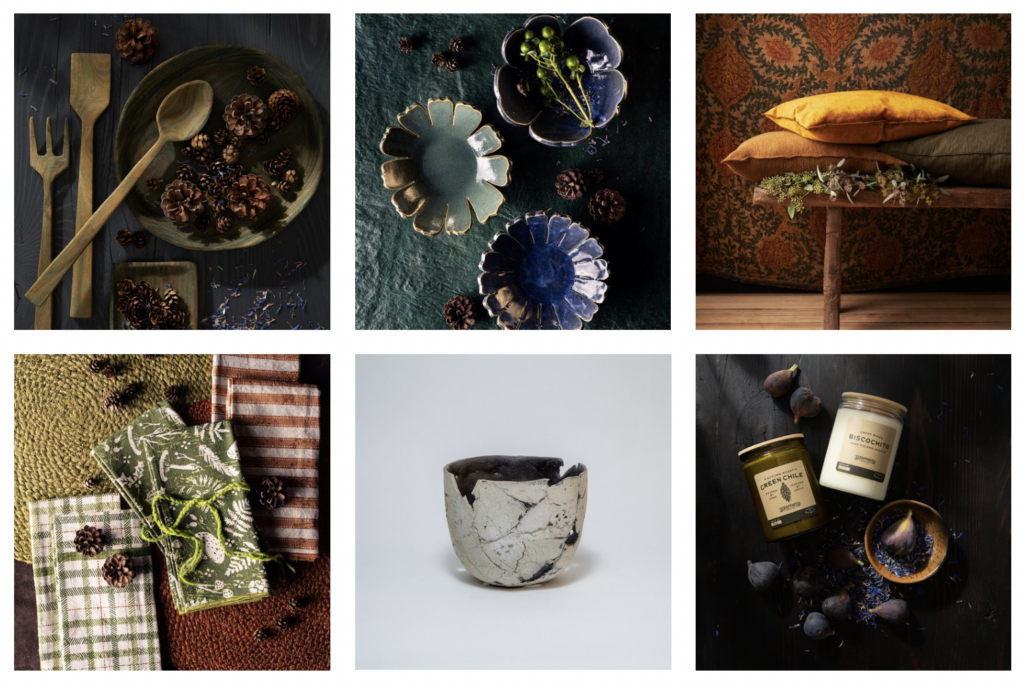
HOME & GIFT IDEAS

Shopping guide layout featuring curated fashion accessories and lifestyle products

Story by Keith Recker / Photography by Tira Howard

Mattress Factory Exhibitions for 2023

0
Lenka Clayton (Derbyshire, UK) and Phillip Andrew Lewis (Memphis, Tennessee) have solo and collaborative practices and have been working together since 2017. Their projects include a public gallery that is always closed, an 8ft long bronze plaque marking the history of their studio building over the last 600 million years, and most recently, the construction of a full-scale working lighthouse, encapsulated inside a burnt-out house

Sponsored Content

Now in their 45th year, the Mattress Factory is committed to their legacy of providing unparalleled support to artists from around the world and from around the corner. 2023 is an exciting year for the Museum as they prepare to open new exhibitions from seven artists across three countries.

These new exhibition programs will keep you engaged, challenged, and inspired by ambitious and provocative works of art all year long. As we look towards 2023 and beyond, we are dedicated to placing the artists and their processes at the forefront of our work.

OPENING MARCH 2023

Philip Andrew Lewis and Lenka Clayton (Pittsburgh, PA),  

Lydia Rosenberg (Pittsburgh, PA), and Katie Bullock (Albion, MI) opening in the Monterey Annex.

Lenka Clayton (Derbyshire, UK) and Phillip Andrew Lewis (Memphis, Tennessee) have solo and collaborative practices and have been working together since 2017. Their projects include a public gallery that is always closed, an 8ft long bronze plaque marking the history of their studio building over the last 600 million years, and most recently, the construction of a full-scale working lighthouse, encapsulated inside a burnt-out house
Lydia Rosenberg is an artist, educator, & exhibition organizer currently based in Pittsburgh. Her work, primarily in sculpture, is concerned with the impact of language on our perception of objects and is informed by an interest in the concreteness of matter in contrast to subjective interpretation.
Katie Bullock catalogs and works with observed “everyday” moments and phenomena, driven by the complexity of truth that taking note can reveal. She currently lives and works in Albion, Michigan.

OPENING APRIL 2023

Shohei Katayama (Louisville, KY) opening in the Main Building

Shohei Katayama is a Japanese American who explores the space between light and dark, life and death, beauty and danger, nature and man. Utilizing his art as a catalyst for environmental conversations, his work examines the underlying patterns and forces of nature by showcasing unseen relationships in ecology.

OPENING JUNE 2023

Asim Waqif (New Delhi, India) opening in the Main Building

Asim Waqif uses materials as the starting point for his works: whether objects with which he has long, complicated histories, detritus he has collected from various sources, or plant forms he has nurtured into being. Apart from the sheer physical voluptuousness of Waqif’s sculptures, their combinations of natural and industrial materials force us to confront many of humanity’s most urgent dilemmas, positing a moment in history (now?) when civilization may be losing control of itself.

OPENING SEPTEMBER 2023

Andrea Peña (Montreal, Canada) opening in the Main Building

A hybrid Latinx artist, Andrea Peña was originally born in Bogota, Colombia and has carved her practice in the territory of Tiohti:áke, Montreal. Her practice as designer and choreographer merges the body and materiality in performative, digital and sculptural works to create living arts universes. Andrea is recognized for her creations as critical, alternative and spatial universes that break with our notions and conceptions of a sensitive humanity and engage in rich encounters between conceptual research and a highly physical and material approach.

When you support the Mattress Factory with a year-end gift or membership purchase, you give their 2023 artists-in-residence the time, space, materials and resources to explore new ideas, take artistic risks and engage with the Pittsburgh community.

Their remarkable works help us see our world from new perspectives.

Become a member and give yourself the gift of art throughout 2023.

(Link: mattress.org/Table2023)

Charred Hatch Chili Corn Chowder

0
Green and yellow colors populate this corn chowder image
Smoky and sweet adopt one another in this hearty corn chowder.

A rich and creamy chowder is the a great way to impart the flavors of the previous season into a colder weather meal. Pull out some of those fresh ears of corn you froze at the end of the summer for this corn chowder recipe. Smoky and sweet collide in a bowl of distinctive tastes that are sure to warm you up from the inside out.

CHARRED HATCH CHILI CORN CHOWDER RECIPE

INGREDIENTS

3 hatch chiles

1 cup dried corn

1 onion, chopped

2 cloves garlic, minced

3 russet potatoes, peeled and diced

3 ears fresh corn, cut off the cob

3 quarts chicken/vegetable broth

2 tbsp olive oil

1/2 cup heavy cream

1 tbsp salt

INSTRUCTIONS

In a large stock pot, add olive oil, onion, and garlic and cook until aromatic.

Add dried corn and broth, and simmer until corn is slightly al dente.

While the corn is cooking, place the chiles directly on your stove top flame and let them cook until the skin of the peppers is black. Once they are cool, cut the peppers open to remove the seeds and scrape off the charred skins. Dice into bite sized pieces and set aside.

Once the corn is soft, add potatoes, charred hatch chiles and fresh corn. Simmer for 20 more minutes until the potatoes are cooked through.

Finish with heavy cream (do not boil once cream is added).

Garnish with a drizzle of leek olive oil and fresh cracked pepper.

Recipe and Styling by Anna Calabrese / Photography by Dave Bryce

Try these other fun recipes with corn:

Corn Flan

Seared Scallops with Warn Corn and Chorizo Salsa

Lentil Asparagus Corn Salad

Roasted Beet Salad with French Vinaigrette

0
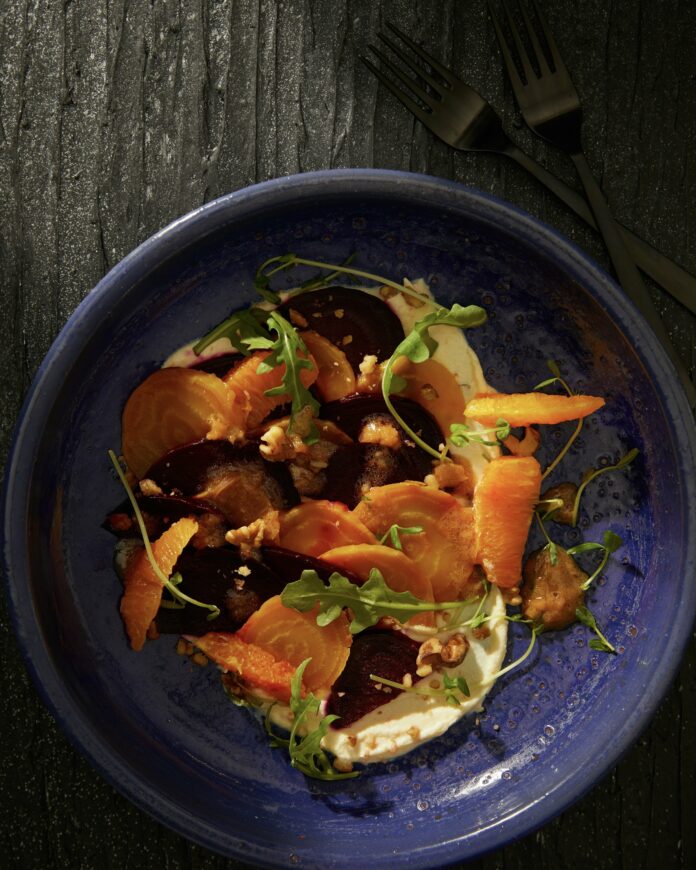
A roasted beet salad with both yellow and red beets in it, topped with vinaigrette

Beets are wonderful winter fare! They’re actually at their best late in the season, when they’ve had time to accumulate the natural sugars and earthy flavors they’re so famous for. With this Roasted Beet Salad recipe, you can bring out all their virtues with a quick roasting session, and a drizzle of delicious vinaigrette. Enjoy!

Tips for Making Roasted Beets 

You want to choose fresh beets to roast when you shop for your roasted beet salad. Look for beets that are firm, smooth, and have a vibrant color: a beautiful golden or rich, deep magenta. Smaller to medium-sized beets tend to be more tender and cook faster than larger ones. When you start to prepare them, cut off the beet greens and trim the root end. But, don’t cut off too much. You want to leave enough to keep the beets from “bleeding” too much during roasting. The beet stems can also be greens in another salad instead of being thrown out! Though when you make an ordinary salad, you might peel the beets first, when you roast them, the protocol will be different. You won’t want to peel the beets until they’re done, since the skin will be much softer after roasting.

Print
clock clock iconcutlery cutlery iconflag flag iconfolder folder iconinstagram instagram iconpinterest pinterest iconfacebook facebook iconprint print iconsquares squares iconheart heart iconheart solid heart solid icon
A roasted beet salad with both yellow and red beets in it, topped with vinaigrette

Roasted Beet Salad with French Vinaigrette


  • Author: Veda Sankaran

Description

Roasted beets of different colors merge with creamy ricotta and a flavorful vinaigrette.


Ingredients

Scale
  • Fresh beets

For the vinaigrette:

  • 4 tbsps walnut oil
  • 1 tbsp balsamic vinegar
  • 2 tbsps finely minced shallots
  • 1 tsp Dijon mustard
  • 1 tsp sugar
  • Salt to taste
  • Pepper to taste

For the whipped ricotta:

  • 16 oz whole milk ricotta
  • 1 tbsp olive oil
  • 1 ½ tsp grated orange zest
  • 3 tsp honey
  • pinch of salt


Instructions

  1. Preheat the oven to 400 degrees.
  2. Wash the beets thoroughly and pat dry with paper towels. Cut off any greens from the top. Rub a little oil on the skin and wrap loosely with the foil pinching the edges to seal tightly. Place on a rimmed baking sheet and roast for 40 minutes, checking after 20 minutes to rotate the beets. They will be done when a knife can be inserted easily into the middle.
  3. Once cooled, you can unwrap and slice them thinly. Make certain to keep the red and yellow beets separately until ready to use so that the colors don’t bleed.
  4. To assemble, place a schmear of the whipped ricotta on the bottom of a serving plate, top with the beet slices and orange segments, sprinkle on the arugula, pea shoots, and walnuts. Top with the vinaigrette immediately before serving

Recipe and Styling by Veda Sankaran
Photography by Dave Bryce

Subscribe to TABLE Magazine’s print edition

Chicken Paprikash with Dumplings

0
A chicken paprikash meal featuring layers of flavor and character that’ll leave your family and your tastebuds feeling very happy.
A meal with layers of flavor and character that’ll leave your family and your tastebuds feeling very happy.

A dish that makes you remember Sunday winter feasts your grandmother served up, replete with bubbling stews and steamy, tender dumplings, this dish improves upon the traditions of yesteryear with layers of flavor and character. At the end of this kitchen journey, pair the dish with a buttery white Burgundy or a hearty red Nebbiolo. Your family (and your tastebuds) will be happy.

CHICKEN PAPRIKASH WITH DUMPLINGS RECIPE

INGREDIENTS

2 tablespoons butter

3 pounds chicken pieces, bone-in and skin-on

2 medium yellow onions, very finely chopped

2 cloves garlic, finely minced

2 Roma tomatoes, seeds removed and very finely diced

1 Hungarian bell pepper, diced

3-4 tablespoons sweet Hungarian paprika

2 cups chicken stock/broth

1 1/2 teaspoons sea salt

1/2 teaspoon freshly ground black pepper

3 tablespoons all-purpose flour

3/4 cup sour cream

1/4 cup heavy cream

For the dumplings:

2 cups all purpose flour

1 tablespoon plus 1 teaspoon, baking powder

1 teaspoon freshly cracked black pepper

1 teaspoon salt

1 tablespoon fresh thyme (or 1 teaspoon dried thyme)

3/4 cup whole milk

4 tablespoons butter, melted

INSTRUCTIONS

Heat the butter in a heavy pot or dutch oven and brown the chicken on all sides. Transfer the chicken to a plate.

In the same oil, add the onions and fry until golden brown. Add the garlic and tomatoes and fry another 2-3 minutes. Remove the pot from the heat and stir in the paprika, salt and pepper (paprika becomes bitter if scorched).

Return the chicken to the pot and place it back over the heat. Pour in the chicken broth. The chicken should be mostly covered. Bring it to a boil. Cover, reduce the heat to medium-low and simmer for 40 minutes. Remove the chicken and transfer to a plate.

In a small bowl, stir the flour into the sour cream/cream mixture to form a smooth paste. Stir the cream mixture into the sauce, whisking constantly to prevent lumps. Bring it to a simmer for a couple of minutes until the sauce is thickened. Add salt and pepper to taste. Return the chicken to the sauce

In a large bowl, whisk together flour, baking powder, pepper, salt and thyme. Make a well in the center of the flour mixture and pour the milk and butter into the center of it. Using a wooden spoon (or rubber spatula), stir together until dough ball forms. If your dough seems too dry, you can add an extra tablespoon of milk. Using a large sized cookie scoop, scoop dough and drop directly into the pot.

Bake at 375 degrees until the dumplings are golden brown, serve

Recipe and Styling by Anna Calabrese / Photography by Dave Bryce

Try these other delicious chicken recipes:
Chicken Chaap

Jerk Chicken

Creole Stewed Chicken

Roasted Potato Venison Shepherd’s Pie

0
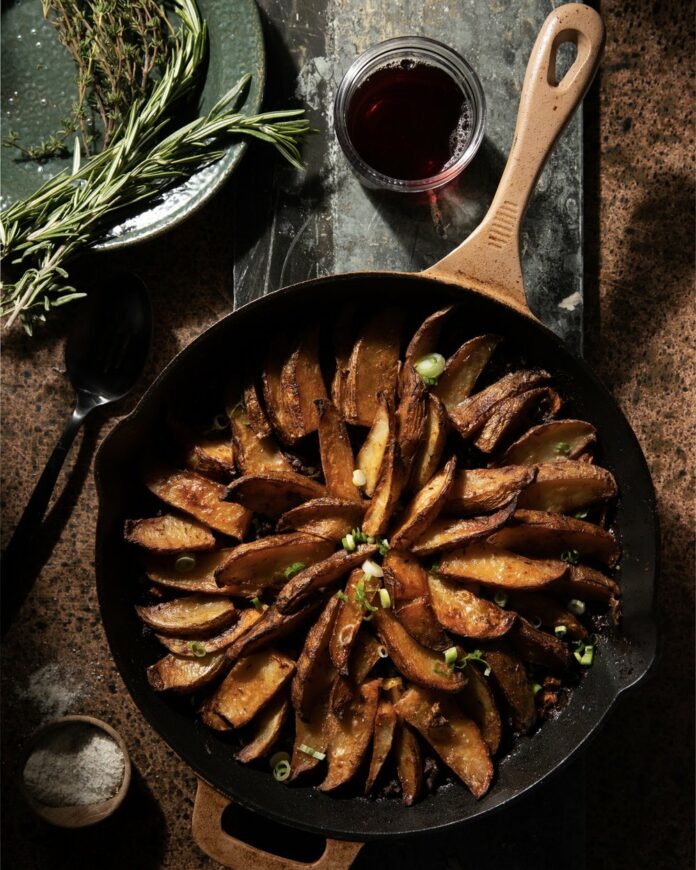
A Roasted Potato Venison Shepherd’s Pie displayed in a cast iron pan.

Hunting season is traditionally a time for venison and other game. Coinciding with the onset of colder weather, it’s also a time for hearty fare. This recipe for Roasted Potato Venison Shepherd’s Pie falls right at the intersection of these two moments… and it’s downright delicious. The layer of potatoes helps keep moisture in the venison, as does the wonderful mix of butter, herbs, vegetables, and wine. If venison’s not your thing, try the recipe with ground bison or ground pork. No matter how you adapt it for your kitchen, this one is a winner.

What is Shepherd’s Pie?

Shepherd’s pie is a comfort dish from the British Isles. Traditionally, it combines minced lamb and a layer of mashed potatoes. The ground lamb gets its flavor from vegetables like onions, carrots, and peas in a rich gravy or sauce. After assembling, you bake the shepherd’s pie till it’s bubbling and warm all throughout. While traditionally made with lamb, versions using ground beef are also popular and often referred to as cottage pie. But in our case, we opt for venison, and swapped roasted potatoes for mashed as the topping.

Print
clock clock iconcutlery cutlery iconflag flag iconfolder folder iconinstagram instagram iconpinterest pinterest iconfacebook facebook iconprint print iconsquares squares iconheart heart iconheart solid heart solid icon
A Roasted Potato Venison Shepherd’s Pie displayed in a cast iron pan.

Roasted Potato Venison Shepherd’s Pie


  • Author: Anna Franklin

Description

The addition of venison in this shepherd’s pie recipe adds a robust depth to this comforting dish.


Ingredients

Scale

  • 3 tbsp butter
  • 2 lb ground venison
  • 1 tbsp tomato paste
  • 1/2 cup red wine
  • 1 1/2 cups beef broth
  • 1 onion, diced
  • 1/4 cup flour
  • 4 cloves garlic, minced
  • 1 cup diced carrot
  • 1 cup fresh or frozen peas
  • 1 cup radish, diced
  • 1 tsp dried thyme
  • 1 tsp paprika
  • 1 tbsp salt
  • 2 russet potatoes, sliced into wedges


Instructions

  1. Preheat oven to 350 degrees.
  2. In a large cast iron skillet over medium/high heat, melt butter and add ground venison, crumble and cook until brown, season with salt.
  3. Add onion and garlic and cook until softened.
  4. Add in tomato paste, thyme, and paprika and cook for a few minutes and then add flour and cook until the flour is lightly toasted.
  5. Add red wine and beef broth and stir, making sure to scrape the bottom to get up all the toasty bits stuck to the pan. Let this simmer until thickened, making sure to stir occasionally.
  6. Add carrot, peas, and radish and stir until evenly mixed.
  7. Cut russet potatoes into wedges and arrange on top of meat and veggies.
  8. Season with salt, pepper, and olive oil.
  9. Bake at 350 until the potatoes are browned and cooked through.
  10. Serve hot.

Recipe and Styling by Anna Franklin
Photography by Dave Bryce

Subscribe to TABLE Magazine‘s print edition.

Roasted Squash with Pesto & Crumbled Goat Cheese

0
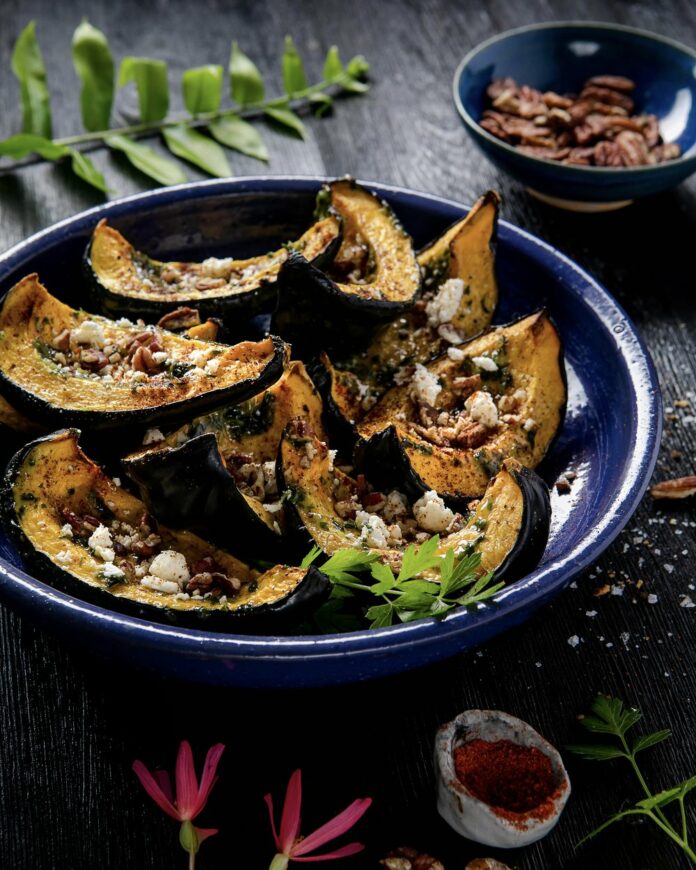
Wedges of acorn squash sit on a plate roasted with pesto and crumbled goat cheese on top.

We sometimes crave an easy, quick, healthy weeknight meal for Meatless Mondays. A prime candidate: this simple roasted squash recipe, which brings flavor into the picture with Liokareas Cold Fused Leek Olive Oil, pesto, pecans, and a sprinkle of hot chile powder. The dish pairs well with toasted quinoa or wild rice…and a chilled glass of crisp Chablis. Perhaps a green salad on the side, and a loved one across the table. What more can you ask for?

Roasted Squash with Pesto and Crumbled Goat Cheese Recipe

Ingredients

  • 4 acorn squash, halved and cleaned
  • 8 tsp Liokareas Leek-infused Olive Oli
  • 1 cup pecans
  • 1 cup crumbled goat cheese
  • 8 tsp pesto
  • Spicy chili powder
  • Salt

Instructions

  1. Cut 4 acorn squashes in half and clean them.
  2. Into each one, place 1 tsp of Liokareas Leek Oil.
  3. Place them on a baking sheet and roast at 350 degrees until fork tender.
  4. While the squash roasts, toast 1 cup of pecans in a dry cast iron skillet.
  5. When cool enough to handle break the pecans into smaller pieces with your fingers.
  6. When the squash is ready, remove it from oven and quickly brush each piece with a teaspoon or two of the pesto of your choice.
  7. Sprinkle with a pinch or two of spicy chili powder and a salt, then sprinkle roasted pecans and the goat cheese.
  8. Serve immediately.

Recipe by Keith Recker / Styling by Anna Calabrese / Photography by Laura Petrilla

A footer photo with a grey and white marble background, three TABLE Magazines and subscribe info and button

Subscribe to TABLE Magazine’s print edition.

Kuri Squash Soup

0
A smooth, creamy squash soup with a mildly sweet and nutty flavor.

A healthy warm up doesn’t necessarily require exercise. Occasionally it could represent a healthy bowl of soup, designed especially to infuse you with warmth and comfort. This particular squash soup pairs the veggie virtues of farm-fresh squash with a bit of Southeast Asia in the form of yellow Thai curry and coconut milk. Liokareas Cold Fused Leek Olive Oil adds a note of complexity!

What is Kuri Squash?

Kuri squash is is a thin-skin orange winter squash that primarily grows in East Asia. It has smooth and tender texture with a sweet, nutty flavor reminiscent of chestnuts, perfect for a hearty winter soup. This is one of the few squashes that originates in East Asia. It got to Japan through cultivation of a Hubbard squash in Japanese soil, and has been a part of Japanese cuisine ever since as baked and grilled squash, but also in cakes, soups, jams, and pies.

Print

clock clock iconcutlery cutlery iconflag flag iconfolder folder iconinstagram instagram iconpinterest pinterest iconfacebook facebook iconprint print iconsquares squares iconheart heart iconheart solid heart solid icon
A smooth, creamy squash soup with a mildly sweet and nutty flavor.

Kuri Squash Soup


  • Author: Veda Sankaran

Description

A spicy delight.


Ingredients

Scale
  • 3 large kuri squash
  • 2 qt chicken/vegetable broth
  • 1 onion, chopped
  • 1 cup carrots, chopped
  • 4 cloves garlic
  • 2 tbsp Thai yellow curry paste
  • 1 tbsp Liokareas Leek Olive Oil
  • 1 can coconut milk


Instructions

  1. Cut each squash in half and scoop out the seeds. Place on a sheet pan and drizzle with leek olive oil and salt and roast in the oven at 400 degrees until the squash is tender and the edges are brown.
  2. In a stock pot, add onion, garlic, carrot and squash. Sauté with 1 tbsp leek olive oil and curry paste until slightly brown. Add broth and simmer until all the veggies are soft.
  3. Blend with a stick blender until smooth. Add coconut milk at the very end and serve with a drizzle of olive oil.

Recipe and Styling by Anna Franklin
Photography by Laura Petrilla

Subscribe to TABLE Magazine’s print edition.