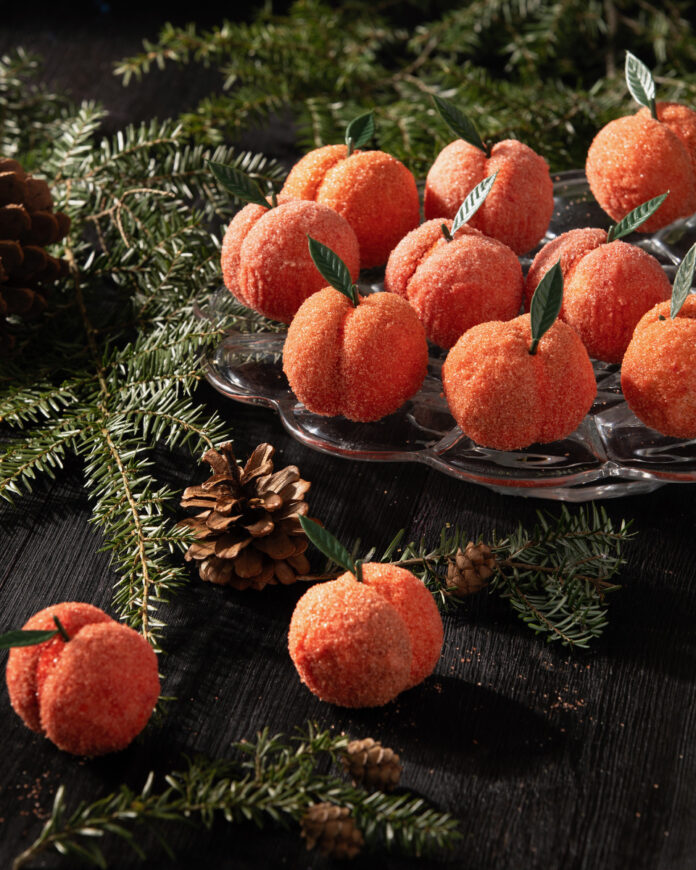
These Italian Wedding Cookies call for a celebration. No one knows how to bring people together like the Italians, with large family gatherings and warm, welcoming feasts for guests. However, these cookies don’t just need to be for a wedding! Make them as a celebration of self-love, too. We hope you enjoy them as much as we did at our cookie table competition. For more Italian recipes, check out our list of Italian Cookbooks for the Serious Cook.
Photo by Laura Petrilla
History of Italian Wedding Cookies
Anginetti (the Italian word for these Italian Wedding Cookies) are believed to have originated in the Campania region of Italy, particularly in the city of Nola. They are often associated with celebrations and special occasions, like weddings. As Italian immigrants brought their culinary traditions to the United States, anginetti cookies gained popularity in Italian-American communities. Their bright flavor and sweet aroma make them a popular choice for celebrations.
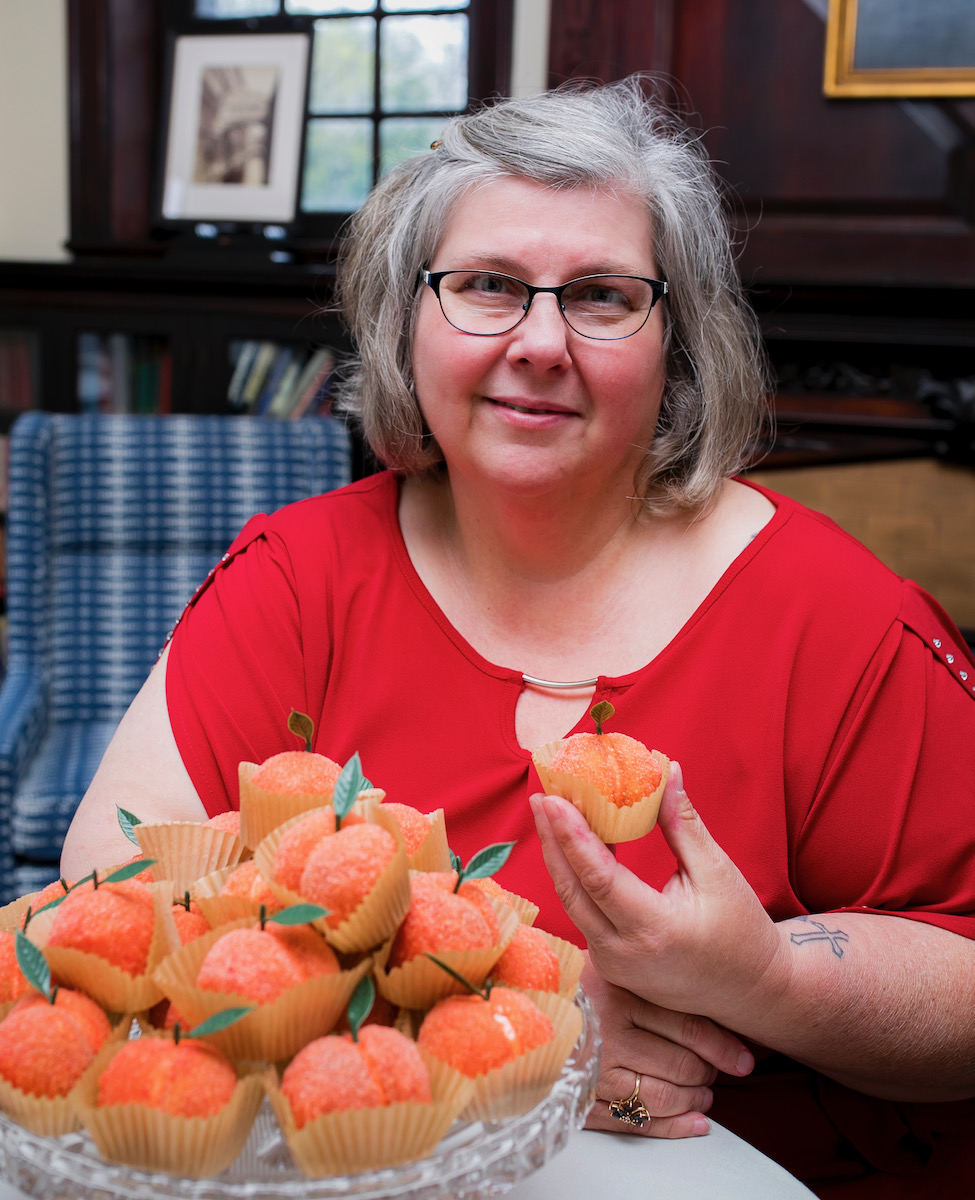
This Peach Cookies recipe blends fruit flavors with the sweet richness of a sugar cookie. Lori Willis brought this recipe to our cookie table, and it’s both beautifully presented and a delicious treat! Just check out how much detail she put into making them look like real peaches. That’s true artistry. For another peach treat, try our Peach Donuts with Donut Peaches.
Photo by Laura Petrilla
Picking the Right Peach Jam for Your Peach Cookies
Peach Cookies get some of their wonderful flavor from the jam used in the filling. So, you want to be intentional about the kind of jam that you choose. If you’re really thinking ahead, you can homemake peach jam. However, no judgment if you don’t have time for that, because there’s plenty of great peach jam out there on the shelves. Sarabeth’s is great for baking, as is Bonne Maman and Stonewall Kitchen.
Cream butter, sugar, and brown sugar at medium speed for 1 minute. Add sour cream, egg and vanilla and mix until well-blended.
Add dry ingredients.
Scoop 1 tbsp dough into balls, roll, and bake 14-15 minutes.
Allow cookies to cool. Spread 1 tsp of jam across bottom of cookie, and sandwich 2 cookies together.
To decorate, place 3 tbsp milk with red food coloring, and 3 tbsp of milk with yellow food coloring into separate bowls. Brush each cookie with both the red and yellow colored milks, then dip the painted cookie into sugar.
Enjoy your peach cookies!
Recipe by Lori Willis
Styling by Anna Franklin
Photography by Dave Bryce and Laura Petrilla
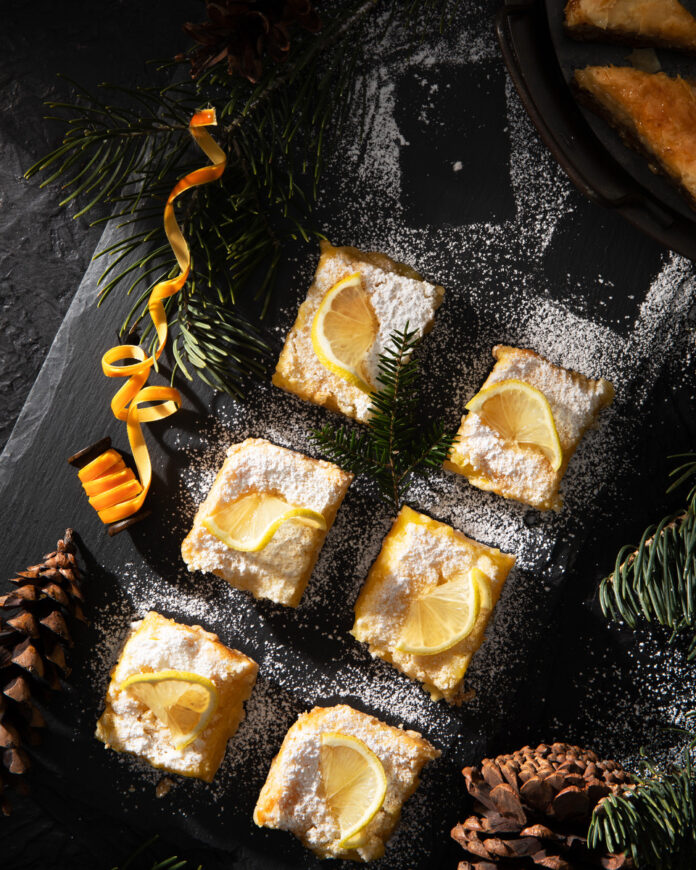
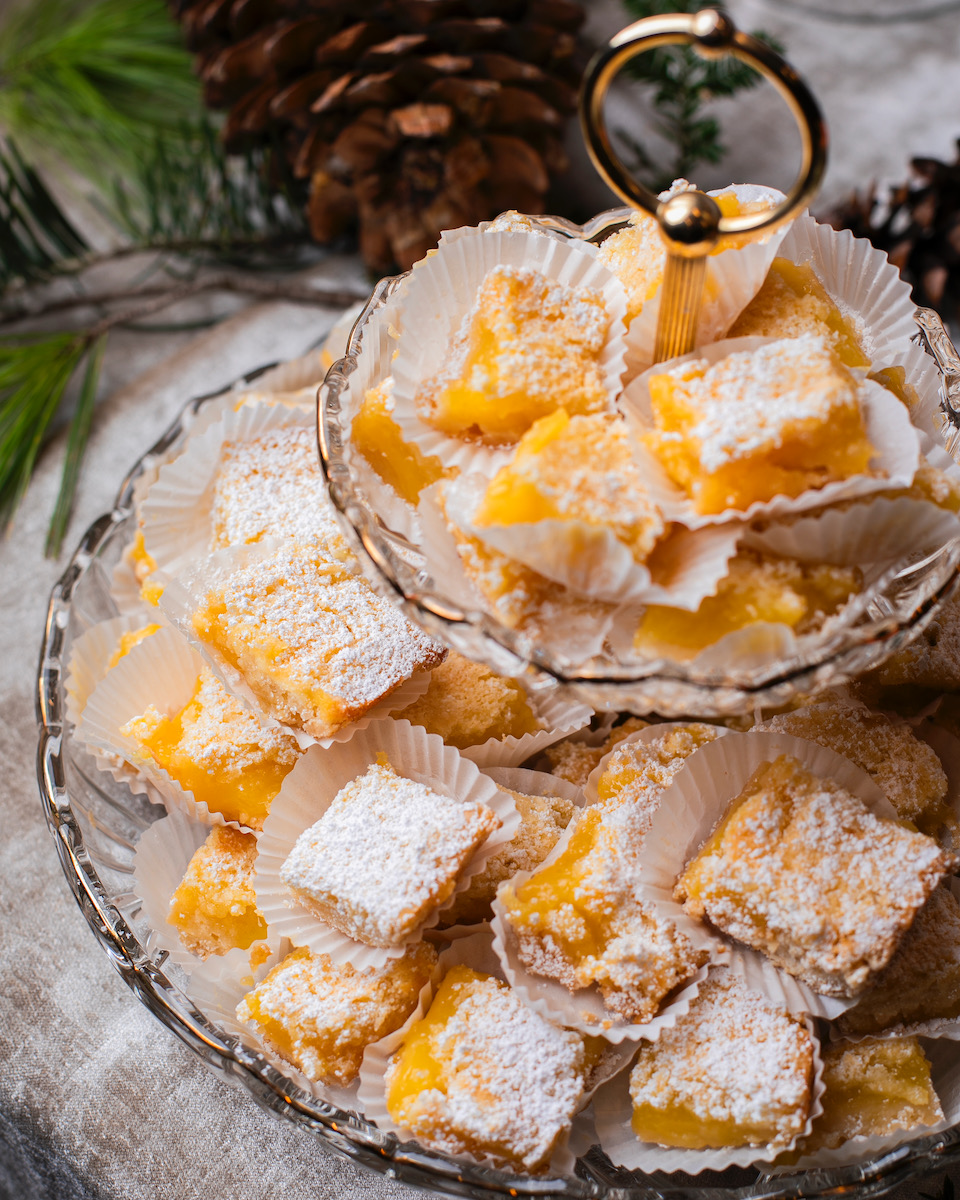
It’s easy to see why these Lemon Curd Bars won third place at our cookie table competition. They’re tasty, easy and fun to make, not too sweet, and are an adaptation of a recipe from the classic cookbookJoy of Cooking.
Photo by Laura Petrilla
Where Do Lemon Bars Come From?
The combination of a shortbread crust with a tangy lemon filling became popular in American cookbooks during the 1930s and 1940s. The simplicity and refreshing flavor of lemon bars made them a favorite for home bakers. A traditional lemon bar consists of a buttery shortbread crust. The crust is then topped with a custard-like filling made from lemon juice, sugar, eggs, and flour. Pastry chefs often dust them with powdered sugar before serving them. By the mid-20th century, people had fallen in love with lemon bars. They’re a staple at potlucks, family gatherings, and bake sales, beloved for their balance of sweet and tart flavors.
1 1/2 cups plus 1/2 cup all-purpose flour, divided
1/4 cup powdered sugar
12 tbsp cold unsalted butter, cut into small pieces
6 eggs
3 cups sugar
Zest of 1 lemon
1 cup plus 2 tbsp fresh lemon juice (4–5 lemons, divided)
Confectioner’s sugar for dusting
Instructions
Sift together 1 1/2 cups of all-purpose flour and 1/4 cup confectioner’s sugar.
Sprinkle the small pieces of butter over the top. Using a pastry blender, two knives, or your fingertips, cut in the butter until it is the size of peas in the mixture.
Press the mixture into the bottom of a 13 inch x 9 inch baking pan and 3/4 inch up the sides.
Bake in a 325 degrees preheated oven on the center rack until golden brown, 20-30 minutes.
Set aside to cool.
Reduce oven temp to 300 degrees.
Whisk together 6 large eggs and 3 cups sugar until well-blended.
Stir in grated zest of 1 lemon and 1 cup plus 2 tbsp fresh lemon juice.
Sift 1/2 cup all-purpose flour into the mixture and stir until well-blended and smooth.
Pour the batter over the baked crust; bake again until set, about 35 min.
Remove the pan to a rack to cool completely before cutting into bars.
Dust with confectioner’s sugar when cool, if desired.
Recipe by Gretchen Jenkins (adapted from Lemon Curd Bars Cockaigne recipe from Joy of Cooking)
Styling by Anna Franklin
Photography by Dave Bryce and Laura Petrilla
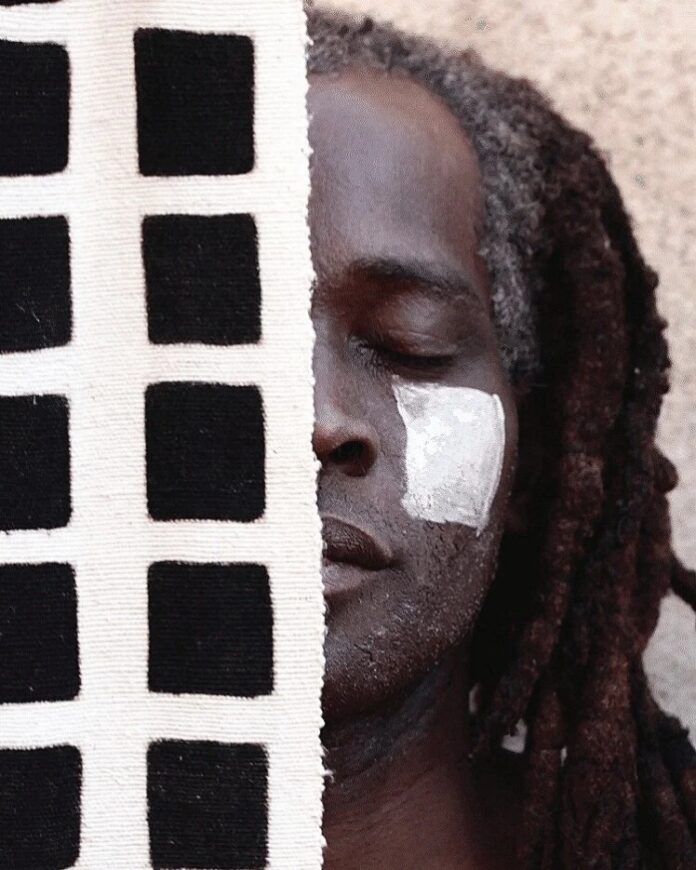
In July 2018, three women sat down together in Paris. Haram Sidide, an officer at the Ethical Fashion Initiative of the United Nations, housed at the International Trade Center in Geneva; world-renowned trend forecaster and educator, Lidewij Edelkoort; and artist, photographer and designer Birgitta de Vos. They began to cook up a new visual vocabulary for bogolanfini, also known as mudcloth – an ancient symbiosis of the leaves of the nglama bush; iron-rich mud pigments from the Niger River; and African cotton farmed, harvested, cleaned, spun, and woven entirely by hand. These dreamers saw contemporary possibilities in the ancient craft.
AAAA Co-op Supports Artists in Mali
The framework they developed that day became AAAA Co-op, a line of heritage textiles that fits perfectly into modern interiors. A bit later, social entrepreneurs Irene Mertens and Sam Ijsbrandy, from Amsterdam’s Atelier Sukha, joined the team in order to create a reliable connection with international markets. Now, because of AAAA, artisans in Mali are introduced to customers in Europe and the United States. Talented people in West Africa are earning decent wages. Customers are enjoying fantastic handmade heritage textiles. A craft with deep history has a path into the future.
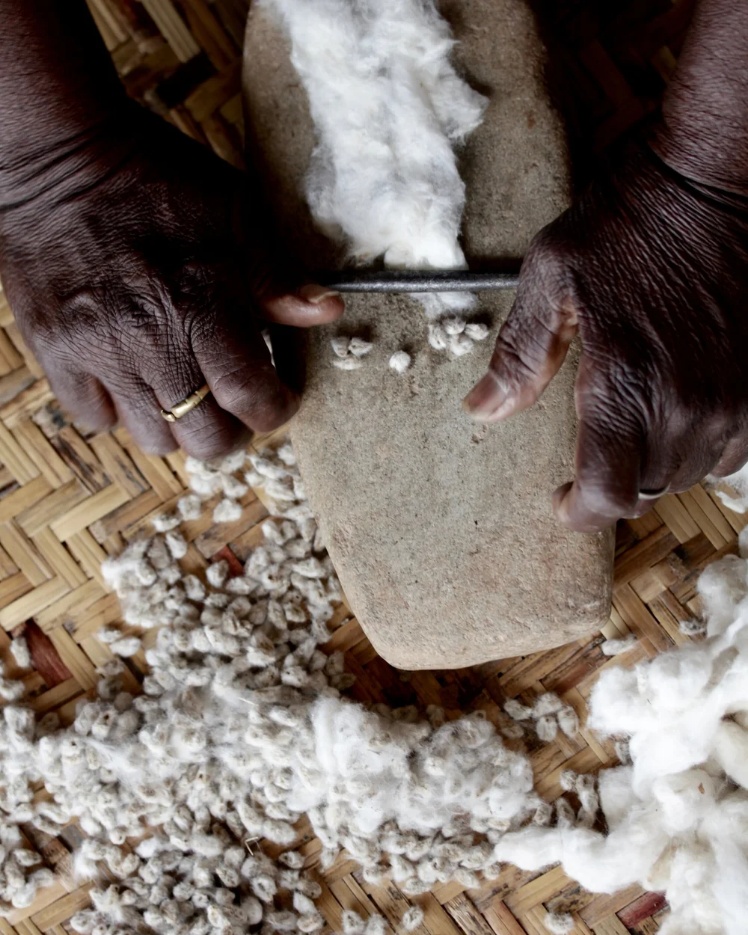
Homegrown African cotton is turned into lusciouis textiles.Cotton seeds are teased out one at a time with a round metal bar and a grindstone.
AAAA stands for Atelier Autodidacts Anti-Algorithms (AAAA). The name is a comment on how traditional artistry stands apart from the algorithmic rules that seem to govern much of our online experience. Therefore it’s much of what we see and think about. AAAA is supported by the Ethical Fashion Initiative as one of a series of programs helping to create fairly paid and sustainable jobs in Mali, which in turn helps address the problem of emigration, especially among youth. Due to recent political instability, Mali has lost much of its tourism, with devastating effects on income.
More on Mudcloth in Mali
In Mali, the word for mudcloth is bògòlanfini. Its beauty is the result of a chain of skilled spinners, weavers, and dyers still in touch with the skills of their ancestors. Once on the verge of disappearing, AAAA has, in under two years, become ‘the place’ to be for the young, creative, and lover of textiles. Every week, new people knock on the door to ask if they can join in this creative adventure. It is today a hub where young and old, master and also apprentice, work side by side.
Iron-rich mud from the Niger River is fermented for a year into a dark dyestuff.The mud dye is applied with a brush to create beautiful black and brown patterns.The fabric is carefully cleaned after applying multiple layers of mud dye. All product is hand finished.
Creating bògòlanfini is a labor-intensive affair that can’t be rushed, a true example of slow textiles. All stages are done by hand, from farming the cotton, spinning, weaving, dyeing, painting, as well as sewing. Locally grown, tannin-rich leaves are boiled with the fabric as a mordant – a substance which prepares the fibers to receive dyes. Then mud from the Niger River, which has fermented for a year in a clay jar, is used to paint symbolically protective patterns. Traditionally the cloth is believed to have the power to absorb dangerous forces released during life-threatening circumstances. That is why a bogolan is also referred to as ‘medicine cloth,’ and was traditionally worn by hunters.
Creating a Lasting Effect
Birgitta de Vos describes working with AAAA artisans in Mali as “a true treasure. It roots you again in what it is to be human — away from digital screens and life in the fast lane, where time is money. The artisans share not only their laughter, food and creativity with you, but also their patience, willingness and openness. It is truly a two-way exchange, without hierarchy, where we are all brothers and sisters again. This exchange is food for the soul.”
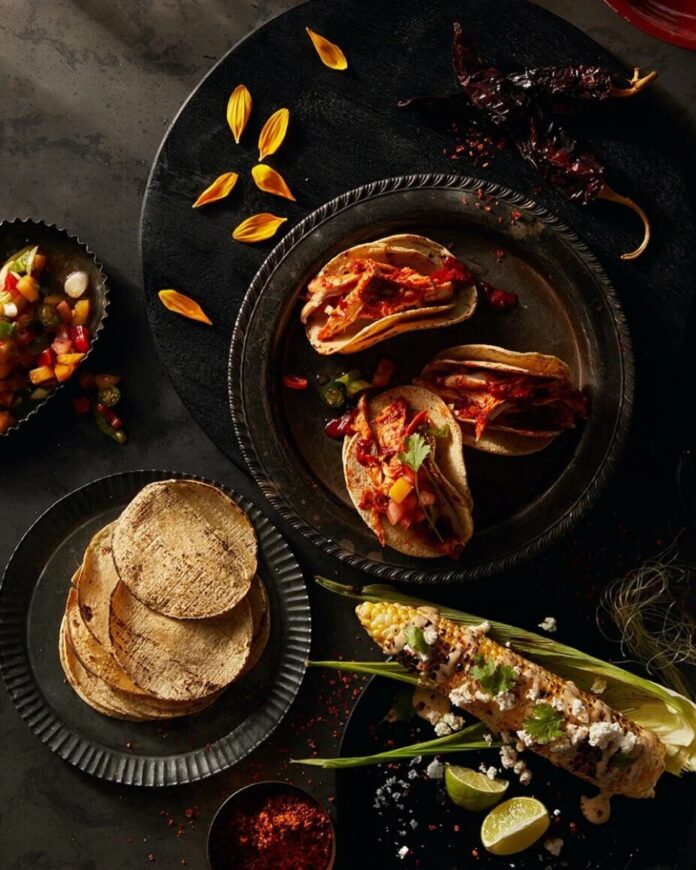
Barbacoa de Pollo is a traditional Zapotec dish served in the autumn. Renowned natural dyer and International Folk Art Market veteran Juana Gutiérrez Contreras, a partner in her family’s Teotitlan del Valle-based textile business, Porfirio Gutiérrez y Familia, shares her recipe. Translated via telephone by family friend Robert Sturm. Gracias Juana y Robert!
Barbacoa de Pollo is a traditional Zapotec chicken dish slow-cooked with guajillo chiles, garlic, and warm spices.
Ingredients
Scale
1 large chicken, cut into pieces (she said 2.5–3 kilos, if possible)
1 lb dry guajillo chile
3 large cloves of garlic
3 medium or 2 large white onions
A few avocado leaves
2–3 tbsp Thyme
4 cloves
4.5” of cinnamon stick
Instructions
Preheat the oven to 375 degrees.
Clean the chile – remove the stems and the seeds. Soak in hot water.
Grill the onion and garlic on a comal (or grill pan) until they are seared and easy to peal. Remove from the pan and peel. Add to the chile.
Toast the thyme and garlic cloves on the comal (or grill) for just a few seconds, until they start to release their aroma. Process in a food processor or blender with water from the chile bath until smooth. If the liquid is very thick, add a little more water.
Clean the chicken and cut into serving-size pieces
Arrange the chicken in a single layer in casserole, place the cinnamon strategically and cover with the sauce
Cook until chicken is cooked through, approximately one hour.
If making tacos, shred the chicken in the kitchen, and place in serving dish. Serve with corn tortillas, and with chopped cilantro, lemon wedges and finely chopped romaine or cabbage. A bit of pico de gallo is never a bad idea.
Recipe by Juana Gutiérrez Contreras Styling by Ana Kelly Photography by Adam Milliron
TABLE Magazine’s Dutch correspondent Marian Flint brings us a story of Old World chocolate. The Netherlands is famous for its skill with this most seductive of sweets — here in a savory spice blend perfect to perk up a salad.
Just north of Amsterdam, near the Zaan River in Zaandijk, a bustling cacao industry took root in the first half of the 19th century. The windmills in Zaandijk were used to grind the cacao beans.
This region still processes large amount of the world’s cacao beans. Amsterdam is the world’s biggest transshipment port for cacao beans. Zaandijk attracts visitors from around the globe. Everyone always remarks about the aroma of chocolate in the air.
Chocolate and Spice Dukkah from Smells Like Chocolate
That’s why Smells Like Chocolate is the name of Ingmar and Kinito’s shop. Here you can find craft chocolates from specialty producers from around the world. They recently visited cacao plantations in Kinito’s native country of Angola and made chocolate with cocoa beans of Cabinda, which have a unique and delicious flavor. Their goal is to bring this unknown cacao origin to the market. They would like to share some of their recipes and would love to welcome you at Smells Like Chocolate when you travel next.
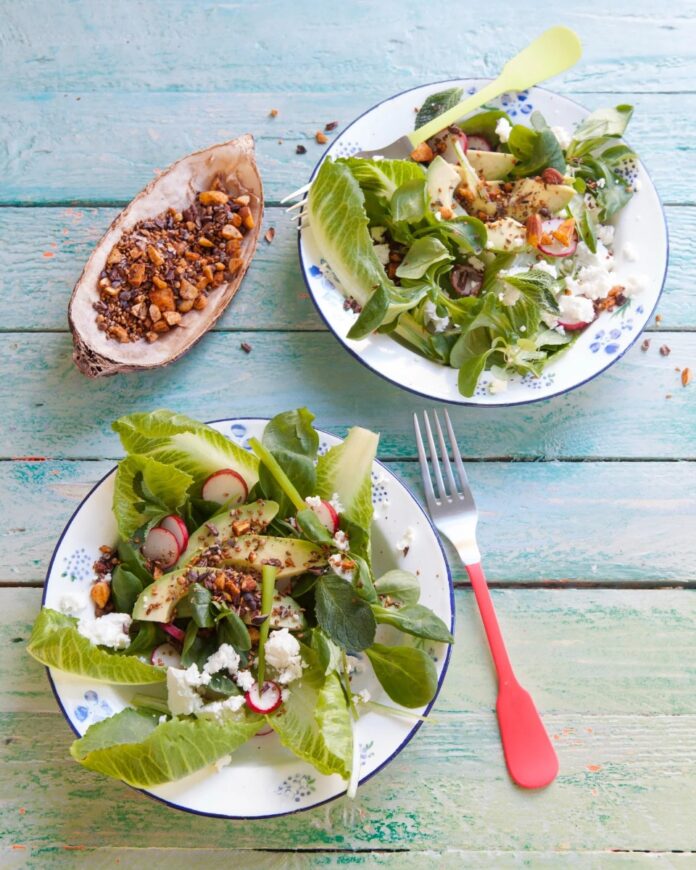
Sprinkled over fresh salads, it adds crunch, depth, and a subtle chocolate aroma to every bite.
Ingredients
Scale
1.8 oz sesame seeds
1 tsp cumin seeds crushed
2 tsp coriander seeds, crushed
0.4 oz cacao butter
2 tbsp cacao nibs, crushed
1.5 oz roasted mixed nuts, coarsely chopped
1.5 oz peanuts, coarsely chopped
1 tsp cacao
½ tsp chili flakes
½ tsp smoked paprika
1 tsp salt flakes
Instructions
In a skillet, dry-roast the sesame, cumin, and coriander seeds. Melt the cacao butter in a pan and add the cacao nibs, nuts, and seeds mixture. Roast for 2 minutes. Remove from heat and add the cacao, chili flakes, and smoked paprika. Add salt to taste.
Save the dukkah in a jar. Sprinkle on a salad made from romaine lettuce, lamb’s lettuce, mint leaves, avocado, fava beans, and goat cheese.
Food Styling and Recipe by Ingmar Niezen Prop Styling by Marian Flint Photography by Anna de Leeuw
If you’re like me, you begin fantasizing about summer before winter has even really begun. This series of posts will highlight dreamy places to travel in warm climates, perfect for a seasonal getaway with friends, a beachy escape, or even somewhere spectacular to visit any time of year. Al Suave House is a deal for a large, extended family or a group of friends—preferably ones who surf or have kids who do—a five bedroom oceanfront villa on Playa El Zonte in El Salvador. The summer vacation home location is an emerging destination with amazing scenery and excellent surf breaks. The home can sleep up to twelve people, and all bedrooms have en-suite bathrooms. There is also an open kitchen, large living area, outdoor showers, media room, and a kids pavilion.
Al Suave House is the Summer Vacation Home of Your Winter Dreams
“Al Suave House is a particularly chill home that allows its guests to wake up every morning to the sound of the waves and views of the sea from every corner of the house,” says Paula Cabrera Gil, founder of Pepe Cabrera Homes in Spain.
Perhaps the most striking feature of the property is that it splits into two parts. This the architects plan to preserve existing trees and to let water flow unobstructed. In the center is a river-shaped swimming pool that runs the full length of the house. A series of bridges crosses the pool, giving the whole home a sort of private island (or perhaps a tropical treehouse) feel. The shape of the design also draws wind in between the two sections. That provides natural cooling and reduces the need for A/C.
The structure is largely wood—plenty of wood—and concrete, with travertine flooring and clay brick bathrooms. All of the materials sourced from nearby places including Honduras (wood), Costa Rica and Mexico (glass), and El Salvador (bricks.)
A Rustic-Chic Vibe at Al Suave
The vibe is open, airy, cozy, and rustic-chic. The architects, the Salvadoran firm Cincopatasalgato, drew inspiration from paths to the beach lined with fences plus land that has a natural water flow—a place that was private but also very inviting. Here, tall fences transition between transparent and opaque. It depends on where you’re standing, but the wooden slats blur together to form a solid from certain vantage points.
The property is meant to be somewhere that people hang out, communicate, and connect. The open kitchen/dining area is the perfect hub where people can touch base and compare plans for the day. There are great many hangout areas both inside and out, with variously larger and small groupings of seats and tables for conversation, playing games, or just chilling and listening to music. Although it is the ultimate indoor-outdoor world, tall accordion glass doors can enclose the spaces should the weather become unpleasant.
Furnishings are high-end but casual, with pieces from well-known brands including Carl Hansen & Søn, Andreu World, and Gandia Blasco. There are, of course, plenty of custom pieces from local artisans. Some pieces, including the beds and modular sofa, are designed by Ms. Cabrera Gil.
When not being rented out, the home is also a private residence, and the architects were careful to design a place that was both perfect for them but also worked for others. “We really took our time to speak with each member of our client’s family, including the children, to truly grasp what was important to them,” says architect José Roberto Paredes. “The result of this highly personal approach to design is a unique dwelling that resonates with the spirit of Playa El Zonte. It’s a tropical haven where the essence of community, family, and exploration thrives.”
Story by Stephen Treffinger All photography courtesy of Topofilia Studios
As we bid farewell to the old year and welcome the new, it’s time to indulge in a hearty and delicious meal on New Year’s Day. Beef, a symbol of strength, prosperity, and good fortune, is the perfect choice for a New Year’s feast. Its rich flavor and versatility make it a crowd-pleaser, whether you’re grilling steaks, braising a pot roast, or slow-cooking a flavorful stew. So, let’s dive into some beefy goodness and ditch the pork for something even more mouthwatering.
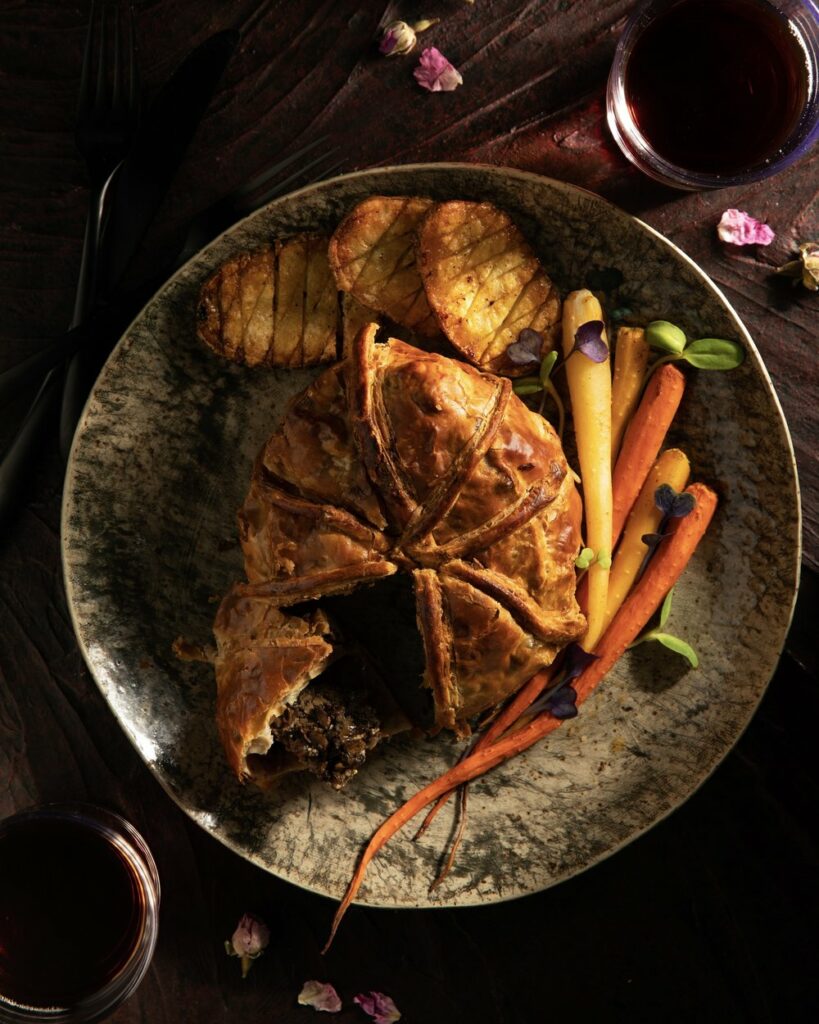
Ring in the New Year with this elegant and indulgent Beef Wellington. This classic dish is perfect for a special occasion and is sure to impress your guests. Paired with crispy, golden-brown potatoes and sweet, roasted carrots, this meal is a feast for the senses.
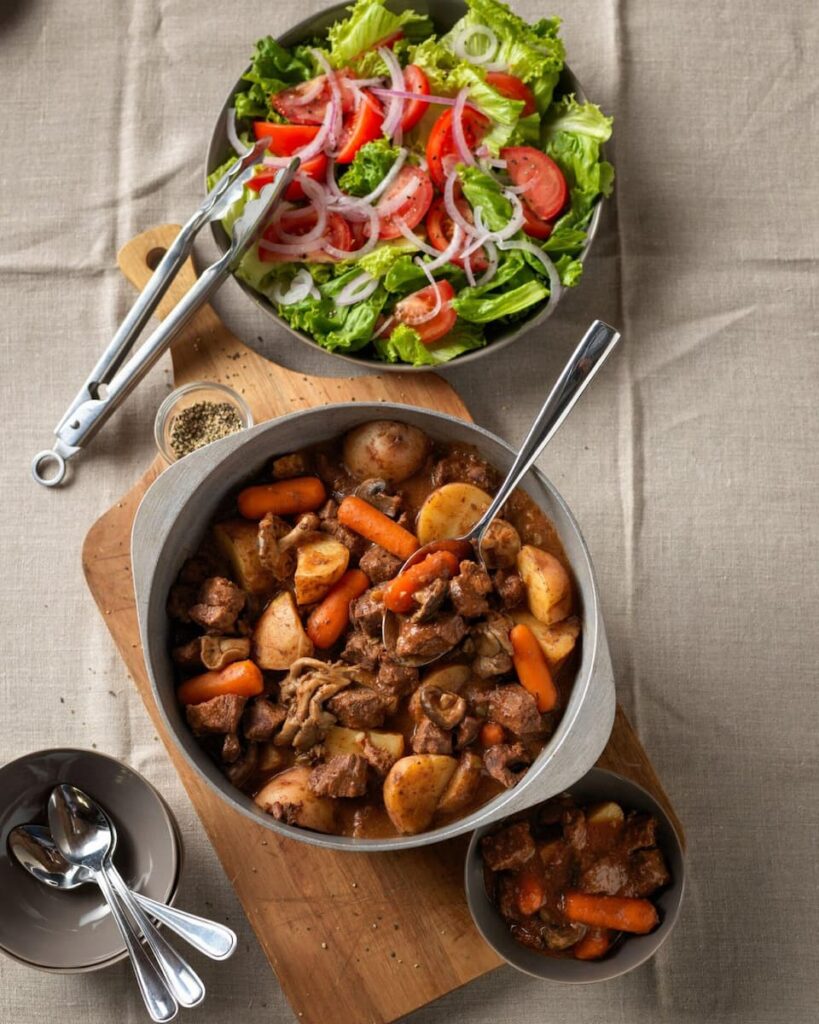
Packed with tender beef, earthy mushrooms, and a rich, savory sauce, this stew is the perfect way to warm up on a cold winter’s night. Whether you prefer to slow-cook it on the stovetop or use a pressure cooker for a quicker meal, this stew is sure to become a family favorite. Plus, it’s hearty and flavorful to get you through the winter.
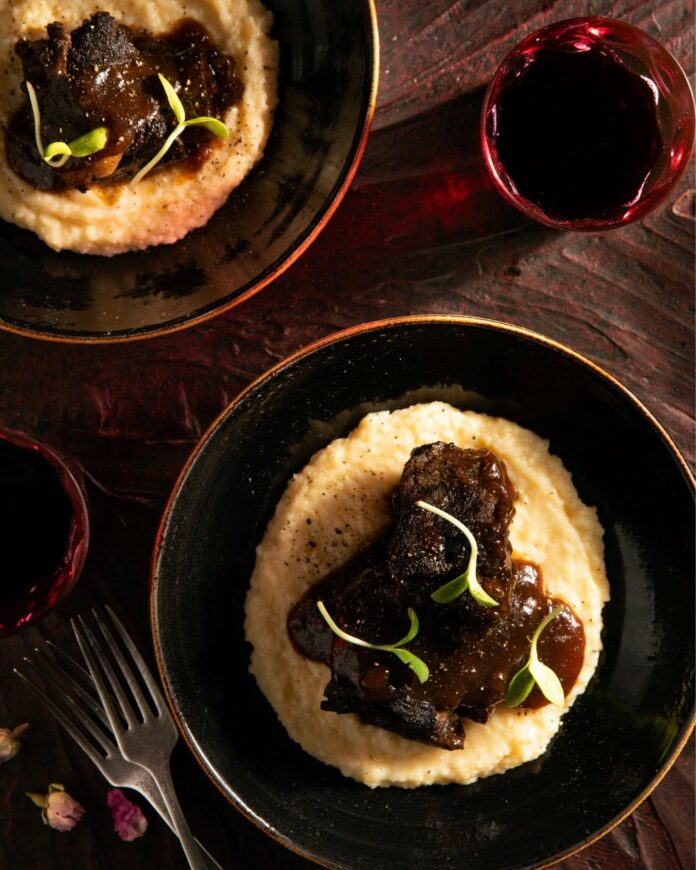
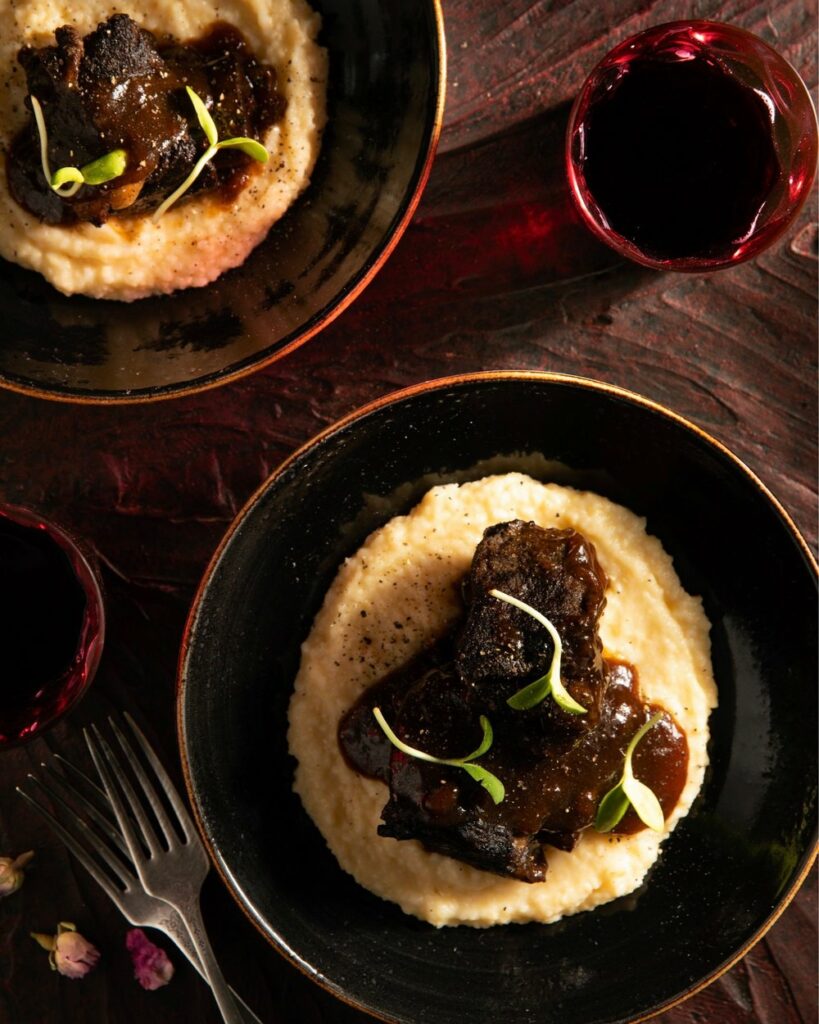
This isn’t just a recipe; it’s a culinary masterpiece. By braising a beef short rib in a bath of red wine and stout, you’re embarking on a flavor journey that’s as rich and satisfying as it is simple. The result? A tender, fall-apart short rib smothered in a velvety, deeply flavored sauce
Start your year off by indulging in the ultimate comfort food with this savory recipe from Chef Jackie Page. Short ribs are slow-cooked to perfection in a rich, flavorful sauce. Served over creamy cheddar cheese grits, this dish is the epitome of Southern comfort and perfect for a warming celebration.
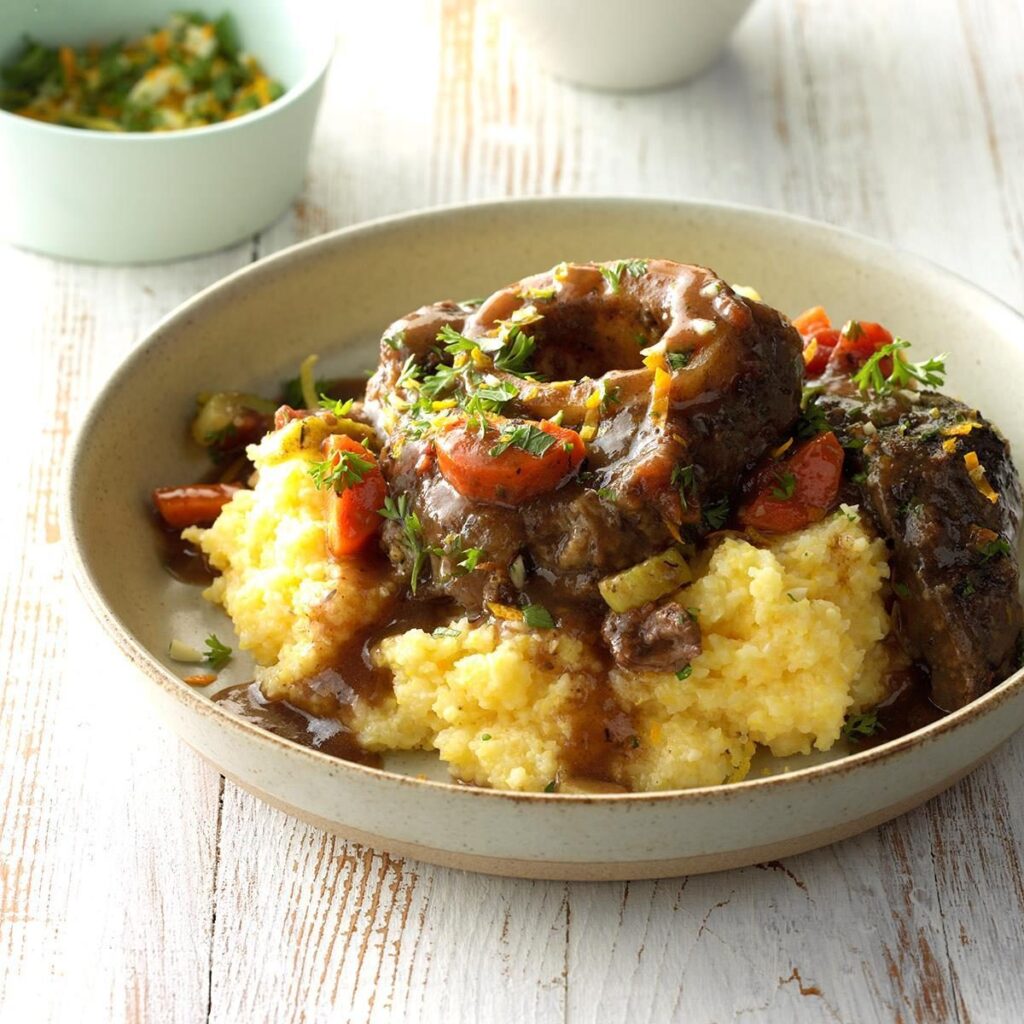
This classic Italian dish features tender, fall-off-the-bone beef shanks simmered in a flavorful broth with aromatic vegetables. The addition of zesty gremolata adds a bright and refreshing contrast to the richness of the meat. Whether you’re a seasoned home cook or a beginner, this recipe is sure to impress even yourself with your own cooking skills.
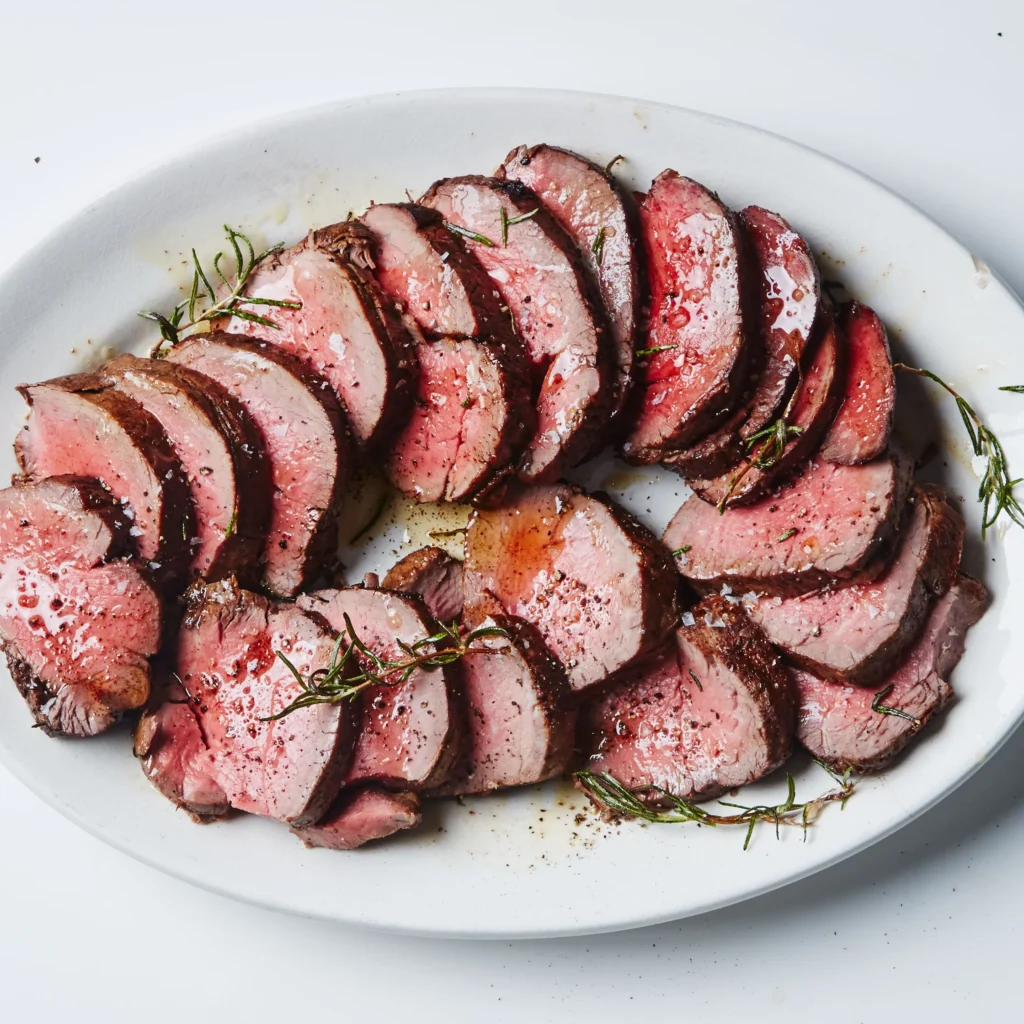
This beef tenderloin recipe delivers a perfect balance of flavor and texture for the wintertime. The meat is seasoned with a fragrant garlic-rosemary paste and seared to perfection before being slow-roasted to juicy tenderness. Top it with a tangy horseradish yogurt and serve with creamy mashed potatoes for something way different than the usual pork and sauerkraut.
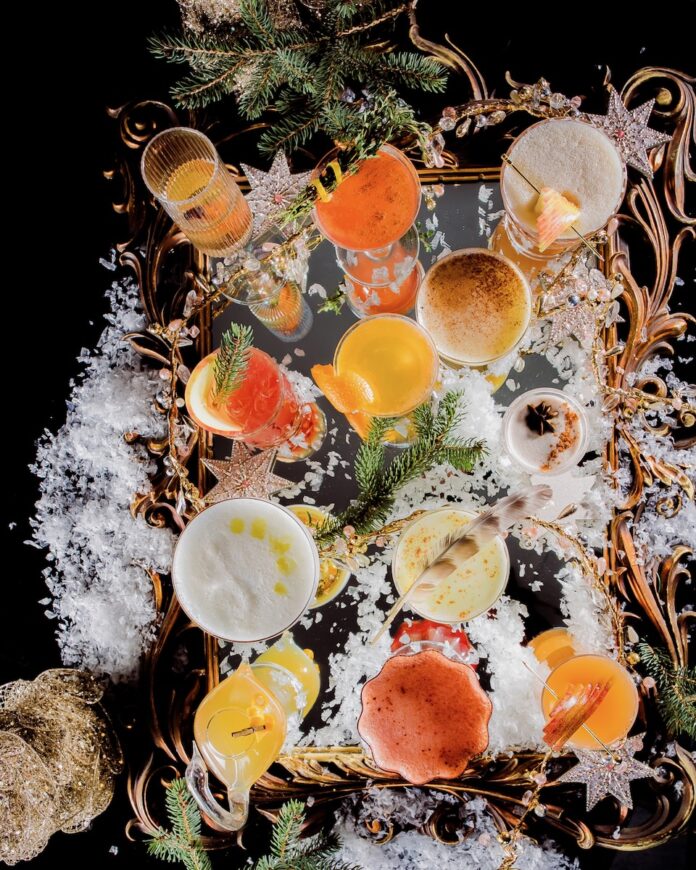
Ever wondered why the classic Christmas carol “The Twelve Days of Christmas” has so many verses, and why somebody would ever want that many birds? Well, we have a more convenient holiday plan for you. Behold our Twelve Days of Christmas cocktails from some of the most talented bartenders in Pittsburgh, where TABLE headquarters are located. Each bar team was tasked with one verse, and they went above and beyond with their interpretations of each drink. These cocktails will spark up any drink menu. And you can always make them later in the year to bring back some of the glitter and glow of the holiday spirit.
Drink Your Way Through the Twelve Days of Christmas with These Cocktails
We started out with a mocktail from Katrina Tomacchio of LOADED for a Christmas drink that everyone can enjoy. Since it’s the verse that repeats the most times, we wanted the most universally accessible drink to celebrate it. Katrina used Knudsen pear juice, Jackworth non-alcoholic ginger beer, and Ritual Zero Proof Dark Rum alternative to create a fragrant Christmas mocktail.
Good things come in twos, like tequila and mezcal. This cocktail from Rachel Sinagra of Fig & Ash blends these two classic spirits together with Bauchant and coffee liqueur. The turtle dove is a symbol of peace and friendship. So, enjoy with two (or more) of your best friends, or cozy up with this drink for a peaceful solo night.
Alexander Riola of Fish Nor Fowl used three French liquors. It’s got Citadelle, from the oldest gin distiller in France, yellow chartreuse, and Domaine de Canton ginger liqueur for a little note of spice. This perfect pares-ski cocktail also uses nutmeg, cinnamon, and aquafaba to create a balanced and inventive drink that will warm you up on the coldest days.
The further you get into “The Twelve Days of Christmas,” the more you start to wonder just who actually wants this many birds. No birds were harmed in the making of this cocktail, which mixes the recipes of the Aviation and the Paper Plane. Hannah McKee of Con Alma wanted to combine two of her favorite four-part drinks to create this unique cocktail.
Aiden Leyland of The Commoner immediately thought of classic vodka Grey Goose for the sixth verse of “The Twelve Days of Christmas.” It’s not just vodka—though a shot of Grey Goose is also sometimes welcome during the holidays. This delightful Christmas cocktail uses Génepy, matcha syrup, and toasted oat to create a more complex flavor profile.
Audrey & Lisa from LoBar Cocktail Services win for presentation. That wow factor of that swan glass is pretty unbeatable. You can buy one on Amazon yourself if you’d like. Their version of the classic Hemingway Daiquiri has a luxurious, tropical flair, and will transport you to a sunny beach somewhere…at least for a moment.
Coquito is a Puerto Rican holiday classic, and Brandon Mohney of Bar Botanico loved the staff trips to Puerto Rico where he got to sample it. While the later verses of “The Twelve Days of Christmas” get a little nonsensical, this cocktail is one of our favorites from the series. With coconut milk, this version of coquito is vegan for everyone to enjoy.
Put on your dancing shoes with this spice-forward cocktail from Larkin Kolls and Jamie Cumberledge of Esquina Cantina. Don Julio Blanco tequila, fig and thyme syrup, and bergamot purée come together to form a lively, fresh cocktail. This will get more than nine ladies out on the floor!
Cam Dickson of Ritual House cautioned that this apple bourbon cocktail could be called “ten lords a-sleeping.” It’s full of strong liquor that could, well, knock you out rather than get you leaping. Shake this up at home, cozy up with some blankets and Christmas movies, and you’re set for a blissful holiday night in. The ten-slice apple fan adds an extra festive touch to the drink.
Colin McNamee of COBRA got creative with this verse and used Piper Sonoma Sparkling Wine, a blend of Chardonnay and Pinot Noir, to represent “eleven pipers piping.” This sparkling wine cocktail could be perfect for a New Year’s toast. Or, use it for pre-dinner glass clinking at your holiday party.
The final “Twelve Days of Christmas” cocktail, from Spencer Warren of The Warren Bar & Burrow, is a straightforward shake into a Collins glass with rum, ginger liqueur, cinnamon, and edible flowers. Merry Christmas!
Story by Emma Riva Production by Star Laliberte Styling by Anna Franklin Photography by Laura Petrilla
As December comes to a close, maybe you find yourself wondering if you should even have a New Year’s resolution. Some people think New Year’s resolutions set us up to fail, and that is possible. But you can take small steps to be healthier in mind, body, and soul…and achieve your goals for the new year.
Just for fun, here are some of the TABLE staff resolutions:
“Read more and make time to read every day.”– Online Editor Kylie Thomas
“I pick a word to focus on throughout the year and try to hold that in my thoughts and actions as I go through my daily life.”– Sales Enablement Executive Zack Durkin
“I’m planning on starting yoga.” – Sales Intern Ethan Chmura
“Vacation more.” – Director of Operations Star Laliberte
“I resolve to be irresolute. Certainty is SO yesterday.” – Editor in Chief Keith Recker
Mine is to try some new wines and have a better work life balance. But, if none of those appeal to you (and maybe you do want a little certainty), try these healthy New Year’s resolutions.
8 Healthy New Year’s Resolutions
Get Fit(ter)
Regular gym rats probably roll their eyes when January comes around and suddenly newcomers flock to the weight rack in search of self-betterment. Or maybe you roll your eyes at the influencers on social media telling you to start doing Pilates to improve your health, when they already look perfect. Alas, I regret to inform you, they are right. Exercise does actually make you feel better. You can start small and exercise in the privacy of your own home with YouTube channels like Blogilates or EMKFIT. Or, join a low-cost gym like Planet Fitness to start your fitness journey at a lower commitment.
Try a New Kitchen Skill
There’s the adage that men hit thirty and either get way too into curing meats or World War II history. Or was it Ancient Rome? But it is true that as you get older, you start to explore more niche hobbies to fill your time. Fermenting, curing meats, or making your own pasta can be fun ways to experiment in the kitchen. Many things you buy at the store can be homemade, and learning to make wine or make bread is a fun pastime for the midwinter months when the days are gray and there’s nothing better to do. Check out a book like The Art of Fermentationor buy tchotchkes like a curing meat kit or a pasta maker.
Learn a New Language
With tools like Duolingo or Rosetta Stone, it’s easier than ever to learn a new language on your phone or computer. Replace doomscrolling with something better for your brain. In the United States, over 53 million people speak Spanish, so what’s your excuse? You can also find a conversation partner from anywhere in the world on Busuu. Just a little bit of practice every day can turn language learning into a habit.
Start a Meditation Practice
Meditation is another one of those potential eye rolls that does turn out to actually be true. Yes, every smug namaste-saying wellness professional on earth will tell you that, but the fact is that it has a real benefit in your day-to-day life. The podcast Search Engine’s recent episode “How do you sit quietly in the middle of a storm?” is a good guide for people who might feel like meditation is not for them. Rev. angel Kyodo williams, a Zen priest, eschewed of upper case letters, and author of Radical Dharma, appears in the episode. She speaks about how for those who didn’t grow up with “mindfulness,” it can be harder to access, but there are many ways to meditate, including moving, singing, and other things that don’t involve just sitting still.
Cut Down on Alcohol
Dry January is a good way to start the New Year for both your liver and your wallet. Try one of our mocktails if you want to get creative with it. Or, just stick to mineral water, fruit juice, and herbal teas. Maybe you keep Dry January going for a few months, or you just take the time to reflect and clear your head to start out the year.
Eat More Vegetables
Rather than cutting things out of your diet, maybe take steps to add more vegetables into your diet. Salads are one of the easiest home meals to make and can brighten up your day. Try recipes like Roasted Beet Salad, Lemon Za’atar Salad, or Baby Kale Salad with Artichoke Hearts from our Best Salads of 2024. There are lots of creative ways to use vegetables, like roasting them or incorporating them into stews, or even just as a side. Your body and mind will thank you!
Be Nicer
When we talked amongst ourselves about our New Years’ resolutions, one thing that came up was that that while physical health is important, it often sets you up to feel disappointed. One thing you can do that costs nothing is to tell people in your life you appreciate them. Life is short, and getting to spend another year with your loved ones is a blessing.