When I was young and had a stomach bug, my parents always gave me ginger ale with cinnamon toast. My dad was loyal to Vernors, though I was more of a Canada Dry girl. Only as an adult did I realize he knew exactly what he was doing.
I assumed ginger ale was just a gentle, clear, fizzy drink for an upset stomach. But there’s more to this remedy: ginger is one of the most widely used culinary plants with medicinal properties that go far beyond easing nausea. Its use in Southeast Asia and traditional systems of medicine dates back thousands of years, and modern research is rapidly catching up.
How to Use Ginger as Medicine Through Cooking and Sipping
What Ginger Really Is (And Why That Matters)
First, a quick correction: ginger isn’t a root—it’s a rhizome.
Ginger (Zingiber officinale) is a leafy, green, flowering plant that can grow several feet tall. The edible part grows horizontally underground, and while we casually call it “ginger root,” botanically it’s a rhizome, not a true root. Not all ornamental ginger plants produce an edible rhizome, but the culinary variety has become a global staple.
Ginger thrives in warm, damp climates. Today, most of the fresh ginger sold in U.S. grocery stores comes from India, though it also grows abundantly in the Caribbean, China, Thailand, Peru, and Hawaii.
Ginger in Traditional Medicine: Warming, Moving, Harmonizing
In traditional Chinese medicine (TCM) and many other traditional systems like Ayurveda, ginger is prized for its ability to bring harmony to the body. Its flavor is potent, warm, and comforting, and its actions on the body mirror that character.
Ginger is considered “warming” and “moving.” It helps:
- Dry internal “dampness” by improving circulation and fluid dynamics.
- Stimulate digestion by helping move food through the digestive tract.
- Support respiratory health by helping move mucus out of the lungs.
- Enhance circulation by improving blood flow through the vascular system.
That warming sensation you feel with ginger isn’t just flavor—it reflects a real thermogenic effect on circulation and metabolism.
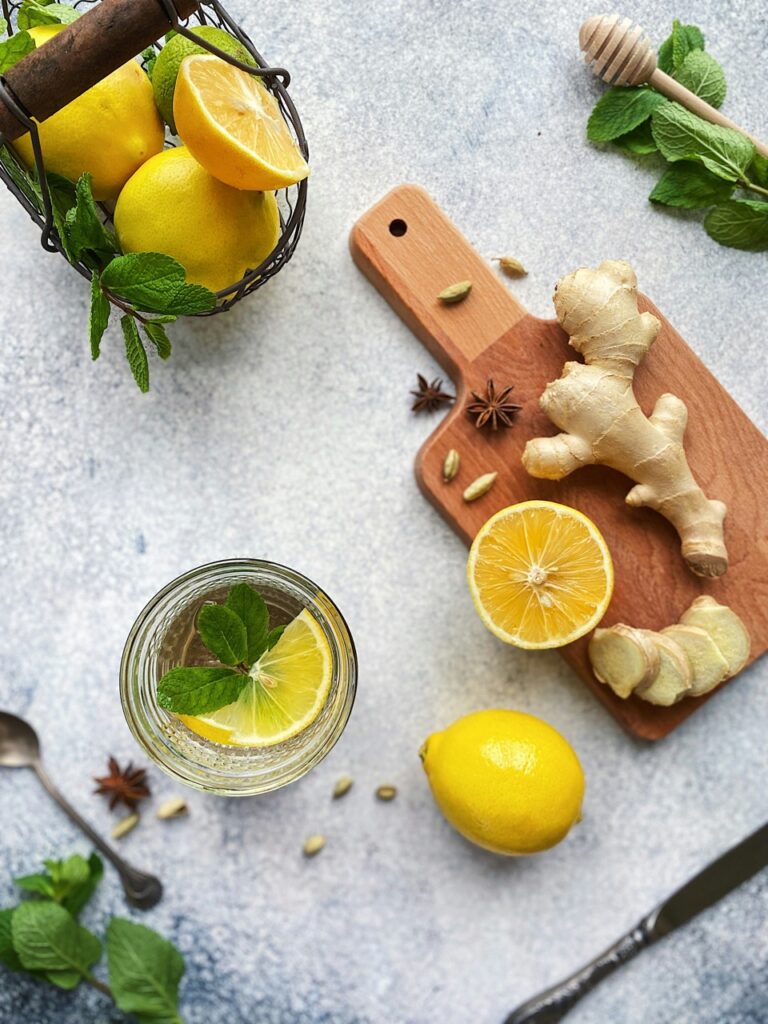
What Science Says: Ginger as Food-Medicine
The traditional kitchen wisdom around ginger is increasingly supported by clinical research. Ginger is now one of the most studied culinary botanicals in the world. While my dad may not have read the clinical trials, his ginger ale choice aligned surprisingly well with the research scientists have been doing recently.
Ginger as a Remedy for Nausea and Motion Sickness
Ginger ale for a stomachache isn’t just an old family myth. Multiple modern studies show ginger can reduce nausea from a variety of causes:
- Pregnancy-related nausea: Systematic reviews and randomized controlled trials have found that doses around 1 gram of ginger per day can significantly reduce nausea in early pregnancy, with few side effects for most people (e.g., Viljoen et al., 2014, Nutrition Journal; Thomson et al., 2014, Obstetrics & Gynecology).
- Postoperative and chemotherapy-related nausea: Recent meta-analyses suggest ginger supplementation can modestly reduce nausea severity in some patients undergoing surgery or chemotherapy (Khorasani et al., 2020, Nutrition & Cancer; Apariman et al., 2021, Supportive Care in Cancer).
- Motion sickness: Classic experiments (including the famous “swivel chair” style studies) have repeatedly shown ginger can reduce motion-induced nausea and vomiting, at times outperforming or equaling standard medications for mild motion sickness.
Ginger as a Remedy for Inflammation, Pain, and Joint Health
Ginger contains a family of active compounds, including gingerols and shogaols, that have anti-inflammatory and antioxidant effects.
- Inflammation and pain: A 2020 systematic review in Pain Medicine found that ginger supplementation was associated with modest reductions in pain and disability in people with osteoarthritis, likely through inhibiting inflammatory pathways similar to some over-the-counter pain relievers.
- Cellular protection: Ginger’s antioxidants help counter oxidative stress, a process linked to chronic diseases, aging, and environmental damage. Recent laboratory and clinical studies suggest ginger may have supportive roles in metabolic health, cardiovascular protection, and even cancer prevention, though these areas are still being actively researched and are not cures.
Gingerol, the compound largely responsible for ginger’s spicy kick, can interrupt certain inflammatory processes and inhibit enzymes linked to pain and inflammation.
Ginger as a Remedy for Gas, Bloating, and Gut Motility
If pregnancy (or a heavy meal) is leaving you nauseous and gassy, ginger may help there, too.
- Digestive motility: Clinical studies have shown that ginger can help food move more efficiently through the stomach, improving gastric emptying and reducing sensations of fullness and bloating (e.g., Wu et al., 2020, Journal of Neurogastroenterology and Motility).
- Gas and cramping: Traditional medicine has long used ginger to ease gas and cramping; emerging research on its effects on gut motility and smooth muscle provides a plausible mechanism.
In short, the “settling” effect people feel in their stomach after ginger tea or ginger ale is not just placebo.
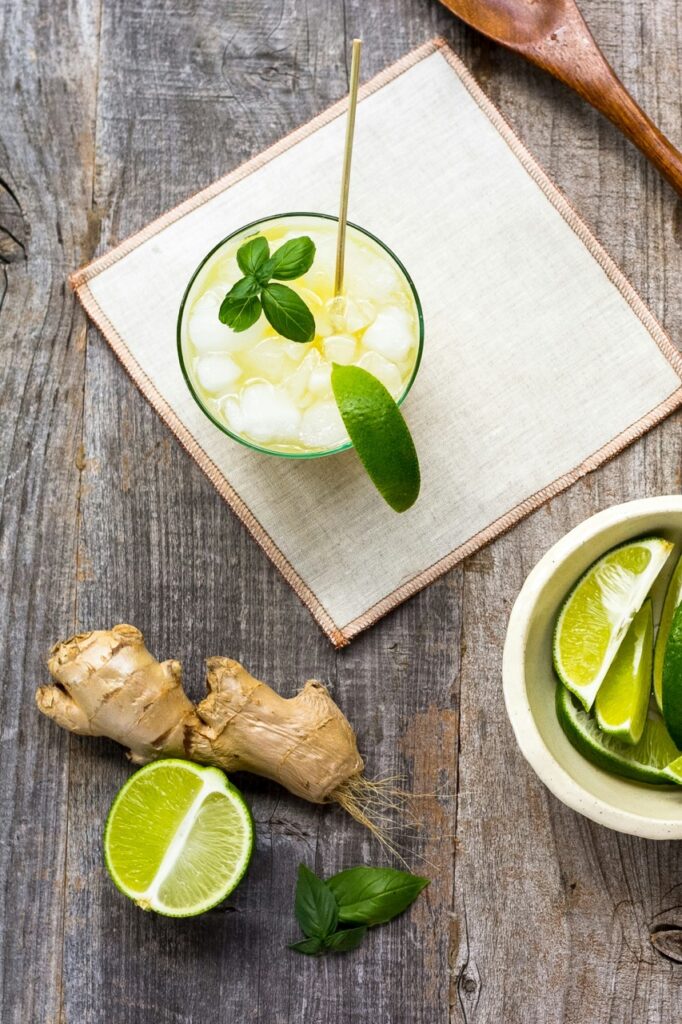
Choosing and Using Fresh Ginger in the Kitchen
To bring ginger’s benefits into daily life, it helps to know how to choose, prep, and cook with it.
Finding Fresh Ginger
- Look in the refrigerated produce section.
- The rhizome should be firm and plump, not shriveled
- Look for smooth, taut, light-brown skin.
- The ginger should feel heavy and plump.
Prepping Fresh Ginger
- Remove the thin peel with a paring knife, vegetable peeler, or by scraping with the edge of a spoon (this works especially well if the ginger is very fresh).
- Inside, you’ll find moist, fibrous, pale golden flesh.
- Grate, mince, or slice it depending on your recipe.
- For maximum flavor without the woody texture, grate ginger into cheesecloth (or a clean kitchen towel) and squeeze out the juice. Potent ginger juice is ideal for marinades, dressings, and cocktails.
Dried and Ground Ginger: Concentrated Flavor, Convenient Medicine
Ginger also appears in dried and ground form in the spice aisle. While we often associate ground ginger with pumpkin pie, cookies, and cakes, this form can have even stronger medicinal impact because it’s more concentrated by weight.
Historically, once ginger traveled via the spice trade to Europe, its natural sweetness and warmth earned it a place in desserts and sweet breads. Legend (and Time Magazine) credit Queen Elizabeth I with popularizing the gingerbread figure—the ancestor of today’s holiday gingerbread man.
How to Use Ground Ginger
- In baking: cookies, cakes, quick breads, and pies
- In savory dishes: rubs for roasted vegetables, curries, stews, and spice blends
- In warm drinks: stir into hot water with honey and lemon, or add to chai-style tea
Both fresh and dried ginger work beautifully in the cuisines of East and Southeast Asia—think curries, soups, stews, stir-fries, and dipping sauces. In medieval Europe, ginger was commonly used in sauces and condiments served with rich meats, both to balance flavor and to aid digestion of fatty foods.
Today, ginger has moved beyond the holidays and appears year-round in everything from salad dressings to mocktails and cocktails.
Ginger in Winter: Teas, Soups, and Simple Rituals
Bitter cold winter days are the perfect time to play with ginger in the kitchen—and in your cup. To make ginger tea, use store-bought ginger tea bags, or simply slice fresh ginger and steep it in hot water for 5–10 minutes. Add honey and lemon for a throat-soothing, immune-supportive cup.
Ginger Tea Can
- Soothe sore throats
- Take the edge off body aches
- Warm you from the inside out
Everyday Cooking Ideas
- Add grated ginger to classic soups like vegetable, chicken noodle, or miso.
- Stir fresh or ground ginger into salad dressings with tamari, sesame oil, and rice vinegar.
- Use ginger juice in marinades for fish, tofu, chicken, or root vegetables.
- Shake ginger into winter cocktails or mocktails with citrus, sparkling water, or yes—high-quality ginger ale.
Because ginger is so potent, you don’t need much: even a teaspoon or two a day can add both flavor and potential health benefits.
A Note on Safety
For most people, culinary amounts of ginger are very safe. In supplement form or high doses, some people may experience heartburn or mild digestive upset. If you’re pregnant, on blood-thinning medication, or managing a complex medical condition, talk with your healthcare provider before taking concentrated ginger supplements.
Just as ginger brings harmony to body systems—warming, moving, drying, and soothing—it can also bring harmony to the kitchen, tying together savory, sweet, hot, and cold dishes with its complex flavor.
On the days when you feel chilled, sluggish, or a little off, a simple ritual—a steaming mug of ginger tea, a gingery soup simmering on the stove, or even a well-made ginger ale—can be both comfort and quiet medicine.
Ginger Recipes to Try for Yourself
Try TABLE Magazine’s fantastic recipes with ginger and see if you experience the health benefits of this ancient medicinal food.
Winter Cauliflower with Ginger and Turmeric Dressing

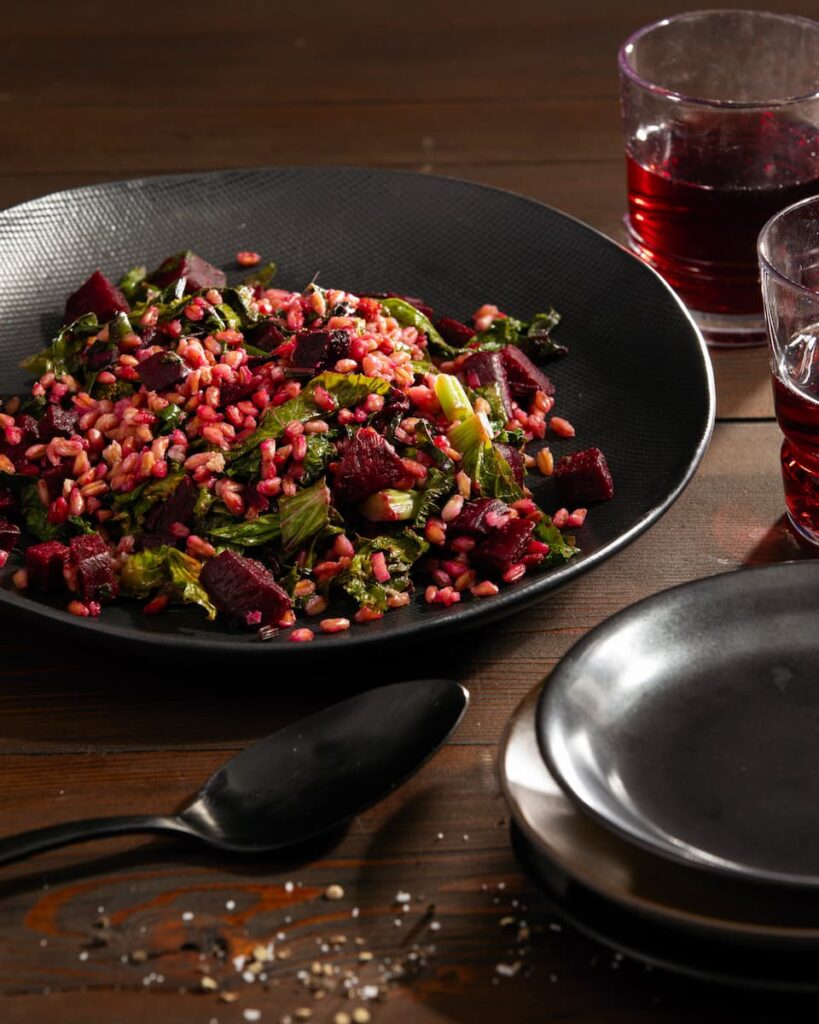
Farro with Beets, Greens & Ginger Dressing
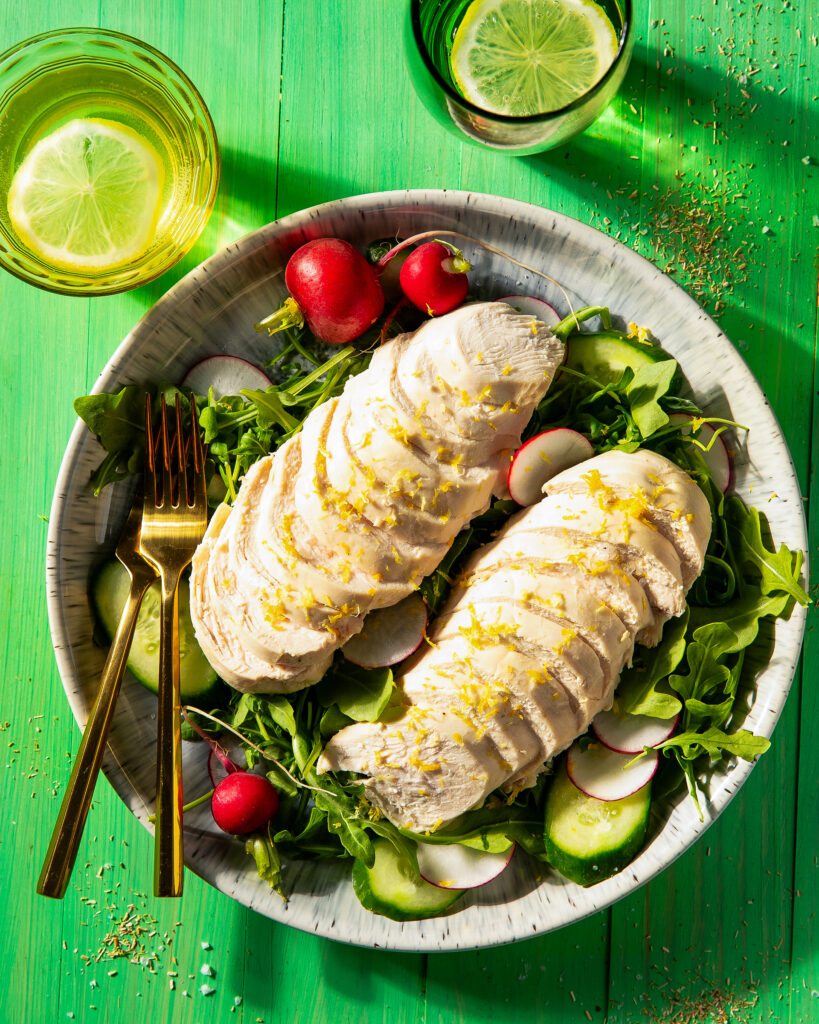
Chamomile Ginger Poached Chicken
Banana Ginger Upside Down Cake

Gingerbread Cookies

Steamed Striped Bass with Ginger & Scallions
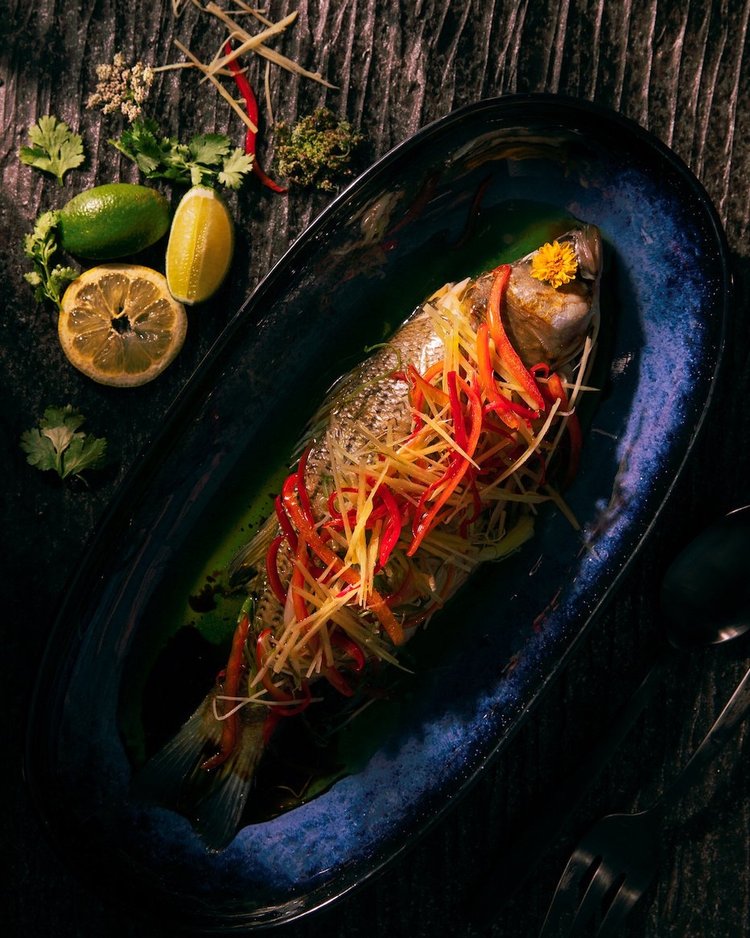
Haitian Ginger Tea

Ginger Mama Cake

Gingered Peach and Blackberry Pie

Explore Our Other Articles on 2026 Food Trends
- Comfort Food
- Beat Grocery Inflation with Budget-Friendly Recipes
- Feeding a Family in the Shifting Economy
- High Quality Protein and Analog Dining
- Dietary Health
- Food as Medicine: Extra Virgin Olive Oil and GLP-1
Story by Kristen Palmer
Photo Courtesy of Milada Vigerova
Subscribe to TABLE Magazine‘s print edition.