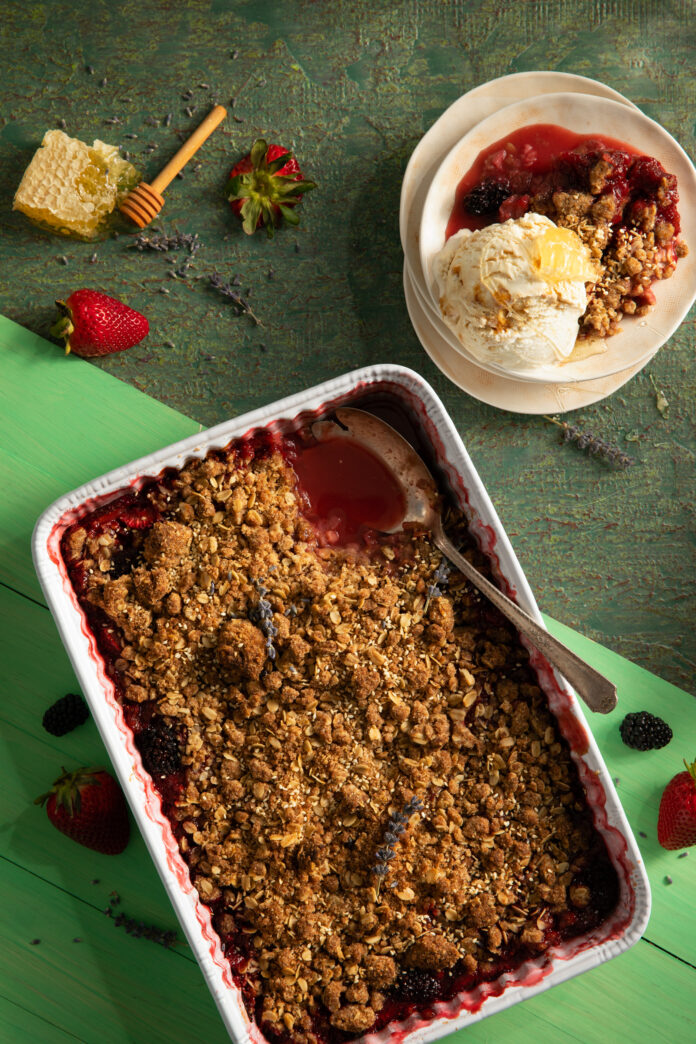
The year is just long enough that we forget the uniquely fragrant, sweet-yet-tart burst of flavor that comes from farm-fresh strawberries and foraged blackberries. When that moment arrives, the abundance is just about as impressive as the taste. Channel some of that bounty into this berry crumble, where tahini enriches the butter, burnishing and deepening its nuttiness. Sources of berries are many in Western PA, but we like Triple B Farms, where opportunities for family fun sit right alongside the growing fields.
Berry Tahini Crumble Recipe
Ingredients for the filling:
4 cups fresh strawberries from Triple B Farms
1 cup blackberries
1/2 tbsp cornstarch
1 tbsp brown sugar
1 tsp lemon juice
Ingredients for the crumble:
1/2 cup flour
1/2 cup old-fashioned rolled oats
1/4 cup brown sugar, packed
1 tsp vanilla
1/4 tsp cinnamon
6 tbsp butter, melted
1/4 cup tahini
Instructions
Preheat oven to 350 degrees.
Cut stems of strawberries. Place the strawberries and blackberries into a large mixing bowl with cornstarch, sugar, and lemon juice, and stir to coat.
Spread evenly into the baking dish. Set aside.
In another mixing bowl, mix flour, rolled oats, sugar, vanilla, and cinnamon. Add melted butter and tahini and mix until small crumbles start to form. Sprinkle evenly over berries.
Bake for 25-30 minutes or until the fruits are cooked, bubbly, and the top is cooked and crispy.
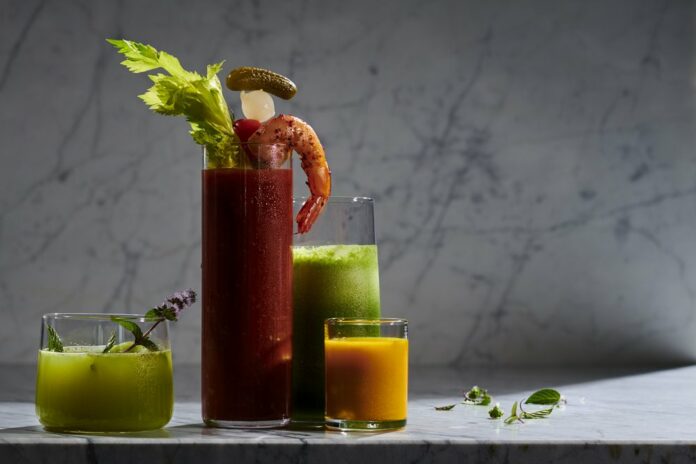
Ah, mocktail shots, the alternative to their spirited counterparts without an ounce of regret or debaucherous proof on Instagram, all while keeping your well-being intact. These concoctions are a masterful blend of nature’s finest gifts — succulent fruits, fragrant herbs, and sweetness. With each sip, your senses are transported to a world where vibrant flavors linger harmoniously. So raise your glasses to these health-conscious mocktail shots, a toast to savoring life’s pleasures without compromise, all in the name of wellness and happiness. Chin-chin!
What’s In Our Round of Mocktail Shots
Make each one on their own, or serve as a round of shots together for a glass-clinking that won’t leave you felling less than your best. We’re serving up a Green Juice Mocktail shot, a Turmeric Ginger Health Shot, a Bloody Mary mix (to ration out into shots), and a Green Smoothie shot. They’re as multi-colored as they are delicious! If you find yourself hooked on wellness shots, there are also many options out there to try.
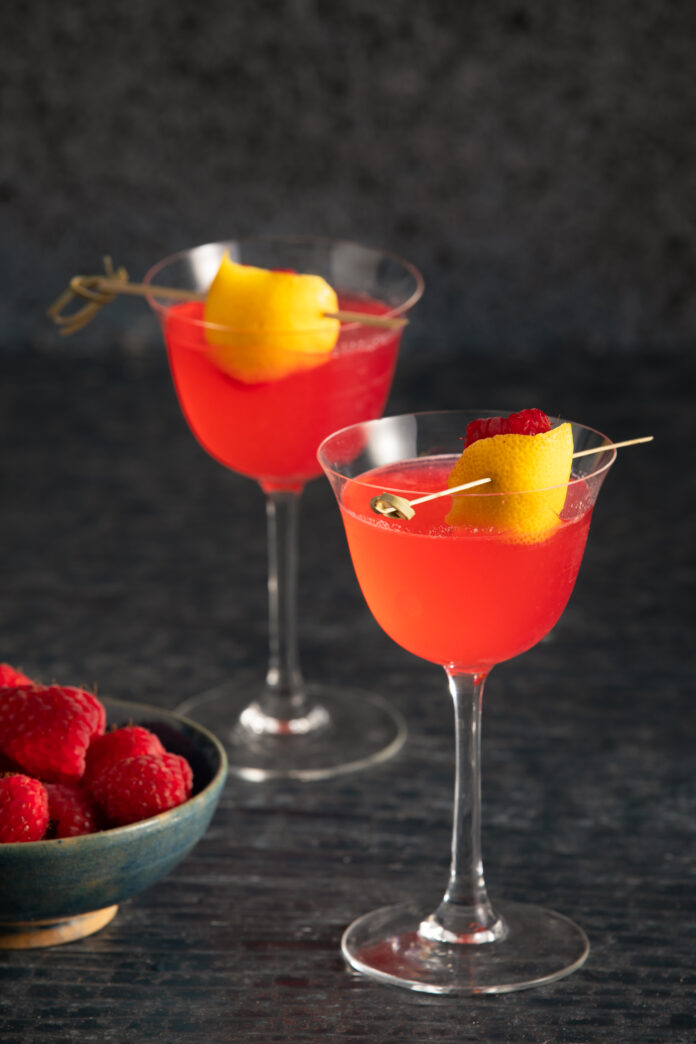
Is there anything more relaxing than enjoying a new read, cocktail in hand? Well, maybe if that book and drink are in your hand on a beach… Either way, as you dive into David Grann’s Killers of the Flower Moon: The Osage Murders and the Birth of the FBI in preparation for the movie debut this fall, might we suggest enhancing the experience by sipping on our Moon Rising cocktail? (It’ll make a great addition to any viewing parties too!)
About Killers of the Flower Moon
This hit novel is the stranger-than-fiction true story of the beginnings of the FBI at the turn of the twentieth century. It’s a gripping tale of how the indigenous Osage people built wealth under their land, only to begin being killed off by nefarious forces. Martin Scorcese’s film adaptation clocks in at two and a half hours, so if you’re making this cocktail, make a batch and have a few, you’re in it for the long haul!
Killers of the Flower Moon Cocktail Recipe
Ingredients
1 oz Raspberry simple syrup (See below)
2 oz vodka
1 oz lemonade
1 oz fresh squeezed lemon
Instructions
Shake ingredients over ice and serve up in a couple of martini glasses.
Garnish with a lemon twist.
Raspberry Simple Syrup Recipe
Ingredients
Fresh raspberries
1 cup of water
1 cup of sugar
Instructions
Crush 1 small clamshell of fresh raspberries in a saucepan.
Add 1 cup of water and 1 cup of sugar.
Cook on high until reduced, about 15 minutes. Let cool and strain out seeds from the simple using a sieve.
Share your Killers of a Flower Moon cocktail and reading experience with us on Instagram: @tablemagazine_westernpa.
Recipe by Justin Matase /Photography by Dave Bryce
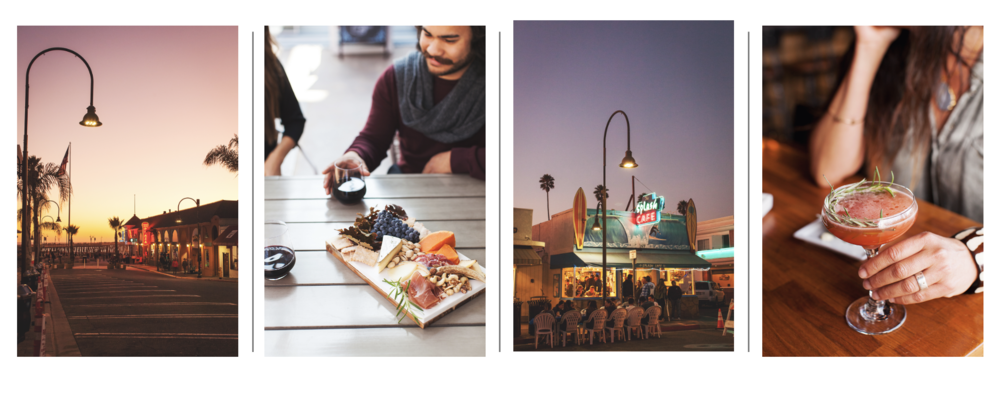
Enjoy the sun and air of the Central California Coast any time of year.
The enchanting land of the northern California Central Coast is saturated with vegetation among its rolling hills, valleys, and sweeping coastlines. Only three and a half hours between the bustle of Los Angeles and San Francisco, San Luis Obispo County is summed up by its relaxing pace of vibrant life each season. The welcoming locals, fresh fusion of California cuisine, and the endless possibility of adventure through miles of picturesque landscapes are reasons to fall in love with every bit of it.
Inland in the north is the world-renowned wine region, Paso Robles. This old pioneering Wild West settlement has emerged into a well-revered gastronomical scene of locally made wine tasting, pristine cocktail bars, and fine dining restaurants that push the envelope of California fusion cuisine. There are several boutique hotels downtown and bed and breakfasts located on the outskirts of town on their own estates, providing travelers insight into authentic farm life.
The heart of downtown Paso Robles contains a number of exceptional restaurants, one of them being Les Petites Canailles, a contemporary French farm-to-table menu with an approachable twist of California seasonality created from the pedigree of Courtney Asseo and husband Chef Julian Asseo, who studied culinary arts near Bordeaux.
Translated as “the little rascals,” Les Petites Canailles pays homage to owners Chef Julien and Courtney’s children. Valuing the craftsmanship of their family, a section of the wine list is dedicated to bottles made by Chef Julien’s family. The exceptional wine pairs to create a perfect union of flavors with each dish, and the modern setting creates an elegant yet casual experience for diners to enjoy an intimate piece of Paso Robles. Chef Julien shares his recipe for Escargot Risotto with Garlic Parsley Butter with TABLE readers here.
After you sip and taste your way through Paso Robles, taking the scenic Highway 46 to head west, you will arrive in Cambria, a quaint Euro-inspired town by the sea full of antique markets and cozy dining settings tucked within pine trees. Nearby is a decadent museum, Hearst Castle, a 1917 mansion estate with embellished interiors curated worldwide by publishing tycoon William Randolph Hearst.
The towns of the Central Coast region boast lovely spots to walk, hangout, shop, dine, and much more.
Heading south down the coast on Highway 1, known as the famous PCH, takes you to Cayucos and Morro Bay, two adjacent, petite coastal towns with delicious seafood and cheery beaches.
Traveling south of San Luis Obispo County on Highway 1 brings you to San Luis Obispo. This city has a lively, cheerful charm that fills its streets, which is probably why Oprah coined it the “Happiest City in America.”
On a Thursday evening at the San Luis Obispo Downtown Farmer’s Market, five blocks of downtown SLO transform into a street fair where live music becomes a spectacle. At the same time, pedestrians stroll among over 100 vendors of farmers with weekly fresh produce, street artists, and gourmet food purveyors: eclectic shops and a variety of restaurants worth checking out frame the market.
San Luis Obispo is vast and filled with magic. It’s a unique place that grants experiences of wholesome fine meals, complex locally made wines, and endless outdoor adventures — all year round.
The glorious landscape of California’s Central Coast is perfect for kayaking, horseback riding, hiking, biking, and more. It’s also home to some excellent wineries.
WHERE TO EAT
The Hidden Kitchen, located a block from the beach, is a brunch restaurant known for its housemade blue corn masa waffles and tacos. Serving both savory and sweet dishes on a pleasant outdoor patio with a respected, honest staff.
113 North Ocean Avenue, Cayucos
2164 Center Street, Cambria
The Alchemists’ Garden in downtown Paso Robles is a mystically themed cocktail bar and eatery with picture-perfect cocktails and dishes that fuse together tasty flavors made for sharing. The walls are covered in vines and plants.
1114 Pine Street, Paso Robles
Giovanni’s Fish Market has the country’s freshest fish and sits right on the bay, looking to Morro Rock in Morro Bay. Whether it’s the fresh oysters, crispy fish, chips, chowder, or poke bowls, there’s no way to go wrong here for a delicious seafood-filled lunch with pleasant seaside views.
1001 Front Street, Morro Bay
The Flour House adheres to a true passion for Italian culture with its dedication to the craft of wood-fired Pizza Napoletana, with warm and well-able servers to walk you through the menu. The pizza and pasta are enjoyed in their elegant location, inside or out on the garden patio. The cocktails and wine list are the perfect backdrops for the delicious, cheesy flavors in the dishes.
690 Higuera Street, San Luis Obispo
Luna Red is an upscale fusion of Spanish, Mediterranean, and Mexican-style fair with Latin-inspired architecture and a gorgeous plant-filled outdoor patio right next to the mission in San Luis Obispo. The ceviche is marinated in a delicious savory citrus juice, and the tacos have options for perfectly seasoned, tender meats. Lastly, the chef’s paella is a party of a meal for the whole table — an excellent brunch, lunch, or dinner spot.
1023 Chorro Street, San Luis Obispo
GREAT PLACES TO STAY
Kindred Oak Farm is a bed and breakfast and organic farm submerged in oak trees and vineyards just outside of Paso Robles. Staying here allows travelers to peer into what it’s like to experience authentic California farm life. Owners Lisa and Robert Peach are incredibly warm and welcoming and renovated the property to be as beautiful as it currently is.
1250 Paint Horse Place, Paso Robles
South in the countryside of San Luis Obispo, La Lomita Ranch is romantic lodging with Spanish-style architecture. Though it’s known for its weddings and other special events, there are several bed and breakfast options — whether you choose their entire three-bedroom hacienda or inn rooms decorated with luxurious Mexican furniture.
1985 La Lomita Way, San Luis Obispo
Possibly what San Luis Obispo is most famous for, The Madonna Inn was built in 1958 and is the Central Coast’s iconic gaudy pink hodge-podge of classic ranch style meeting ornate floral decor. The whole place is covered in bright textures that will delight your entire being, and every room has a different theme. Don’t forget to try the famous pink champagne cake topped with swirly pink fondue!
100 Madonna Road, San Luis Obispo
The Cambria Pines Lodge is a perfect place to stay in the wintertime. It’s rustic and tucked under the pine trees of Cambria. The Fireside Lounge has a bar and restaurant with a fireplace and live music on most weekends. The Cambria Christmas Market is located on the grounds and consists of various Christmas light art pop-up decorations to stroll around and see.
2905 Burton Drive, Cambria
A luxurious mixture of fine Western, Eastern, and new-age crystal culture is fused together at Allegretto Vineyard Resort in Paso Robles. Full of art, wine, and pleasant areas for lounging and relaxing. The grounds hold weekend yoga, guided meditations, vineyard tours, and wine tastings on-site.
2700 Buena Vista Drive, Paso Robles
THINGS TO SEE
Sensorio is a 15-acre field of lights with award-winning light installations created by Bruce Munro. The lights blend with the landscape’s topography to create a dazzling show of colors across rural east Paso Robles. Buy tickets online before visiting.
4380 Highway 46 East, Paso Robles
Hearst Castle is the ultimate castle museum located on a mountaintop overlooking the ocean right near Cambria. The Hearst family once owned it as a booming estate for guests to stay in its embroidered interiors filled with foreign furniture. Drive to the visitor’s center and get tickets for a walking tour.
750 Hearst Castle Road, San Simeon
Montana de Oro State Park is a beautiful nature park with umber-colored volcanic rock formations lining the sea and hikes that take you into luscious valleys filled with the smell of black California sage and coastal live oak trees. This strip of coast is a seemingly untouched landscape with so many areas to submerge yourself within its natural beauty.
Pecho Valley Road at Montana de Oro State Park, Los Osos
PLACES TO SHOP
The general store is located directly in the downtown square of Paso Robles and is full of local gifts, books written by local authors, and art – a well-curated Central Coast shop to find all sorts of lovely goods and tasty local snacks.
841 12th Street, Paso Robles
“Hats that embody the California Central Coast Lifestyle.” Sabreena of Stellar & SUN makes quality, crafted California-style wide-brimmed hats in her studio. Using American-made beaver and rabbit felt, she follows techniques traditional cowboys have used for ages. Call or text to make an appointment before visiting the store.
6090 El Camino Real, Atascadero
The Hands Gallery is a curated art store with funky and earthen-colored art, such as home decorations, pottery, jewelry, kitchenware, and other goods. The store’s selection is filled with bright handmade items to be taken home as a great way to remember your trip on the Central Coast of California.
777 Higuera Street, San Luis Obispo
A Satellite of Love is a vintage curation of eclectic California-style local goods, clothes, records, and trinkets a couple of blocks from downtown San Luis Obispo. A charming atmosphere that sometimes holds live music events.
1335 Walker Street, San Luis Obispo
Story by Natalya Sutmiller / Photography by Jennifer Olson
Don’t miss a single delicious thing: Subscribe to TABLE Magazine’s print edition.
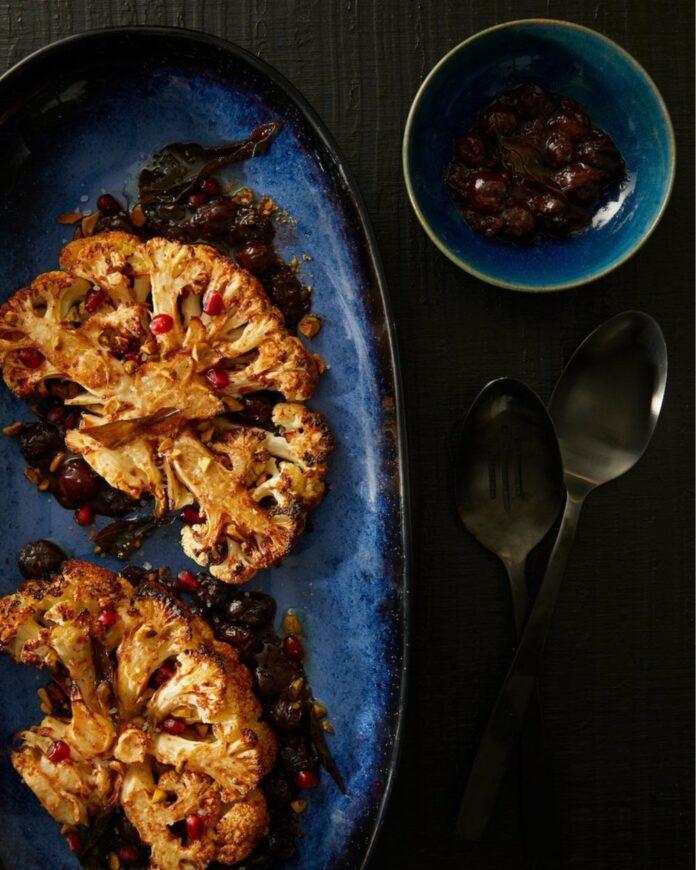
Cauliflower Steaks: a vegetarian delight that challenges the norms of flavor. Thickly sliced cauliflower steaks are roasted to golden perfection and then drizzled with a fragrant curry leaf oil. The rich and savory red wine cherry sauce adds a touch of sweetness and complexity to this elegant and flavorful vegetarian dish. For this recipe we use safeyyas.com to order the Yaji spice. This is the brand we prefer, but you can purchase Yaji spice at Amazon or, visit your local global foods store.
What are Curry Leaves?
Curry leaves, which of course derive from the curry leaf tree, are aromatic leaves. Their unique flavor profile adds depth and complexity to South Indian, Sri Lankan, and Southeast Asian cuisines but can be added to just about any dish. On their own, the leaves are citrusy, slightly bitter, and almost like lemongrass. To take advantage of this flavor, we use them in a curry leaf oil. The curry leaves soak in hot oil until the oil absorbs the leaves’ distinct aroma and flavor. This cooking oil can then be used to enhance various dishes, like on our Cauliflower Steaks.
Who needs regular steaks when roasted cauliflower with curry leaf oil and a red wine cherry sauce dances on your tastebuds?
Ingredients
Scale
For cauliflower steaks:
2 dense heads of cauliflower
Safeyya’s Kitchen Yaji Spice to taste
Salt to taste
A few tbsp of neutral oil, like rice bran, grapeseed, or canola
Pomegranate seeds for garnish
Crushed pistachios for garnish
For curry leaf oil:
25 curry leaves
Enough oil to cover, approximately ½ cup
For red wine cherry sauce:
2 tbsp + 1 tbsp butter
1/2 cup finely minced shallots
1 ½ tsp grated ginger
16 oz bag frozen pitted sweet dark cherries
1/2 cup red wine
1 tsp Safeyya’s Kitchen yaji spice
1 tsp balsamic vinegar
2 tsp curry leaf oil
1 tsp dark brown sugar
1 tsp cornstarch
Salt to taste
Pepper to taste
Instructions
Preheat the oven to 425 degrees. Remove the leaves at the base of the cauliflower, then cut off the thick base. Next, slice the cauliflower lengthwise through the core into 4 steaks. The ends may fall apart; that is why you have 2 heads of cauliflower to get 4 good steaks.
Mix the oil, Yaji spice, and salt to make a paste and rub on all sides of the cauliflower steaks.
You can line a baking sheet with parchment paper so that the cauliflower doesn’t stick or coat it with some oil before placing it on it to get a caramelized golden crust. Bake for approximately 30 minutes or until cauliflower is tender and cooked through.
To make the curry leaf oil, preheat the oven to 225 degrees. Place the fresh curry leaves in a small ovenproof dish. Pour enough oil to cover the leaves and place in the oven for approximately 30-40 minutes or until the leaves have lost their green color and infused the oil with their flavor. Once cooled, place in a tightly sealed container and use within 2 weeks.
Heat a saucepan and melt 2 tablespoons of butter to make the red wine cherry sauce. Add the finely minced shallots and sauté until lightly golden, then add the grated ginger and cook for 30 seconds.
Next, add the thawed sweet dark cherries and stir. Let cook for a minute before adding the red wine and Yaji spice. Stir and cook for another minute.
Pour the balsamic vinegar and curry leaf oil and sprinkle in the dark brown sugar. Add salt and pepper to taste and simmer until the flavors combine.
The sauce may still be a little runny. To thicken, stir some of the sauce with the cornstarch, add back in, and cook for another 30 seconds.
Finally, add a tbsp of butter, stir, and take off the heat.
To serve, plate the cauliflower steaks, pour on the sauce, drizzle with a little extra curry leaf oil, and top with pomegranate seeds and crushed pistachios.
Recipe by Veda Sankaran
Photography by Dave Bryce
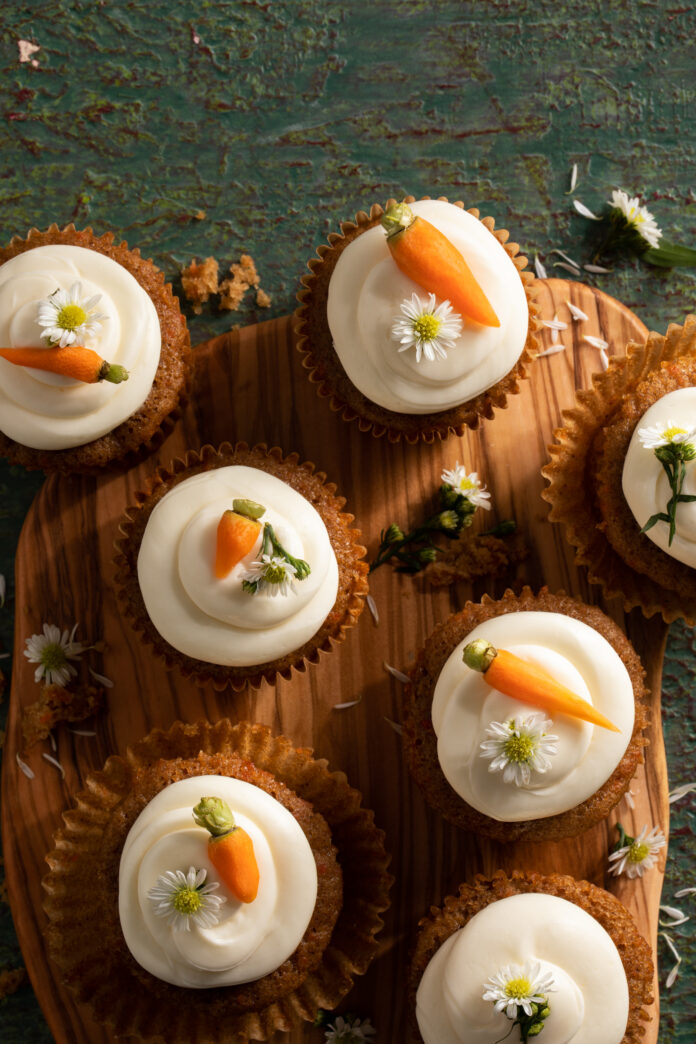
The familiar blend of baking spices and sweet carrots takes on a new sophistication with a touch of white miso paste. It adds an unexpected layer of umami, which harmonizes beautifully with the traditional cream cheese frosting — with or without an optional dose of fragrant cardamom. Farm-fresh butter completes the deliciousness. Serve these up at your next get together or for as a treat with your child’s lunch for a healthy substitute. Your body will thank you in due time plus you still get to indulge in something a bit sweet.
Tips for Baking with Carrots
Carrots can be a great ingredient in cupcakes, brownies, and muffins. For recipes like carrot cakes or muffins, finely grate the carrots. This helps them blend into the batter and ensures they cook evenly. Since carrots release moisture during baking, make sure to balance it with other ingredients. If your batter seems too wet, consider adding a bit more flour or reducing liquids. Baking is all about experimenting with what works best for you.
Miso and carrot create a lovely flavor that’ll remind you of mini carrot cakes.
Ingredients
Scale
1 ¼ cups all-purpose flour
½ cup granulated sugar
½ cup light brown sugar, packed
½ teaspoon baking powder
¾ teaspoon baking soda
1 teaspoon white miso paste
1 teaspoon cinnamon
¼ teaspoon nutmeg
¾ cups canola oil
2 large eggs, room temperature
1 ½ teaspoon vanilla extract
2 tablespoons milk
1 ½ cups grated carrots
For the frosting:
8 oz cream cheese
½ cup butter, softened
2 tsp vanilla extract
4 cups confectioners’ sugar
¼ tsp ground cardamom (optional)
Instructions
Preheat oven to 350 degrees and line a 12-count muffin pan with paper liners.
In the bowl of a stand mixer (or in a large bowl using an electric mixer), whisk together flour, sugars, baking powder, baking soda, miso, cinnamon, and nutmeg.
Stir in canola oil. Add eggs, one at a time, pausing to scrape down sides of the bowl after each addition. Beat until well-combined.
Stir in vanilla extract and milk.
Add carrots and stir until combined.
Evenly divide batter into cupcake liners, filling each ⅔-¾ of the way full. Transfer to oven and bake at 350 degrees for 20 minutes or until a toothpick inserted in the center comes out clean or with moist crumbs.
Allow to cool completely before decorating with cream cheese frosting.
For the frosting:
Beat cream cheese, softened butter, and vanilla together in a large bowl with an electric mixer until light and creamy.
Gradually beat in confectioners’ sugar until smooth.
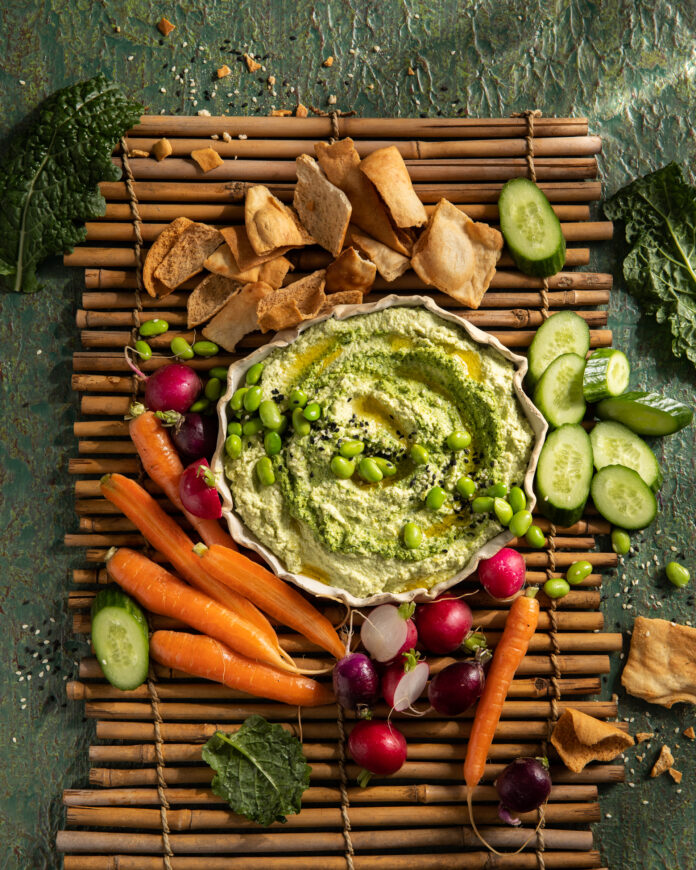
Kale loves cool weather, and baby leaves will be among the early bounty this season. Blend them with nutritious edamame beans, rich tahini, and garlic and voila: a dreamy farm-to-table dip. The crudités shown here in this Edamame and Kale Hummus snack are from Marshall’s Heritage Farm in Smicksburg, Pennsylvania. But you can get your own at any farm-frsh grocery story near your home.
Why Make Kale Hummus?
If you’re a hummus purist, maybe you’re grimacing at the sight of green hummus. But there are many different kinds of hummus. You can try black bean, white bean, Kalamata olive, and more. Kale on its own can be a little boring, so making it into something like hummus creates a new way to enjoy it that vegetable-skeptical kids or even picky adults can still enjoy. Kale hummus isn’t exactly your classic Middle Eastern hummus, but we’re still using tahini, the basis of all hummus, to create a more robust texture for the kale dish. If you’re curious about incorporating tahini into more things, Chef Eden Grinshpan’s Tahini Baby is a great starting point.
New Mexico is a remarkable gathering of visionaries, and it’s our great fortune that Gruet Winery & Tasting Room has chosen to call it home. The winery was established in 1984 and is renowned for its méthode champenoise or méthode traditionnelle sparkling wines, made with traditional French methods. Gruet produces several sparkling wines, primarily Pinot Noir- and Chardonnay-based, making them ideal for blending into inventive cocktails. The Gruet Demi Sec, for example, is fresh and delicate on the palate with delightful peach notes. Its apple finish is earthy, crisp, and slightly sweet. Perfect for summer picnics in the garden or for a Bleeding Heart cocktail.
Daniel Gutierrez, tasting room manager for Gruet Winery Santa Fe, and bartender Noemi Leon worked together previously at Hotel Chaco. During this time, they discovered that they shared similar flavor profiles and perspectives when it came to crafting cocktails and pairing them with food: a collaboration was born. The two aimed to showcase for TABLE readers the rich flavors of Gruet’s wines, which can be enjoyed on their own or paired with other ingredients for increased versatility year-round.
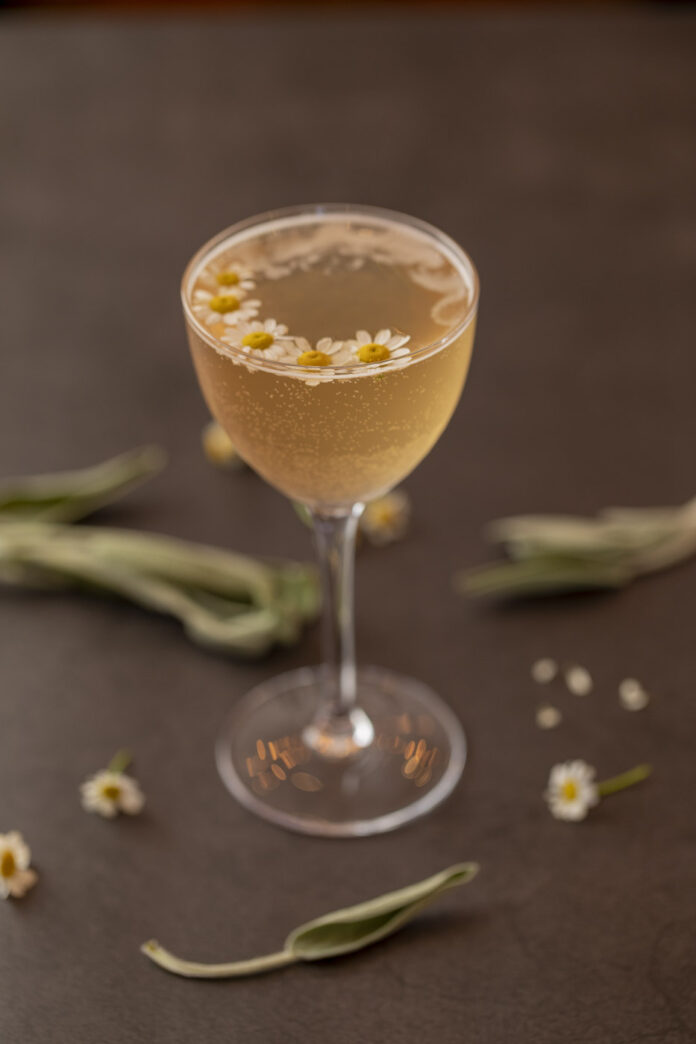
Manzanilla y Fresas
INGREDIENTS
¾ oz elderflower liqueur
6 sage leaves
2 oz chamomile tea
2 ¼ oz Gruet Sauvage Rose
Chamomile flowers for garnish
DIRECTIONS
In a cocktail shaker, add the elderflower liqueur and sage leaves. Muddle, then add chamomile tea, ice, and shake. Fine-strain into a Nick and Nora or coupe glass, top with Gruet Sauvage Rose, and garnish with fresh chamomile flowers.
Story by Gabe Gomez / Photography by Gabriella Marks / Styling by Alex Hanna/ Recipe by Daniel Gutierrez and Noemi Leon
Don’t miss a single delicious thing: Subscribe to TABLE Magazinehere!
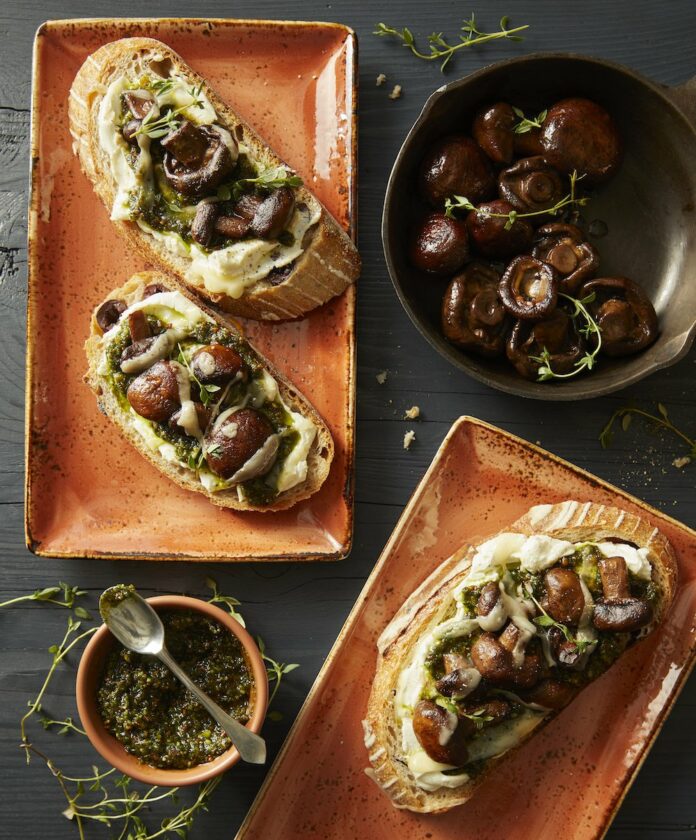
The art of tartine making is something that every home cook should perfect. It can be a quick meal with endless flavor and ingredient combinations or a singular tried and true recipe perfected through repetition. TABLE recipe developer and stylist, Anna Franklin, shares her recipe for Buttered Mushroom Tartine, and we couldn’t be more in love; salty and savory, we love it with a little vinegary Escabeche for that extra crunch!
To make the pesto, process the sage, kale, pistachios, parmesan, oil and salt in a small food processor until combined. Stir in the crushed red pepper flakes. Set aside.
Preheat oven to 425 degrees F.
Heat 1 tablespoon butter + 1 tablespoon olive oil in a large skillet over medium heat. Add the mushrooms, salt and pepper and cook for 5–8 minutes or until brown. Add the balsamic vinegar and continue to cook until the balsamic glazes the mushrooms, about 2-3 minutes. Keep warm.
Meanwhile, mix the remaining butter with the garlic salt in a small bowl. Spread the butter onto one side of each piece of bread and place on a baking sheet. Bake for 5-8 minutes or until lightly toasted. Remove the toast and spread with pesto and goat’s cheese. Top with shredded fontina cheese. Place under the broiler for 1–2 minutes or until the cheese is melted and golden. Top with the mushrooms to serve.
Recipe and Styling by Anna Franklin Photography by Dave Bryce
The International Folk Art Market is a platform for artists to share their crafts and stories, but it is also a place where people come together to celebrate the beauty and diversity of our world.
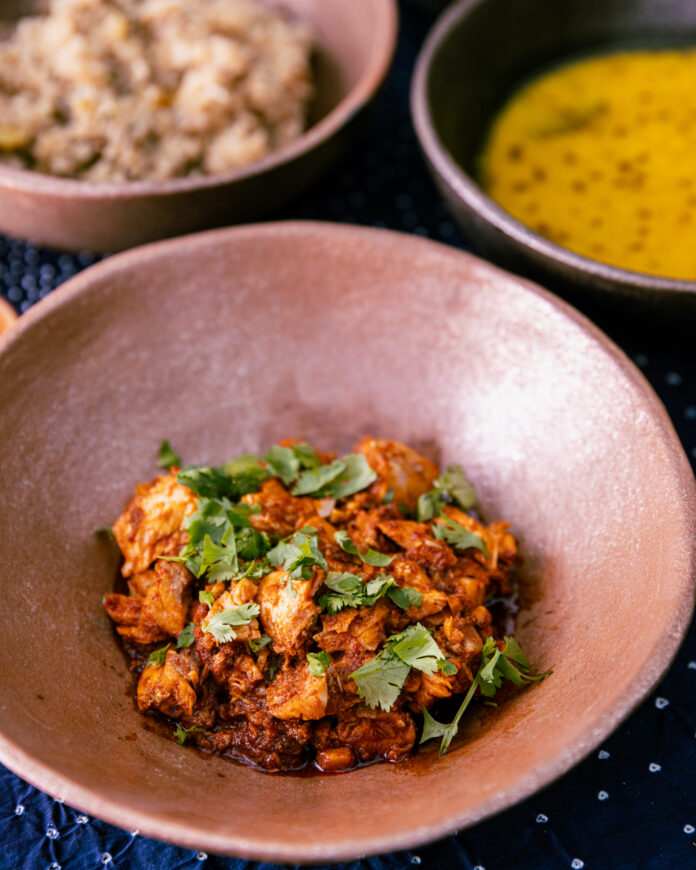
Like IFAM itself, sharing a meal is a reminder of the power of food and community to bring people together and create meaningful experiences that will be remembered for years to come. TABLE’s online editor, Gabe Gomez, took part in a dinner prepared by some of IFAM’s artists from India. This recipe is a recreation of some of the delicious fare cooked by by Abdulaziz Khatri of Sidr Crafts, one of IFAM’s veteran textile artists.
Spicy Pan-Fried Salmon
INGREDIENTS
4 boneless salmon filets, skin-on
Pinch of salt
Pinch of freshly ground pepper
2 tbsp ginger
1 tsp ginger, mashed in mortar and pestle
1 tsp garlic, mashed in mortar and pestle
2 tsp garam masala
1 tsp ground cumin
1 tsp coriander powder
1 ½ tsp turmeric powder
1-1 ½ tsp ground cayenne
2 tbsp lemon juice
1 tbsp water
2 tbsp EVOO
DIRECTIONS
Clean and dry the salmon filets, removing any bones.
Combine salt, black pepper, ginger and garlic paste, garam masala, cumin, coriander powder, turmeric powder, cayenne, lemon juice, and water. Mix well.
Add the salmon to the mixture and coat the entire fillet. Fish can marinate for 2-24 hours. We recommend marinating overnight for the best results.
Remove excess marinade from the fish. Heat the oil in a skillet over medium-high heat. Pan-fry fish for 4 minutes on each side. It’s always best to lower the heat to avoid burning the marinade, which can make the spices bitter.
Transfer the fish to a clean platter or plate to rest. The fish will continue to cook when it’s off the skillet.
Enjoy the fish with fresh cucumber wedges and rice with a little lemon squeeze.
Story and Recipes by Gabe Gomez / Photography by Tira Howard