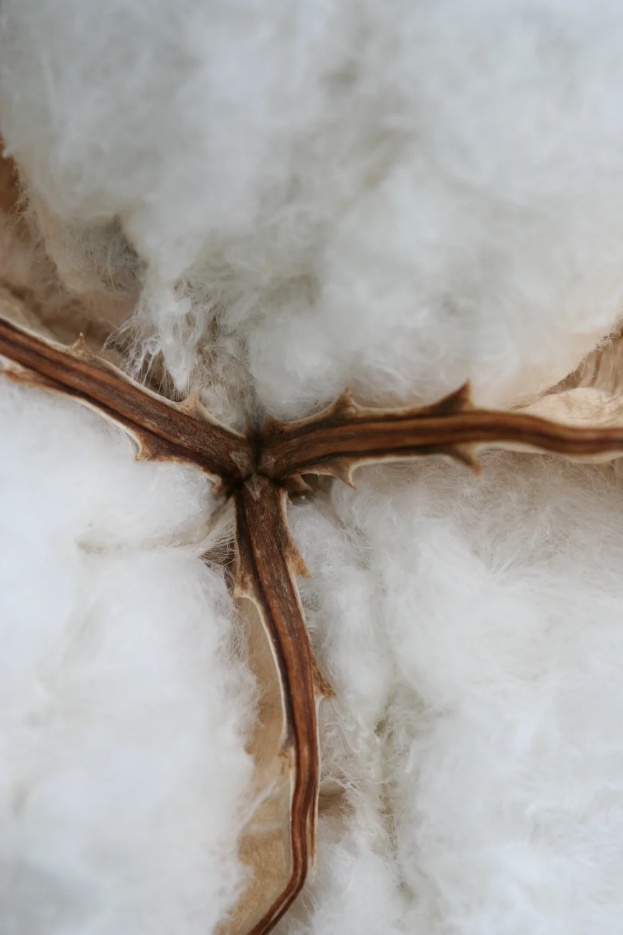
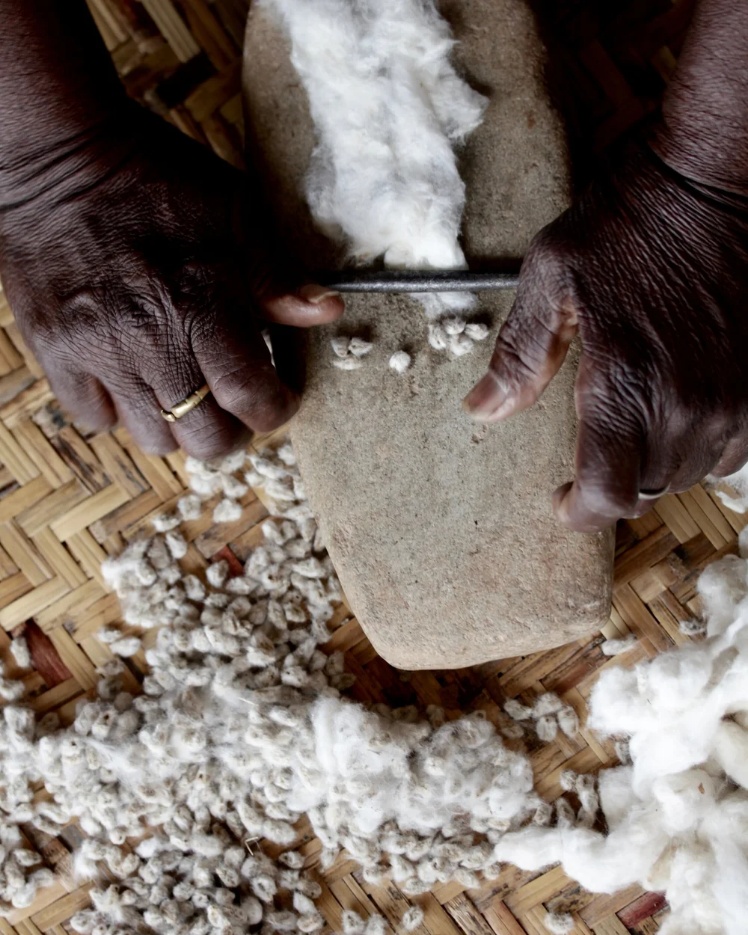
In July 2018, three women sat down together in Paris. Haram Sidide, an officer at the Ethical Fashion Initiative of the United Nations, housed at the International Trade Center in Geneva; world-renowned trend forecaster and educator, Lidewij Edelkoort; and artist, photographer and designer Birgitta de Vos. They began to cook up a new visual vocabulary for bogolanfini, also known as mudcloth – an ancient symbiosis of the leaves of the nglama bush; iron-rich mud pigments from the Niger River; and African cotton farmed, harvested, cleaned, spun, and woven entirely by hand. These dreamers saw contemporary possibilities in the ancient craft.
AAAA Co-op Supports Artists in Mali
The framework they developed that day became AAAA Co-op, a line of heritage textiles that fits perfectly into modern interiors. A bit later, social entrepreneurs Irene Mertens and Sam Ijsbrandy, from Amsterdam’s Atelier Sukha, joined the team in order to create a reliable connection with international markets. Now, because of AAAA, artisans in Mali are introduced to customers in Europe and the United States. Talented people in West Africa are earning decent wages. Customers are enjoying fantastic handmade heritage textiles. A craft with deep history has a path into the future.
AAAA stands for Atelier Autodidacts Anti-Algorithms (AAAA). The name is a comment on how traditional artistry stands apart from the algorithmic rules that seem to govern much of our online experience. Therefore it’s much of what we see and think about. AAAA is supported by the Ethical Fashion Initiative as one of a series of programs helping to create fairly paid and sustainable jobs in Mali, which in turn helps address the problem of emigration, especially among youth. Due to recent political instability, Mali has lost much of its tourism, with devastating effects on income.
More on Mudcloth in Mali
In Mali, the word for mudcloth is bògòlanfini. Its beauty is the result of a chain of skilled spinners, weavers, and dyers still in touch with the skills of their ancestors. Once on the verge of disappearing, AAAA has, in under two years, become ‘the place’ to be for the young, creative, and lover of textiles. Every week, new people knock on the door to ask if they can join in this creative adventure. It is today a hub where young and old, master and also apprentice, work side by side.
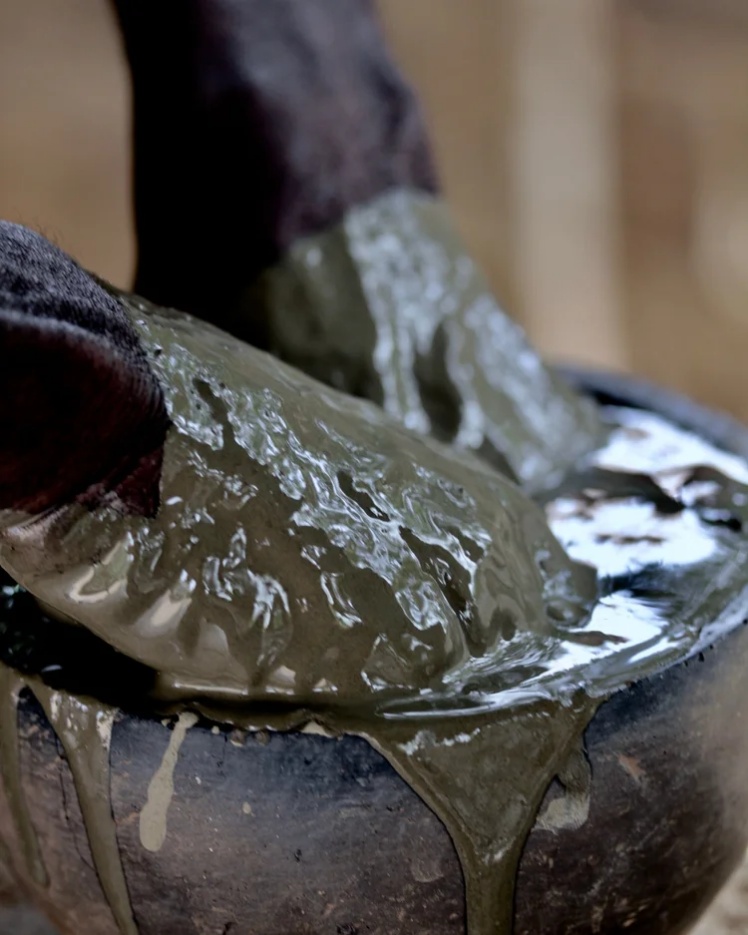

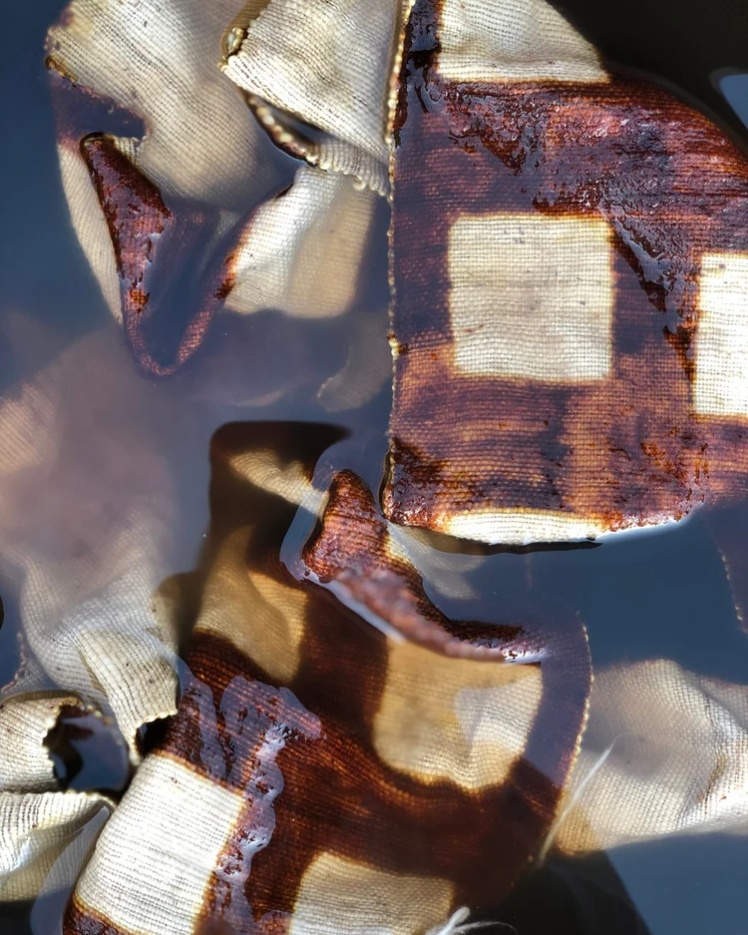
Creating bògòlanfini is a labor-intensive affair that can’t be rushed, a true example of slow textiles. All stages are done by hand, from farming the cotton, spinning, weaving, dyeing, painting, as well as sewing. Locally grown, tannin-rich leaves are boiled with the fabric as a mordant – a substance which prepares the fibers to receive dyes. Then mud from the Niger River, which has fermented for a year in a clay jar, is used to paint symbolically protective patterns. Traditionally the cloth is believed to have the power to absorb dangerous forces released during life-threatening circumstances. That is why a bogolan is also referred to as ‘medicine cloth,’ and was traditionally worn by hunters.
Creating a Lasting Effect
Birgitta de Vos describes working with AAAA artisans in Mali as “a true treasure. It roots you again in what it is to be human — away from digital screens and life in the fast lane, where time is money. The artisans share not only their laughter, food and creativity with you, but also their patience, willingness and openness. It is truly a two-way exchange, without hierarchy, where we are all brothers and sisters again. This exchange is food for the soul.”
Follow AAAA Co-op on Instagram: @aaaacoop.
Read more about Mali’s mudcloth in Keith Recker’s book, True Colors: World Masters of Natural Dyes and Pigments (Thrums Books, 2019).
Story by Keith Recker
Photography by Birgitta De Vos
Subscribe to TABLE Magazine’s print edition.