In a world where division is rife, memoir is a potent reminder that what unites us can be more powerful than what sets us apart. Separated by cultures, life experiences, and homelands, my top picks for 2025 show us what it means to be human as well as how the best in us is often revealed in the most challenging times.
Exploring the Best Food Memoir Books of 2025
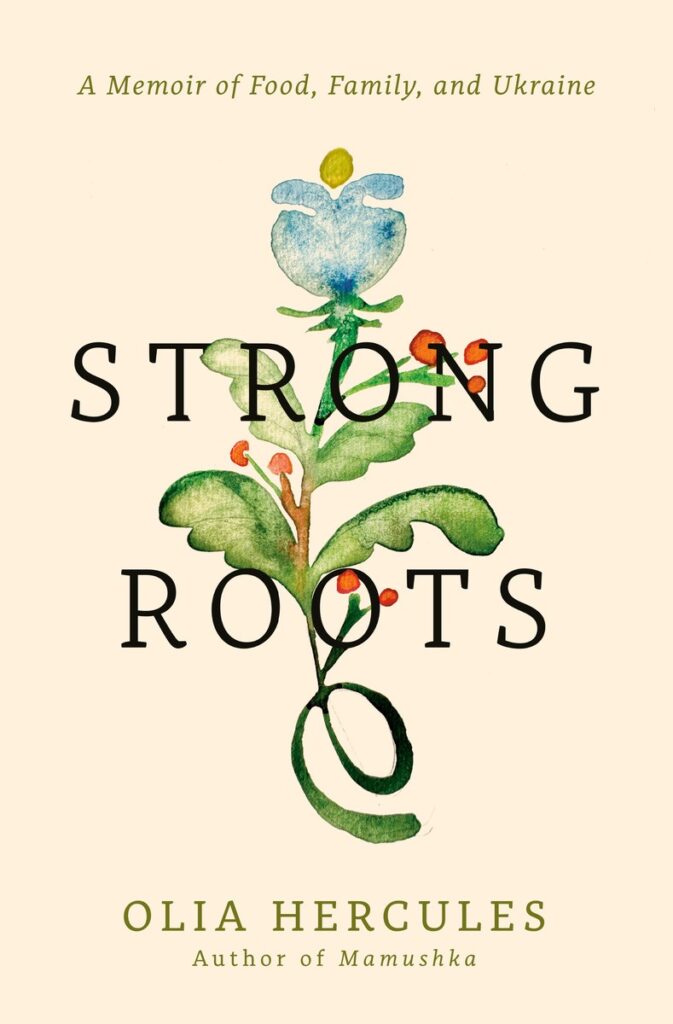
Strong Roots: A Memoir of Food, Family, and Ukraine by Olia Hercules
Hands down my favorite memoir this year is by the food writer Olia Hercules. Born and raised in Ukraine, this is Hercules’ story of the war that has ripped her homeland apart, her response through the co-founding of activist group #CookForUkraine, as well as tales of the spirited and tenacious women in her family, including her grandmother’s deportation to Siberia under Stalin. This story that is both painful as well as hopeful, as Hercules’ shares with readers the indomitable spirit of the Ukrainian people. Published by Alfred A. Knopf.
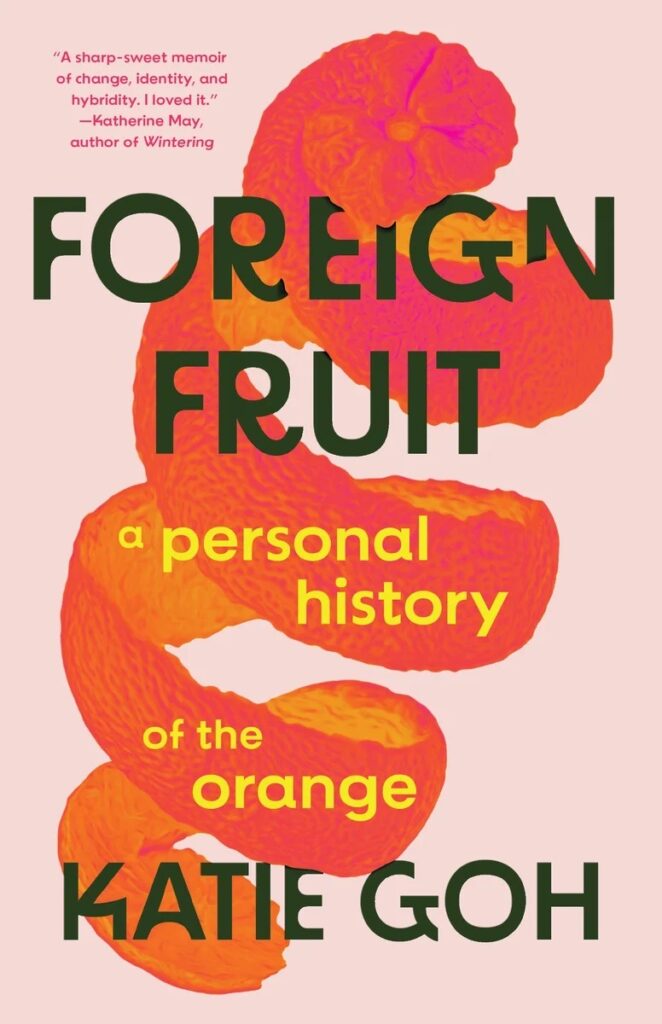
Foreign Fruit: A Personal History of the Orange by Katie Goh
Edinburgh-based writer and editor Katie Goh uses the history of the orange as a starting point for her own exploration of self and family. Goh – of Chinese and white parentage – grew up in the north of Ireland which was 99 percent white. “Within that 1 percent, there were so few Asian people that if the census were to round its decimal points, we would have made up 0 percent of the population.” As Goh traces the history of the orange, she then discovers a journey that mirrors her own. Published by Tin House.
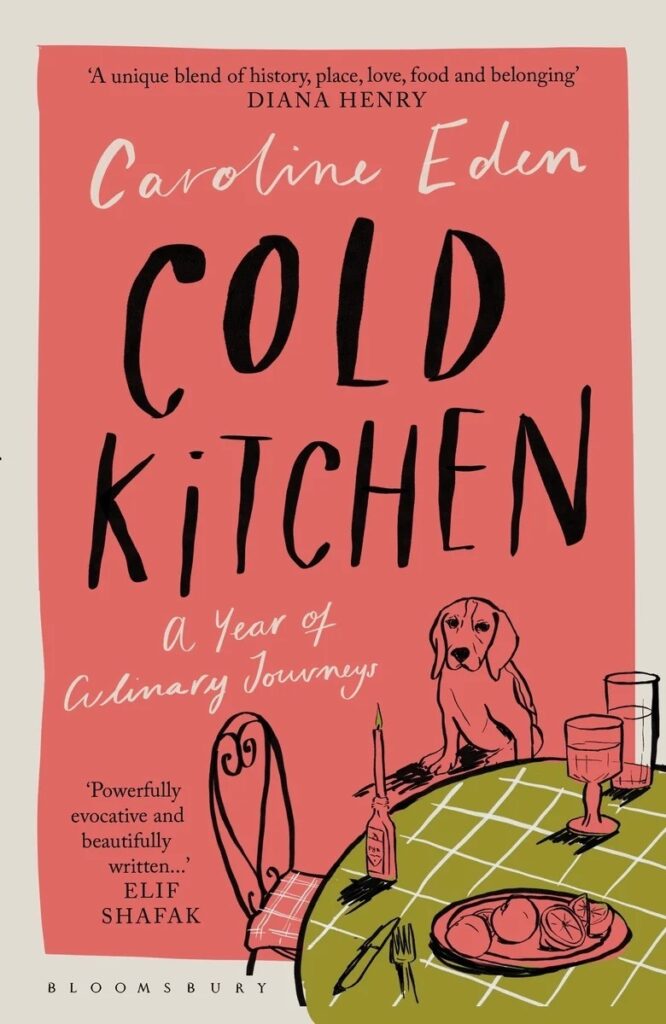
Cold Kitchen: A Year of Culinary Journeys by Caroline Eden
Armchair travel at its best, as Caroline Eden takes us with her on journeys throughout Eastern Europe and Central Asia. Back home in Scotland, cooking is a way to tease out the memories of those travels, like the Dark Beer and Rye Bread Pudding she savored in Riga. “Memories become less fragmented and more whole, and the sounds of the city even become audible: cars on cobbled lanes, clattering bistros, trolleybuses zapping past misty parks; couples chattering in Latvian, English and Russian as the curtain rises at the opera. As I make and eat this pudding, I find myself once again part of the city.” Published by Bloomsbury.
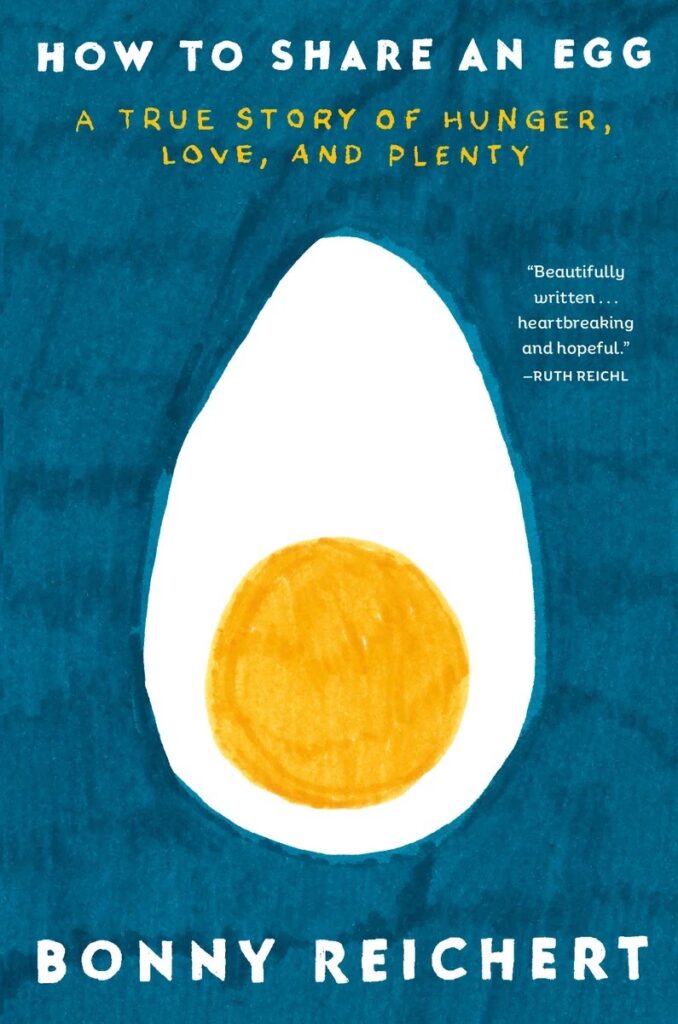
How to Share an Egg: A True Story of Hunger, Love, and Plenty by Bonny Reichert
A bowl of borscht sets Bonny Reichert on a journey to understand her father, who was imprisoned in Auschwitz-Birkenau during World War II. Reichert explores dueling themes of scarcity and plenty as she explores not only her father’s history but also her own. Published by Ballantine Books.
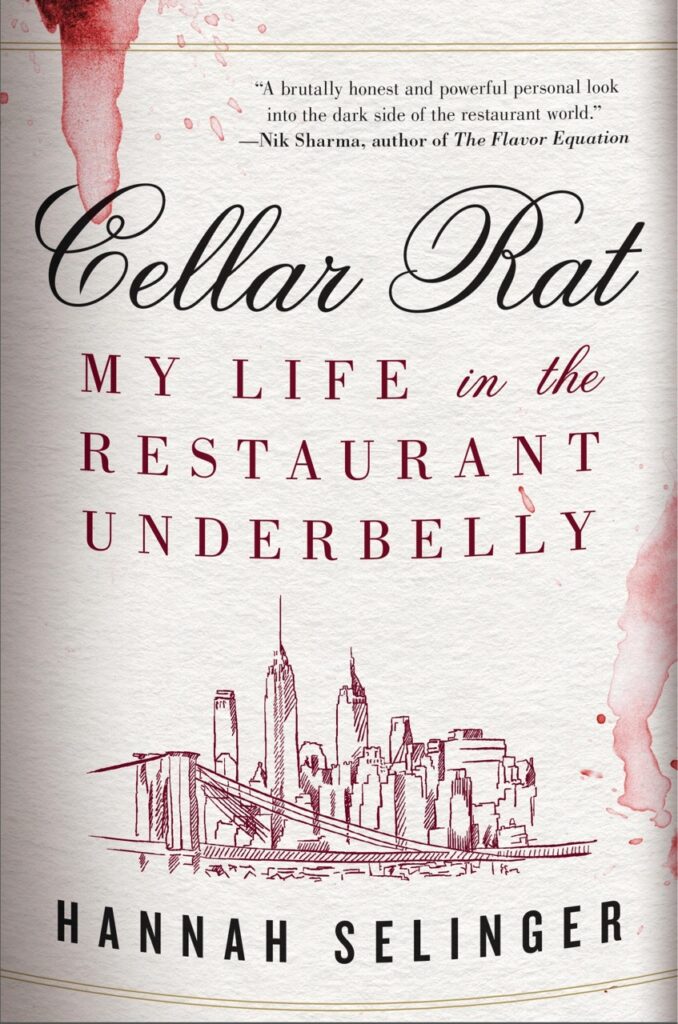
Cellar Rat: My Life in the Restaurant Underbelly by Hannah Selinger
Hannah Selinger cut her teeth working first as a server and then a sommelier at some of New York City’s top restaurants. But beneath the rarified world of fine dining, lies something much darker which Selinger shares with brutal honesty. A name-names, tell-all memoir that is at time shocking and always page-turningly-compelling. Published by Little Brown.
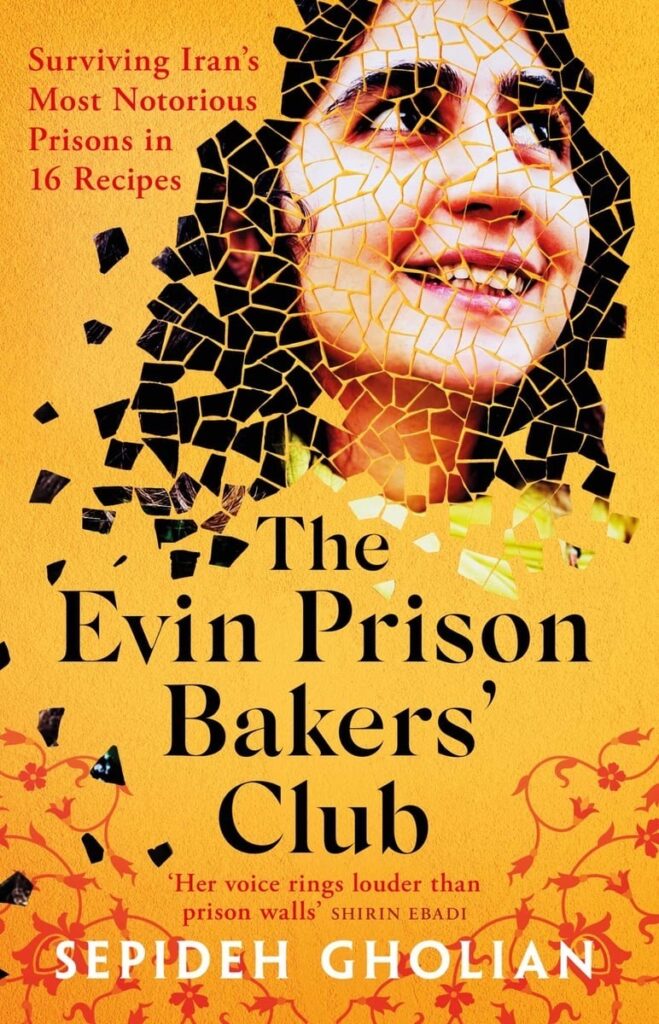
The Evin Prison Bakers’ Club by Sepideh Gholian
The Evin Prison is one of the most notorious prisons in Iran where they torture, beat, and humiliate women routinely. Human rights campaigner Sepideh Gholian tells her story as a prisoner, as well as the stories of others through the dishes they secretly manage to bake. Each of the 16 recipes is dedicated to one of the women – swiss roll for Mahboubeh Rezaei or saffron cookies for Zahra Zehtabchi – and tells the tales of resilient women who remain defiant. Published by One World.
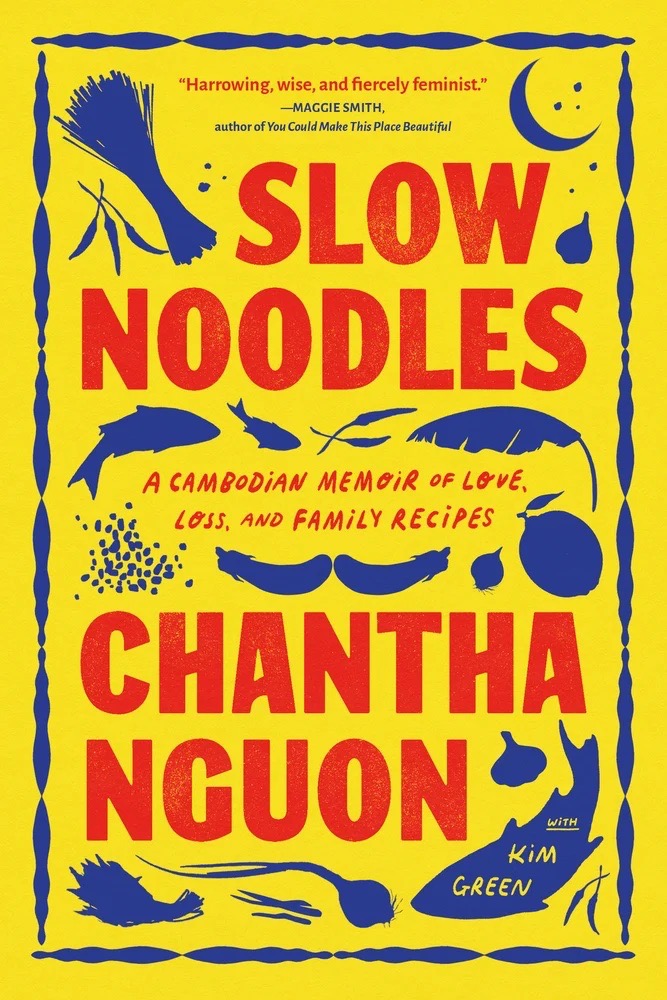
Slow Noodles by Chantha Nguon
Chantha Nguon and her family lost everything – their home and livelihood – when dictator Pol Pot came to power in the 1960s. Forced to live in exile first in Saigon and then a refugee camp in Thailand, Nguon’s is a story of survival and the power of food to connect us to who we are and where we come from. Published by Algonquin Books.
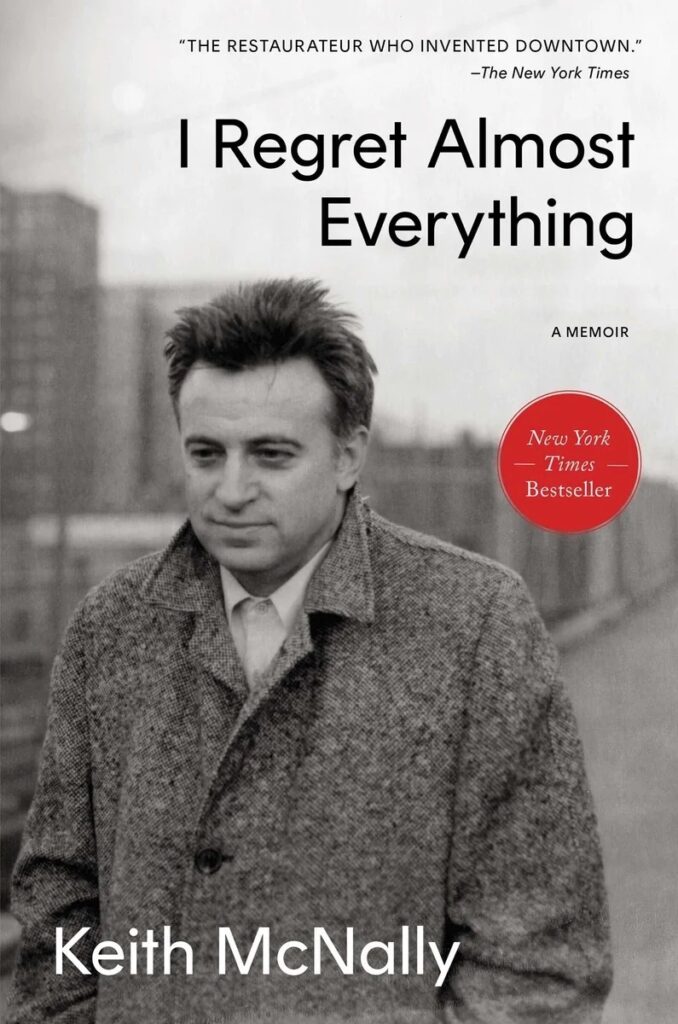
I Regret Almost Everything by Keith McNally
Keith McNally – the mastermind behind such iconic New York restaurants as Odeon, Nell’s, and Balthazar– isn’t always easy to like but his tenacity, vision, and energy are. After he suffers a stroke, he refuses to stop. Recounting the opening night of the restaurant Pastis he says, “For once I wasn’t embarrassed by the way I looked or spoke. That night, for the first time since my stroke, I saw myself not as others saw me, but as I saw myself. I was still the same person inside, and despite my banged-up body and marred speech, I could still build restaurants.” Published by Simon & Schuster.
Story by Julia Platt Leonard
Subscribe to TABLE Magazine’s print edition.